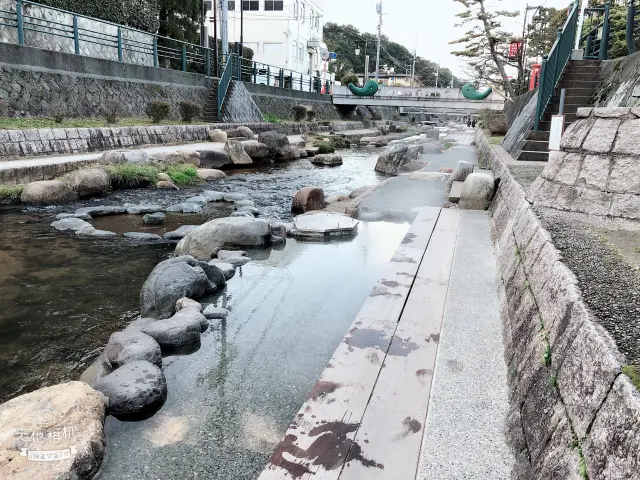
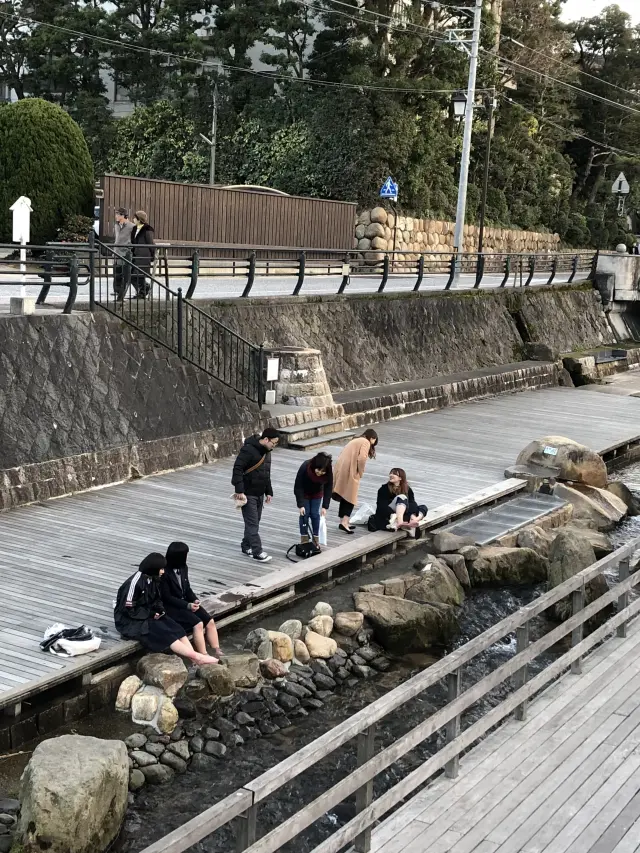
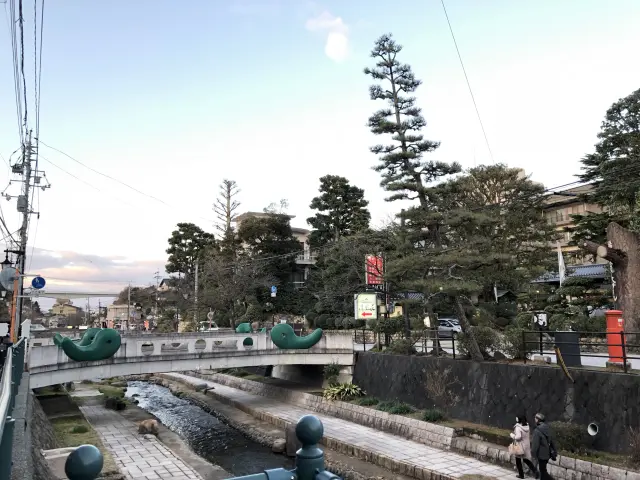
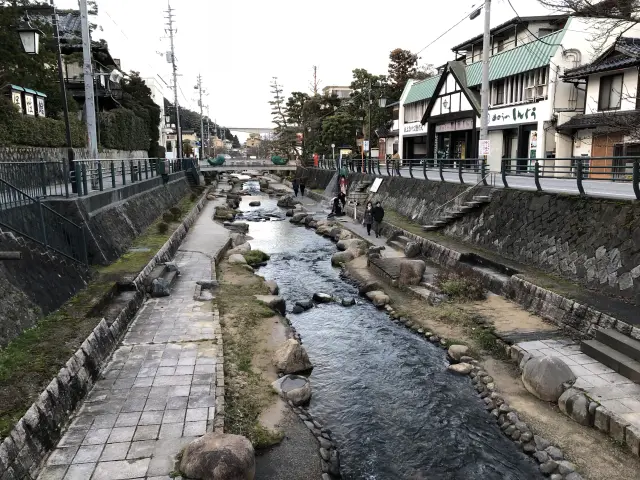
When you come to the charming old streets of Tamatsukuri Onsen, you’ll find footbaths everywhere. The hot spring town stretches along the Tamayu River, lined on both banks with traditional Japanese inns. The peaceful atmosphere makes it a great place to soak and unwind.
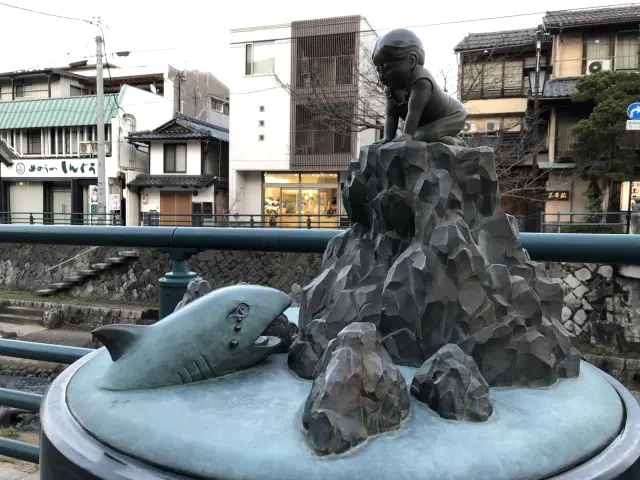
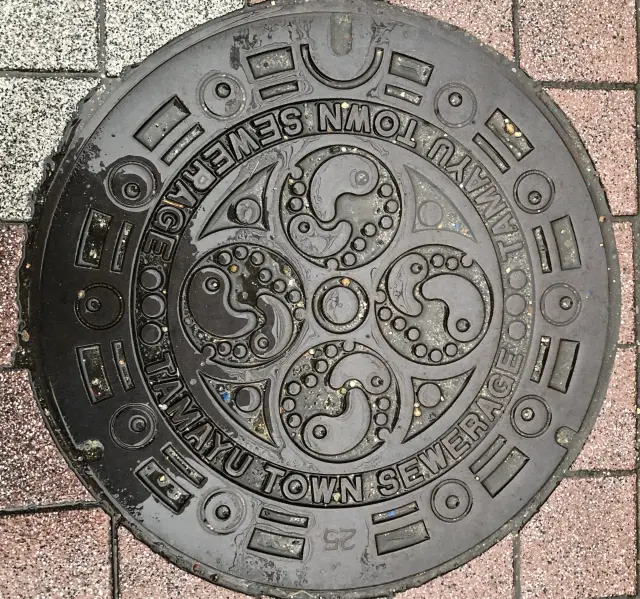
Besides the souvenir items that represent Tamatsukuri, even the public buildings incorporate green agate-inspired gemstone designs, which left a strong impression on me.
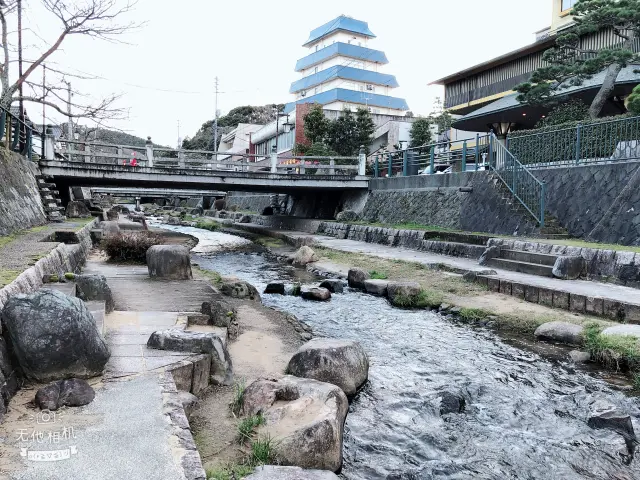
Tamatsukuri Onsen | Review by 周黛西
Other Reviews by 周黛西
-
Akafuku-Main store
Founded in 1707, during the early Edo period, this long-established store has been welcoming visitors to Ise Jingu shrine for centuries with its famous "Akafuku Mochi." This traditional Japanese sweet consists of a mochi rice cake topped with smooth sweet bean paste, and its shape is distinctive. The three lines on the bean paste represent the pure flow of the Isuzu River that runs through the sacred grounds of Ise Jingu, while the white mochi symbolizes the pebbles at the riverbed.
As soon as you enter Okage Yokocho and turn into an alley, you'll see Akafuku. Their signature “Akafuku Mochi” is chewy mochi covered with red bean paste, similar to Taiwanese red bean mochi. The red bean paste is sweet but not cloying, and it's a perfect match with a cup of hot tea. No wonder there's a constant stream of customers. The matcha shaved ice is also great, with their signature red bean paste and two pieces of mochi hidden inside. It's the perfect treat for cooling off.
The main store is in the middle of the street, and takeout gift boxes are also available, but they have a short shelf life, so it's best to enjoy them there. -
-
Oharai Machi, Okage Yokocho
In front of the Inner Shrine of Ise Jingu Shrine, there's a street called Oharai Machi that bustles with numerous worshippers every year. From the Edo Period to early Meiji Period, many people called Onshi lived here and performed Shinto dance and music for their worshippers (Oharai), thus, the name Oharai Machi is believed to have come about.
Okage Yokocho is next to Ise Jingu and has lots of authentic Japanese food, cafés, and shops. You can enjoy sweets from the traditional Akafuku shop and seafood from Ise while browsing the stores, and the lively atmosphere completely immerses travelers in the experience.
-
-
Ise Jingu
Known affectionately as "Oise-san," the shrine is usually called "Ise Jingu-Shrine," but officially, it is called "Jingu-Shrine".
Walking into Ise Jingu, towering trees lined both sides. Listening to the gentle sound of cicadas and walking along the gravel path, I quietly became one of the worshippers. I stopped briefly by the Isuzu River, where the clear water and soft breeze took away the summer heat. It was peaceful and serene. I liked the simple, unadorned atmosphere, and felt that my restless, heat-weary heart found calm here.
-