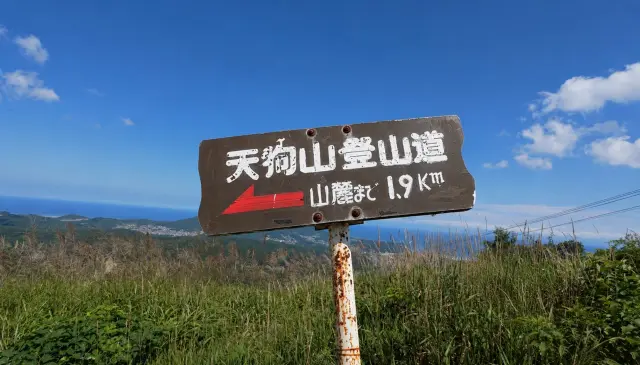
Mt. Tengu is an attraction you absolutely shouldn't miss when visiting Otaru! I specifically chose a clear day, took the train from Sapporo to Otaru, then transferred to a bus and the ropeway up the mountain. I enjoyed the mountain scenery all the way up, and once I reached the observation platform, I could see all of Otaru, Otaru Port, and the coastline. The elevation here isn't particularly high, which actually makes the view of the city feel just right. The views are also great as you slowly walk along the hiking trails. Overall, the scenery is every bit as good as Mt. Hakodate, with an added touch of romance unique to Otaru. I recommend heading up the mountain when you visit Otaru!
Otaru Tenguyama Observation Platform, Otaru Tenguyama Ropeway | Review by Queenie
Other Reviews by Queenie
-

Kamakura Komyo-ji Temple (Jōdo-shū Daihonzan Tenshōzan Renge-in Kōmyō-ji)
Komyo-ji Temple is a famous temple of the Jodo sect of Buddhism, and the temple is said to have been founded in 1243. It was founded by Ryochu Nen’a after Hojo Tsunetoki converted to Buddhism. Its formal name is Jōdo-shū Daihonzan Tenshōzan Renge-in Kōmyō-ji.
This time, I visited Komyo-ji Temple in Kamakura, hoping to take a good look at this historic temple. Once I entered, I found it even more peaceful and secluded than I had imagined. There were fewer crowds than at busier tourist attractions, giving it a sense of tranquility that allowed me to take my time looking around.
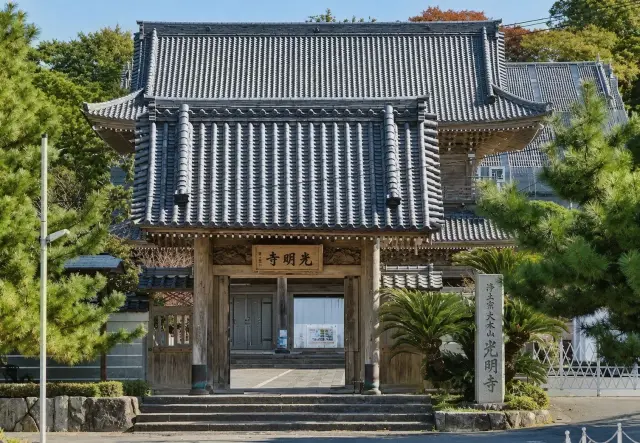
The first thing that caught my eye upon entering the temple grounds was the historic main gate. The traditional wooden structure, paired with layers of overlapping black roof tiles, looked very imposing. Just standing in front of the gate, I couldn't resist taking several photos.
Unfortunately, the main hall has been undergoing extensive renovations since November 2019, with the work expected to last about 10 years. Because of this, the famous Three Buddhas and Five Patriarchs Stone Garden on the south side is also temporarily closed to visitors.
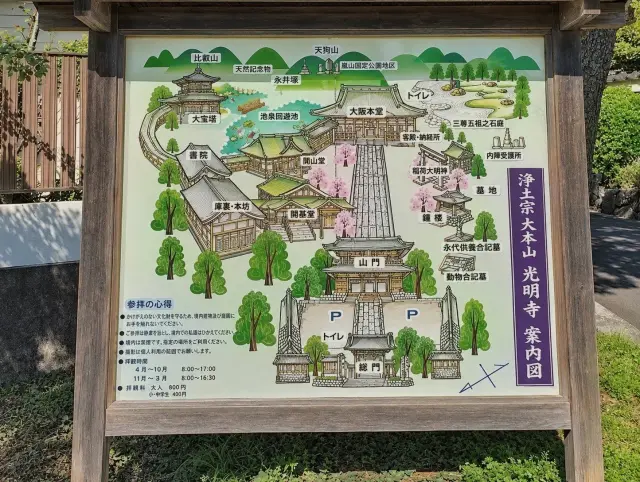
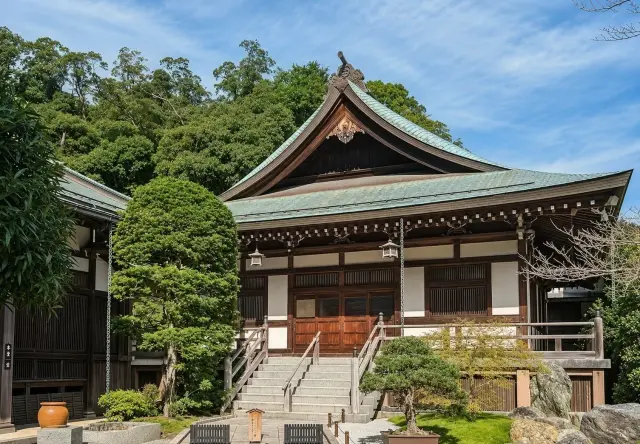
This time, I mainly visited the Kaisando Hall, which is serving as the temporary main hall, Daishokaku Hall, the bell tower, and the main gate. Afterward, I also walked toward Mt. Tensho behind the temple to see the mausoleum area. I took in the scenery in different corners of the temple as I walked and took quite a few photos.
Although I wasn't able to see the complete main hall or the stone garden this time, the visit was still very rewarding overall. I especially liked the rustic old buildings, the surrounding greenery, and the atmosphere that naturally made me slow down.
I originally thought it would only take a short time to look around the temple, but I ended up spending nearly an hour and a half taking photos and walking around Komyo-ji! Every corner is worth appreciating at a leisurely pace.
If I have the chance to visit again, I hope it will be during cherry blossom season or when the lotus flowers are in bloom, so I can see what kind of beauty Komyo-ji has to offer in a different season.
-
-

Hokokuji Temple
A temple in Kamakura awarded three stars by the “Michelin Green Guide Japan,” a travel guide for international visitors to Japan. In 1334, the eminent Zen monk Tengan Eko built a hermitage here to practice Zen, and the Ashikaga and Uesugi clans were involved in establishing the temple.
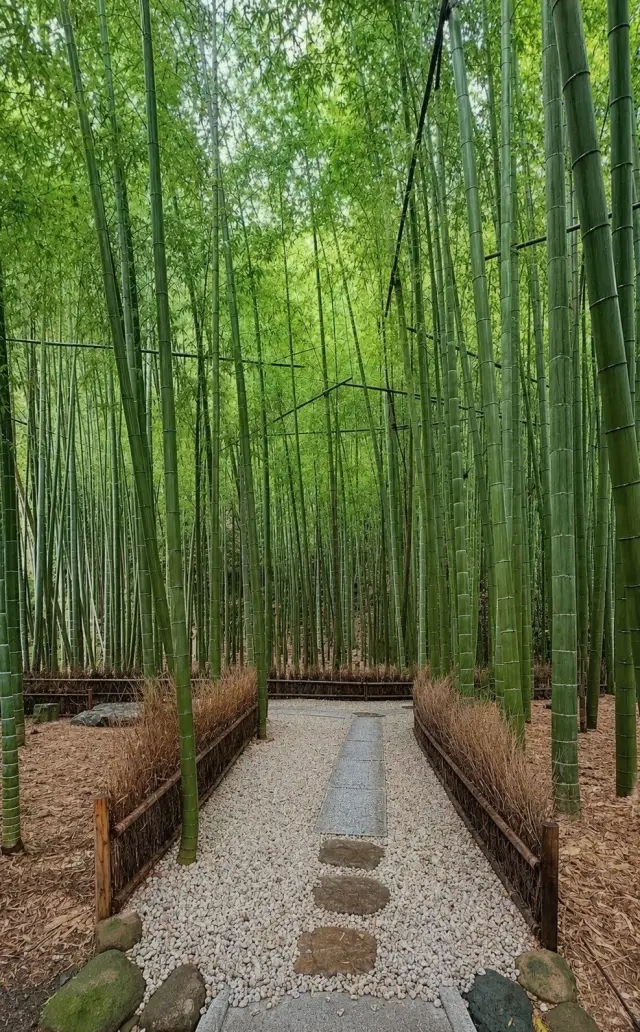
A small Japanese temple filled with a Zen atmosphere, with the bamboo garden being its biggest attraction. The lush green bamboo towers overhead, and stepping inside feels like instantly leaving the noise of the city behind. Admission to the garden costs an additional JPY 400. Although the temple isn't very large, the bamboo scenery is truly captivating.
That day, I strolled along the bamboo path, with tall bamboo stalks rising straight into the sky on both sides. Looking up, all I could see was a canopy of overlapping greenery. It was especially quiet as I walked along the gravel path. Occasionally, I looked up at the light filtering through the bamboo leaves, and I felt completely relaxed.
There isn't a lively tourist atmosphere here. Instead, it feels peaceful and unhurried. Rather than rushing to take photos and check in, I preferred to slow down and really take in the feeling of being surrounded by bamboo. There's also a Japanese-style tea area in the garden where you can sit down, enjoy matcha, and quietly admire the beautiful bamboo scenery in front of you.
This is a small attraction that doesn't require much time but still leaves a lovely impression. It's also a place worth stopping by during a trip to Kamakura.
-
-

A Pilgrimage for the Popular Manga, “Slam Dunk”
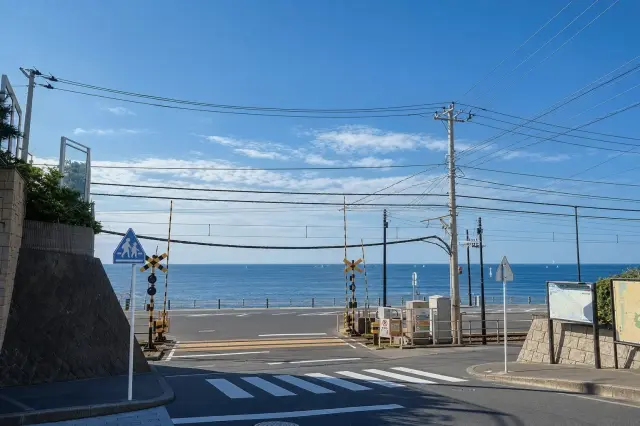
This is the location of the railway crossing that served as a model for the opening scene of Slam Dunk, a basketball-themed anime that has gained enthusiastic fans not only in Japan, but all over the world.
When visiting Kamakura, of course you can't miss this classic spot made famous by Slam Dunk!
I had a strong impression of this railroad crossing from watching the anime years ago, and this time I finally had the chance to visit it in person. I originally thought it would be packed with people taking photos, but surprisingly, there weren't many visitors that day. The weather was also very nice, so we could take our time enjoying the view.
Standing at the intersection and watching the Enoden slowly pass by, with the deep blue sea on the other side, the ocean breeze felt very pleasant. The scenery really felt like something out of a Japanese movie.
Although it's just a small railroad crossing, the anime gives it a special charm. Being able to capture the shot I wanted in such great weather was also a little moment of happiness during this trip to Kamakura!
-