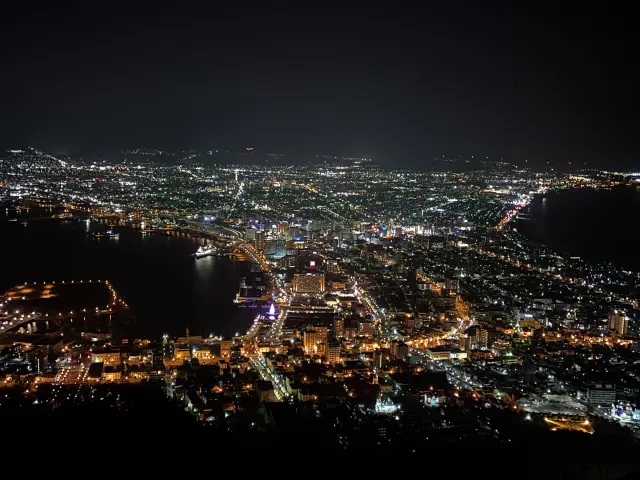
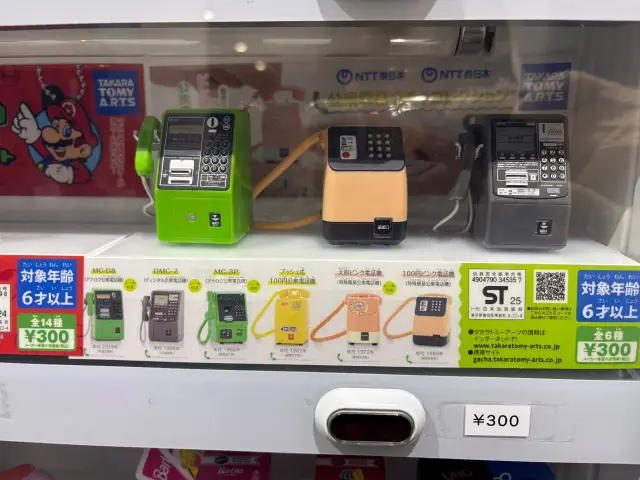
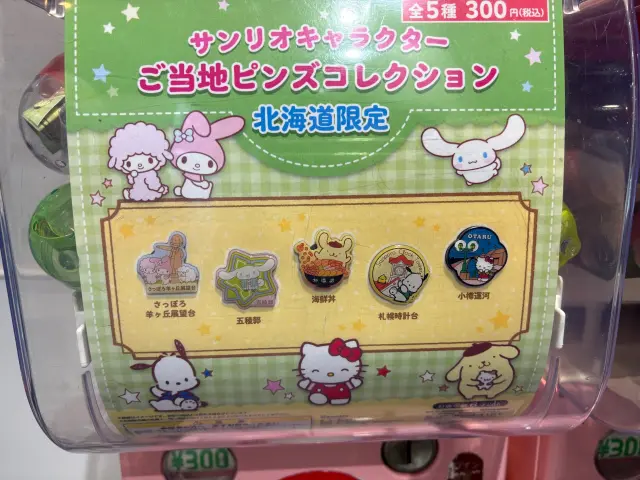
The Mt. Hakodate Ropeway is one of Hakodate's must-visit attractions. It also operates during the day, but the crowds noticeably increase in the evening when people come to enjoy the night view. As the ropeway slowly makes its way up the mountain, you can see views of Hakodate along the way. Once you reach the observation deck, the night view before you is even more stunning. The lights stretch along the coastline, making the city of Hakodate sparkle brilliantly. The classic “million-dollar night view” truly lives up to its reputation. There are also several exclusive capsule toy machines on the first floor, so you can browse them and pass the time while waiting to board.
Mt. Hakodate Ropeway | Review by Linda Liao
Other Reviews by Linda Liao
-
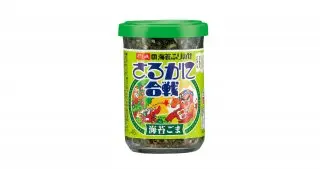
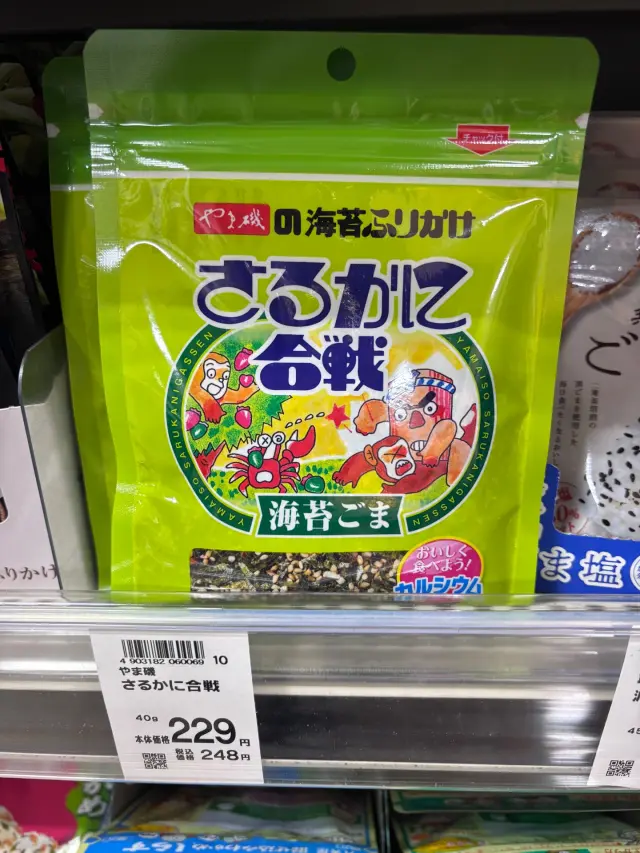
Saru Kani Gassen
This furikake is made with the luxe, high-quality flavor of seasoned nori that could only come from a nori merchant. If you sprinkle it on to white rice, you won’t need any side dishes to enjoy your rice.
This extremely popular Japanese nori furikake is the perfect match for white rice! Sprinkle it over a bowl of piping-hot rice, and the aroma of nori immediately fills the air. It's savory and keeps you coming back for more, making even a simple meal satisfying. It's especially good in the summer when you don't have much of an appetite, helping you eat a few more bites. For a different way to enjoy it, you can add hot dashi to make Japanese-style chazuke. It's light yet full of flavor, and the price is very affordable.
-
-
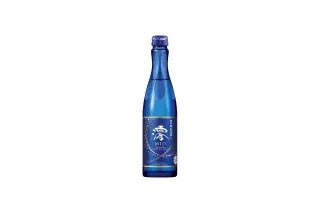
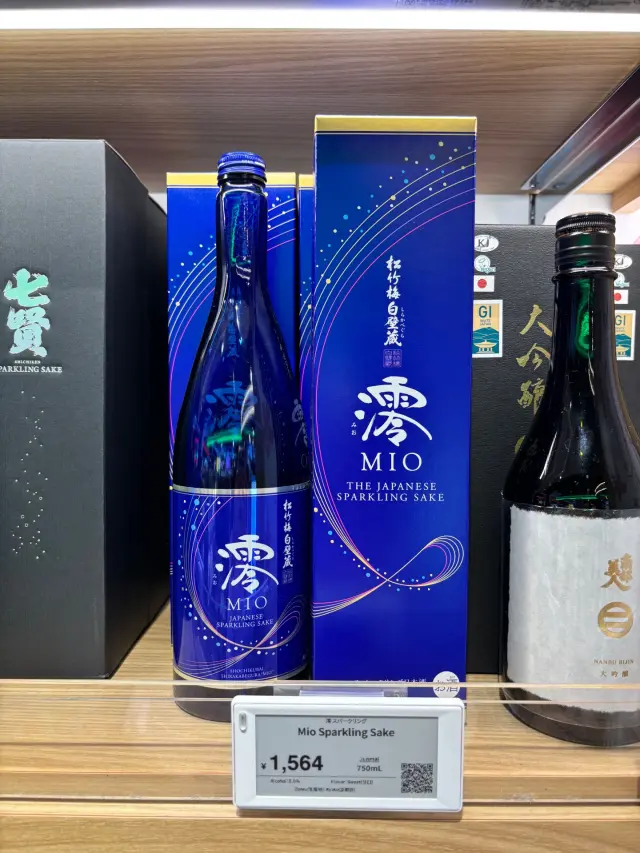
Shochikubai Shirakabegura brewery "Mio"
Sparkling sake is a type of sake that is easy to drink due to its effervescence, similar to sparkling wine or champagne. Among them, Takara Shuzo's "Shochikubai Shirakabegura brewery 'Mio'" is a standout.
“Mio” is an extremely popular sparkling sake in Japan. Even the bottle itself looks refreshing and stylish! It has subtle grape- and apple-like aromas, with a sweet taste, mild acidity, and fine bubbles that make it refreshing, smooth, and not too heavy. At around 5% alcohol, it’s easier to drink than regular sake, so even people who don’t usually drink much can enjoy it easily. It tastes even better chilled, like a slightly boozy sparkling fruit drink. It’s great for yourself or as a gift!
-
-
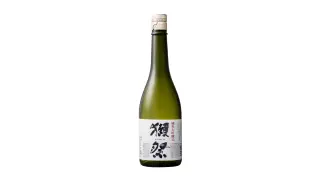
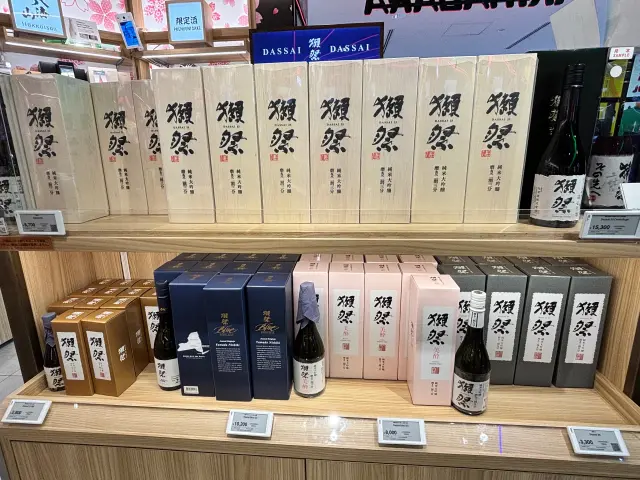
Dassai Junmai Daiginjo 45
Dassai Shuzo is a brewery in Iwakuni City, Yamaguchi Prefecture, that continues to defy the norms of sake brewing. Rather than relying solely on the intuition and experience of a single master brewer, the brand has a penchant for team effort, involving all employees in the brewing process.
Dassai “Junmai Daiginjo 45” is a sake that many older relatives specifically ask people to buy for them in Japan! It has subtle apple and melon aromas, with a smooth taste and a touch of natural sweetness, without being too harsh. It’s made with Yamada Nishiki, known as the king of Japanese sake rice, polished down to 45%, giving it a delicate aroma and texture. It’s also relatively affordable and consistently high in quality, so whether you drink it yourself or give it as a gift, it makes a great impression. No wonder it’s so popular!
-