Tobu Museum: Echoes of Railway History
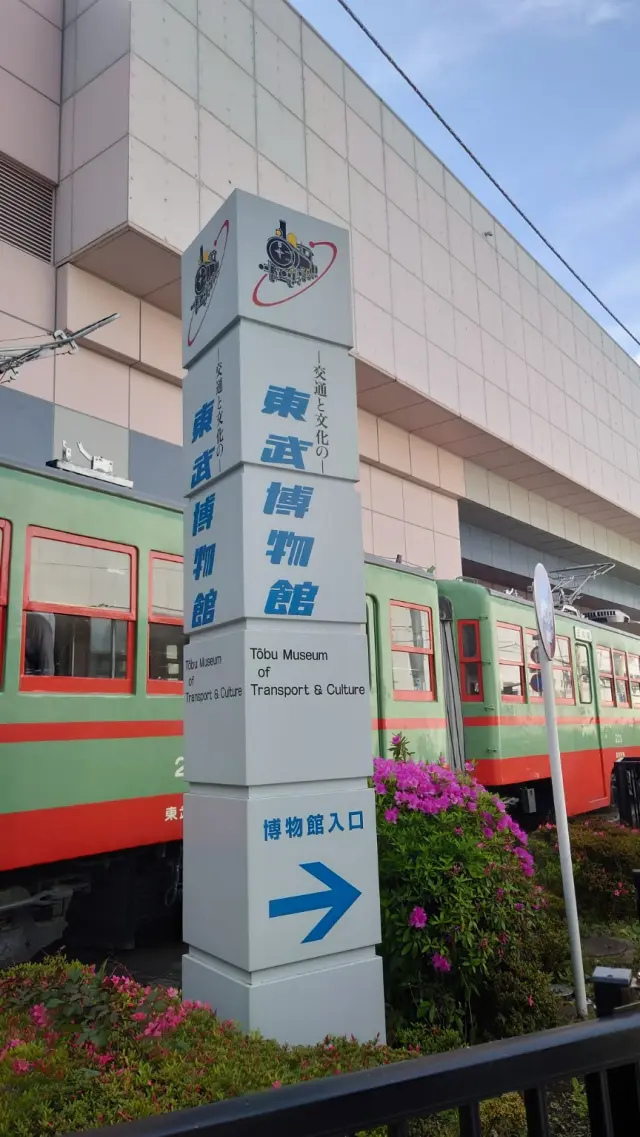
When we arrived at the Tobu Museum in Tokyo's Sumida City, we originally thought we would just look at model trains and take pictures of old trains. But once we entered the exhibits, it felt like stepping, little by little, into a corridor through the history of Japanese railway development. Through actual railway cars and historical materials, the Tobu Museum traces the development of Tobu Railway from its founding to the present day.
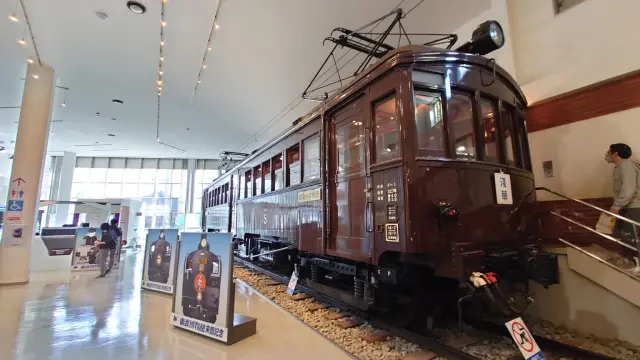
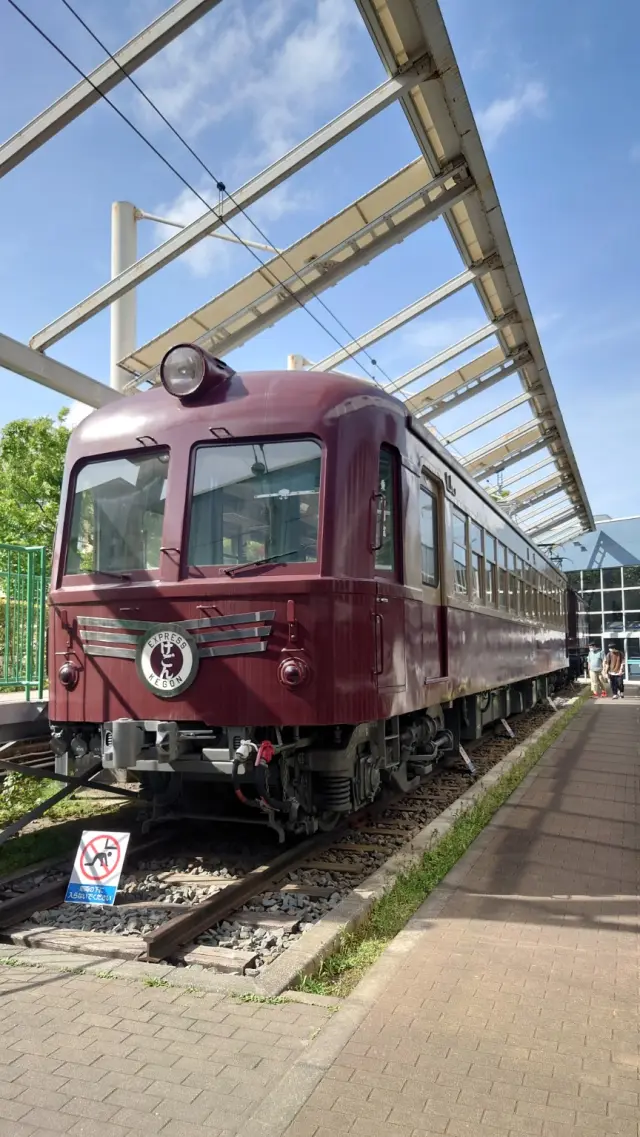
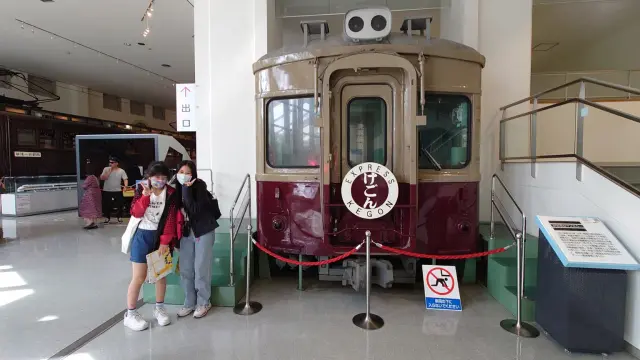
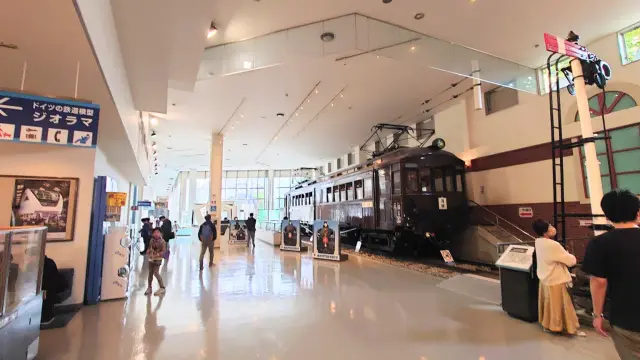
What caught our attention most were the rows of carefully preserved old trains. From early coal-burning, steam-powered locomotives to the electric trains that followed as the railway was gradually electrified, each era has its own appearance and stories. The dark brown vintage electric train was especially charming in the modern exhibition space, with its wooden body, retro windows, and pantograph on the roof. Meanwhile, the vintage train preserved outdoors looked even more like a scene transcending time beneath the blue sky. The museum also preserves Tobu Railway's early No. 5 steam locomotive and a wooden electric train used during the early days of electrification in 1924, making the evolution of railway technology more tangible.
Interestingly, the boy didn't seem particularly excited about the model trains along the way. But when we came face-to-face with locomotives that had actually once raced along the tracks, we all slowed down without realizing it. Looking at the massive machinery, wheels, connecting rods, and driver's controls, we realized that trains are more than just transportation. They also carry the story of how people in an era traveled, lived, and journeyed far from home.
We didn't rush through this visit. Instead, it made us stop and take our time. From coal and steam to electrification and modern railways, trains changed more than just speed; they also changed the distance between people and cities. As we left the museum and looked back at the rows of old trains, it felt as though we could still hear whistles echoing from deep within the years.