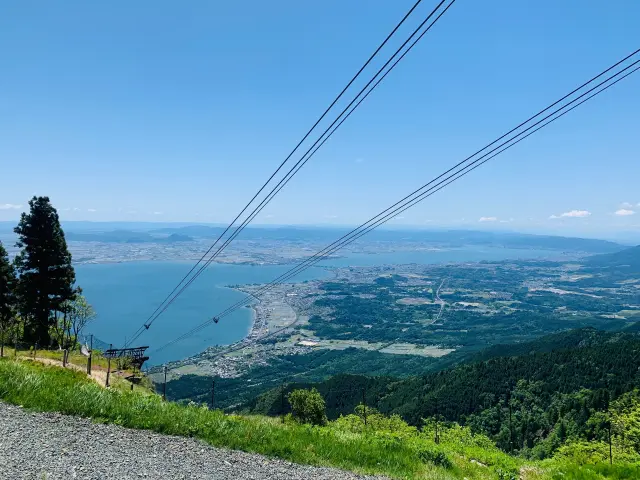
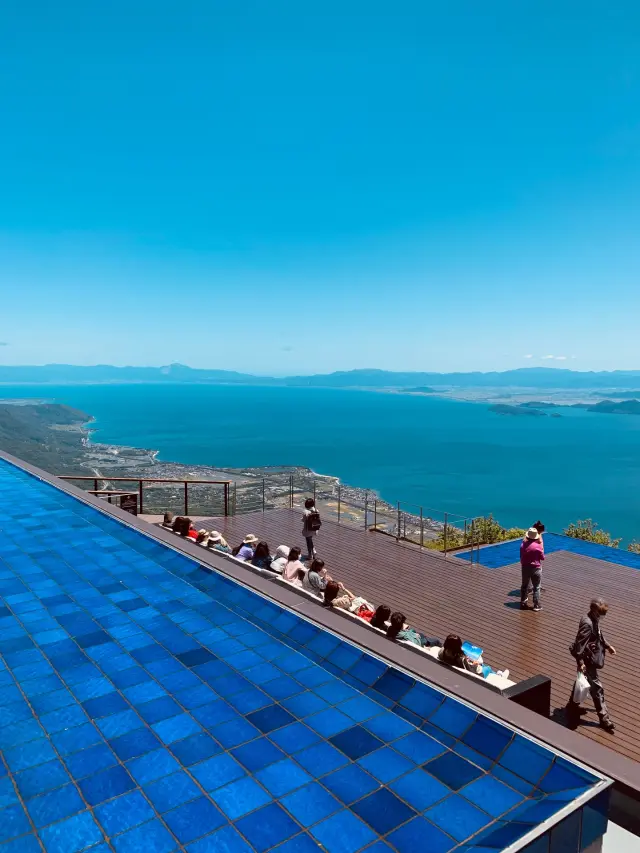
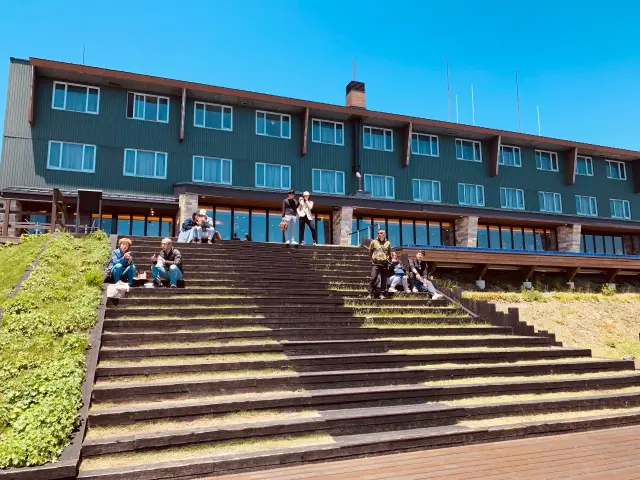
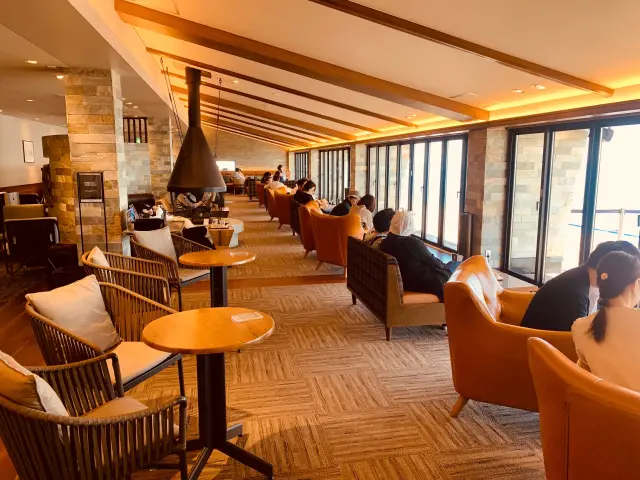
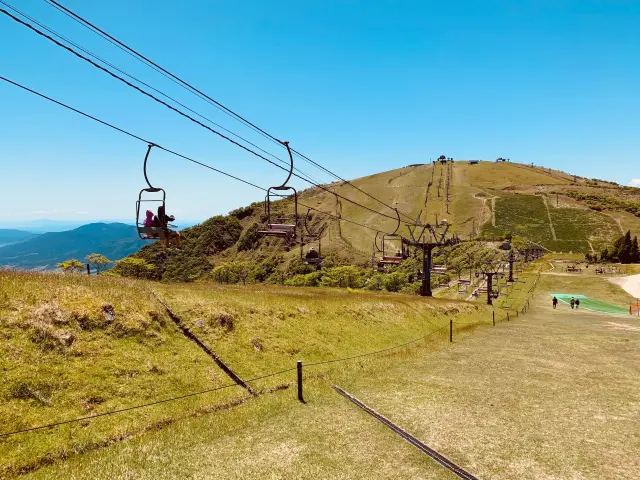
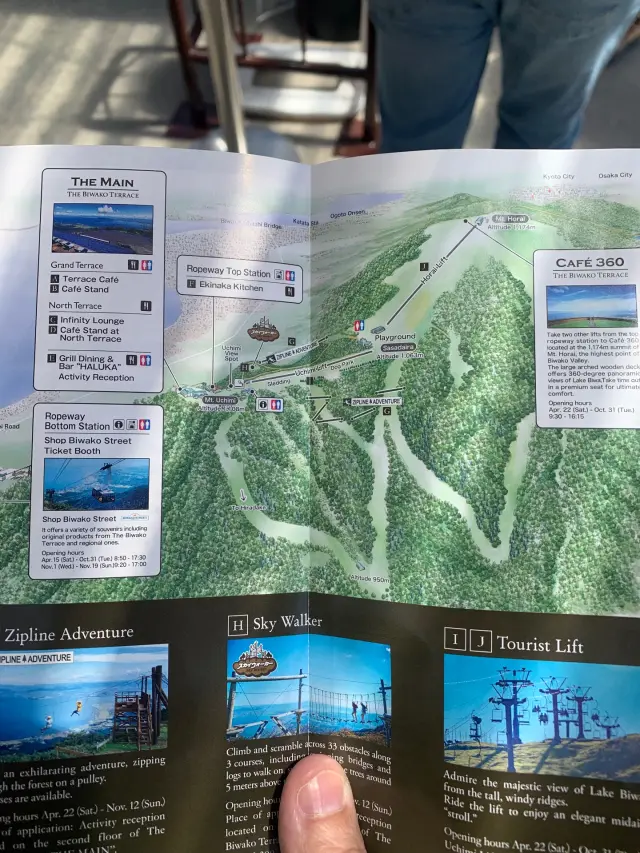
Biwako Valley is a great place to look out over Lake Biwa. From JR Shiga Station, you need to take a shuttle bus to the ropeway station. At 1,100 meters above ground level, it offers skiing in winter and is highly recommended as a summer getaway from the heat in Japan. The temperature at the top is instantly 4–6 degrees cooler, making it very comfortable. You can sit on the observation deck for free and enjoy panoramic views of Lake Biwa, or pay to enter the observation café at the summit, which is heated when it's cold. After enjoying the lake views, you can also head farther into the mountains for the chairlift and art installations and recreational facilities. Most importantly, these are also free to use. Just be sure to check the times for the ropeway down and the shuttle bus. If they don't line up well, you may have a long wait, or you may need to walk or take a taxi back to the station.
Biwako Valley | Review by hdwf2002


Other Reviews by hdwf2002
-
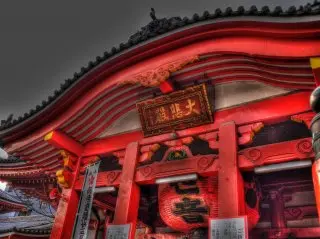
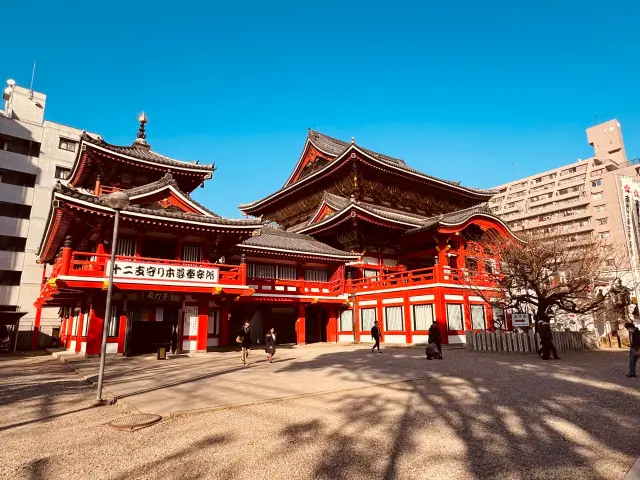
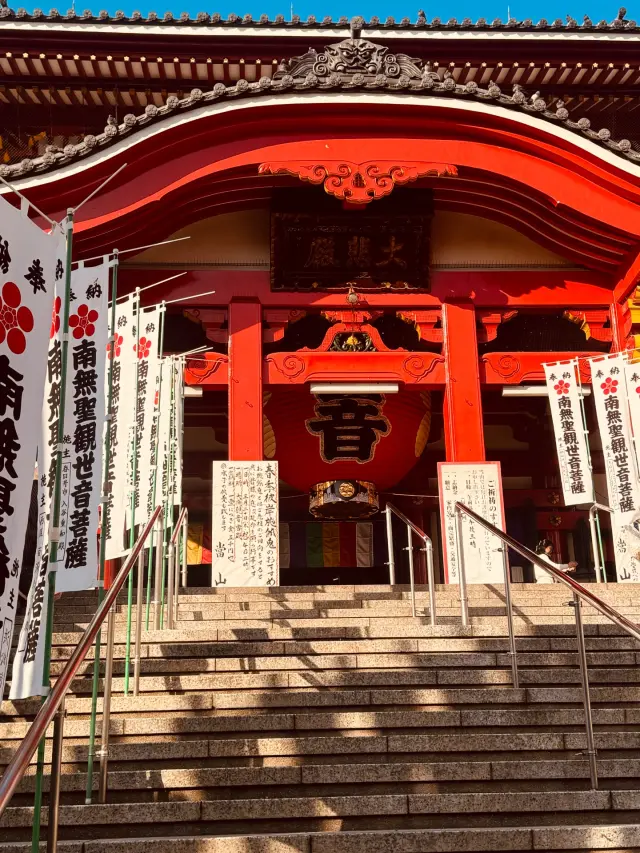
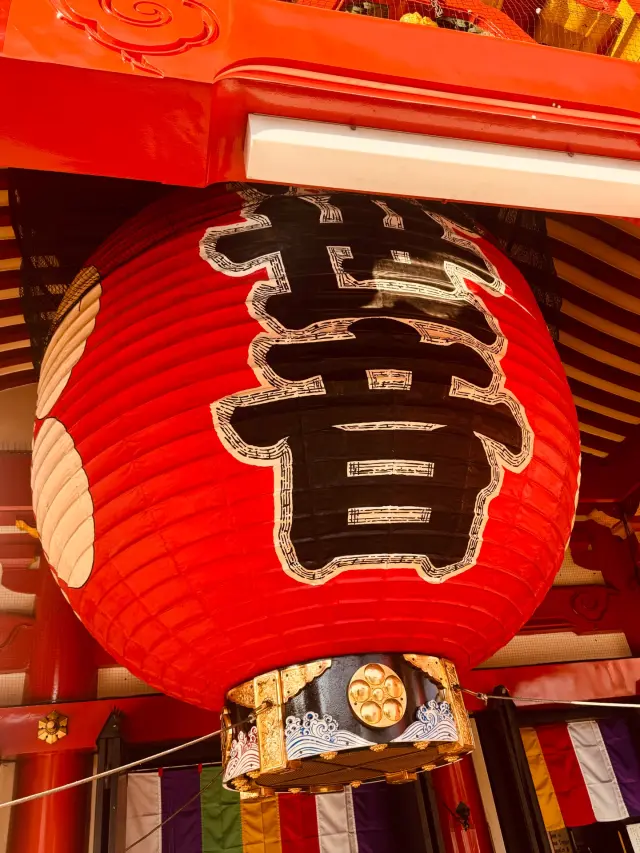
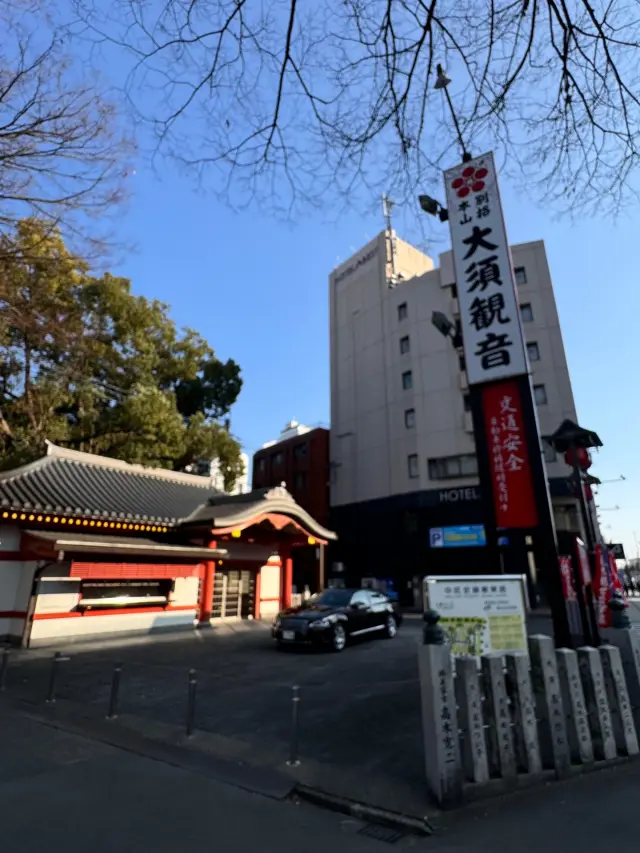
Osu Kannon Temple
This temple is the branch headquarters of Shingon Sect, Chisan School, officially called “Kitanosan Shinpukuji Hoshoin Temple ”. It started in Hashima City, Gifu and moved to the current location by General Tokugawa Iyeyasu’s order. It is regarded as one of Japan’s Three Kannon Temples along with Asakusa Kannon in Tokyo and Tsu Kannon in Mie.
Osu Kannon Temple in Nagoya is one of Japan’s three major Kannon temples. Besides its centuries-old history, its location is very convenient for travelers on a short visit to this bustling area. The surrounding Osu shopping streets are divided into many sections, offering everything from food and vintage toys to the latest fashions and electronics. Even without an itinerary, once you step onto the shopping streets, you’ll naturally follow the crowds and see where your feet take you. It truly is a must-visit attraction. Highly recommended!
-
-
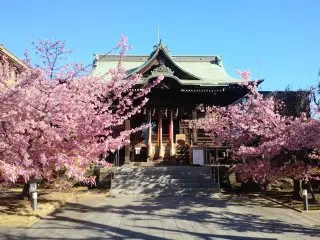
Sakura Jingu
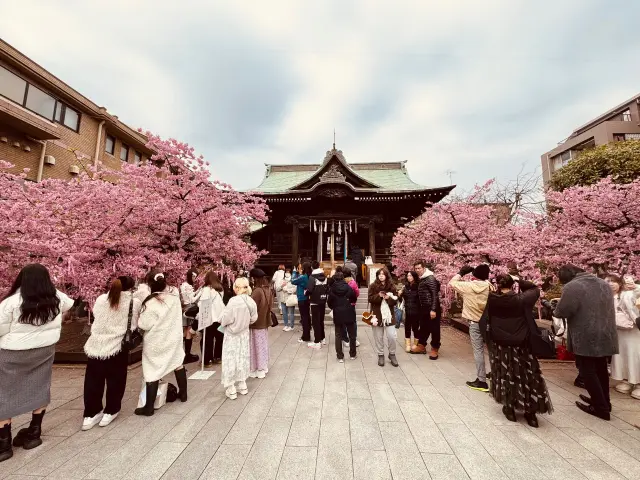
Koshiki Shinto is a belief system that emerged spontaneously in Japan from ancient times-founded in 1882 in Kanda, Tokyo, to revive the ancient Shinto tradition that has been passed down from generation to generation since ancient times. Unlike the "Nirei-Nihakushu-Ichirei" used by most Shinto shrines, the official way of worship is "Nirei-Shihakushu-Ichirei" (two bows, four-beat, one bow).
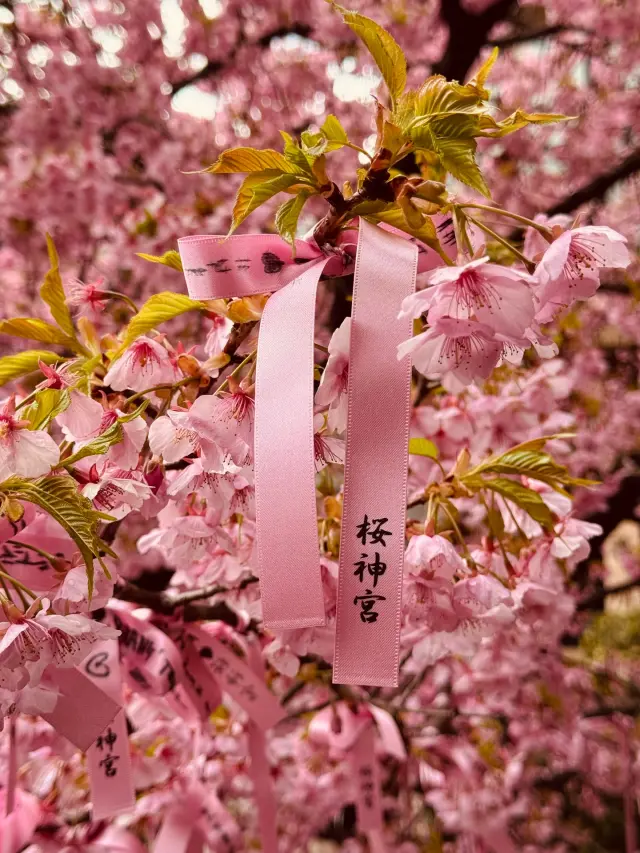
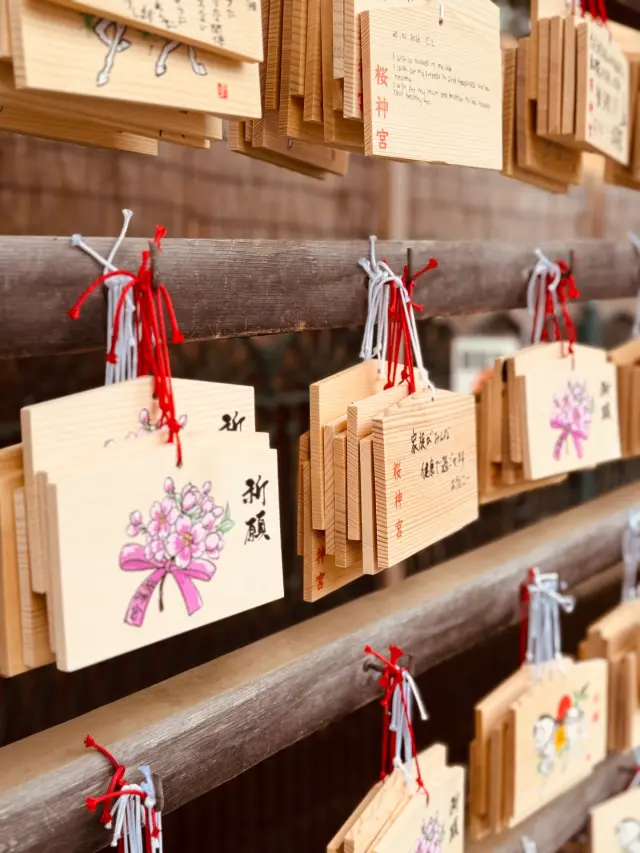
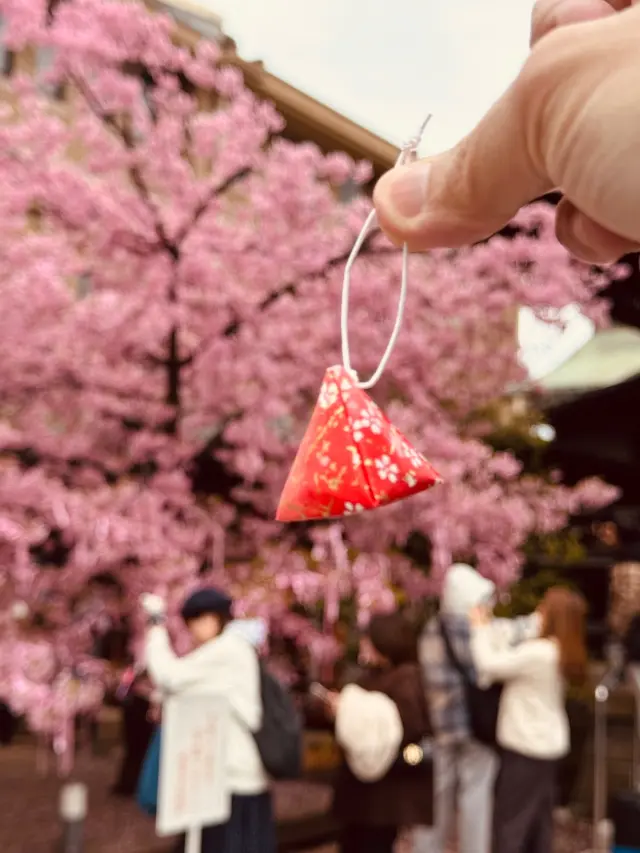
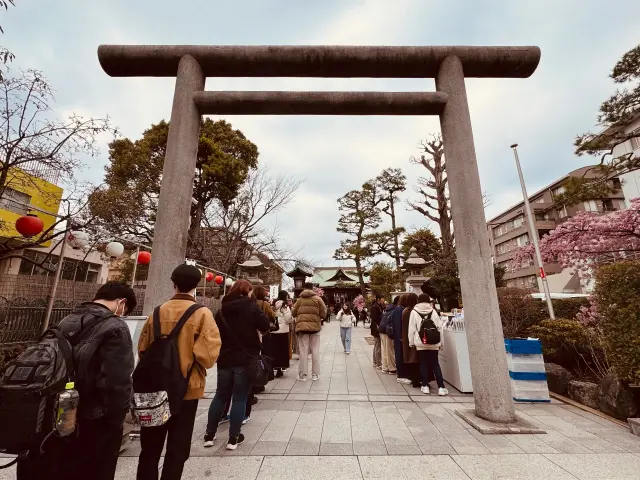
Besides the commonly recommended spots in Tokyo during cherry blossom season, Sakura Jingu is a highly recommended place to see early-blooming cherry blossoms. From Shibuya, take the train to Sakura-shimmachi Station, and it’s just a short walk from there. Of course, besides the beautiful cherry blossoms, the main highlights are the limited-edition omamori charms and goshuin stamps. There’s always a line during cherry blossom season, so I recommend arriving early. The wait is usually over an hour. If you don’t want to wait in line, you can also draw an omikuji fortune. It has a square design with a bell inside and can also be used as a decoration or souvenir.
-
-
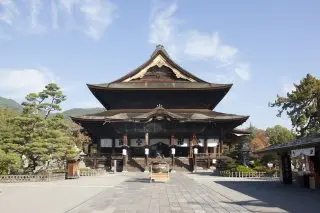
Zenkoji Temple
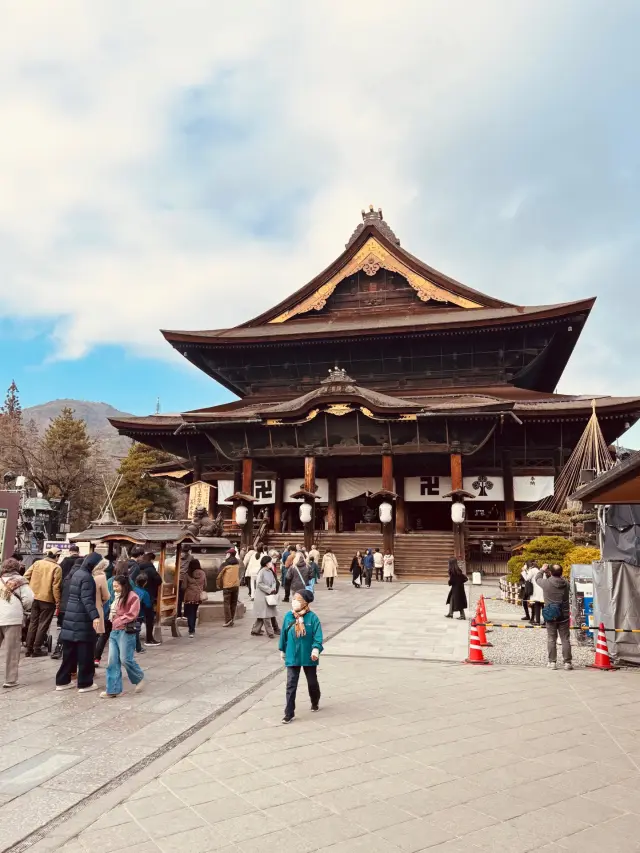
This historical large-scaled temple is about 59,000 square meters (about 5.9 ha) and was founded 1400 years ago. Many Buddhist facilities fill the compound. Some of them are; Daikanjin and Daihongan (they are also independent temples), and guests' quarters. This temple was founded at a specific time before the various subsects of Buddhism came into being. Some of the worshippers were those with power at the time, such as Minamoto no Yoritomo and Tokugawa Ieyasu , as well as the common people.
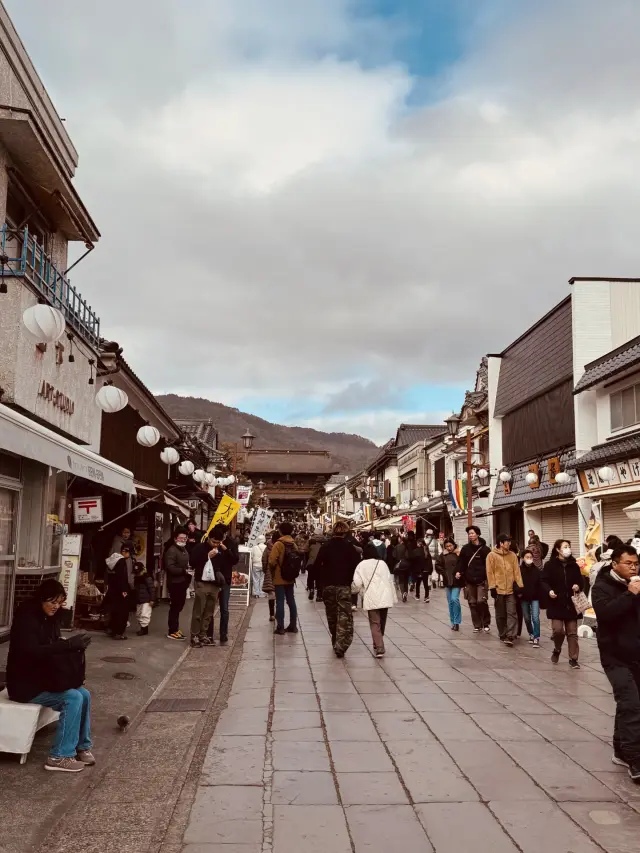
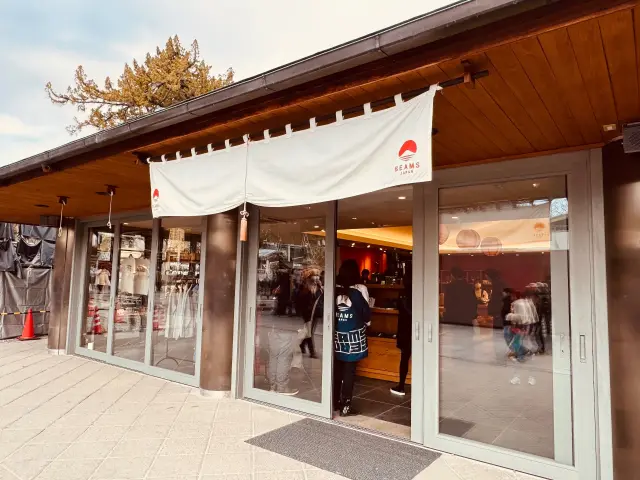
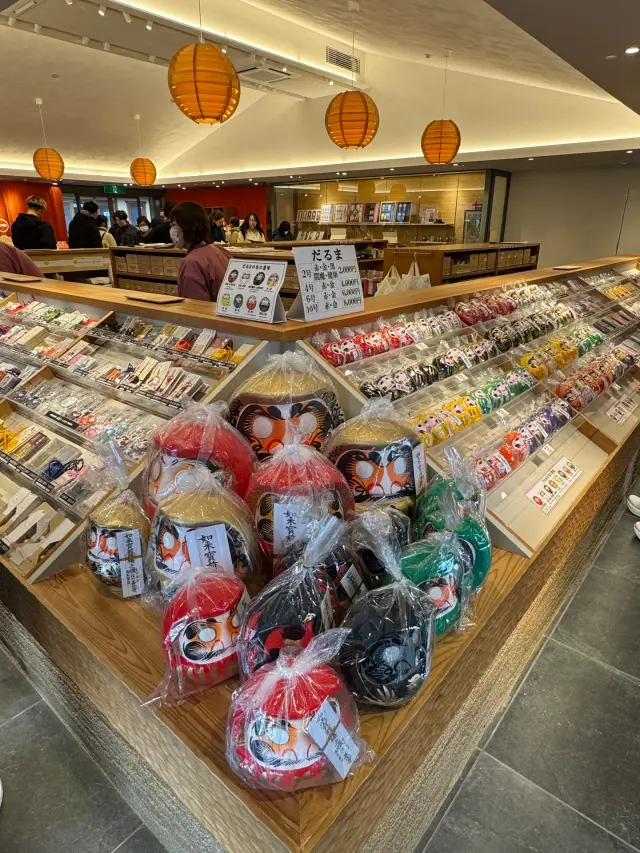
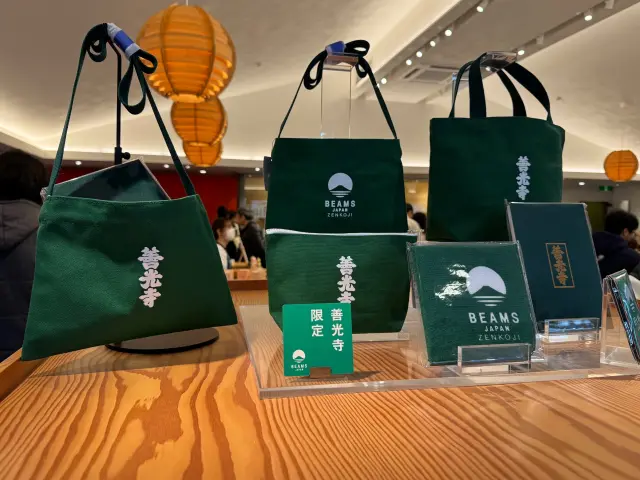
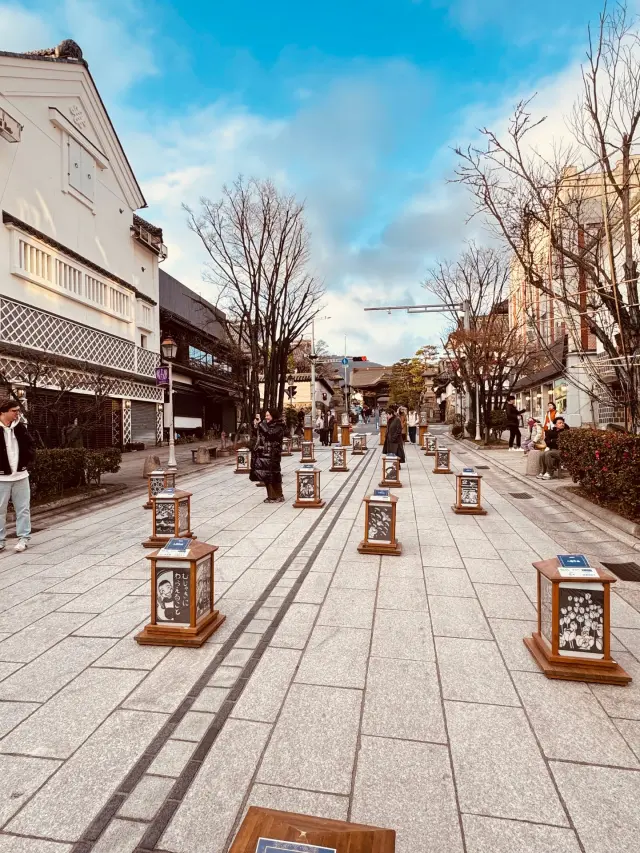
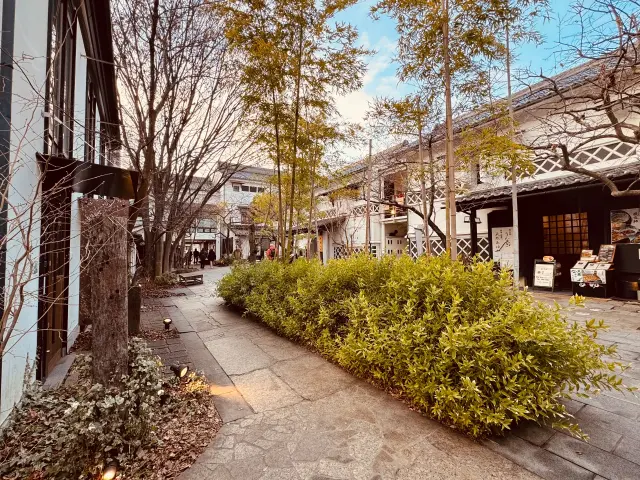
With a history of about 1,400 years, Zenkoji Temple is definitely a must-visit attraction when visiting Nagano Prefecture. It is a heritage site that combines history and religious culture. You can take a bus from Nagano Station. Shops line both sides of the approach leading to Zenkoji Temple. If you come in the afternoon, you can take a leisurely walk from the Niomon Gate to the Sanmon Gate, and then you’ll see Zenkoji Temple’s principal image. For souvenirs, the BEAMS limited-edition Zenkoji items are worth checking out. They feel like special regional collectibles, so travelers who like that sort of thing should definitely add them to their list. Visitors gradually start leaving Zenkoji Temple around 4–5 p.m. If you’re not in a hurry to leave, you can walk back along the approach in front of the temple, where there are also quite a few places to eat, bringing a perfect half-day itinerary to a close.
-