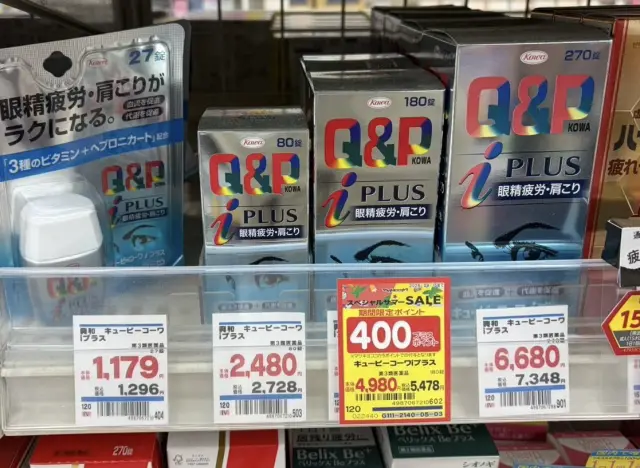
Q&P KOWA i PLUS is suitable for people who spend long hours looking at a computer or phone. Combined with a balanced diet and regular routine, it helps supplement the nutrients you need as part of your daily care. After taking it for a while, I felt that my dry eye symptoms had eased. However, it's a mid-range product in terms of price, so you can choose based on your needs.
Q&P KOWA i PLUS | Review by Linda Liao
Other Reviews by Linda Liao
-
Sakuranobaba Josaien
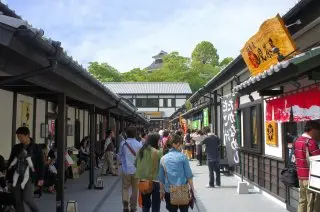
This multipurpose culture and tourism facility serves as an outdoor recreation of a Kumamoto Castle hill at the foot the mountain. Here you’ll find Kumamoto’s local gourmet, plenty of shopping and a chance to dive into the history of Kumamoto’s history.
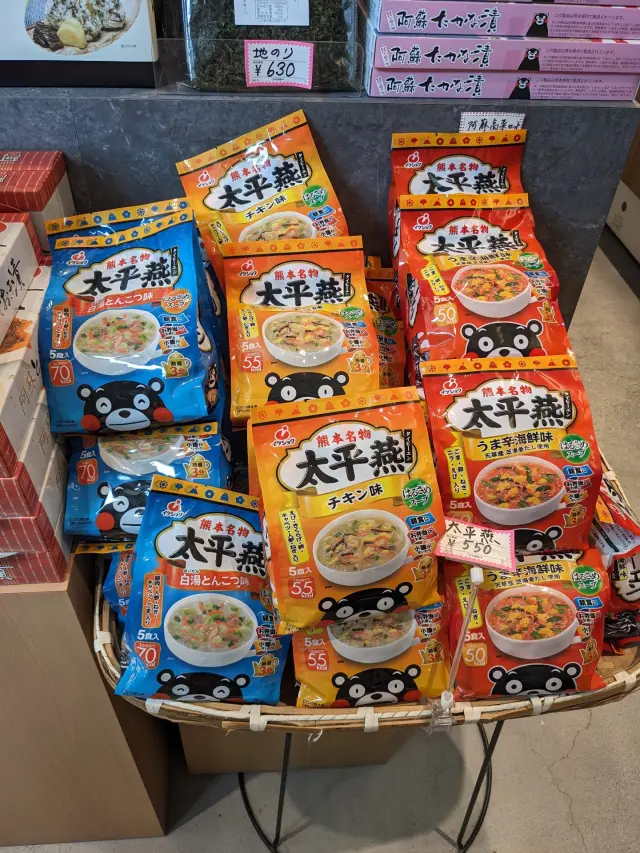
After touring Kumamoto Castle, we stopped by Sakuranobaba Josaien for a stroll〜 It recreates the atmosphere of Kumamoto’s old downtown area, with various restaurants serving local cuisine and a wide selection of souvenir shops. Since we had other plans that day, we spent our time browsing and shopping. In the end, we picked up two packets of taipien glass noodle soup to take home. When you want some hot soup but don’t feel like cooking, they’re quick and easy to prepare—practical and convenient.
-
-
Kanazawa FORUS
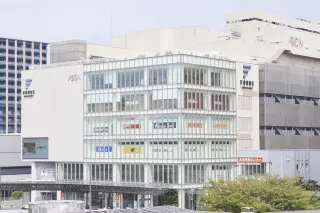
Located only a 1-minute walk from JR Kanazawa Station, this commercial facility operated by OPA features approximately 190 stores on each of its eight floors, offering a wide variety of goods from fashion items to interior goods, lifestyle goods, cosmetics, jewelry, etc. The lineup of stores has been renewed with the opening of new stores and the renewal of existing stores, and upgraded to the latest contents that show the "present" of Kanazawa.
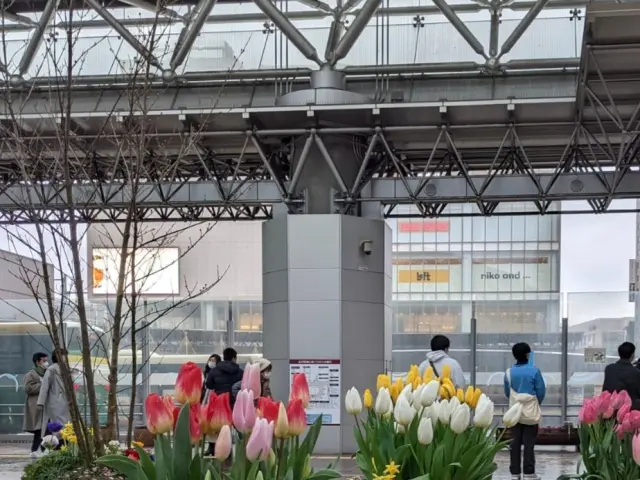
Kanazawa FORUS is right next to JR Kanazawa Station, just a 1〜2-minute walk from the station, and you can even see the mall from the train platform! It was raining the last time I visited Kanazawa, and I didn't feel like constantly taking out my phone to take pictures, so the only photo I have is this one taken from the platform. The mall has LOFT, a favorite among shoppers, with all kinds of stationery and household goods, as well as niko and..., a clothing and lifestyle store. It's conveniently located and sheltered from the wind and rain, so it's a good place to include at the end of a Kanazawa trip, leaving some time to shop for souvenirs.
-
-

Nikko Osaru Land
Make your way to Nikko in Tochigi Prefecture to find a theme park centered around the concept of “seeing, playing, and interacting”. Originally the Nikko Saru Gundan (Monkey Troupe) Theater, this coveted destination reopened in 2022 with a total rebrand to bring you all the best of monkeys and other furry friends.
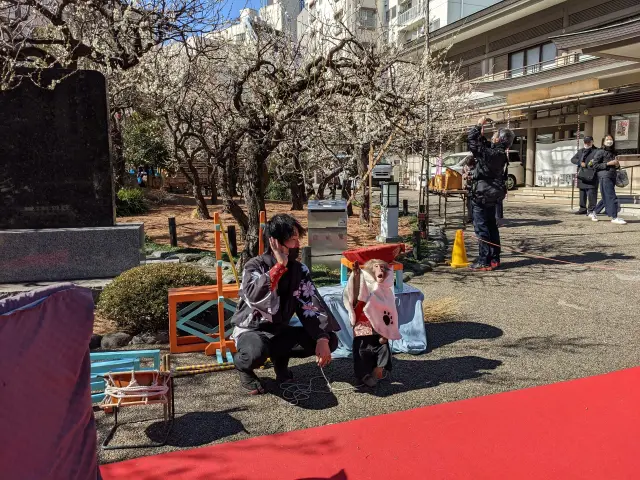
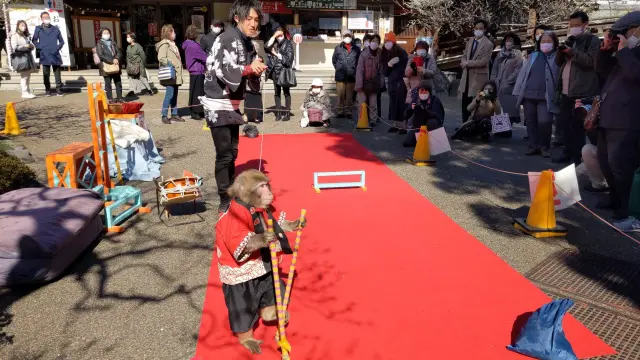
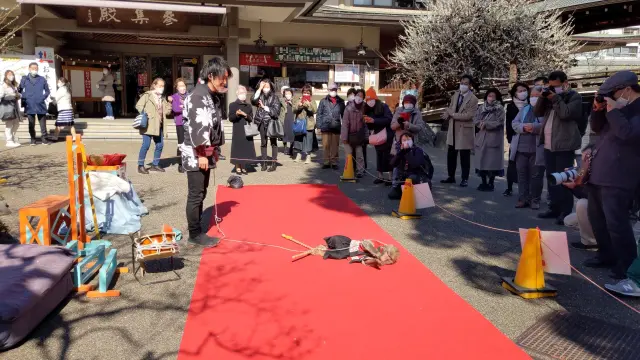
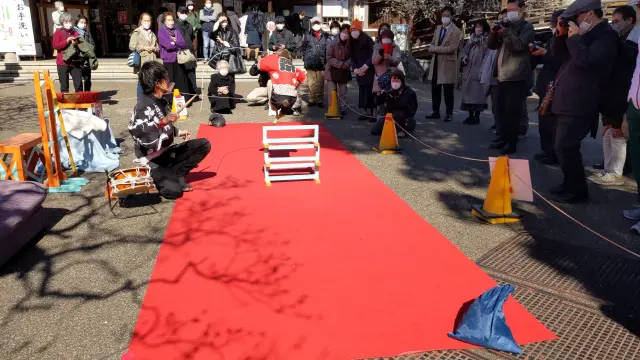
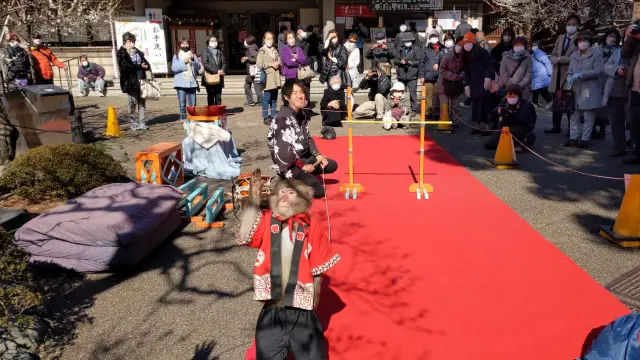
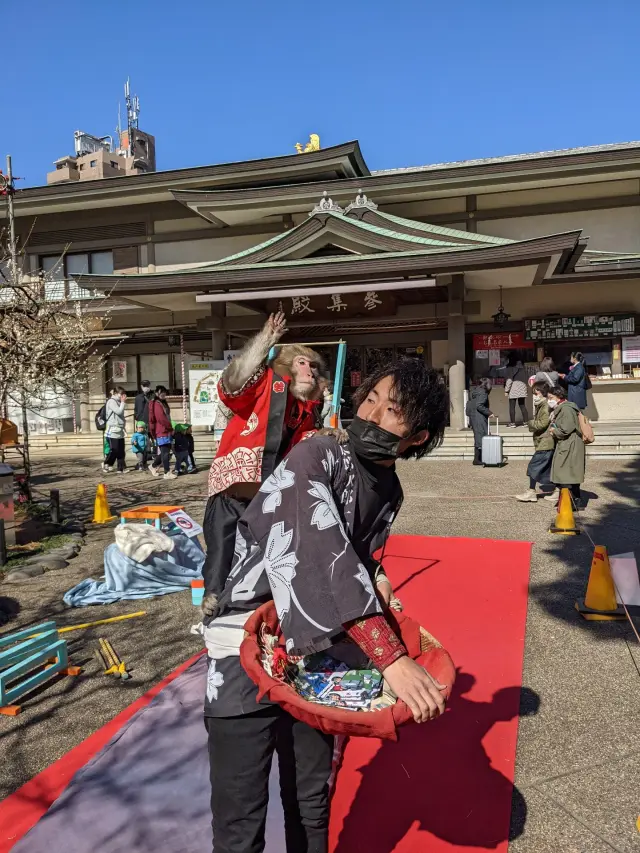
On a previous visit to see the plum blossoms at Yushima Tenmangu Shrine in Tokyo, I unexpectedly came across a traveling performance by the Taro Jiro Ichimon troupe, part of Nikko Saru Gundan. It was a delightful surprise during the trip! Known for the traditional Japanese art of sarumawashi (monkey performances), the troupe turns this traditional craft into a fun-filled show through the well-coordinated interactions between highly trained monkeys and their handlers. The little monkeys not only follow instructions but also work with the performers in a variety of amusing skits. Their humanlike gestures make it hard to look away.
From walking on stilts and jumping over fences to increasingly difficult challenges, each act made the atmosphere more and more exciting. The audience laughed out loud while cheering the little monkeys on, and when they successfully completed a trick, loud applause immediately erupted all around. I hope I'll have more opportunities to enjoy such skillful performances at local festivals, tourist attractions, and other places in Japan in the future.
-