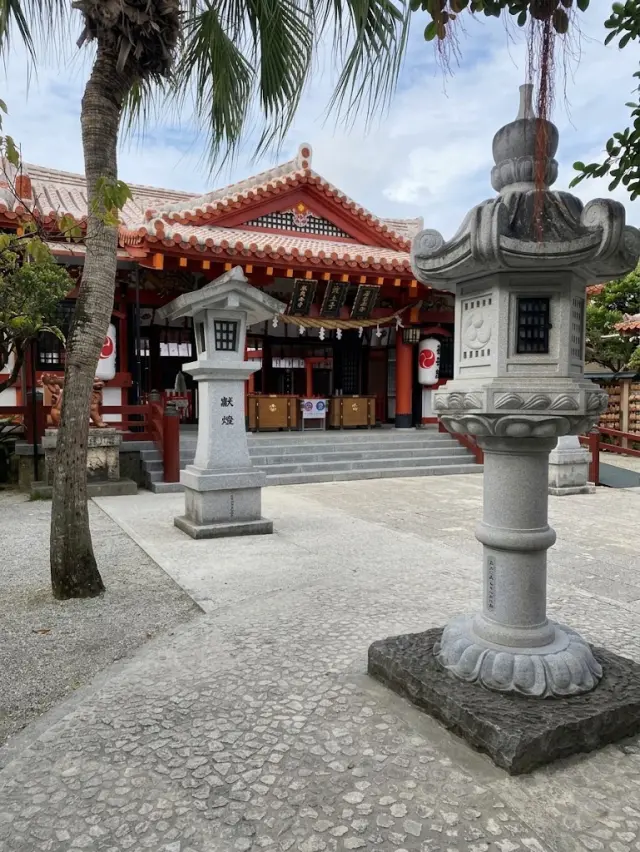
If you have plenty of time in Okinawa, I really recommend walking straight from Kokusai Street to Naminoue Shrine.
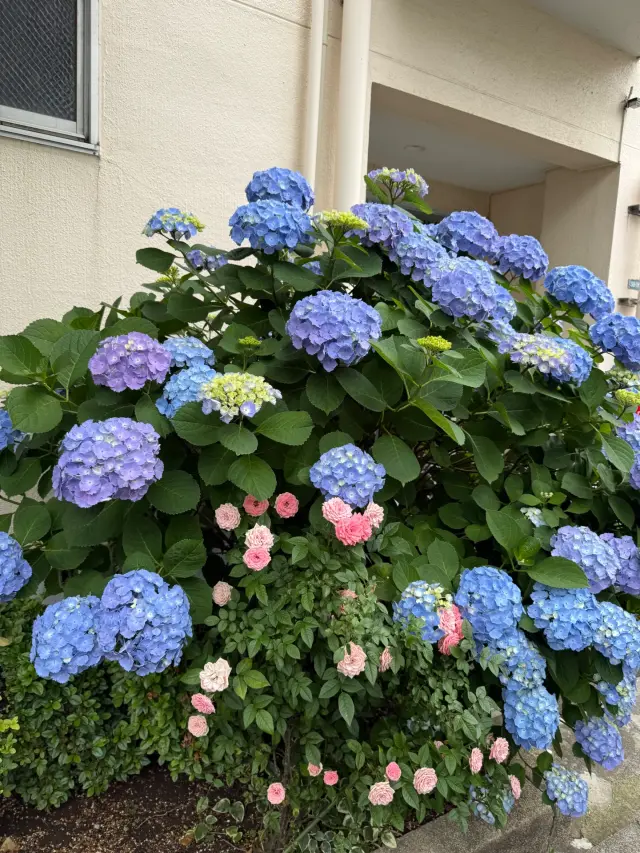
It only takes about 15 to 20 minutes, and as soon as you turn into the side streets, it gets so much quieter. The streets are lined with ordinary little Japanese houses, with lots of potted plants by the doors, and every now and then you’ll see a few small shisa ornaments sunning themselves on the rooftops. Get a drink you like from a vending machine and slowly wander around while sipping it, listening to the bird sounds from the traffic lights at the intersections. It really gives you the illusion that you’re temporarily living nearby.
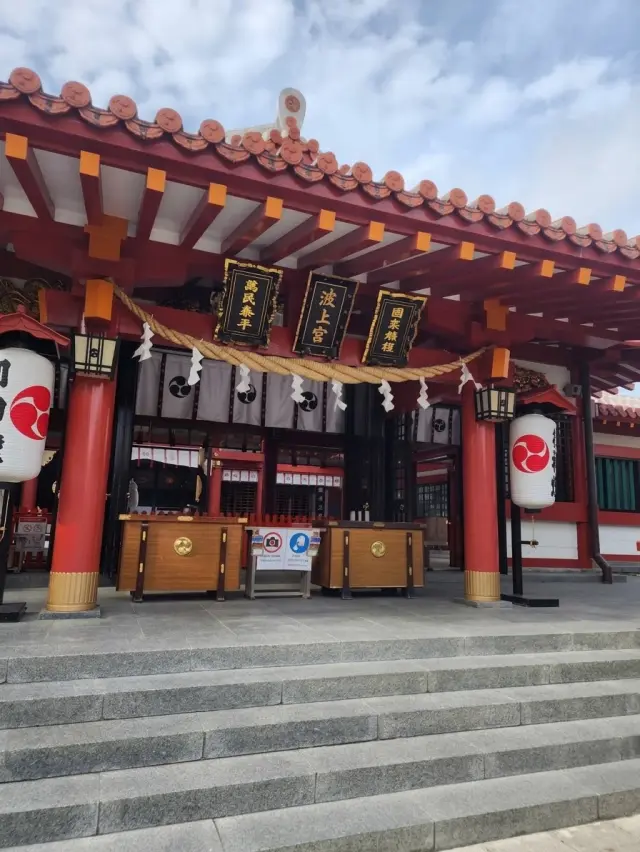
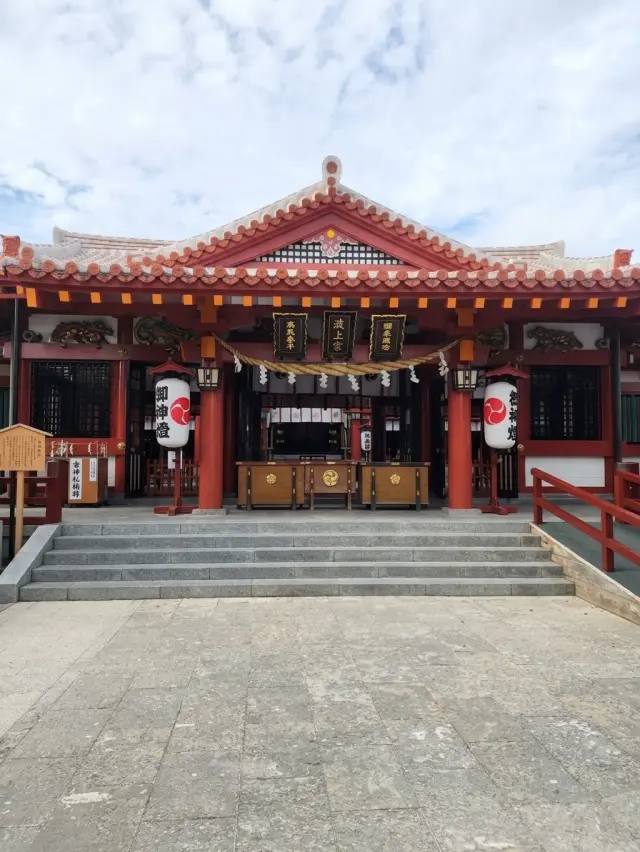
Once you reach Naminoue Shrine, say a prayer and buy a little schoolbag-shaped omamori. Then follow the path down beside it to Naminoue Beach, take off your shoes, and step into the water. It feels so good, and the breeze in September is just right.
Compared with constantly taking transportation and rushing from one attraction to another, aimlessly walking through the local side streets is actually the most relaxing.
Naminoue Shrine | Review by Eddie
Other Reviews by Eddie
-

Former Shibuya River Promenade (Cat Street)
A promenade on a side street one block away from the main avenue connecting Shibuya and Harajuku. Part of the Former Shibuya River Promenade, which extends from near the Jingumae Police Box, is popularly known as Cat Street and is lined with shops that are especially popular among young people. There are various theories about the nickname’s origin, including that there were many cats in the area and that the street was as narrow as a cat’s forehead.
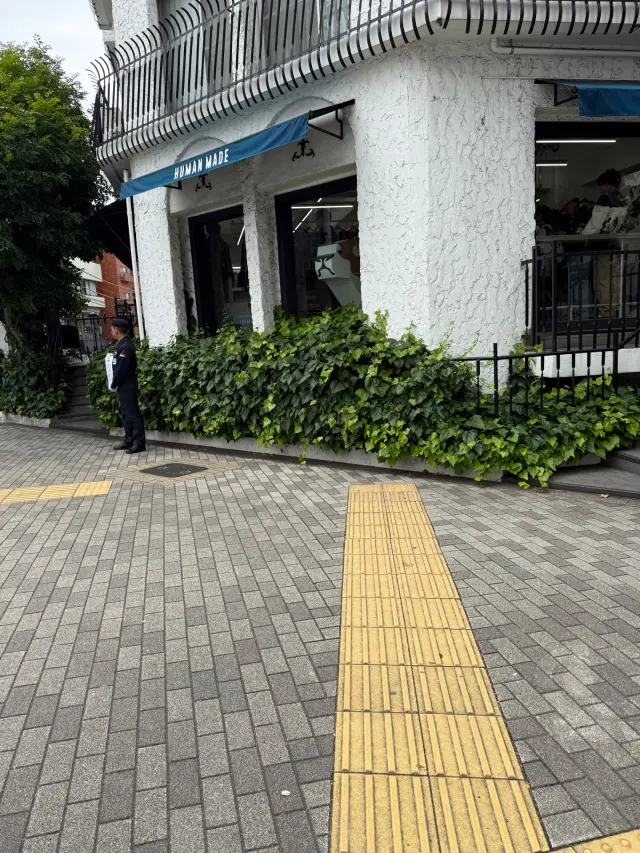
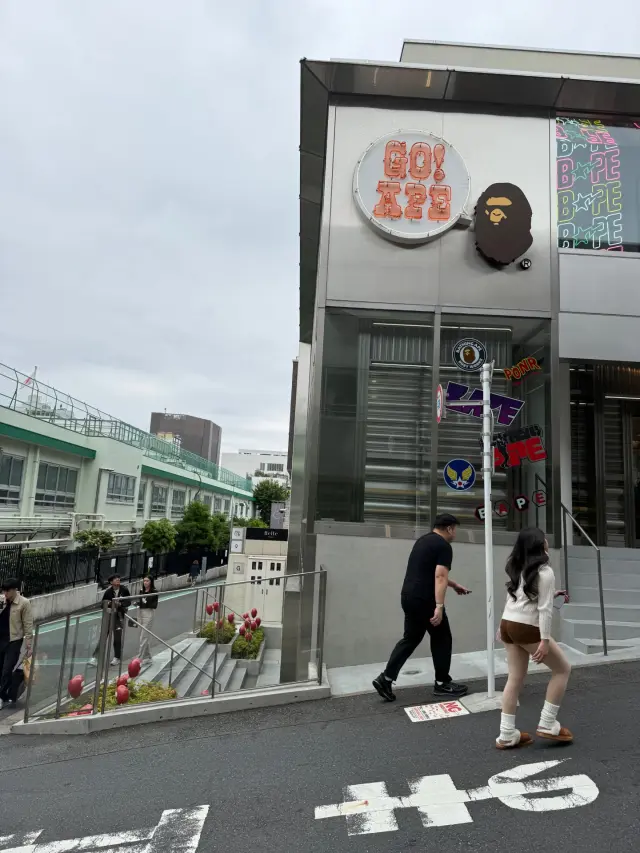
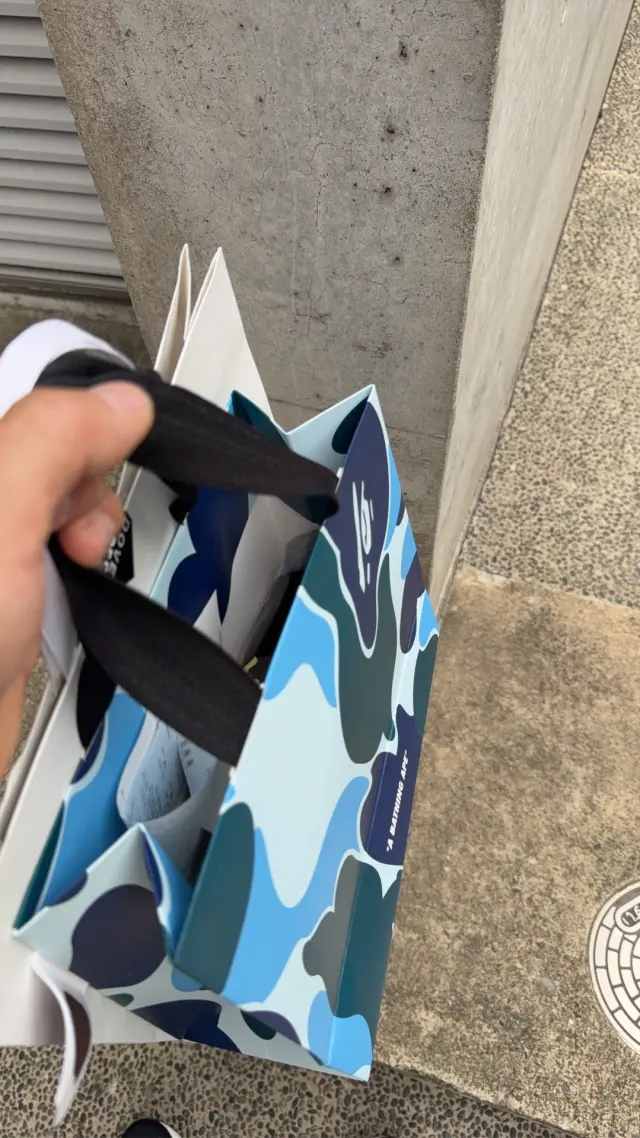
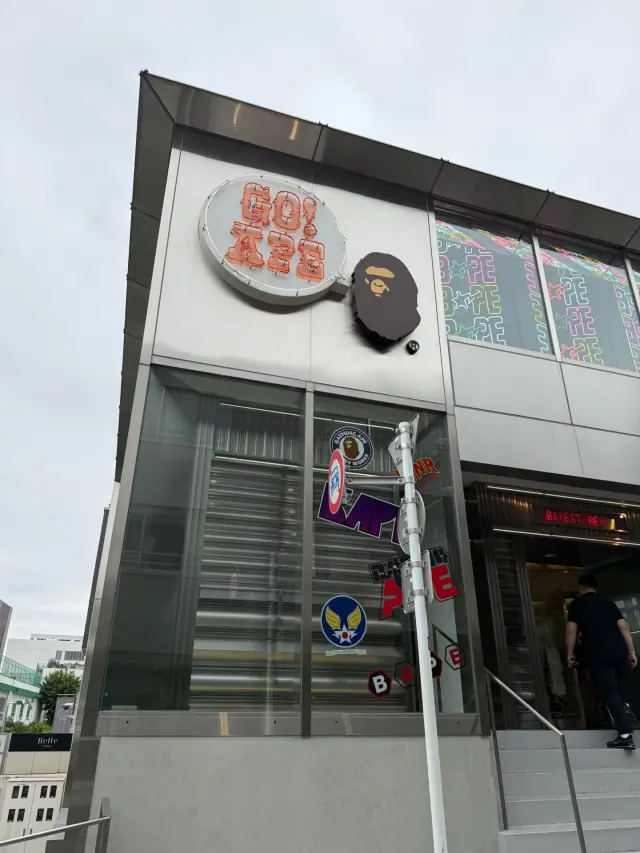
Walking through the streets of Harajuku in Tokyo, I saw quite a few familiar streetwear brands along the way, such as BAPE and HUMAN MADE. For anyone who likes Japanese streetwear culture, this place is really appealing.
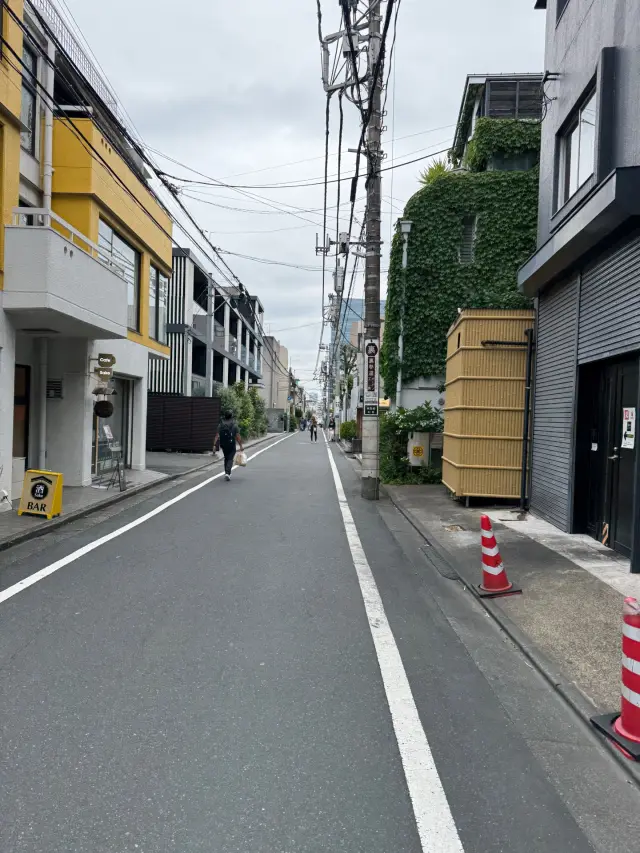
What struck me even more was how similar these streets looked to the Japanese street scenes I saw in magazines as a child. I used to flip through magazines and read about Harajuku's street culture, clothing brands, and young people's fashion. Back then, I could only admire it from afar. I never imagined that years later, I would actually have the chance to walk these streets myself.
For a moment, it felt like I was a student again, remembering the days when I used to read those magazines. Some places can still bring back memories from years ago when you finally visit them in person. This trip to Harajuku wasn't just about shopping. It felt more like fulfilling a small childhood wish.
-
-

TOKYO SKYTREE(R) TOKYO SKYTREE TOWN(R)
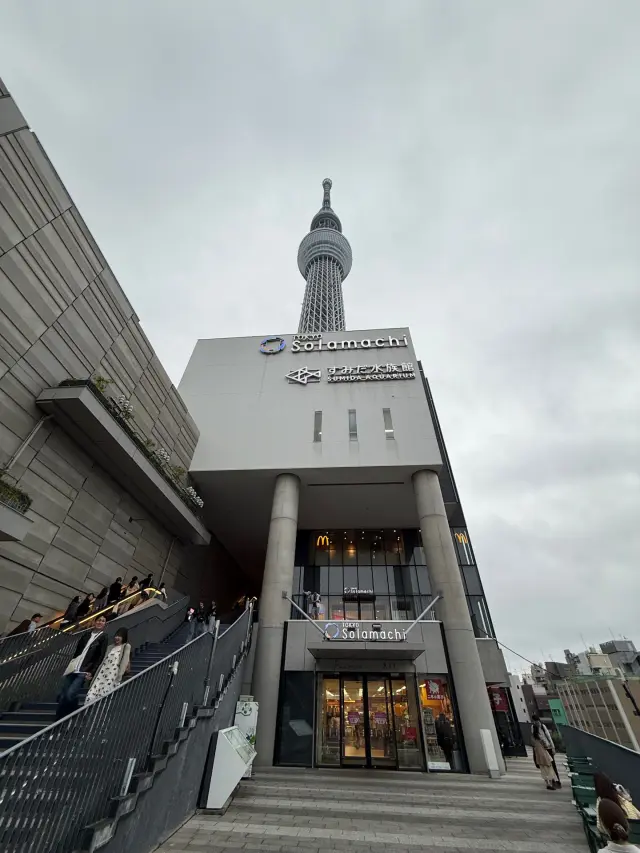
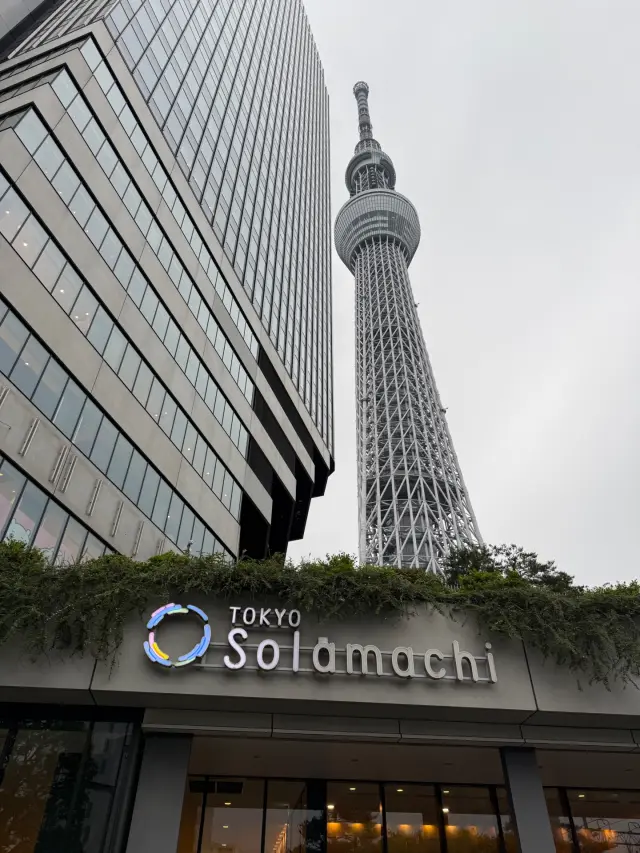
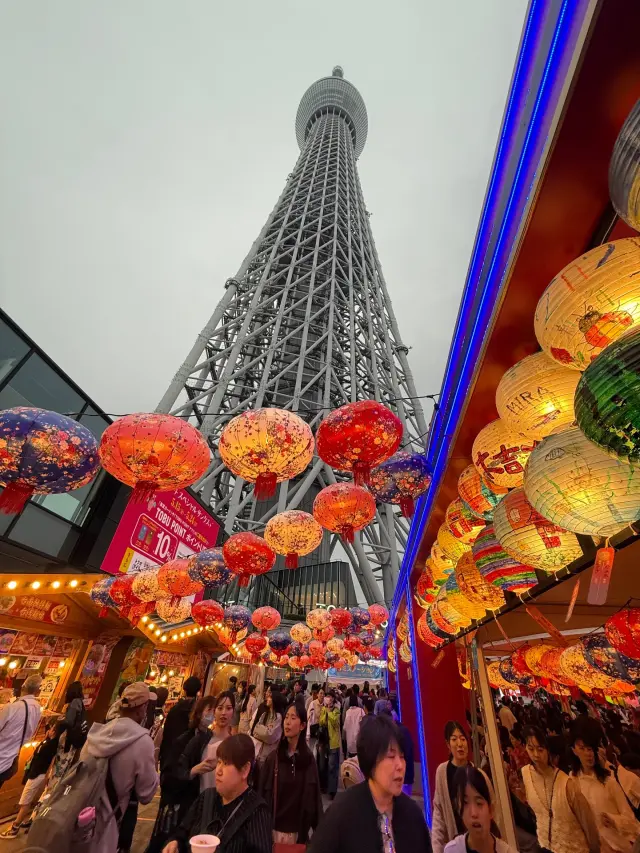
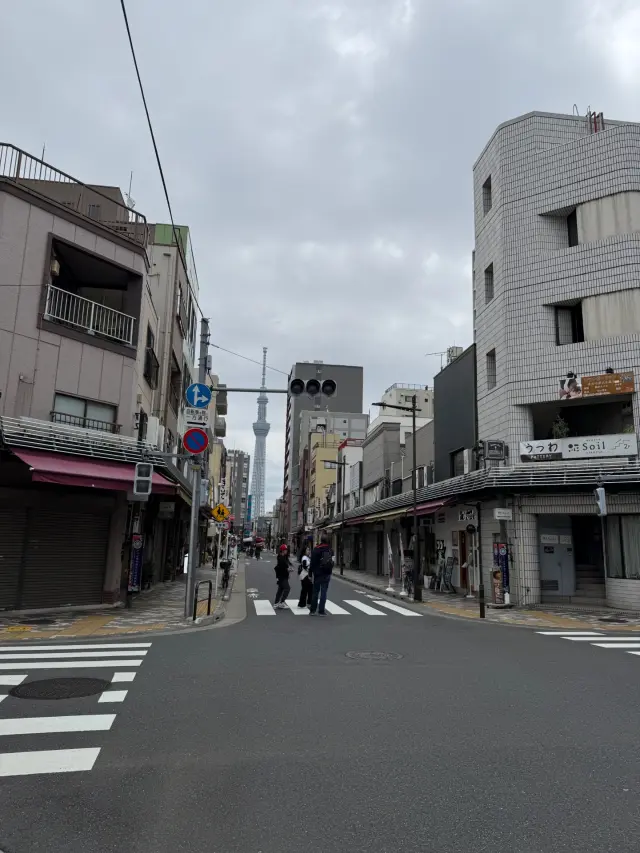
At the heart of TOKYO SKYTREE TOWN is TOKYO SKYTREE, a 634-meter-tall broadcasting tower and tourist attraction. The tower has two observation areas: the Tembo Deck at 350 meters and the Tembo Galleria at 450 meters.
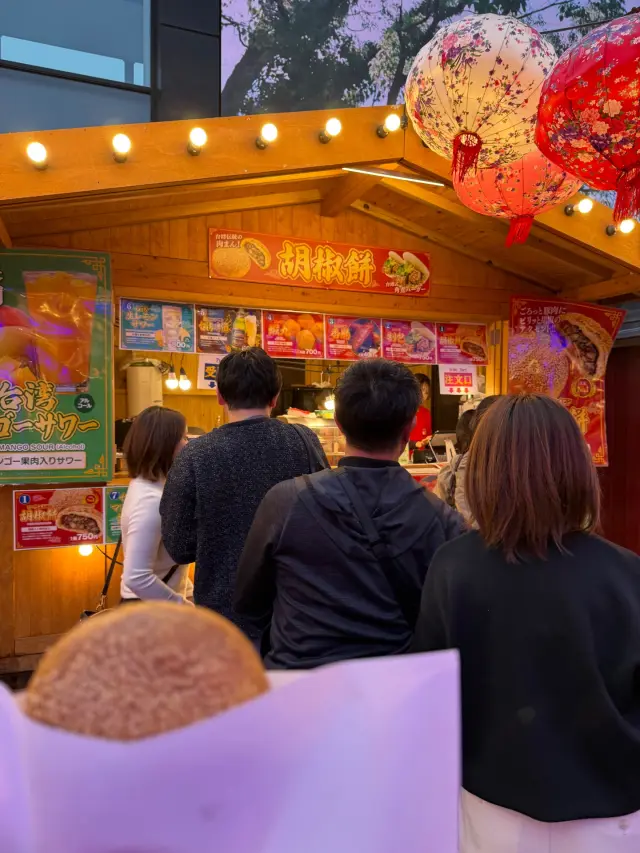
This time I visited TOKYO SKYTREE just to walk around and have a look, but unexpectedly, there was a Taiwan Festival going on! Seeing familiar Taiwanese food, night market stalls, and event decorations that reminded me of home gave me an unexpected sense of familiarity.
While traveling in Japan, suddenly seeing culture from home felt quite special. Although I can normally enjoy these foods in Taiwan, seeing a Taiwanese festival in another country still made me want to spend more time exploring and experience how Taiwanese culture is presented in a different place.
This visit to TOKYO SKYTREE became an even more unique memory because of this unexpected encounter with the Taiwan Festival.
-
-
Tokyo Sakura Tram (Toden Arakawa Line)
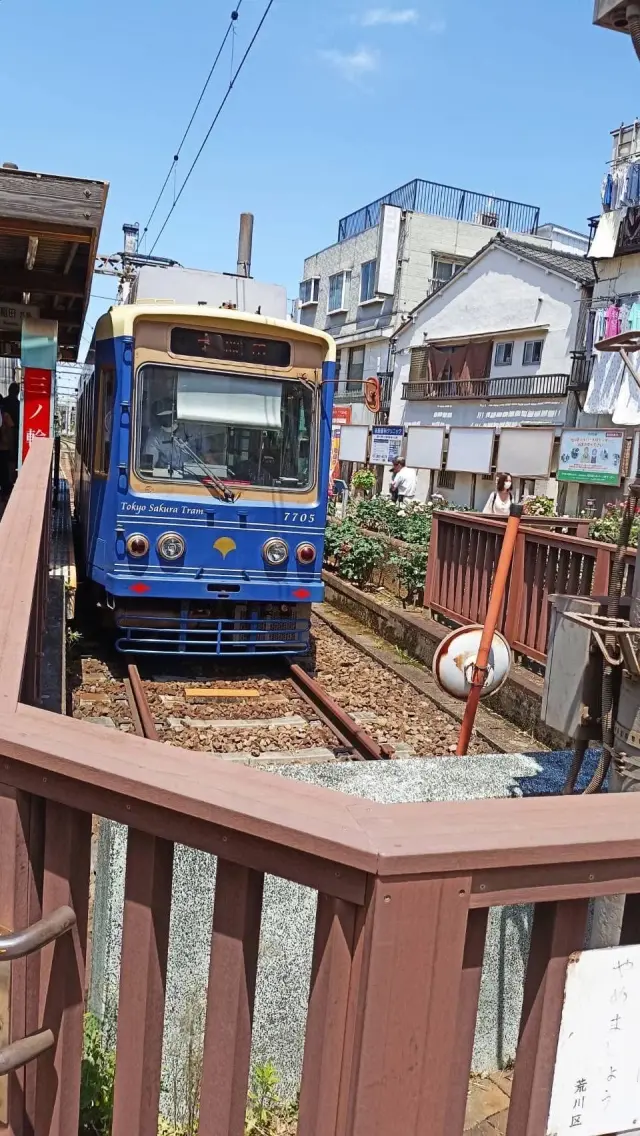
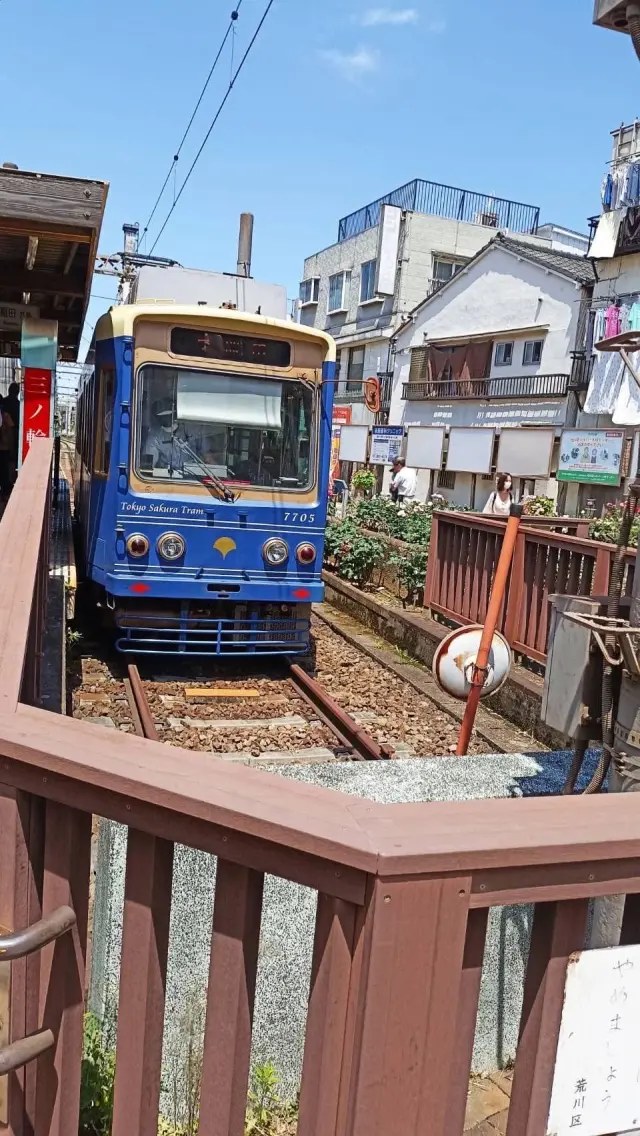
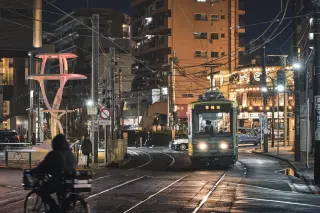
Tokyo Sakura Tram (Toden Arakawa Line) is beloved as the only remaining Toden tram line in Tokyo. It runs from Minowabashi Station in Arakawa Ward to Waseda Station in Shinjuku Ward, connecting 30 stations over 12.2 km, and it continues to be an important presence that supports local transportation. In FY 2024, it was used by an average of about 51,000 people per day, and it is also known for being well established as a line used for daily travel.
On this trip to Tokyo, I made a special point of visiting Minowabashi Station. I’ve always felt that Japan’s streetcars have a distinctive charm, especially stations that retain the atmosphere of old Tokyo. They always make me want to stop and take it all in.
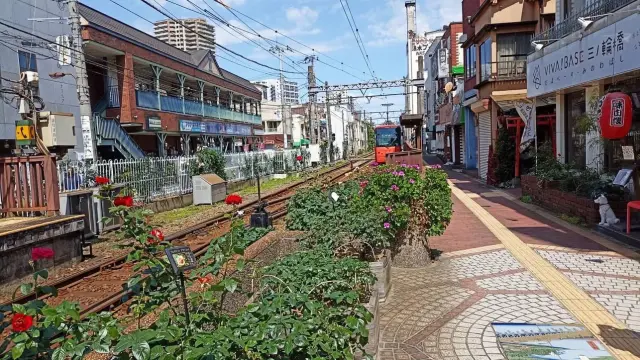
Minowabashi Station is one of the terminal stations on the Toden Arakawa Line, Tokyo’s only remaining publicly operated streetcar line, now also known as the “Tokyo Sakura Tram.” Arriving at the station, it really felt very different from the modern Tokyo I had imagined. There were no towering buildings or the hurried pace of a subway station. Instead, there was an old-fashioned platform, streetcars slowly pulling into the station, and surrounding streets that showed their age.
Standing beside the platform and watching the streetcars slowly arrive, stop, and then depart with passengers felt especially relaxing. There weren’t many elaborate decorations, but it had a very natural sense of nostalgia. I couldn’t help taking several more photos to preserve this scenery, so different from Tokyo’s bustling downtown areas.
Sometimes travel doesn’t necessarily mean rushing around to lots of famous attractions. Taking a slow walk somewhere like this and observing the daily lives of local people can actually give you a better sense of what a city is really like. There are also old streets and shopping streets near Minowabashi Station where you can browse the shops and experience a more everyday side of Tokyo.
If I have the chance to visit Tokyo again, I think I’ll still be drawn to places like this. There’s no pressure from a packed sightseeing schedule, and there’s no need to deliberately plan anything. Simply watching the streetcars come and go already makes for a wonderfully atmospheric travel experience.
📍Tokyo, Japan | Minowabashi Station (Minowabashi Stop)
🚃 Toden Arakawa Line (Tokyo Sakura Tram) -