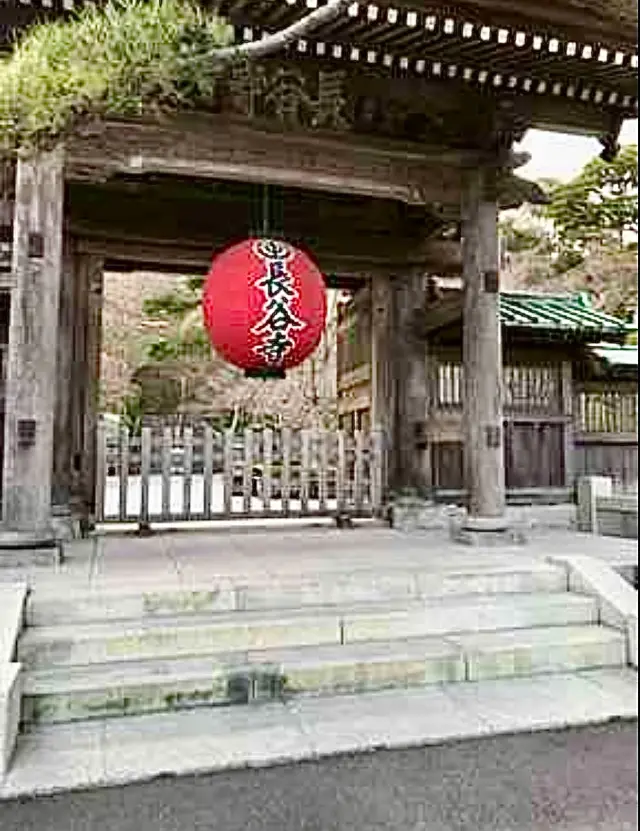
At the entrance to Hasedera Temple in Kamakura, the first thing that catches your eye is the rustic wooden temple gate, with a striking large red lantern hanging high in the center bearing the three characters for “Hasedera.” The entire gate has a strong sense of history, and the combination of stone steps and wooden pillars creates a calm and peaceful atmosphere as soon as you arrive.
As you stroll through the temple grounds, you can enjoy the carefully maintained Japanese gardens along the way. Hasedera is known not only for its evergreen scenery throughout the seasons, but also for its excellent views overlooking Kamakura’s beautiful coastline. From the elevated observation deck on the grounds, you can take in the blue coastline of Sagami Bay and the surrounding houses, with a wide and refreshing view.
The temple is also known for its solemn standing statue of Kannon and its many small Jizo statues. Each stone Jizo statue has a unique expression and pose, adding a touch of warmth to the quiet temple. Slowing down for a walk here while listening to the breeze and the temple bells makes this a wonderful place for a peaceful stroll and to experience the culture and atmosphere of the historic city.
Hasedera temple (Kamakura) | Review by Jk
Other Reviews by Jk
-
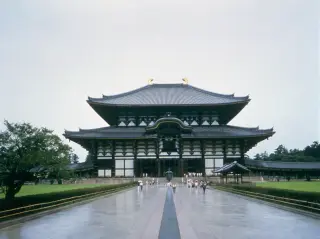
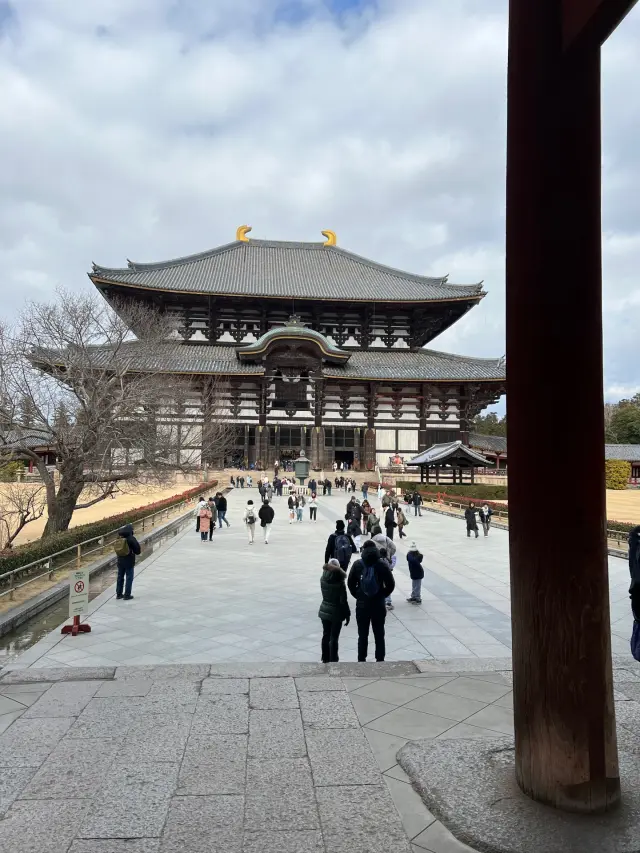
Todaiji Temple
The Great Buddha Vairocana was commissioned by Emperor Shomu during the Nara period and consecrated in 752. The temple complex took nearly 40 more years to complete, making Todaiji one of Nara's most prominent temples. It continued to prosper under generous protection even after the capital was moved from Heijo-kyo.
Inside the hall, there’s also a classic must-try highlight that really tests your size and flexibility: the “Great Buddha’s Nostril” hole at the bottom of the thick wooden pillar behind and to the right of the Great Buddha! Legend says the hole is exactly the same size as the Great Buddha’s nostril. If you can successfully squeeze through it, you’ll be free from illness and misfortune for the entire year and receive good luck and blessings. You’ll often see kids slip through in a second like eels, while adults get stuck and make everyone burst out laughing. The atmosphere is super cheerful! If you still have energy after touring the Great Buddha Hall, I highly recommend walking up to Nigatsudo Hall, located partway up the hill nearby. From its large wooden terrace, you can take in the entire city of Nara and the distant mountains without paying an admission fee. At dusk, the sunset is as beautiful as a painting!
-
-
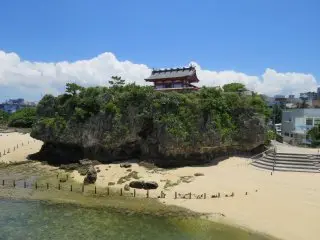
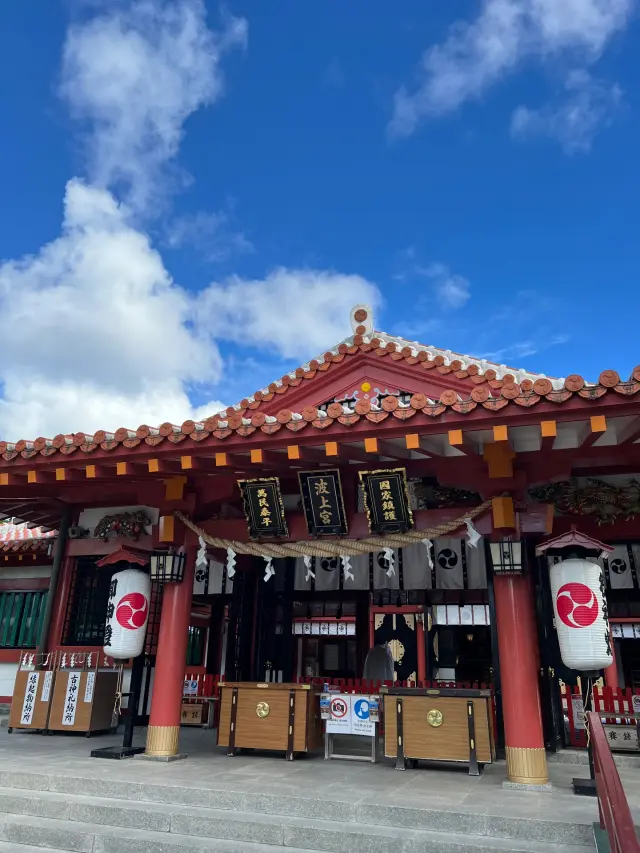
Naminoue Shrine
As the name implies, this ancient shrine stands on a quay overhanging the blue sea, and is affectionately known as "Nanmin-san" by the local people.
Naminoue Shrine in Naha sits right by the sea. The sight of the red-tiled wooden shrine built directly on top of a coral cliff, with the endless Ryukyu-blue ocean behind it, is so beautiful it leaves you speechless! This is the foremost of Okinawa’s Eight Shrines and the most prestigious and representative shrine in Okinawa. It’s completely different from the traditional shrines on Japan’s main islands—the worship hall’s roof is covered in distinctive Okinawan red tiles, and a pair of imposing Ryukyu-style shisa stand guard at the entrance, perfectly blending Shinto with the atmosphere of a tropical island! Standing on the approach by the cliff, feeling the sea breeze and listening to the waves crash against the rocks below, instantly puts you in a super chill tropical vacation mood.
-
-
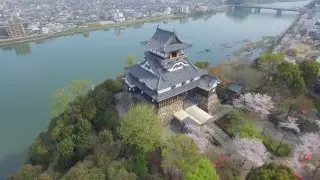
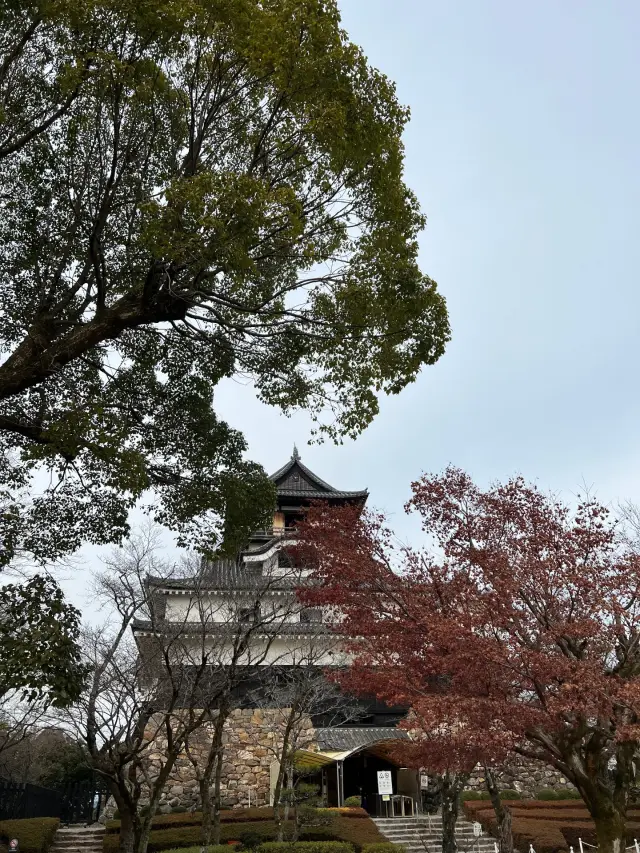
Inuyama Castle
The castle keep is one of only five in Japan designated as National Treasures. Believed to be the oldest surviving castle keep in Japan, it is known for its early watchtower-style architecture. It is said to have been built in 1537 during the Muromachi period by Oda Nobuyasu, the uncle of Oda Nobunaga. Standing on a low hill with the Kiso River protecting its rear, it was considered a castle with strong rear defenses. Together with the surrounding castle town, it became an important center for trade, politics, and the economy.
On a small hill beside the Kiso River in Aichi Prefecture, you look up and see Inuyama Castle, a National Treasure wooden castle keep that has survived all the way from the Sengoku period to the present day, and instantly feel as if you've traveled back to the thrilling era when Oda Nobunaga and Toyotomi Hideyoshi fought for control of the country! It's one of only 12 original castle keeps remaining in all of Japan, and the oldest wooden castle among them. It's completely different from the castles later rebuilt with concrete. Once inside, you have to take off your shoes and walk on the cool, smooth centuries-old wooden floors, then climb extremely steep, almost vertical wooden stairs all the way to the top. The floorboards even make faint creaking sounds with every step. That raw, authentic sense of history really gives you goosebumps all over!
-