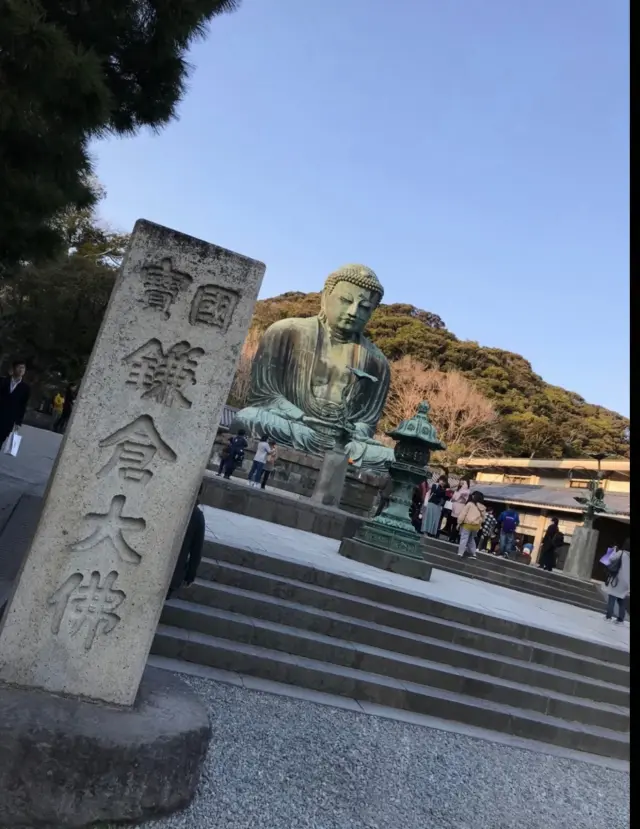
As soon as I entered Kotoku-in and saw the huge stone monument inscribed with “National Treasure: Great Buddha of Kamakura,” my anticipation went through the roof! After walking a few more steps and looking up, I saw the entire bronze statue of Amida Buddha sitting majestically between heaven and earth. The sight could only be described as “stunning and imposing”! With rolling green mountains behind it and a clear blue sky overhead, the Buddha’s kind, gentle features and slightly lowered eyes, as if deep in contemplation, looked especially solemn and serene in the open natural light.
The grounds were packed with pilgrims and tourists from around the world. Everyone crowded below the steps and around the incense burner to take pictures and gaze up at the statue. Even the incredibly lively atmosphere couldn’t overpower the calming presence radiating from the Buddha. The most distinctive and coolest thing about this statue is that it’s an “open-air” Great Buddha! Apparently, it was originally sheltered by a magnificent hall long ago, but after centuries of storms and tsunamis, the wooden structure was mercilessly destroyed by nature. Only this solid bronze Buddha remained seated securely on its stone pedestal. It has been sitting there for more than 700 years, witnessing all the changes in the world. Simply standing before it and feeling the profound weight of all that accumulated history fills you with awe!
Besides standing in the plaza and looking up at it for photos, the most satisfying hidden experience that you absolutely shouldn’t miss is paying just a few dozen JPY to explore the “inside of the Great Buddha”! You enter through an inconspicuous little door behind the statue, and it feels like being enclosed in a gigantic bronze time capsule. The space inside isn’t very large, but you can clearly see the traces of how Japanese craftsmen skillfully joined and welded the bronze plates together hundreds of years ago. Faint sunlight also filters in through openings in the back. The amazing feeling of touching the warmth of history with your own hands is several times cooler than just taking pictures outside!
Walking around the stone steps with a gentle breeze blowing through the tips of the pine branches, whether you’re admiring the simple, subdued color of the bronze, examining the bronze lanterns on the stone platform, or stopping to take a deep breath and experience the peaceful yet vibrant atmosphere, all your accumulated travel fatigue instantly melts away. This relaxed pace, where you can experience the impact of ancient history and culture while casually strolling among nature and historic sites, is definitely one of the most classic, memorable, top-tier stops in Kamakura!
The Great Buddha of Kamakura at Kotoku-in Temple | Review by Jk
Other Reviews by Jk
-
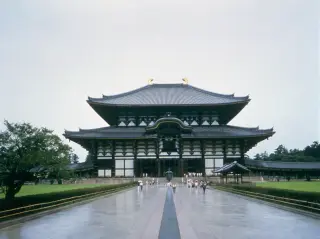
Todaiji Temple
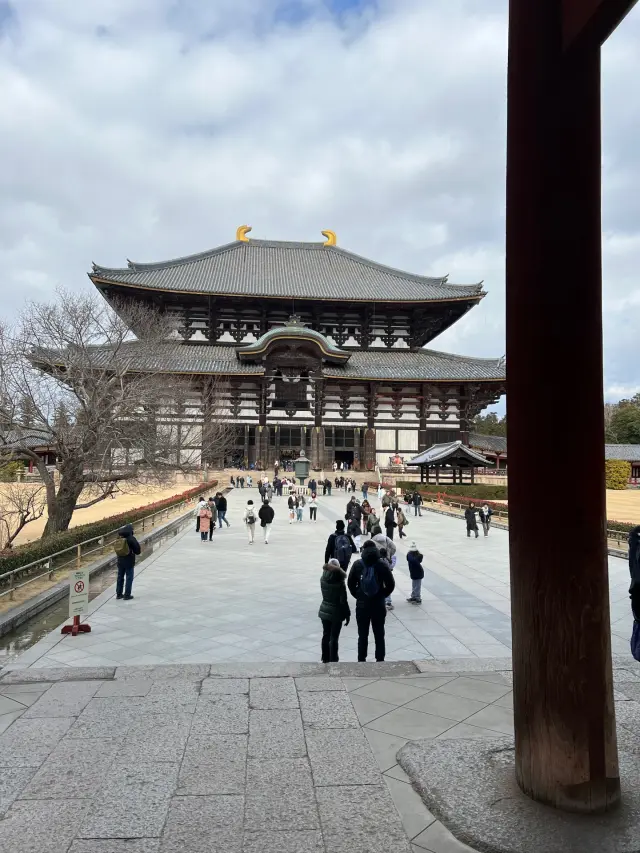
The Great Buddha Vairocana was commissioned by Emperor Shomu during the Nara period and consecrated in 752. The temple complex took nearly 40 more years to complete, making Todaiji one of Nara's most prominent temples. It continued to prosper under generous protection even after the capital was moved from Heijo-kyo.
Inside the hall, there’s also a classic must-try highlight that really tests your size and flexibility: the “Great Buddha’s Nostril” hole at the bottom of the thick wooden pillar behind and to the right of the Great Buddha! Legend says the hole is exactly the same size as the Great Buddha’s nostril. If you can successfully squeeze through it, you’ll be free from illness and misfortune for the entire year and receive good luck and blessings. You’ll often see kids slip through in a second like eels, while adults get stuck and make everyone burst out laughing. The atmosphere is super cheerful! If you still have energy after touring the Great Buddha Hall, I highly recommend walking up to Nigatsudo Hall, located partway up the hill nearby. From its large wooden terrace, you can take in the entire city of Nara and the distant mountains without paying an admission fee. At dusk, the sunset is as beautiful as a painting!
-
-
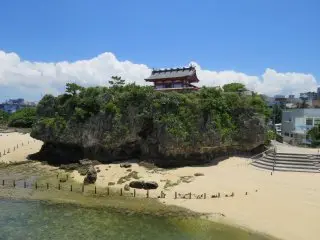
Naminoue Shrine
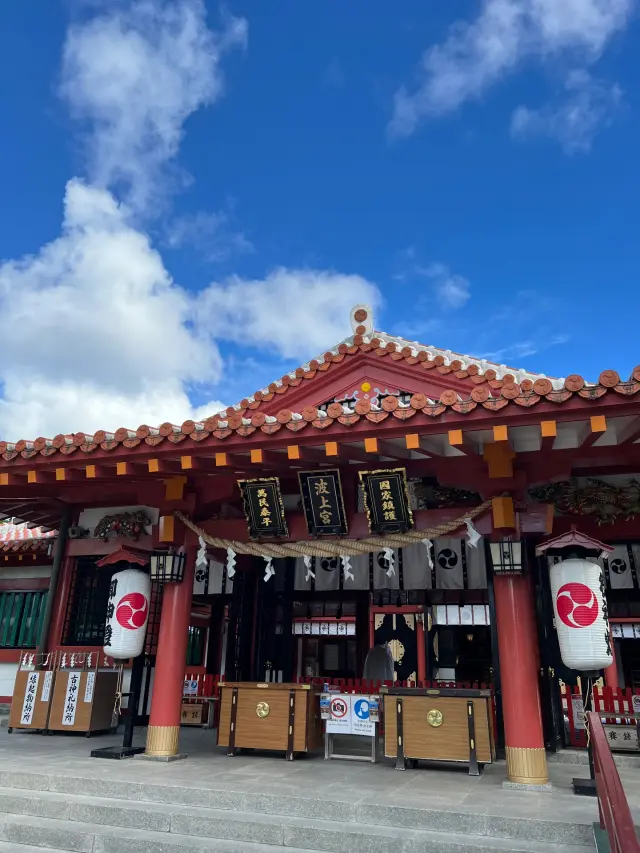
As the name implies, this ancient shrine stands on a quay overhanging the blue sea, and is affectionately known as "Nanmin-san" by the local people.
Naminoue Shrine in Naha sits right by the sea. The sight of the red-tiled wooden shrine built directly on top of a coral cliff, with the endless Ryukyu-blue ocean behind it, is so beautiful it leaves you speechless! This is the foremost of Okinawa’s Eight Shrines and the most prestigious and representative shrine in Okinawa. It’s completely different from the traditional shrines on Japan’s main islands—the worship hall’s roof is covered in distinctive Okinawan red tiles, and a pair of imposing Ryukyu-style shisa stand guard at the entrance, perfectly blending Shinto with the atmosphere of a tropical island! Standing on the approach by the cliff, feeling the sea breeze and listening to the waves crash against the rocks below, instantly puts you in a super chill tropical vacation mood.
-
-
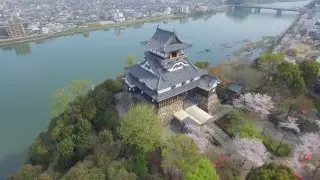
Inuyama Castle
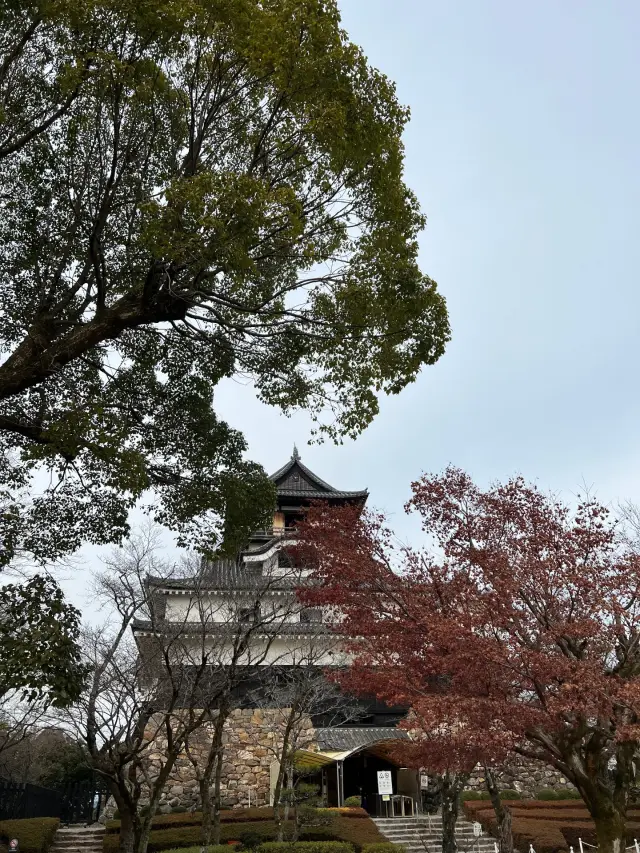
The castle keep is one of only five in Japan designated as National Treasures. Believed to be the oldest surviving castle keep in Japan, it is known for its early watchtower-style architecture. It is said to have been built in 1537 during the Muromachi period by Oda Nobuyasu, the uncle of Oda Nobunaga. Standing on a low hill with the Kiso River protecting its rear, it was considered a castle with strong rear defenses. Together with the surrounding castle town, it became an important center for trade, politics, and the economy.
On a small hill beside the Kiso River in Aichi Prefecture, you look up and see Inuyama Castle, a National Treasure wooden castle keep that has survived all the way from the Sengoku period to the present day, and instantly feel as if you've traveled back to the thrilling era when Oda Nobunaga and Toyotomi Hideyoshi fought for control of the country! It's one of only 12 original castle keeps remaining in all of Japan, and the oldest wooden castle among them. It's completely different from the castles later rebuilt with concrete. Once inside, you have to take off your shoes and walk on the cool, smooth centuries-old wooden floors, then climb extremely steep, almost vertical wooden stairs all the way to the top. The floorboards even make faint creaking sounds with every step. That raw, authentic sense of history really gives you goosebumps all over!
-