On this trip to Yokohama, I made a point of visiting Sankeien Garden because I’ve always loved historic Japanese architecture. I always feel that every old building has a piece of history behind it that’s worth taking the time to appreciate.
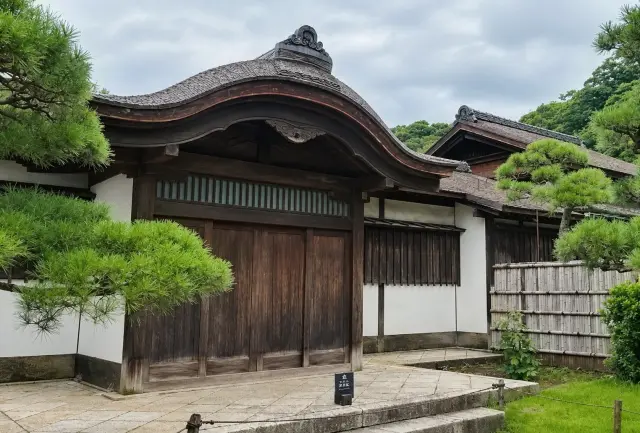
When I entered Sankeien Garden, I found many historic buildings that had been relocated here from different parts of Japan, some even dating back to the Edo period. These buildings were not originally built here. They were dismantled, transported, and then reassembled and restored. Just thinking about that process makes it seem like an incredibly difficult undertaking!
After surviving major earthquakes and air raids during World War II, it’s remarkable that these buildings have been preserved and that we have the chance to see them in person today. Thinking about how many people worked to preserve this cultural heritage so these old buildings could remain to this day was very moving.
Whenever I see traditional Japanese gassho-zukuri buildings, with their thick thatched roofs and simple exteriors, I can’t help imagining how people endured the cold winters in the days before heating.
Because of this, the more I looked, the more I felt that architecture is not just about houses. It is closely connected to the climate, terrain, way of life, and culture of the time, and every design has a reason for being there.
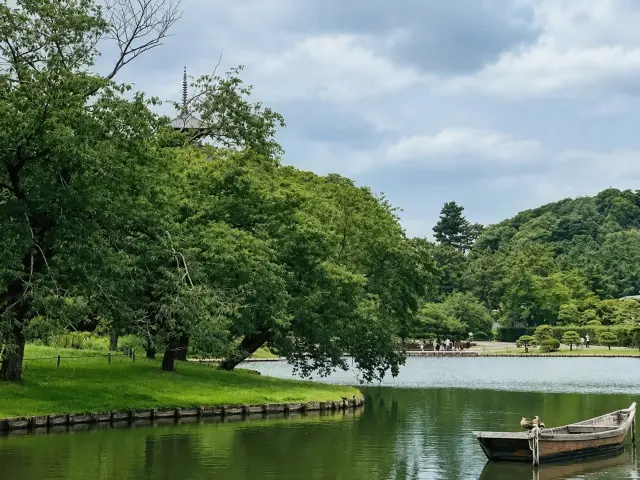
As for the garden scenery, I personally felt that compared with the refined and intricate Japanese gardens in Kyoto, Sankeien Garden’s landscaping was not as distinctive. Instead, it was the historic buildings relocated here from different places that made me stop and admire them.
Admission was only JPY 900, which I didn’t think was expensive. There weren’t many visitors when we went, so we took the garden map provided at the ticket counter and slowly walked around, following the signs and taking our time. It was quite relaxing.
What left the strongest impression on me during this visit to Sankeien Garden was not how beautiful the garden was, but that these old buildings, weathered by the passage of time, could still stand intact before my eyes. Being able to step into this piece of history and experience the architecture and lifestyles of different eras was a very special part of the trip.