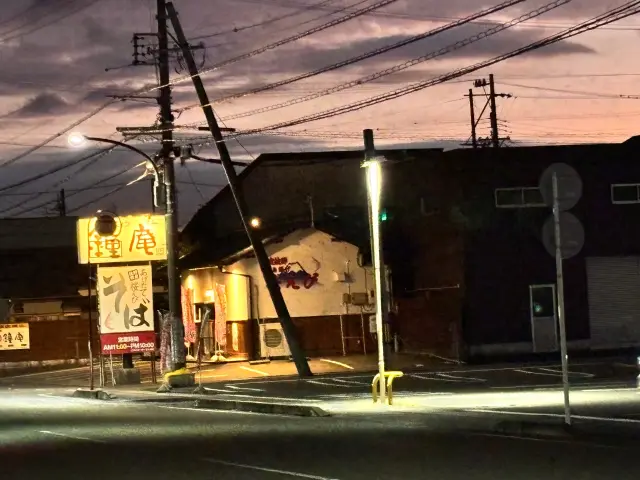
When visiting Shimizu, Shizuoka, if you want something simple with local character, you can try Shoan. This restaurant is known for its sakura shrimp fritters and soba, and the sakura shrimp from Shizuoka's Suruga Bay are an especially notable signature ingredient. This time, I finally ordered the sakura shrimp fritters I'd been craving. The crispy coating was wonderfully fragrant, and paired with refreshing soba and piping-hot broth, the meal didn't feel too heavy. As I ate, I enjoyed the delicious combination of Shizuoka's seafood flavors and traditional noodles!
Shoan Shimizu Miho Sohonten | Review by Linda Liao
Other Reviews by Linda Liao
-

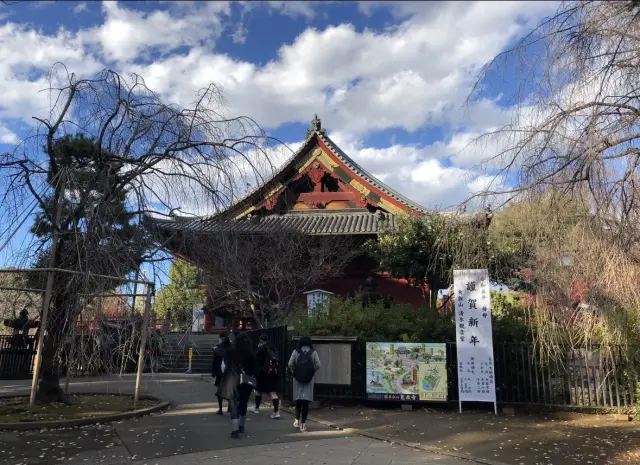
Kaneiji Temple
This temple was founded in 1625 and is the head temple of the Kanto region of the Tendai sect of Buddhism. It was built by the high priest Tenkai, who was deeply revered by three shoguns, Tokugawa Ieyasu, Hidetada, and Iemitsu, to pray for the safety of the Tokugawa shogunate and the well-being of the common people. It is a prayer hall and family temple of the Tokugawa shoguns, and six of the fifteen Tokugawa shoguns are still buried there today.
Ueno Park is vast. In addition to the zoo and art museums, there are many historic temples, and even a full day isn't enough to see everything. Once, while walking through the park, I unexpectedly came across Kaneiji Temple. It sparked my curiosity and made me want to learn about the historical background of its construction. Kaneiji Temple was founded in 1625 by High Priest Tenkai, a close confidant of Tokugawa Ieyasu. It was built to pray for the stability of the shogunate and peace throughout the land, and it was also an important temple for the Tokugawa shogun family. The temple grounds were once enormous, covering the entire area that is now Ueno Park. Most of its buildings were destroyed by fire during the Battle of Ueno at the end of the shogunate, but you can still feel the solemnity and historical depth of this ancient temple today. Walking through the grounds, the atmosphere forms a striking contrast with the lively park, naturally making you slow down and take in the traces of the Edo period left behind by time.
-
-

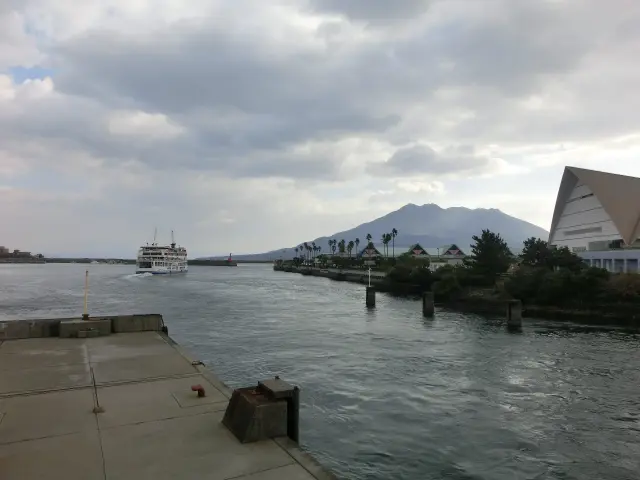
Sakurajima Ferry
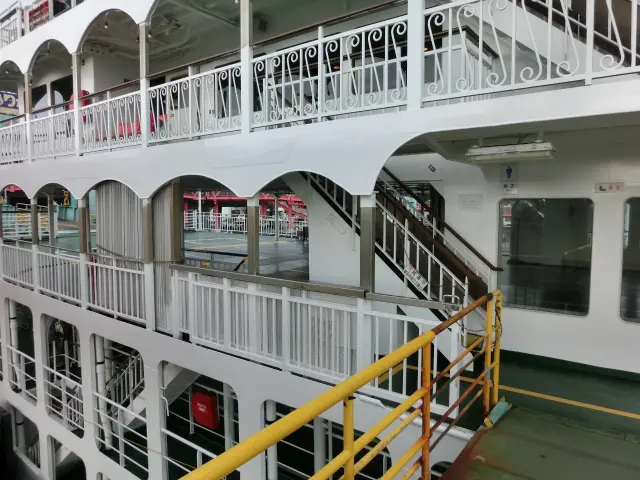
A public ferry operated by Kagoshima City, connecting Kagoshima Port and Sakurajima Port. The ride takes Approx. 15 minutes, making it an easy, enjoyable trip on the water. There are four ferry types, each carrying around 500 passengers and about 60 cars. Each vessel has different facilities and a cute nickname such as “Sakura Fairy” or “Princess Marine.” The biggest feature is 24-hour service.
If you want to set foot on Sakurajima and experience the volcano up close, the Sakurajima Ferry is the most recommended way to get there. The ferry runs between Kagoshima Port and Sakurajima Port. It isn't just transportation for tourists, but also an important part of daily life for island residents. What makes it special is that it can carry cars, so you can even bring your vehicle on board, which is quite interesting. As the ferry slowly pulls away from the port, Sakurajima Volcano gets closer and closer, and I can't help but feel excited. The trip takes about 15 minutes. It isn't long, but it's enough time to stand on the deck, enjoy the ocean views of Kinko Bay, and feel the refreshing sea breeze on your face.
-
-
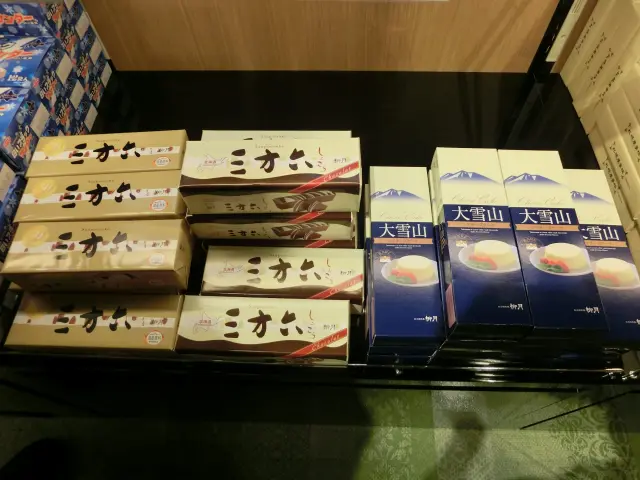
Ryugetsu Sapporo
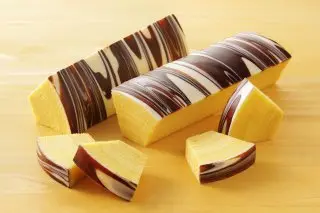
In 1947, the Japanese/western sweets maker, Ryugetsu, was established in Obihiro, Tokachi District. Their leading product is Sanporoku. Even though they were making only ice candies in the beginning, the taste became a sensation and they began producing western and Japanese/western sweets.
The long-established Hokkaido confectionery Ryugetsu was founded in Tokachi, Hokkaido, and is known for its carefully selected ingredients and delicate baking techniques. Its classic treats are especially popular with travelers as souvenirs. The most iconic of these is the Sanporoku baumkuchen, which has such a distinctive appearance! The chocolate coating is patterned to resemble white birch bark, as if the scenery of Hokkaido’s forests had been turned into a dessert. The cake is moist and delicate, with a rich milky flavor, and its long shape makes it easy to cut and share with family and friends back home. It’s a Hokkaido souvenir that is both delicious and distinctive.
-