

Yamagata’s Spectacular Winter Scenery: A Complete Travel Guide to Zao Snow Monsters
A winter-only natural masterpiece: Zao Juhyo.
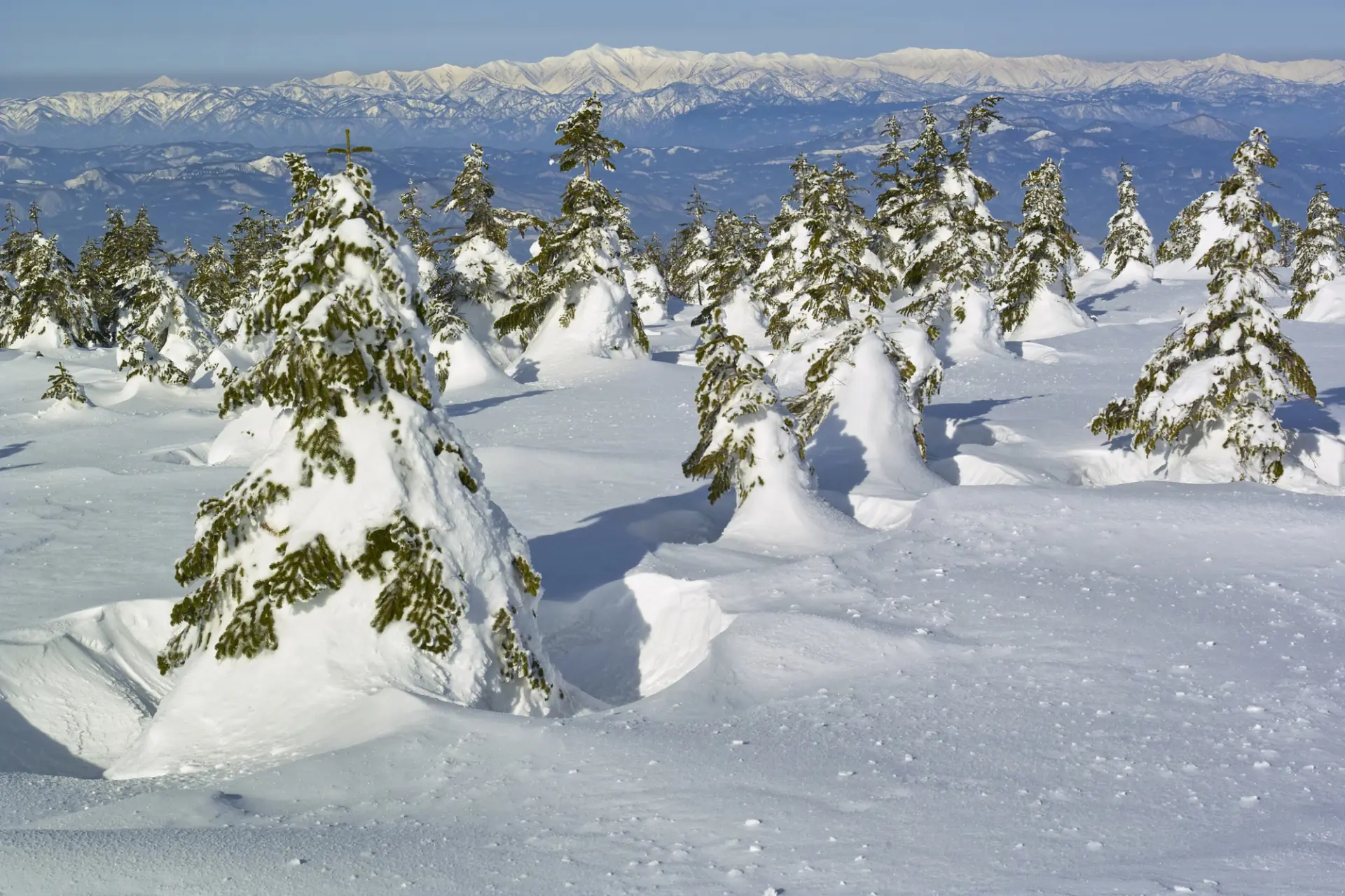
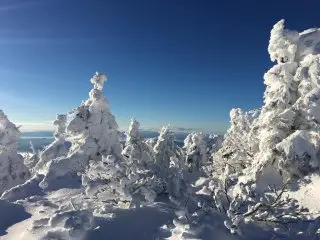
Also known as “Snow Monsters,” the sight of huge ice-covered trees lined up is truly mysterious.
In this article, we’ve compiled key information you’ll want to know to fully enjoy Zao Juhyo.
We’ll cover everything from how the ice forms and the best viewing season to major highlights, temperatures, recommended clothing, and accommodations.
A Winter-Only Spectacle! “Zao Juhyo” Seen from Late January to February
Zao Juhyo refers to clusters of ice-covered trees found in the “Zao Mountain Range,” which stretches along the border between Miyagi and Yamagata Prefectures.
The typical best season is from late January to around February, when intense cold and strong winds cause layers of snow and ice to build up on trees.
For the 2025–2026 season, the best time to see the juhyo is expected to be from late January to around late February, as usual.
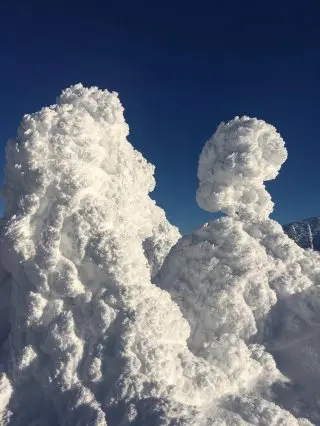
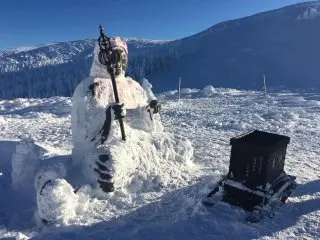
Because the trees covered in ice can look like monsters, they’re also called “Snow Monsters.”
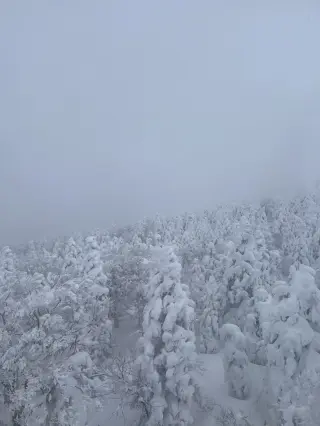
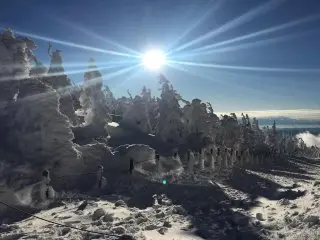
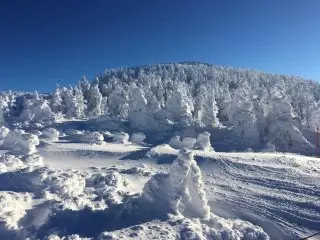
The breathtaking sight of countless huge, uniquely shaped snow masses standing in rows feels overwhelmingly powerful and mysterious.
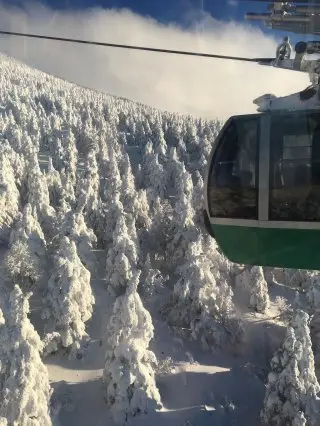
With the “Zao Ropeway,” you can admire the vast juhyo fields from above, and you can also ski or snowboard between the snow monsters.
There’s also a limited-time nighttime illumination, where you can enjoy the fantastical sight of juhyo lit up in a variety of colors.
-
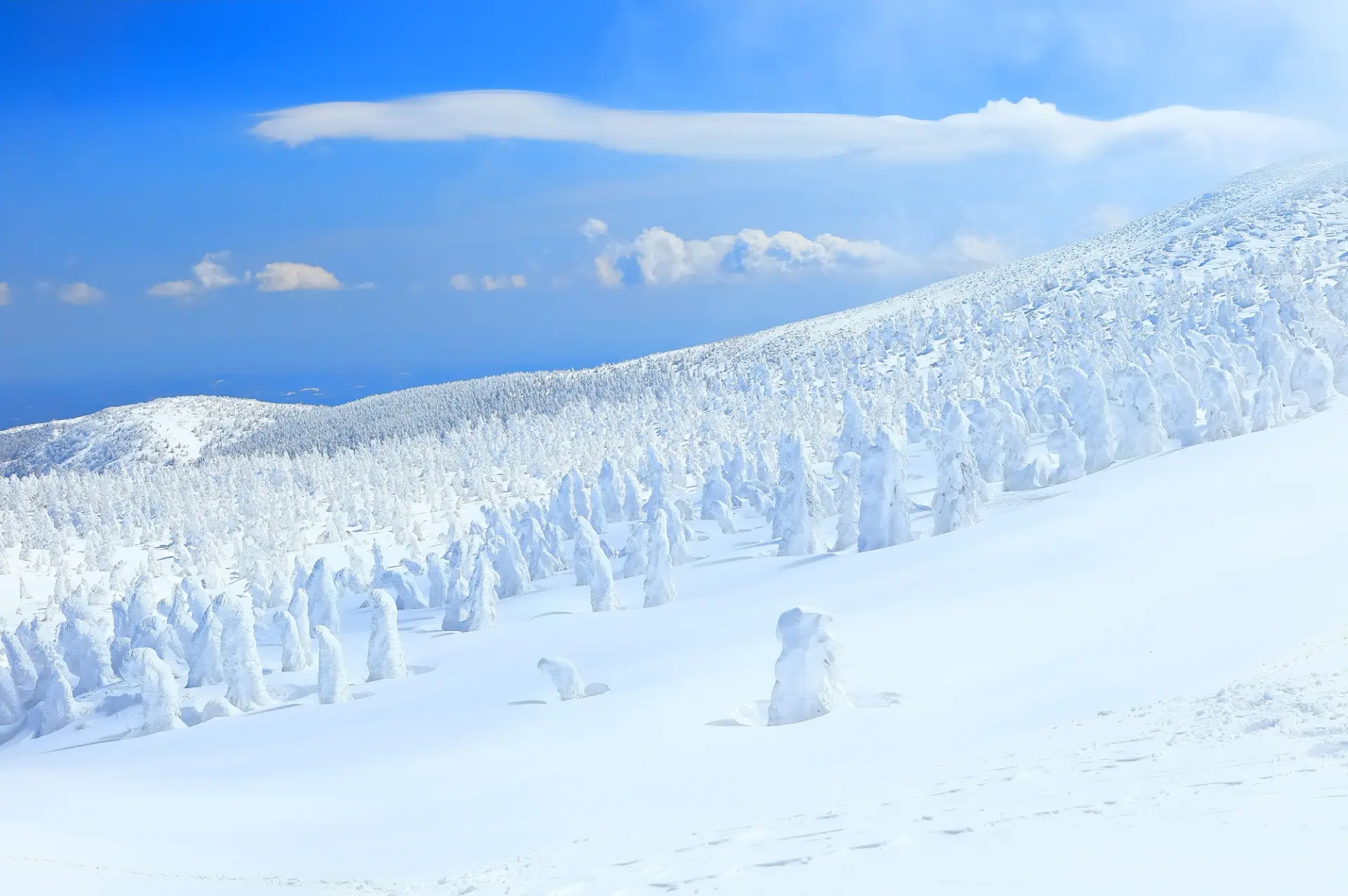
Zao Juhyo, both powerful and mysterious
-
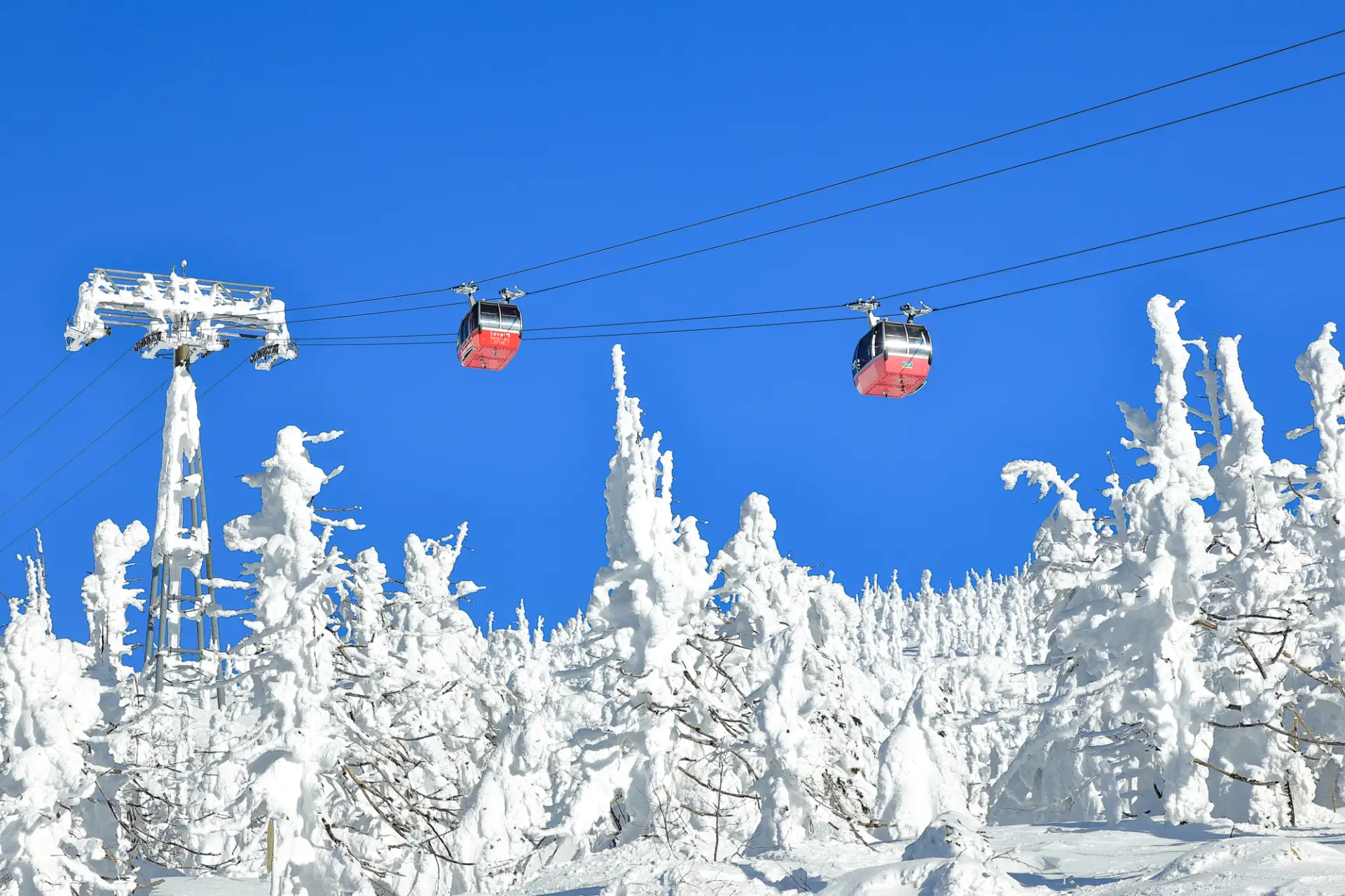
Take in a sweeping aerial view of the juhyo on the Zao Ropeway
-
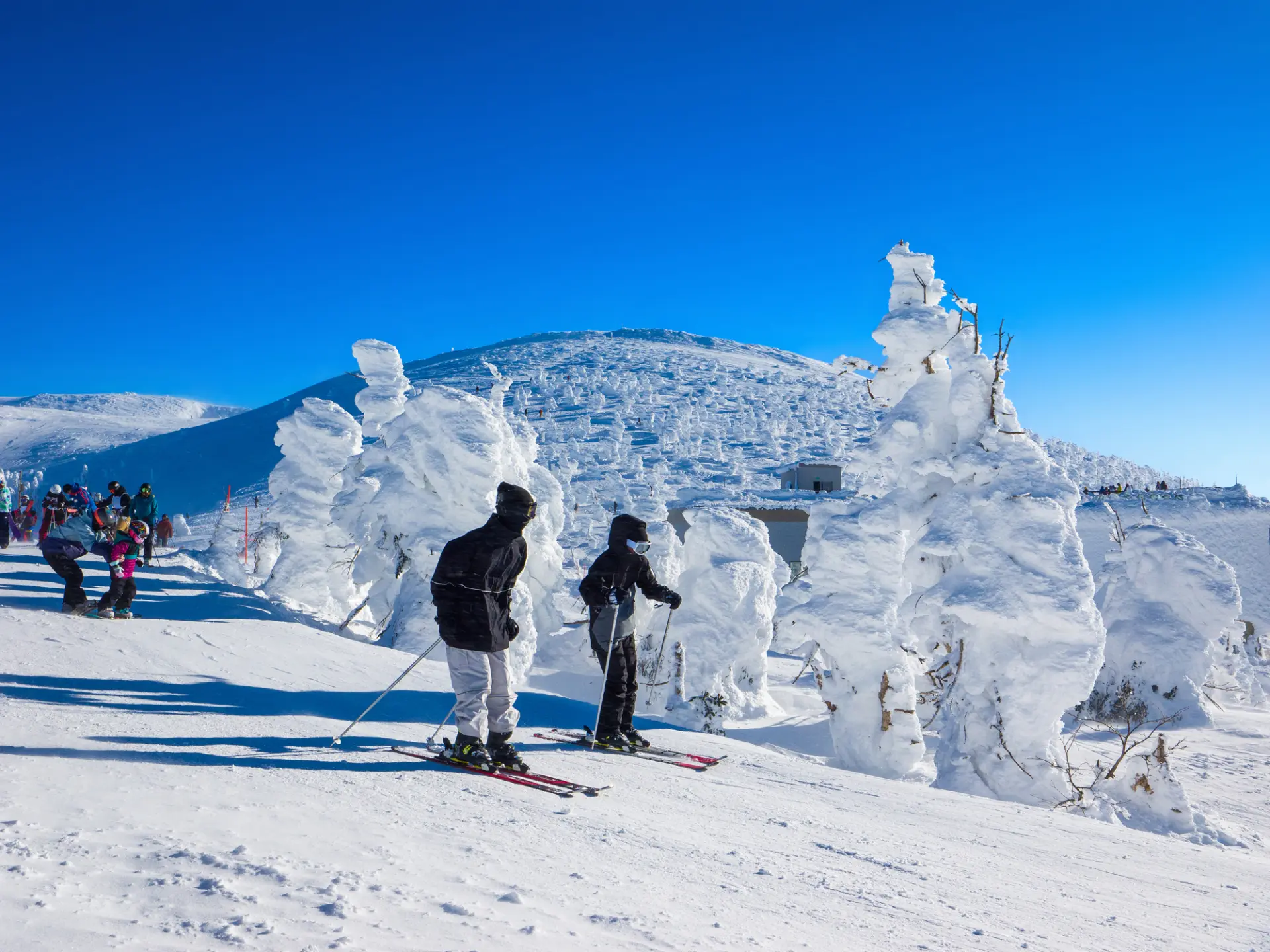
See Zao Juhyo up close while skiing or snowboarding
-
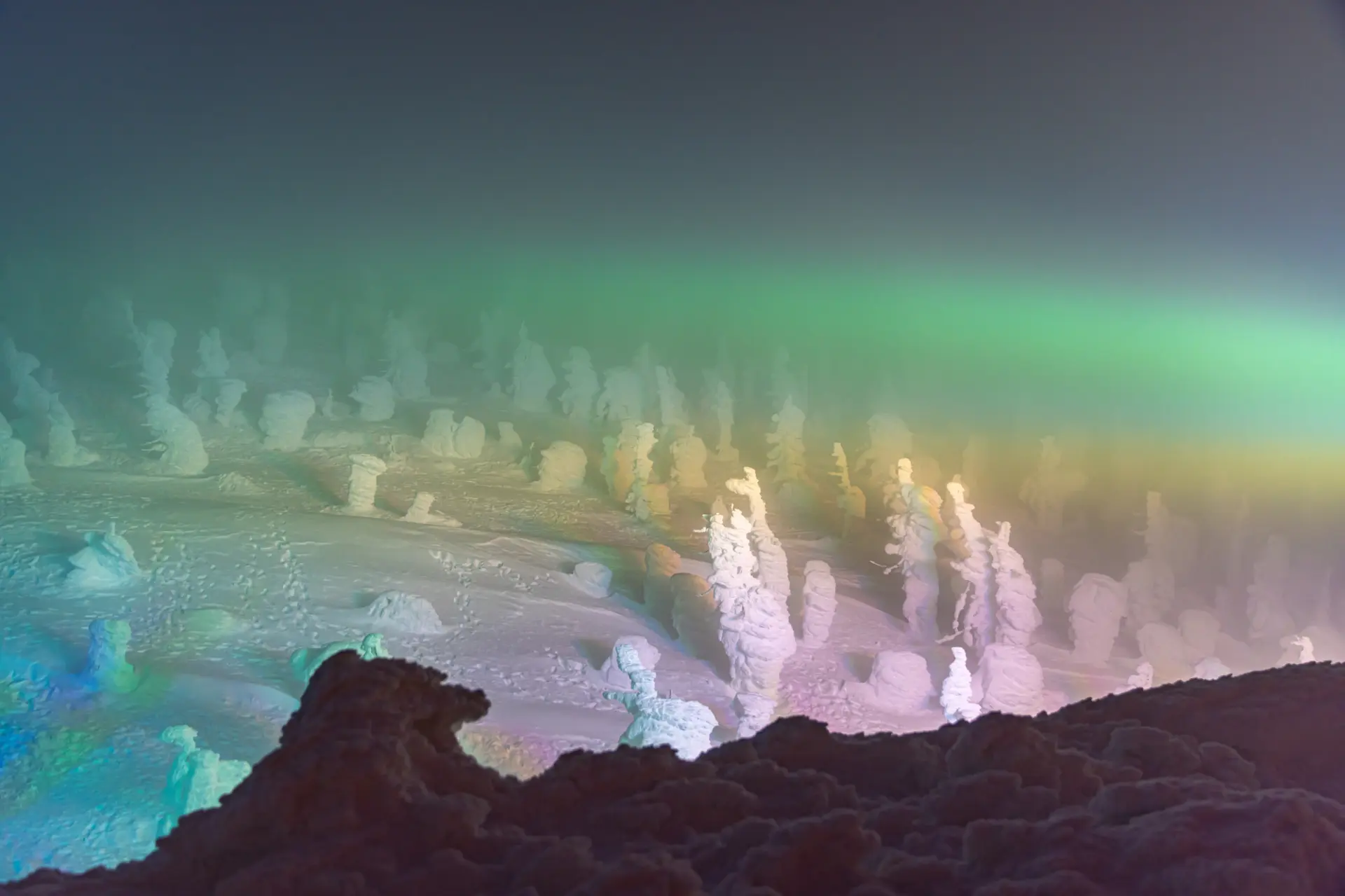
Fantastical juhyo lit up at night
A Rare Phenomenon Seen Only in Certain Areas! Nature’s Sculptural Beauty, “Juhyo”
To get the most out of Zao Juhyo, let’s start by understanding what “juhyo” actually is.
Juhyo is ice that forms on the surface of trees when supercooled fog or clouds blow against them in below-freezing temperatures.
It’s a rare phenomenon confirmed only in parts of the Ou Mountains in the Tohoku region and in subalpine zones.
These uniquely shaped, massive clusters are also called snow monsters, and they can only be seen in Japan.

Conditions Needed for Juhyo to Form
Juhyo forms when the following three conditions are met.
- Wind direction stays consistent
- Aomori fir (an evergreen conifer) grows naturally
- There is an appropriate amount of snowfall
Only when these three conditions come together can juhyo—an artwork of ice and snow—form.
Best Time to See Zao Juhyo
The juhyo season varies slightly by area, but the general guideline is late December through late March. The peak time to see large, beautiful juhyo is typically from late January through late February.
If temperatures are too warm, the snow melts; if they’re too cold, snow has trouble sticking—so the window to see juhyo is quite short.
If you’re planning a trip to see them, be sure to time it carefully.
Temperatures and What to Wear in the Zao Mountain Range During Juhyo Season
Average monthly temperatures (near the summit) in the Zao Mountain Range from December to January are as follows.
Near the summit, temperatures can drop below -10°C, so thorough cold-weather preparation is essential.
We recommend outerwear that’s not only warm but also highly waterproof and windproof, plus insulating tops and thick winter pants for bottoms.
Along with gloves and a hat, be sure to bring snow boots for heavy snow.
- December
-
, High: -3.8°C
, Low: -9.5°C - January
-
, High: -5.8°C
, Low: -12.3°C - February
-
, High: -6.1°C
, Low: -10.7°C
To Get the Most Out of Zao Juhyo, Yamagata Zao Is Recommended!
The Zao Mountain Range is a collective name for the mountains, with the Yamagata side called Yamagata Zao and the Miyagi side called Miyagi Zao.
You can see juhyo in both areas, but each offers different appeal.
For differences between Yamagata Zao and Miyagi Zao, please refer to the table below.
| Comparison Item | Yamagata Zao | Miyagi Zao |
|---|---|---|
| Highlights | You can see illuminated juhyo and also view them while skiing | You can see juhyo in untouched, natural wilderness |
| Illumination | Yes | No |
| Crowds | Very crowded during the season | Relatively less crowded even during the season |
If you want to enjoy juhyo in many different ways, Yamagata Zao is recommended.
Because the juhyo fields are part of the ski resort, you can enjoy snow monsters and winter sports at the same time.
Plus, illuminated juhyo can only be seen in Yamagata Zao.

Access to Yamagata Zao
If you’re heading to Yamagata Zao, we recommend aiming for Zao Onsen, the main sightseeing base.
Let’s start with how to get to Zao Onsen.
Access from Yamagata Airport
The closest airport to Zao Onsen is Yamagata Airport.
There are only domestic scheduled flights, but from Haneda Airport (Tokyo), Itami Airport (Osaka), and Komaki Airport (Nagoya) to Yamagata Airport, it takes Approx. 1 hour to 1 hour 20 minutes each.
From Yamagata Airport to Zao Onsen, if you take a local bus and transfer at Yamagata Station, it takes Approx. 1 hour 50 minutes.
By the way, the “Juhyo Viewing Ride Ticket” sold annually by “Yamako Bus” is not scheduled to be sold for the 2025–2026 season.
If you want a more efficient option, the “Oishii Yamagata Airport Sightseeing Liner” (Yamagata Airport departure, Zao Onsen Bus Terminal arrival) is recommended.
It’s reservation-only, but you can reach Zao Onsen in Approx. 1 hour.

Access from Zao Onsen to the Juhyo Fields
From Zao Onsen at the foot of the mountain to the juhyo fields, we recommend taking the ropeway while enjoying the natural scenery.
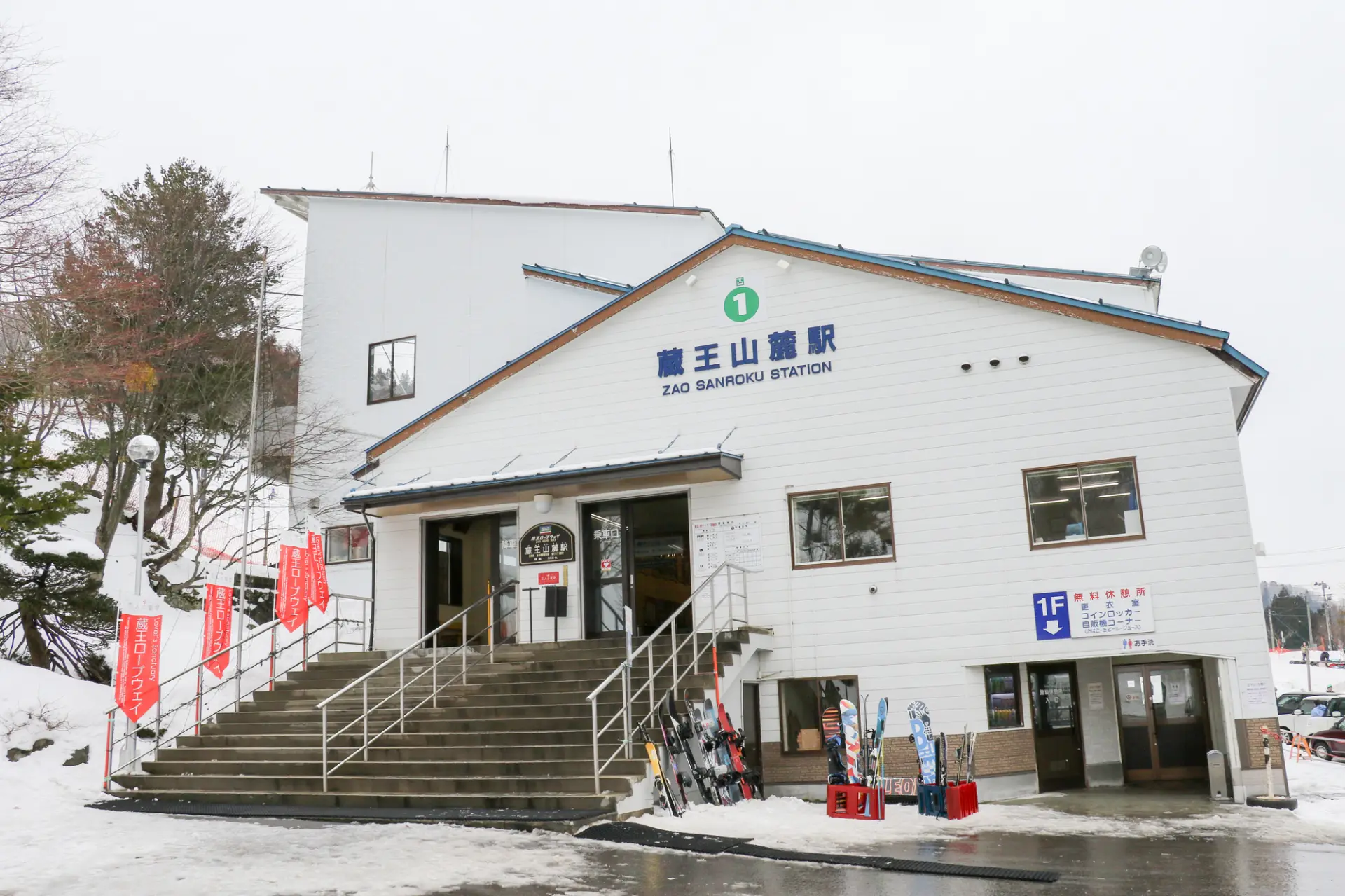
From Zao Sanroku Station, it takes Approx. 7 minutes on the Sanroku Line, then 10 minutes on the Sancho Line to Jizo Sancho Station, reaching the summit area of Yamagata Zao.
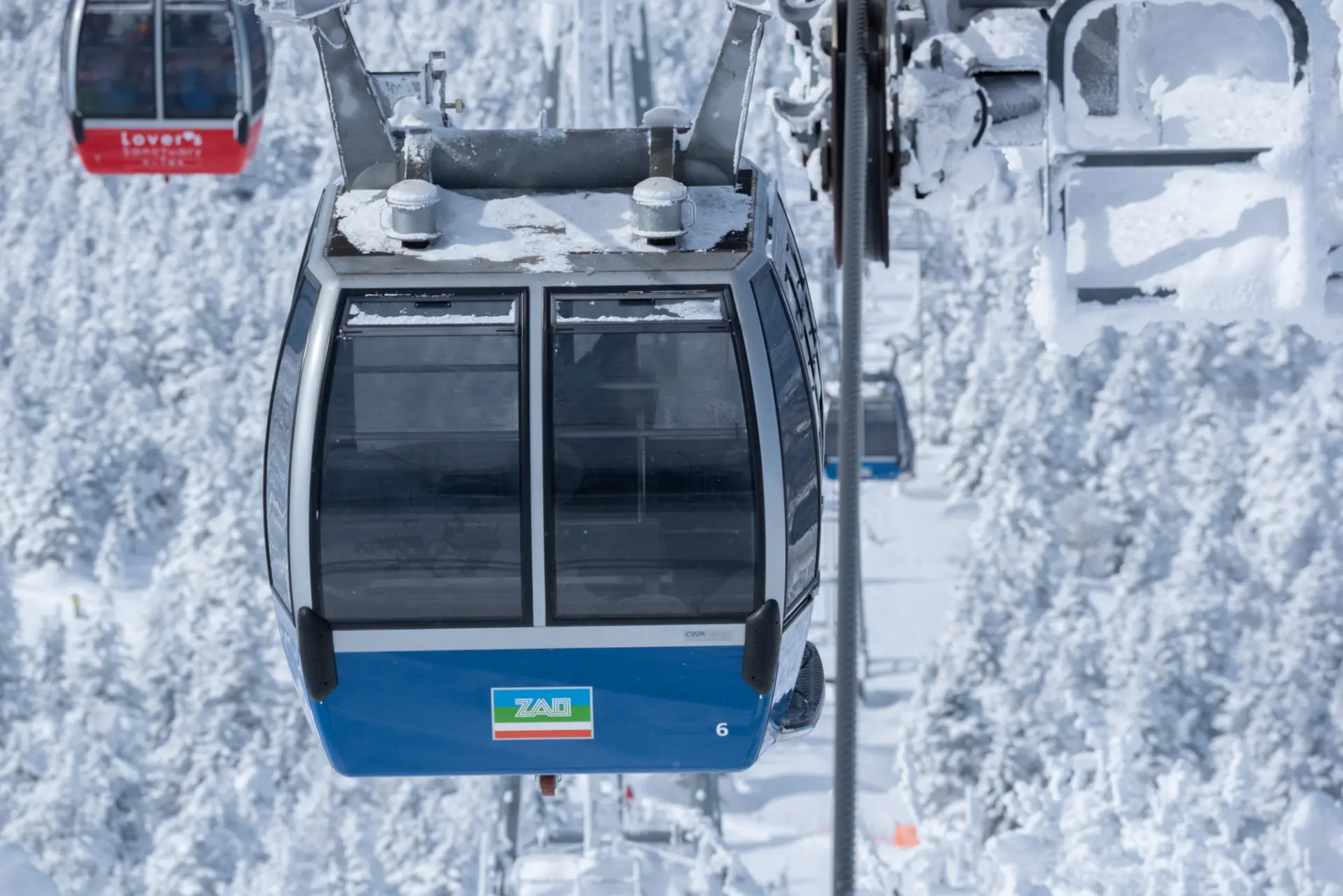
[FY2025–FY2026] Details for the Sanroku Line (Zao Sanroku Station ⇔ Juhyo Kogen Station)
- Hours
- 8:30am 〜 5:00pm
- Admission (Round-trip)
-
, Adults: 2,200 yen
, Children: 1,100 yen
[FY2025–FY2026] Details for the Sancho Line (Juhyo Kogen Station ⇔ Jizo Sancho Station)
- Hours
- 8:45am 〜 4:45pm
- Admission (Round-trip)
-
, Adults: 4,200 yen
, Children: 2,100 yen
Make the Most of the Powerful Snow Monsters! 5 Must-See Highlights in Yamagata Zao
Here are five must-see highlights to experience the best of Yamagata Zao.
If you’re visiting Yamagata Zao, be sure to add them to your itinerary.
1. A Powerful Panoramic View of the Juhyo Fields from the Ropeway
The Zao Ropeway connects three stations: “Zao Sanroku Station,” “Juhyo Kogen Station,” and “Jizo Sancho Station,” located from the base up the mountain.
If you want to fully enjoy the scenery of Yamagata Zao, be sure to ride the Zao Ropeway.
The 360-degree silver-white world seen from the slowly moving ropeway is so surreal it feels like stepping into another world.

2. Nighttime Yamagata Zao, Where Juhyo and Light Create a Stunning View
In Yamagata Zao, Zao Juhyo is illuminated for a limited time.
The juhyo lit by colorful lights in the darkness feels unreal.
You can enjoy a dreamlike, fantastical scene.
We also recommend joining the “Juhyo Illusion Corridor Tour,” where you ride the heated snowcat “Night Cruiser” to see the illuminated Zao Juhyo up close.

[FY2025–FY2026] Details for the Juhyo Illumination
- Event period
- December 27, 2025 〜 February 22, 2026 (36 days)
- Dates in December
- 27, 28, 29, 30, 31
- Dates in January
- 1, every Fri/Sat/Sun
- Dates in February
- Every Mon/Fri/Sat/Sun, plus 17, 18, 19
- Ropeway fare
-
, Adults: 4,400 yen
, Children: 2,200 yen - Hours
- 5:00pm 〜 9:00pm
[FY2025–FY2026] Details for the Juhyo Illusion Corridor Tour
- Event period
- December 27, 2025 〜 February 22, 2026 (36 days)
- Event dates
- Same days as the illumination
- Tour fare
-
, Adults: 7,500 yen
, Children: 6,000 yen - Departure times from Sanroku Station
- 5:00pm, 6:00pm, 7:00pm, 8:00pm
- Duration
- Approx. 70 〜 80 minutes
3. A Ski Resort Offering a Premium Experience: Ski Through Stunning Scenery
Yamagata Zao is home to the “Yamagata Zao Onsen Ski Resort,” where you can do something you can’t do anywhere else: ski through the snow monsters.
The resort has 26 courses across a vast area, so you won’t be able to cover it all in one day—staying for 2 to 3 nights or more is recommended.
With powder snow as well, whether you love skiing or have never tried it, if you’re sightseeing in Yamagata Zao, we hope you’ll make time to visit.

[FY2025–FY2026] Details for Yamagata Zao Onsen Ski Resort
- Operating period
- December 20, 2025 〜 May 6, 2026
4. Take Your Time Viewing the Juhyo at the Observation Area and Summit Terrace in Front of Jizo Sancho Station
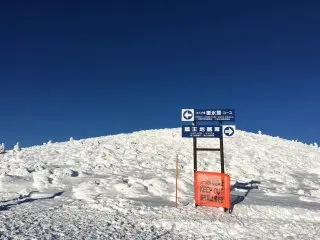
If you want to see the snow monsters up close and at your own pace, we recommend the observation area in front of “Jizo Sancho Station” on the Zao Ropeway summit line.
As soon as you step off the ropeway, the snow monsters spread out in front of you—an impact very different from seeing them from above.
Also, typically from late December through late February, the juhyo in front of Jizo Sancho Station is illuminated after sunset on certain days, offering a fantastical view.
Note that a safety rope is set up in front of the juhyo, so please do not enter inside the rope.
※Typically on certain days from late December to around late February (Fridays, Saturdays, Sundays, plus around 10 additional days)
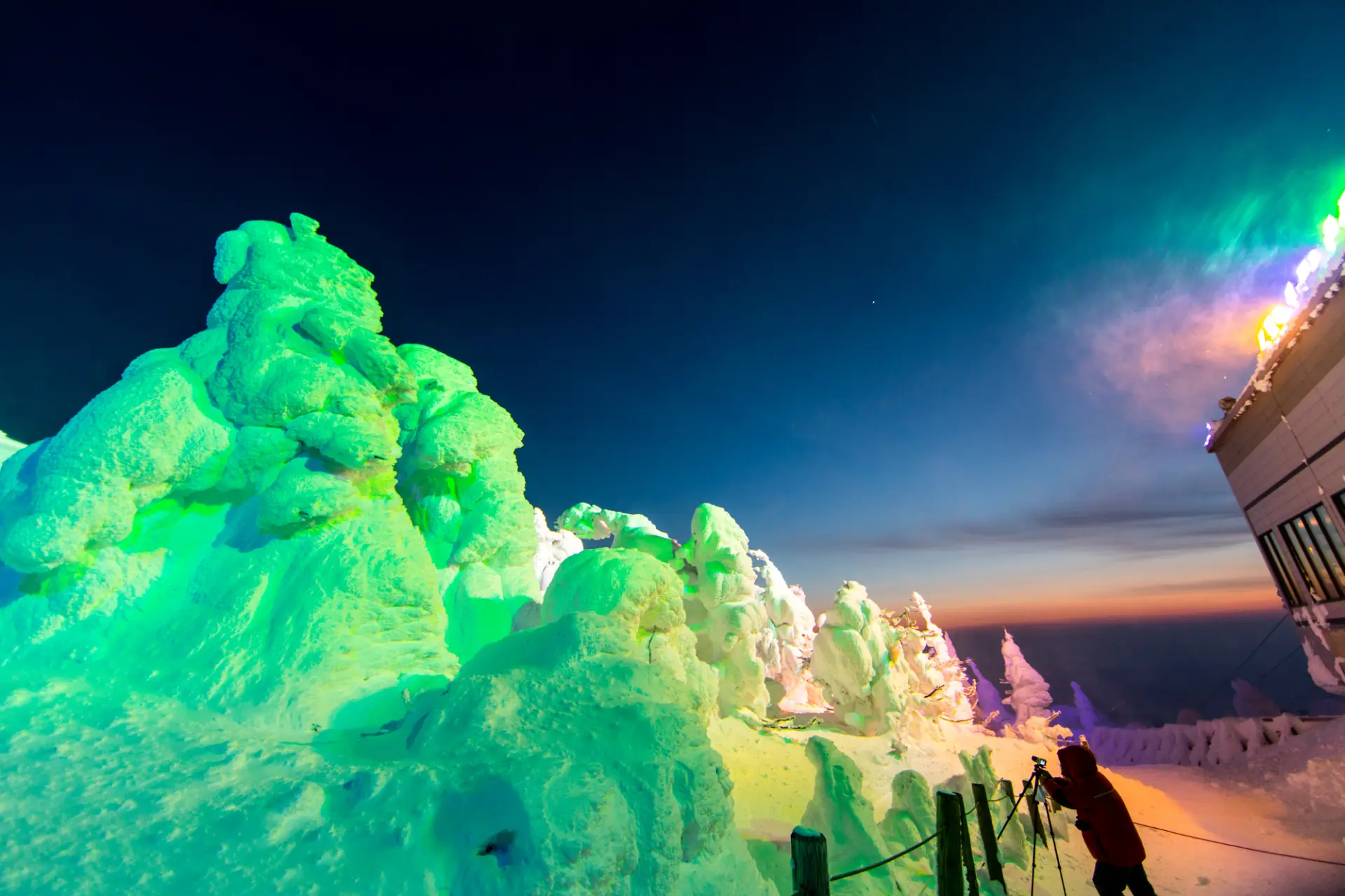
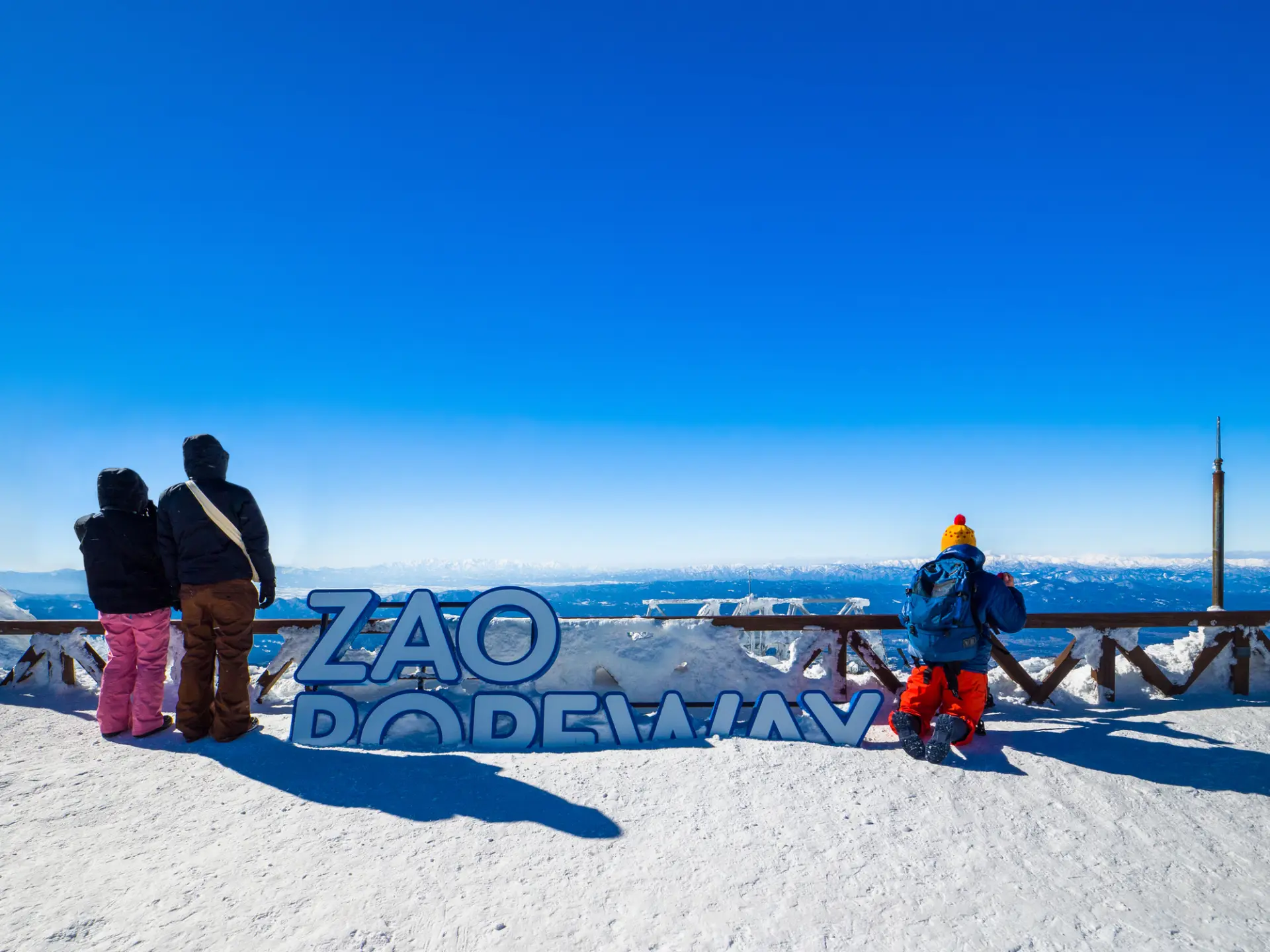
In addition to the observation area in front of Jizo Sancho Station, be sure to stop by the Summit Terrace (rooftop observation deck) as well.
From the open-air deck, you can take in a sweeping 360° view of the snow monsters.
In the daytime, you can admire them along with distant mountains and drifting clouds, and at night, enjoy the combination of illuminated juhyo and a starry sky.
5. View the Juhyo from a Warm Indoor Space: Zao Ropeway Restaurant “Sanchō”
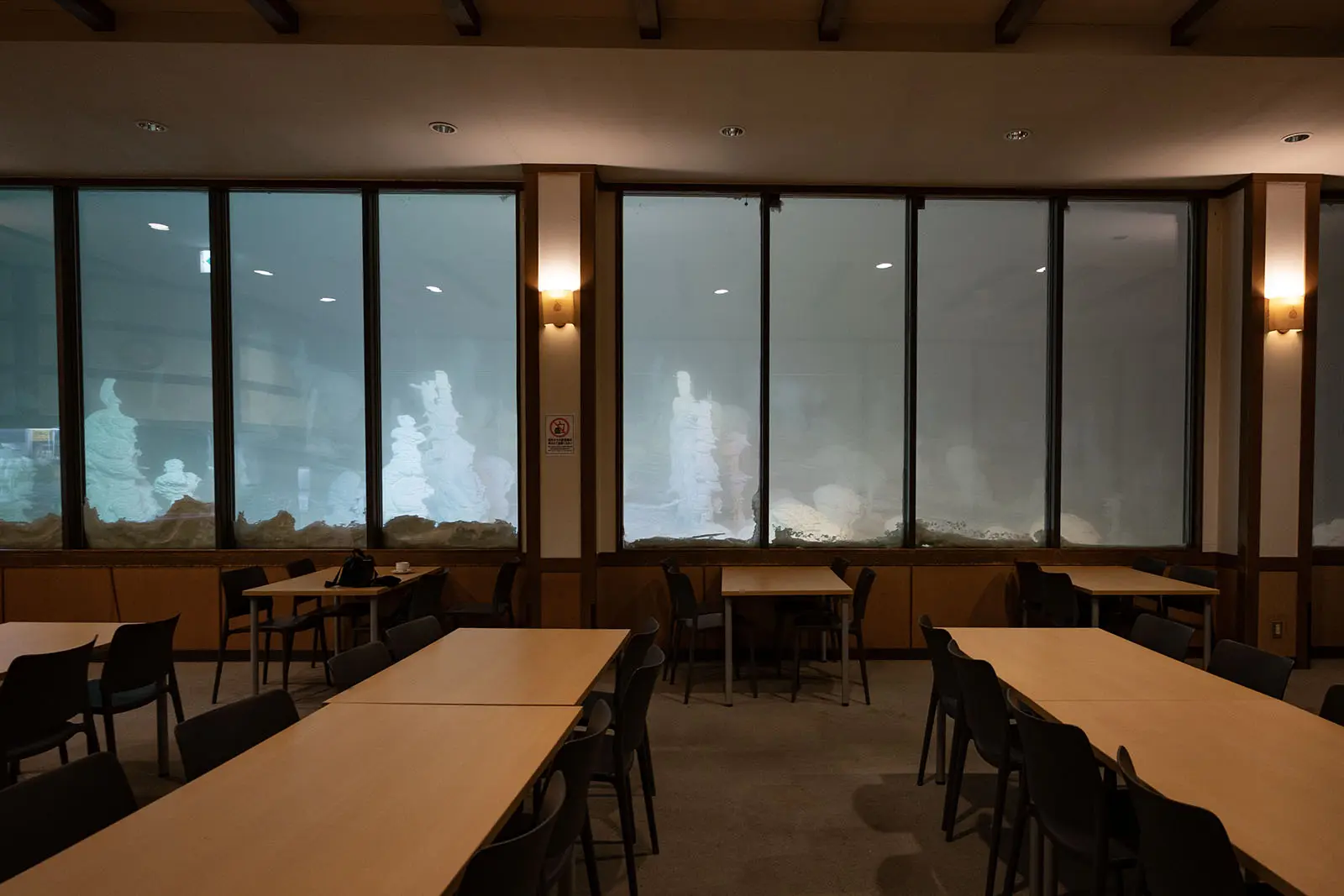
If you’re not a fan of the cold, we recommend viewing from Restaurant “Sanchō” inside Jizo Sancho Station.
Along the wall side of the dining area are large windows, so you can enjoy the snow monsters while staying seated.
Hours are 8:45am–4:00pm (Last food order at 3:00pm), but during the juhyo illumination period, they extend hours until 8:30pm (Last food order at 8:10pm).
That means you can also take your time enjoying the illuminated juhyo from inside the restaurant.
During the day, they also offer meals such as curry rice, rice bowls, and ramen.
Savor warm food and drinks in a heated space while taking in the magical snow monsters.
3 Key Things to Know When Viewing Zao Juhyo
Zao offers stunning juhyo, but the local environment is harsher than you might expect.
Without proper preparation, you may not be able to enjoy it as planned, so it’s important to be ready with your schedule, clothing, and gear.
Here are three important points to keep in mind to fully enjoy the snow monsters.
1. Even During the Usual Peak Season, the Juhyo May Not Form
As mentioned above, juhyo forms only when various conditions come together.
For that reason, even in the typical peak season, there are years when you can’t see much juhyo.
The Zao Ropeway provides updates in its “Information,” so be sure to check before you leave.
2. Dress for Temperatures Around -10°C
In the areas where you can see juhyo, many days hover around -10°C, and when the wind blows, it feels even colder.
Snow and ice can stick to you and make your clothes wet, so windproof and waterproof measures are essential—not just warmth.
Especially if you’re viewing the nighttime illumination, please dress appropriately for the cold.
Also, since footing can be slippery, it’s a good idea to bring non-slip snow boots.
For juhyo viewing, we recommend preparing clothing and gear like the following.
- Windproof and waterproof outerwear
- Ski wear or materials like Gore-Tex are ideal, as they protect you from cold air, wind, and snow.
- Insulating fleece
- Keeps you warm and mobile during long viewing times and travel.
- Thick base layers
- To prevent getting chilled from sweat, choose materials with good insulation and quick-drying properties.
- Winter pants
- Choose warm, waterproof options rather than regular pants.
- Snow boots or waterproof trekking shoes
-
They help prevent slipping on snow and ice, keep your toes warm, and stop snow from getting in.
You may also want thick socks. - Gaiters (leg gaiters)
- Prevents snow from getting into your shoes and helps protect you from cold and moisture.
- Hat and neck warmer
-
Because a cold neck and ears greatly affect how cold you feel, choose items that retain warmth.
Gloves Bring warm gloves.
Gloves that let you use your smartphone without taking them off are recommended for taking photos. - Sunglasses or goggles
- Protects your eyes from reflected light off snow and ice.
- Disposable hand warmers
- Bring several to keep your hands and feet from getting too cold.
- Extra socks, base layers, and gloves
- It’s reassuring to have replacements in case they get wet from snow or sweat.
3. Plan a Flexible Schedule with Crowds in Mind
The Zao Ropeway can get crowded depending on the time and date. In some cases, you may wait 1 to 3 hours just to board the first ropeway.
The return trip can also be crowded, and it’s not uncommon for things to take longer than expected.
So, plan a schedule with extra time built in, assuming crowds.
If you want to avoid crowds, keep these points in mind.
- Leave on the first ropeway of the day
- Reserve tickets online and board from the priority lane at Zao Sanroku Station
Also, even if it’s sunny, the weather can suddenly worsen, and the ropeway may be suspended due to strong winds.
In addition to checking the forecast in advance, keep checking the ropeway operation status on the official website while you’re there.
Depending on crowd levels, ticket sales may also be suspended.
It’s reassuring to think through an alternative plan in advance so you can adjust your schedule depending on the weather and crowds.
The Perfect Base for Snow Monster Viewing: 3 Recommended Ryokan in Zao Onsen
During peak season, it can get crowded, and after viewing, you’ll likely be more tired than you expect.
That’s why we recommend staying in “Zao Onsen,” located at the foot of Yamagata Zao and next to the Zao Onsen Ski Resort.
Since you’re making the trip, you’ll want to choose a place with a great location like the ones we’ll introduce next.
That way, not only between outings but throughout your stay, you can enjoy Zao’s grand scenery.
1. Miyamaso Takamiya
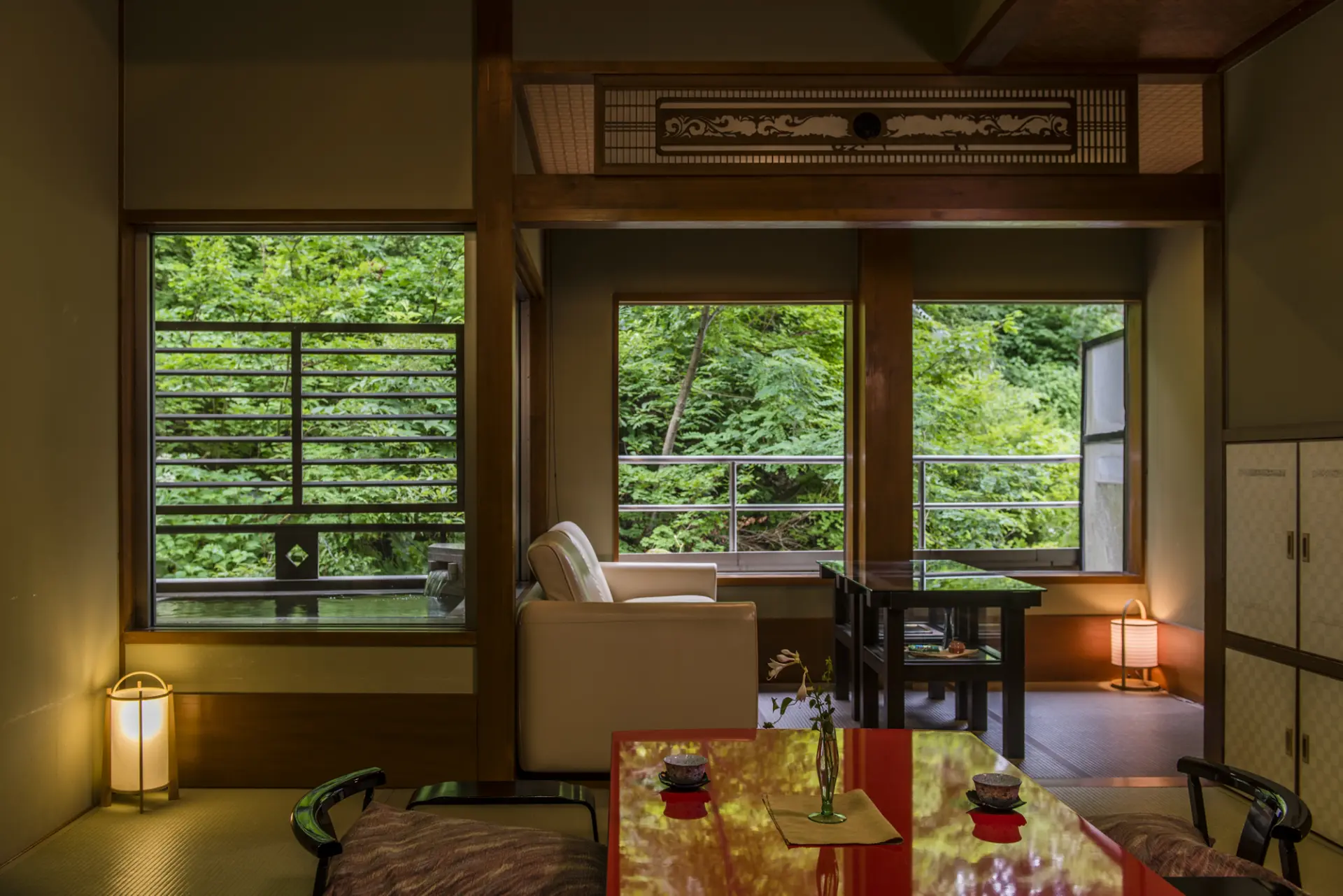
A long-established ryokan founded in 1716. As if telling its own history, the purely traditional Japanese-style building features Japanese beauty throughout the property.
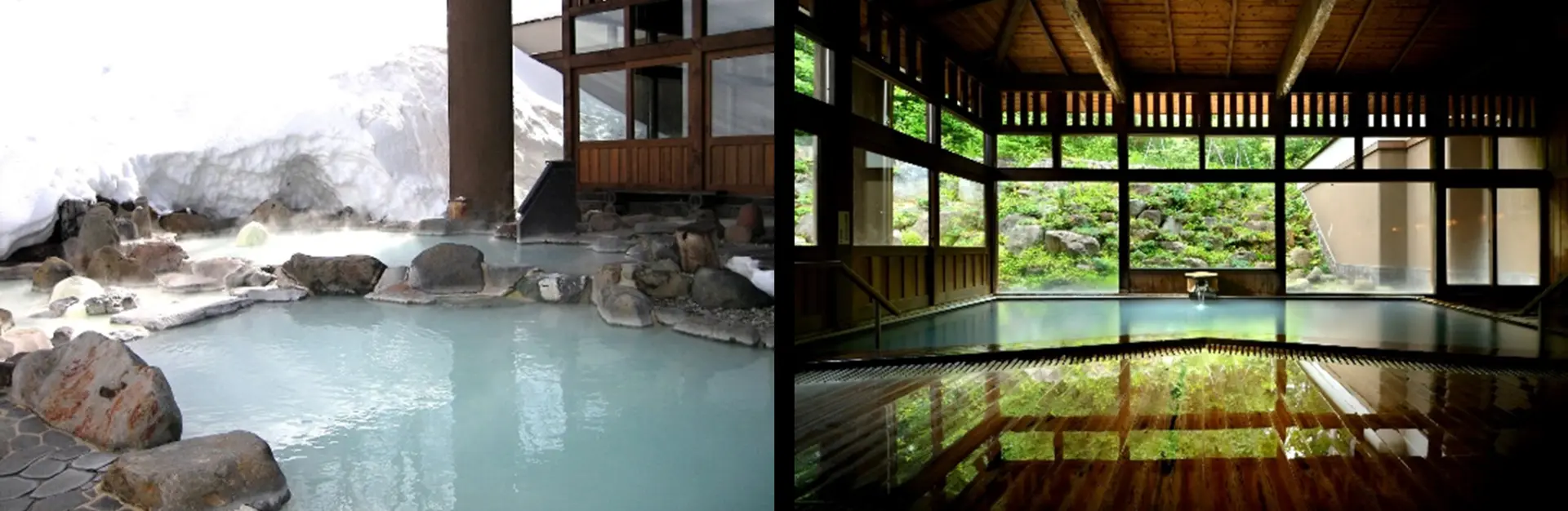
One of its highlights is the hot spring. With three private sources from Zao Onsen—Yamagata’s oldest hot spring—you can enjoy 100% free-flowing water straight from the source.
Experience it in an open-air bath with the sound of the river, or a traditional craftsperson-made open-air barrel bath.
There are eight types of rooms, including classic tatami rooms that evoke a sense of travel, as well as Japanese-style rooms with beds and other options.
2. Waka no Yado Wakamatsuya
The Zao Mountain Range—famous for Zao Juhyo and also selected as one of the “100 Famous Japanese Mountains”—was celebrated in poetry by local tanka poet Mokichi Saito (1882-1953), who was active from the Taisho to Showa eras.
At the foot of those mountains, one inn in Zao Onsen known as a place connected to Mokichi is “Waka no Yado Wakamatsuya.”
Wakamatsuya’s hot spring is a private source with a flow rate of 72 liters per minute. You can enjoy the highly regarded “beauty bath” waters as free-flowing hot spring water in an open-air bath carved from an 18-ton boulder, as well as private family baths.

3. Zao Kokusai Hotel
Perched on a hill in Zao Onsen, “Zao Kokusai Hotel” is a long-established property where you can fully enjoy the magnificent scenery of the Zao Mountains and renowned hot springs.
The spacious open-air bath fed by milky-white sulfur water, the warm wood-accented interiors, and cuisine that showcases seasonal Yamagata ingredients all continue to captivate visitors.
Surrounded by nature in every season, you can enjoy a truly relaxing, restorative stay.
For dinner, you can savor local seasonal flavors, including Yamagata beef.
This is an inn where you can enjoy a premium time of relaxation embraced by nature.
A Must-Try Specialty! Zao’s Signature Dish, “Jingisukan”
When you visit Zao Onsen, we hope you’ll enjoy not only the hot springs but also the local food.
There are many Zao specialties, such as chilled meat soba, ita soba, tama konnyaku, and inaka mochi.
Among them, “jingisukan” is a specialty you absolutely should try.
One theory says Zao is the birthplace of jingisukan, and it has been popular with locals since the Showa era.
That’s why Zao Onsen has many well-known jingisukan restaurants.
Zao’s jingisukan features tender lamb with less of the typical gaminess.
The thick, juicy grilled jingisukan is outstanding.

Your Second Night Should Be Here! Ginzan Onsen, Famous as the Setting of the Drama “Oshin”
“Ginzan Onsen” is also known as the setting of the NHK serial TV drama “Oshin.”
From Zao Onsen, you can get there in around two hours by bus with a transfer at Yamagata Airport, so if you’re staying in Zao Onsen, we recommend spending your second night in Ginzan Onsen.
The snowy, atmospheric streetscape that retains the feel of the Taisho era is a must-see.
Around Ginzan Onsen, there are also many highlights, such as Shirogane Falls and the Nobesawa Silver Mine ruins.
There are also many tours that visit both Zao Onsen and Ginzan Onsen, so if you want to fully enjoy Yamagata’s charm, we recommend joining a tour that visits both hot spring towns.

Reviews of Zao Juhyo
4.30
Some reviews are AI-translated.
-
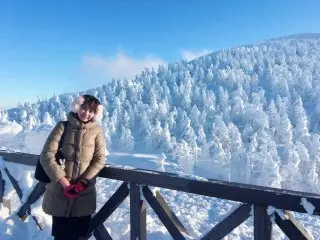
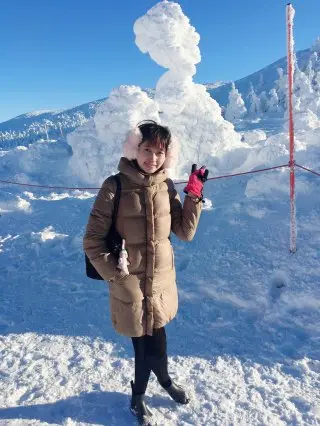
The second I took my gloves off, I regretted it within 3 seconds. But I still had to get photos—there’s no way you can see scenery like this in Taiwan. You’ve gotta come at least once in your life.
-
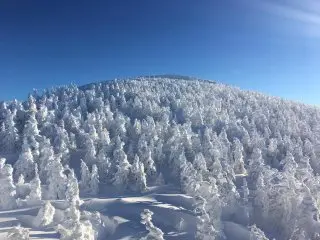
Seeing it in person is seriously mind-blowing—way more impressive than the photos. Just a massive stretch of pure white, like you’re on an ice-and-snow planet.
-
Zao's 'snow monsters' (Juhyo) are amazing!
I've visited Zao about five times with tour groups, and this was the luckiest trip—clear blue skies and the mountains full of snow monsters welcoming us. It was so unique and fun.
I'd love to visit during the nighttime illumination and see the mysterious snow monsters at night. Highly recommend checking out the night view if you can!
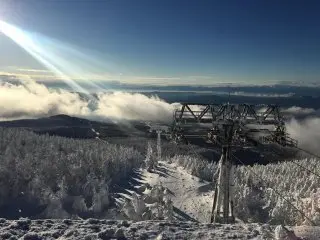
To enjoy these beautiful snow monsters, you need to take two ropeways:
First: The Sanroku Line (Juhyo Kogen Station)
This is a large ropeway that takes about 7 minutes (fits 53 people).
Second: The Summit Line (Jizo Sancho Station)
Then, transfer to a round ropeway (like the ones in Maokong), which takes about 10 minutes (fits 18 people).
There's a ski area at the bottom, and lots of visitors take the ropeway up and ski down from Juhyo Kogen Station!
※ The temperature at the top ranges from 0°C to -10°C. Be sure to bring hand warmers, gloves, scarves, earmuffs, a warm hat, and a thick down jacket.
There's a café next to the summit station—perfect for a warm drink and a quick break.

Summary
Zao Juhyo is a rare place in Japan where you can see these ice-covered trees.
Since the season is short, planning a trip can be challenging, but the scenery you’ll see at Zao Juhyo is beyond words.
In Yamagata Zao, you can enjoy not only the snow monsters but also Zao Onsen at the foot of the mountain and skiing, so we recommend staying at least two nights.
This article mainly focused on Yamagata Zao, but if you have time in your schedule, we also want you to see the snow monsters in Miyagi Zao.
Because Miyagi Zao’s snow monsters are in untouched natural wilderness, you can enjoy a different kind of spectacular view from Yamagata Zao.
If you’re making the trip to see Zao Juhyo, why not enjoy both Yamagata Zao and Miyagi Zao?