

【Yoyogi Park Travel Guide】An Urban Oasis to Escape Tokyo’s Bustle
Yoyogi Park is the fifth-largest metropolitan park within Tokyo’s 23 wards.
Even though it’s in central Tokyo, it’s an urban oasis where you can take it slow in lush, natural surroundings.
There aren’t typical playground structures, but events at the outdoor stage and flea markets are also hugely popular.
If you’re tired of Tokyo’s hustle and bustle, why not take a leisurely walk through Yoyogi Park?
Let’s take a look at the classic spots you’ll want to know, plus the best seasons to visit, so you can truly unwind at Yoyogi Park.
What is Yoyogi Park Like?
Located in Shibuya City, Tokyo, and next to the Meiji Jingu Inner Garden, Yoyogi Park is a forest park known for offering one of the widest-open skies in central Tokyo.
Before World War II, it was a training ground for an infantry regiment; later it became a U.S. military facility, and then the athletes’ village for the Tokyo Olympics.
After being redeveloped, it opened in 1967 as Yoyogi Park.
There are plenty of places for a relaxed stroll, including the Central Plaza, the zelkova tree-lined avenue, and an observation deck.
The park also has soccer, rugby, and hockey fields, a cycling center, and a dog run, so you can stay active too.
With many events throughout the year, from festivals where you can experience global culture and food to events featuring traditional performing arts and music from across Japan, join in if something catches your interest.
Near the event plaza and in front of the outdoor stage, you’ll find snack stands and cafes.
After you’ve worked up a sweat, take a break with a Yoyogi Dog or a hand-drip coffee.

Access to Yoyogi Park
Here’s how to get there from JR Tokyo Station, a key hub for getting around Tokyo while sightseeing.
Take the JR Yamanote Line, get off at Harajuku Station, and you’ll arrive in a 3-minute walk.
Including travel time, it takes Approx. 30 minutes.
Yoyogi Park Hours and Admission
Yoyogi Park is open 24 hours a day, and admission is free.
Whenever you’re worn out by the city, you can stop by for a breather—it really is an urban oasis.
What’s the Best Season to Visit Yoyogi Park?
If you’re visiting Yoyogi Park, spring or fall is recommended.
In spring, cherry blossoms bloom in full, and in fall, autumn leaves color the park.
Let’s take a look at what makes Yoyogi Park special in spring and fall.
Spring at Yoyogi Park, with Approx. 700 Cherry Trees in Bloom
Yoyogi Park is one of Tokyo’s top spots for cherry blossom viewing.
From late March to early April, you can enjoy stunning blooms at their peak.
The three best places to view the blossoms are the Central Plaza, Sakura Garden, and Hill Plaza.
With Somei Yoshino, Satozakura, Yamazakura, and Kohiganzakura, there are Approx. 700 trees in total.
When they’re in full bloom, the view feels like you’re surrounded by a pink curtain.
Weekends during peak bloom get crowded, so visiting on a weekday is recommended.


Colorful Fall at Yoyogi Park
Yoyogi Park is also a classic spot for autumn foliage.
The best time to see the vibrant fall colors is from late November to early December.
At the Harajuku Gate, enjoy an avenue of 260 ginkgo trees; on the west side of the Fountain Pond, you’ll find 100 Japanese maples and other maples.
Between the zelkova-lined avenue stretching Approx. 300 m to the south of the park and the zelkova trees scattered throughout, the total reaches as many as 1,000 trees.
In a park awash with color, take in the calm atmosphere of autumn.


5 Classic Spots to Fully Enjoy Yoyogi Park
This urban oasis draws many people year-round, whether they’re strolling through the park, staying active, or simply spending time their own way.
To help those tired of Tokyo’s hustle and bustle fully enjoy Yoyogi Park, here are some classic spots to check out.
1. Central Plaza: Views That Make You Forget You’re in the City
Central Plaza features a vast grassy field surrounded by a mixed woodland, so you can’t see the buildings around it.
That’s why you can enjoy the wide-open blue sky and greenery—enough to forget you’re in Tokyo.
Nearby, there’s a rose garden with 68 varieties and 700 bushes, plus a hexagonal roofed rest area, so take your time and enjoy the walk.

2. Panorama Plaza: A Place to Relax or Get Moving
Panorama Plaza is a wide, open lawn.
A Himalayan cedar stands in the center, creating a relaxing atmosphere.
There are no special facilities, but unique events are held here, such as yoga, disaster-prevention festivals, Mölkky experiences, and walk metrics.
It’s a green-filled area that’s also used for fitness.

3. Olive Plaza: Bright, Beautiful Colors
This plaza is the closest one to the Harajuku Gate.
It’s planted with flora from around the world, and in early spring, mimosa acacia blooms in bright, vitamin-like colors.
You’ll also find dogwood trees gifted from the United States as a symbol of friendship, adding vibrant color to the area.
In the back of the plaza, a building once used as lodging for Dutch athletes during the Tokyo Olympics remains as the Olympic Memorial Lodge.

4. Hill Plaza: Perfect for a Relaxed Picnic
Located between the West Gate and South Gate, Hill Plaza is a small grassy hill surrounded by trees.
It’s quieter than the other plazas in the park, making it perfect for a laid-back picnic.
In spring, you can picnic while viewing cherry blossoms.
In June, you can see impressive hydrangeas in blue, purple, pink, white, and pale yellow-green.

5. Yoyogi Park Basketball Courts: The Home of Streetball in Japan
These basketball courts were donated by Nike Japan in 2005.
There are two full courts, one on the north side and one on the south side, and anyone can use them freely.
Renovated in 2022, the colorful courts are especially striking.
So many players gather here every day that it’s often called the sacred place of streetball in Japan.

3 Nearby Attractions Around Yoyogi Park
Because Yoyogi Park is in central Tokyo, there are many attractions nearby.
Here are a few especially recommended spots to visit.
1. Meiji Jingu Shrine
Meiji Jingu Shrine was founded in 1920 as a shrine dedicated to Emperor Meiji and Empress Shoken.
It consists of the serene Inner Garden area, home to the main hall and the Imperial Garden, along with the Outer Garden, which features many excellent sports facilities including the Meiji Memorial Picture Gallery, and the Meiji Kinenkan, a comprehensive wedding venue.
An artificial forest created by planting Approx. 100,000 trees donated from across Japan has grown into a richly wooded area that feels far removed from the city, with a mysterious atmosphere. It’s also famous as a power spot.

2. Takeshita Street
A shopping street stretching Approx. 350 m from Harajuku Station toward Meiji-dori Avenue.
It’s packed with shops selling unique fashion items you won’t easily find elsewhere, and it’s watched worldwide as a trendsetting hub.
It’s crowded every day, especially with younger visitors, and from 11:00am to 6:00pm it becomes a pedestrian-only zone with no vehicle access.
There are also plenty of colorful, cute Harajuku-style sweets shops, so it’s recommended to snack as you stroll between stores.

3. Yoyogi Pony Park
Located near Meiji Jingu Shrine, the small Yoyogi Pony Park is a rare spot in the heart of the city where you can interact with ponies.
Both adults and children can join “Brushing Time,” held once on weekdays and twice on weekends and holidays, where you can brush a pony, as well as “Carrot Time,” held once on weekdays, where you can feed ponies carrots.

3 Popular Places to Eat Near Yoyogi Park
Around Yoyogi Park, you’ll find standout restaurants that match the area’s mix of stylish shops—places with personality and an easygoing vibe.
From skilled restaurants focused on quality ingredients to casual Japanese-modern cafes that still feel satisfying, here are three great picks to enjoy along with your walk.
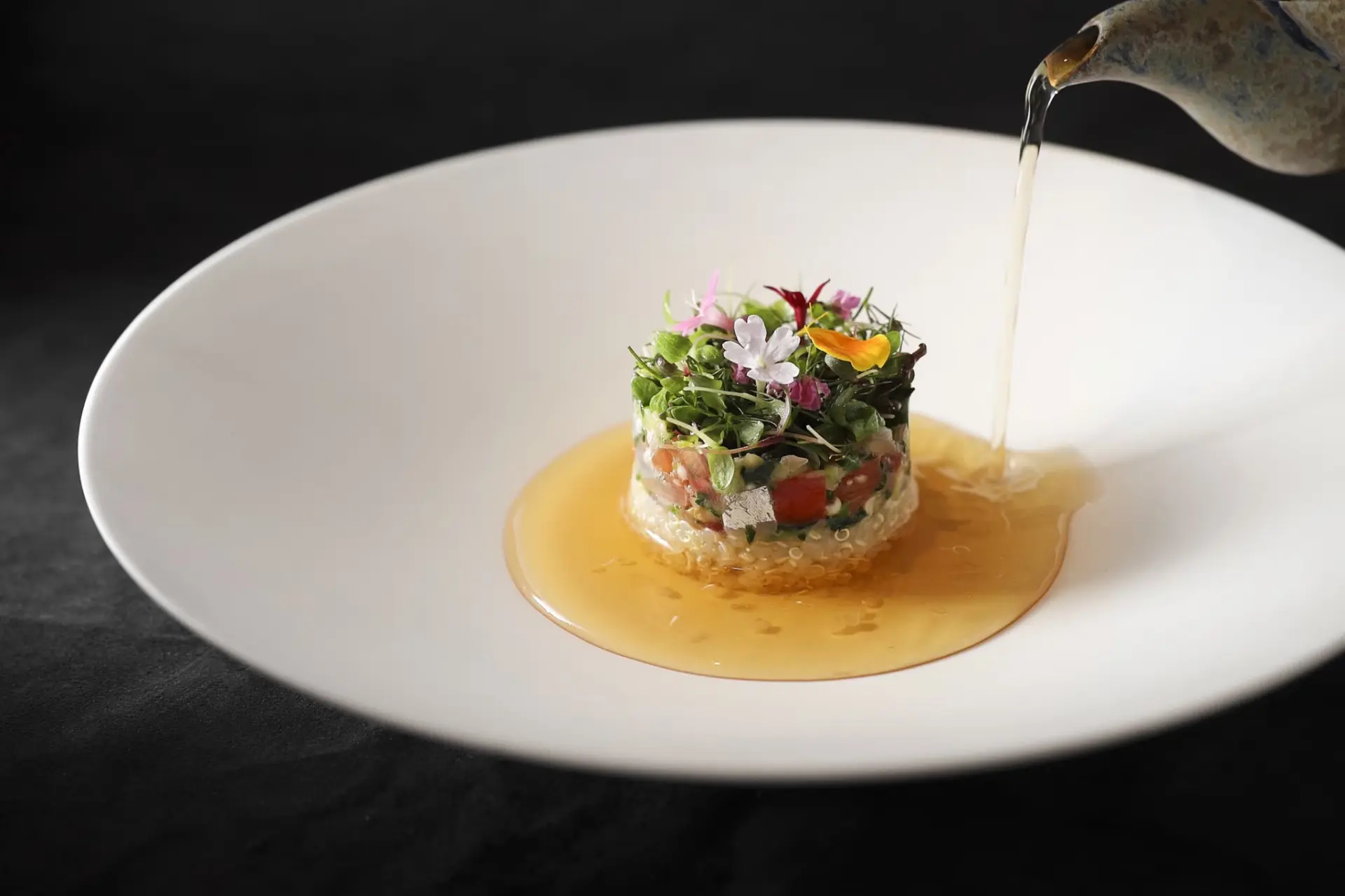
1. sio
Yoyogi-Uehara attracts people with discerning tastes, and the overall level of restaurants here is high, but this spot stands out as a must-visit, offering dishes that bring out the true essence of each ingredient and deliver a moving experience beyond just “delicious.”
The creative, category-defying cuisine is by owner-chef Shusaku Toba.
2. PEANUTS Cafe SUNNY SIDE kitchen
A cute cafe where Snoopy, Charlie Brown, and other friends from Charles M. Schulz’s comic “PEANUTS” welcome you.
The theme is “healthy food that makes your day happier.”

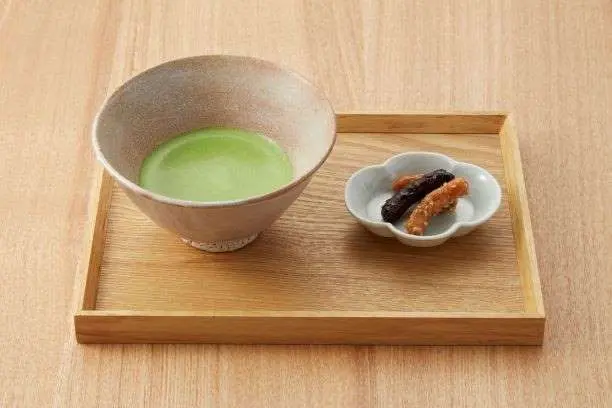
3. HACHIYA
Stylish yet open thanks to its large glass windows, this Japanese-modern cafe features an eye-catching original interior wall design inspired by waves.
Along with HACHIYA’s original sencha and hojicha teas, the menu includes sencha lattes, hojicha lattes, and matcha lattes, each carefully whisked one cup at a time with a tea whisk.
3 Recommended Places to Stay Near Yoyogi Park
With wide-open greenery, Yoyogi Park is a rare area where you can truly unwind even though you’re in the heart of Tokyo.
It’s also close to Shinjuku’s skyline of skyscrapers, making it an appealing location where you can move between nature and cityscapes.
From luxury hotels for an elevated stay to highly convenient options, here are hotels that promise a comfortable stay.
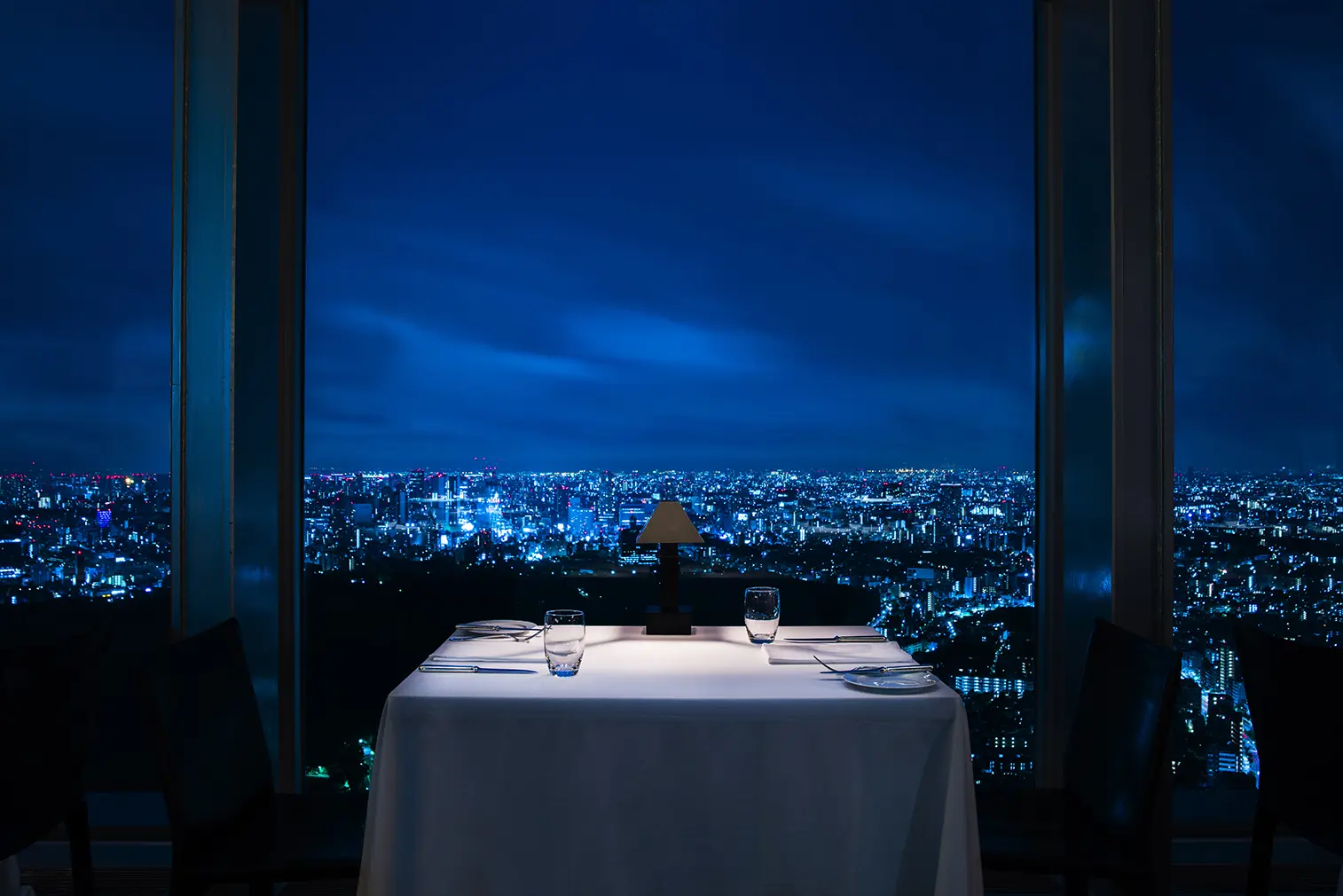
1. Park Hyatt Tokyo
Park Hyatt Tokyo is located on floors 39 to 52 of Shinjuku Park Tower, the high-rise building with a distinctive triangular roof near Shinjuku Station and the Tokyo Metropolitan Government Building.
With its luxurious lounge, bar, and restaurants, you can relax wherever you go.
There are 177 rooms in total, including 23 suites, all on the 42nd floor or higher—so the views are outstanding.
2. Odakyu Hotel Century Southern Tower
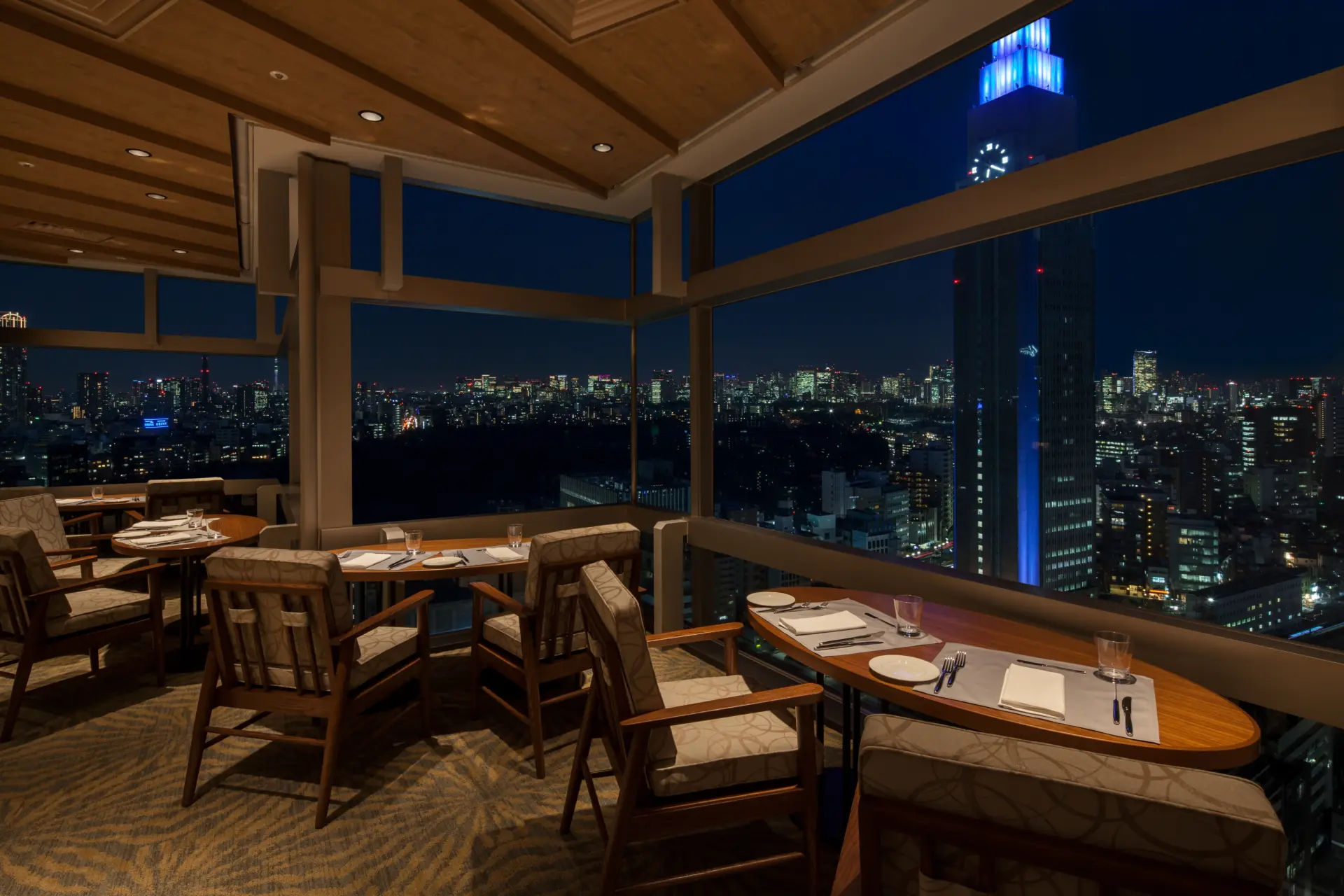
A convenient high-rise hotel just a 3-minute walk from Shinjuku Station’s South Exit.
It’s located inside the mixed-use Odakyu Southern Tower, a complex high-rise with offices and shops, with four basement floors and 36 floors above ground.
The hotel lobby and front desk are on the 20th floor, 100 m above ground.
There are also distinctive restaurants where you can dine while enjoying city views, so it’s also recommended even if you’re just stopping by for a meal.
3. Kadoya Hotel
Kadoya Hotel is a long-established hotel that has been operating for over half a century in Nishi-Shinjuku.
Its biggest feature is excellent access—Approx. a 3-minute walk from JR Shinjuku Station West Exit, Shinjuku Station on the Toei Shinjuku Line, and Tochomae Station on the Toei Oedo Line.
It’s not only close to the stations; it’s also about a 7-minute walk to Busta Shinjuku, the departure and arrival point for long-distance buses heading across Japan, making it recommended as a sightseeing base even for longer stays.
Reviews of Yoyogi Park
4.07
Some reviews are AI-translated.
-
Inside the park, there's a gym designed by Japanese architect Kenzo Tange for the 1964 Tokyo Olympics. The building's unique look really blends Japanese style elements.
-
There are wide lawns, ponds, and forests here. It's a great spot for Tokyo locals to relax or take a walk. Lots of people jog in the park, too.
FAQ about Yoyogi Park
Q
When is cherry blossom season, and where are the best spots?
A
Peak bloom is from late March to early April. The best spots are Central Plaza, Sakura Garden, and Hill Plaza.
Q
When is autumn foliage season, and where are the best spots?
A
Peak season is from late November to early December. The best spots are the Harajuku Gate, the west side of the Fountain Pond, and the zelkova tree-lined avenue.
Summary
Yoyogi Park is an urban oasis visited by many people year-round.
You can spend your time however you like—take a walk while enjoying the rich natural scenery, have a picnic, or get active.
After refreshing your mind and body at Yoyogi Park, go back to fully enjoy everything Tokyo has to offer.
To make the most of Tokyo, we also want you to read this article, which carefully features selected attractions and great food.