Leaving the bustling streets outside Harajuku Station and turning into Meiji Jingu, it feels like the entire world is instantly put on mute! The heavy traffic and noisy commotion of the city are suddenly shut out, replaced by dense greenery that blocks out the sky and the crunch of footsteps on the gravel path. The air is filled with the scent of grass and wood, making you want to take a deep breath as your whole body completely relaxes.
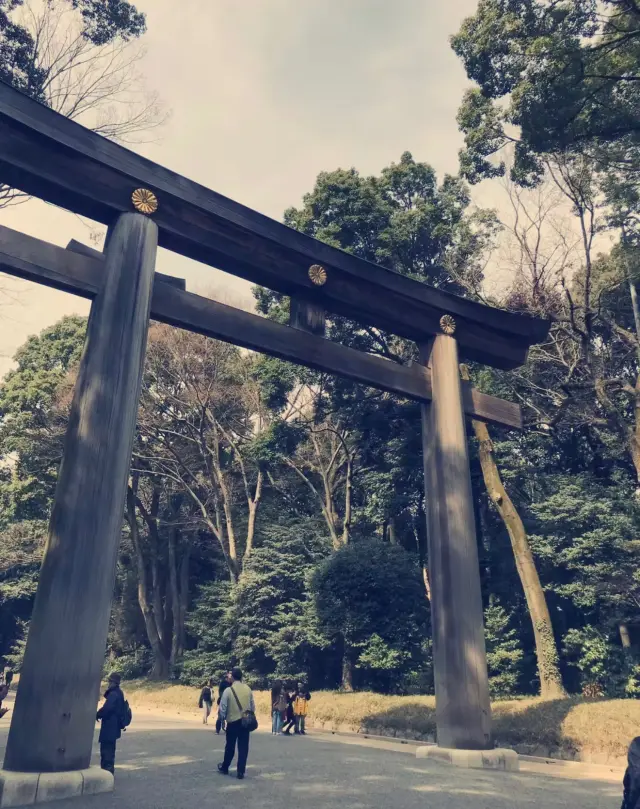
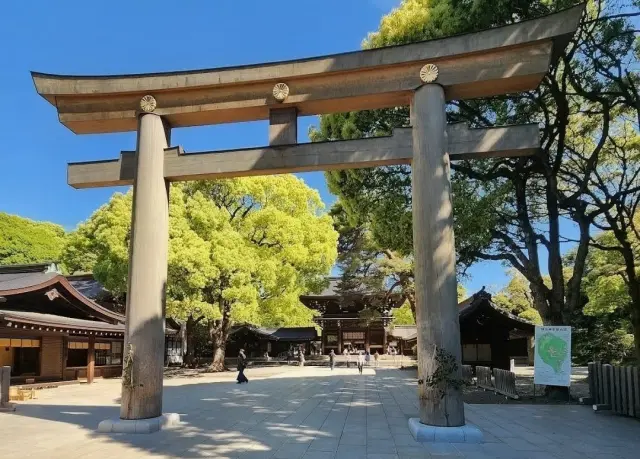
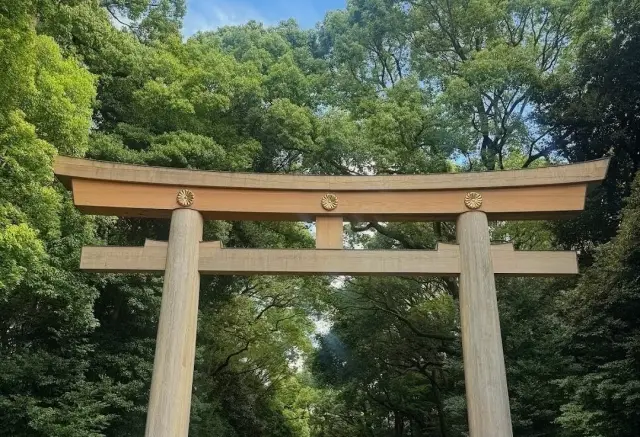
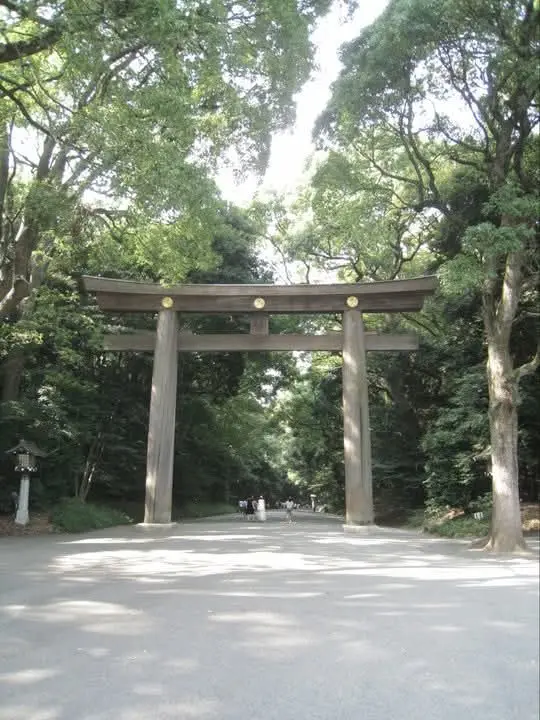
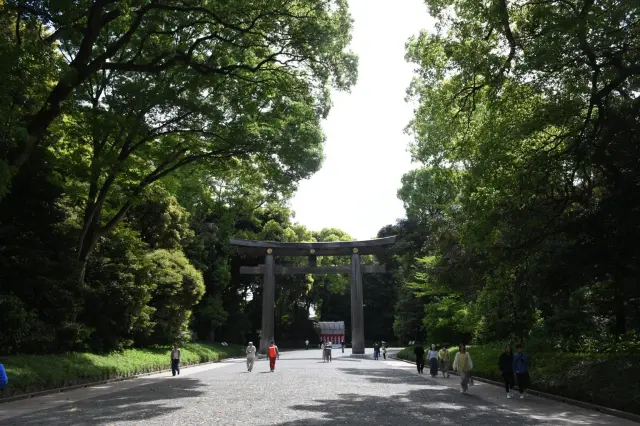
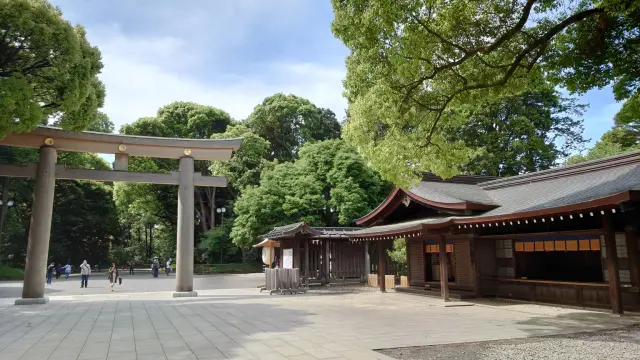
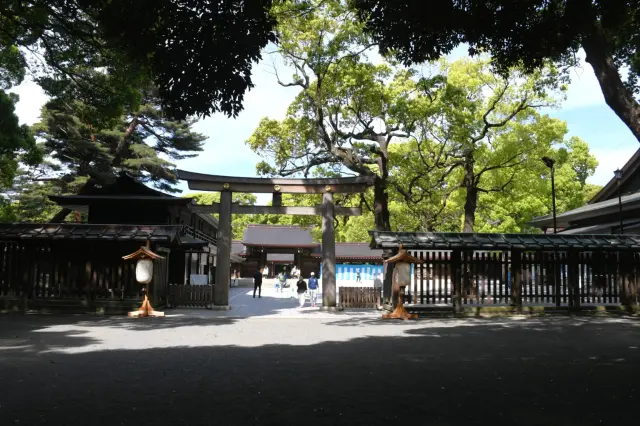
The first thing that makes a powerful impression is the huge torii gate towering over the approach! The entire gate is made from massive, solid logs. Standing beneath it and looking up, its monumental presence is incredibly overwhelming. Above the pillars is a gleaming gold 16-petal chrysanthemum crest of the Japanese Imperial Family, which looks even more solemn and mysterious against the lush green forest. Just taking a photo underneath makes you look incredibly tiny, and you can immediately feel the extraordinary atmosphere of the entrance to sacred ground.
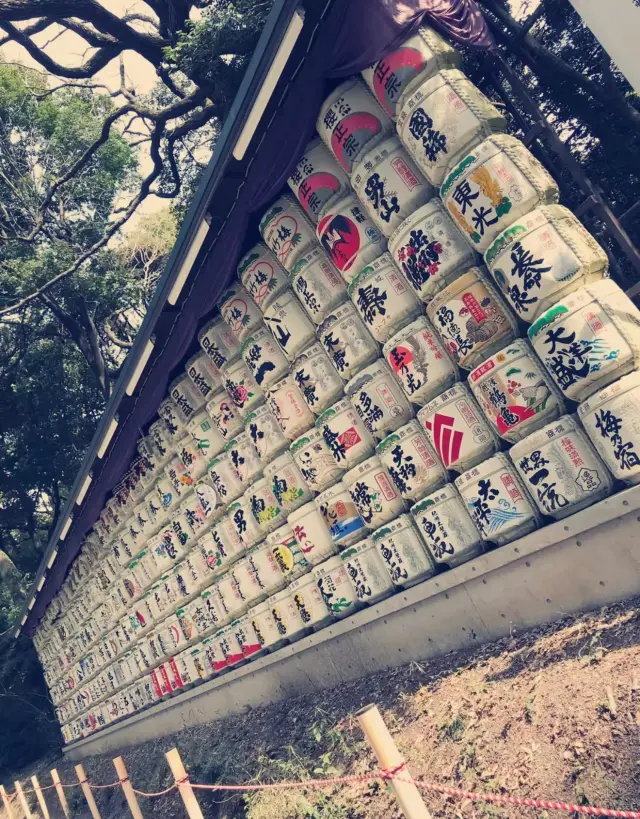
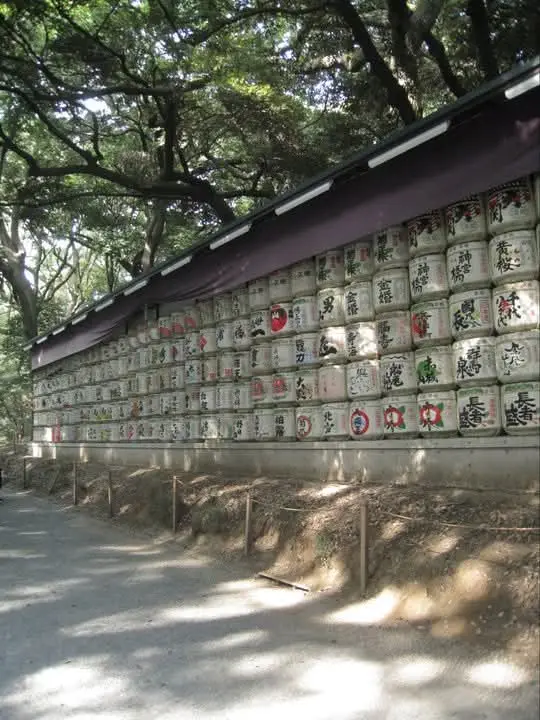
As you slowly wander along the wide gravel approach, the most eye-catching sight—and the one where everyone is sure to stop and snap away—is definitely the spectacular wall of donated sake barrels! Hundreds of Japanese sake barrels wrapped in braided straw rope and decorated with beautiful calligraphy and designs bearing names like “Sakura Masamune,” “Ozeki,” and “Umenoyado” are neatly stacked into a towering wall several levels high. It has so much traditional Japanese festival character and is incredibly photogenic. Capture the perspective from an angle, and practically every shot becomes a fantastic classic check-in photo!
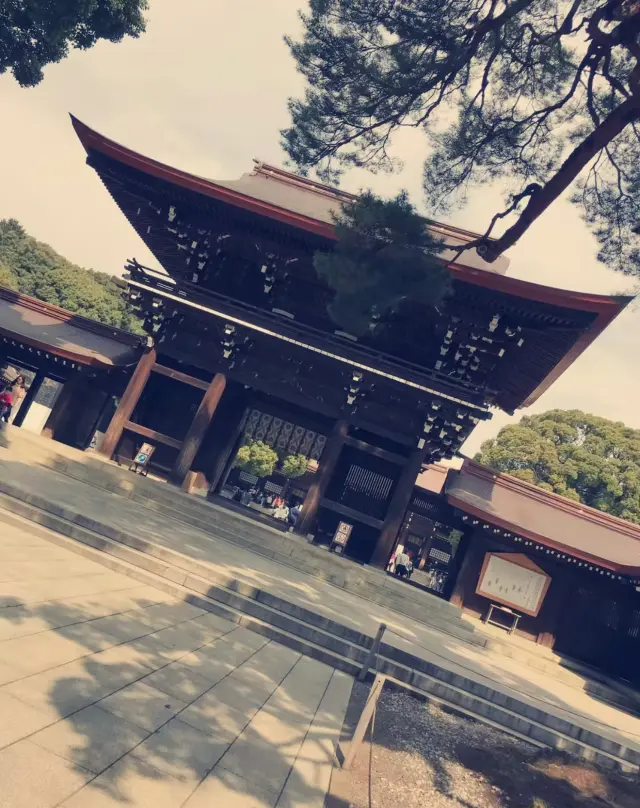
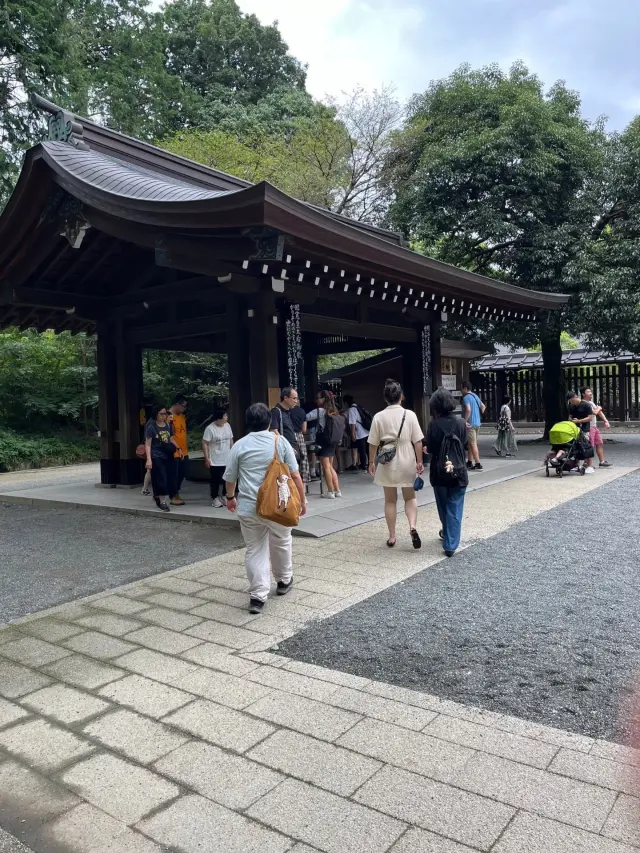
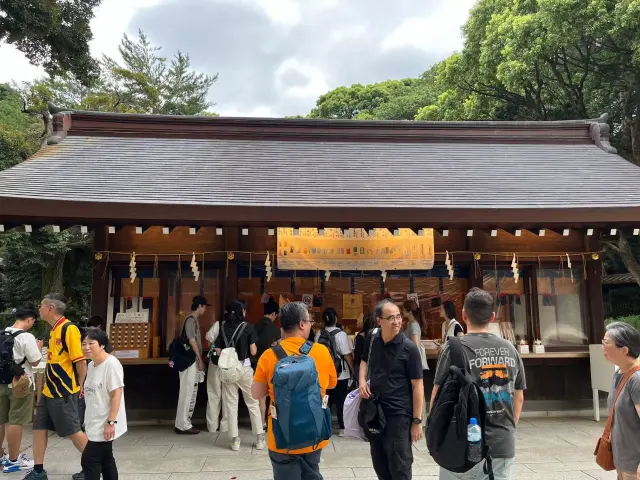
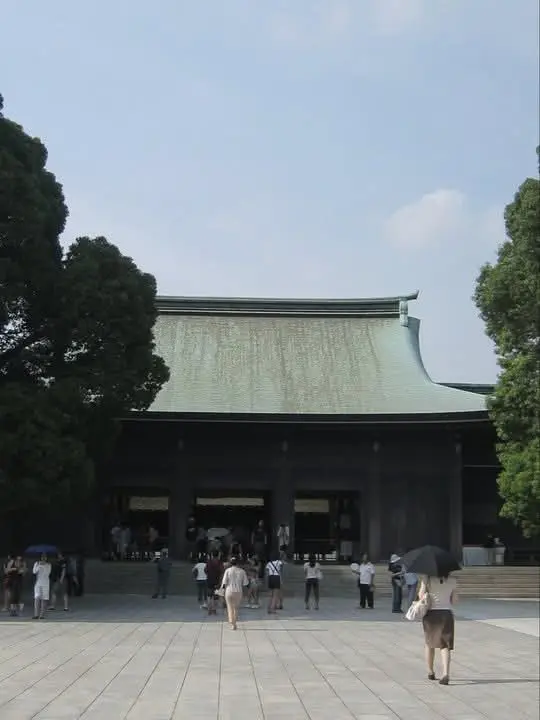
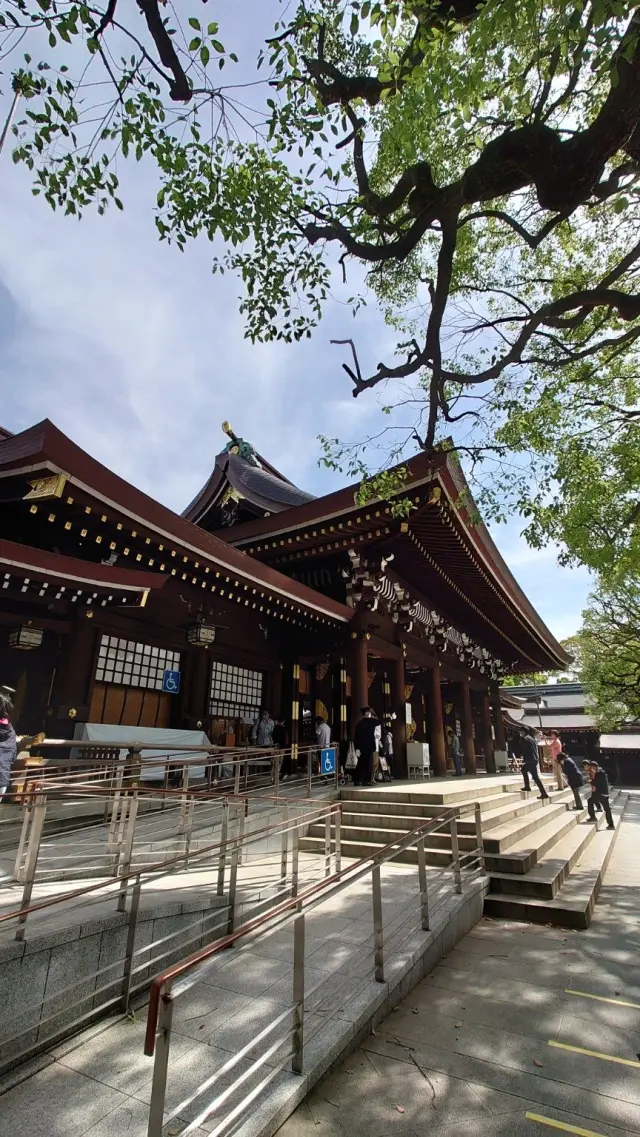
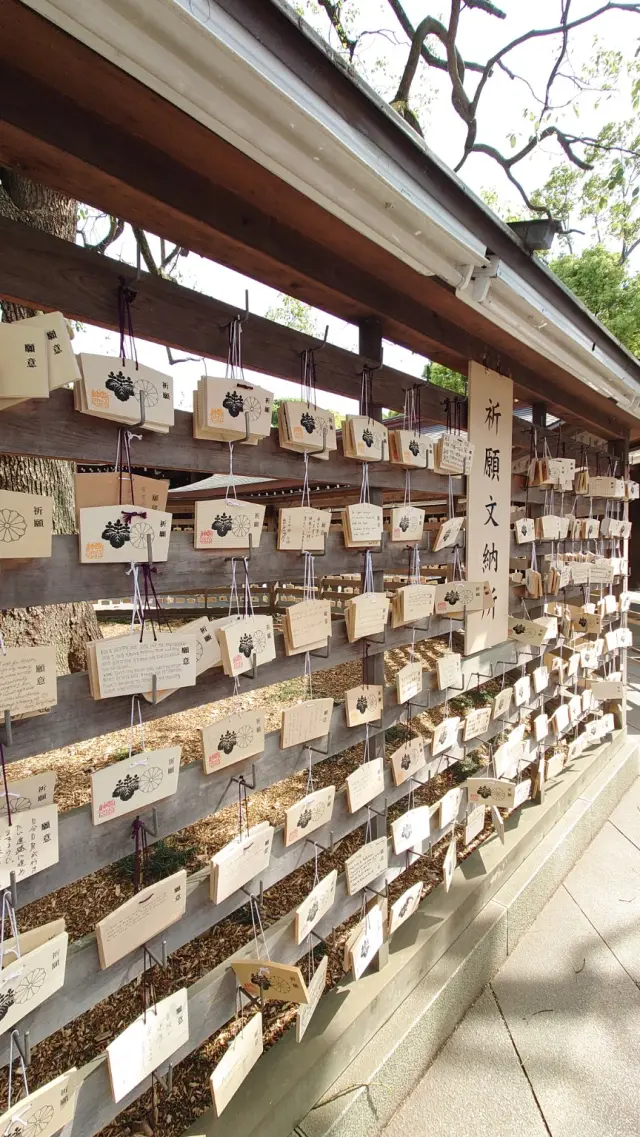
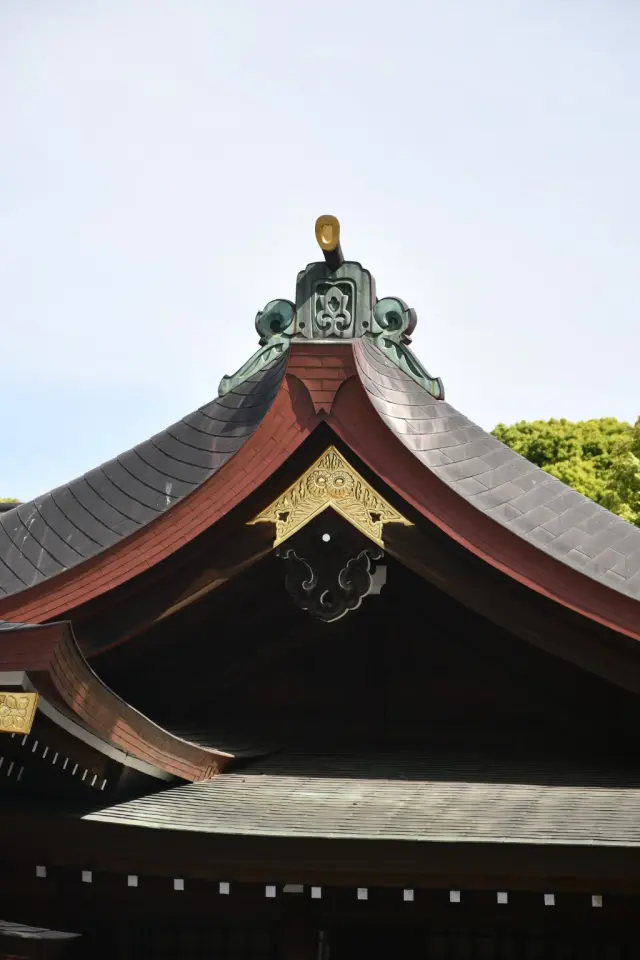
After following the approach to the shrine’s main entrance, the Minami-shinmon Gate, the magnificent wooden two-story hip-and-gable gate is truly breathtaking! Its dark natural-wood structure, stately sweeping eaves, and bracket work look exceptionally imposing against the blue sky and white clouds. Step over the threshold into the open, pristine inner courtyard, walk across the spotless stone paving, and directly ahead is the main sanctuary dedicated to Emperor Meiji and Empress Shoken. Beside it stand the enormous, lush “married camphor trees,” symbolizing happy relationships. In the cool breeze, you can put your hands together in worship, clap and pray, then draw one of Meiji Jingu’s special “Ō-mikokoro” fortunes, which contain wisdom about life rather than good or bad luck. It feels as though your spirit has been gently cleansed.
Hidden in the heart of Tokyo’s trendiest area, this man-made forest is not only vast and filled with shady trees, but also perfectly blends the solemnity of traditional Japanese Shinto with the healing power of nature. Whether you want to escape the city’s concrete jungle for some forest bathing or see the enormous wooden torii and impressive wall of sake barrels for yourself, Meiji Jingu is definitely a top sacred destination that remains breathtaking no matter how many times you visit Tokyo!