
![[Kawagoe Hikawa Shrine Travel Guide] Feel the Charm of Japan at a Famous Matchmaking Shrine](https://static.gltjp.com/glt/data/article/21000/20391/20250502_041400_a9a97f09_w1920.webp)
[Kawagoe Hikawa Shrine Travel Guide] Feel the Charm of Japan at a Famous Matchmaking Shrine
Kawagoe Hikawa Shrine is famous as a spiritual power spot for matchmaking.
On its nature-filled grounds, you can enjoy seasonal scenery and a uniquely Japanese atmosphere, along with experiences like one-of-a-kind omamori charms and omikuji fortunes.
In this article, we’ll introduce the appeal of Kawagoe Hikawa Shrine, must-see highlights you shouldn’t miss, and nearby sightseeing spots in detail.
To fully enjoy Kawagoe Hikawa Shrine, be sure to read this guide carefully.
What is Kawagoe Hikawa Shrine Like?
Kawagoe Hikawa Shrine, located in Kawagoe City, Saitama, is a historic Shinto shrine said to have been founded Approx. 1,500 years ago.
Kawagoe Hikawa Shrine enshrines five deities: the main deity Susanoo-no-Mikoto, his wife Kushiinadahime-no-Mikoto, their child Okuninushi-no-Mikoto, and Kushiinadahime-no-Mikoto’s parents Ashinazuchi-no-Mikoto and Tenazuchi-no-Mikoto.
Because these five family deities and Okuninushi-no-Mikoto, the god of matchmaking, are enshrined here, the shrine is said to bring blessings for family harmony, marital harmony, and matchmaking.
It’s especially known for matchmaking blessings, and many of its charms and events are related to matchmaking.
Its distinctly Japanese setting surrounded by ema prayer plaques and wind chimes, along with its adorable charms, are among Kawagoe Hikawa Shrine’s biggest draws.
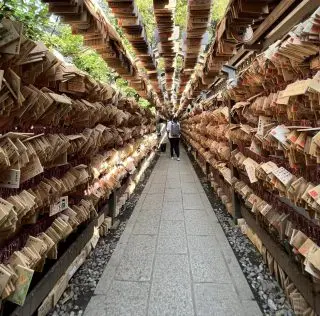
Above all, the “Ema Tunnel,” where ema are dedicated in a tunnel-like display, is a must-see.
The unique “Tai Omikuji” is also very popular.

The Origins of Kawagoe Hikawa Shrine
Kawagoe Hikawa Shrine is said to have been founded in 541.
After Kawagoe Castle was built in 1457, it was revered by successive castle lords as the guardian deity of the castle town and the main tutelary shrine (protective deity) of the domain, and even in the Edo period (1603–1868), it was respected by successive lords of Kawagoe.
People in the castle town affectionately called it “Ohikawa-sama.”
-

To receive matchmaking blessings, don’t just get an omikuji or omamori, make sure to offer a proper prayer too
-

Try your hand at a unique omikuji too
Access to Kawagoe Hikawa Shrine
From Kawagoe Station, a key transportation hub for sightseeing in Kawagoe, you can reach Kawagoe Hikawa Shrine by bus.
Board the Tobu Bus from the East Exit of Kawagoe Station and get off at “Kawagoe Hikawa Shrine.”
The ride takes only Approx. 15 minutes, making it very convenient.
Kawagoe Hikawa Shrine Hours and Admission
Kawagoe Hikawa Shrine’s visiting hours and admission are as shown in the table below.
It takes around 30 minutes to 1 hour to enjoy the highlights on the grounds, so plan your schedule accordingly.
- Hours
- 8:00am–6:00pm
- Admission
- Free
What’s the Best Season to Visit Kawagoe Hikawa Shrine?
If you’re sightseeing at Kawagoe Hikawa Shrine, summer is recommended.
That’s because the “Enmusubi Furin (Matchmaking Wind Chimes)” event is usually held from July to September.
During this season, Approx. 2,000 colorful wind chimes decorate the grounds.
Between the “Furin Corridor” filled with wind chimes and their cool, delicate sounds, you’re sure to feel a distinctly Japanese charm.

Unique Experiences! 5 Highlights at Kawagoe Hikawa Shrine
Known as a spiritual power spot for matchmaking, Kawagoe Hikawa Shrine is especially popular for matchmaking-related omamori charms and omikuji fortunes.
Beyond that, you can also enjoy beautiful architecture and mystical spaces.
From here, we’ll introduce a carefully selected list of can’t-miss highlights at Kawagoe Hikawa Shrine.
1. “Enmusubi-dama,” a matchmaking charm limited to 20 per day
At Kawagoe Hikawa Shrine, there is a legend that if you take home and treasure a small stone from the grounds, you will be blessed with a good match.
Enmusubi-dama is a charm based on this legend: shrine maidens carefully collect small stones one by one from in front of the main hall, wrap them in a hemp net, and then every morning Shinto priests perform a purification ritual to make them into charms.
They are handed out for free, limited to 20 per day, and numbered tickets are distributed on the grounds from 6:00am, so wake up early and do your best.
Matchmaking charms are said to be best carried in a place that isn’t easily seen by others.
Keep your Enmusubi-dama safely in your wallet or pouch.

2. A unique “Tai Omikuji” that can also tell your love fortune
When it comes to Kawagoe Hikawa Shrine’s omikuji, it’s the tai (sea bream)-shaped “Tai Omikuji.”
Instead of drawing it by hand, you fish it up using a special rod.
There are two colors of tai, red and pink, and each color offers a different kind of fortune.
The red tai is called “Ichinen Antai Omikuji,” a play on words meaning “a safe year,” and it tells your overall luck.
The pink tai is called “Ai Tai Omikuji,” a play on words meaning “I want to see you,” and it tells your love fortune.
Limited-edition colors are added by season, so if you spot a color other than red or pink, why not try fishing up the limited one?
It’s said that if you take the Tai Omikuji home and keep it like a charm, you’ll be blessed with a wonderful connection.

3. A mystical space where wishes gather: the “Ema Tunnel”
The Ema Tunnel, where ema are dedicated in a tunnel-like formation, is a can’t-miss spot if you visit Kawagoe Hikawa Shrine.
Ema are wooden plaques, often with illustrations, that people dedicate at shrines when making a wish or giving thanks after a wish comes true.
The Ema Tunnel was created to make the gathering of prayers visible.
This tunnel is next to the main hall, and the number of dedicated ema is Approx. 30,000.
Inside, light filters through gaps between countless ema, creating a mystical atmosphere, and when the wind blows, the hanging ema make a gentle sound.

4. The “Otorii,” one of Japan’s largest wooden torii gates
The “Otorii” at the entrance to the grounds is one of Japan’s largest wooden torii gates, standing an impressive 15m tall.
Built in 1990, its plaque inscription (the sign placed high on gates and torii) was handwritten by Katsu Kaishu.

5. “Hitogata Nagashi,” a ritual to cleanse spiritual and physical impurities
At the “Purification Stream” on the grounds, you can do “Hitogata Nagashi,” a ritual in which you float a washi paper doll called a hitogata down the stream to cleanse spiritual and physical impurities.
To do Hitogata Nagashi, offer a hatsuho-ryo fee, breathe onto the hitogata three times, then rub it over your body to transfer impurities.
After that, chant “Harai tamae, kiyome tamae,” and float the hitogata on the stream.
This Hitogata Nagashi is said to remove sins committed unconsciously, as well as spiritual and physical impurities.

Enjoy Japanese History and Culture! 5 Nearby Spots Around Kawagoe Hikawa Shrine
Kawasaki has many sightseeing spots where you can experience Japanese history and culture.
After enjoying Kawagoe Hikawa Shrine, here are some sightseeing spots we recommend visiting together.
1. Toki no Kane (Bell of Time)
Kawagoe is only Approx. 1 hour from central Tokyo, yet you can enjoy its charming streetscapes. One of the city’s 대표 sightseeing landmarks is Toki no Kane (Bell of Time).
Along a street lined with traditional kura-style storehouses, it stands out as an iconic landmark.
This three-tier wooden tower is Approx. 16 meters tall. The bell rings four times a day, at 6:00am, 12:00pm, 3:00pm, and 6:00pm, to tell the time.

2. Kawagoe Matsuri Kaikan
Kawagoe Matsuri Kaikan is a facility that shares the history and appeal of the “Kawagoe Festival,” one of Saitama’s three major festivals held every October.
The building has two floors, and on the first floor you can see how the festival is prepared and learn about the feelings of the people involved.
Here, musical performances (ohayashi) are held on Sundays and national holidays.
They take place twice a day at 1:30pm and 2:30pm, so if the timing works out, be sure to enjoy the festival’s unique rhythms and sounds. On the second floor, the history of the festival and ohayashi is introduced.
You can view valuable videos and materials.

3. Kitain Temple
A renowned Tendai Buddhist temple founded in 830 by Jikaku Daishi.
It’s also known as the temple where the eminent monk Tenkai served as head priest in the early Edo period (1603–around 1700).
It houses many cultural assets, including buildings connected to the third shogun Tokugawa Iemitsu and Kasuga no Tsubone that were relocated from Edo Castle.
The Sanmon gate, the bell tower gate, and Jigen-do Hall standing in the spacious precincts are also designated as Important Cultural Properties of Japan, and still strongly retain the atmosphere of the time.

4. Koedo Kawagoe Ichibangai Shopping Street
Kawagoe prospered as an important hub for transporting food such as rice and vegetables by using the Shingashi River, which flows to Edo.
Even today, atmospheric kura-style buildings line the area, and spots that strongly retain the atmosphere of those times are scattered throughout, which is why it’s affectionately known as modern-day “Little Edo.”
Koedo Kawagoe Ichibangai Shopping Street, Kawagoe’s main street, is lined with over 100 distinctive shops, from long-established businesses to the newest stores.
From sweet treats made with Kawagoe’s signature sweet potatoes and eel restaurants to craft beer bars and variety shops, it offers a wide range of attractions. There are also plenty of sweets and eats perfect for takeout.

5. Kawagoe Kashiya Yokocho (Candy Alley)
A narrow alley paved with stone slabs, stretching Approx. 80 meters. Traditional confectionery shops line both sides, making it a popular sightseeing spot in Kawagoe.
The alley’s atmosphere and the simple, sweet scent of candy were selected by Japan’s Ministry of the Environment as one of the “100 Scented Landscapes of Japan.”
The local history of making sweets dates back to the Meiji era. To replace candy shops in Tokyo that were damaged in the Great Kanto Earthquake, production and supply increased significantly, and by the early Showa period there were around 70 candy shops. Today, around 30 shops are still in business, and the street is always bustling with visitors.

3 Popular Restaurants Near Kawagoe Hikawa Shrine
Around Kawagoe Hikawa Shrine, you’ll find a wide variety of restaurants scattered throughout streets filled with historic charm.
One of the best parts is that you can enjoy both the food and the atmosphere.
Whether you want a break after your visit or want to take your time enjoying Kawagoe’s local flavors, we hope you’ll find the perfect spot.
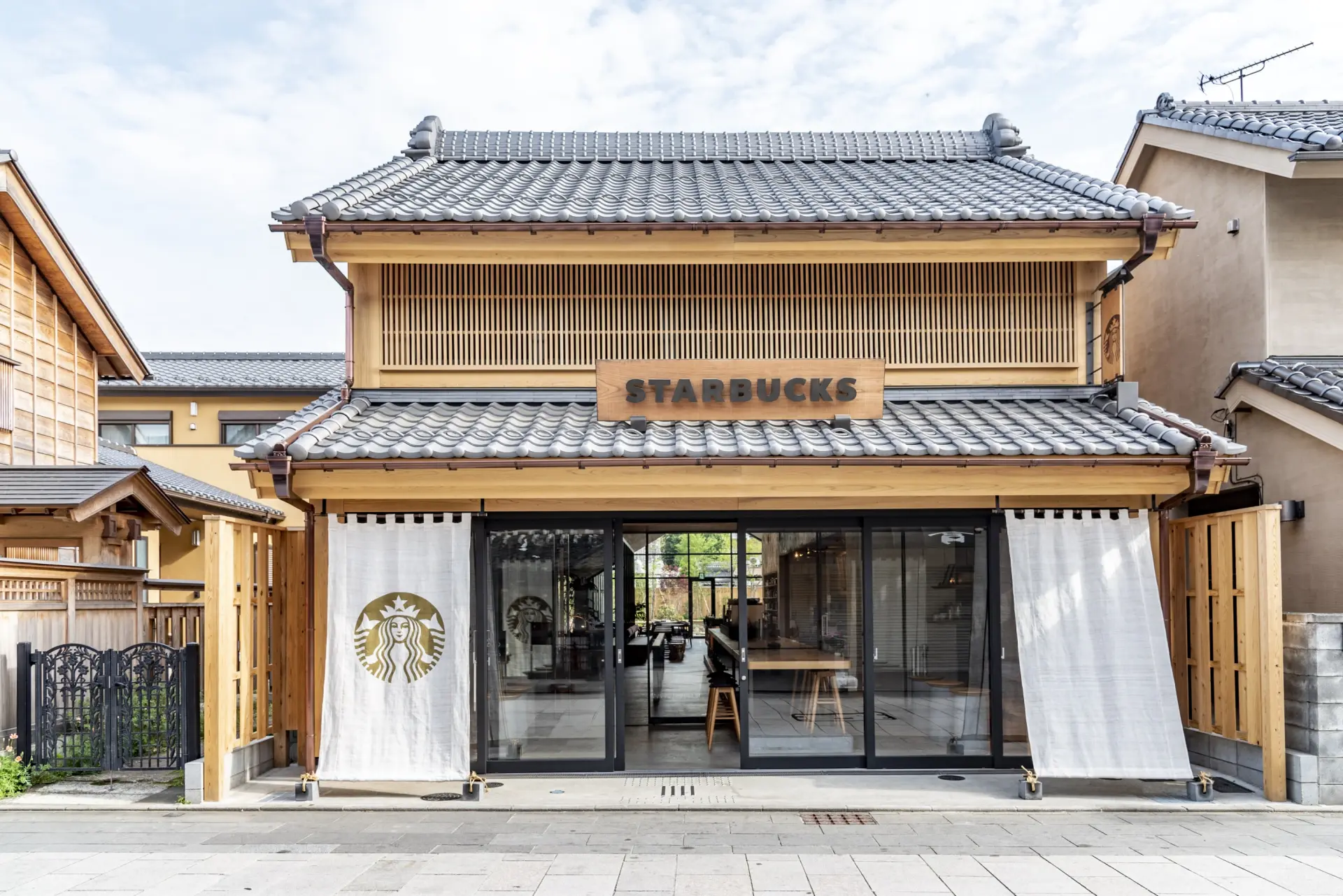
1. Starbucks Coffee Kawagoe Kanetsuki-dori Store
Koedo Kawagoe is known for its kura-style streetscapes that feel steeped in history.
Located along a stone-paved lane where the city’s symbol, Toki no Kane (Bell of Time), rises above, “Starbucks Kawagoe Kanetsuki-dori Store” is one of Starbucks’ “Regional Landmark Stores,” which share the culture and charm of different regions of Japan with the world.
The first thing you’ll notice is its exterior, distinct from typical Starbucks with the familiar green logo.
Designed to respect the historic townscape and blend into the area, the store has a Japanese look, featuring a tiled roof and lattices made with Saitama cedar.
2. Kawagoe Bakery Rakuraku
A bakery near the entrance to Kashiya Yokocho (Candy Alley), a popular sightseeing spot in Koedo Kawagoe.
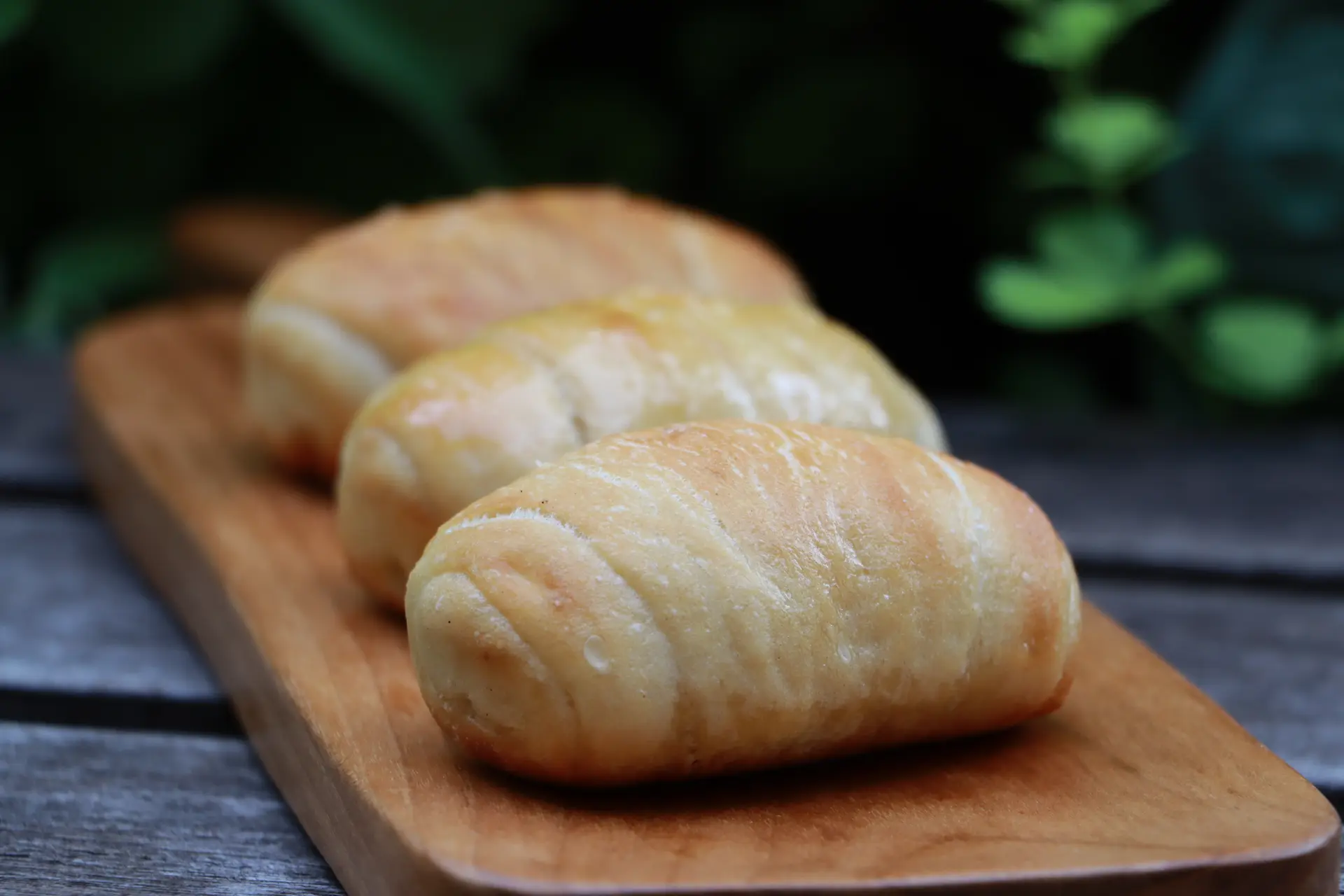
It sells a wide variety of distinctive breads made with carefully selected ingredients, mainly domestic, in a shop with an exterior reminiscent of a traditional Kawagoe machiya townhouse.
All breads use wheat from Hokkaido.
All breads use wheat from Hokkaido. Among them, the premium shokupan (Japanese milk bread) made for eating fresh, using Hokkaido flour mainly with “Kitanokaori” and slowly fermented for 18 hours with house-made yeast, is a popular item that sells out every day.
3. Ogakiku
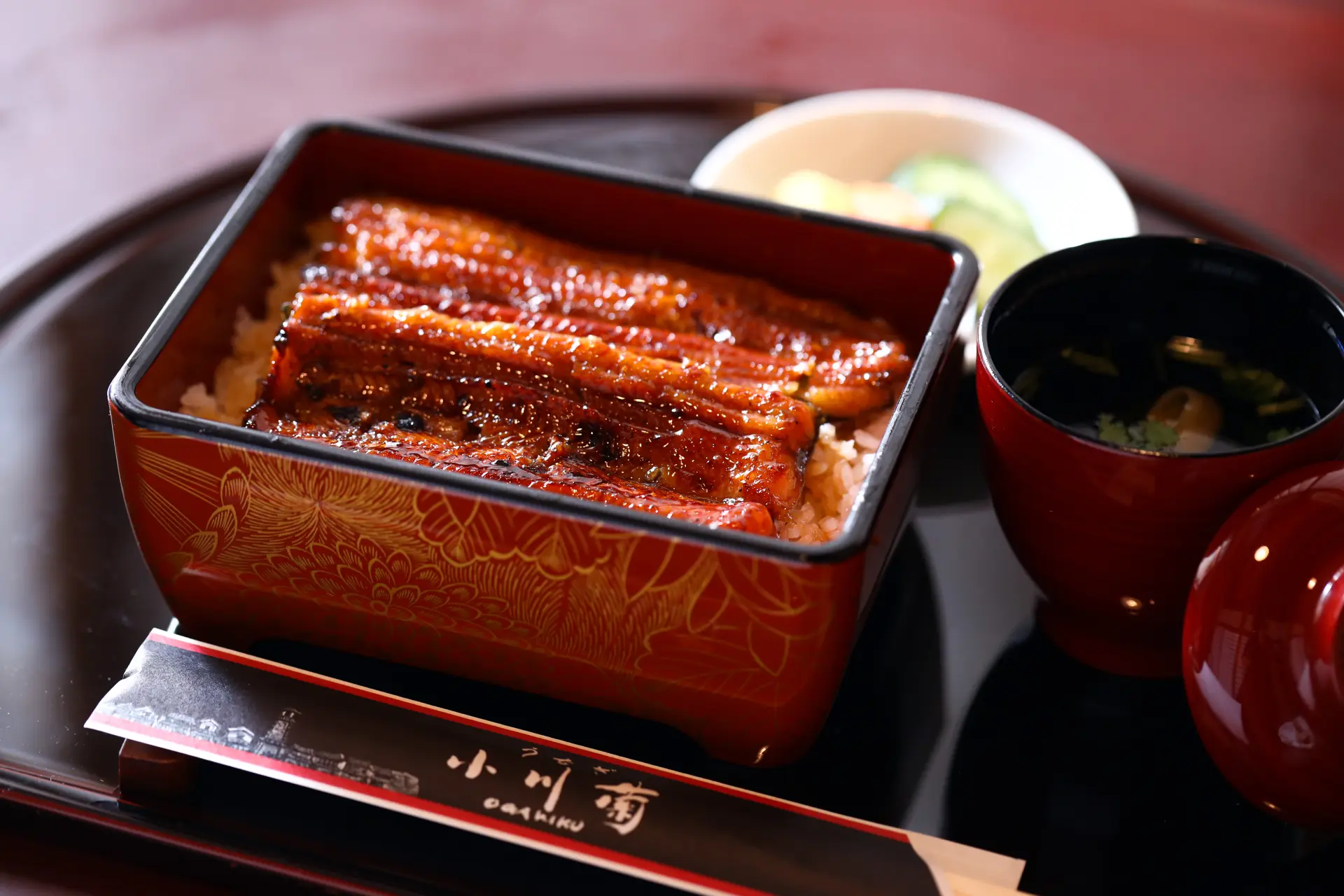
A renowned restaurant dedicated to eel since its founding in 1807 (Bunka 4), in the late Edo period.
Even today, after six eras—Edo, Meiji, Taisho, Showa, Heisei, and Reiwa—it’s still known for its exceptional eel, carefully grilled piece by piece just as it always has been.
The unaju (eel over rice in a lacquered box), made with a secret sauce passed down through generations since the restaurant’s founding, is a perfect match of fragrant, plump grilled eel and rice soaked with the sauce.
Reviews of Kawagoe Hikawa Shrine
4.45
Some reviews are AI-translated.
-
Hikawa Shrine has an ema tunnel, which is a passageway made from wish plaques. Walking through it feels like your wishes will come true.
-
Kawagoe Hikawa Shrine really has that authentic Japanese local feel. The fishing rod fortune-telling is especially fun! All of us girls couldn't resist praying for safety and love!
FAQ about Kawagoe Hikawa Shrine
Q
Can you see cherry blossoms at Kawagoe Hikawa Shrine?
A
Not at Kawagoe Hikawa Shrine, but the Shingashi River behind it is famous as a cherry blossom spot.
Q
What blessings is Kawagoe Hikawa Shrine known for?
A
It’s said to bring blessings for matchmaking, marital harmony, and family harmony.
Q
When is the Enmusubi Furin event held?
A
It’s usually held from July to September.
Summary
At Kawagoe Hikawa Shrine, you can do more than just pray for success in love or a good match, you can also draw unique omikuji fortunes and enjoy a distinctly Japanese atmosphere through wind chimes and ema prayer plaques.
“En” in “enmusubi” doesn’t only mean connections with a romantic partner, it also refers to all kinds of connections, including work and friends, so it’s also recommended for people who are worried about relationships.
Besides the sightseeing spots introduced in this article, Saitama has many other places with diverse appeal, so please use this article as a reference as well.