

Approx. 20 Minutes from Kyoto Station! 10 Must-See Uji Spots You Can Enjoy on a Day Trip
Uji is known for its historic streetscapes and two UNESCO World Heritage sites.
It’s accessible in under 20 minutes from Kyoto Station, and many attractions are clustered within easy walking distance, making it a great destination for a day trip from Kyoto City.
Here, we’ll introduce popular sights, recommended local food, and the best seasons to visit—things you’ll want to know to fully enjoy Uji on a day trip from Kyoto City.
With this article as your guide, you should be able to enjoy Uji in a half-day if you’re in a hurry—or take it slow and still make the most of a full day.
What is Uji Like?
Uji City is located in southern Kyoto.
In the Heian period (794–1185), Uji—close to the capital of Heian-kyo (today’s Kyoto City) and rich in nature—flourished as a villa retreat for aristocrats.
In Uji, a town shaped by Heian-era nobles, aristocratic culture and many historic sites still remain today.
Two standout and popular attractions are the UNESCO World Heritage sites Ujigami Shrine and Byodo-in Temple.
Another draw is the historic townscape centered on the Uji River—designated a “National Important Cultural Landscape”—along with tea fields scattered around the area.
Uji is also famous as a setting for The Tale of Genji, the long novel by Murasaki Shikibu that depicts aristocratic society in the Heian period.
It’s also widely known for Uji tea, one of Japan’s three major teas, and Uji tea-based food is a must when sightseeing in Uji.
From parfaits and traditional Japanese sweets to tea soba and tea rice porridge, enjoy the wide variety of dishes made with Uji tea.
With access in Approx. 20 minutes from Kyoto City, take a short trip and savor Heian culture and Uji tea.


What’s the best season to visit Uji?
If you’re visiting Uji, spring or summer is recommended.
In spring, around 2,000 cherry trees burst into bloom along the Uji River, and you can stroll through a distinctly Japanese landscape as you visit attractions.
From late March to early April, traditional sightseeing boats operate, and it’s also recommended to enjoy cherry blossoms from the water with tea and Japanese sweets.
Summer in Uji is also appealing, as you can see Ukai (cormorant fishing) on the Uji River, one of Kyoto’s classic summer traditions. This traditional fishing method has continued since the Heian period over 1,000 years ago and is a must-see.
What to wear in Uji by season
- Spring (March - May): Light jacket and a lightweight sweater
- Summer (June - August): Light clothing, short sleeves
- Fall (September - November): Light jacket, coat
- Winter (December - February): Coat, thick sweater or jacket
How do you get to Uji?
From JR Kyoto Station, the rapid train to Uji takes Approx. 20 minutes.
You can also reach Uji from Osaka in under an hour.
Since it’s easy to visit on a day trip from Kyoto City or Osaka, be sure to add Uji to your sightseeing plan.
Main transportation for sightseeing in Uji
The main ways to get around Uji are on foot and by bus.
Many of Uji’s popular attractions are gathered in areas within walking distance of JR Uji Station and Keihan Uji Station.
For that reason, we recommend walking between attractions while enjoying Uji’s natural scenery. If you get tired, use the city bus that circulates around town.
Experience Uji’s History, Culture, and Scenic Beauty: 10 Handpicked Spots
Uji continues to protect its historic and cultural landscape.
Beautiful city scenery spreads out around the Uji River, with impressive attractions scattered throughout, including UNESCO World Heritage sites and nationally designated Important Cultural Properties.
As mentioned above, many sights are concentrated within an area you can explore on foot, so you can fully enjoy Uji’s popular attractions in half a day to one day.
Since it’s also a quick trip from Kyoto City or Osaka, try visiting the attractions introduced below on a day trip.
1. Byodo-in Temple
Originally used as a villa by Fujiwara no Michinaga, a powerful figure of the Heian period, it was inherited by his son Yorimichi, who converted it into a temple and opened it in 1052.
It was registered as a UNESCO World Heritage site in 1994. After renovations in 2014, it is said to have become closer to its original appearance at the time of its founding.
The Amida Hall, which enshrines the principal image of Amida Nyorai, is a must-see. You’ll surely be captivated by its magnificent symmetry.
At the time of its founding, beliefs centered on rebirth in the Pure Land were in vogue, and it was built to evoke a palace in the Pure Land paradise.

2. Byodo-in Museum Hoshokan
A museum located within the grounds of the UNESCO World Heritage site Byodo-in, famous for the magnificent Phoenix Hall that recreates the Pure Land paradise in this world.
In harmony with the elegant garden scenery designated as a Historic Site and Place of Scenic Beauty, most of the building is underground.
By skillfully bringing in natural light and using thoughtful illumination, it creates a dramatic space that doesn’t feel underground.

3. Byodo-in Omotesando
A historic approach leading to the main gate of the UNESCO World Heritage site Byodo-in.
It’s about a 10-minute walk from JR Uji Station, and just across Uji Bridge from Keihan Uji Station, making it easy to reach from either station.
On both sides of the street, long-established Uji tea shops dating back to the Muromachi period line the road, and the aroma of tea fills the air.

4. Ujigami Shrine
An ancient shrine registered as a UNESCO World Heritage site as part of the Historic Monuments of Ancient Kyoto.
It is said to have been built in 1060 as a guardian shrine for Byodo-in Temple, which was built in 1053.
Long worshiped by people from commoners to aristocrats as a guardian deity protecting the land of Uji, it continues to attract deep reverence today.

5. The Tale of Genji Museum, Uji City
A public museum themed around The Tale of Genji, an immortal classic written by Murasaki Shikibu in the Heian period and still read today more than 1,000 years later.
It clearly introduces the “Uji Jujo,” set mainly in Uji, and the protagonist Hikaru Genji through models and videos.

6. Uji Shrine
Uji’s tutelary shrine, with a 1,710-year history since its founding in 313, the year Emperor Nintoku ascended the throne.
The shrine grounds at the east end of Asagiri Bridge over the Uji River are said to be the former site of a villa of Emperor Ojin, Emperor Nintoku’s father, and also the former palace site of Emperor Nintoku’s younger brother, Uji no Wakiratsuko no Mikoto.

7. Uji Bridge
A Uji landmark that immediately catches your eye when you get off at Keihan Uji Station and exit the ticket gates.
According to the “Uji Bridge Danhi” monument at Hashidera Hojo-in, it is said to have been built in 646 (Taika 2) of the Asuka period by the monk Doto of Nara’s Gango-ji Temple, and is counted as one of Japan’s three oldest bridges alongside Seta no Karahashi and Yamasaki Bridge.

8. Kosho-ji Temple
Kosho-ji Temple in Uji City is Japan’s first Zen Buddhist temple, founded by Dogen, the founder of the Soto school.
Established in 1236 in Fukakusa, Fushimi Ward, it was once abolished due to warfare, but was rebuilt in its current location in 1645 in the early Edo period.
You can enjoy its changing seasonal scenery, such as cherry blossoms in spring and autumn foliage, and it is also designated as a Place of Scenic Beauty by Kyoto Prefecture.

9. Uji City Botanical Park
A Approx. 10-hectare botanical park spread across hilly land in southwestern Uji City.
Facing the entrance is the “Flower and Water Tapestry,” Japan’s largest three-dimensional flowerbed: 3,675 planters line a grand terraced display measuring 62 m wide and 18 m high.
This enormous flowerbed, which depicts Uji-related motifs in a Nishiki-e style using seasonal plants, is stunning and impactful.

10. Nintendo Museum
A Nintendo PR facility that opened on October 2, 2024. Renovated from the former Nintendo Uji Ogura Plant, it offers various exhibits where you can learn about Nintendo’s history and dedication to craftsmanship.
The first place you’ll visit is a floor showcasing the many products Nintendo has released over the years. From the Family Computer to the latest Nintendo Switch, the lineup of past hardware and software is impressive.
The shop selling official goods and museum-exclusive items, as well as the cafe where you can customize your hamburger fillings and toppings, are also popular.
Tickets require advance application and can be purchased only if you win the lottery, making it a reservation-based facility. There is no parking, so please use public transportation other than taxis when visiting.

Savor the Aroma and Flavor of Uji Tea! 3 Popular Places to Eat
Uji, Kyoto is known as a tea-growing region.
Don’t miss Uji’s matcha food and sweets made with “Uji matcha,” known for its mellow flavor.
Ujibashi-dori Shopping Street and Byodo-in Omotesando are lined with many Japanese tea specialty shops and matcha cafes.
If you want to enjoy Uji tea, be sure to visit the eateries introduced below.
1. Tatsumiya
Tea is essential not only to food, but also to Japanese culture.
Located in the southeastern part of Kyoto Prefecture, Uji is one of Japan’s top tea-producing regions among the many tea-growing areas across the country.
Uji tea is widely known in Japan and abroad as a top-grade tea, made through unique cultivation methods—covering the plants before picking to block sunlight and enhance umami—and excellent tea-processing and blending techniques.

2. Nakamura Tokichi Honten
A Japanese tea specialty shop founded in 1854 in Uji, a region famous nationwide for producing high-quality Japanese tea.
Starting with its secret original Japanese tea “Nakamura-cha,” it continues to deliver fine teas that are simply delicious to drink without obsessing over shape or appearance, including refreshing sencha full of crisp clarity and rich, deeply umami gyokuro.

3. Itohkyuemon Uji Honten Sabo
A long-established tea shop founded in 1832, with its main store in Uji, one of Japan’s leading regions for high-quality tea leaves.
While cherishing traditions handed down since its founding, it continues to develop new matcha sweets and share new value in tea.

3 Recommended Places to Stay in Uji
Around Uji Station, you’ll find a cluster of accommodations, all convenient and offering comfortable stays. Options range from easy-to-use hotels to entire-rental ryokan, so you can choose based on your preferences. If you’re staying one night in Uji, consider the hotels introduced below.
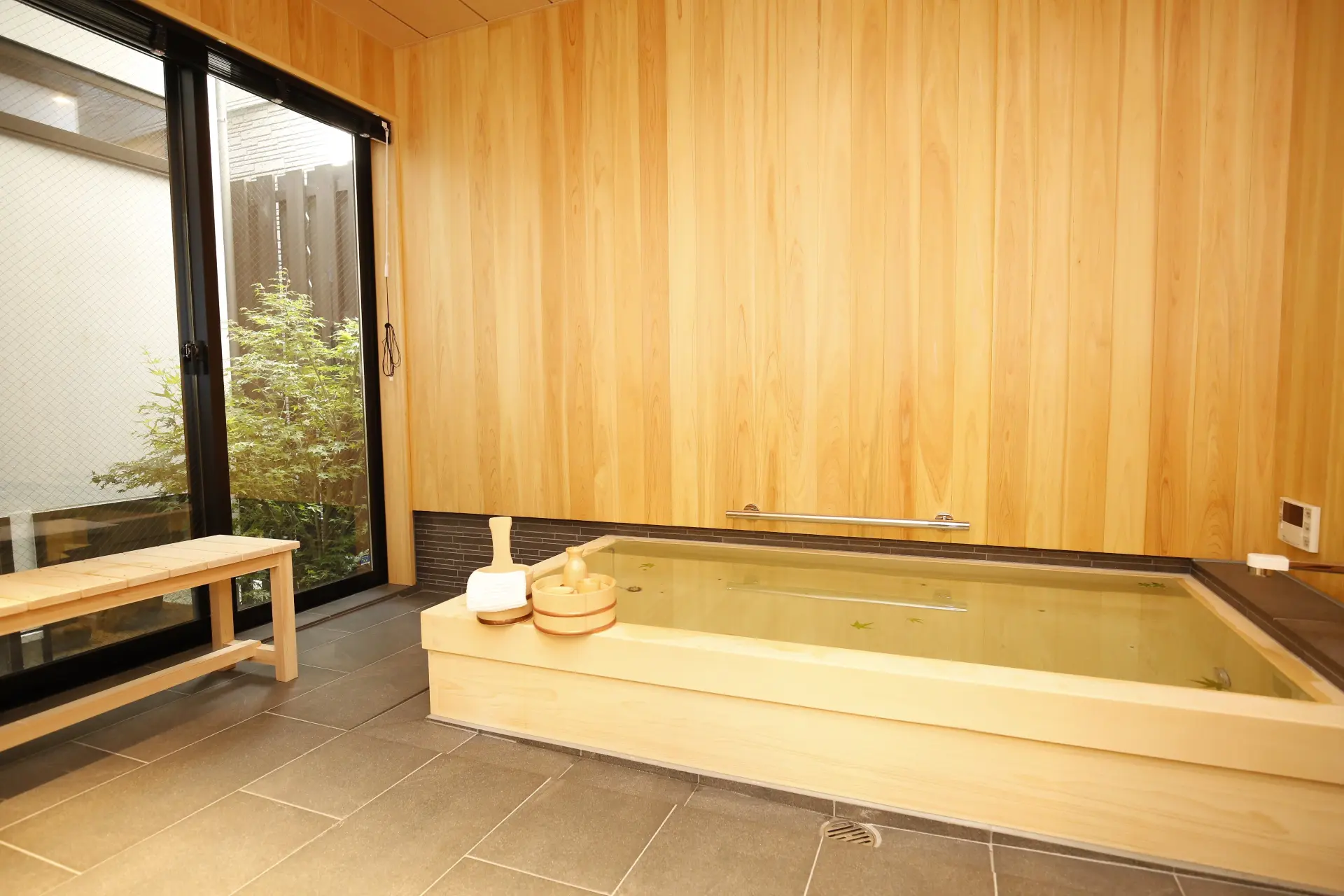
1. Uji Ichibanyado Nigauri
An entire-rental style ryokan in Uji City, Kyoto Prefecture, where you can spend time as if staying in a vacation home.
Limited to one group per day and available for up to 4 guests, it features a charming Japanese-Western style space and a natural hinoki cypress bath.
The guest rooms form a spacious layout with two rooms—one Japanese-style and one Western-style—meeting a wide range of needs, such as families with children and long stays.
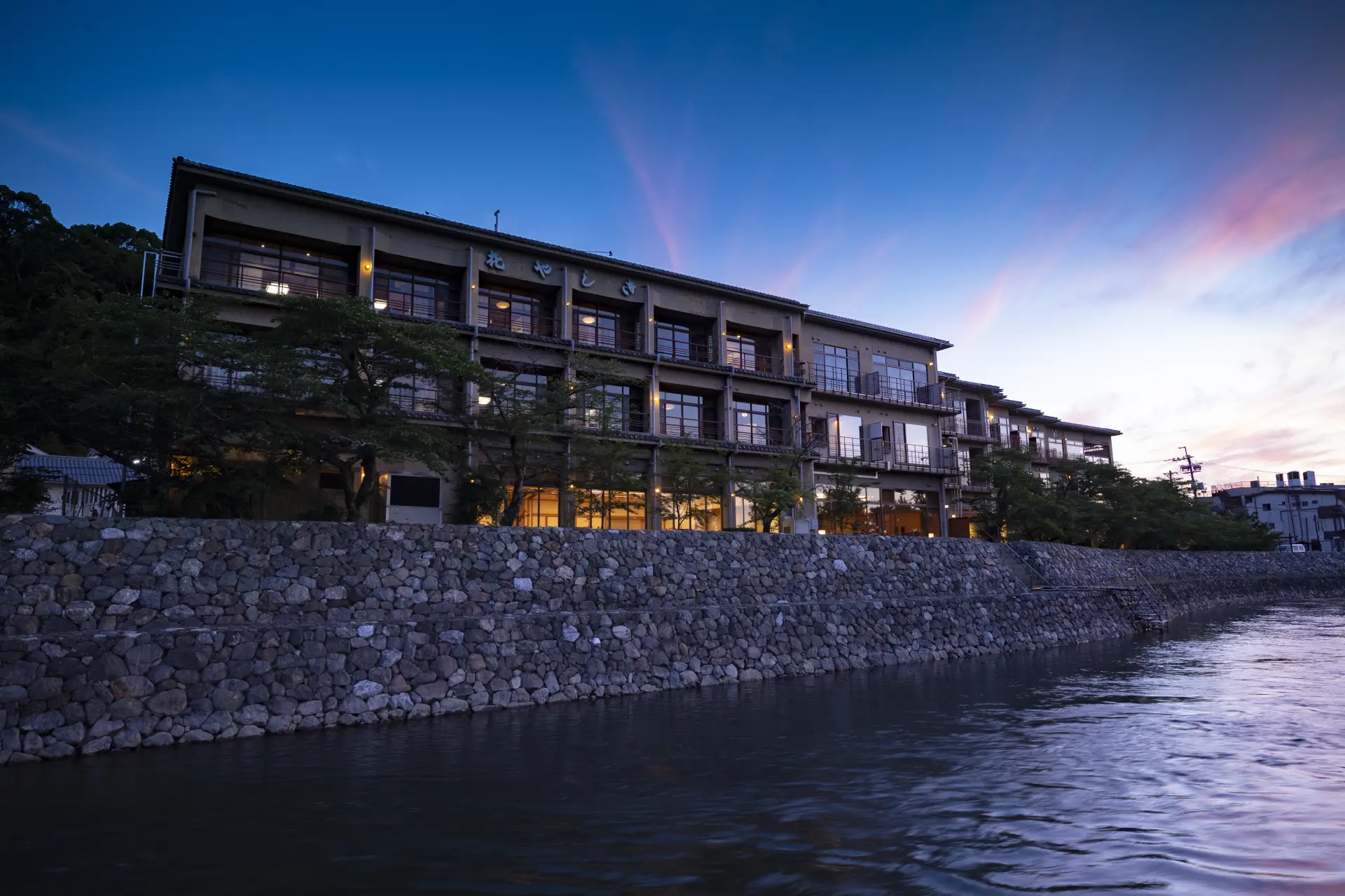
2. Hanayashiki Ukifune-en
Approx. 5 minutes by car from JR Uji Station.
A ryokan near the Uji River, with easy access to Uji’s UNESCO World Heritage sites, Ujigami Shrine and Byodo-in Temple, in this area rich with historic romance.
All guest rooms are designed to overlook the Uji River, and you can also view “To-no-shima,” the river’s midstream island.
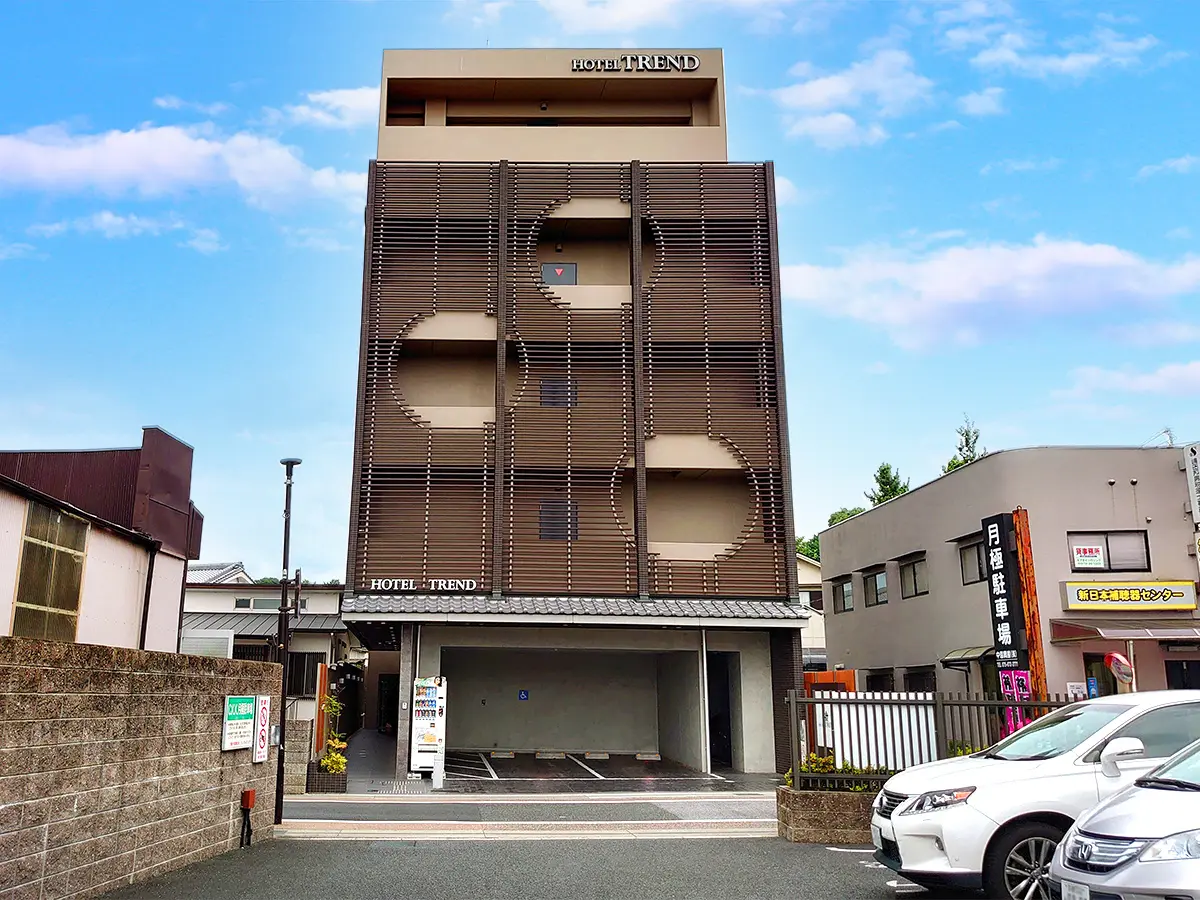
3. Hotel Trend JR Uji Ekimae
A hotel with excellent access—about a 3-minute walk from the south exit of JR Uji Station.
It’s Approx. a 9-minute walk to the UNESCO World Heritage site Byodo-in, and within a 25-minute walk of Ujigami Shrine, The Tale of Genji Museum, and the Nintendo Museum—perfect for visiting Uji’s landmarks.
It also offers convenient access to Kyoto City and Nara City, making it a great base for efficiently enjoying both ancient capitals.
FAQ about Uji Sightseeing
Q
How do you get from JR Kyoto Station to Uji?
A
Take the Miyakoji Rapid Train bound for Nara from JR Kyoto Station—no transfers needed. You can get there in under 20 minutes.
Q
What is Uji famous for?
A
Food and sweets made with Uji matcha are especially famous.
Summary
We’ve introduced Uji’s sightseeing spots and food where you can feel Japan’s history and culture.
Stroll through the charming scenery created by historic streetscapes and beautiful nature, and visit the places introduced here.
With access in Approx. 20 minutes from Kyoto City and Approx. 50 minutes from Osaka, plus attractions concentrated in a compact area, it’s perfect for a day trip.
If you want to make your Kyoto sightseeing even more fulfilling, be sure to also check out this article featuring classic must-see spots.