

Charming Nostalgic Streetscapes! 15 Must-Visit Otaru Tourist Spots
Otaru is a city known for its majestic nature and nostalgic townscape.
Otaru Port and the Otaru Canal—beautiful for both night views and fall foliage—are among Hokkaido’s most popular sightseeing spots.
Don’t miss the view points where you can take in the city and the Sea of Japan at a glance.
Once won’t be enough—you’ll want to come back again and again, so let’s dive into Otaru’s attractions, local food, and souvenirs.
What is Otaru Like?
Located on Hokkaido’s west coast, Otaru is a nature-rich city that faces Ishikari Bay and is surrounded by mountains on three sides.
Otaru developed as a gateway for Hokkaido’s settlement and as an international trading port.
From the Otaru Canal, warehouse district, and other structures, you can feel the history of how Otaru grew and prospered.
The stone warehouses along the canal, built in the Taisho era (1912–1926), remain as they were and have been renovated into restaurants and other commercial facilities.
There are many other buildings that preserve the culture and atmosphere of the Meiji era (1868–1912) and Taisho era, and the retro streetscape is one of Otaru’s key charms.
Otaru also offers many other draws, including one of Hokkaido’s three great night views, plus Otaru cuisine made with fresh seafood.

When is the best season to visit Otaru?
Otaru’s scenery changes dramatically with each season.
With its abundant nature, Otaru is especially recommended in autumn, when you can enjoy fall foliage in many spots.
The beautiful autumn scenery unique to Otaru—colored ivy climbing the walls of the stone warehouses along the canal—is a must-see.
In fall, you can also enjoy seasonal gourmet food and new sake.
Try savoring Japanese sake while eating salmon roe and abalone.
What to wear in Otaru by season
- Spring (March - May): down jacket, coat, thick sweater, scarf, gloves
- Summer (June - August): short sleeves, long-sleeve shirt, light sweater
- Fall (September - November): coat, jacket, sweater
- Winter (December - February): down jacket, coat, thick sweater, scarf, gloves
How do you get to Otaru?
Since Hokkaido has New Chitose Airport, it takes around 1 hour 30 minutes to travel from Tokyo, Osaka, or Nagoya, which also have airports.
From New Chitose Airport, take a rapid train and you’ll arrive at JR Otaru Station in around 1 hour.
New Chitose Airport also has a strong lineup of international flights, making Otaru easy to access from overseas as well.
It also takes around 1 hour to get there from Sapporo.
Main transportation for sightseeing in Otaru
If you use the “Otaru Stroll Bus,” which loops around downtown while connecting Otaru’s major sightseeing spots, you can travel comfortably to the attractions you want to visit.
After getting off the bus, try strolling around Otaru’s sights on foot with a tourist map in hand.
There are also rental bicycle shops in front of JR Otaru Station, so make good use of them.
Soak Up the Nostalgic Scenery! 15 Handpicked Otaru Tourist Spots
Otaru is dotted with places that preserve the culture and atmosphere of the Meiji and Taisho eras, including the retro and charming Otaru Canal and historic buildings designated as cultural properties.
Among Otaru’s many highlights, here are the sightseeing spots you should definitely visit.
1. Otaru Canal
Otaru Port developed as a gateway for Hokkaido’s settlement.
As the volume of cargo handled increased year by year, the Otaru Canal was completed in 1923 (Taisho 12) to streamline transport work.
Because it was built by reclaiming offshore coastline, it features a gentle curve rather than a straight line.

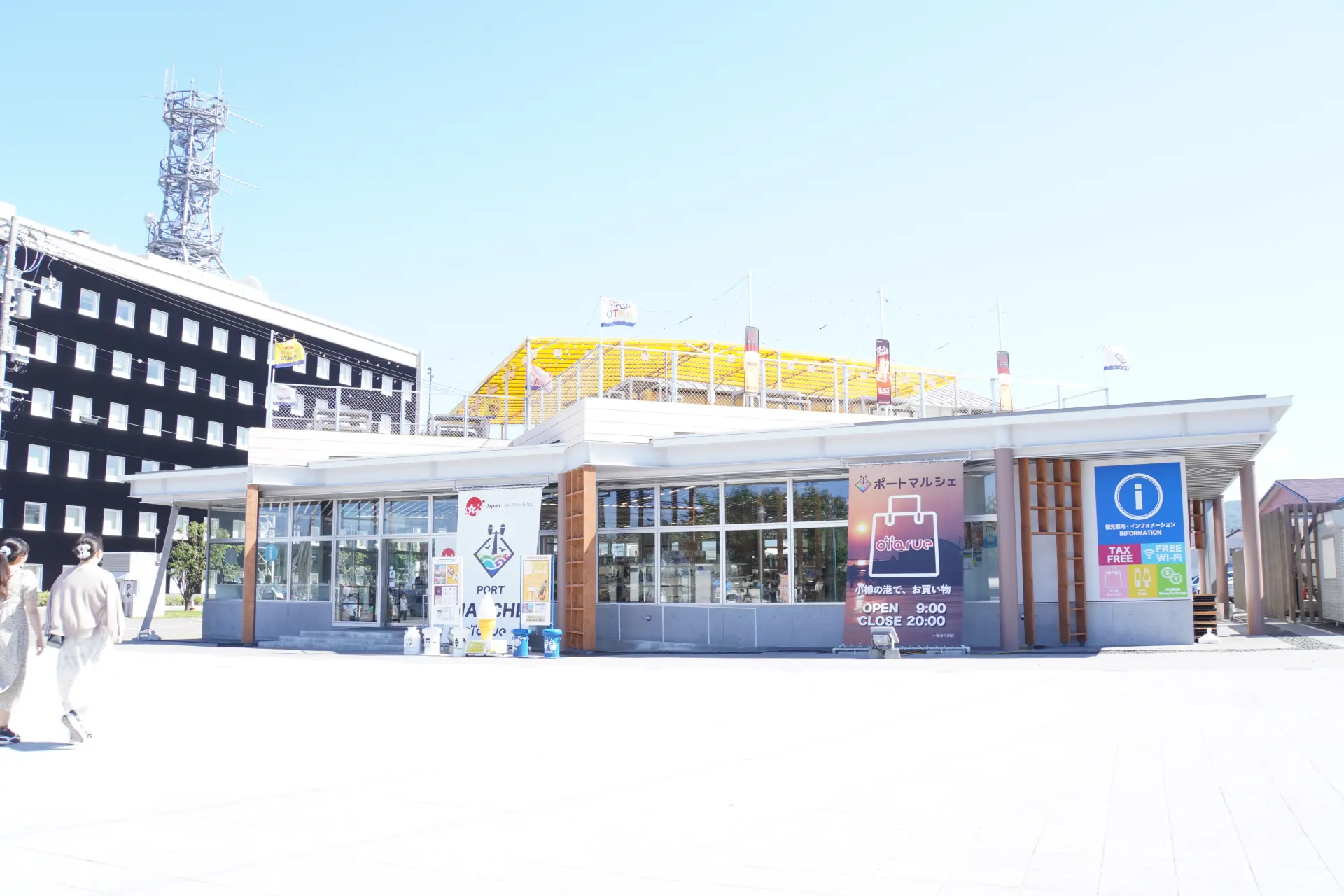
2. Otaru International Information Center
The “Otaru City Tourist and Products Plaza (Unga Plaza),” which was near the Otaru Canal in Ironai, Otaru, relocated and reopened with a new name as the “Otaru International Information Center” on March 25, 2024.
The building has an open, all-glass design, and the information center spreads out on the left after you enter the front entrance. With brochures placed by the windows for easy viewing and digital signage, it shares tourist information about Otaru.
3. Otaru Canal Cruise
The Otaru Canal was completed in 1923 (Taisho 12) by reclaiming offshore coastline.
This area, still lined with wooden-frame stone warehouses and popular as one of Otaru’s signature sightseeing spots, offers a popular tour that cruises around by boat in Approx. 40 minutes.

4. Otaru Sakaimachi Shopping Street
Sakaimachi Street, located one street off the main road facing the Otaru Canal, is Otaru’s main street that saw major development from the Meiji era through the early Showa era.
Along this Approx. 1,300 m shopping street stretching from the Marchen Intersection to Nisshin-dori, many stone Western-style buildings and warehouses from that era still remain, letting you enjoy strolling and shopping in a nostalgic atmosphere.

5. Otaru Sankaku Market
A small market located between JR Otaru Station and National Route 5.
It started with only a few outdoor stalls around 1945, later became a morning market, and has now been around for over 60 years. In a prime location just a 1-minute walk from Otaru Station, most shops are open almost every day except New Year’s Day. With reasonable prices that customers love, the market is always packed with locals and tourists from Japan and abroad. The triangular shape of the land and roof is also where the market gets its name.

6. Otaru Orgel Doh Main Building
A specialty music box shop with locations mainly in Otaru, as well as in Hakodate, Furano, Yokohama, Kamakura, Kyoto, and more.
Its main shop, the Main Building, was built in 1915 (Taisho 4) and is recognized as a historically designated building by Otaru City, strongly preserving the charm of bygone days.
Inside, the venue consists of two buildings—one red brick and one stone—and is divided into five floors, each displaying and selling music boxes with different concepts.

Handmade Workshop: Yugobo
At the Handmade Workshop Yugobo, right next to the Otaru Orgel Doh Main Building, you can make your own music box.
Choose the music box base and its tone, then pick your favorite glass ornaments.
With lots of options not only for decorations but also for songs, you can create a one-of-a-kind original music box featuring the tune you love.

7. Otaru Tenguyama Observatory (Tenguyama Ropeway)
Otaru Tenguyama is a symbolic mountain of Otaru with an elevation of 532.4 m.
At the summit is a mountaintop observatory featured as a one-star spot in the Michelin Green Guide Japan, and from the top you can look out over the city and the Sea of Japan.
At night, you can enjoy a sweeping view of Otaru’s beautiful night scenery, known as one of Hokkaido’s three great night views alongside Mt. Moiwa and Mt. Hakodate.

8. Otaru Aquarium
Approx. 20 minutes from JR Otaru Station by bus or sightseeing boat, this aquarium is located within the nature-rich Niseko-Shakotan-Otaru Kaigan Quasi-National Park. It showcases around 250 species and 5,000 specimens, mainly from Hokkaido and other cold-region habitats.
Its full lineup of performances and hands-on experiences is popular, including an impressive dolphin show, a powerful sea lion show, and touch areas where you can interact with creatures from Hokkaido’s seas. Don’t miss the penguin show, where the penguins do as they please and ignore the trainers’ signals.

9. Bank of Japan Former Otaru Branch Financial Museum
A museum that uses a historic building completed in 1912 (Meiji 45) as the Bank of Japan Otaru Branch. The building was designed by Kingo Tatsuno and his students, famous for the red-brick Tokyo Station.
The elegant Renaissance-style architecture that conveys the atmosphere of the era is now designated as a cultural property by Otaru City.

10. Former JNR Temiya Line
Part of Hokkaido’s first railway, the government-run Horonai Railway, laid to transport coal mined in Horonai (in present-day Mikasa City) to the port city of Otaru.
It served from its opening in 1880 until the line was discontinued in 1985.
Today, Otaru City has developed the former railway land and transformed it into a walking path.

11. Tanaka Sake Brewery (Main Store)
A sake brewery founded in 1899 (Meiji 32) at its current location. While “kanzukuri” (winter brewing) is the mainstream approach that starts brewing in colder seasons, this brewery follows the rare “shiki jozo” style—brewing year-round.
By taking advantage of Otaru’s cool climate to brew throughout the year, you can enjoy freshly pressed “nama genshu” even during the hot summer season.

12. Blue Cave
The “Blue Cave” is a natural wonder where sunlight entering the cave reaches the sea floor, and the water surface shines a beautiful color as all light wavelengths except blue are absorbed.
It’s nature’s art created when many conditions align—water clarity, terrain, the angle of light, and more. While famous examples exist around the world, including Capri in Italy, and there are several in Japan as well, the cave within the Niseko-Shakotan-Otaru Kaigan Quasi-National Park is a spot you’ll definitely want to visit when sightseeing in Otaru.

13. Otaru Museum (Main Building)
A museum where you can learn about railways and science, located on the grounds of the former Temiya Line and Temiya Station, the birthplace of railway operations in Hokkaido.
The museum is centered on the “Railway, Science, and History Museum” and also includes the “Former Temiya Railway Facilities” and the “Steam Locomotive Museum,” among others.
It preserves and exhibits valuable vehicles that shaped Hokkaido’s railway history, including the steam locomotive “Shizuka-go,” imported from the United States for the Horonai Railway—Hokkaido’s first railway—in 1880 (Meiji 13), as well as snowplows and diesel locomotives.

14. Otaru City Nishin Goten
Otaru City Nishin Goten stands on a cape near the Otaru Aquarium, with sweeping views over Ishikari Bay.
This “banya” (a lodge where fishermen stayed and worked during the fishing season) dates to the height of herring fishing in the Meiji and Taisho eras. It originally stood in Tomari Village, Furuu District, in western Shakotan, and was relocated and restored in 1958 (Showa 33).
It retains the original form of a valuable Meiji-era structure built over seven years using 540 tons of lumber, and is also designated as a tangible cultural property of Hokkaido.

15. Kitaichi Glass No. 3 Building
A glass shop popular as an Otaru sightseeing spot, lined with a wide variety of glass products, including original pieces.
It introduces an extensive range of glassware—from tableware and drinking glasses to oil lamps and accessories—across three themed floors: the “Japanese Floor,” “Western Floor,” and “Country Floor.”
Another highlight is the stately stone building itself, built in 1891 (Meiji 24) as a fisheries warehouse.

Savor Great Cuisine Made with High-Quality Ingredients! 3 Popular Places to Eat in Otaru
When you think of Otaru, many people think of seafood cuisine.
But in fact, Otaru also has many other local favorites, including Western-style dishes and sweets.
Use the popular restaurants introduced below as a guide, and eat your way through all kinds of Otaru specialties.
1. Ajidokoro Takeda (Otaru Sankaku Market)
A local favorite diner inside Otaru Sankaku Market, Approx. a 1-minute walk from JR Otaru Station.
Run by Takeda Fish Store in the same market, it serves Otaru’s fresh seafood at reasonable prices.
Using seafood purchased at auction daily by the owner, the menu lineup is extensive—from generous rice bowls to set meals and à la carte dishes.

2. Otaru LeTAO Main Store
An Otaru pastry shop with nationwide popularity, known for its “Double Fromage” cheesecake made with fresh cream from Hokkaido milk and carefully selected mascarpone cheese. Its European-style exterior, reminiscent of a large tower, stands out—named after its meaning, “Dear Otaru Tower.”
The second floor is a café area. In a retro atmosphere, you can enjoy freshly made Double Fromage, dessert plates, and the main-store-exclusive blend of flavored tea.

3. Victoria Station Otaru Inaho
A restaurant chain found only in Hokkaido, offering a lineup of grill dishes under the theme “safe,安心, and delicious.”
The “Ootawara Hamburg Steak,” made with 100% coarsely ground beef, features a springy, meaty texture and a satisfyingly hefty portion.
Using the tabletop burner brought with your meal, you can cook it to your preferred doneness, so you can enjoy it hot and fresh to the very last bite.

3 Recommended Places to Stay in Otaru
Otaru offers a wide range of accommodations, from top-class resort hotels to hot spring hotels with the nostalgic feel of a long-established ryokan.
Here are three places to stay that are perfect for travelers who want to relax and truly refresh while on the road.
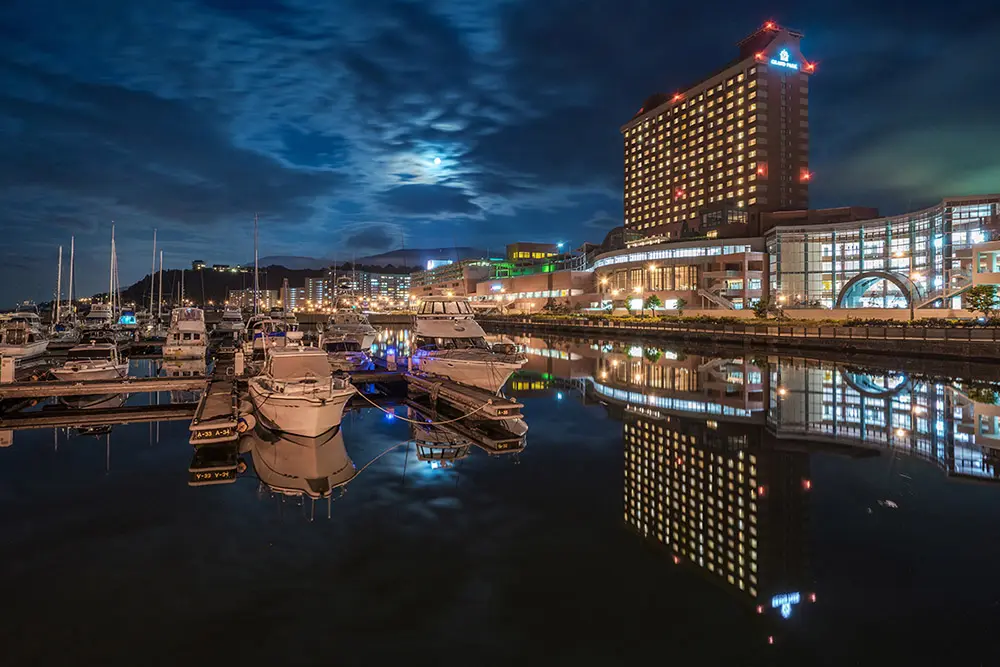
1. Grand Park Otaru
Approx. a 5-minute walk from Otaruchikko Station.
With Ishikari Bay spread out right in front, this seaside resort hotel is directly connected to the large commercial complex “Wing Bay Otaru,” which brings together a movie theater, shopping mall, and more.
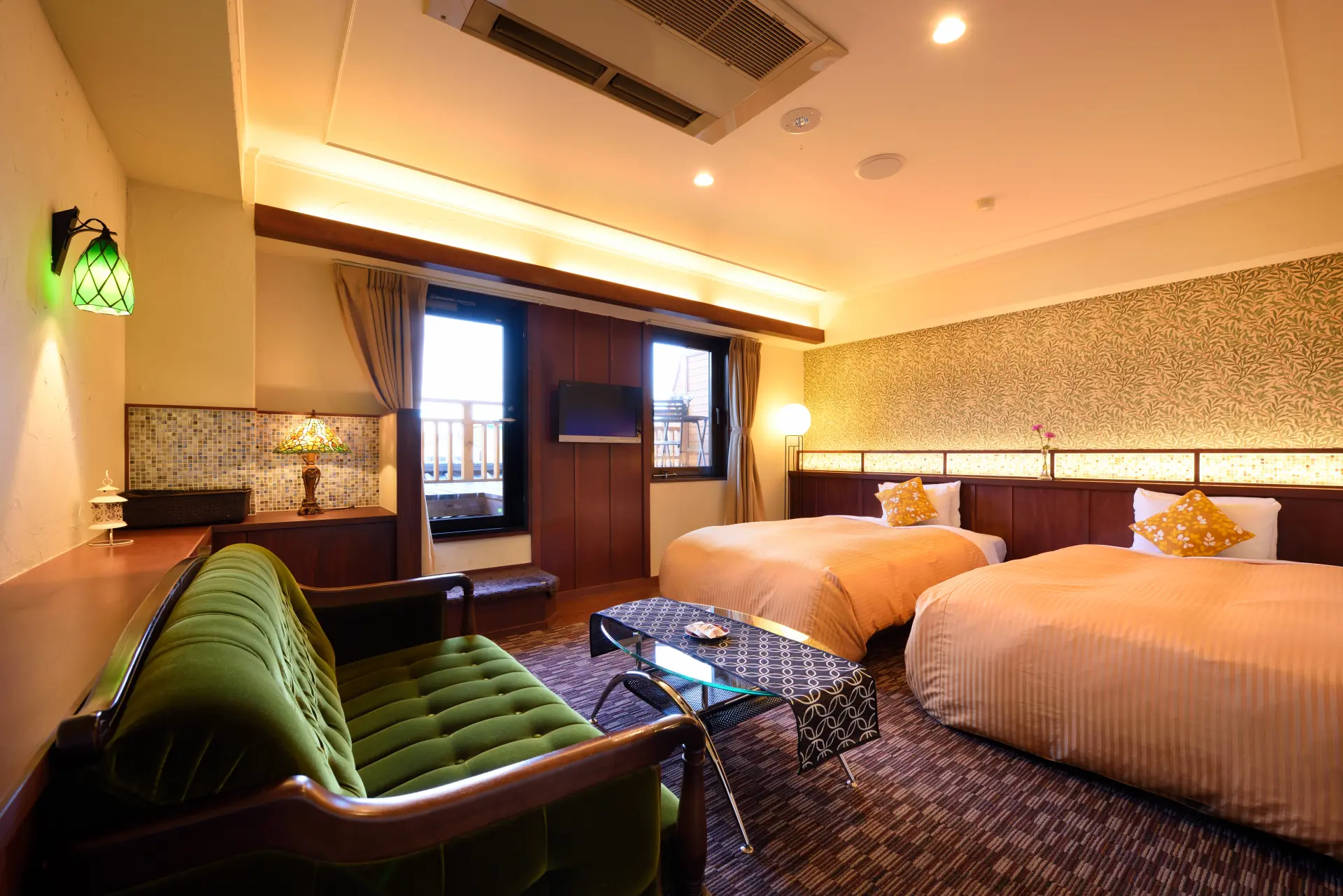
2. Unga no Yado Otaru Furukawa
A hot spring hotel with the nostalgic feel of a long-established ryokan, visible as you walk from JR Otaru Station toward the canal area.
Right next door is the “Otaru Art Base Stained Glass Museum,” making it an ideal location as a sightseeing hub in Otaru.
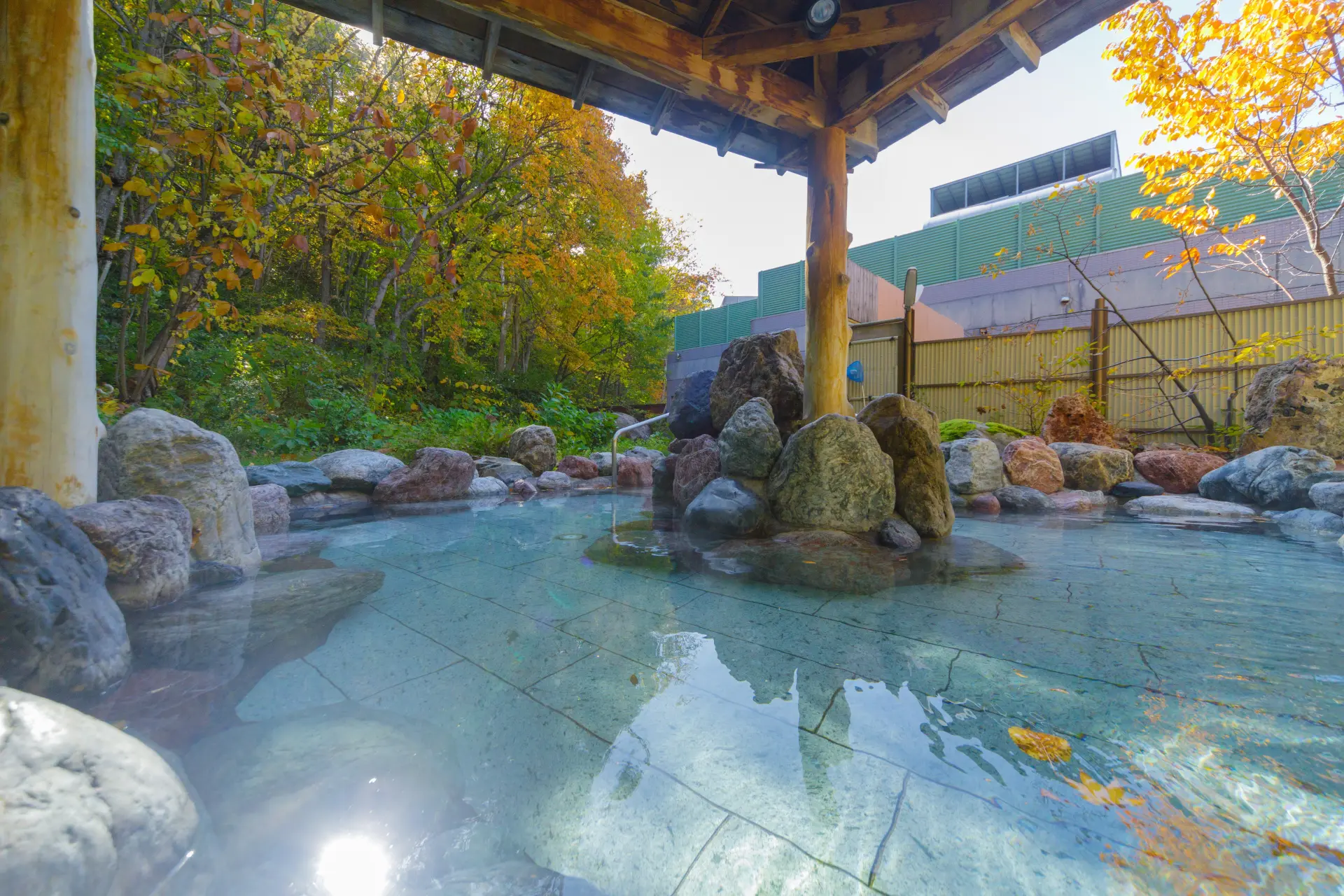
3. Otaru Asari Classe Hotel
A resort hotel with hot springs in Asarigawa Onsen, Otaru’s hot spring area in Hokkaido.
It’s located in the mountains surrounded by greenery, with the “Asarigawa Onsen Ski Resort” also nearby.
With its nature-rich setting and hot springs blessed by the earth, it offers a space for relaxation and healing.
Guaranteed Crowd-Pleasers! 3 Otaru Souvenirs
Otaru is well stocked not only with sightseeing spots, but also with souvenirs.
There are especially many gifts made with ingredients from Otaru and Hokkaido, and if you bring home exquisite sweets and snacks, they’re sure to be appreciated.
Among the many choices, here are souvenirs you can feel confident about buying.
1. Rokkatei Otaru Unga Store
Rokkatei is a confectionery maker known for many popular Hokkaido souvenirs, such as Marusei Butter Sand, Yuki-ya-Konko, and strawberry chocolate.
The Otaru Unga Store, said to use around 100,000 Tokachi bricks, has a retro exterior that matches the streetscape of Sakaimachi Hondori.
On the first-floor shop, Rokkatei sweets line the shelves, led by the Butter Sand.
Along with boxed sets perfect for souvenirs, there are also many single-item options, which makes choosing what you want even more enjoyable.

2. LeTAO Double Fromage
The signature flagship sweet from the popular Otaru pastry shop “Otaru LeTAO.”
Nationwide famous as an “ultimate cheesecake,” it combines LeTAO’s special fresh cream made from Hokkaido milk with Australian cream cheese and Italian mascarpone cheese.

3. Kuwataya “Panju”
A famous Otaru manju made with a bread-like dough.
This sweet was created around the time Otaru Port was designated as an international trading port and bread began coming in from overseas, so people could enjoy bread more affordably when it was still expensive.

FAQ about Otaru
Q
Where can I see a beautiful night view in Otaru?
A
Otaru Tenguyama Observatory is recommended. You can see Otaru’s night view, selected as one of Hokkaido’s three great night views.
Q
How long does it take to get to Otaru from Sapporo?
A
By train, you can get there in under 1 hour.
Summary
Surrounded by majestic nature, Otaru is lined with buildings that carry a nostalgic feel.
Stroll through its retro streets and visit its standout attractions, then treat yourself to the local food that’s uniquely Otaru.
Hokkaido is also home to many other compelling destinations, from vast natural scenery to beautiful cities in harmony with nature.
If you want to make the most of Hokkaido, this article—featuring carefully selected attractions and food—should also be a helpful reference.