

A Guide to Arakura Fuji Sengen Shrine: Panoramic Views Full of Japanese Charm
Arakura Fuji Sengen Shrine is a scenic spot where you can enjoy a quintessentially Japanese view, with Mount Fuji, one of Japan’s most iconic symbols, beautifully framed by a torii gate and cherry blossoms.
This article introduces access to Arakura Fuji Sengen Shrine, highlights within the grounds, and nearby sightseeing spots.
Read this before your visit to enjoy Arakura Fuji Sengen Shrine even more.
What is Arakura Fuji Sengen Shrine Like?
Arakura Fuji Sengen Shrine is located halfway up Mount Arakura in Fujiyoshida City, Yamanashi Prefecture.
It is popular for its elegant seasonal scenery that can be enjoyed throughout spring, summer, fall, and winter.
Its biggest highlight is the chance to see Mount Fuji and a five-story pagoda at the same time.
Because it offers such a distinctly Japanese view, it is especially popular with international visitors.
Of course, those are not the only attractions of Arakura Fuji Sengen Shrine.
One more highlight is the onigawara roof tile attached to the main hall, which is said to be the original model for this style of tile.
Onigawara are ornamental roof tiles used for decoration and to ward off evil. As the name suggests, many feature the face of an ogre, though some are decorated with other designs.
The Kosodate Shinboku, or sacred child-rearing tree, is another must-see spot at Arakura Fuji Sengen Shrine.
This cypress tree is about 82 feet tall, and its trunk branches partway up.
Because a young cedar is growing from this split section, it came to be called the Kosodate Shinboku, and it is said to bring blessings for family harmony and child-rearing.
Another distinctive feature of Arakura Fuji Sengen Shrine is that it is open 24 hours a day and there is no admission fee for worship.
It is appealing not only because you can enjoy it in different ways depending on the time of day, but also because it is easy to fit into your travel schedule.
The History of Arakura Fuji Sengen Shrine
Arakura Fuji Sengen Shrine was founded in 705 as the local guardian shrine of what is now the Arakura district, during the reign of Emperor Monmu, who is also said to have been the model for the emperor in The Tale of the Bamboo Cutter.
When Mount Fuji underwent a major eruption in 807, a fire-quelling ritual was held, and an imperial plaque and other offerings were dedicated by Emperor Heizei.
An imperial plaque is a framed inscription written in the emperor’s own hand, and the one at Arakura Fuji Sengen Shrine is displayed on the Great Torii Gate.
As you pass through the Great Torii Gate, be sure to take a look at this imperial plaque as well.

Access to Arakura Fuji Sengen Shrine
Here is how to get to Arakura Fuji Sengen Shrine from Shinjuku Station or Kofu Station.
From Shinjuku
- Route
-
1. Take the JR Chuo Line Rapid service bound for Otsuki from Shinjuku Station and get off at Otsuki Station
2. Transfer to the Fujikyuko Line at Otsuki Station and get off at Shimoyoshida Station
3. Approx. 10-minute walk from Shimoyoshida Station - Travel Time
- Approx. 2 hours 30 minutes
From Kofu
- Route
-
1. Take the JR Chuo Main Line from Kofu Station and get off at Otsuki Station
2. Transfer to the Fujikyuko Line at Otsuki Station and get off at Shimoyoshida Station
3. Approx. 10-minute walk from Shimoyoshida Station - Travel Time
- Approx. 1 hour 30 minutes
What Is the Best Season to Visit Arakura Fuji Sengen Shrine?
If you are visiting Arakura Fuji Sengen Shrine, spring is the best time to go.
In spring, the cherry blossoms on the grounds come into full bloom, and the Approx. 300 cherry trees stretching from the Great Torii Gate to Chureito Pagoda create a spectacular sight.
Combined with the atmosphere of Mount Fuji and the surrounding structures, they create a truly Japanese scene.
For overseas visitors in particular, it is sure to be an exciting moment.
After sunset, the grounds are illuminated, transforming the area into a magical space that feels completely different from the daytime.
The cherry blossoms also take on a different appearance, making the refined beauty of Japanese scenery even more enjoyable.
The cherry blossom festival is another reason spring is such an appealing time to visit Arakura Fuji Sengen Shrine.
You can enjoy local food from kitchen cars and other vendors, and stage events are also held.
Since the cherry blossoms usually reach their peak around early to mid-April, this is a highly recommended time to visit.

Enjoy More Than Just the Views! 3 Highlights of Arakura Fuji Sengen Shrine
The beautiful scenery seen from the grounds is one of the shrine’s biggest attractions and highlights.
That said, Arakura Fuji Sengen Shrine is also full of appeal within the grounds themselves, including historic structures and blessings associated with worship.
When you visit, be sure to enjoy not only the views from the grounds, but also the attractions found within Arakura Fuji Sengen Shrine itself.
Knowing the information introduced below will help you appreciate both the scenery from Arakura Fuji Sengen Shrine and your visit to the shrine even more.
1. Chureito Pagoda, Beautiful and Full of Japanese Charm Even on Its Own
Chureito Pagoda serves as a memorial for those who died in war.
The Chureito Pagoda at Arakura Fuji Sengen Shrine likewise commemorates the war dead of Fujiyoshida City.
Chureito pagodas, which are generally assumed to include a columbarium, come in various forms, but the one at Arakura Fuji Sengen Shrine is a five-story pagoda.
This is one of the architectural forms of Buddhist pagodas, and each of its five levels represents a distinct Buddhist concept.
It can be described as a building that embodies refined Japanese beauty.

2. Arahama Shrine, Known for Blessings for Love and Relationships
Arahama Shrine, an auxiliary shrine of Arakura Fuji Sengen Shrine, stands to the left as you face the main hall.
A small shrine separate from the main hall is called an auxiliary shrine, and together with affiliated shrines, they are sometimes referred to collectively as sessha and massha.
Arahama Shrine enshrines Hatagami-sama, a deity of weaving, as well as a deity of sericulture.
Because weaving is done by combining vertical and horizontal threads, the shrine has long been known for blessings related to love and relationships.
It is a shrine with a simple appearance and a calming atmosphere.

3. The Main Hall, with a Sacred Atmosphere and Powerful Presence
The main hall is where the sacred object inhabited by the shrine’s deity is enshrined, and Arakura Fuji Sengen Shrine is no exception.
The main hall enshrines Konohanasakuya-hime no Mikoto and Ninigi no Mikoto, who are husband and wife, as well as Oyamatsumi no Mikoto, the parent of Konohanasakuya-hime no Mikoto, as its deities.
Because these three deities are a married couple and parent and child, they are said to bring blessings for family harmony and child-rearing.
It is an impressive structure with a solemn presence.

A Must-See View Spot When Visiting Arakura Fuji Sengen Shrine
The greatest appeal of Arakura Fuji Sengen Shrine is the chance to see a spectacular view that is uniquely Japanese, the kind often featured in guidebooks.
In addition, the scenery from Arakura Fuji Sengen Shrine shows a different side in each season.
Every season offers beautiful views, but the spring scenery is especially exceptional.
If you visit Arakura Fuji Sengen Shrine, be sure not to miss the two view spots introduced below.
The Observation Deck, Where You Can See Mount Fuji, the Five-Story Pagoda, and Cherry Blossoms at Once
If you climb the 398-step Sakuya-hime Stairway located before Shiogama Shrine, you will find the observation deck near Chureito Pagoda.
From there, the composition frames Mount Fuji in the direction of Chureito Pagoda.
As you climb the 398 steps named after Konohanasakuya-hime no Mikoto, Mount Fuji appears through the gaps in the trees.
Surrounded by nature, you can enjoy both the cityscape of Fujiyoshida and spectacular views.
The greatest attraction of the view from the observation deck is that you can see Mount Fuji and Chureito Pagoda at the same time. In spring, you can also enjoy cherry blossoms together with them.
It would not be an exaggeration to call it one of the most quintessentially Japanese landscapes.
In fact, photos taken from the observation deck are often used in guidebooks and other materials introducing Japan, so you have probably seen this view at least once.

The Great Torii Gate, a Hidden Scenic Spot
As you walk up the main approach toward the shrine grounds, the Great Torii Gate comes into view. The vermilion torii has an overwhelming presence.
The Great Torii Gate is decorated with an imperial plaque by Emperor Heizei, so be sure to take a look at that as well.
The highlight of the Great Torii Gate is the view of Mount Fuji together with the surrounding nature.
A particularly recommended composition is to frame Mount Fuji inside the torii gate, and in spring and fall you can enjoy cherry blossoms or autumn leaves at the same time.
It offers another distinctly Japanese scene, different from the observation spot.

Enjoy Local Food! 3 Recommended Restaurants Near Arakura Fuji Sengen Shrine
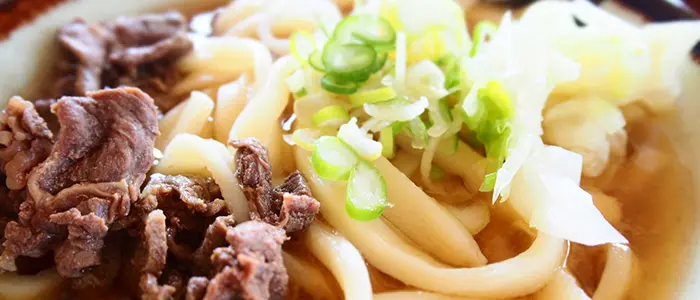
If you are having lunch near Arakura Fuji Sengen Shrine, be sure to try the local specialty Yoshida udon.
Its signature feature is the firm, very chewy noodles, which are even said to be the toughest in Japan.
With every bite, the flavor of the ingredients and broth spreads through your mouth. Try Yoshida udon at the restaurants introduced below.
1. Genji
A restaurant where you can enjoy Yoshida udon, a local specialty of the Fujiyoshida area in Yamanashi Prefecture.
At Genji, the soup, made by the former chef-owner with a blend of soy sauce and miso, and the smooth, easy-to-slurp noodles are especially well regarded. The menu includes kake, tsuke, and chilled tanuki udon, but the most popular dish is the Meat Tempura Udon.

2. Tsuruya Shokudo
A long-established Yoshida udon restaurant founded Approx. 70 years ago and now run by the third generation.
It is said to be the place where the now-standard use of horse meat in Yoshida udon first began.
The noodles are made with mineral-rich sea salt and contain about half the salt of regular Yoshida udon noodles.
The fish-based soup, made with soy sauce as kaeshi and country-style miso, contains no chemical seasonings at all, showing the restaurant’s strong commitment to quality ingredients.

3. Ganso Miura Udon
Ganso Miura Udon is a well-known Yoshida udon restaurant in Fujiyoshida City, Yamanashi Prefecture, founded in 1981.
At Ganso Miura Udon, the house-made hand-kneaded noodles are still made using the same method and carefully selected ingredients as when the restaurant first opened, and they have long been loved by locals for their unchanged flavor. Among the many famous Yoshida udon restaurants, its noodles are considered relatively less firm, making it an easy place for first-time Yoshida udon diners to try.
3 Recommended Sightseeing Spots Near Arakura Fuji Sengen Shrine
The area around Arakura Fuji Sengen Shrine is full of sightseeing spots connected to Mount Fuji.
Enjoy the natural scenery unique to Yamanashi, so close to Mount Fuji.
After fully enjoying Arakura Fuji Sengen Shrine, be sure to visit the sightseeing spots introduced below as well.
1. Oshino Hakkai
Oshino Hakkai is the collective name for eight spring-fed ponds sourced from Mount Fuji: Deguchi Pond, Okama Pond, Sokonuki Pond, Choshi Pond, Waku Pond, NigorI Pond, Kagami Pond, and Shobu Pond.
It was once a lake, but after drying up, it became eight spring ponds.
The melted snow from Mount Fuji is filtered for Approx. 20 years through underground lava layers, which gives the water exceptional clarity.
The beautiful natural scenery created by Mount Fuji and the ponds makes this spot especially popular.

2. Lake Yamanaka
Lake Yamanaka covers Approx. 6.57 square kilometers and sits at an elevation of Approx. 980.5 meters.
It is the third-highest lake in Japan. It is also the closest of the Fuji Five Lakes to Mount Fuji, offering beautiful seasonal scenery created by the majestic mountain and the lake.
In spring, tulips bloom; in summer, sunflowers; and in fall, cosmos flowers. You can also enjoy autumn leaves in fall and snow-capped Mount Fuji in winter, making it a destination that can be enjoyed year-round.

3. Lake Kawaguchi
Lake Kawaguchi is known as one of the Fuji Five Lakes and is a popular spot for enjoying spectacular views of Mount Fuji.
Cherry blossoms bloom along the lakeshore in spring, purple lavender appears in early summer, and autumn leaves color the area in fall, creating beautiful scenery that changes with the seasons.
It is also known as the only one of the Fuji Five Lakes to have both an island and a bridge.


3 Recommended Places to Stay Near Arakura Fuji Sengen Shrine
The area around Arakura Fuji Sengen Shrine faces Mount Fuji head-on.
From lakeside resort stays to chic Japanese-modern accommodations, these places offer different styles but all promise a special night.
You can look forward to a refined stay surrounded by Mount Fuji views and crisp, clear air.
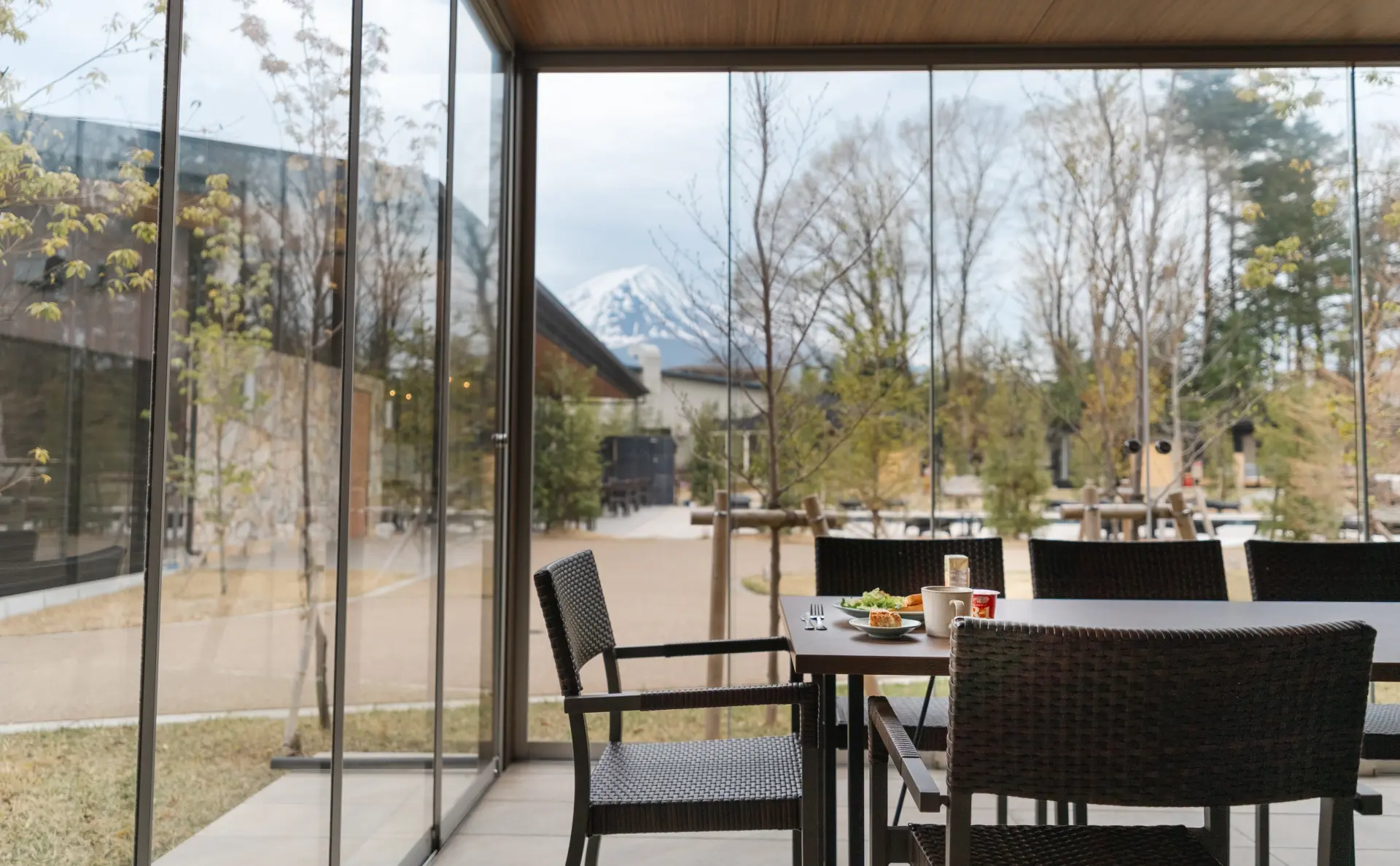
1. AWAUMI Fuji Kawaguchiko Resort
A glamping facility located on the shores of Lake Kawaguchi in Yamanashi, Approx. 90 minutes from central Tokyo. Its convenient location also makes it a great base for sightseeing around Mount Fuji.
There are four types of guest rooms, including villas and dome tents, so you can choose according to the number of guests and your travel style.
All 16 accommodations are equipped with natural hot springs and saunas, allowing you to enjoy private, relaxing moments.
The outdoor pool, inspired by the surface of Lake Kawaguchi, is lit up at night to create a magical atmosphere.
2. Kawaguchiko Hotel
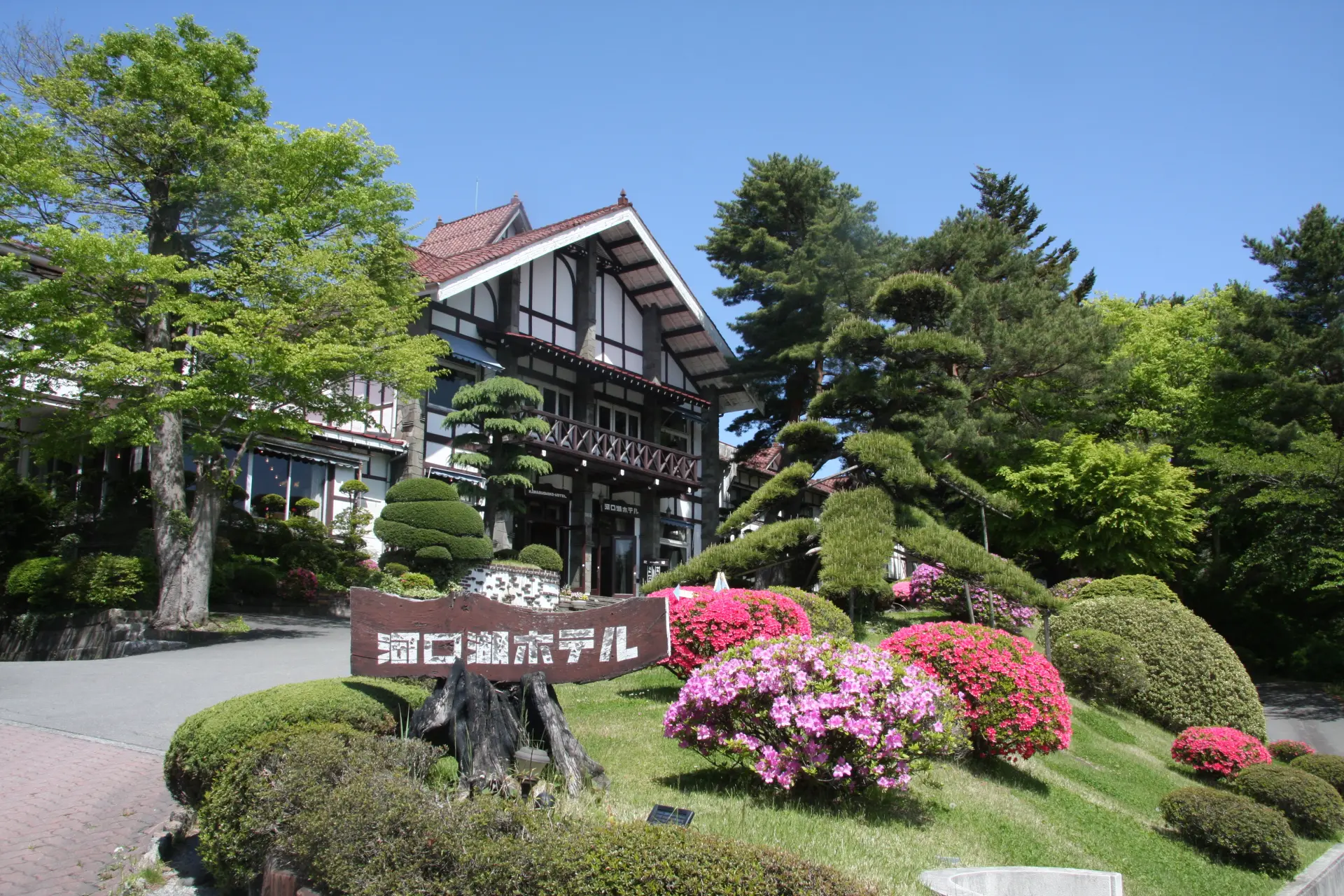
A classic hotel standing on the shores of Lake Kawaguchi. With a history of more than 90 years, this prestigious hotel has even welcomed members of the imperial family in the past. It offers 38 guest rooms, including Japanese-style and Western-style rooms. There are also cottages with kitchens, recommended for those who want to enjoy more private time.
One of the hotel’s biggest attractions is its large observation bath. From the men’s bath, you can look out over Lake Kawaguchi and Mount Fuji.
The observation bath is available 24 hours a day, which means you can enjoy it at different times, from sunrise and sunset to night views.
3. Fujikawaguchiko Onsen Konansou
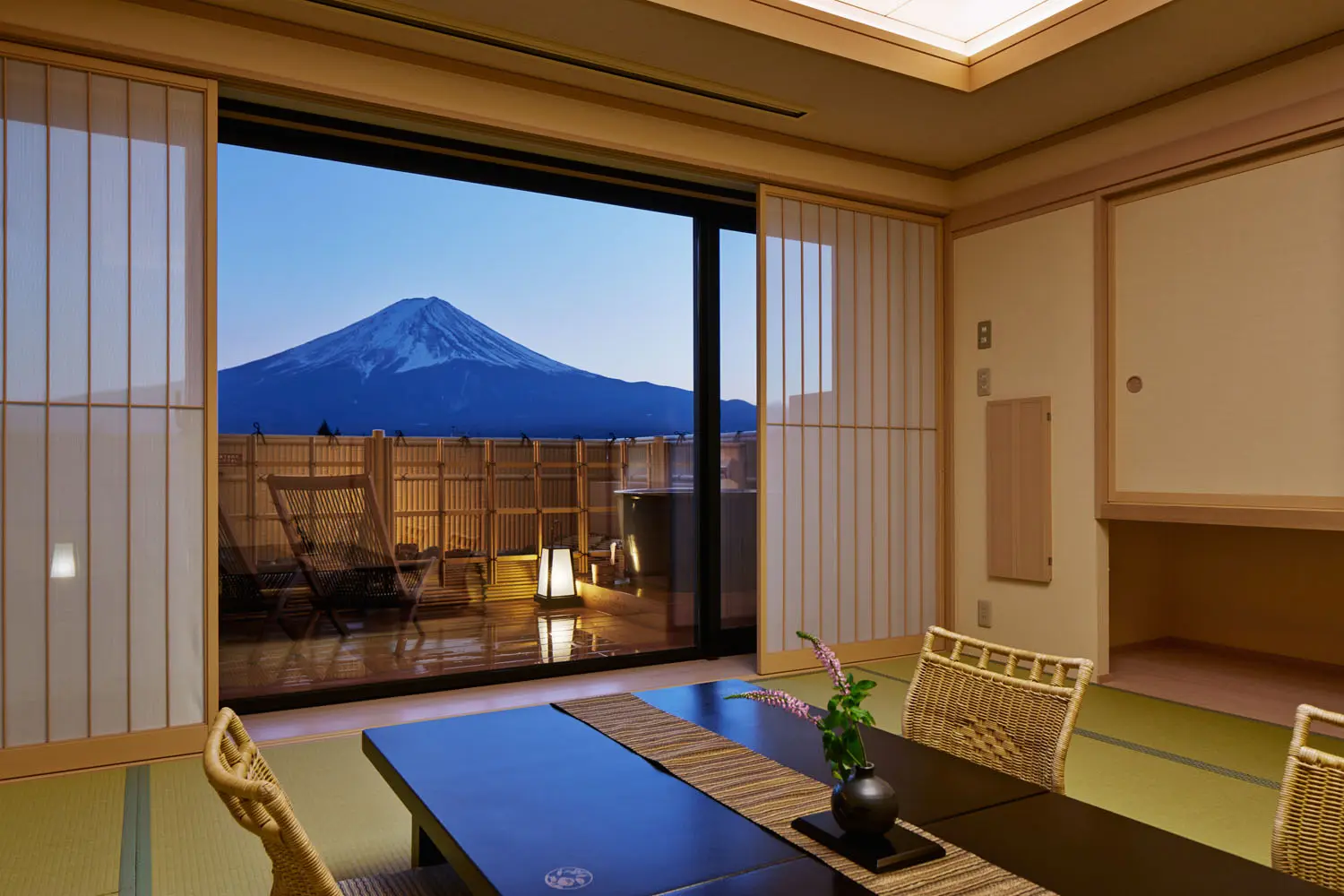
A hot spring ryokan located by the lakeside in Fujikawaguchiko Town, Yamanashi Prefecture. With views of Mount Fuji, a UNESCO World Cultural Heritage site, and Lake Kawaguchi below, it is a highly popular place to stay.
Its greatest attraction is, without a doubt, the baths. You can enjoy different bathing experiences while looking out at Mount Fuji, including a large public bath with an open-air bath offering spectacular views, three private baths, and a rooftop footbath.
Reviews
3.95
Some reviews are AI-translated.
-
Arakura Fuji Sengen Shrine left a deep impression on me. The majestic architecture and sacred atmosphere made me feel a real sense of dignity and awe.
FAQ about Arakura Fuji Sengen Shrine
Q
How long does it take to get from Lake Kawaguchi to Arakura Fuji Sengen Shrine?
A
If you use the Mount Fuji World Heritage Loop Bus, it takes Approx. 20 minutes.
Q
What blessings is Arakura Fuji Sengen Shrine known for?
A
It is known primarily for blessings related to family harmony, as well as child-rearing, love and relationships, and protection from evil.
Q
Can I get a goshuin book at Arakura Fuji Sengen Shrine?
A
Yes, you can receive one for an offering of 2,000 yen.
Summary
This article has introduced access to Arakura Fuji Sengen Shrine, how to enjoy it, and recommended view spots.
The greatest appeal of Arakura Fuji Sengen Shrine is the chance to see a spectacular landscape where Japanese culture and nature come together.
Be sure to visit Arakura Fuji Sengen Shrine and experience its distinctly Japanese culture and scenery for yourself.
Yamanashi also has many other wonderful sightseeing spots besides Arakura Fuji Sengen Shrine.
For more information, please refer to the article below.