

First-Time Visitor Must-Read! The Complete Guide to Traveling in Fukuoka
Fukuoka Prefecture blends lush nature with urban energy, with sightseeing spots and shopping areas conveniently packed into a compact region.
It’s even called a foodie paradise, with plenty of incredible local specialties and lots of ways to enjoy your time here.
If it’s your first visit, you might be unsure what kind of travel plan to put together.
But don’t worry.
This article comprehensively covers everything you need to plan your trip, from how to get there and transportation info to area-by-area highlights and model itineraries.
By the time you finish reading, you’ll be able to put together a solid travel plan for Fukuoka.
“Fukuoka”: A Compact Mix of Great Sightseeing, Nature, and Food
Fukuoka sits at the northernmost part of Kyushu in southwest Japan, facing both the Sea of Japan and the Seto Inland Sea.
As a major transportation hub linking Honshu and Kyushu, it’s home to the international airport “Fukuoka Airport,” “Hakata Port” with regular routes to Korea, and railways and expressways connecting across Kyushu, making it a key base for travel within Kyushu and a gateway from overseas.
Fukuoka Prefecture’s central city, Fukuoka City, is one of Kyushu’s leading urban centers, lined with many leisure and shopping facilities and home to a large population.
At the same time, the prefecture has many plains, rivers, and mountain areas, with rich and diverse nature, and this compact mix of city and nature is part of Fukuoka’s appeal.
It’s also known as a foodie paradise, with many local dishes famous nationwide, including Hakata ramen, motsunabe, and mizutaki.
With the most yatai (street food stalls) in Japan, Fukuoka City, Kurume City, and Kitakyushu City each offer local specialties and yatai-original dishes.

Fukuoka’s Average Temperatures and What to Wear
Fukuoka is generally mild, but conditions vary by area.
Because inland areas are basin-shaped, there can be big temperature swings between morning and night, with high summer highs and low winter lows.
Winters are especially harsh in the northern areas facing the Sea of Japan and in inland mountain regions.
Mountain areas see snowfall, but snow rarely falls in the city.
Fukuoka’s Average Monthly Temperatures
| - | January | February | March | April | May | June | July | August | September | October | November | December |
|---|---|---|---|---|---|---|---|---|---|---|---|---|
| Average temperature (°C) | 6.9 | 7.8 | 10.8 | 15.4 | 19.9 | 23.3 | 27.4 | 28.4 | 24.7 | 19.6 | 14.2 | 9.1 |
What to Wear in Fukuoka by Season
- Spring (March - May): Light jacket or cardigan
- Summer (June - August): Lightweight clothing, short sleeves
- Fall (September - November): Light jacket, coat
- Winter (December - February): Coat, wool suit, thick sweater or jacket
How to Get to Fukuoka
From Tokyo to Fukuoka, it takes Approx. 1 hour 45 minutes by plane.
From Osaka, it’s Approx. 2 hours 30 minutes by shinkansen, or around 1 hour by plane.
“Fukuoka Airport” also has international flights, with direct access from places like Taiwan and Hong Kong.

Access from Fukuoka Airport to Major Stations
Whether you’re coming from overseas or traveling domestically within Japan, “Fukuoka Airport” is often your main gateway. Here’s how to get to “Hakata Station” and “Kokura Station.”
Hakata Station and Kokura Station are Fukuoka’s main terminal stations and also serve as key bases for getting around while sightseeing.
Access from Fukuoka Airport to Hakata Station
- Route
- Take the Fukuoka City Subway Kuko Line at “Fukuoka Airport” and get off at Hakata Station
- Travel time
- Approx. 5 minutes
Access from Fukuoka Airport to Kokura Station
- Route
-
1. Take the Fukuoka City Subway Kuko Line at “Fukuoka Airport” and get off at Hakata Station
2. Transfer to the JR Sanyo Shinkansen at Hakata Station and get off at Kokura Station - Travel time
- Approx. 35 minutes
Main Transportation Options in Fukuoka
The main ways to get around on a trip to Fukuoka are as follows.
- Within Fukuoka City
- Subway
- Outside Fukuoka City
- Nishitetsu trains, JR
Even for spots that are hard to reach by train, combining trains with buses often makes getting around smooth.
Services are frequent and routes are well developed, so you likely won’t find it inconvenient.
You can visit Fukuoka’s sightseeing spots using only public transportation, so you can travel with peace of mind.

Great-Value Transit Passes for a Fukuoka Trip
From here, we’ll introduce some great-value transit passes you should know if you want to keep transportation costs as low as possible during your Fukuoka trip.
FUKUOKA1DAY PASS
The “FUKUOKA1DAY PASS” is a ticket that gives you unlimited rides for one day on Nishitetsu trains and buses in certain areas.
While it says “certain areas,” it covers almost all major areas, making it recommended for travelers visiting multiple places in a single day.
From Tenjin, you can reach spots like “Dazaifu Tenmangu Shrine,” “Fukuoka Castle Ruins,” and “Yanagawa City,” so planning ahead is the key to getting the most out of it. The valid areas are shown in the table below.
- Nishitetsu trains
- Nishitetsu Tenjin Omuta Line between Fukuoka (Tenjin) and Yanagawa, plus the Dazaifu Line and Amagi Line
- Nishitetsu buses
- Nishitetsu local route buses operating in the Fukuoka, Kurume, Saga, and Chikuho areas
You can buy it at stations along Nishitetsu lines, including Fukuoka Station, as well as at places like the Hakata and Fukuoka Airport bus terminals. The price is 2,800 yen for adults and 1,400 yen for children.
Note that late-night buses, subways, and JR lines are not included.

5 Tips to Enjoy Fukuoka Efficiently
If you’re visiting Fukuoka for the first time, you probably want to experience its wide variety of attractions as efficiently as possible.
Keep these five tips in mind, and you’ll be able to enjoy Fukuoka’s main highlights efficiently—use them as a guide.
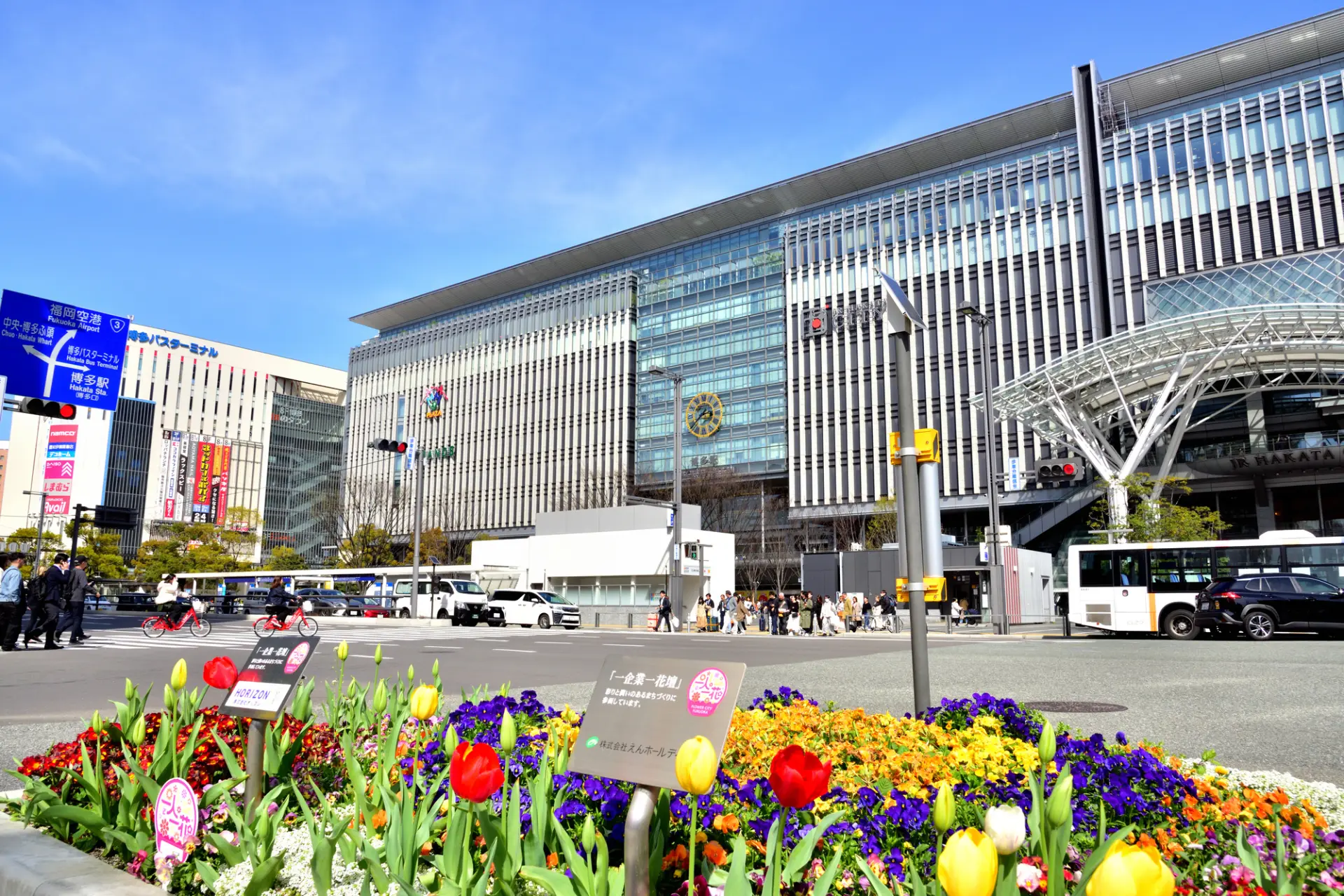
1. For a First Fukuoka Trip, Focus Mainly on Fukuoka City
Fukuoka City is home to the air gateway “Fukuoka Airport” and the terminal station “Hakata Station.”
It has not only popular attractions like “Fukuoka Tower” and “BOSS E・ZO FUKUOKA,” where you can enjoy a wide range of entertainment, but also plenty of restaurants, shopping facilities, and accommodations.
You can also enjoy local Fukuoka cuisine—one of the best parts of any trip—right in the city.
With easy access to other cities and areas, it’s recommended that first-time visitors explore mainly around Fukuoka City.
2. Explore Itoshima, Home to Many Popular Spots, by Rental Car
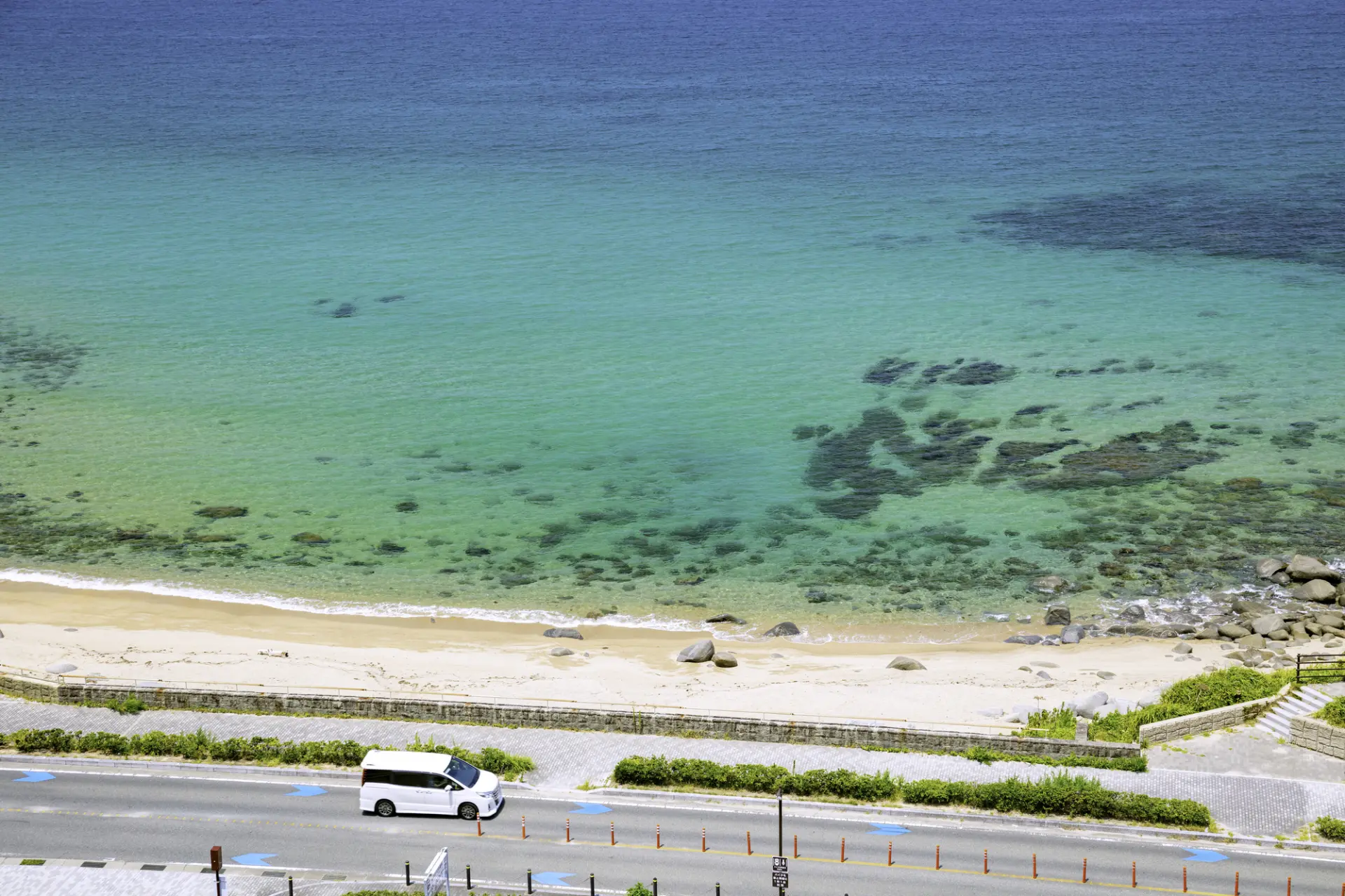
“Itoshima” is an easy day trip from Fukuoka City.
Blessed with both sea and mountains and dotted with a variety of scenic spots, it has become a popular sightseeing area in recent years.
However, public transportation in Itoshima is inconvenient, so if you want to sightsee efficiently, it’s recommended to rent a car in Fukuoka City.
From central Fukuoka to Itoshima takes Approx. 35–50 minutes via expressway. Since you can also loop around Itoshima in about half a day, consider renting a car if you plan to visit.
3. For Fukuoka Food, Head to the Yatai Stalls
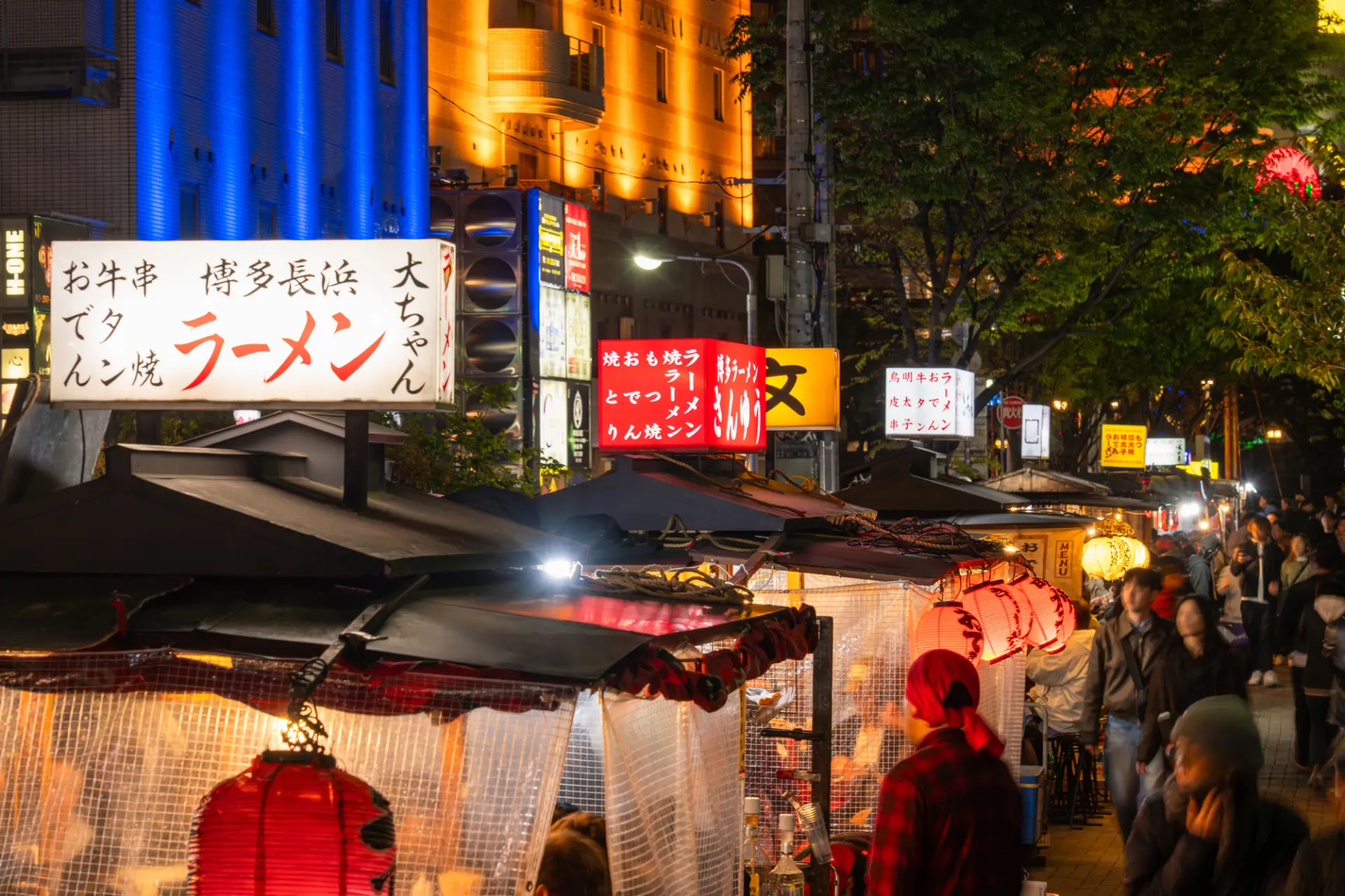
If you want to enjoy food in Fukuoka, you can’t miss the yatai street food stall areas, where many stalls gather in one place.
Fukuoka cuisine enjoyed amid rows of red lanterns and the area’s unique atmosphere is something special.
Another plus is being able to try a variety of foods in one spot.
Here are the features of some of Fukuoka City’s best-known yatai areas—be sure to add them to your itinerary.
- Nakasu Yatai Area
- Located along the riverside of the Naka River running through the downtown area of “Nakasu,” where you can enjoy ramen, skewers, oden, and more with drinks.
- Tenjin Yatai Area
-
There are especially many yatai around Tenjin Station, making it easy to pop in between activities.
You can enjoy soul foods like “yaki ramen.” - Nagahama Yatai Area
-
A yatai area about a 10-minute walk from Akasaka Station in Fukuoka.
It has a variety of Fukuoka foods, including the first-ever yatai mentaiko specialty shop and places where you can try Nagahama ramen.
4. If You’re Unsure, Stay Near “Hakata Station” or in “Tenjin”
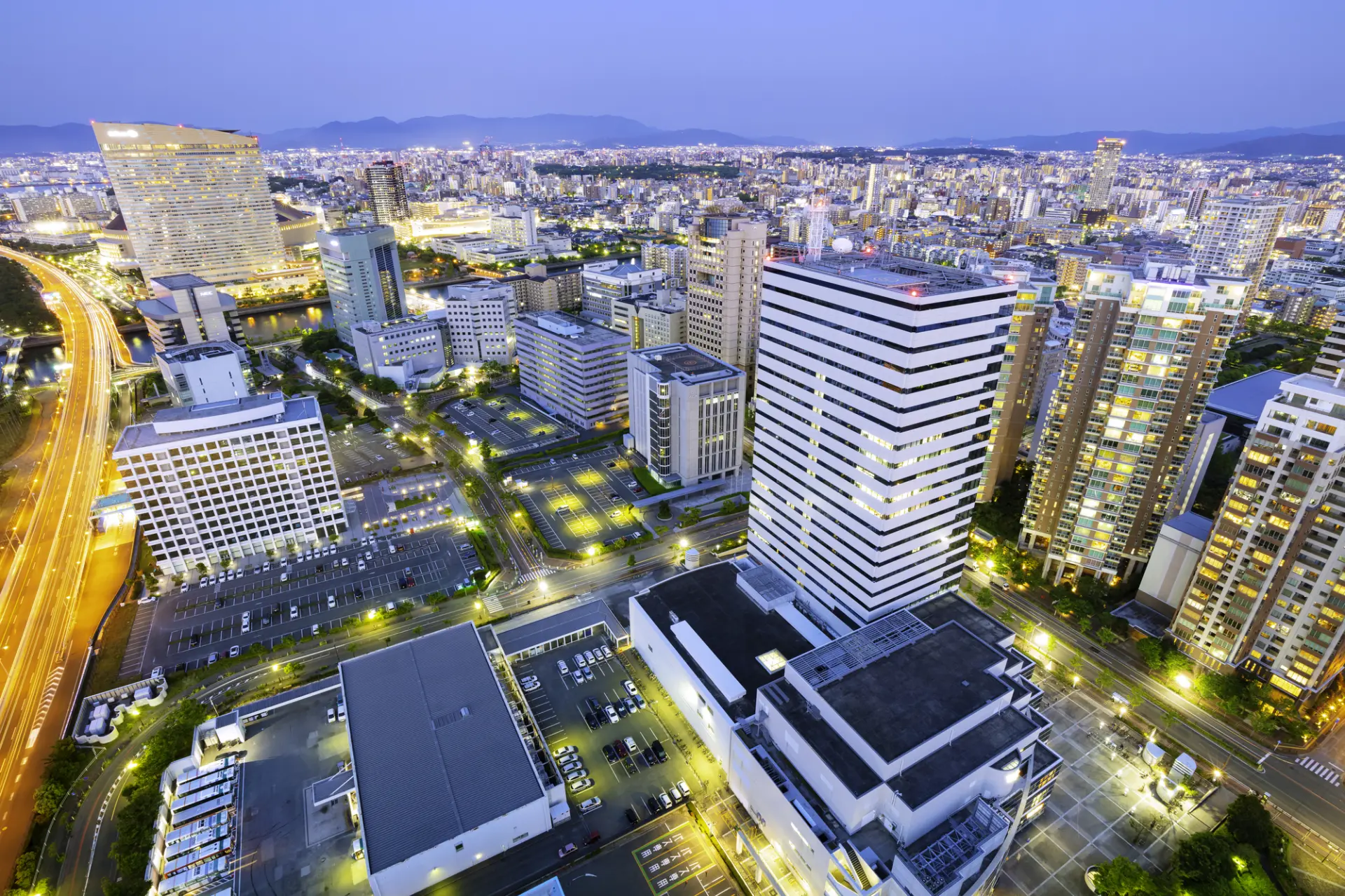
In general, it’s recommended to stay either around Hakata Station or in Tenjin.
If you plan to explore other parts of Kyushu beyond Fukuoka Prefecture, base yourself near Hakata Station. If you plan to visit both inside and outside Fukuoka City, make Tenjin your hub.
From Hakata Station, it’s easy to get around not only within Fukuoka Prefecture but also outside it.
Meanwhile, “Nishitetsu Fukuoka (Tenjin) Station” in Tenjin makes it easy to reach popular areas outside Fukuoka City, such as Dazaifu and Yanagawa.
Another reason to recommend these areas is the wide range of accommodation options.
For recommended places to stay in Fukuoka, check the article below as well.
5. Enjoy Shopping Around “Hakata Station” and in “Tenjin,” Too
Hakata Station area and Tenjin are convenient places to stay, and they’re also packed with large commercial facilities for shopping.
There are plenty of places where you can shop all day, such as “JR Hakata City,” Kyushu’s largest station building connected directly to the station, “Canal City Hakata,” a complex where you can also enjoy entertainment, and “Tenjin Underground Mall,” lined with 150 shops.
If you’re based in one of these two areas, it’s also convenient to drop off any extra shopping bags at your hotel along the way.
For shopping spots around Hakata Station and in Tenjin—as well as in other areas—check this article too.

5 Areas to Know Before Your Trip to Fukuoka
When people think of a Fukuoka trip, many plan around Fukuoka City.
But did you know there are other appealing cities and regions as well?
To make your Fukuoka trip even more fulfilling, here are five areas packed with charm.
If any catch your interest, be sure to work them into your itinerary.
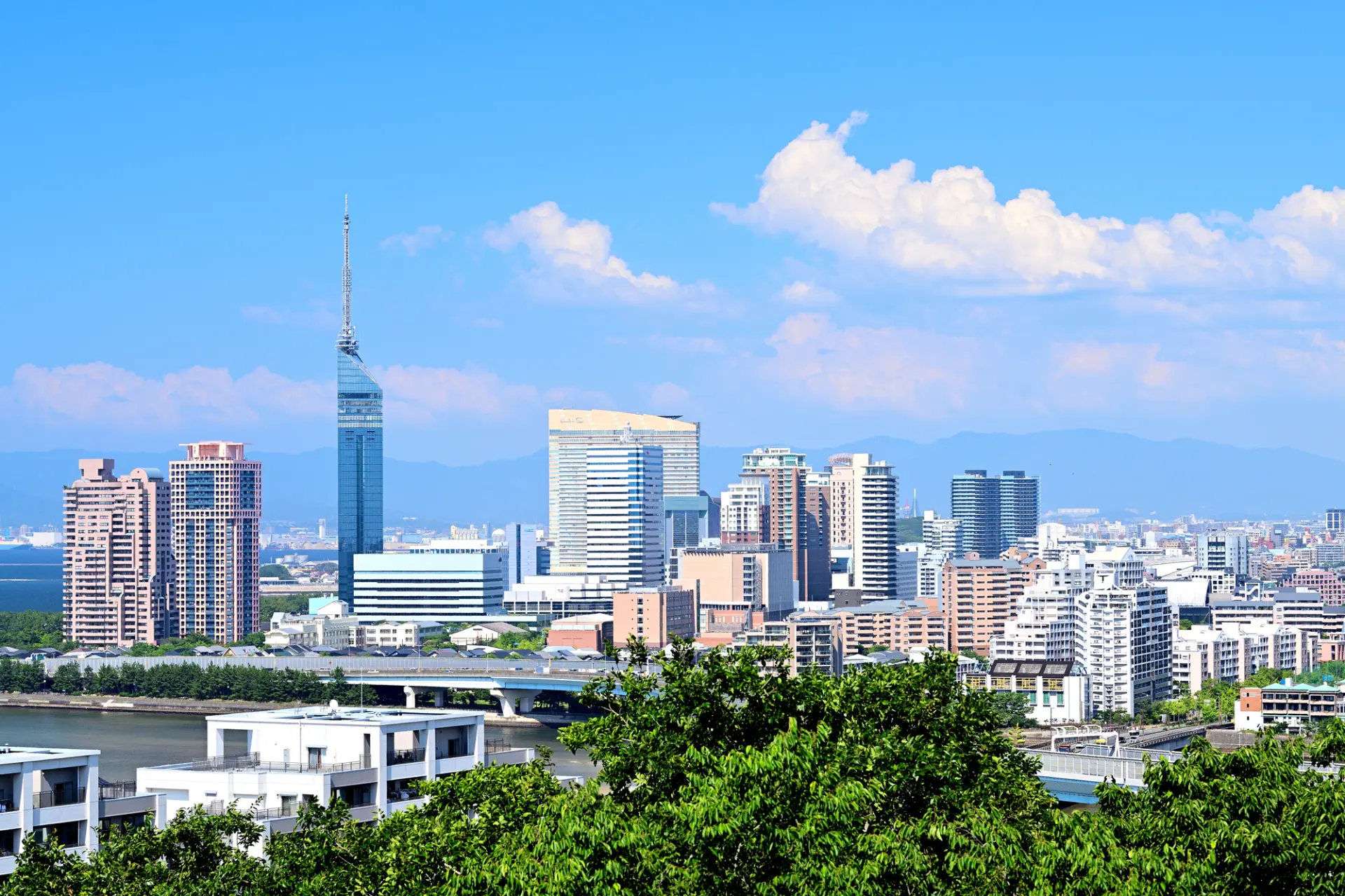
“Fukuoka City,” Where Amazing Food, Leisure, and Shopping Come Together
If you’re traveling in Fukuoka Prefecture, you can’t skip “Fukuoka City,” the prefecture’s central city.
Along with popular attractions, Fukuoka City is where you’ll find local specialties from across the prefecture—starting with Hakata ramen, plus motsunabe, mizutaki, seafood, yakitori, and more.
At night, yatai stalls line the downtown streets, letting you enjoy food in a lively atmosphere.
With downtown areas like “Tenjin” and “Nakasu,” plus commercial facilities for shopping and entertainment, you’ll find plenty of diverse experiences.
You could say Fukuoka City is where the “classic Fukuoka” highlights are packed in.
It’s also easily accessible from outside the prefecture, thanks to “Fukuoka Airport” with international flights and the terminal station “Hakata Station.”
It’s recommended to use Fukuoka City as your base and enjoy your trip from there.

“Dazaifu,” Where You Can Feel Ancient Japanese History and Culture
“Dazaifu” is located Approx. 45 minutes from “Hakata Station” by direct bus.
It’s also known for being home to one of Fukuoka’s most popular attractions, “Dazaifu Tenmangu Shrine.”
It also has other famous shrines scattered around, including “Homangu Kamado Shrine” and “Sakamoto Hachimangu Shrine.”
With the “Kyushu National Museum,” which introduces the history of cultural exchange between Japan and other Asian countries, it’s a great area to enjoy history and culture.
If you’re making the trip, be sure to visit not only Dazaifu Tenmangu Shrine but other spots as well.
Approx. 1 Hour by Car from Central Fukuoka: “Itoshima,” Where You’ll Find Diverse Natural Scenery
With coastlines, mountains, and rural landscapes, “Itoshima” is highly popular as an area where you can encounter a wide range of scenic views.
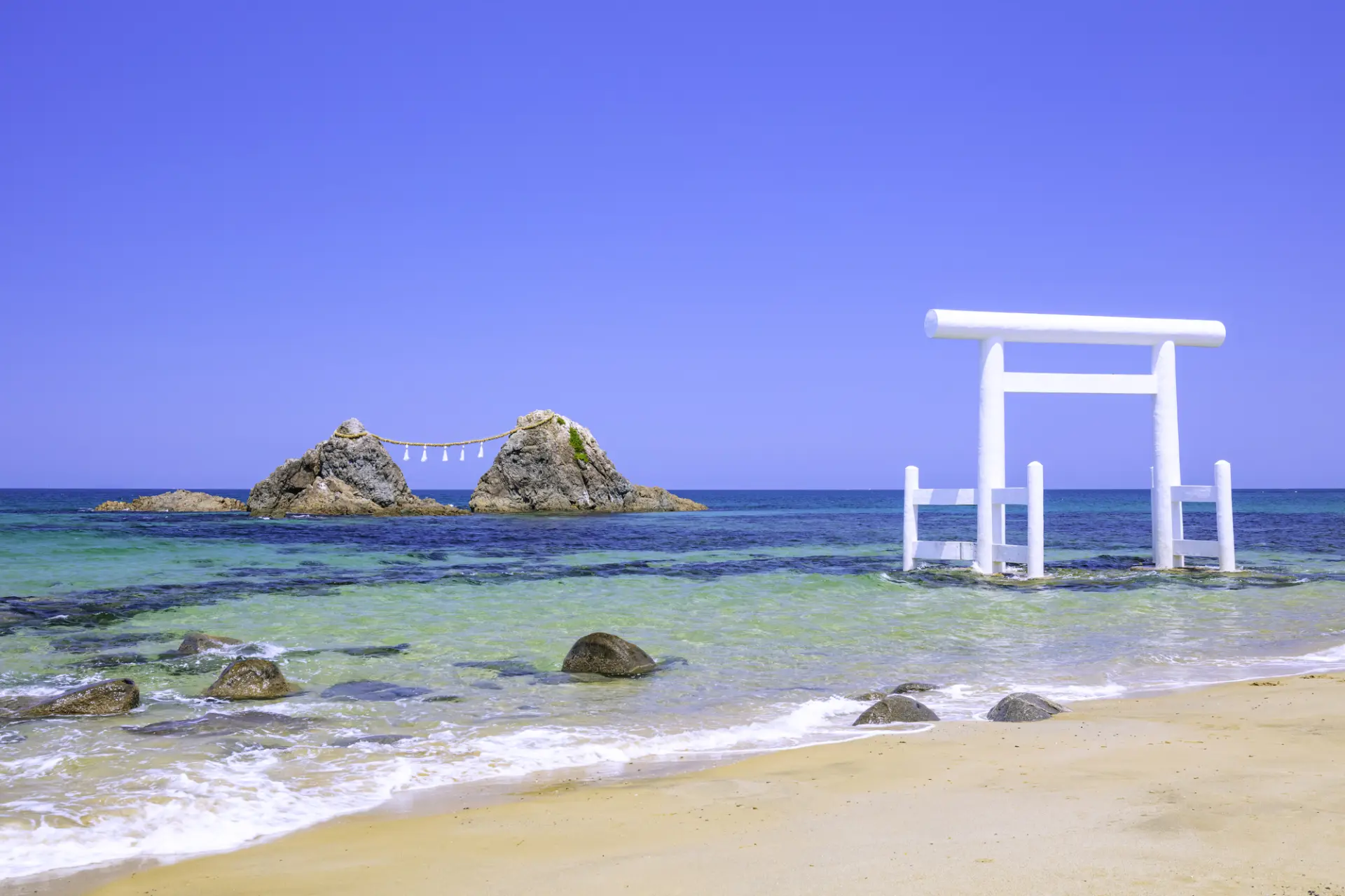
“Sakurai Futamigaura,” known for its striking scene of a white torii gate standing in the sea alongside the Meoto Iwa (wedded rocks), is especially famous.
Other highlights include “Keya no Oto,” one of Japan’s three major basalt caves, and “Tateishiyama,” where you can take in panoramic views over Itoshima from the summit.
Along the coast, stylish cafes and restaurants are scattered about, and you can also enjoy food made with local ingredients.
Since it’s Approx. 1 hour by car from central Fukuoka, be sure to include it in your itinerary.
“Kitakyushu,” Kyushu’s Gateway
“Kitakyushu,” in northeastern Fukuoka, is a gateway area linking Honshu and Kyushu.
The “Kanmon Bridge” and “Kanmon Tunnel,” connecting Shimonoseki City in Yamaguchi Prefecture (on the Honshu side) with Kitakyushu City in Fukuoka Prefecture, are also popular sightseeing spots.
The Kanmon Tunnel is an undersea tunnel Approx. 780 m long connecting the “Kanmon Straits,” and it can also be crossed on foot.
Also, in the Kitakyushu area, one of Japan’s three major ports once existed alongside Yokohama and Kobe during the Meiji era (1868–1912).
That history remains strongly in “Mojiko Retro,” where you can stroll a streetscape lined with atmospheric buildings built from the Meiji period through the early Showa period.
You’ll also want to stop by “Kokura,” home to “Kokura Castle,” where you can feel Japan’s history and culture, and “Hiraodai Quasi-National Park,” one of Japan’s three major karst landscapes.
All of these are Approx. 1 hour to 1 hour 30 minutes from Hakata Station by train, making day trips from central Fukuoka easy.
-
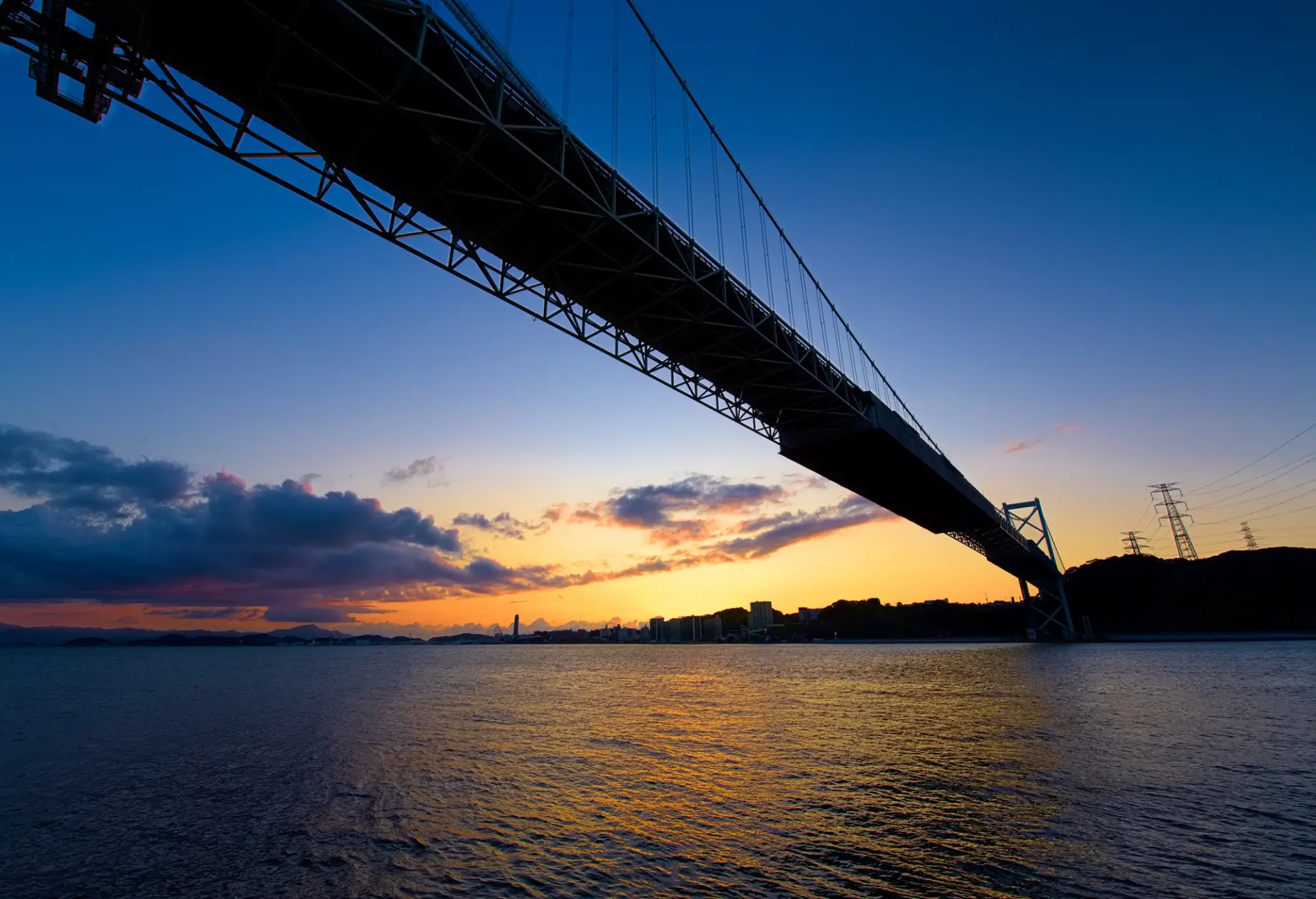
The Kanmon Bridge spanning the Kanmon Straits between Honshu and Kyushu
-
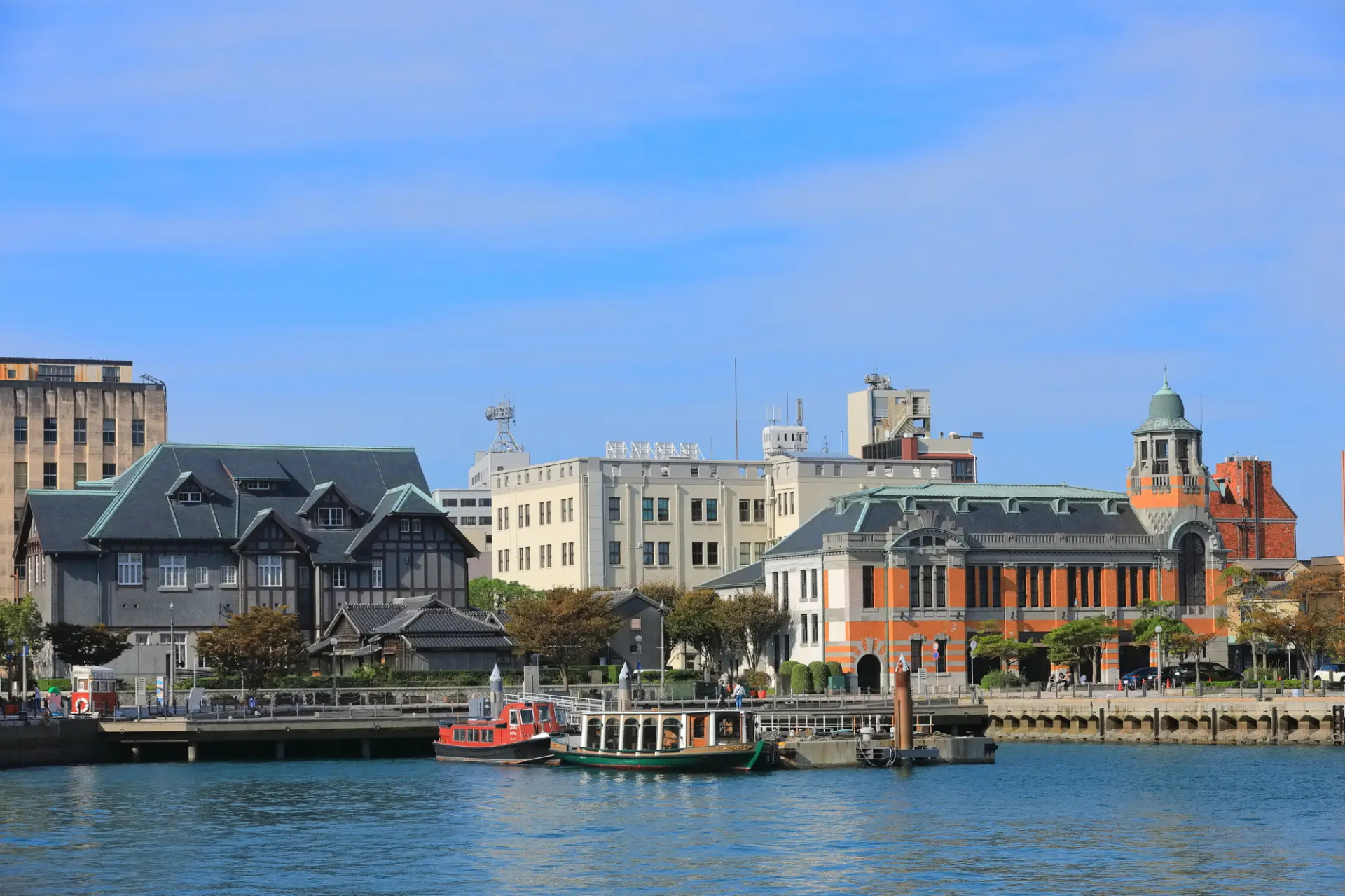
Mojiko Retro, where buildings from the Meiji era to the early Showa era remain
-
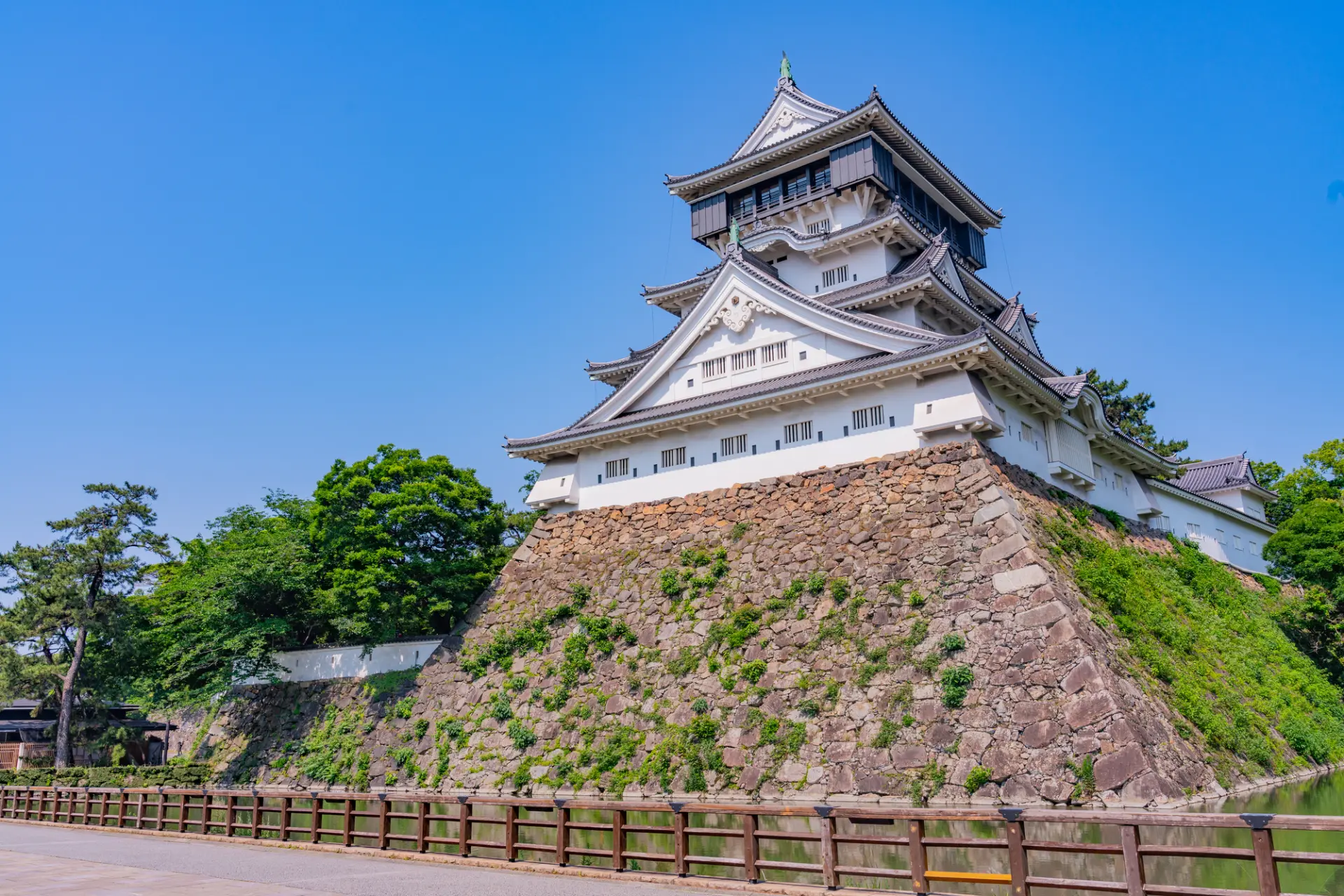
Kokura Castle, where you can feel Japan’s history and culture

“Yanagawa,” Where You Can Take Your Time with Scenic, Traditional Views
Known as the City of Water, “Yanagawa” is a sightseeing destination with canal boats, historic streetscapes, and cultural facilities scattered throughout, creating a charming atmosphere.
The most famous activity is “Yanagawa River Cruising,” where you drift slowly down the river by boat while taking in the scenery.
With spots like “Shotoen Garden,” designated a National Place of Scenic Beauty, you’ll find plenty of places with a different feel from other areas.
It’s also nice that it’s easily accessible from Fukuoka City in 50 minutes to 1 hour by train.

How Many Days You Need to Fully Enjoy Fukuoka
If you’re only visiting major sightseeing spots in Fukuoka City, a 2-day, 1-night trip is enough.
However, if you plan to visit other areas or want to try lots of local foods, staying for 2 nights or more is recommended so you can sightsee at a relaxed pace.

A 2-Day, 1-Night Model Itinerary to See Fukuoka’s Top Spots
Here’s a 2-day, 1-night model itinerary that takes you around sightseeing spots in Fukuoka City, Dazaifu City, and Kitakyushu City—some of Fukuoka’s most popular travel destinations.
It covers classic attractions, making it a great fit for first-time visitors to Fukuoka.
If you’re not sure how to plan your trip, start by using this model itinerary as a reference.
Day 1: Visit Top Spots in Dazaifu City and Fukuoka City
On Day 1, focus on sightseeing spots in Dazaifu City and Fukuoka City, both among the most popular destinations in the Fukuoka area.
There are many places where you can feel Fukuoka’s history firsthand and learn from materials and exhibits.
Knowing the history of your destination should help you enjoy sightseeing in Fukuoka even more deeply.
Of course, you can also experience trying Fukuoka food at yatai stalls.
8:30am Start at Nishitetsu Fukuoka (Tenjin) Station
Day 1 of the model itinerary starts at Nishitetsu Fukuoka (Tenjin) Station.
Take the train to Nishitetsu Dazaifu Station, then walk to the first spot, “Dazaifu Tenmangu Shrine.”

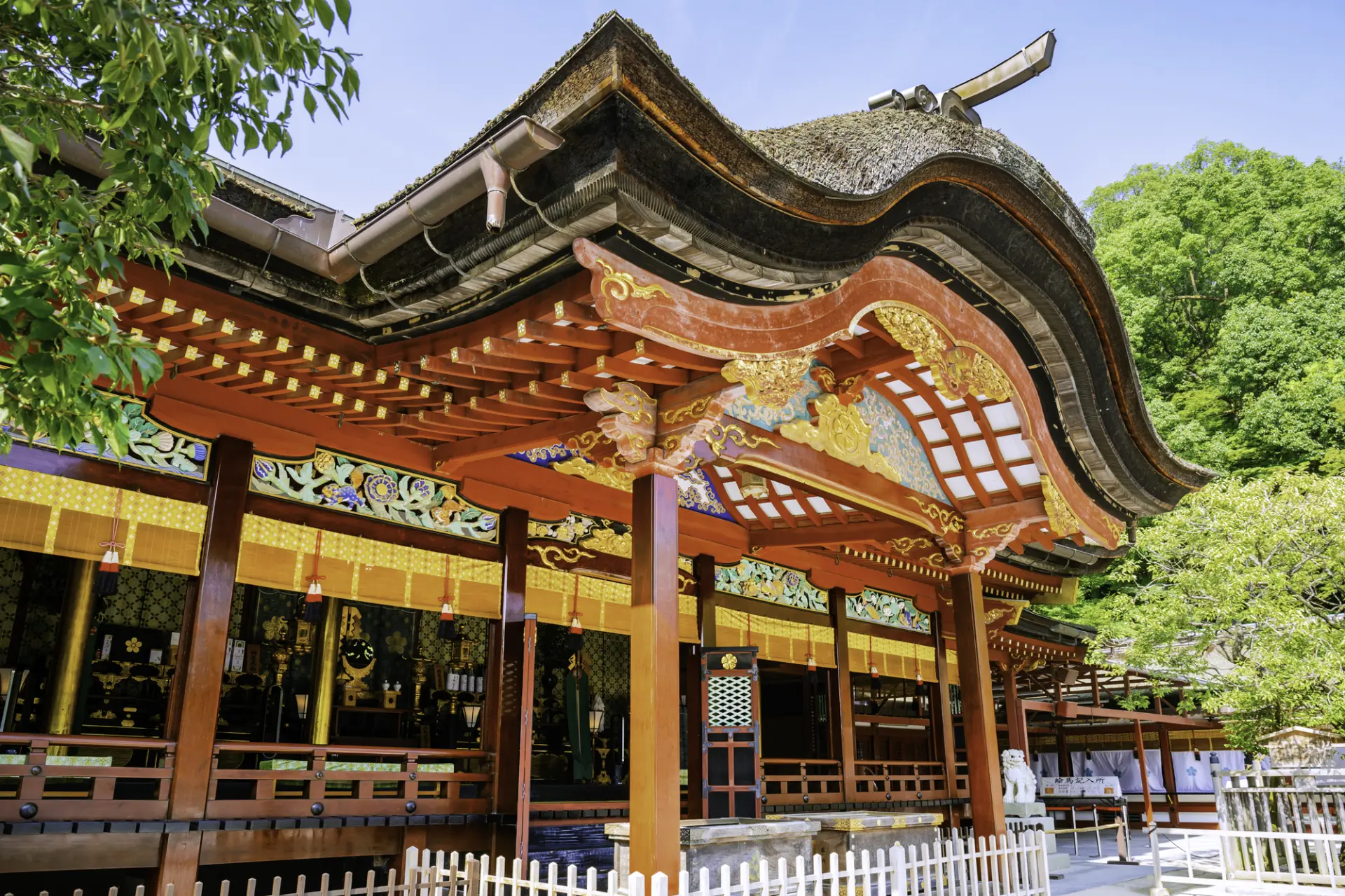
9:10am Enjoy History and Art at “Dazaifu Tenmangu Shrine”
“Dazaifu Tenmangu Shrine” is the head shrine of 10,000 Tenmangu shrines nationwide and is dedicated to Tenjin-sama (Sugawara no Michizane).
Sugawara no Michizane is beloved as the god of learning, and is said to bring blessings for passing exams and academic success.
Take a stroll through the grounds, packed with highlights including historic buildings such as the “Honden” (Main Hall), designated an Important Cultural Property, seasonal nature, and art programs.

10:10am Learn the History of Cultural Exchange at the “Kyushu National Museum”
After Dazaifu Tenmangu Shrine, walk Approx. 5 minutes to the “Kyushu National Museum.”
Located in Dazaifu—an important hub in Japan’s ancient history and a place with active exchange with the world as the center governing Kyushu—it’s Japan’s fourth national museum.
True to its concept, “Viewing the formation of Japanese culture from an Asian historical perspective,” you can learn about the history of cultural exchange between Japan and Asia and Europe through a variety of exhibits.

12:00pm Try Local Specialties on the “Dazaifu Tenmangu Shrine Approach”
On your way back to Nishitetsu Dazaifu Station, stop by the approach to Dazaifu Tenmangu Shrine.
The approach is lined with various shops and restaurants, so you can enjoy souvenir shopping and local food.
Try local specialties like umegae mochi (grilled rice cakes with sweet red bean paste) and the Dazaifu burger for lunch.

2:35pm Dive Deeper into History and Folklore at the “Fukuoka City Museum”
After lunch, take the train from Nishitetsu Dazaifu Station (right by the approach) to Nishitetsu Fukuoka (Tenjin) Station.
From there, take a bus and get off at the “Museum South Entrance” stop to reach the “Fukuoka City Museum.”
This museum researches and exhibits local history and folklore. Its permanent exhibition, themed “FUKUOKA: A City and Its People Living in Asia,” introduces Fukuoka’s history and folklore.
It’s divided into 11 sections, and the very first displays the National Treasure gold seal “Kan no Wa no Na no Koku-o.”
Learn more about the history to enjoy Fukuoka even more deeply.

4:20pm Enjoy a Unique Space and Stunning Views at “Fukuoka Tower”
After learning about Fukuoka’s history, head to “Fukuoka Tower” for incredible views.
It’s Approx. a 5-minute walk from the Fukuoka City Museum.
Standing 234 m tall, Fukuoka Tower offers a 360-degree panoramic view of Fukuoka City from the top-floor observatory.
With the concept “Enjoy the skies of Fukuoka and play with the scenery,” it also features an “Sky World” experience using virtual reality (VR) and augmented reality (AR) technologies, so you can enjoy a non-everyday world as well.

6:10pm A Deep Local Food Experience at the “Nakasu Yatai Area”
After leaving Fukuoka Tower, take a bus from the south exit and get off at “Nakasu-Kawabata” to arrive at the “Nakasu Yatai Area.”
Even in Hakata, a city known for great food, Nakasu is where you can have an especially deep local food experience.
Enjoy ramen, skewers, oden, and more with drinks.
Along with the view of yatai lining the riverside, enjoy Fukuoka cuisine to the fullest.

8:00pm Rest Up at “Nishitetsu Grand Hotel”
After enjoying the yatai stalls, walk Approx. 10 minutes to your Day 1 hotel, “Nishitetsu Grand Hotel.”
Guest rooms at this long-established hotel—one of Fukuoka’s most iconic—are so quiet you might forget you’re in the city center, with a simple, chic feel.
Relax your body while reflecting on Day 1’s memories.

Day 2: Visit Top Spots in Kitakyushu City
On Day 2, focus mainly on Kitakyushu City.
After visiting a valuable shrine registered as a World Cultural Heritage site, stroll through a retro port town known for its charming buildings.
Enjoy local food for lunch, and at the end of your trip, browse a market for souvenirs.
8:20am Start at JR Hakata Station
Day 2 starts at JR Hakata Station.
From Tenjin Station, the closest station to your hotel, take the Subway Kuko Line and arrive at JR Hakata Station in Approx. 10 minutes.
After transferring to JR, get off at JR Togo Station, then take a taxi to “Munakata Taisha Shrine.”

9:20am Visit the World Cultural Heritage Site “Munakata Taisha Shrine”
“Munakata Taisha Shrine” is one of Japan’s oldest shrines, appears in Japanese mythology, and is also registered as a World Cultural Heritage site.
Munakata Taisha consists of three shrines connected across the sea: “Okitsu-gu” on Okinoshima Island, “Nakatsu-gu” on Oshima Island, and “Hetsu-gu” in Munakata. Since reaching “Nakatsu-gu” requires a boat and “Okitsu-gu” is off-limits to the general public, visit “Hetsu-gu.”
Enjoy a walk through the grounds while checking out the many highlights, including “Takamiya Saijo,” said to be the area’s biggest power spot.

1:00pm Lunch Around “JR Mojiko Station”
After your walk, take a bus to JR Togo Station, then head by train to JR Mojiko Station.
The Neo-Renaissance-style, two-story wooden station building is known for its symmetrical facade, said to be inspired by a “gate,” and it has long been loved as a landmark of Mojiko.
There are many restaurants in and around the station, so grab lunch at a spot that catches your eye.

2:00pm Stroll Through “Mojiko Retro,” Packed with Highlights
After lunch, take a walk around the area near JR Mojiko Station known as “Mojiko Retro.”
With plenty to see—like “Former Moji Mitsui Club,” “Former Osaka Shosen,” “Former Moji Customs,” “Shinkaiun Building,” and the “Kyushu Railway History Museum”—take breaks at cafes and enjoy the retro architecture.

4:00pm Enjoy Drinks and Seafood at “Tanga Market”
As you continue your stroll, head back to JR Mojiko Station and take the train to JR Kokura Station.
From the station, it’s about a 10-minute walk to “Tanga Market.”
Known as Kitakyushu residents’ kitchen, Tanga Market has a nostalgic atmosphere that feels like stepping back into the Showa era.
Centered around a 180 m-long street, around 120 shops line the market, selling fresh fish and vegetables, prepared foods, processed goods, and even shops for Kokura’s famous “nukadaki.”
You can also enjoy brewed alcohol in the market, so pair it with Kokura specialties and seafood dishes.

3 Must-Try Local Foods in Fukuoka
Fukuoka is known as a foodie paradise, with countless delicious local specialties.
You might have trouble deciding what to eat.
In that case, start with the local foods introduced below.
They’re all classic choices and perfect for a first trip to Fukuoka.
1. Hakata Ramen
One of the “three major ramen styles of Fukuoka,” “Hakata ramen” has firmly established its place in Fukuoka, the home of tonkotsu ramen.
It features a rich pork-bone-based soup paired with thin, straight noodles, with a deep, savory richness from animal proteins spreading across your palate as the noodles cling to the broth.
One hallmark of Hakata ramen is that you can choose noodle firmness, and locals especially love firmer noodles.
Many shops serve smaller portions so the noodles don’t get soggy, so if you’re still hungry, try ordering kaedama—an extra serving of noodles.


2. Motsunabe
One of Fukuoka’s signature local dishes, “motsunabe,” is made by seasoning broth made from ingredients like bonito, kombu, and chicken bones with soy sauce or miso, then simmering offal with garlic, chives, and cabbage.
It’s said to have originated from cooking beef or pork offal (horumon) together with chives in a soy-flavored soup.
The bold flavor is addictive and pairs perfectly with rice and drinks.
Fresh offal with a good amount of fat, carefully prepared, has no unpleasant smell and offers a rich, creamy, slightly sweet taste.
For the finishing course, it’s also recommended to add champon noodles to the remaining soup.

3. Hakata Udon
“Hakata udon” is commonly eaten mainly in Fukuoka City.
In contrast to typical chewy udon, it has little bite and is known for its soft, fluffy texture.
The soup is made by combining broth ingredients like dried sardines, bonito flakes, and kombu, then finished with lightly sweet, light-colored soy sauce typical of Kyushu.
The soft noodles and gently sweet broth create a comforting flavor, making it perfect for lunch or as a final dish after drinks.
Don’t forget the tempura toppings, too. Recommended options include burdock tempura and “kashiwa-ten,” chicken tempura.


Cherry Blossom Spots to Add to Your Spring Fukuoka Trip
Fukuoka often gets attention for its urban appeal, but its rich nature is also one of its charms.
In spring, be sure to visit famous cherry blossom spots where you can see beautiful scenery.
Maizuru Park, a cherry blossom spot filled with historical atmosphere, is especially recommended.
Located in Fukuoka City, it’s easy to access, and you can enjoy hanami in many settings—turrets designated as Important Cultural Properties with cherry blossoms, moats with cherry blossoms, castle gates with cherry blossoms, and more.
Nishi Park, where around 1,300 cherry trees bloom across Approx. 170,000 m² of hilly terrain, is also a famous cherry blossom spot.
It’s also been selected as one of Japan’s “Top 100 Cherry Blossom Spots,” and you can enjoy the blossoms while taking a relaxed stroll.
If you’re visiting Kurume City, go see “Asai no Ipponzakura,” said to be 110 years old.
At 18 m tall, it has a beauty that also feels dignified.
Use the table below as a reference for the typical cherry blossom blooming date, full bloom date, and best viewing period in Fukuoka.
Depending on the year’s weather and temperatures and the specific spot, these dates and the best viewing period may shift, so keep that in mind.
- Bloom date
- March 22
- Full bloom date
- March 31
- Best viewing period
- March 31–April 5
Reference: Japan Meteorological Agency: Cherry Blossom Bloom Status
Reference: Japan Meteorological Agency: Cherry Blossom Full Bloom Status
-

Maizuru Park, where you can also enjoy magical cherry blossoms at night
-
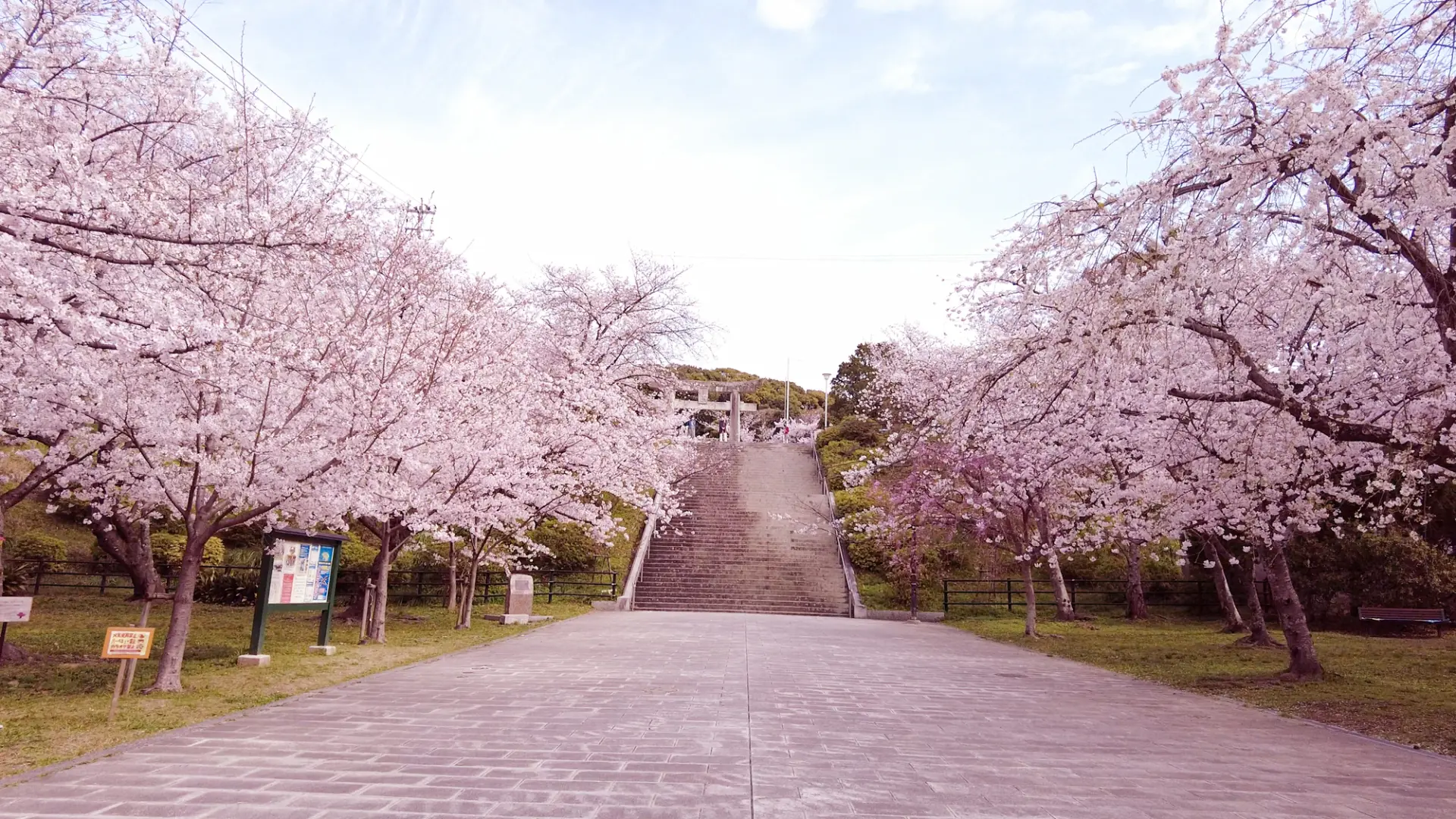
Nishi Park, where cherry blossoms bloom across a park shaped by hills and valleys
-
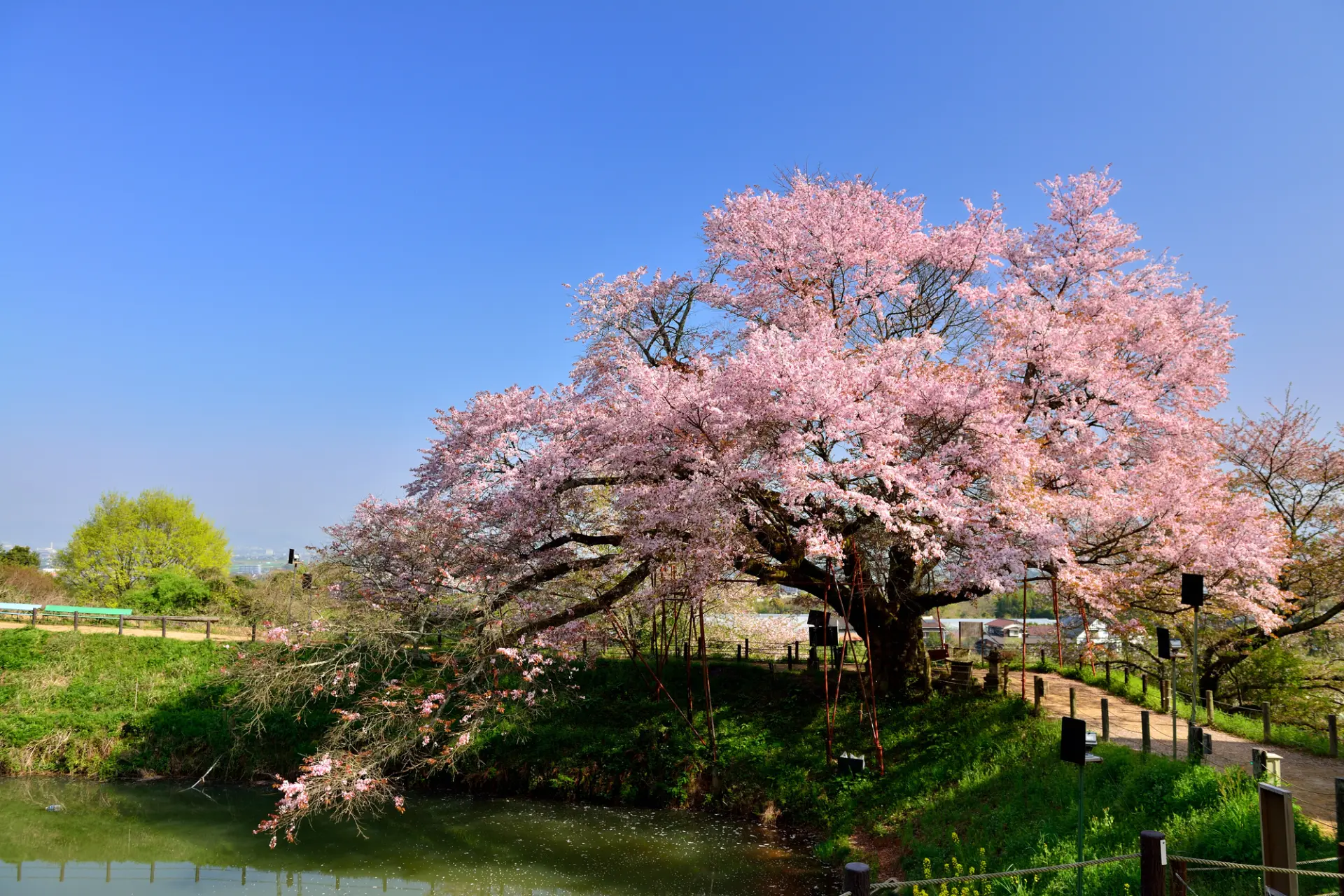
Asai no Ipponzakura, with a presence that feels both dignified and powerful

Fukuoka’s Most Atmospheric Fall Foliage Spots
Fukuoka has many fall foliage spots where you can strongly feel a traditional Japanese atmosphere.
If you’re traveling to Fukuoka in autumn, try adding these foliage spots to your itinerary.
Akizuki Castle Ruins in Akizuki, where traces of a former castle town remain, is especially recommended.
From the castle town dyed in crimson and gold, you’ll likely feel a sense of wabi-sabi.
The contrast between around 20 maple trees and the “Kuromon” gate is exceptionally beautiful and attracts many visitors.
“Nomiyama Kannonji Temple,” which welcomes over 1 million worshippers annually, is also a fall foliage spot. Be sure to stroll its beautiful grounds, where red leaves harmonize with buildings like the Daishido Hall.
“Homangu Kamado Shrine,” popular for its matchmaking blessings, is also one of Fukuoka’s top fall foliage destinations.
The illuminated autumn leaves and shrine buildings are a must-see, both mysterious and beautiful.
While the best viewing period shifts depending on the year’s weather, temperatures, and the spot, many places in Fukuoka are at their best from mid-November to late December.
-
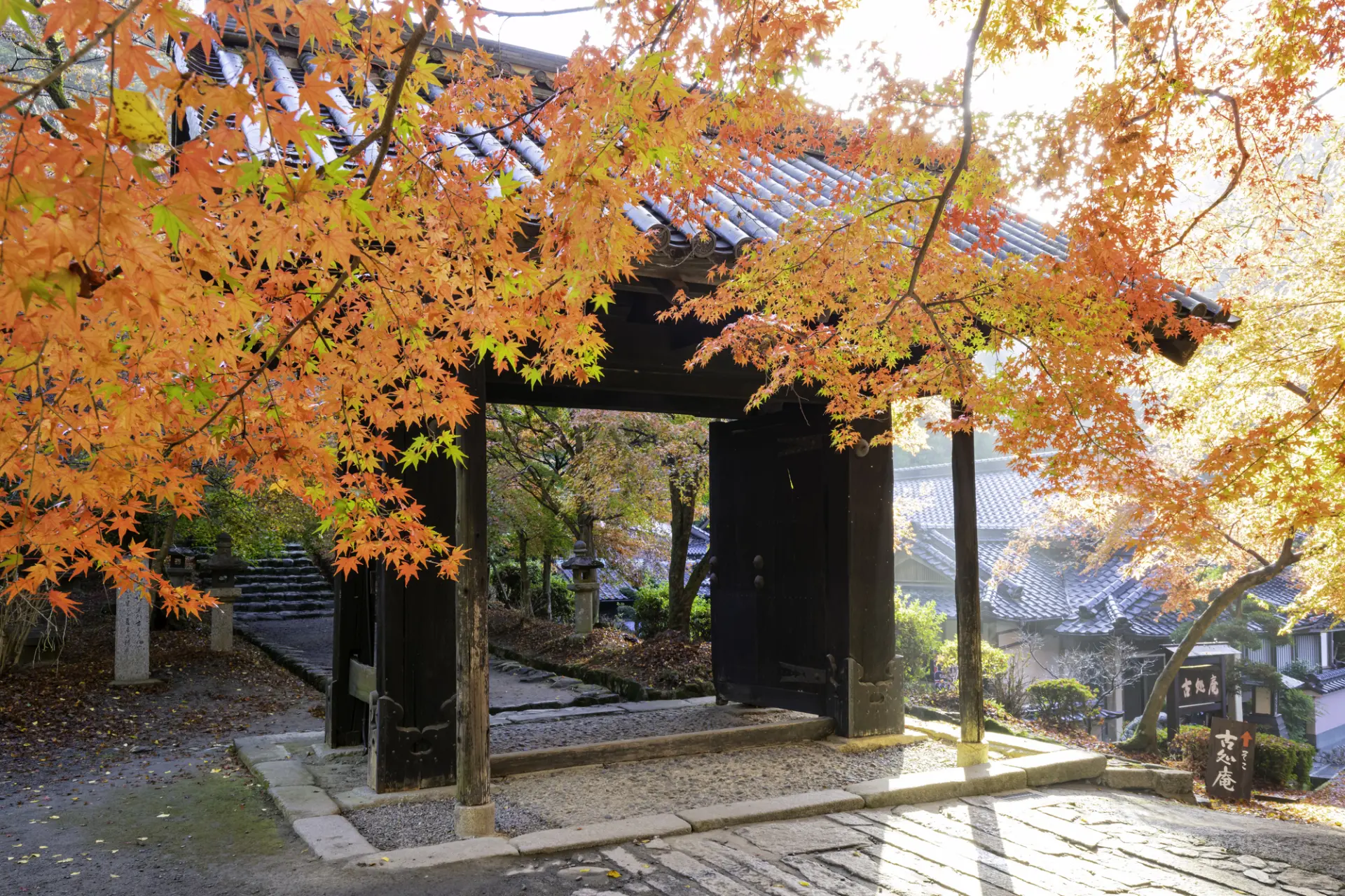
Akizuki Castle Ruins in autumn, rich with history and charm
-
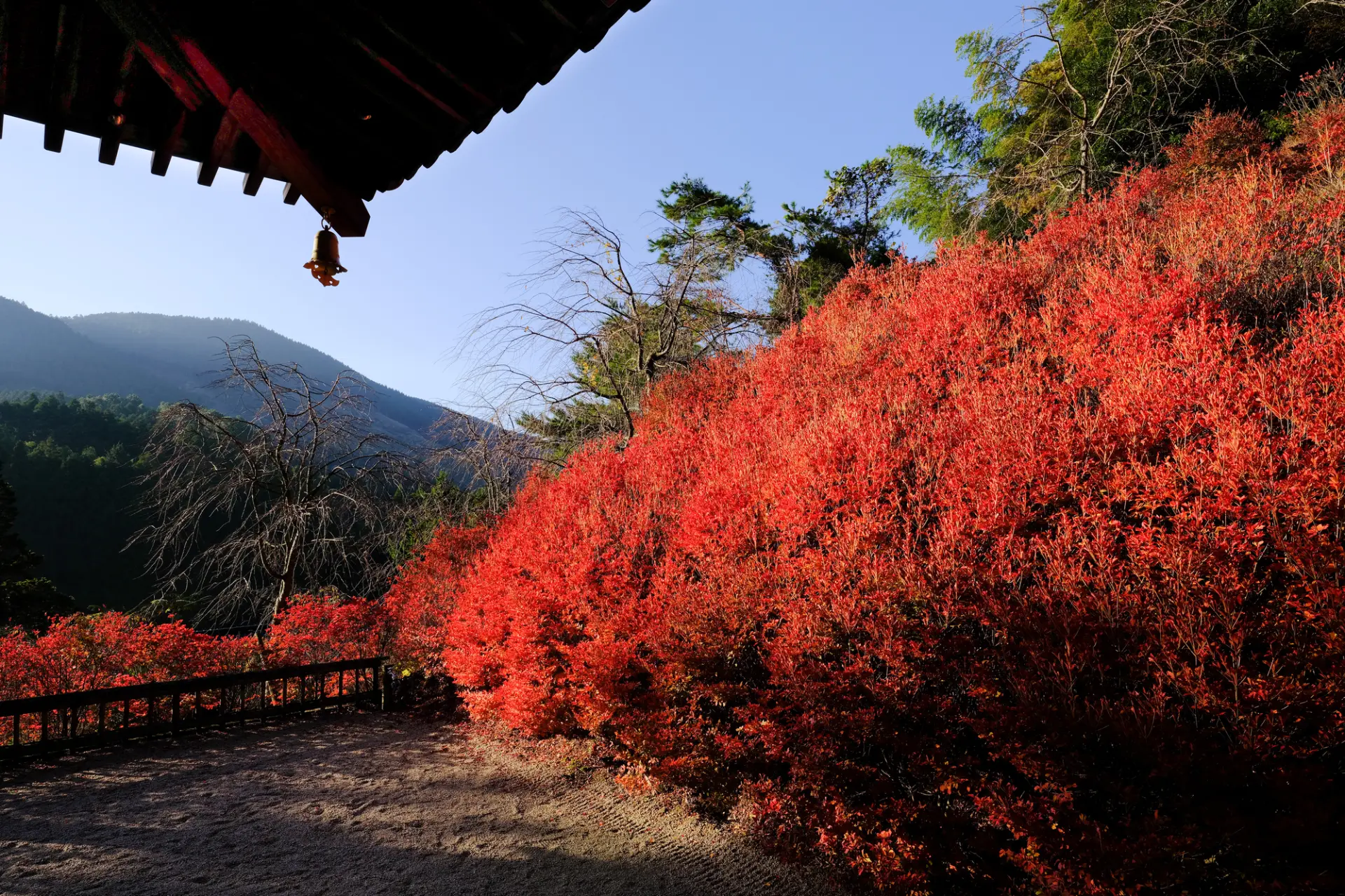
Autumn leaves turning Nomiyama Kannonji Temple deep crimson
-
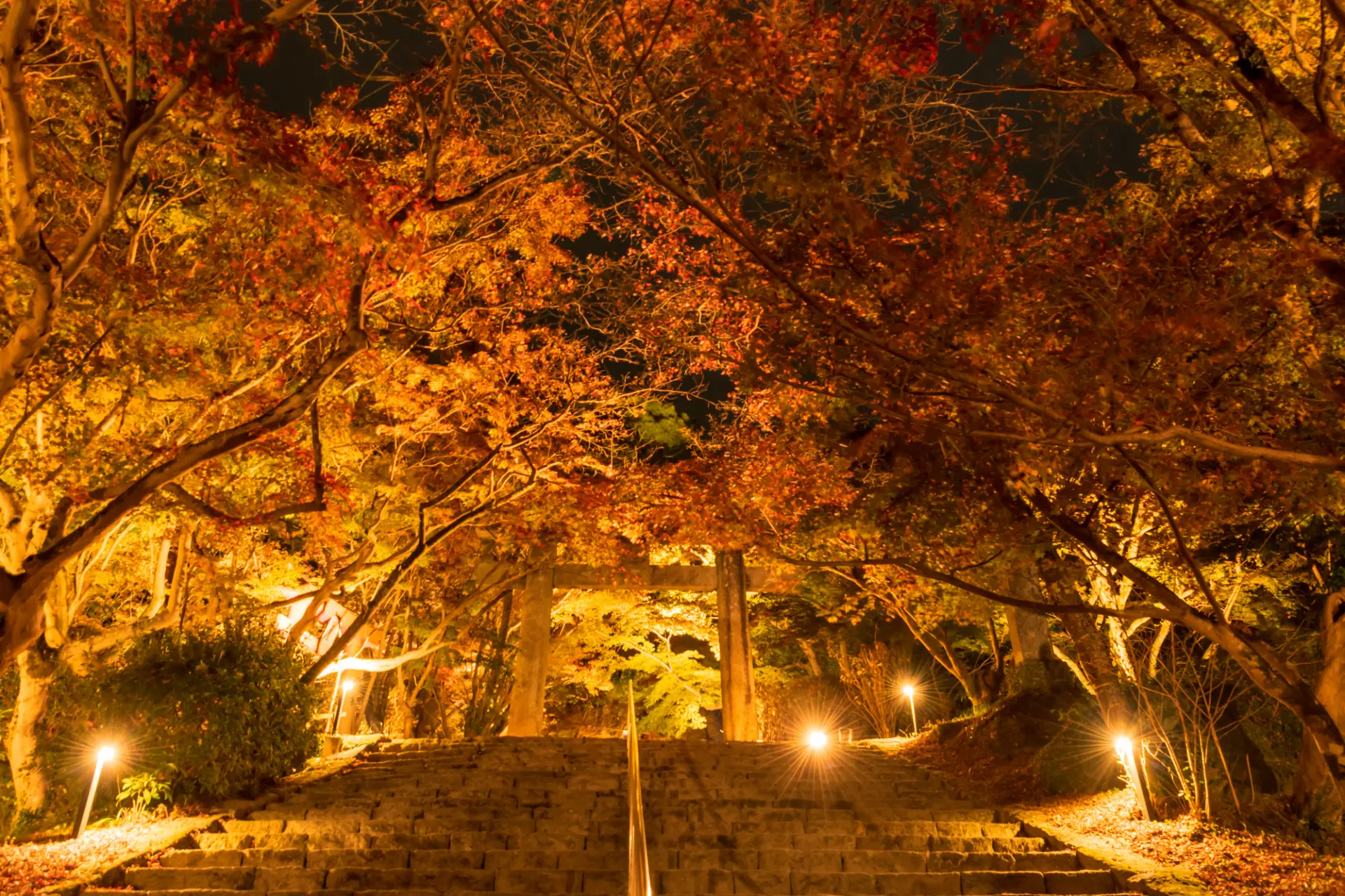
The mysteriously illuminated Homangu Kamado Shrine
In Winter, Enjoy Illumination Events in Fukuoka City and Kitakyushu
In winter, Fukuoka hosts a variety of illumination events.
Large-scale events are held in Fukuoka City and Kitakyushu City, featuring huge trees, projection mapping, and more.
In Fukuoka City, visit “Hikari no Machi Hakata,” held at the JR Hakata Station Plaza.
In Kitakyushu City, “Kokura Illumination” and “Mojiko Retro Roman Tousai” are especially well known.
Try strolling through the city streets, which feel vibrant and dreamlike compared to daytime.
Many events are held from November through December each year, so be sure to include them in your itinerary.
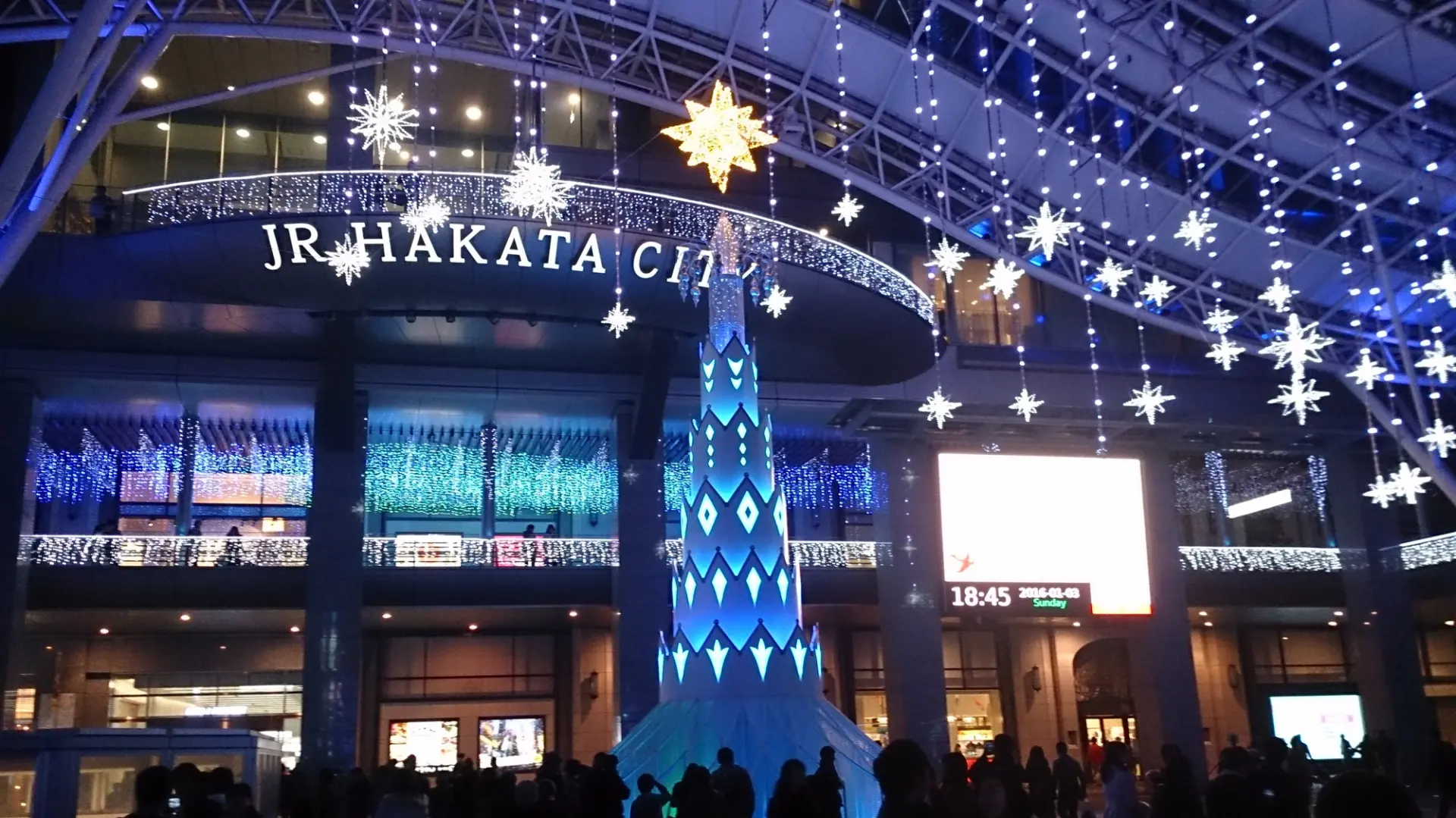
FAQ about Traveling in Fukuoka
Q
What season is recommended for traveling in Fukuoka?
A
Since there are many ways to enjoy it and you can see seasonal scenery year-round, it’s fine to choose based on your preferences.
Q
What are recommended sightseeing spots in Fukuoka for a parent-child trip?
A
Marine World Uminonakamichi is recommended, with plenty of facilities and activities for families to enjoy together.
Summary
This article introduced not only Fukuoka’s charms and popular sightseeing spots, but also transportation info, area-by-area highlights, local foods, and a model itinerary.
Using this guide, you should be able to plan a trip that lets you enjoy Fukuoka’s appeal even with limited time.
If you want to learn more about sightseeing spots in Fukuoka, check out this article too.