

9 Popular Tourist Spots in Ine, Kyoto, Where Funaya Boat Houses Line the Sea
Ine is a charming port town at the northeastern tip of the Tango Peninsula in northern Kyoto Prefecture, facing the Sea of Japan.
The unique sight of funaya boat houses that appear to float on the sea is a must-see.
This beautiful seaside townscape, often described as Japan’s original landscape, is one of the tourist destinations drawing attention from Japan and abroad.
This article introduces the charms of Ine, with a focus on its most popular sightseeing spots.
If you want to experience a uniquely Japanese atmosphere you will not find elsewhere, be sure to visit.
What is Ine Like?
Ine is an atmospheric port town facing the Sea of Japan at the northeastern tip of the Tango Peninsula in northern Kyoto Prefecture.
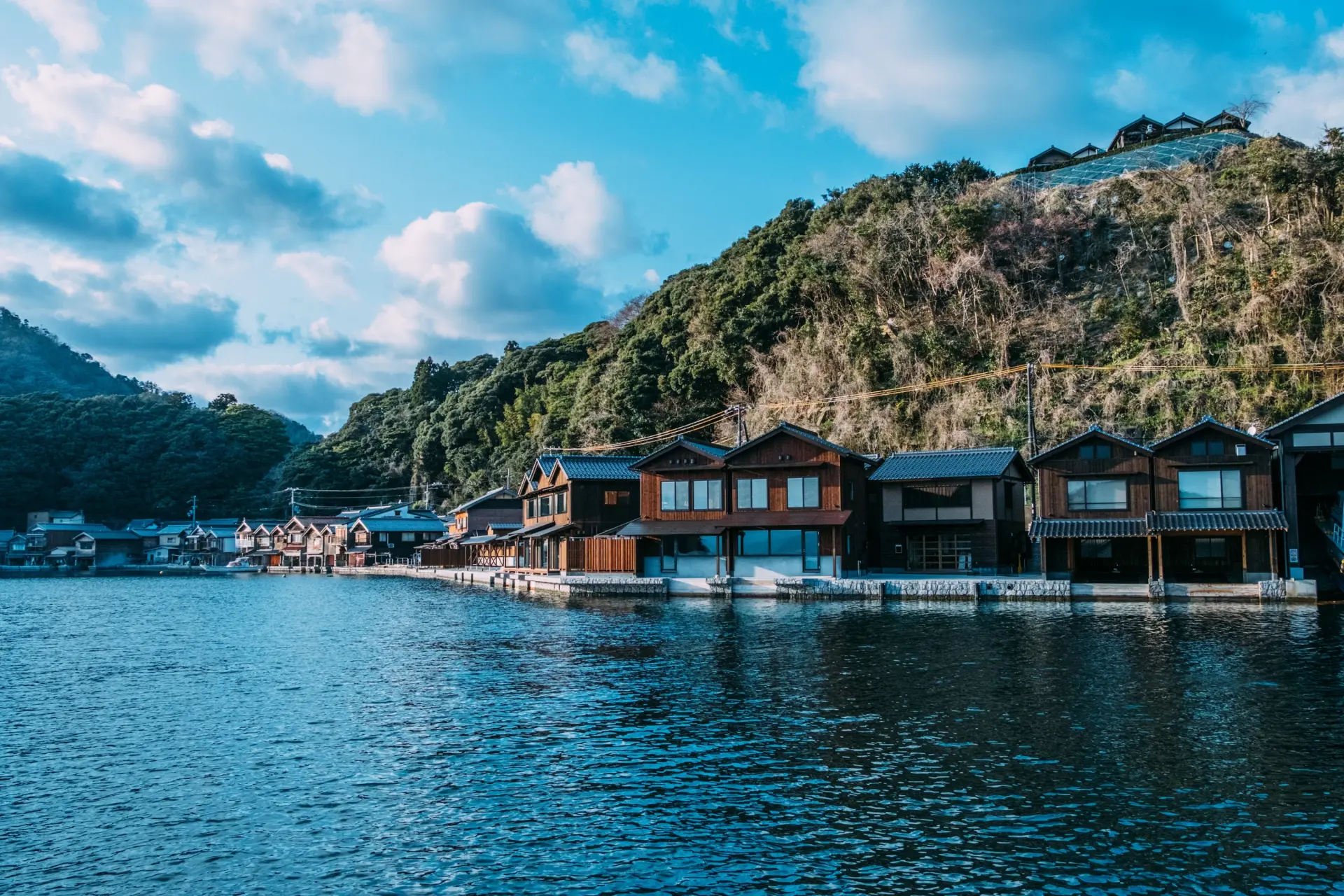
Approx. 230 funaya boat houses line the waterfront, each with a distinctive design: the first floor serves as a boat garage, and the second floor as living space.
The sight of these houses seemingly floating on the sea is known as a very rare landscape even in Japan.
This townscape has also been designated as an Important Preservation District for Groups of Traditional Buildings by the national government.
Another appeal of the funaya boat houses is the variety of ways to enjoy them, such as viewing them from a sightseeing boat cruising around Ine Bay, admiring them up close while strolling through town, or taking in the full panorama from an observation deck.
You can also enjoy local specialties such as seafood meals made with seasonal catches from the fishing port, overnight-dried squid, salt-cured turban shells, and heshiko, mackerel preserved in rice bran.
Ine Bay is especially known as one of Japan’s leading yellowtail fishing grounds, and in winter, when winter yellowtail is in season, you can enjoy rich, fatty buri.
In this peaceful seaside town, be sure to experience the charms of every season.

What is the best season to visit Ine?
Spring, from March to May, when the weather is mild, is recommended.
It is an easy time to stroll through the funaya townscape, and from the sightseeing boat, you can enjoy views of the funaya in the soft sunlight.
If your main goal is seafood, winter, from December to February, is the best season.
Because the seawater temperature is low, Spanish mackerel, sea bream, and squid come into season.
In particular, winter yellowtail and winter squid landed in Ine Bay are seasonal specialties unique to winter, making it a great time to plan your visit.
What to wear in Ine by season
- Spring (March–May): a light jacket and a thin sweater
- Summer (June–August): light clothing, short sleeves
- Autumn (September–November): a light jacket, coat
- Winter (December–February): a coat, thick sweater or jacket
How do you get to Ine?
From Kyoto Station, Ine is Approx. 3 hours away by train and bus.
By car or rental car from central Kyoto, it takes Approx. 2 hours.
From Osaka Station, it takes Approx. 3 hours 30 minutes by train and bus, or Approx. 2 hours 30 minutes by rental car from central Osaka.
If traveling by train, it is common to get off at Amanohashidate Station or Miyazu Station from either Kyoto Station or Osaka Station, then take a local bus to Ine.
Main transportation options for sightseeing in Ine
There are two main ways to get around Ine: buses on the Ine Line (Kamimiyazu Kominkan–Ine Post Office) and the Kamanyu Line (Kamimiyazu–Kyogamisaki), and the reservation-based shared transportation service INE Taxi.
If you use INE Taxi, you can travel without having to go to a bus stop.
By reserving a time on the dedicated website, you can call a taxi and get around efficiently while minimizing waiting time.
Enjoy the Scenery and Culture! 9 Popular Tourist Spots in Ine
Around Ine, you will find spots where you can experience daily life by the sea, along with nature and history.
From peaceful bay views and shrines steeped in legend to calm seaside recreation areas and cultural facilities, everything is deeply connected to the sea of Ine.
By visiting the popular spots introduced here, you will be able to experience the climate, culture, and daily life unique to this town.
1. Ine no Funaya
Ine Bay is located in northern Kyoto Prefecture, an area that has long flourished through fishing.
Along the waterfront stand rows of buildings called funaya, whose first floors connect directly to the sea and serve as storage spaces for fishing boats.
The sight of Approx. 230 funaya lined up over a stretch of Approx. 5 km is rare even nationwide, and the area has been selected as an Important Preservation District for Groups of Traditional Buildings by the national government.
Originally, funaya were built to pull wet wooden fishing boats out of the sea to dry them and to protect the boats from rain, wind, and insects.
The first floor was used to store boats, while the second floor served as a place to dry nets and store fishing gear.
In recent years, as boats have grown larger, many households now moor them in front of their funaya instead of pulling them inside.

2. Urashima Shrine
Urashima Shrine is said to be the birthplace of the Japanese folktale Urashima Taro.
It is believed to have been built in 825 to honor the achievements of the Urashima clan, a powerful family in Tango.
In the shrine’s treasure museum, you can see nationally designated Important Cultural Properties such as the Urashima Myojin Engi Emaki picture scroll, the Otohime kosode robe, and the Tamatebako treasure box.

3. Tomari Beach
Tomari Beach is a swimming beach in Ine, located in the northeastern part of the Tango Peninsula in Kyoto Prefecture, and a hidden gem loved by local residents.
Its cove-like geography keeps the waves calm, and the shallow shore makes it a safe and enjoyable place for families with small children.
The beach is usually open for swimming from around mid-July to around mid-August, and attendants are on duty from 10:00 am to 4:00 pm.

4. Roadside Station Funaya no Sato Ine
Funaya no Sato Ine is a roadside station on a hill overlooking Ine Bay, known as a naturally excellent harbor.
It is also known as a scenic viewpoint where you can overlook Ine no Funaya, the famous sightseeing area where Approx. 230 boat houses line the coast of Ine Bay.
The facility includes a restaurant and dining area serving dishes made with seafood landed at Ine Fishing Port, as well as souvenir shops selling local specialties and seafood products.

5. Norose Coast
Norose Coast is a stretch of coastline overlooking the Sea of Japan.
Facing the eastern side of the Tango Peninsula, it remains calm even in winter when winds from the west grow stronger.
Offshore, you can see Kanmurijima and Kutsujima, natural monument islands that are breeding grounds for wild birds.
Norose Coast is especially recommended as a stop on a drive where you can enjoy the gentle waves and sea breeze.

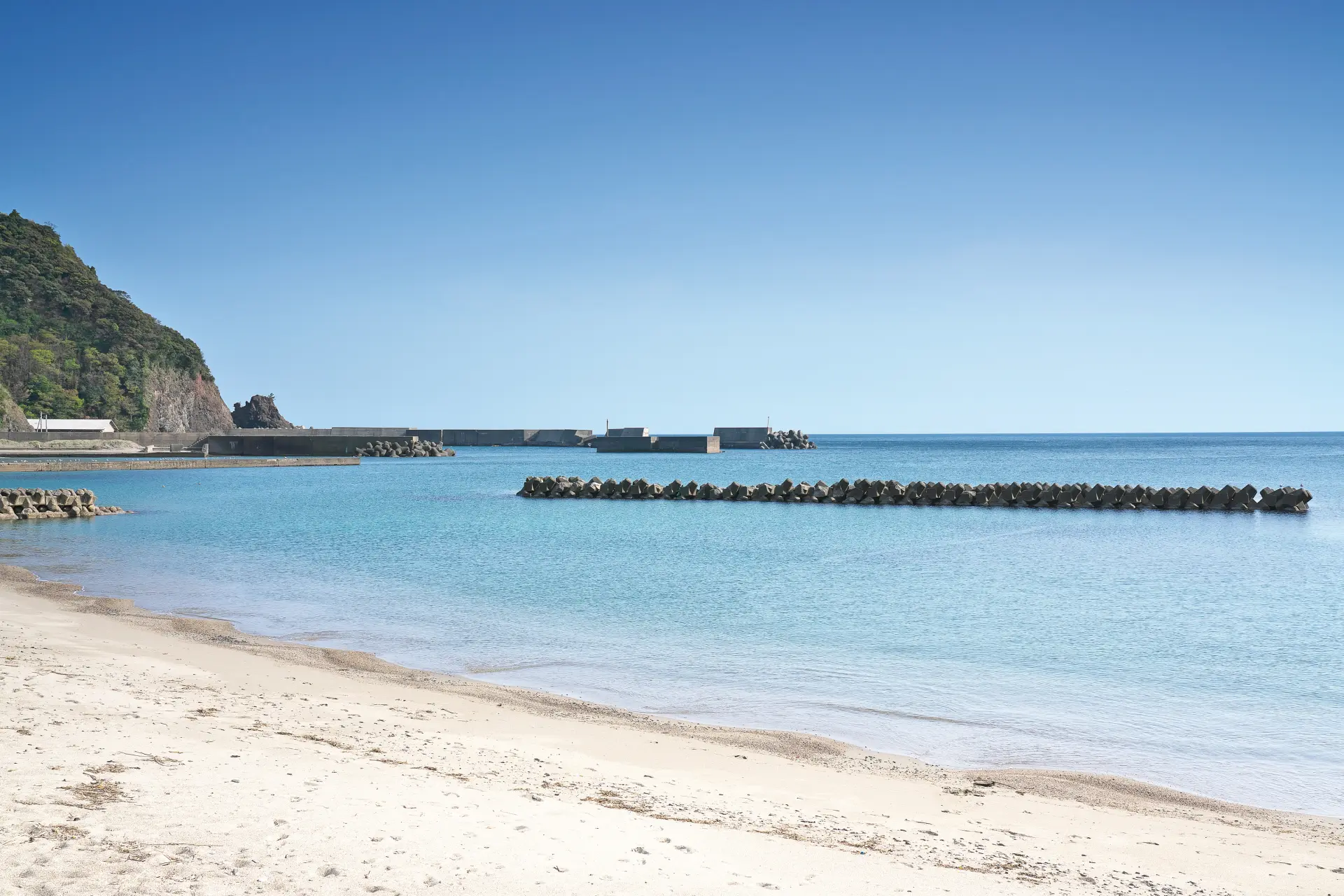
6. Honjohama Beach
Honjohama Beach in Ine, Kyoto Prefecture, is a quiet beach located right near Urashima Shrine, where Japan’s oldest Urashima Taro legend is said to remain.
The beach is said to be the Tokoyo no Hama that appears in the story, and a beautiful shoreline just like the tale unfolds here.
Loved by locals, this beach has shallow, crystal-clear water, making it a safe place for families to enjoy.
7. Niizaki Shrine
Niizaki Shrine enshrines Jofuku, who is said to have crossed the sea under the orders of Qin Shi Huang of China in search of the herb of eternal youth.
After arriving in this area of Ine Bay, Jofuku is said to have settled in Niizaki and taught the local people medicine, astronomy, fortune-telling, fishing, and farming.
After his death, the villagers enshrined him at Niizaki Shrine as their tutelary deity, and he has since been worshipped as a god of maritime safety and fishing.

8. Ine Bay Sightseeing Boat
You can admire the funaya townscape by taking either a water taxi or the Ine Bay Sightseeing Boat.
Both take Approx. 25 minutes, and local boatmen clearly explain photo spots seen from the water and the history of the funaya.
There is also a paid service that lets you feed the seagulls gathering around the boat.
The funaya are also famous as filming locations for the movies Otoko wa Tsurai yo and Tsuribaka Nisshi.
Another feature is the chance to see scenes of a fishing village, including oyster farms and Aoshima Island.

9. Ine Town Tourism Exchange Facility Funaya Biyori
Ine Town Tourism Exchange Facility Funaya Biyori was established in response to requests for a place to rest and eat in the area where the funaya line the shore.
While looking out over Ine Bay, you can enjoy dishes made with fish landed there and locally sourced farm produce, along with house-made dried fish and local sake.
The building’s colors are coordinated to blend into the townscape, making it a tourist facility where you can also get a sense of local daily life.
3 Popular Restaurants in Ine Where You Can Also Enjoy the Town’s Unique Scenery
All of the popular restaurants in Ine introduced here are located inside the multi-use facility Funaya Biyori.
In this special setting where you can dine while looking out over the funaya scenery, you can enjoy fresh seafood from Ine Fishing Port and ingredients produced in Kyoto Prefecture.
Here are three popular restaurants in Ine where you can enjoy a meal while taking in one of the country’s rare funaya townscapes.
1. Restaurant Funaya
Restaurant Funaya is a set-meal restaurant located at the roadside station Funaya no Sato Ine, which stands on a hill overlooking the funaya and Ine Bay.
The manager, who was born into a fisherman's family, serves fish purchased every morning at the fishing port in a variety of dishes.
The three most popular menu items are the Funaya Set Meal, which includes four kinds of sashimi and simmered fish, the Funaya Seafood Rice Bowl, which lets you enjoy different fish depending on the day, and the limited-quantity Ara-ni Set Meal.
Seasonal recommendations vary throughout the year, with yellowtail sashimi and yellowtail shabu-shabu courses in winter, and rock oysters raised in Ine Bay for at least three years from May to August.
At the shop, you can also buy local specialties such as heshiko, fish pickled in rice bran, and overnight-dried fish.

2. Wadatsumi
Wadatsumi is a sushi kappo restaurant where you can enjoy local fish and local sake.
The name comes from Wadatsumi, the god of the sea, and Ryugu, the Dragon Palace from the Urashima legend that remains in Ine.
The menu here is characterized by fish in every dish.
You will find an array of luxurious dishes that let you enjoy freshly landed fish while preserving its freshness.
At lunch, the restaurant serves the Wadatsumi Sushi Gozen, which includes five pieces of sushi, local sashimi, and either simmered or grilled fish, while dinner features full-course fish meals such as the seasonal gozen Uranagi and the seasonal gozen Iomi, as well as seasonal specialties like rock oysters from Ine.

3. INE CAFE
INE CAFE serves sweets made with local ingredients while overlooking Ine Bay.
One of its features is a design that allows you to see the sea from anywhere inside the cafe.
Especially at sunset, the color of the sea glowing in the evening light and the reflections of the funaya lights on the water create a magical atmosphere.
The cheesecake lets you enjoy the flavor of eggs and cheese produced in Ine.
Other items include gateau chocolat, homemade honey lemonade, and gelato made with 100% Tango Jersey milk.

Enjoy a Special Experience Unique to This Town! 3 Recommended Places to Stay in Ine
Places to stay in Ine offer the unique experience of overlooking the funaya boat houses.
In a peaceful setting that feels one with the sea and mountains, you can enjoy the scenery and lifestyle unique to Ine.
For travelers looking for a special overnight stay, here are three accommodations you should consider in Ine.
1. Aburaya Bekkan Nagomitei
Aburaya Bekkan Nagomitei is a luxurious inn with 12 rooms, all equipped with open-air baths overlooking the Sea of Japan.
From the large windows and open-air baths in the guest rooms, you can enjoy sweeping ocean views, with the sunset scenery being especially exceptional.
Every room is spaciously designed, with luxury features such as observation decks, terraces, irori hearths, and sunken kotatsu tables.
The hot spring water comes from the inn’s own natural source and is known for its smooth, silky texture that feels gentle on the skin.

2. Taiheisou
Taiheisou is a no-meal lodging in a funaya boat house for a simple overnight stay.
The guest rooms are on the first and second floors, and both offer views of Ine Bay from the windows.
Namioto no Ma on the first floor welcomes you with a sea view spreading out beyond the window as soon as you enter the room.
You can relax while soaking in a Shigaraki pottery bathtub and slowly gazing at the sea through the window.
Tsukiakari no Ma on the second floor has larger windows than the first-floor room and can accommodate up to four guests.

3. Funayado Ichi
Funayado Ichi is a private rental accommodation limited to one group per day.
This inn, renovated from a funaya facing the sea, offers the luxury of enjoying a sense of unity with the sea and mountains while relaxing like you are at home without worrying about other tourists around you.
You can go fishing using rods provided by the inn, and clean your catch at the outdoor sink.
The inn can also help you book a nigiri sushi-making experience at Umeya Honpo.
This sushi-making experience takes place not at the inn but at Umeya Honpo in town, where you can enjoy making bara-zushi, a local dish of Tango, together with the owner.

FAQ about Sightseeing in Ine
Q
Can you visit Ine on a day trip from central Kyoto?
Yes. Since it takes around 2 to 3 hours one way from Kyoto, a day trip is possible.
Q
Does Ine have any local sake?
Yes. Examples include Kyo no Haru and Ine Mankai from Mukai Shuzo.
Summary
In this article, we introduced some of Ine’s most appealing spots, from its iconic funaya boat houses to places rooted in nature, history, and daily life.
Wherever you go, you will be able to experience scenery and culture unique to a town where the sea and its people live side by side, and discover the richness of this quiet port town.
By exploring its seaside views that change with the seasons, shrines steeped in legend, and facilities where you can enjoy local flavors, you are sure to discover the deeper charm of Ine.
If you would like to learn more, please also check out the article below.