
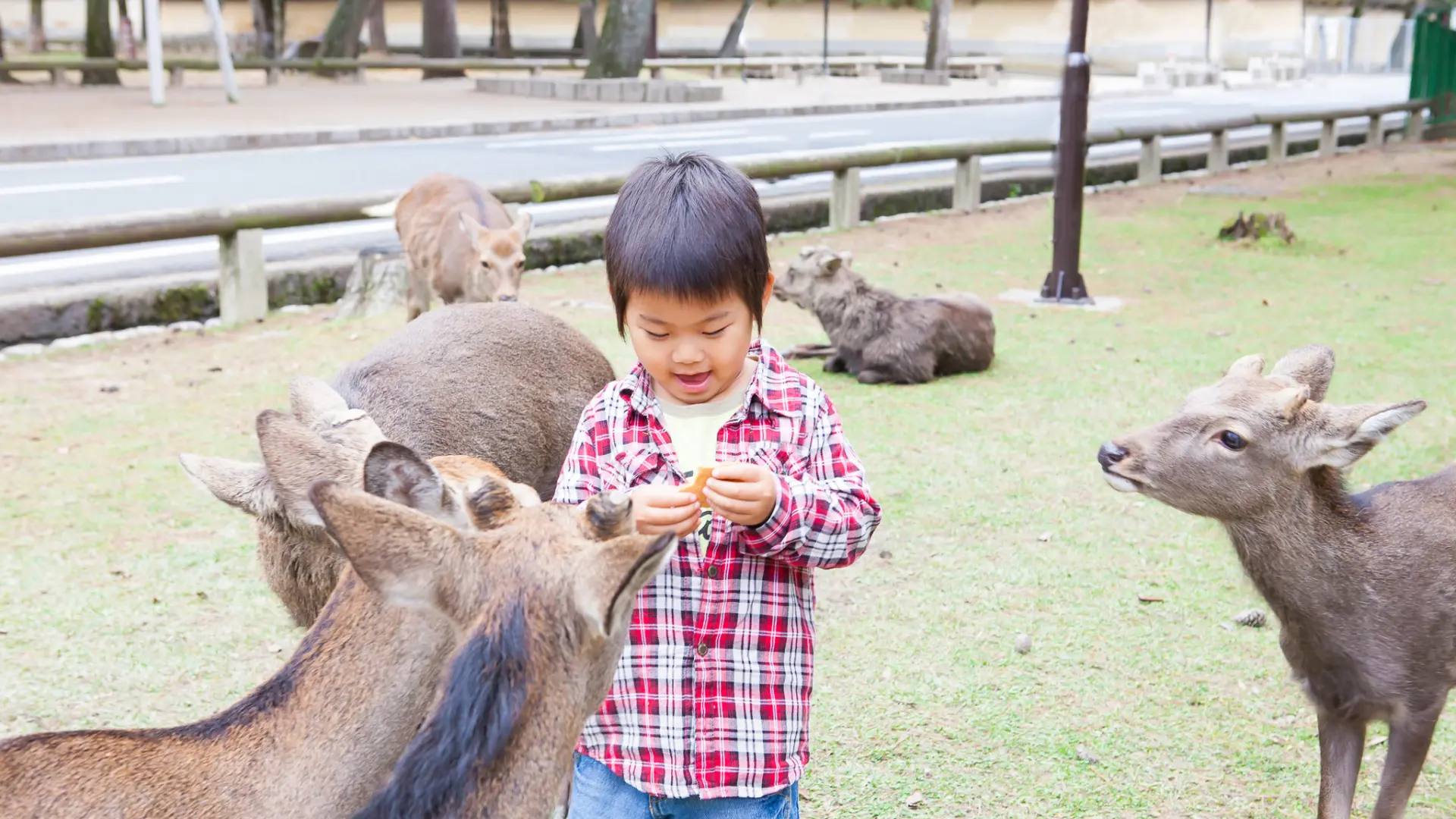
A Journey Through the History and Natural Beauty of an Ancient Capital! 15 Recommended Places for a Family Trip to Nara
Nara is a place where World Heritage shrines and temples, historic townscapes, and rich natural scenery come together in harmony.
Along with its appeal as an ancient capital, it also has sightseeing spots where children can play freely in nature.
That makes it a perfect destination for family outings.
In this article, we introduce sightseeing spots, accommodations, and a model course that families can enjoy together.
Experience Japan’s traditional culture and natural beauty, and enjoy a special family trip together.
Tips and things to keep in mind for enjoying sightseeing in Nara with your family
Here are some helpful tips for visiting Nara with your family. With just a few simple ideas, your trip can be even more comfortable and enjoyable.
We’ll also share a few important things to know before visiting Nara Park.
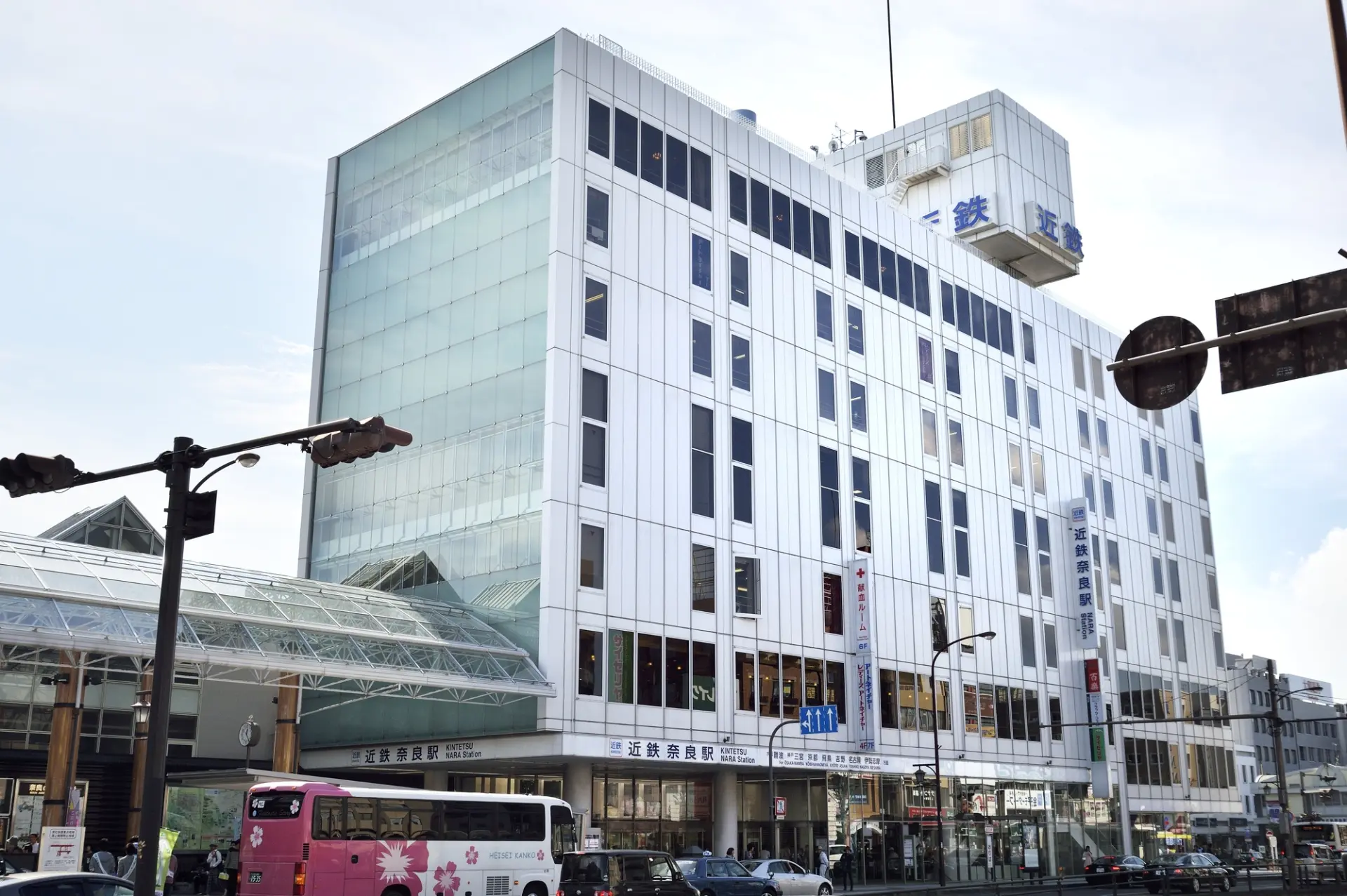
Plan your sightseeing around Kintetsu Nara Station
Nara has two main gateways, JR Nara Station and Kintetsu Nara Station, but Kintetsu Nara Station is the better starting point for sightseeing.
Popular attractions such as Nara Park, Kofuku-ji Temple, and Naramachi are all within walking distance, which greatly reduces the hassle of getting around.
If you plan your itinerary around Kintetsu Nara Station, you can keep the use of public transportation to a minimum and enjoy sightseeing without getting too tired.
How to interact with the deer in Nara Park
Nara Park is home to wild deer designated as a Natural Monument, and many visitors come looking forward to interacting with them.
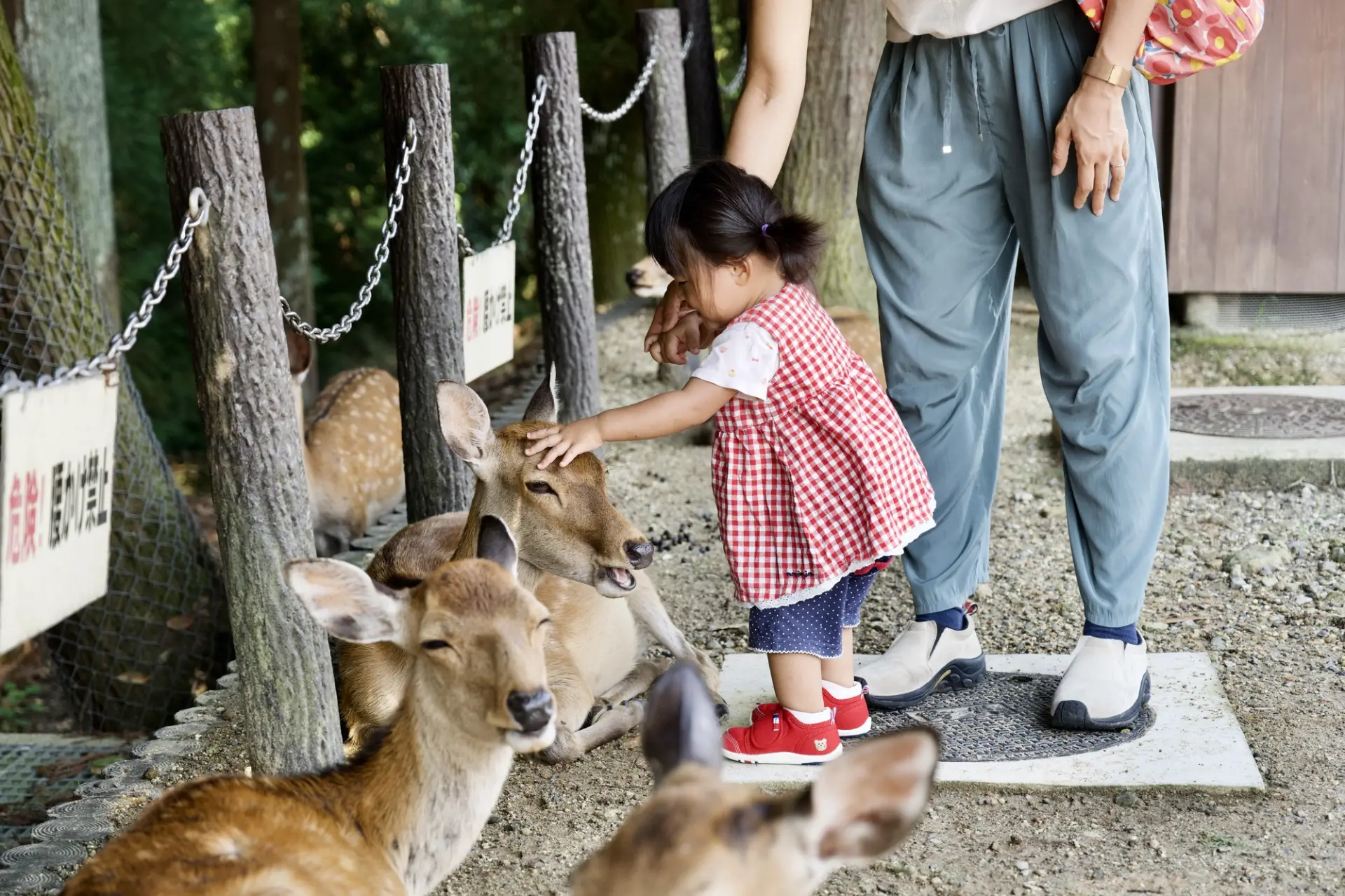
However, they are wild animals, and there is a risk of being charged, gored by antlers, or bitten. Be careful not to touch them carelessly or let children approach them alone.
In the park, you can buy “deer crackers” and try feeding them, but adults should always go with children when approaching the deer.
When feeding deer crackers, hold them out in front of you with both hands and do not suddenly hide them. That is the key to enjoying the experience safely.
Heading out with kids? Here are 15 sightseeing spots in Nara
Among Nara’s many attractions, we’ve carefully selected popular sightseeing spots that families can enjoy together.
You’ll find not only places rich in history, culture, and nature, but also leisure facilities and parks where children can play to their heart’s content.
A trip to the places introduced below will make for a family getaway where you can fully experience the charm of Nara.
1. Nara Park
This park adjoins valuable historic and cultural landmarks such as Kasuga Taisha Shrine, Kofuku-ji Temple, Todai-ji Temple, the Nara National Museum, and the Shosoin, and lets visitors enjoy the grand and lush natural beauty surrounding them.
Located in the center of the city, it is also appealing for its easy access to major sightseeing spots.
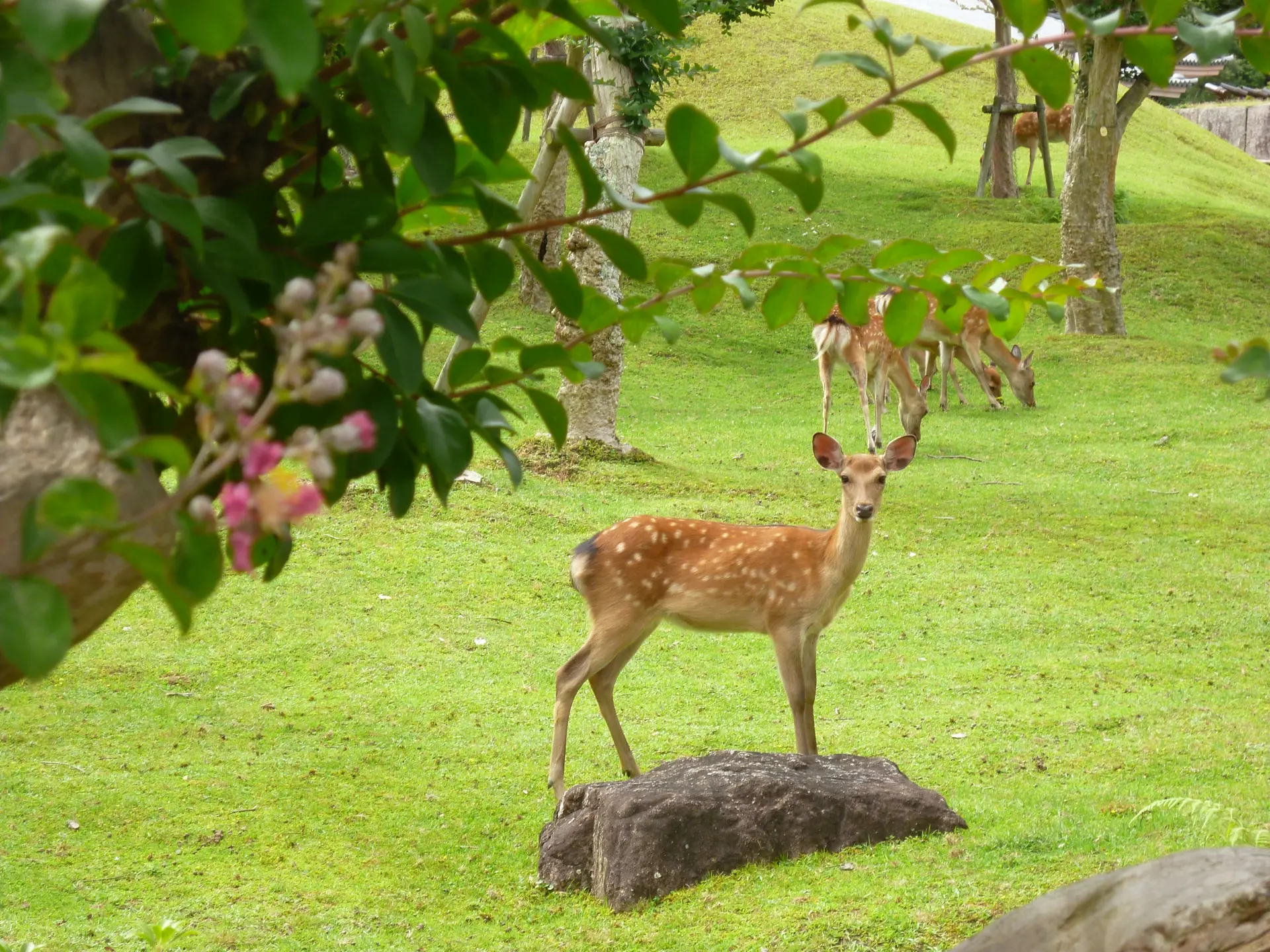
With a total area of Approx. 511 hectares, vast Nara Park also includes the Kasugayama Primeval Forest, designated as a Special Natural Monument.
It is also home to wild deer designated as a Natural Monument and known as the “deer of Nara.”

2. Ikoma Sanjo Amusement Park
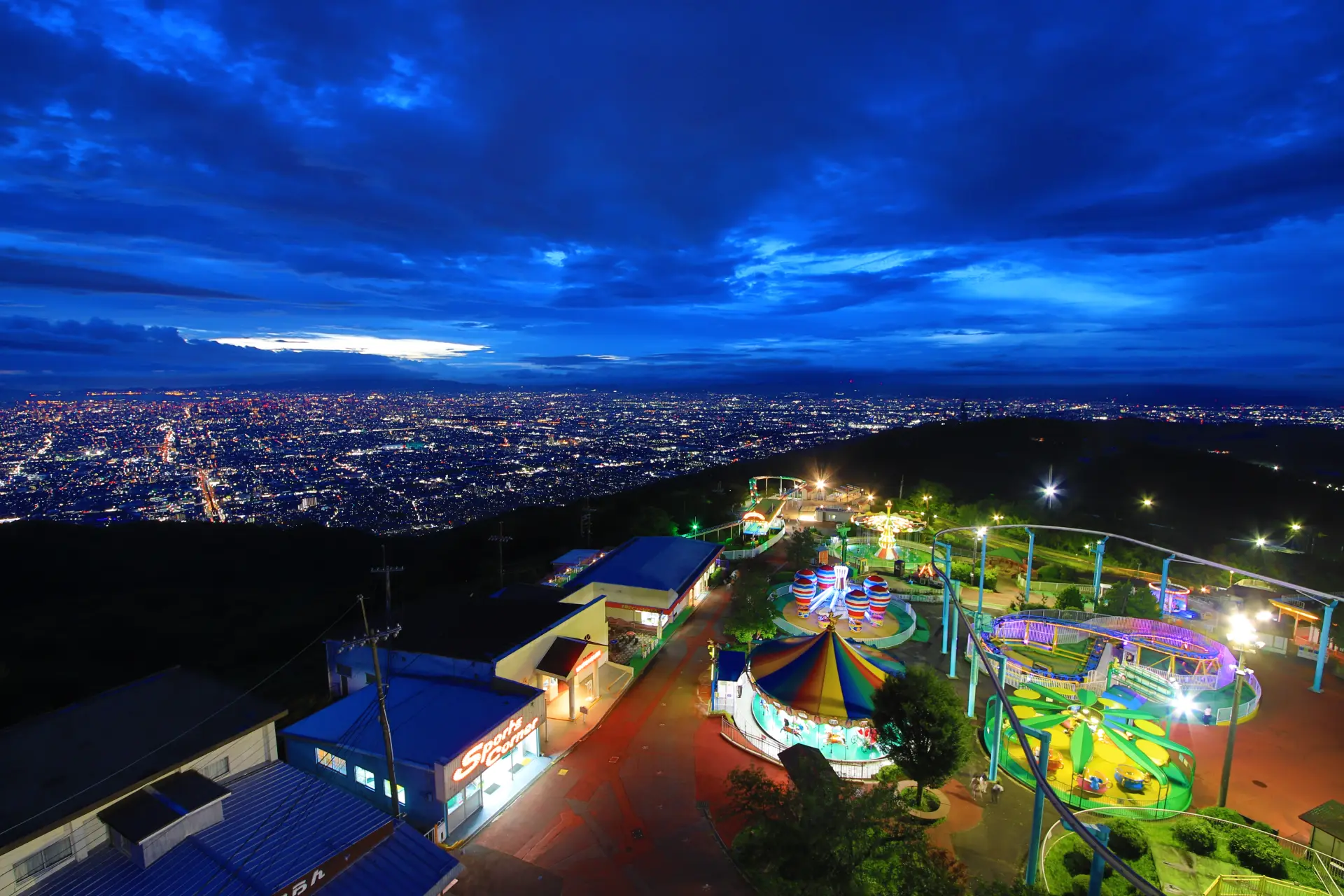
An amusement park located on Mt. Ikoma at an elevation of 642 meters.
Its spacious grounds feature 27 unique attractions, including the “Cycle Monorail,” where you can enjoy aerial cycling on panda-shaped rides, the spinning “Kurukuru Coaster,” and the log boat ride “Gold Rush,” which shoots down rapids, along with five game corners.
One highlight is the 30-meter-tall “Hikoto.” This ride has high historical value as Japan’s oldest large-scale amusement machine still in existence, and the view from 20 meters above the ground feels wonderfully open.
3. Nara Kingyo Museum
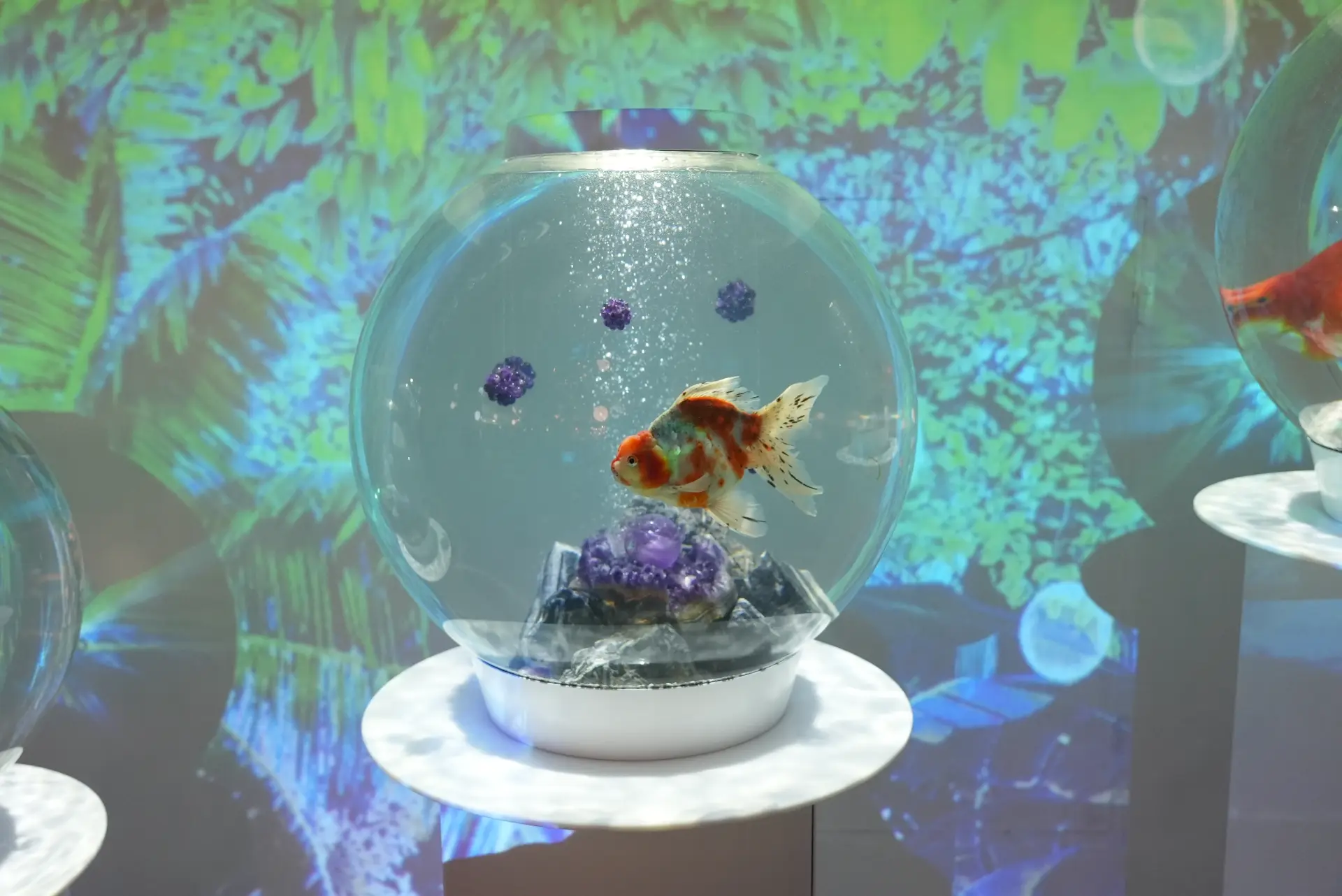
One of Japan’s largest goldfish museums, opened in Nara Prefecture, which is known as one of the country’s leading goldfish-producing areas. Inside the tourist-oriented shopping complex Mi Nara, visitors can enjoy a cutting-edge “entertainment aquarium” created by up-and-coming artists.
The entire museum is open for photography, including a trick art corner where you can take pictures that make it look like you are riding a goldfish or scooping goldfish. There are also spots with photo stands, so you are sure to capture a highly Instagram-worthy shot unlike anything else.
4. Todai-ji Temple
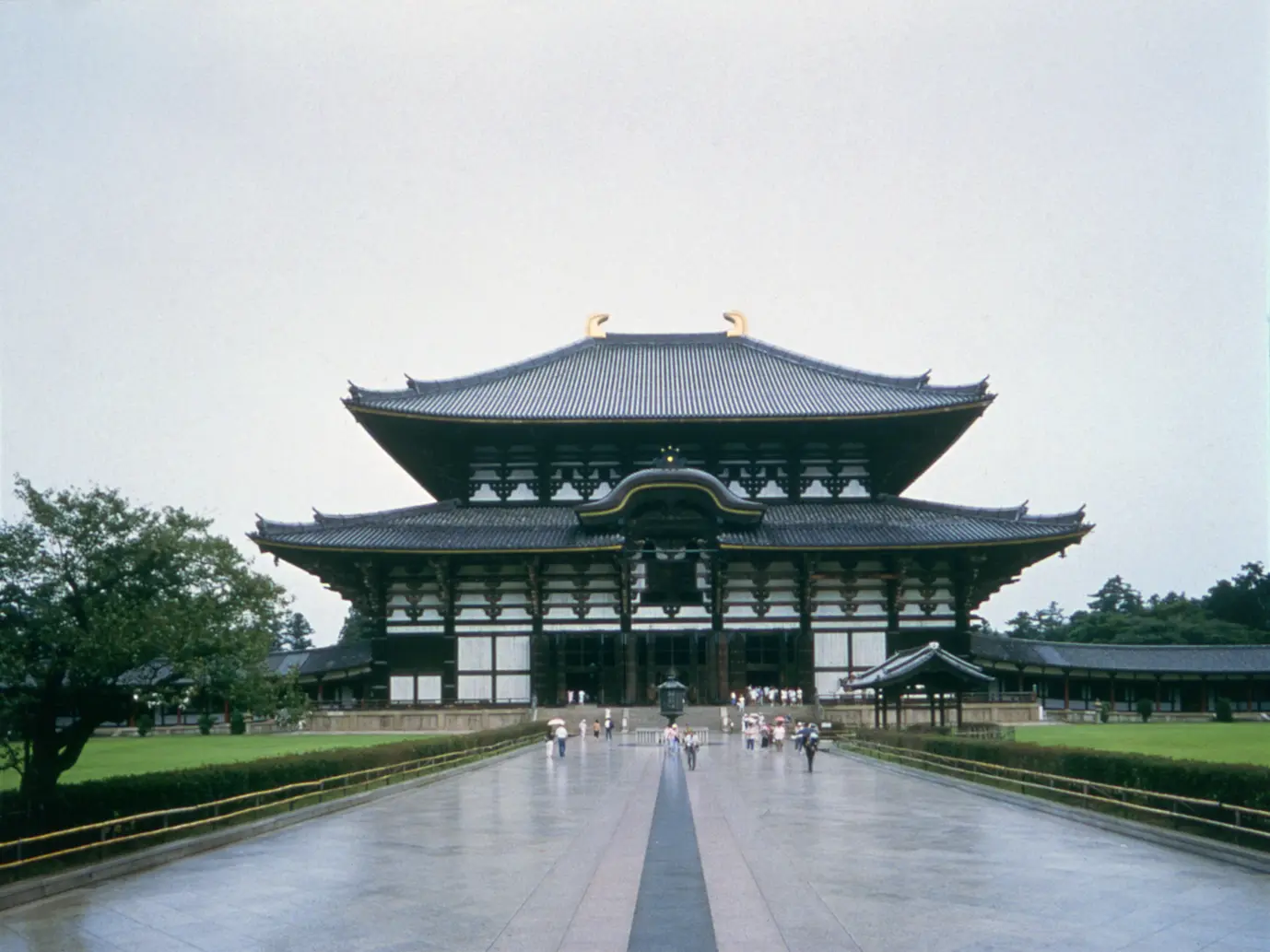
In the Nara period, the Rushana Daibutsu, commissioned by Emperor Shomu, was consecrated in 752.
Over the following nearly 40 years, the temple complex was developed, making it one of Nara’s representative temples.
Even after the capital was moved from Heijo-kyo, it continued to prosper under strong protection.
In 1180 and 1567, most of the complex, including the Great Buddha Hall, was destroyed by fire in warfare, but it was rebuilt in the Kamakura and Edo periods with the help of many people.
5. Mount Wakakusa
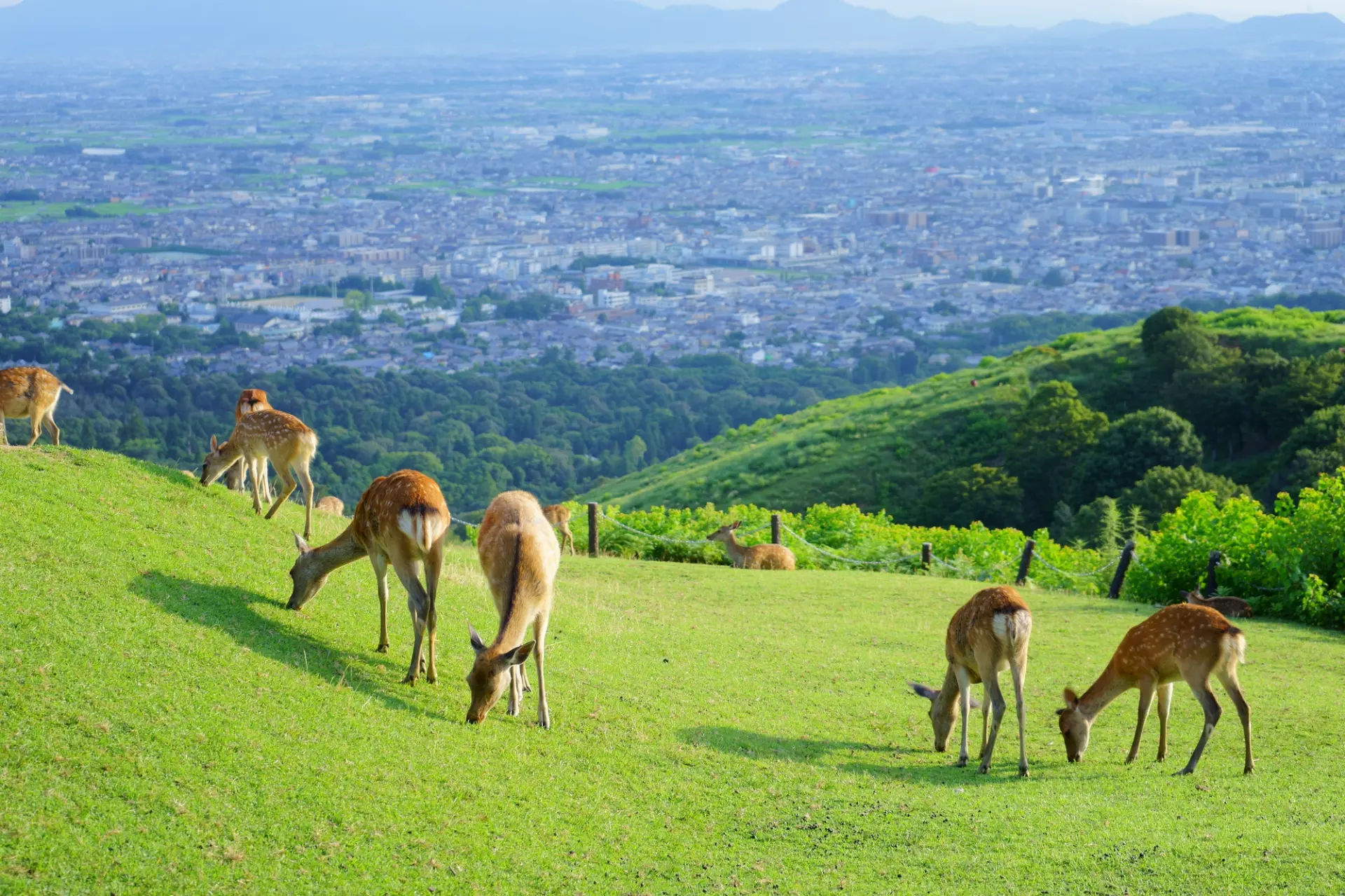
Mount Wakakusa stands 342 meters tall. The entire mountain is covered in grass, giving it a gentle slope. Because it looks like three hats stacked on top of one another, it is also called “Mikasa-yama.” It is also famous for Yamayaki, Nara’s traditional mountain-burning event held every January.
From the mountain foot gate to the summit, it takes about 30 minutes on foot. From the top, you can look out over Nara’s scenery, including Kofuku-ji Temple and Todai-ji Temple.
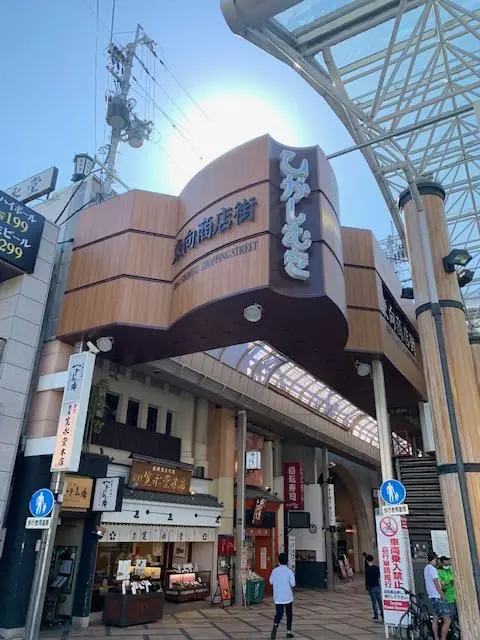
6. Nara City Higashimuki Shopping Street
An arcade shopping street located right outside the east exit of Kintetsu Nara Station, stretching north to south from Omiya-dori Street to Sanjo-dori Street.
With Kofuku-ji Temple to the east and houses built only on the west side of the street, all facing east, the area came to be called “Higashimuki-cho,” meaning “east-facing town.”
It connects directly to sightseeing spots such as Kofuku-ji Temple, Sarusawa Pond, and Naramachi, and Nara Park, home to Todai-ji Temple, is also within walking distance, making it a convenient stop both before and after sightseeing in Nara.
7. Kasuga Taisha Shrine
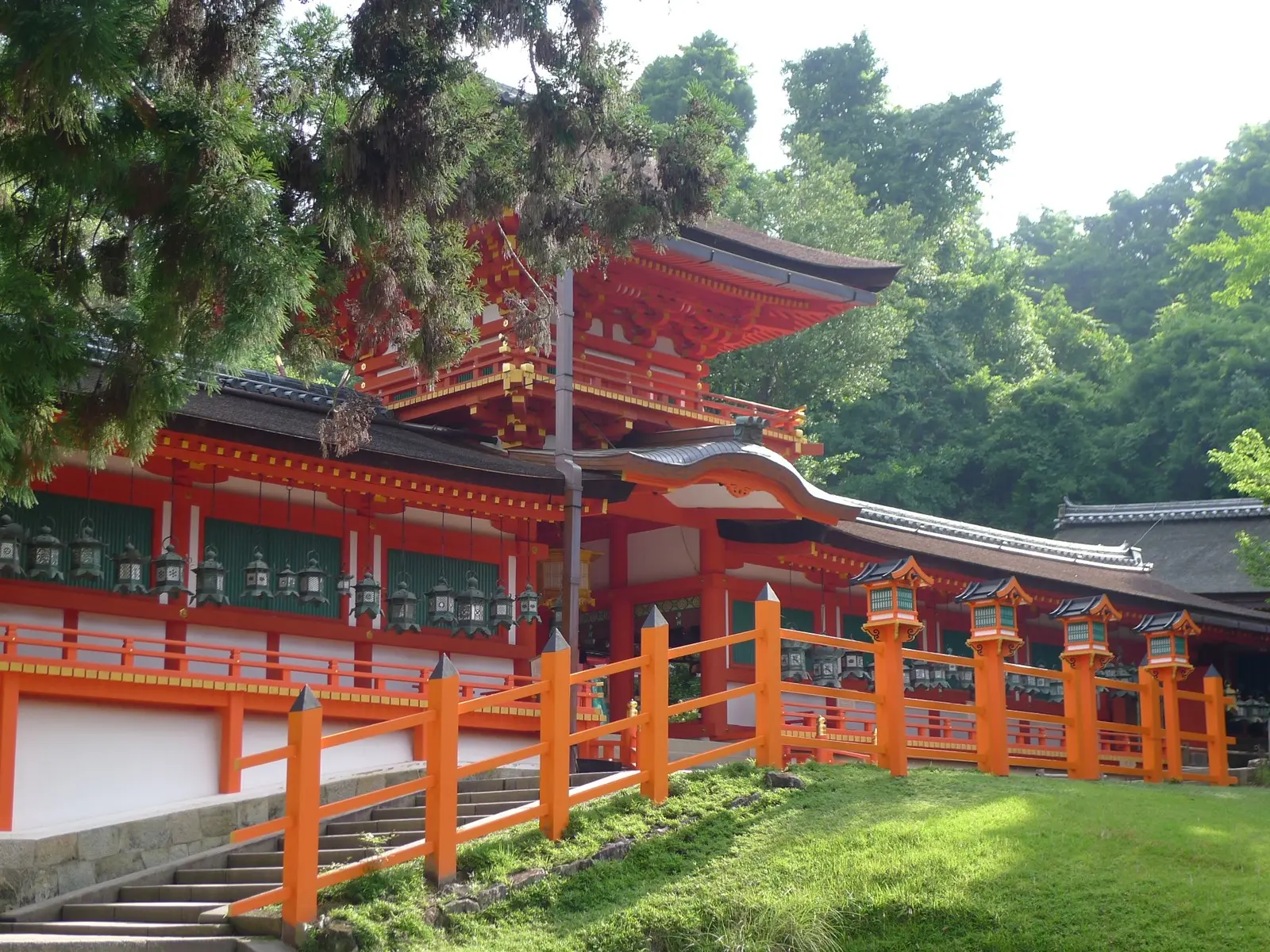
At the beginning of the Nara period, Takemikazuchi-no-Mikoto is said to have come riding a sacred deer from Kashima in present-day Ibaraki Prefecture to Mt. Mikasa to protect Heijo-kyo and ensure the nation’s prosperity. In 768, the main shrine was built at the foot of Mt. Mikasa, enshrining four deities: Takemikazuchi-no-Mikoto, Futsunushi-no-Mikoto, Amenokoyane-no-Mikoto, and Himegami. This is said to mark the beginning of the shrine.
Even today, Approx. 2,200 rituals are held each year. In particular, the Kasuga Festival held on March 13 is one of Japan’s three major imperial festivals and has continued for more than 1,200 years.
An imperial messenger is welcomed as the Emperor’s representative, and prayers are offered for the safety of the nation and the peace of its people.
8. Kasuga Taisha Manyo Botanical Garden
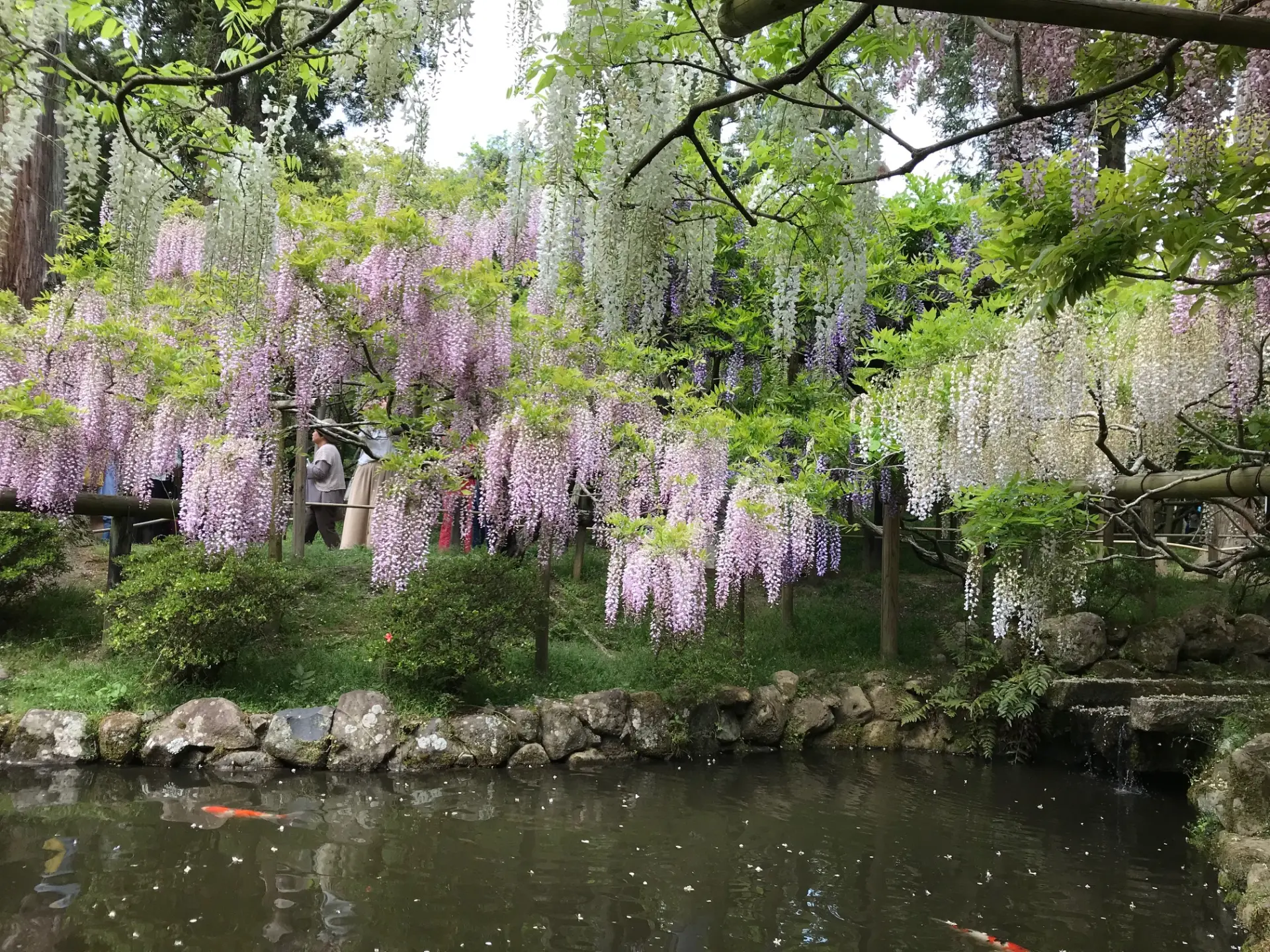
The Manyo Botanical Garden, located within the grounds of Kasuga Taisha Shrine, is a botanical garden full of historical charm and elegance, featuring Approx. 300 species of plants mentioned in the Manyoshu, Japan’s oldest anthology of poetry.
Beautiful seasonal scenery spreads throughout the garden and brings comfort to visitors.
The Approx. 3-hectare grounds are divided into four areas, “Manyo-en,” “Gokoku no Sato,” “Fuji no Sono,” and “Kasuga Gunpo-en,” each with its own distinctive atmosphere.
Beside the plants, explanations are displayed along with ceramic plaques engraved with poems from the Manyoshu, allowing visitors to sense how people in ancient times felt about these plants.
One of the most popular areas is “Fuji no Sono,” where Approx. 20 varieties and 200 wisteria vines bloom from around mid-April to early May each year, filling the garden with pale purple and white blossoms.
Visitors are captivated by the wide variety of wisteria, including the fragrant “Jako Fuji” and the graceful white-flowering “Shiro Noda Fuji.”
9. Ninja Park Nara
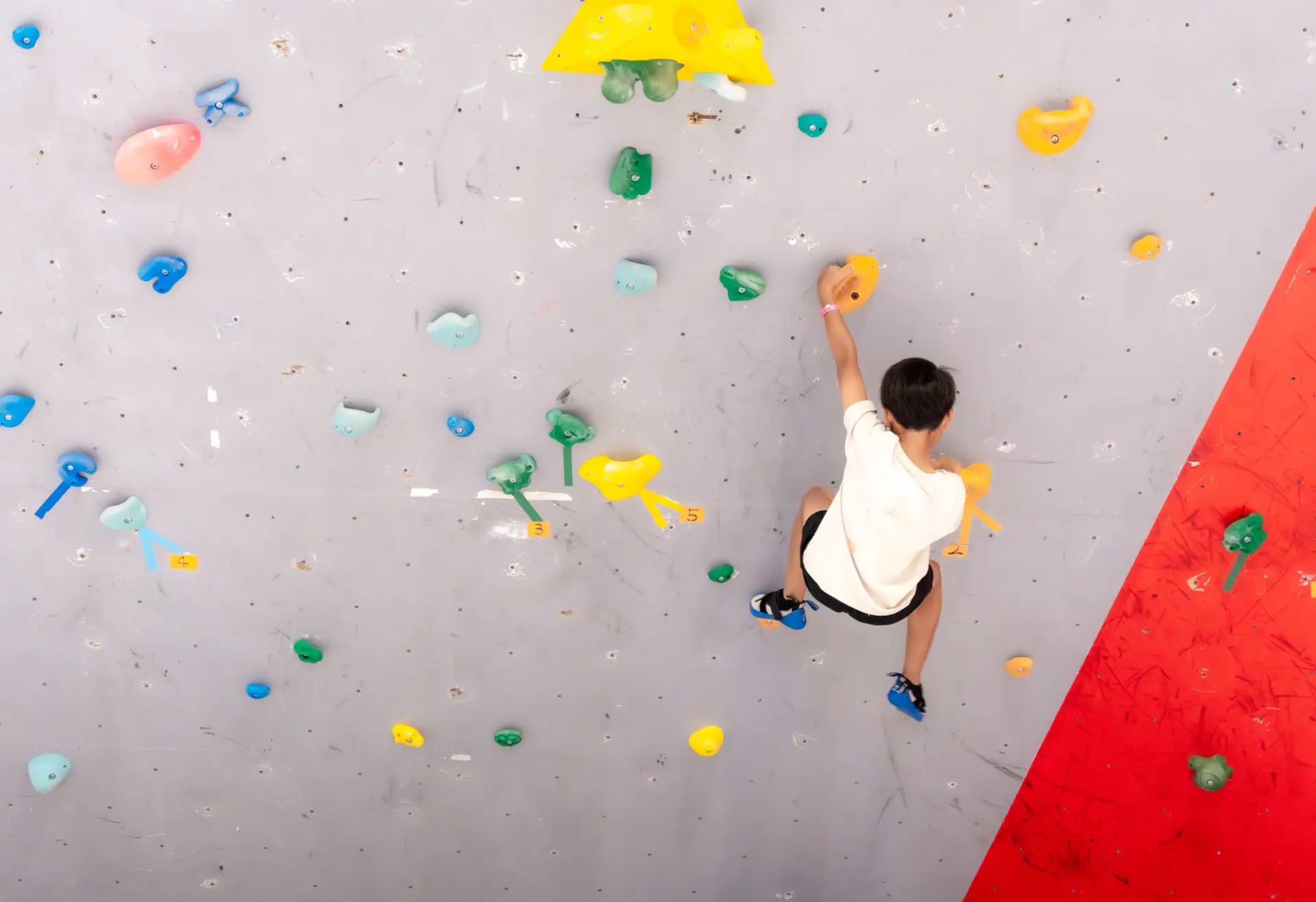
An interactive sports facility on the second floor of the large commercial complex Mi Nara, about 9 minutes by bus from JR Nara Station.
Inside are eight different areas, including an athletic course, bouldering area, vaulting box area, balance area, and a kids-only area.
One of its main features is that children can build physical abilities such as balance, explosive power, and endurance while having fun.
It is also a great place to drop by between shopping or on a rainy day.
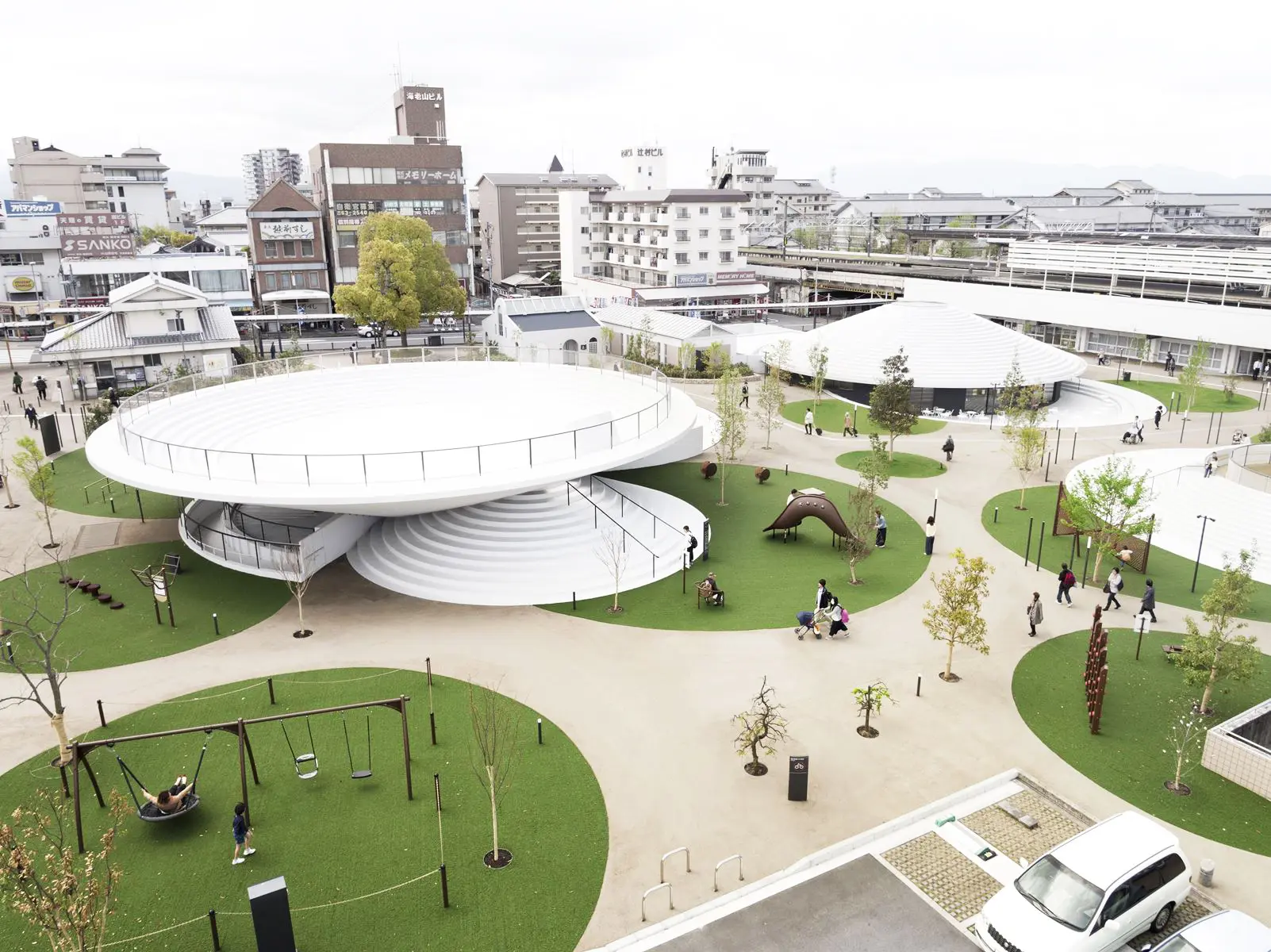
10. Tenri Station Plaza CoFuFun
At JR and Kintetsu Tenri Station in Tenri City, Nara Prefecture, you will find a unique scene of round grassy mounds and pure white circular structures. This is the station-front plaza “CoFuFun,” which opened in 2017 as a hub for regional revitalization.
In addition to the giant trampoline “Fuwafuwa Cofun” and the funnel-shaped “Suribachi Cofun,” which you climb by circling upward, the multipurpose plaza has play equipment popular with children and fitness equipment for adults, making it a place enjoyed by people of many generations.
11. Kuuchuu no Mura
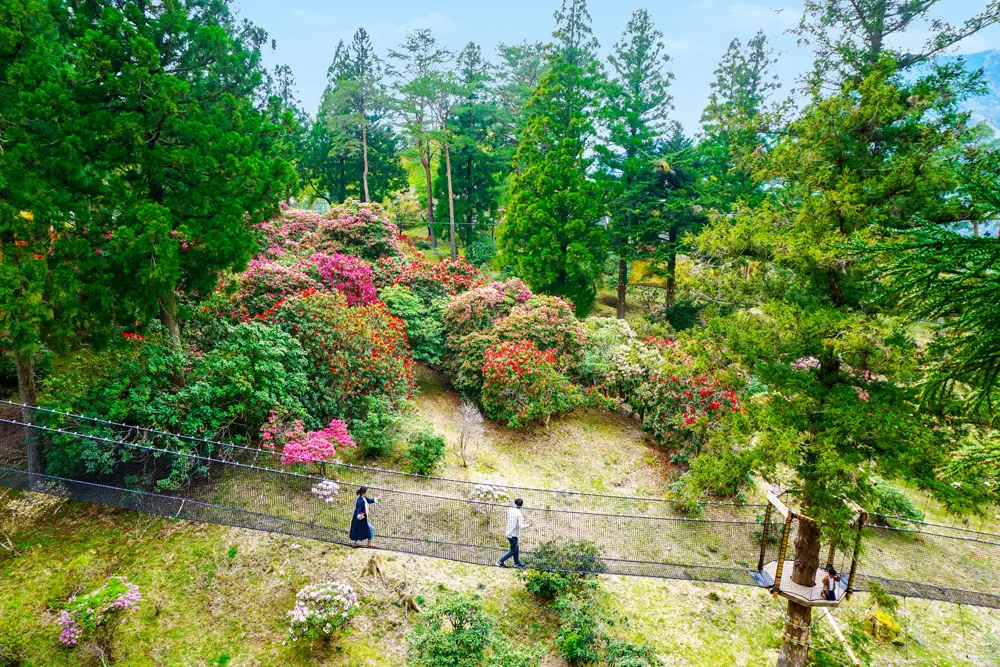
A completely new kind of outdoor spot that opened in 2020 in the 21st Century Forest, Kii Peninsula Forest Botanical Park in Totsukawa Village, known for its rhododendrons.
At heights of 4 to 12 meters above the ground, suspension bridges, treehouses, and hammock-like nets are installed, allowing visitors to relax and enjoy the forest atmosphere.
You can unwind with a coffee, bounce around like on a trampoline, or simply lie down and read. Both adults and children are free to spend their time however they like.
12. Koriyama Goldfish Museum
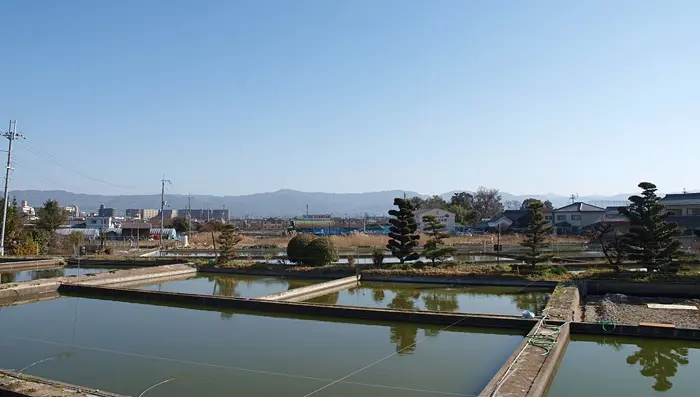
Yamatokoriyama City in Nara Prefecture has about 300 years of history in goldfish farming and now ships Approx. 58 million goldfish annually.
A spot that truly reflects this goldfish town is the Koriyama Goldfish Museum, operated by the fish breeder Yamato Kingyoen.
Inside, Approx. 40 varieties of goldfish are kept and displayed in tanks by type, including familiar breeds as well as original species, premium breeds, and endangered varieties.
13. Nara Historical Art and Culture Village
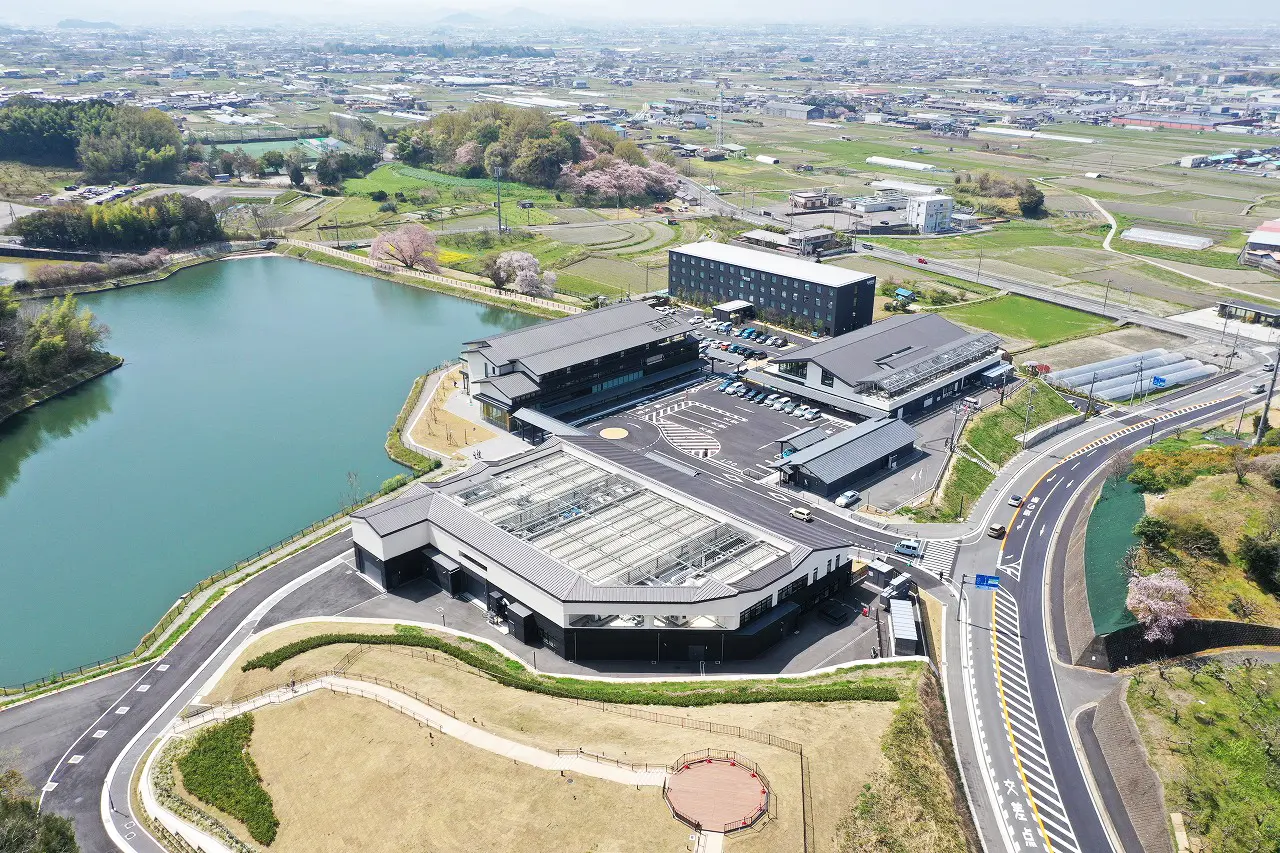
A complex facility that opened in March 2022, consisting of four buildings, the Cultural Property Restoration and Exhibition Building, the Art and Culture Experience Building, the Exchange and Liveliness Building, and the Information Center, along with an outdoor experience zone.
Visitors can experience the diverse culture Nara is proud of, including history, art, food, and agriculture.
A major highlight is the public viewing of restoration work in four cultural property fields, the first of its kind in Japan: Buddhist statues and other sculptures, paintings and calligraphy, historic buildings, and archaeological artifacts.
14. Mount Yoshino
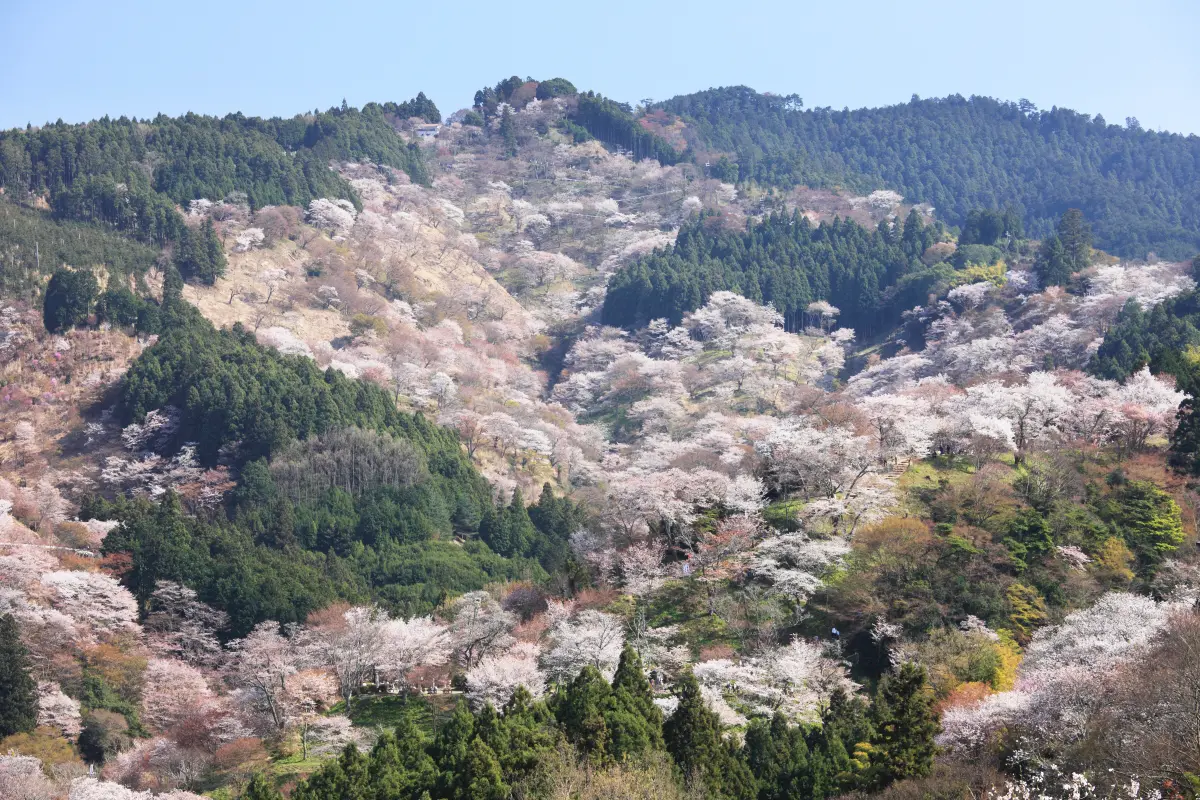
Mount Yoshino is known as Japan’s most famous cherry blossom viewing spot. In spring, cherry blossoms begin blooming gradually from Shimo Senbon and beautifully color the entire mountain all the way to Oku Senbon.
From spring to summer, hydrangeas also bloom in abundance, and during the season of fresh summer greenery, it is popular as a place for forest bathing.
Cherry blossoms and autumn leaves are illuminated during their seasons, and events such as the Tanabata Festival are held in summer, which adds to its appeal as a place with various events throughout the year.
15. Naramachi
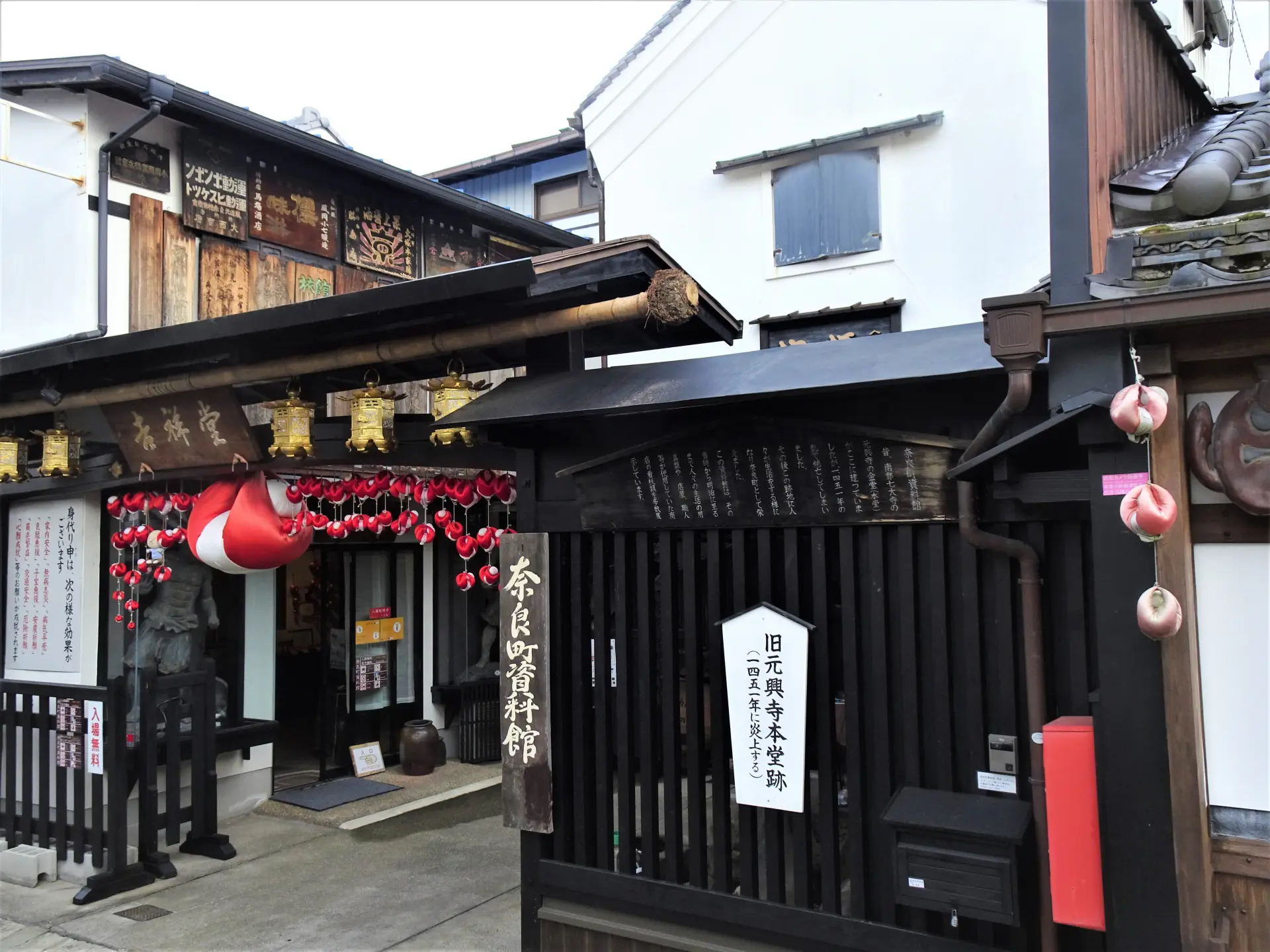
Nara’s old town district, nationally rare and often mentioned alongside Kyoto and Kanazawa.
Centered around the former precincts of Gango-ji Temple, machiya townhouses built from the Edo period to the Meiji period still remain, creating a retro atmosphere perfect for strolling.
Its history began when the area was developed as part of the outer capital of Heijo-kyo in the Nara period, and even after the capital was moved to Heian-kyo, it continued to thrive together with the many Buddhist temples in the surrounding area.
Today, the retro streets are lined with cafes, restaurants, and variety shops, making it a sightseeing spot visited by people of all ages.
3 recommended places to stay in Nara for a comfortable family trip
From here, we introduce a carefully selected list of accommodations that are perfect for a family trip.
Each one offers not only a comfortable space and excellent facilities and services, but also easy access to major sightseeing spots.
Choosing the right place to stay as your travel base can make your family trip even more memorable.
1. ANDO HOTEL Nara Wakakusayama
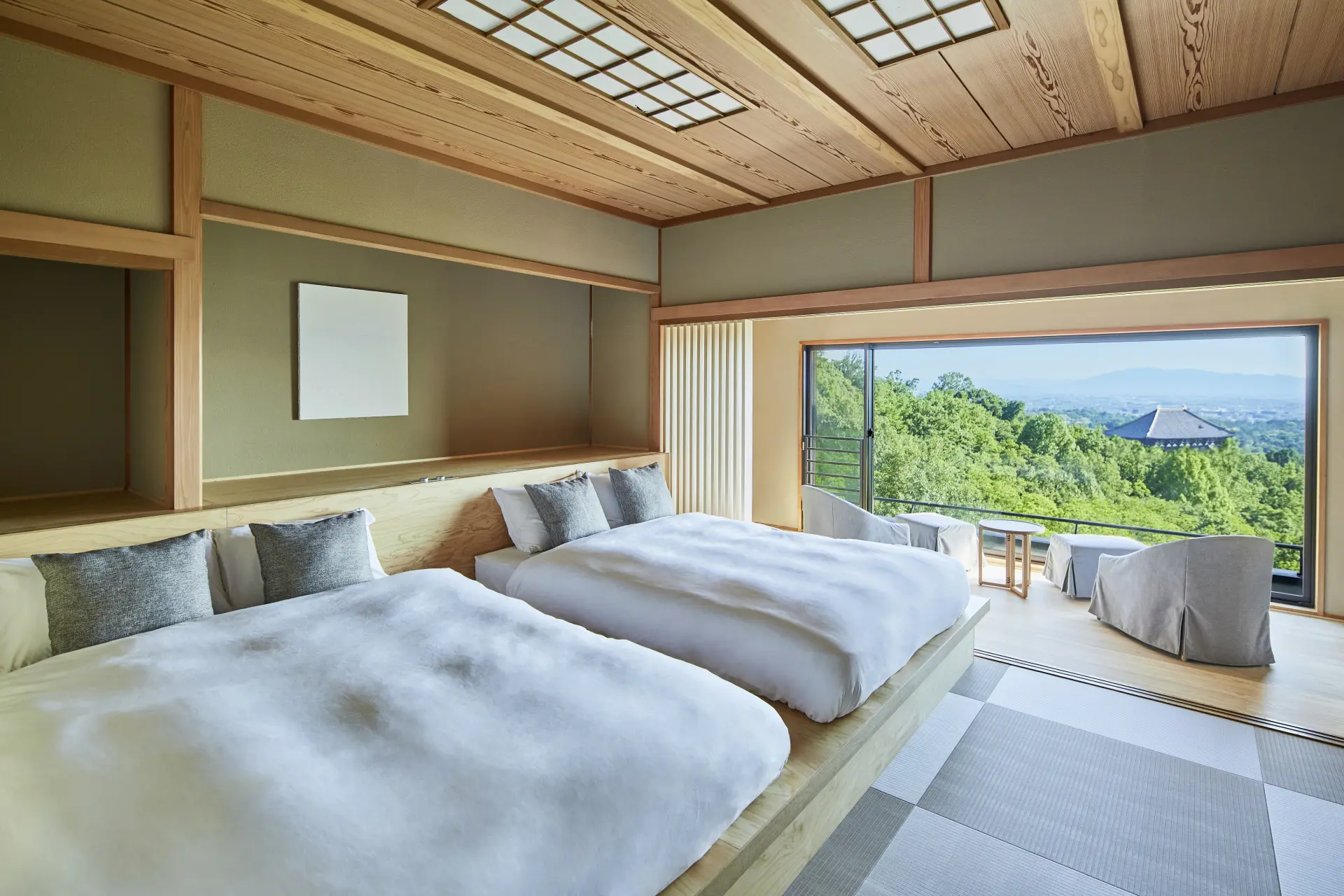
A Japanese cuisine auberge on the slope of Mount Wakakusa, grand-opened in July 2020 after renovating an inn that had been loved for more than half a century.
Its greatest attraction is, without question, the view of the ancient capital of Nara from the mountainside. From the newly added rooftop open-air bath, the penthouse suite, the lobby, and most guest rooms, visitors can look out over Todai-ji Temple’s Great Buddha Hall, Kofuku-ji Temple’s five-story pagoda, and the cityscape of Nara.
The cuisine served as a Japanese auberge is another major draw.
2. Nara Plaza Hotel
Located in Tenri City, Nara Prefecture, Nara Plaza Hotel is accessible from either JR Koriyama Station or Hirahata Station on the Kintetsu Kashihara Line, and a free shuttle bus is available from both.
The guest rooms include spacious types such as Deluxe Twin and Royal Twin, making them perfect for family stays.
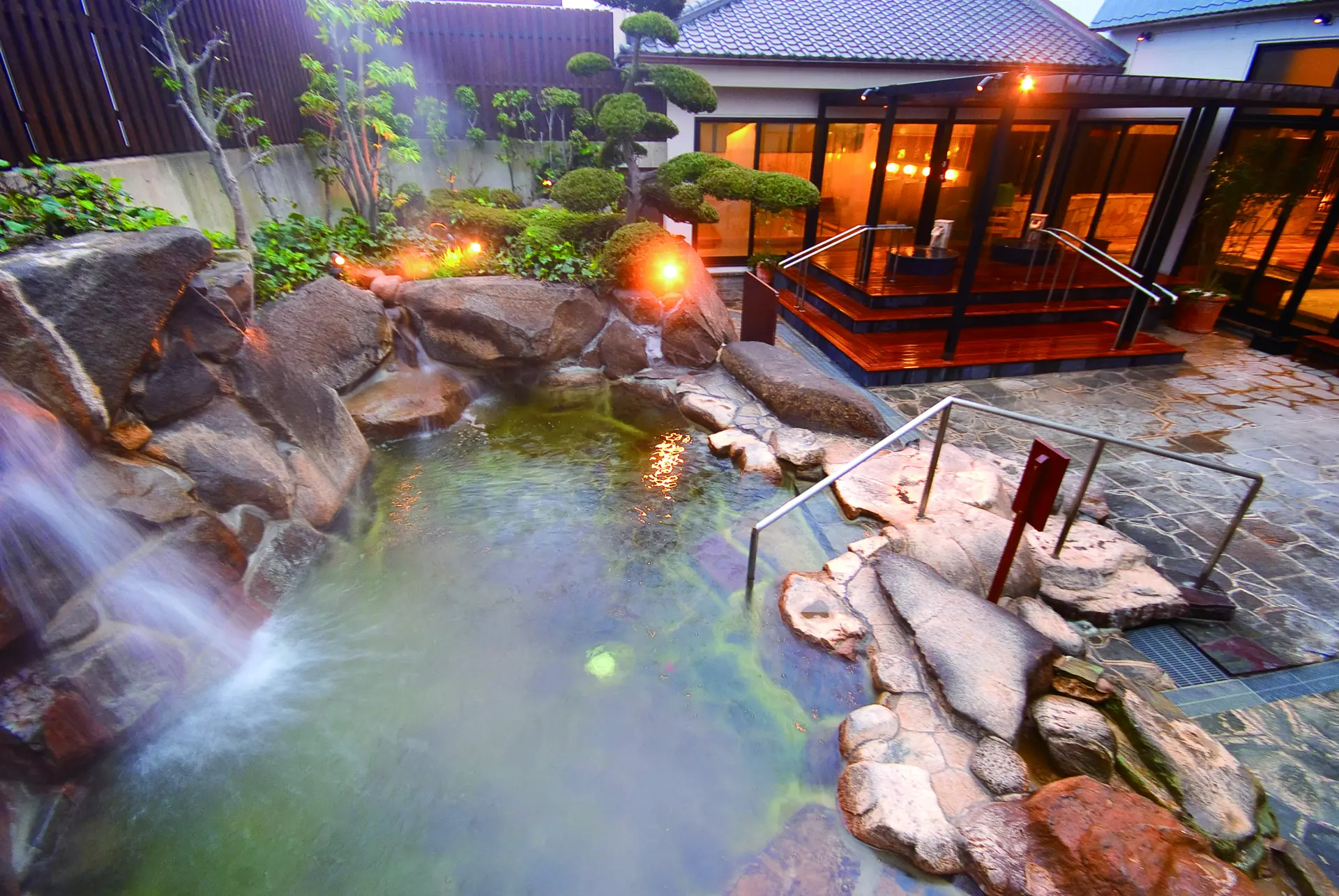
The attached Nara Kenko Land features 10 types of baths and saunas, a bedrock bath, and an indoor leisure pool.
There is also Nara Wanpaku Land Hasha Kids, a giant inflatable theme park within the facility, where families can enjoy active play together with ball pools, slides, and trampolines.
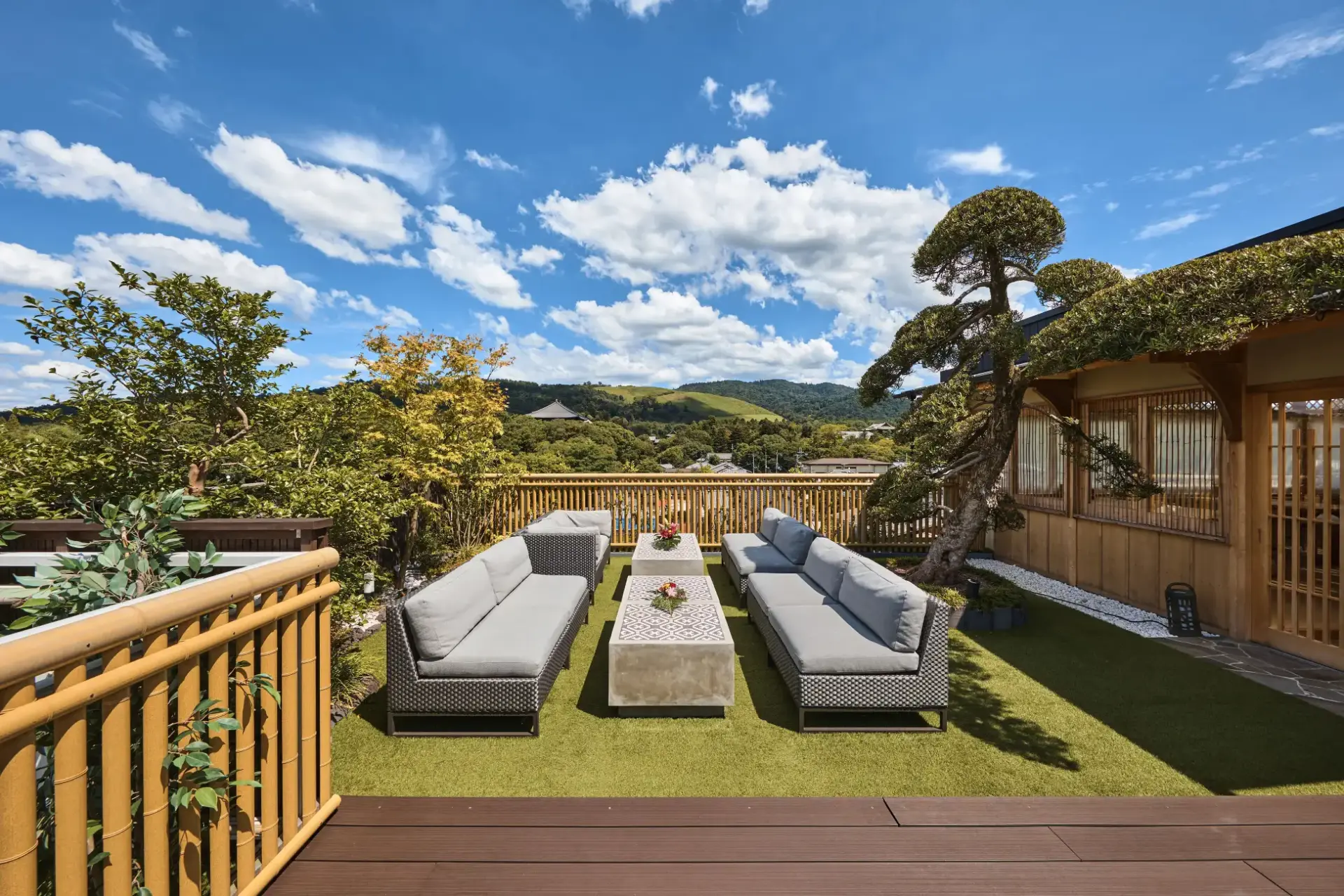
3. Hotel New Wakasa
A conveniently located hotel within walking distance of Kintetsu Nara Station, making it easy to explore Nara’s main sightseeing spots on foot.
From the rooftop garden, you can enjoy sweeping views of Nara’s historic townscape and Nara Park, with scenery that changes beautifully with the seasons. Kaiseki meals made with local ingredients are another highlight.
There are 22 guest rooms in total, each with a different concept based on a Japanese modern style.
Among them, the “Premium Kids Room Kojika” features a play area in a space of Approx. 34.7 square meters and is recommended for family trips.
A recommended 2-day model course for an efficient family trip around Nara
Here is a 2-day, 1-night model course in Nara that minimizes travel strain and can be enjoyed using only public transportation.
On day 1, you will visit classic sightseeing spots, while day 2 focuses on indoor facilities that can be enjoyed even in bad weather.
Depending on the weather, you can also switch the contents of day 1 and day 2.
- Day 1
- Kintetsu Nara Station → Nara Park → Lunch at Higashimuki Shopping Street → Kasuga Taisha Shrine & Manyo Botanical Garden → Stroll around Naramachi → ANDO HOTEL Nara Wakakusayama
- Day 2
- ANDO HOTEL Nara Wakakusayama → Walk along the slope of Mount Wakakusa → Nara Kingyo Museum → Ninja Park Nara → Kintetsu Nara Station
FAQ about sightseeing in Nara with your family
Q
Are there places in Nara that children can enjoy too?
Yes, Nara has plenty of spots where children can play in rich natural surroundings, such as Nara Park, Kuuchuu no Mura, and Mount Yoshino.
Q
Are there indoor places where I can have fun with children?
Yes, there are also indoor facilities where you can enjoy time with children, such as Ninja Park Nara and Nara Kingyo Museum.
Summary
In this article, we introduced popular sightseeing spots and accommodations in Nara that are perfect for family outings.
We hope you fully enjoy a family trip in Nara, where you can play freely while experiencing history and nature.
You can also use the article below, which brings together Nara’s classic sightseeing spots and gourmet information, to help plan your trip.