
![[Tochigi, Ashikaga to Utsunomiya 2-Day, 1-Night Model Course] A Historic Town Walk Full of Japanese Charm](https://static.gltjp.com/glt/data/article/22000/21281/20260321_053819_7327cf08_w1920.webp)
[Tochigi, Ashikaga to Utsunomiya 2-Day, 1-Night Model Course] A Historic Town Walk Full of Japanese Charm
Easy to reach from Tokyo in Approx. 1 hour by shinkansen, Tochigi Prefecture is a great sightseeing area for visitors from the greater Tokyo region.
It is home to a range of destinations with distinct character, including Nikko, home to the World Heritage Site Nikko Toshogu Shrine and long popular as a summer retreat, Nasu, where nature-rich highland resorts spread out, and Kinugawa, where hot spring inns line the gorge.
There are also appealing areas for strolling while getting a feel for how the towns developed, such as Ashikaga City, where the history of weaving still lives on, and Utsunomiya City, which still retains the atmosphere of a former castle town.
This time, we introduce a model course that takes you through Ashikaga’s historic streets while enjoying a kimono experience, then on to Utsunomiya to discover its castle-town heritage and the distinctive scenery created by Oya stone.
This is a 2-day, 1-night trip where you can experience Japanese charm and local culture on foot.
Day 1 | Explore the Ashikaga area, known for “Ashikaga Meisen”!
The trip starts at JR Ashikaga Station. Walk for Approx. 10 minutes through central Ashikaga, which prospered as a weaving town, and head to your first destination, Machinaka Yugakukan.
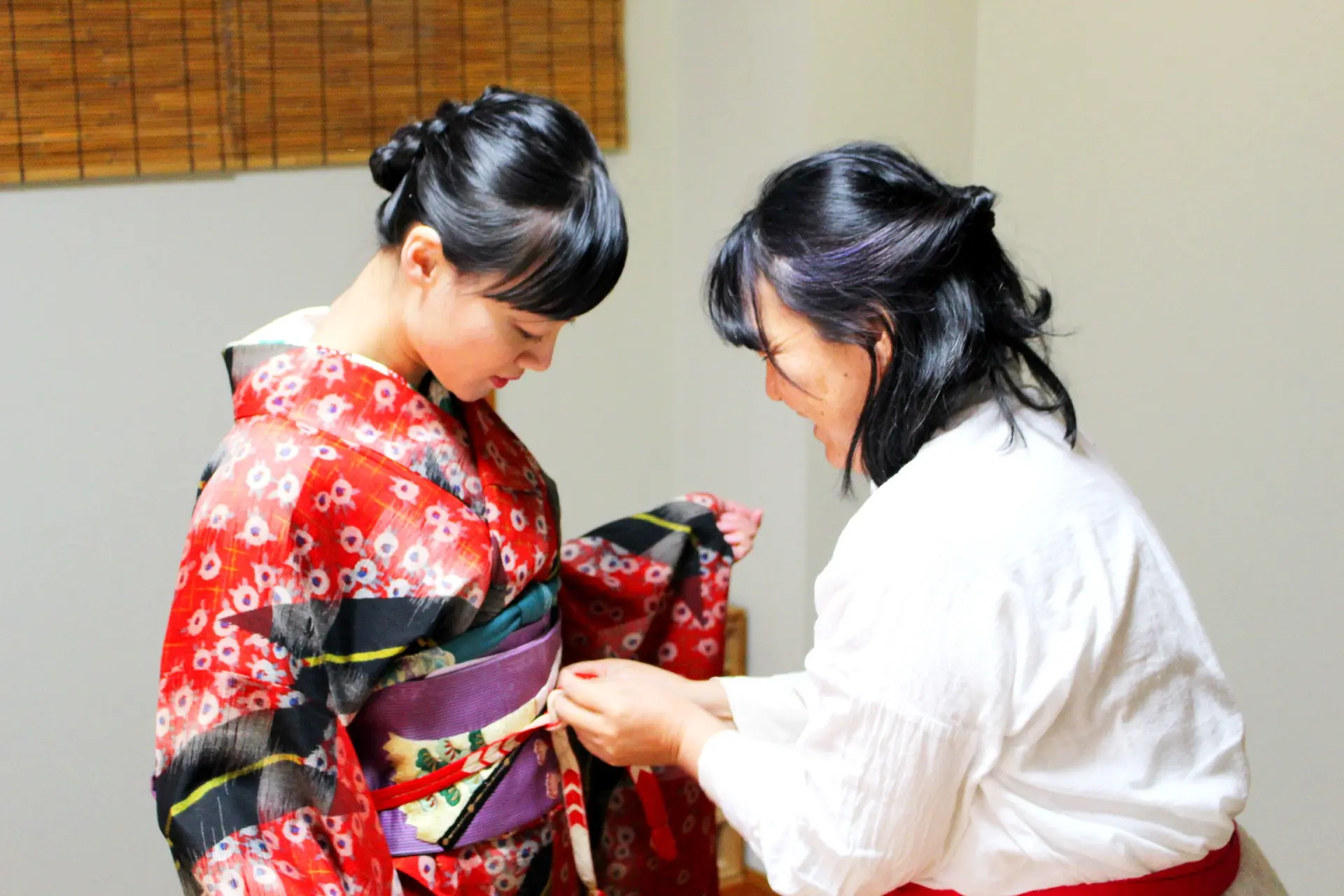
Start by changing into an Ashikaga Meisen kimono at the “Machinaka Yugakukan Kimono Dressing Experience”!
Machinaka Yugakukan, where you can experience Ashikaga’s textile culture, is a popular spot offering kimono dressing experiences featuring Ashikaga Meisen as well as armor dressing experiences.
This time, change into an Ashikaga Meisen kimono before heading out for a stroll. Known for its colorful and bold patterns, Ashikaga Meisen is a silk textile that was popular from the Taisho era to the early Showa period, and is loved for its retro-modern feel.
Once you are dressed, set off to explore the town in your kimono. Walking around in an outfit full of Taisho-era romance is perfect for making special travel memories.
Visit Ashikaga Gakko, the oldest school in Japan
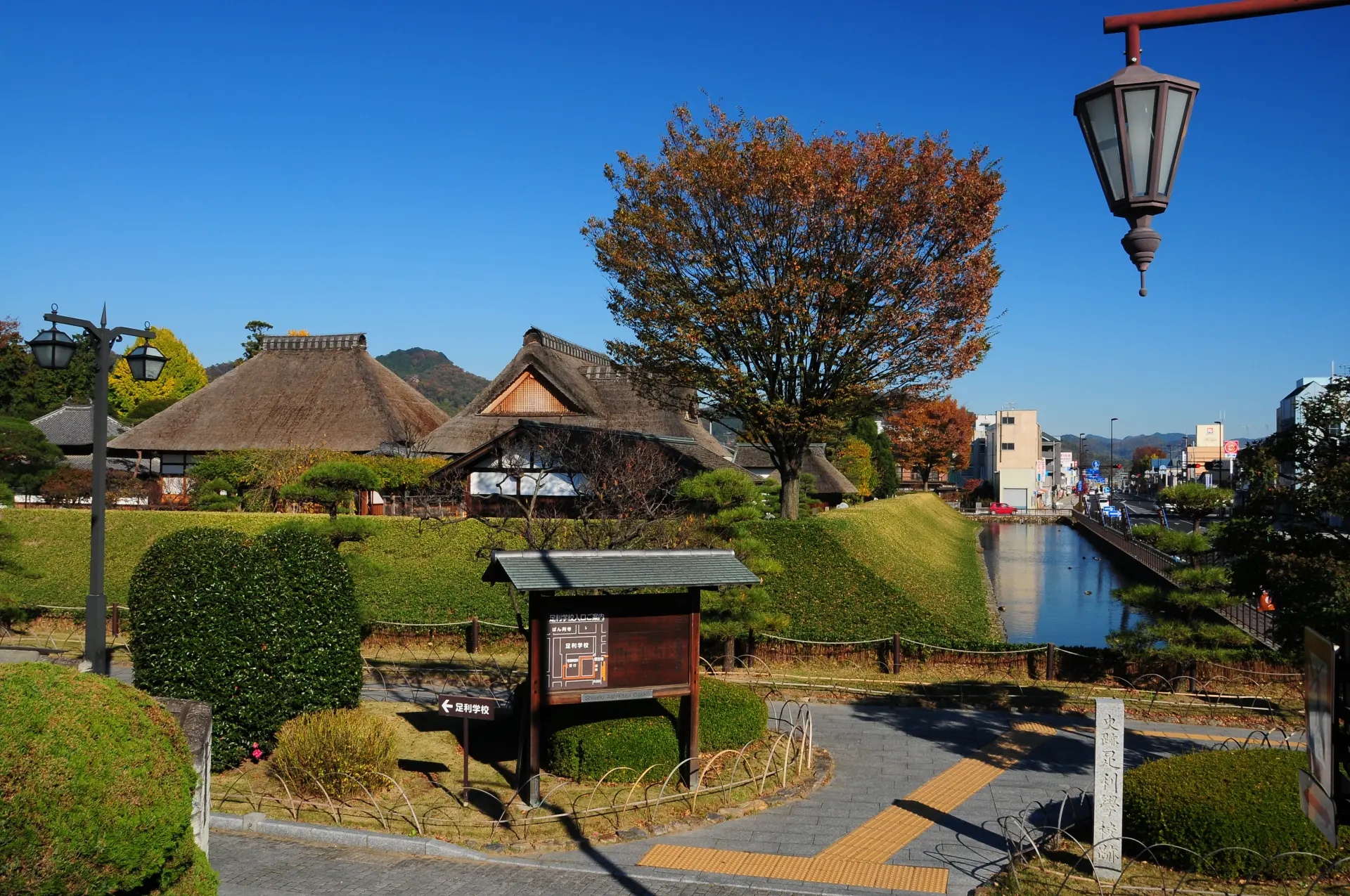
Next, walk for Approx. 2 minutes from Machinaka Yugakukan to Ashikaga Gakko, known as the oldest school in Japan. It is a historic place of learning and is also designated as a National Historic Site. In 1549, the missionary Francis Xavier praised it as “the largest and most famous university in Bando in all of Japan,” and its name became known overseas as well.
Even after it finished its role as a school at the end of the Edo period, preservation efforts continued, and today part of the buildings and the garden have been restored to their mid-Edo period appearance. It was also recognized as a Japan Heritage site in 2015, and visitors can see the spaces where students once studied. Receiving an admission certificate at the entrance desk is also a unique Ashikaga Gakko experience.
Be amazed by the beautiful scenery at the famous temple “Banna-ji,” home to a National Treasure main hall, and enjoy the local specialty Ashikaga shumai
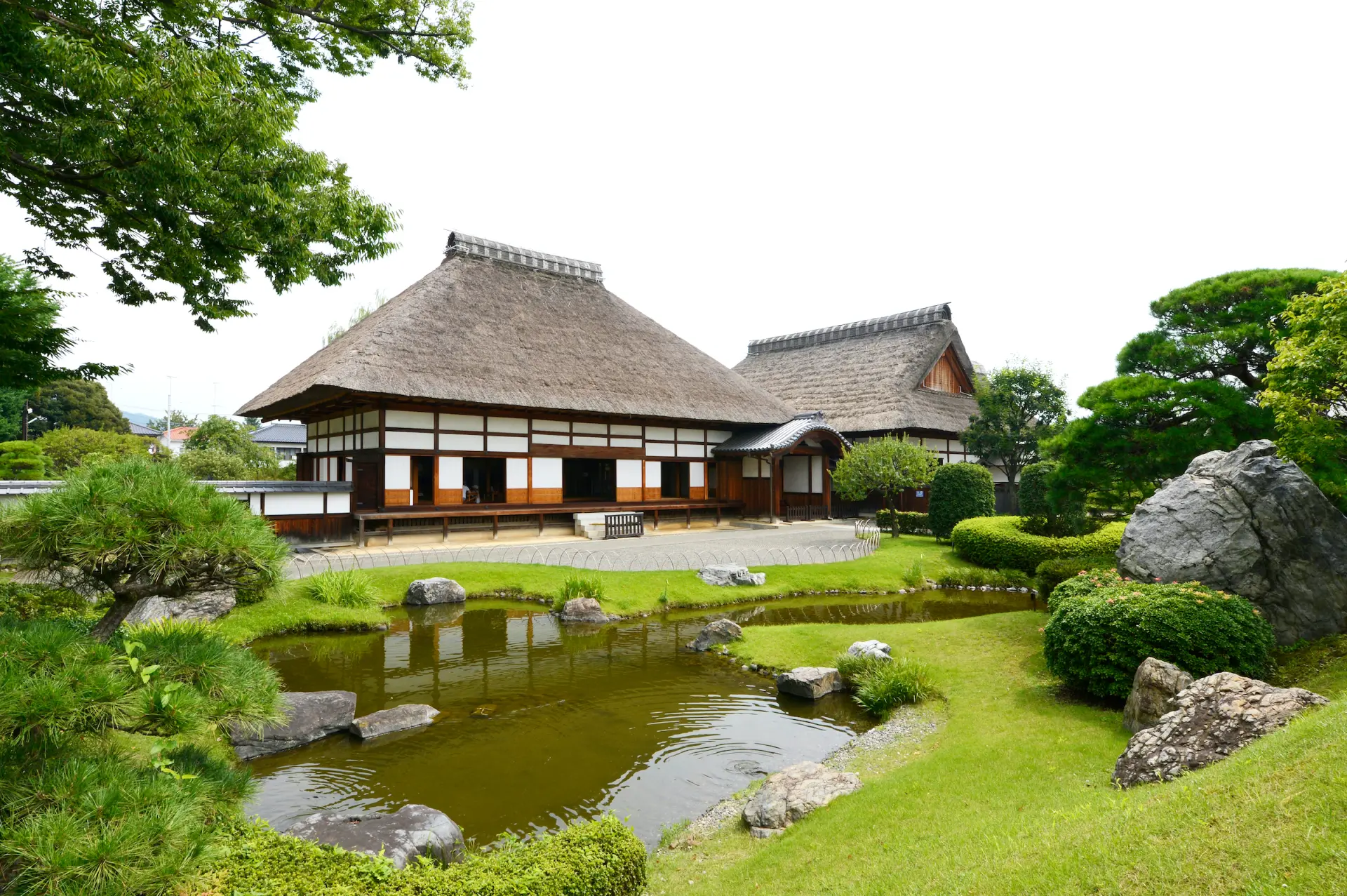
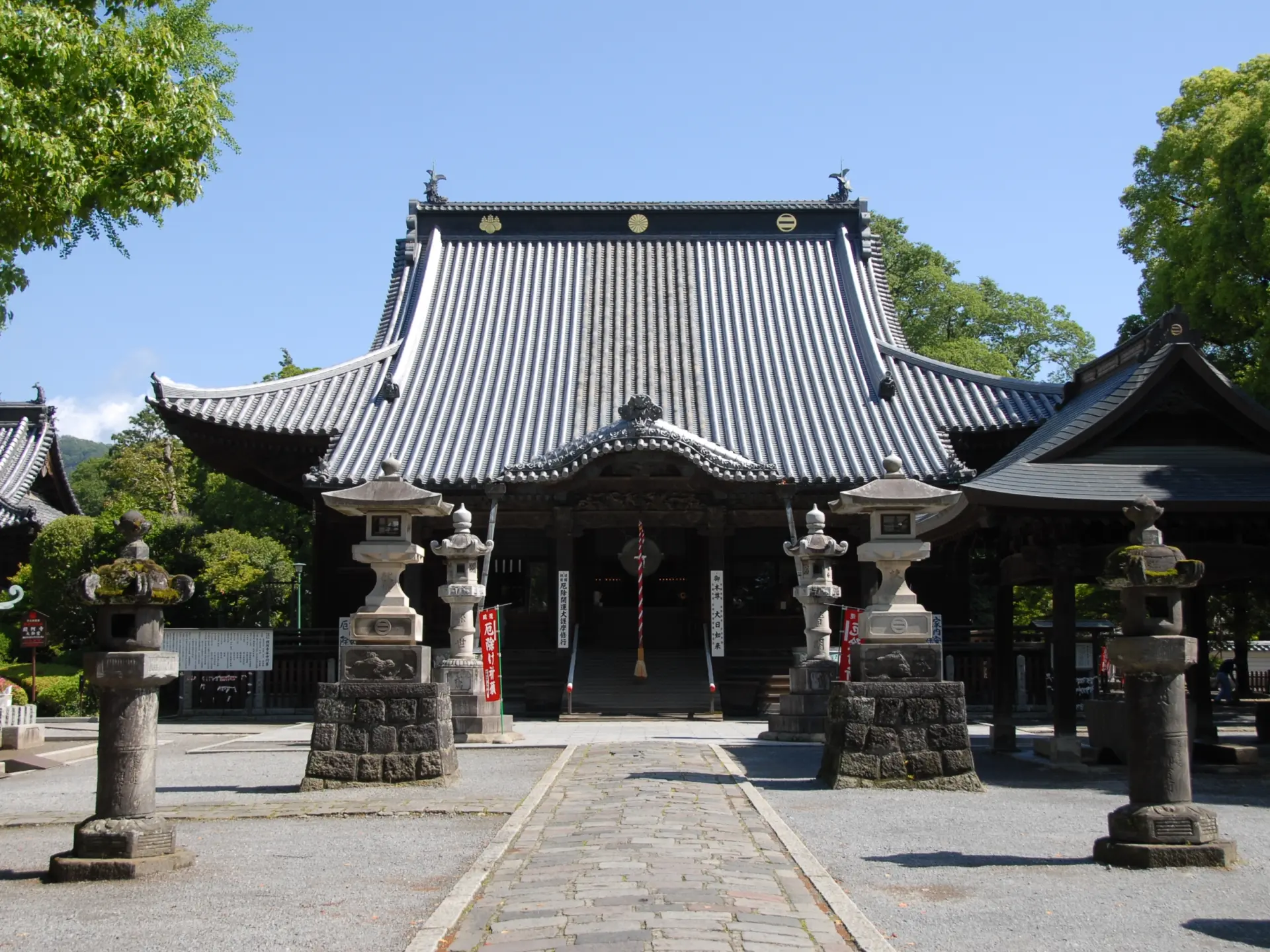
Next is Banna-ji, about a 4-minute walk from Ashikaga Gakko. Known as the family temple of the Ashikaga clan, this ancient temple is designated as a National Historic Site. Because it was built on the former residence of the Ashikaga clan, earthen ramparts and moats remain, and the temple was also selected as one of Japan’s Top 100 Castles for its castle-like features.
The main hall standing at the center of the grounds incorporates Zen-style architecture and is designated as a National Treasure. Other historically valuable structures, including the bell tower, Issaikyo-do Hall, and Taho Pagoda, are scattered throughout the grounds and can be admired at a leisurely pace.
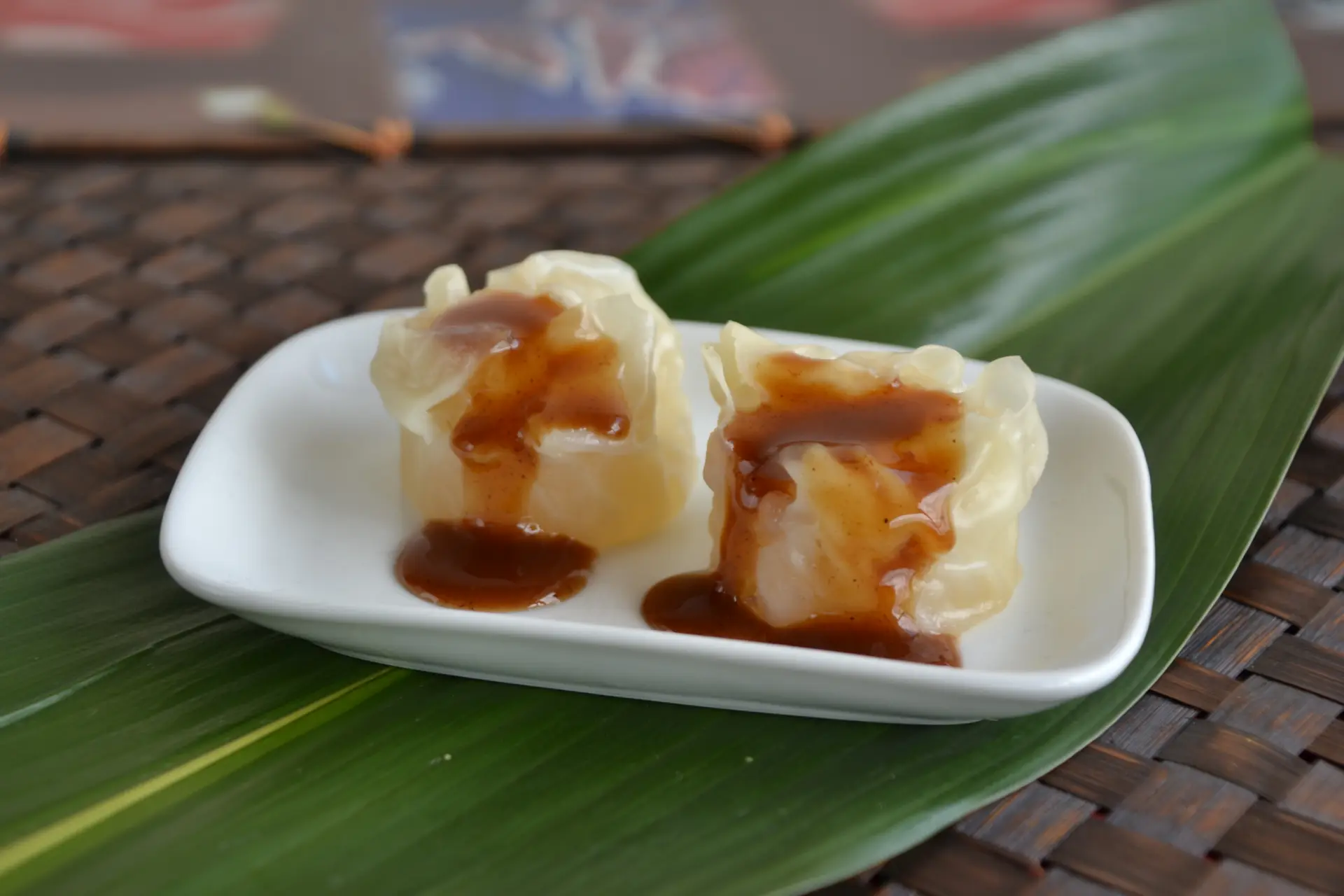
After enjoying the temple visit and stroll, stop by Dainichi Chaya on the temple grounds to try the local specialty “Ashikaga shumai.” Savoring a local favorite in a historic setting makes for a truly special moment.
Lunch time with sarashina soba at “Kyoyuan”
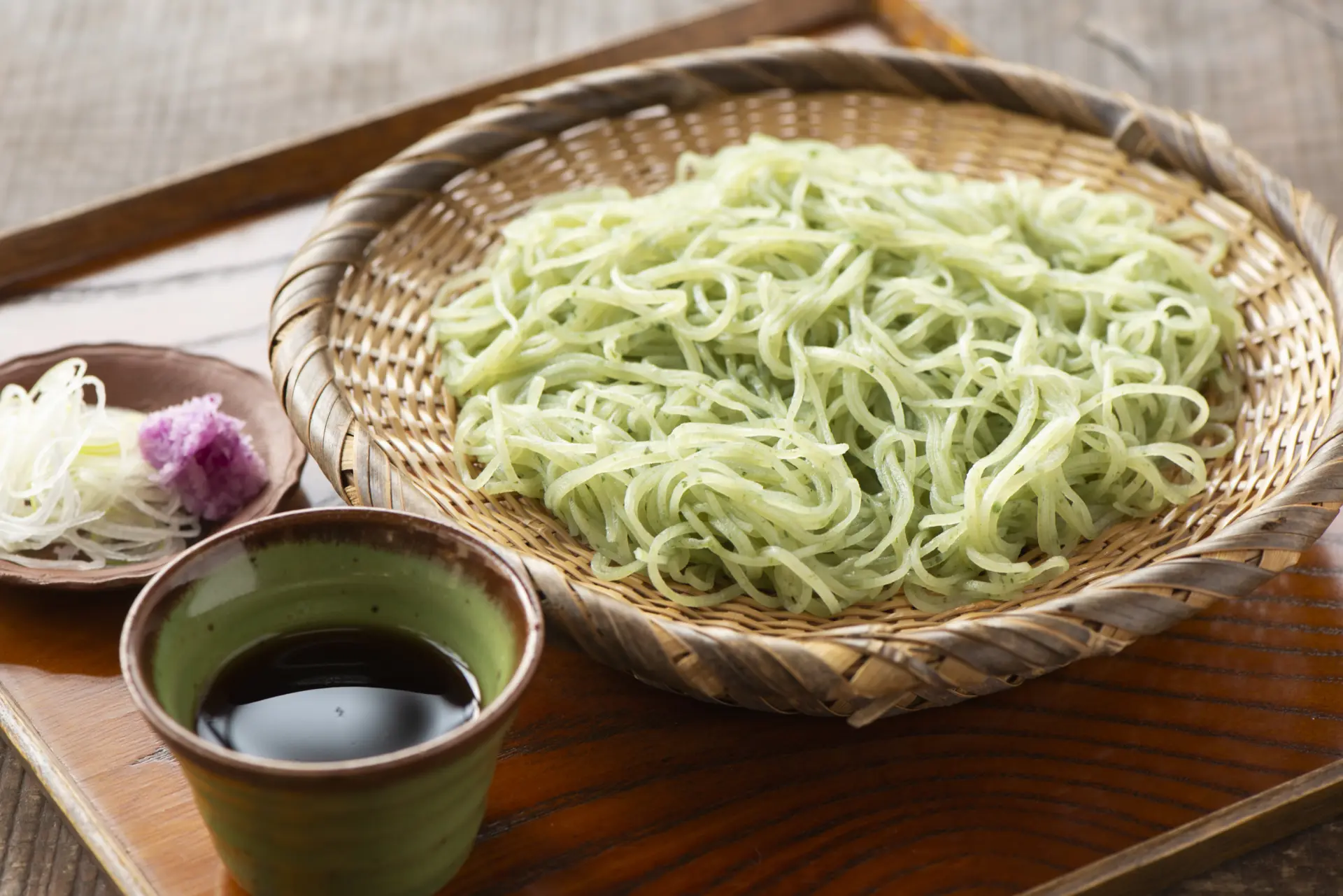
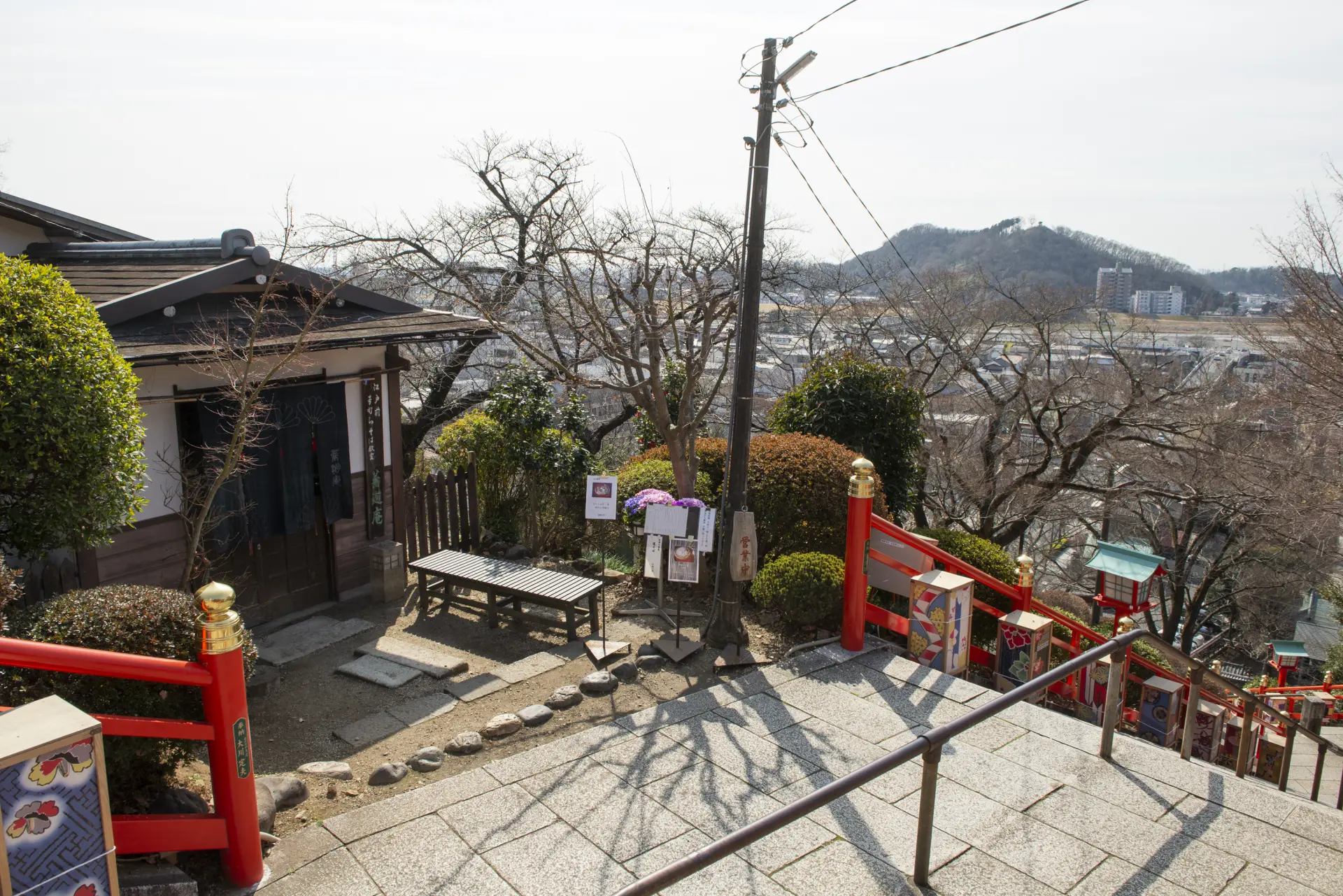
For lunch, head to Kyoyuan, located Approx. 15 minutes on foot from Banna-ji. This soba restaurant sits beside the grounds of Ashikaga Orihime Shrine on the slope of Mount Orihime, and is well known for its refined sarashina soba, prized for its texture and smooth finish.
Soba made with sarashina flour is known for its smooth mouthfeel and clean sweetness. One of the most popular dishes is the “seasonal changing soba,” which lets you enjoy flavors that reflect Japan’s four seasons.
In this calm setting, enjoy a satisfying soba meal during a break in your Ashikaga stroll.
Pray for good relationships at the power spot “Ashikaga Orihime Shrine” with spectacular views!
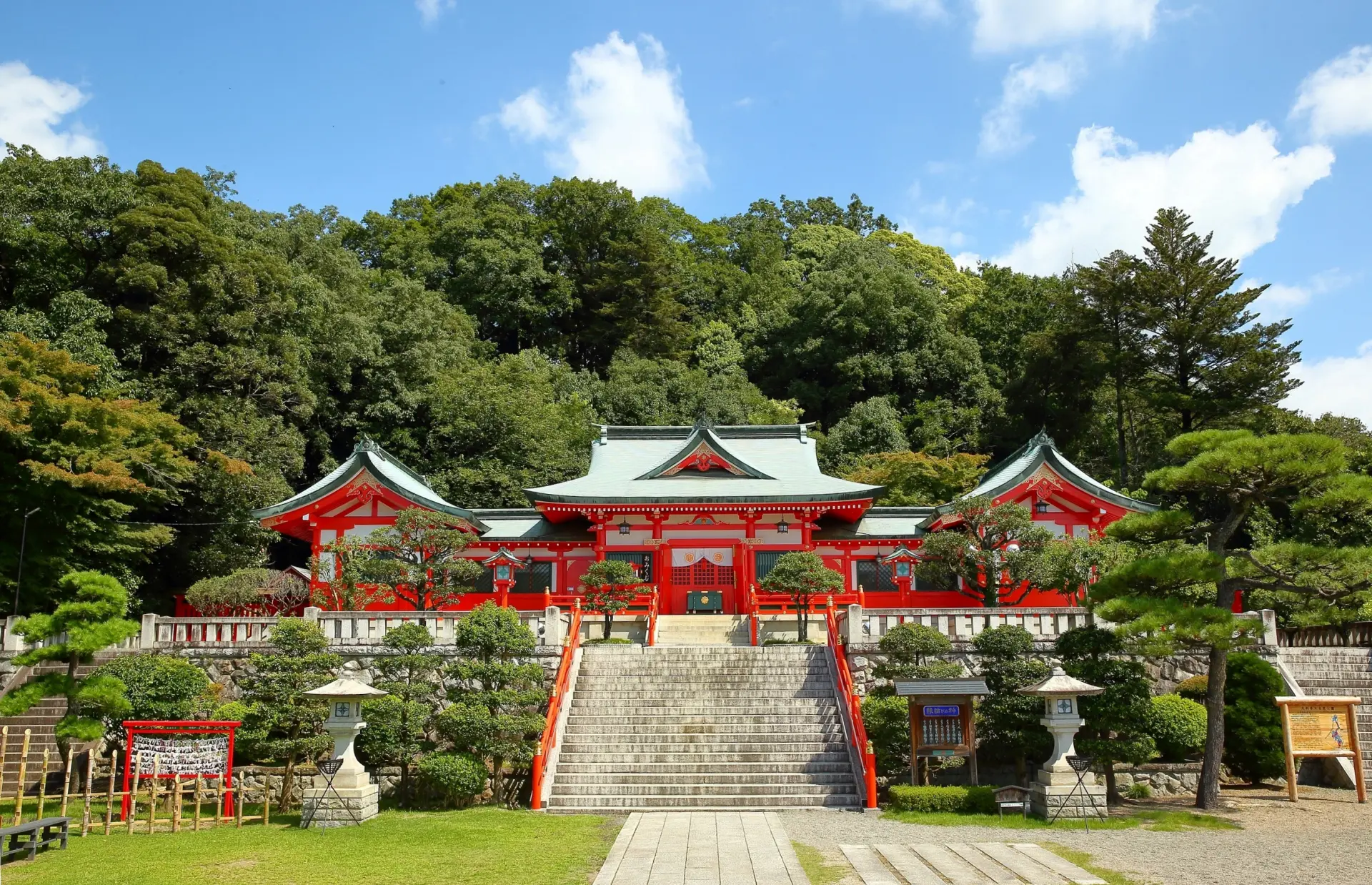
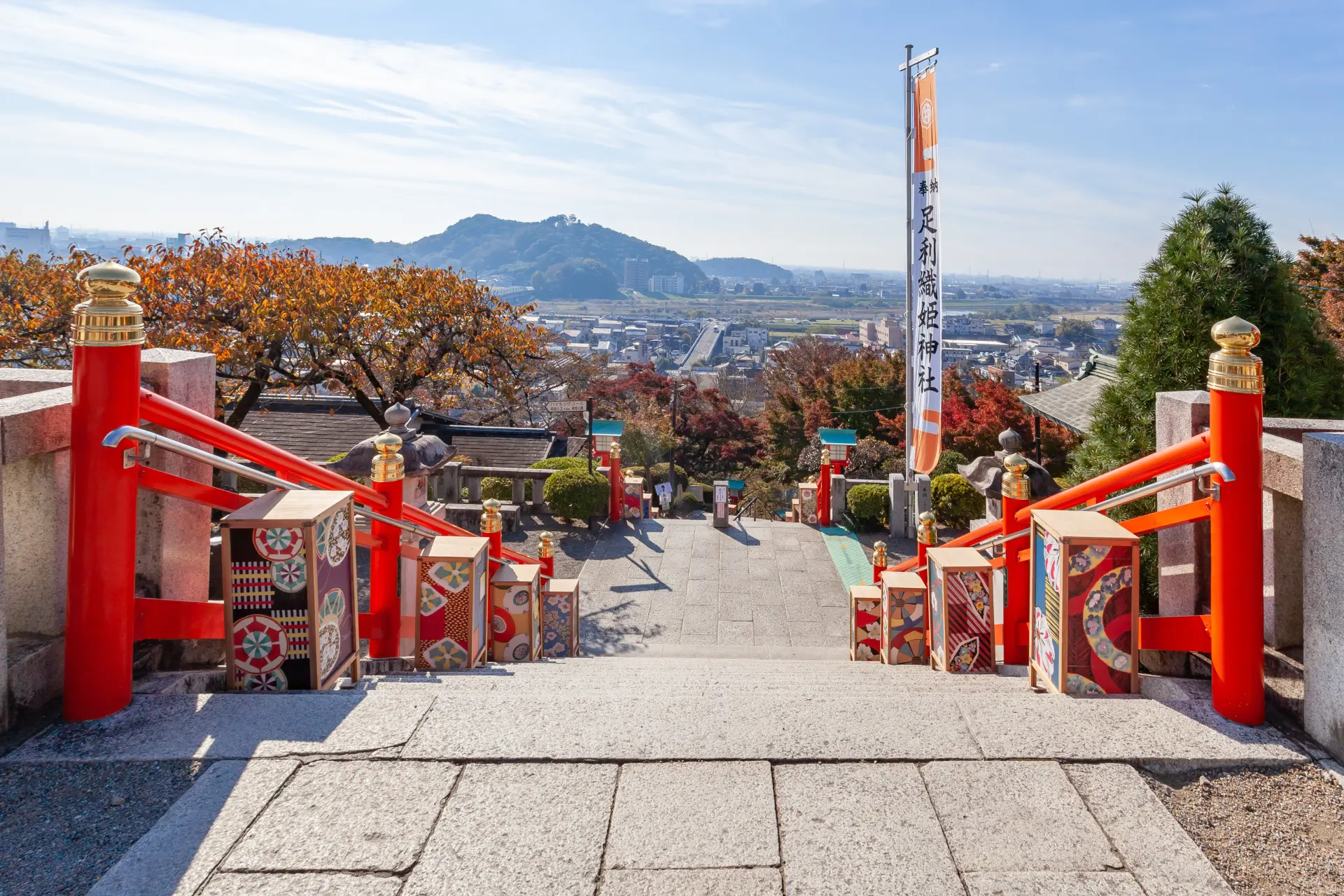
After lunch, visit Ashikaga Orihime Shrine, known as a shrine for matchmaking. Deeply connected to Ashikaga’s history as a textile town, the shrine enshrines two deities who govern weaving. Because woven cloth is made by interlacing vertical and horizontal threads, the shrine has long been beloved as a place to pray for good relationships.
First, pass through the first torii gate, called Otokozaka, and climb the 229 steps to the shrine grounds. It is said that wishes come true if you worship by way of Otokozaka, making the style of worship itself one of the shrine’s distinctive features.
At the top of the stairs, the vermilion main shrine building appears. It is said to have been modeled after the Phoenix Hall of Byodo-in Temple in Uji, Kyoto. Its vivid colors and elegant appearance are striking, and the shrine’s location halfway up Mount Orihime gives it an open, airy feel.
After your visit, head back down via Onnazaka. Along the way, you can pass through seven colorful torii gates said to connect seven kinds of bonds, people, health, wisdom, life, study, work, and business, letting you enjoy an Ashikaga Orihime Shrine experience right to the very end.
Try making a Meisen corsage at the Ashikaga textile museum “Ashikaga Orimono Denshokan”
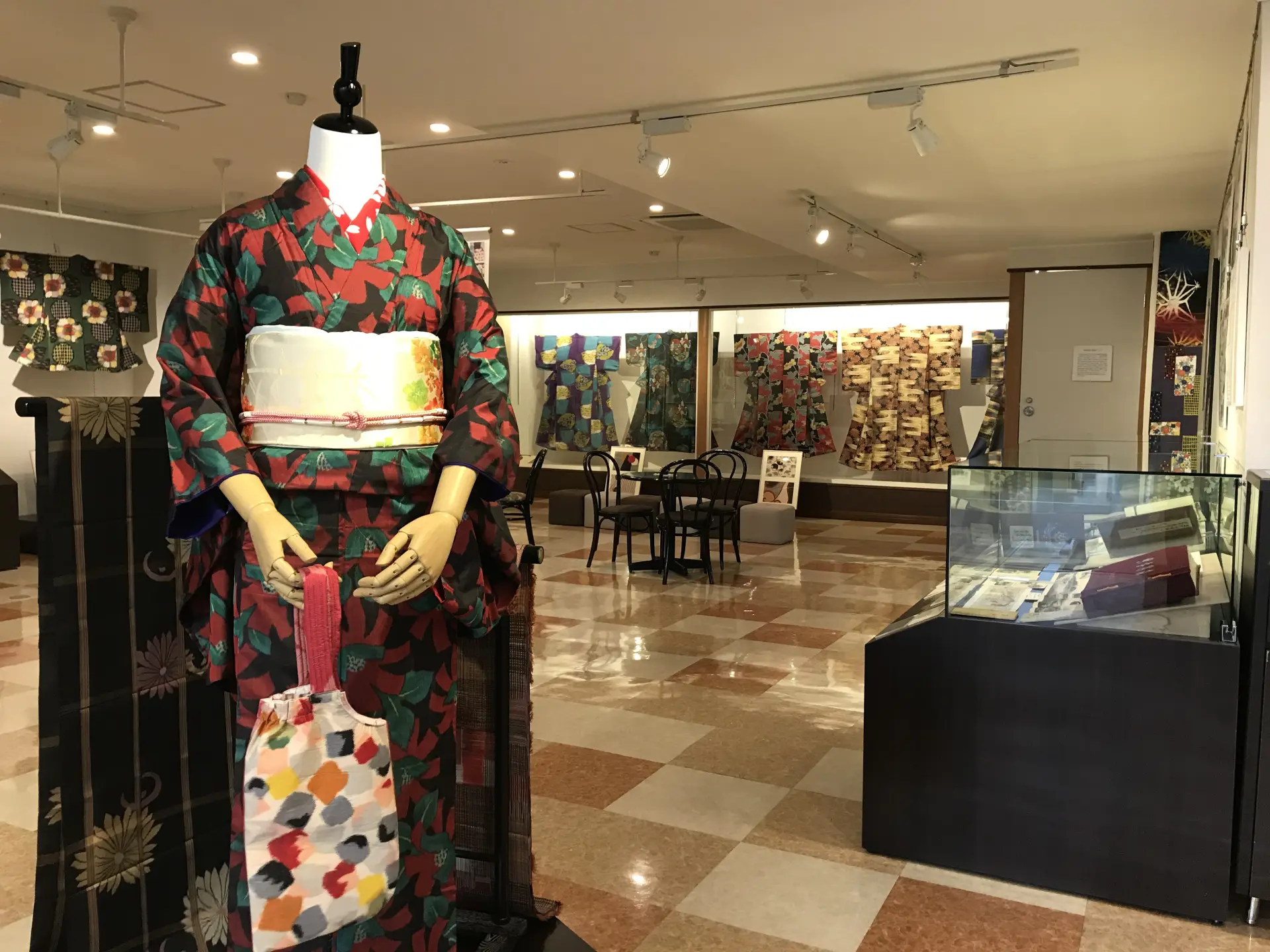
Next, visit Ashikaga Orimono Denshokan. This small museum introduces Ashikaga’s textile culture and offers both exhibits and hands-on experiences.
Inside, you will find materials and displays related to modern Ashikaga textiles, including Meisen. There is also a shop selling textile products made in Ashikaga and Meisen accessories, making it easy to enjoy both sightseeing and shopping.
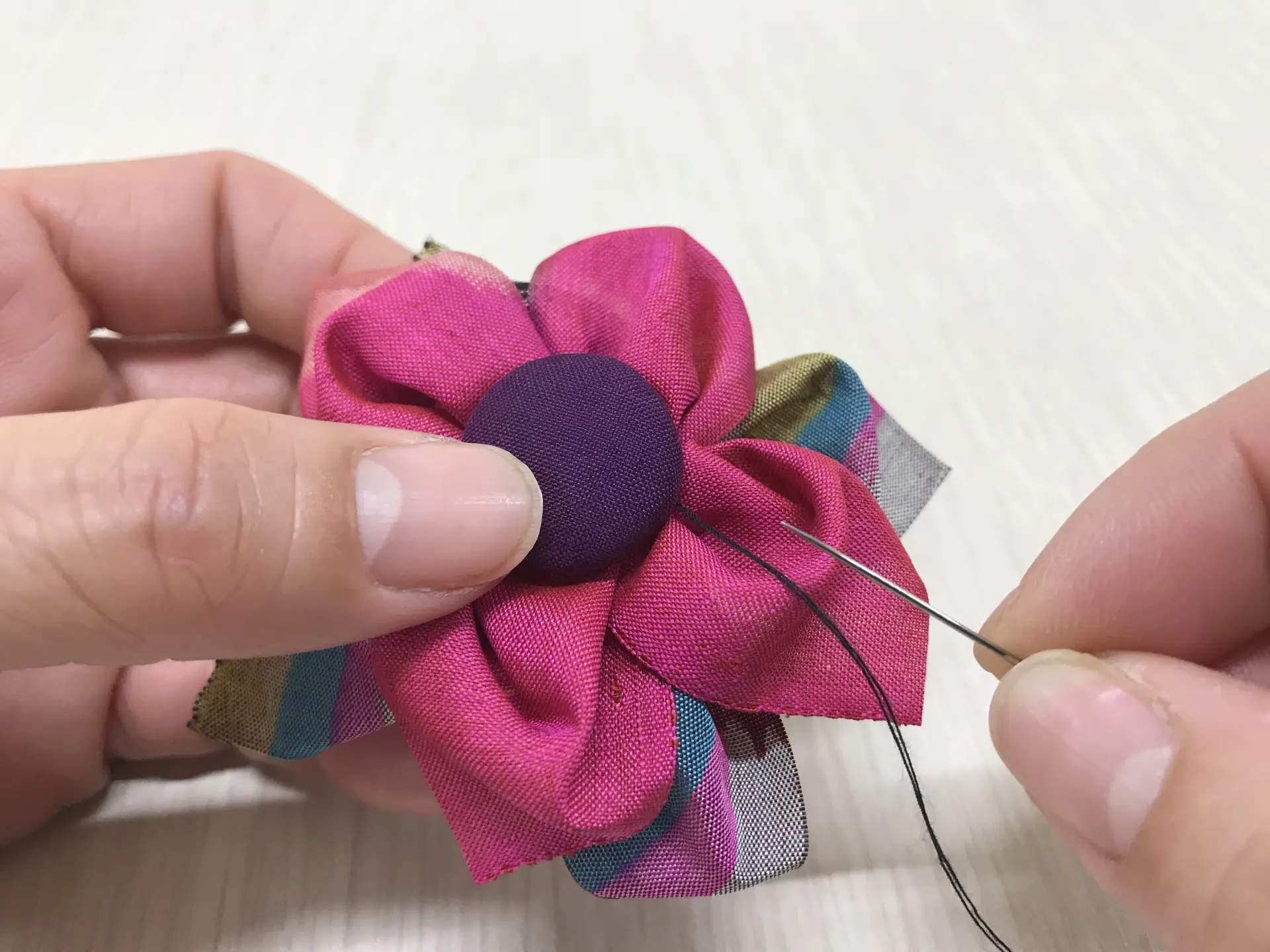
One of the most popular experiences unique to this place is making a corsage using vintage Meisen fabric. Try creating your own one-of-a-kind corsage as a souvenir of your trip. The experience can get busy, so making a reservation in advance is recommended.
Take a relaxing break with fragrant coffee at “Hachikura”
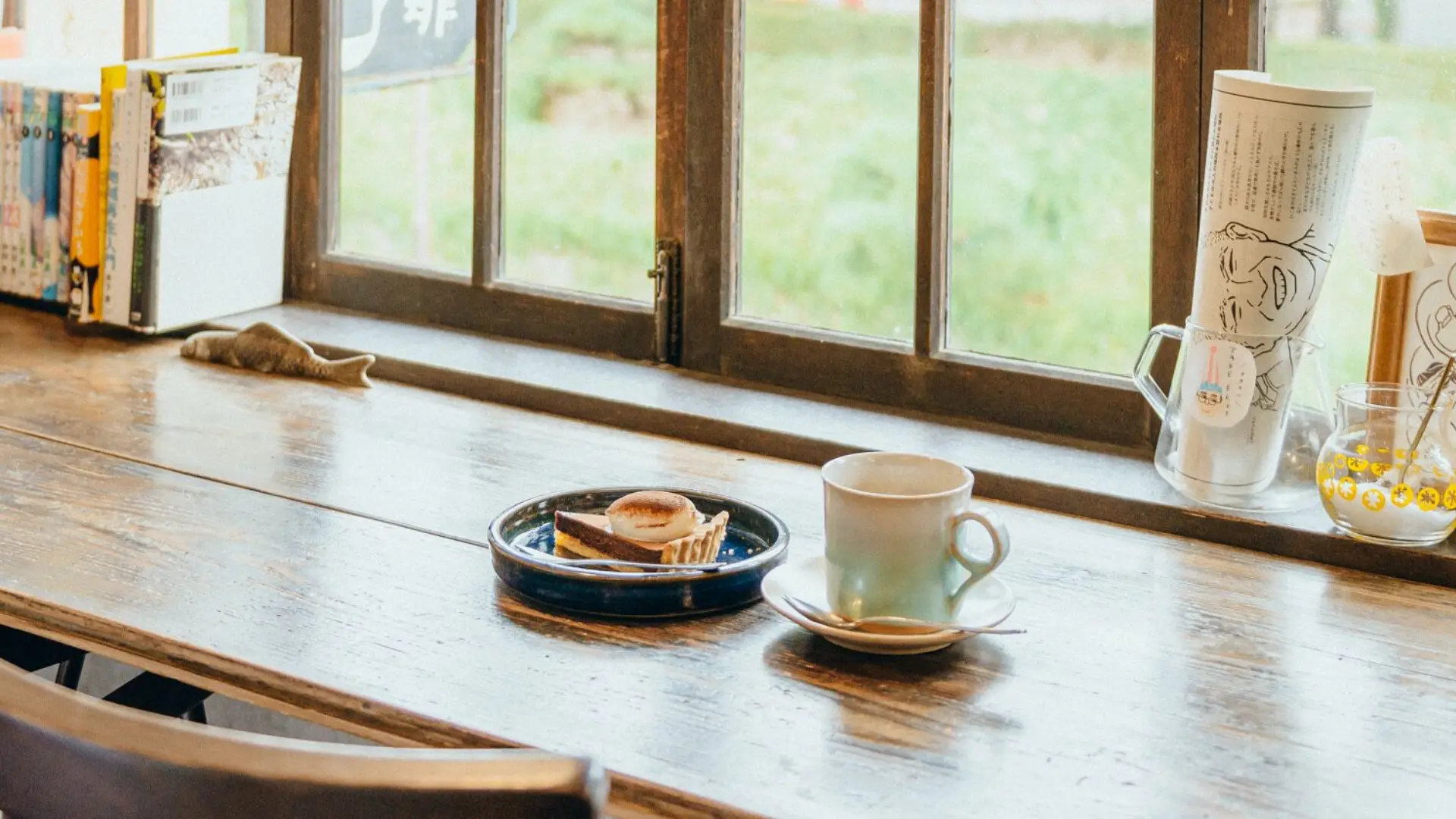
After adding another special memory to your trip with corsage making, it is time for a cafe break. Stop by Hachikura, about a 10-minute walk from Ashikaga Orimono Denshokan. In its calm interior, you can enjoy carefully brewed coffee and handmade sweets.
The coffee is known for bringing out the character of the beans, making it a great place to slowly savor an aromatic cup. Cakes, tarts, and other sweets made with seasonal ingredients are also popular and gently soothe your body after a day of walking.
Relax in this lovely cafe and enjoy a peaceful, unhurried moment.
Travel to Utsunomiya and check in at the station-side hotel “JR-East Hotel Mets Utsunomiya”
After your cafe break, return to Machinaka Yugakukan and return the kimono. Once you have changed back at the end of your Ashikaga stroll, walk Approx. 10 minutes to JR Ashikaga Station.
From JR Ashikaga Station, take the Ryomo Line to Oyama Station in Approx. 40 minutes, then transfer to the Utsunomiya Line and arrive at Utsunomiya Station in Approx. 25 minutes.
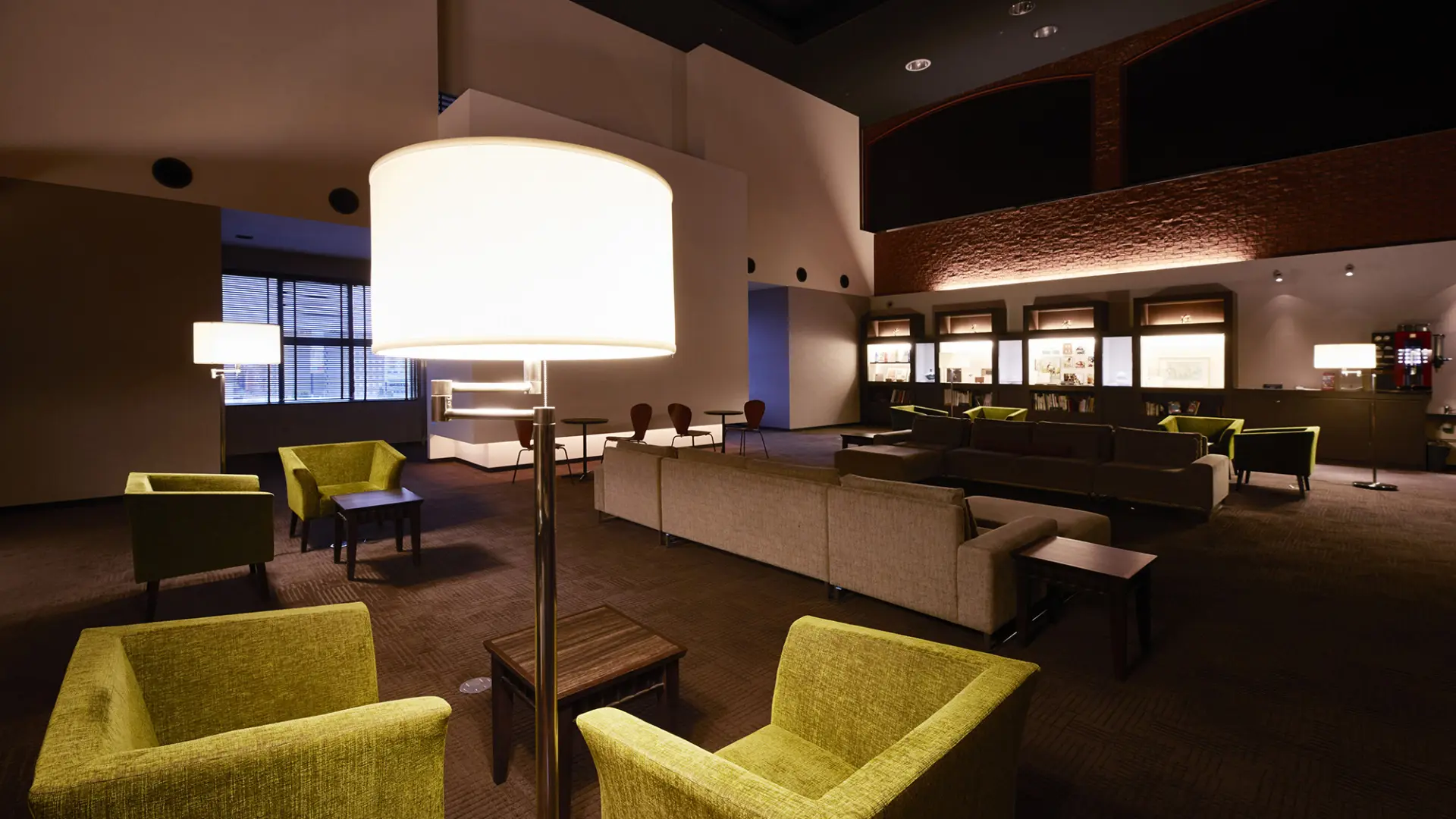
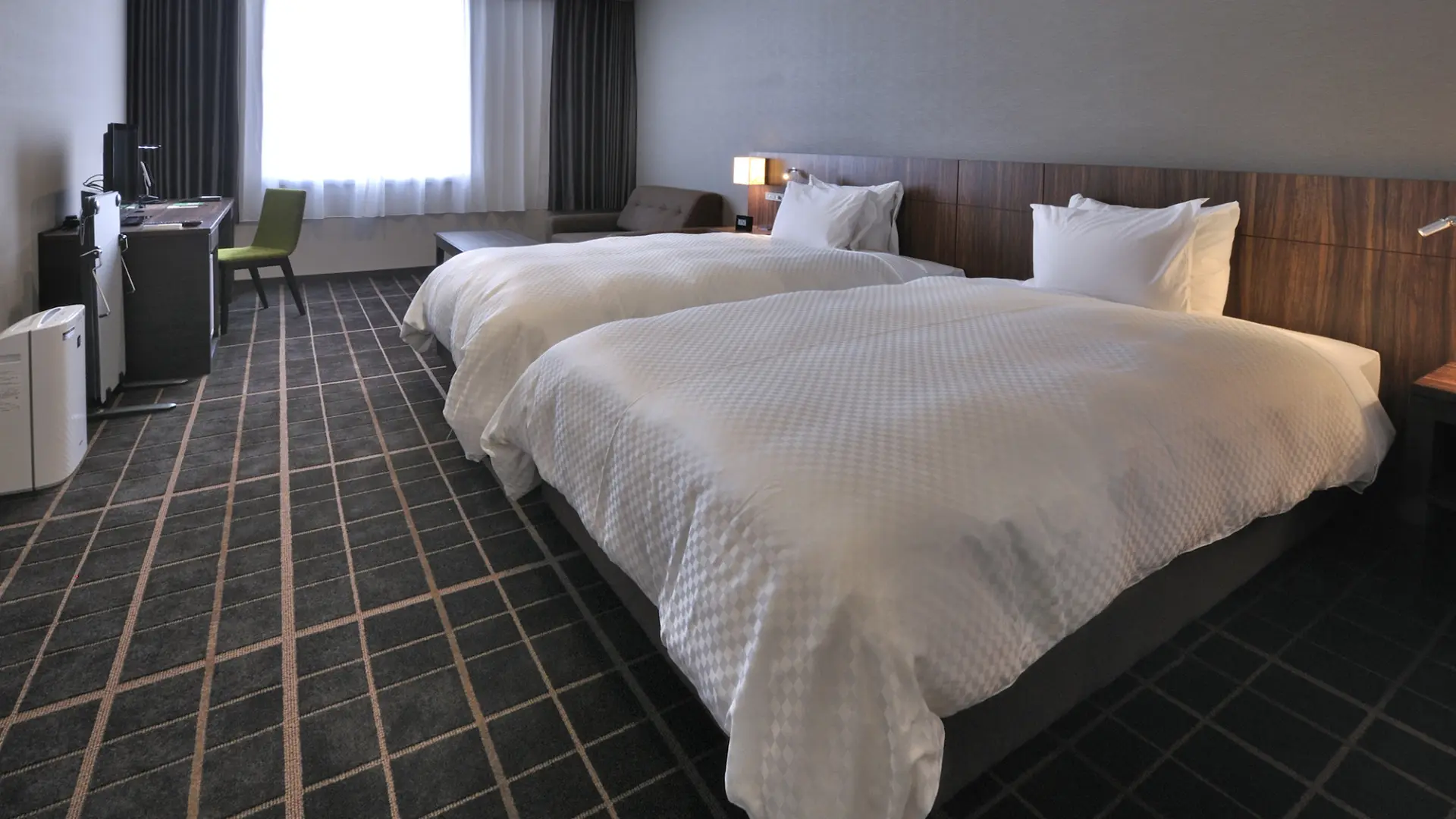
Check in at JR-East Hotel Mets Utsunomiya, just a 1-minute walk from the station. Its convenient location near the station is a welcome plus that helps reduce travel fatigue.
The hotel has amenities such as a guest lounge exclusively for guests, making it comfortable to spend time between outings. Guest rooms come in a variety of types, including 19-square-meter single rooms. They feature calm spaces that blend functionality and design. In addition to Simmons pocket coil beds, the rooms are equipped with helpful amenities for your stay, including free Wi-Fi, air purifiers with humidifying functions, and electric kettles.
Enjoy Utsunomiya gyoza at “Utsunomiya Minmin Honten,” a local favorite
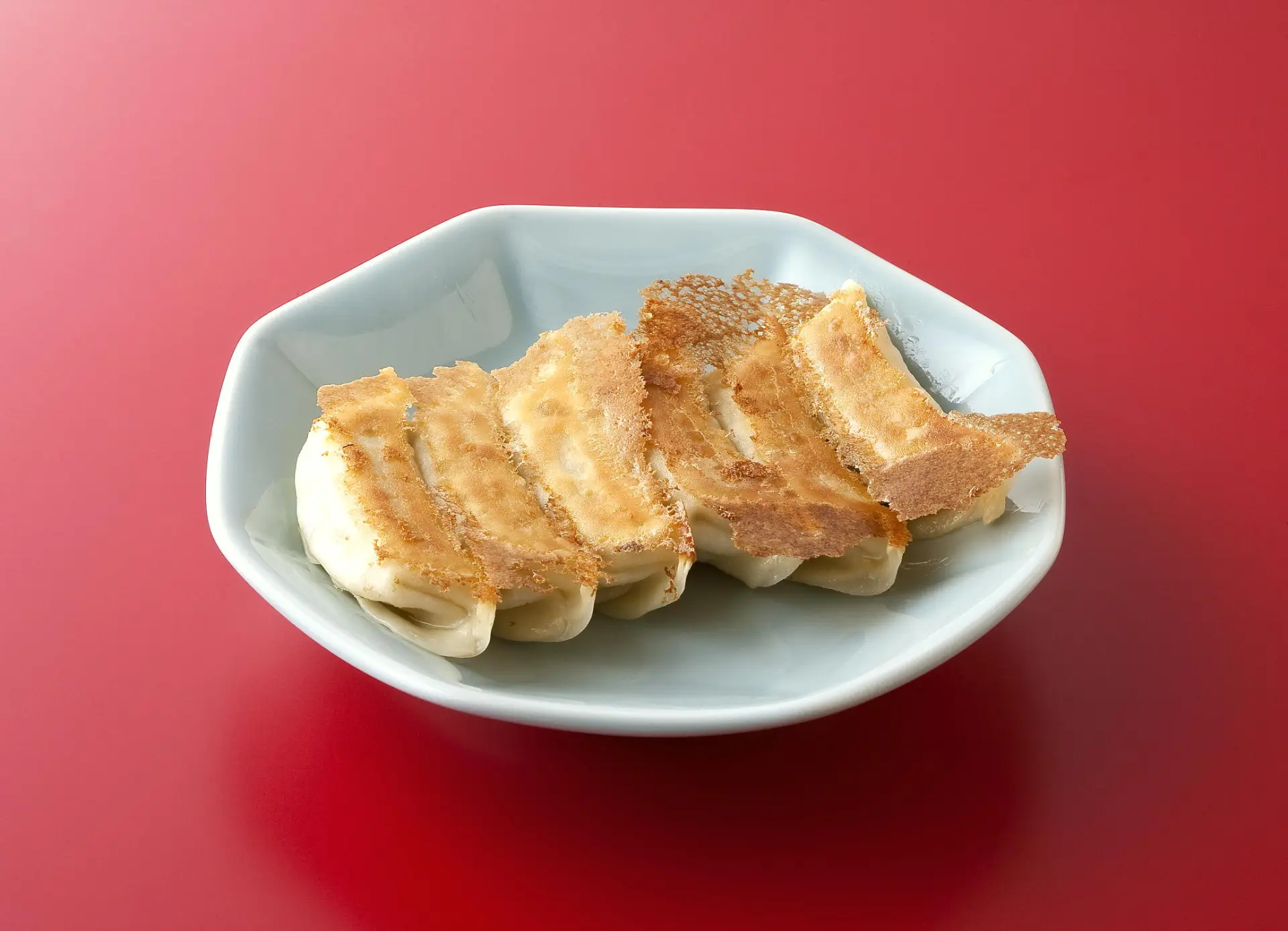
After taking a short break at the hotel, head out for dinner in search of Utsunomiya’s famous gyoza. Make your way to Utsunomiya Minmin Honten, about a 20-minute walk from the hotel. Founded in 1958, this long-established restaurant has been serving customers since a time when gyoza specialty shops were still rare, and it remains one of the places that represents Utsunomiya, the city of gyoza.
Its pan-fried, boiled, and deep-fried gyoza all have a light flavor made with plenty of Chinese cabbage. With the aroma of garlic kept subtle, they are easy to enjoy even at the end of a day of sightseeing.
There are affiliated branches near the station and even inside some accommodations, but if you have the chance, visiting the main shop while walking through the city is part of the experience. A gyoza dinner reached by passing through a lively shopping street adds color to your evening in Utsunomiya.
Day 2 | Discover Utsunomiya’s castle-town history and Oya’s stone culture
On the morning of day 2, enjoy breakfast at Restaurant LAPIS on the third floor of the hotel. The Japanese and Western buffet includes dishes made with local ingredients, making it a perfect start to the day. After fueling up, head to Utsunomiya Castle Ruins Park, about a 10-minute walk from the hotel.
Stroll through the lush castle ruins park “Utsunomiya Castle Ruins Park”
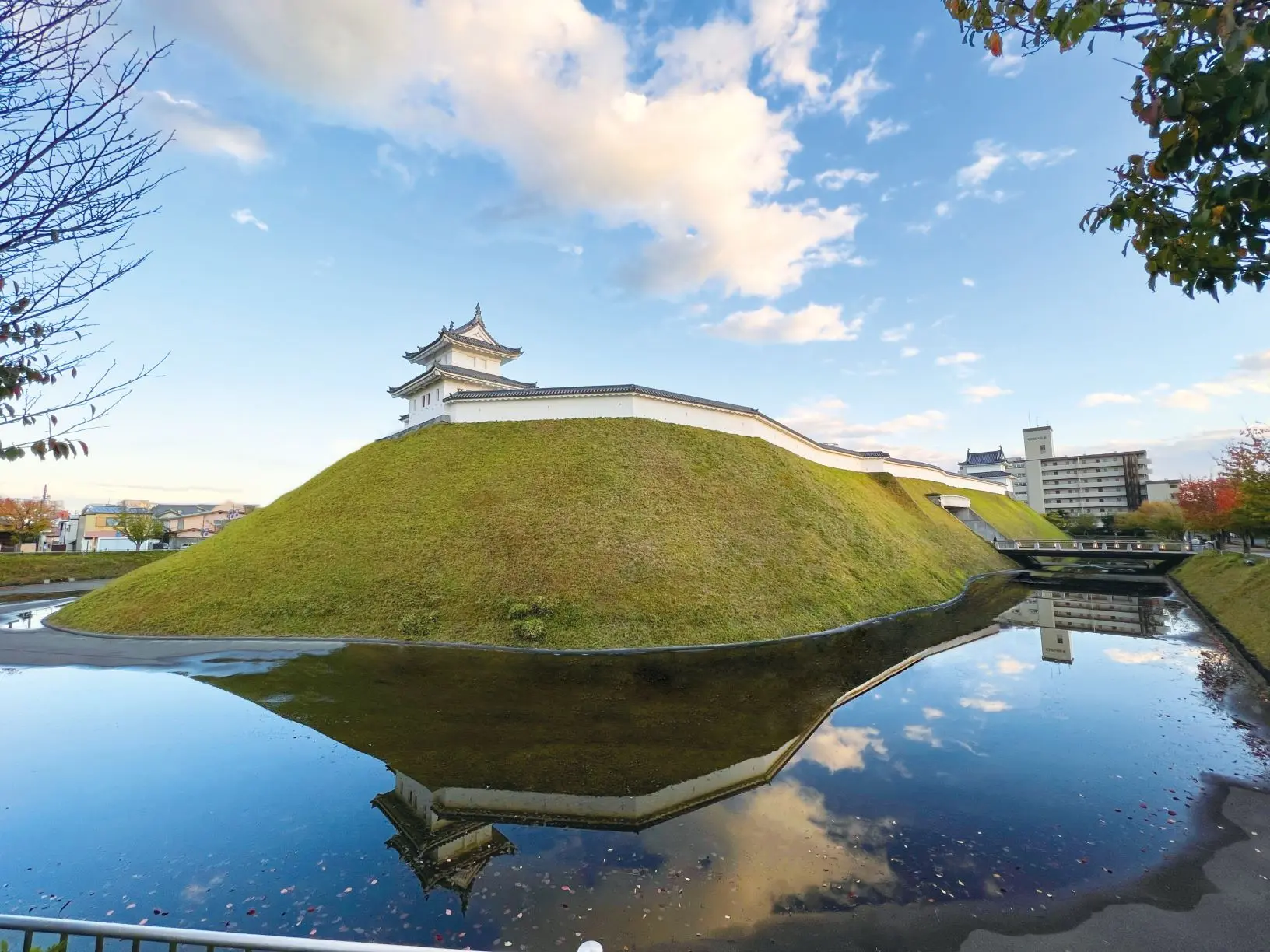
Utsunomiya Castle Ruins Park is a castle ruins park where part of the former Utsunomiya Castle has been restored and maintained. Centered on the recreated western side of the former main bailey, the moats, earthen ramparts, and two turrets let visitors feel the history of Utsunomiya as a castle town up close.
The park is full of greenery and is perfect for a morning stroll. As you walk while looking at the turrets and castle remains, you can imagine the castle that once stood here and enjoy a peaceful moment. The park also has Seimeikan, which introduces materials related to Utsunomiya Castle, and it is well worth stopping by during your walk.
Head to the Oya stone quarry museum “Oya History Museum,” where a fantastical world spreads out
After strolling through Utsunomiya Castle Ruins Park, walk Approx. 10 minutes to the Tobu Utsunomiya Ekimae bus stop. Take a Kanto Jidosha bus and arrive at the Shiryokan Iriguchi bus stop in Approx. 25 minutes. After getting off, walk another Approx. 5 minutes to your next destination, Oya History Museum.
Oya stone was quarried in the Oya area of Utsunomiya and was also used as a building material for the former Imperial Hotel. This museum introduces the history of its quarrying.
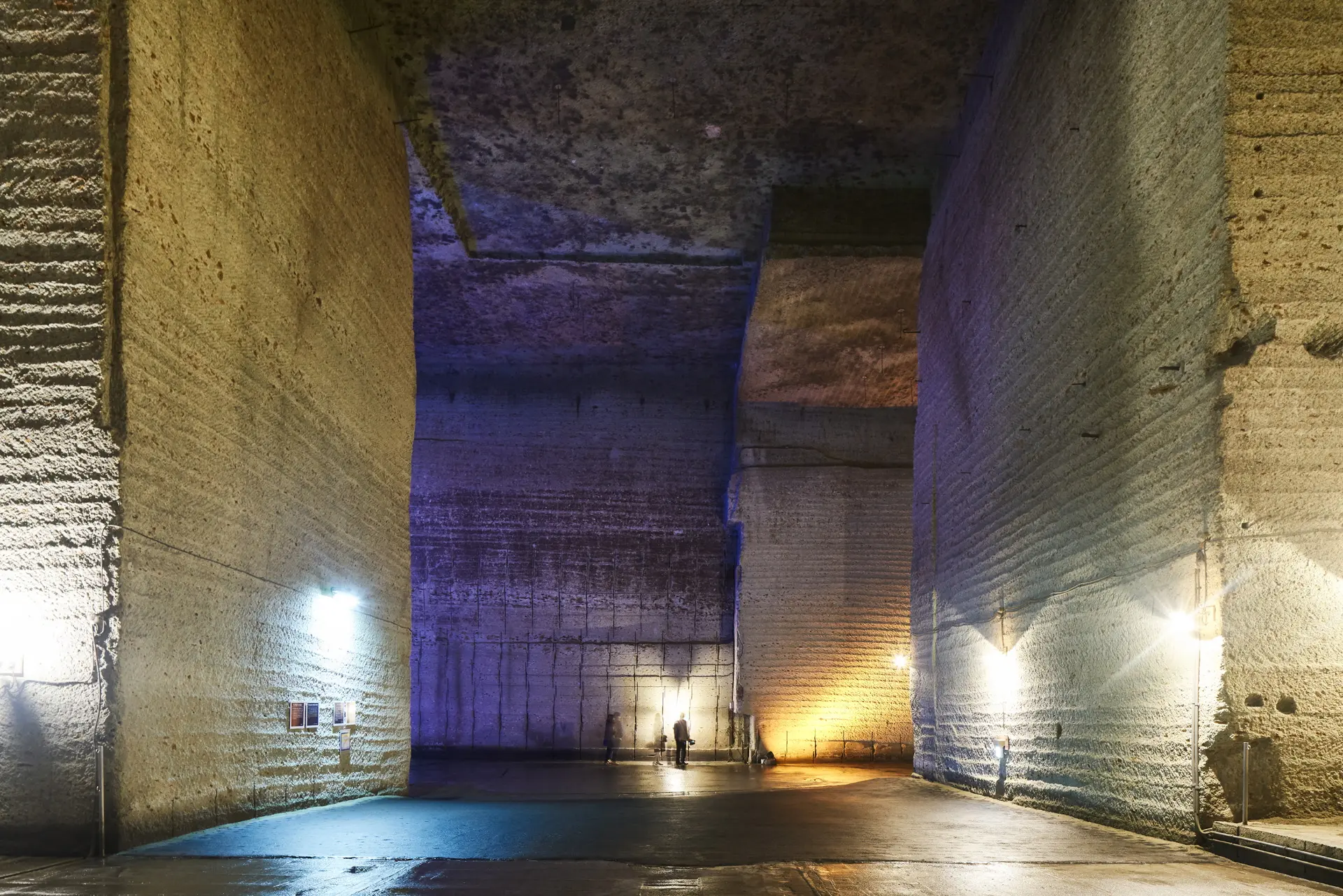
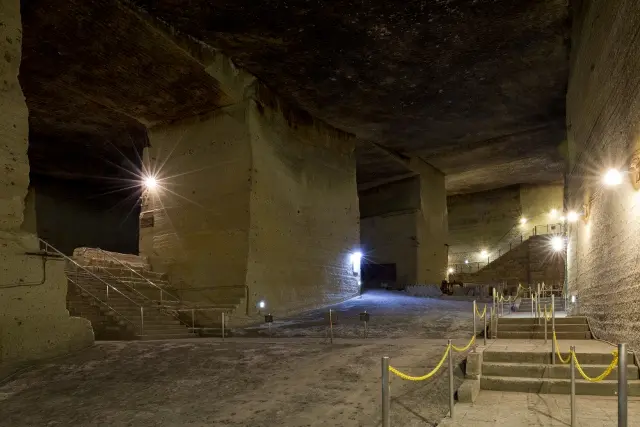
The highlight is the vast underground quarry site. Spreading out at an average depth of Approx. 30 meters below ground, the space is lit up to create a fantastical atmosphere that feels almost like stepping into another world. Its unique setting has been used in many films, dramas, and music videos.
The distinctive appeal of Oya History Museum is being able to experience the scale and stillness created by stone culture while walking through it yourself.
Lunch and souvenir shopping at the cafe and local product shop “ROCKSIDE MARKET”
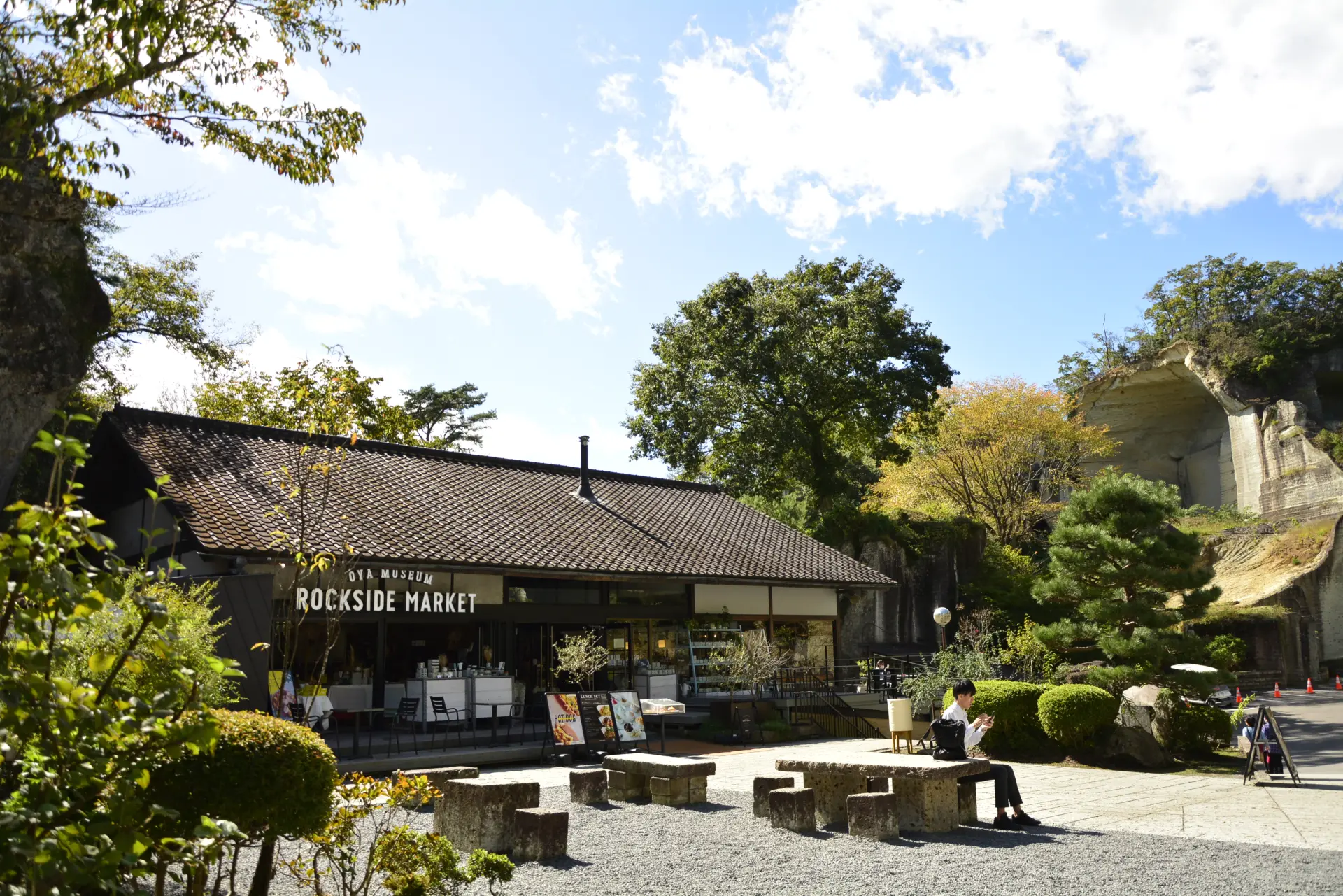
After visiting Oya History Museum, head to the attached cafe and local product shop, ROCKSIDE MARKET. Its old-house-style building with a tiled roof and calm interior create a comfortable atmosphere.
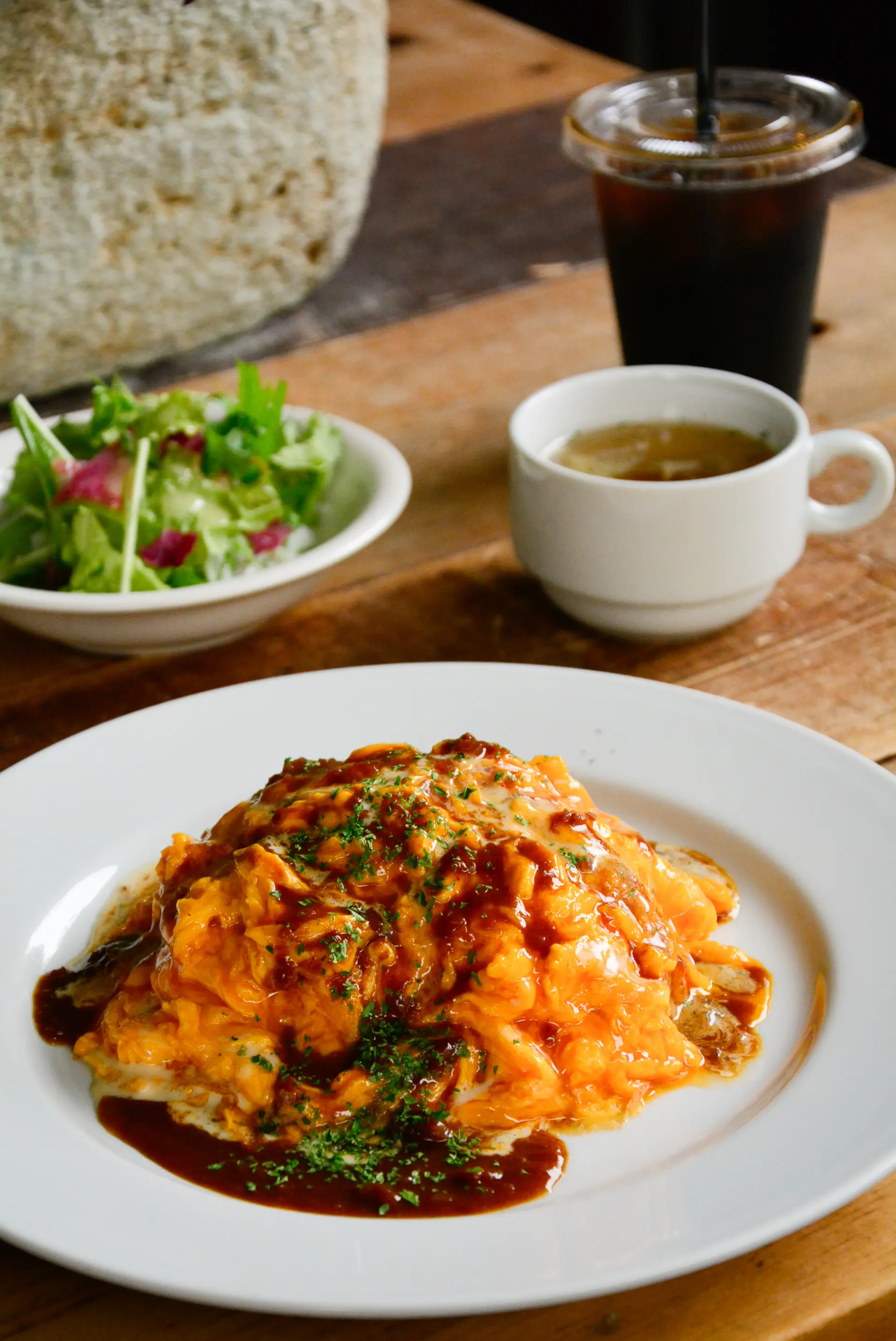
The open second floor is an eat-in space. Enjoy a luxurious moment reflecting on the city of Utsunomiya and Oya’s stone culture as you savor lunch made with local ingredients, carefully brewed coffee, or gelato. After your meal, browse the shop on the first floor, where you will find local Tochigi souvenirs, original goods made with Oya stone, and works by local artists.
Schedule for the Ashikaga to Utsunomiya 2-day, 1-night model course
Day 1
- 9:15am
- Depart from Ashikaga Station!
- …
- Approx. 10 minutes on foot
- 9:30am
- Machinaka Yugakukan Kimono Dressing Experience
- …
- Approx. 2 minutes on foot
- 10:15am
- Ashikaga Gakko
- …
- 4 minutes on foot
- 11:00am
- Banna-ji
- …
- Approx. 15 minutes on foot
- 12:30pm
- Kyoyuan
- …
- Approx. 2 minutes on foot
- 1:10pm
- Ashikaga Orihime Shrine
- …
- Approx. 4 minutes on foot
- 1:40pm
- Ashikaga Orimono Denshokan
- …
- Approx. 10 minutes on foot
- 2:50pm
- Hachikura
- …
- Approx. 3 minutes on foot → Return the kimono at Machinaka Yugakukan → Approx. 10 minutes on foot → JR Ashikaga Station → Approx. 40 minutes on the Ryomo Line bound for Oyama → Transfer at Oyama Station to the Utsunomiya Line for Approx. 25 minutes → Utsunomiya Station → 1 minute on foot
- 5:35pm
- JR-East Hotel Mets Utsunomiya
- …
- Approx. 20 minutes on foot
- 6:30pm
- Utsunomiya Minmin Honten
Day 2
- 10:00am
- Utsunomiya Castle Ruins Park
- …
- Approx. 10 minutes on foot → Tobu Ekimae bus stop → Approx. 25 minutes by Kanto Jidosha bus → Get off at Shiryokan Iriguchi bus stop → Approx. 5 minutes on foot
- 12:00pm
- Oya History Museum
- …
- Right nearby on foot
- 1:30pm
- ROCKSIDE MARKET
Ashikaga to Utsunomiya 2-day, 1-night model course (Map)
Summary
How did you like this 2-day, 1-night trip exploring Ashikaga’s historic streets and the stone culture of Utsunomiya and Oya?
On day 1, you stroll in an Ashikaga Meisen kimono, enjoying a relaxed time while discovering textile culture and a shrine known for matchmaking. On day 2, you walk through Utsunomiya’s former castle town and step into the fantastical underground world created by Oya stone. We have introduced a model course that lets you experience the origins of these towns and the unique culture of the area by exploring on foot.
Tochigi Prefecture also has many other attractions, including Nikko Toshogu Shrine, the Nasu Highlands, and Mashiko’s pottery culture, each with its own local character. Planning a trip around town walks and cultural experiences in your own style is highly recommended.
When planning your trip, be sure to also check out the Tochigi travel guide, a must-read before your first visit, where you can discover many different ways to enjoy the region.

Author
Working at Travel Publishing
mizutama_renga
Based in Kansai, I enjoy visiting temples and art museums, especially around Kyoto, Osaka, and Kobe.