
![[9 Ways to Experience Kaga Culture in Ishikawa and Kanazawa] A Journey of Walking, Making, and Tasting](https://static.gltjp.com/glt/data/article/22000/21366/20260406_174339_9af2f5ca_w1920.webp)
[9 Ways to Experience Kaga Culture in Ishikawa and Kanazawa] A Journey of Walking, Making, and Tasting
Historic townscapes remain in places like Higashi Chaya District and the Kanazawa City Nishi Chaya Museum, while hands-on experiences await at the Ishikawa Local Products and Tourism Center and Kaga Yuzen Workshop Nagamachi Yuzen Kan, along with wagashi culture represented by Enpachi's Ankoromochi and Murakami Wagashi's Wari-gori.
In Ishikawa, you can follow Kaga culture through the flow of "walking, making, and tasting." Walk the streets, use your hands, and finish by tasting. As you experience several places and activities, you naturally begin to see how they connect.
Walk Through the Chaya Districts and Experience the Culture
One of the best entry points into Kaga culture is the historic streetscape preserved in the chaya districts.
Walking along streets lined with de-goshi lattice-front buildings lets you feel the atmosphere of the time as it was. Looking from outside is not the only way to enjoy them, either, entering the buildings gives you a different perspective. It's a route best explored by moving back and forth between the street and the interiors.
1. Higashi Chaya District
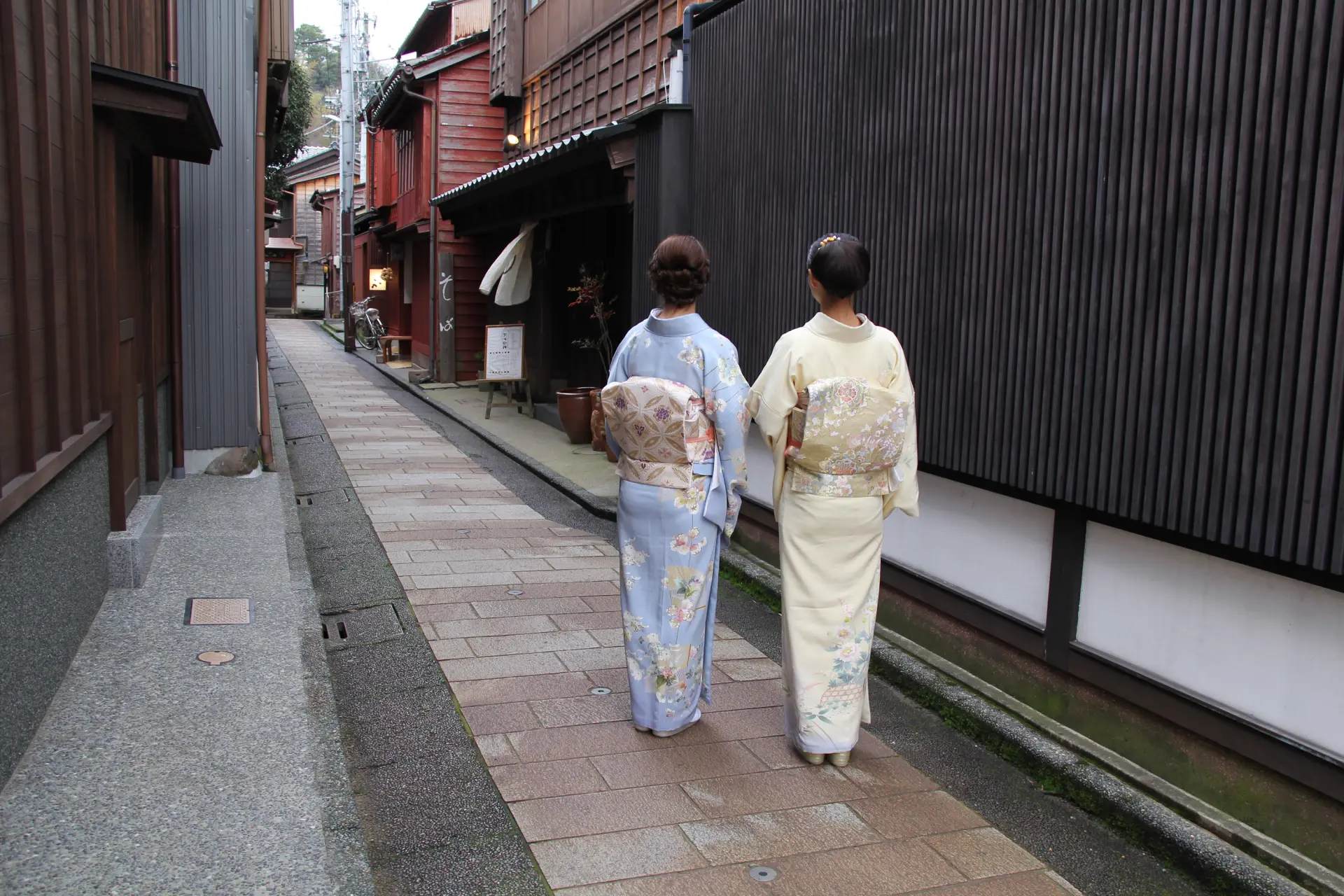
One of Kanazawa's most iconic chaya districts, with a cohesive townscape preserved from the Edo period.
Rows of de-goshi lattice-front buildings continue along the street, lined with shops selling wagashi and crafts. As you stroll past the storefronts, you begin to notice the differences in what each shop offers. Another appeal of this street is being able to choose how to spend your time depending on your mood, whether that means taking a break at a sweets shop or dropping into a store that catches your eye. Every angle feels picture-perfect, making it fun even for a simple walk. Just standing on the street gives you a sense of the town's atmosphere. It's a quintessential Kanazawa scene that's well worth seeing first.
2. Kanazawa City Nishi Chaya Museum
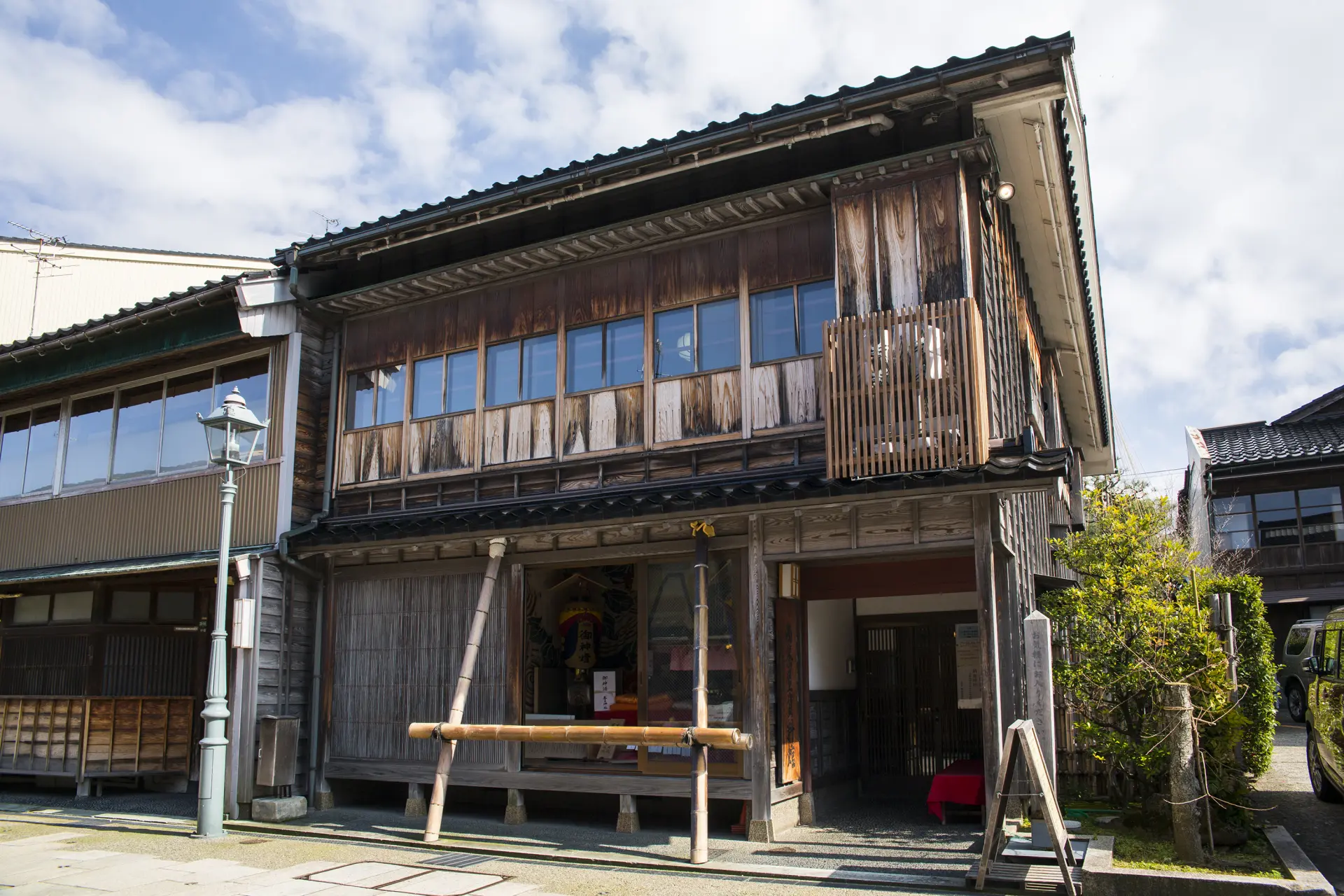
A museum located in one corner of Nishi Chaya District. It displays the interior of a chaya and scenes from the time, allowing you to learn about details such as tatami room arrangements and tools that cannot be understood from the exterior alone.
Once inside, you can clearly picture how the chaya you saw from the street was actually used. On the second floor is a tatami room with vivid vermilion-lacquered walls, where a shamisen, drums, folding screens with gold leaf, and other items are displayed. Seen together with the streetscape outside, this is a place where you can gain a fuller view of life inside a chaya.
Try the Techniques of Kaga Traditional Crafts
The craftsmanship passed down through generations is what gives shape to Kaga culture. Rather than only viewing exhibits, using your own hands reveals the process and the differences between techniques.
Even one experience can change your impression, but trying several gives you a much deeper understanding. Mix and match them at your own pace.
3. Ishikawa Local Products and Tourism Center
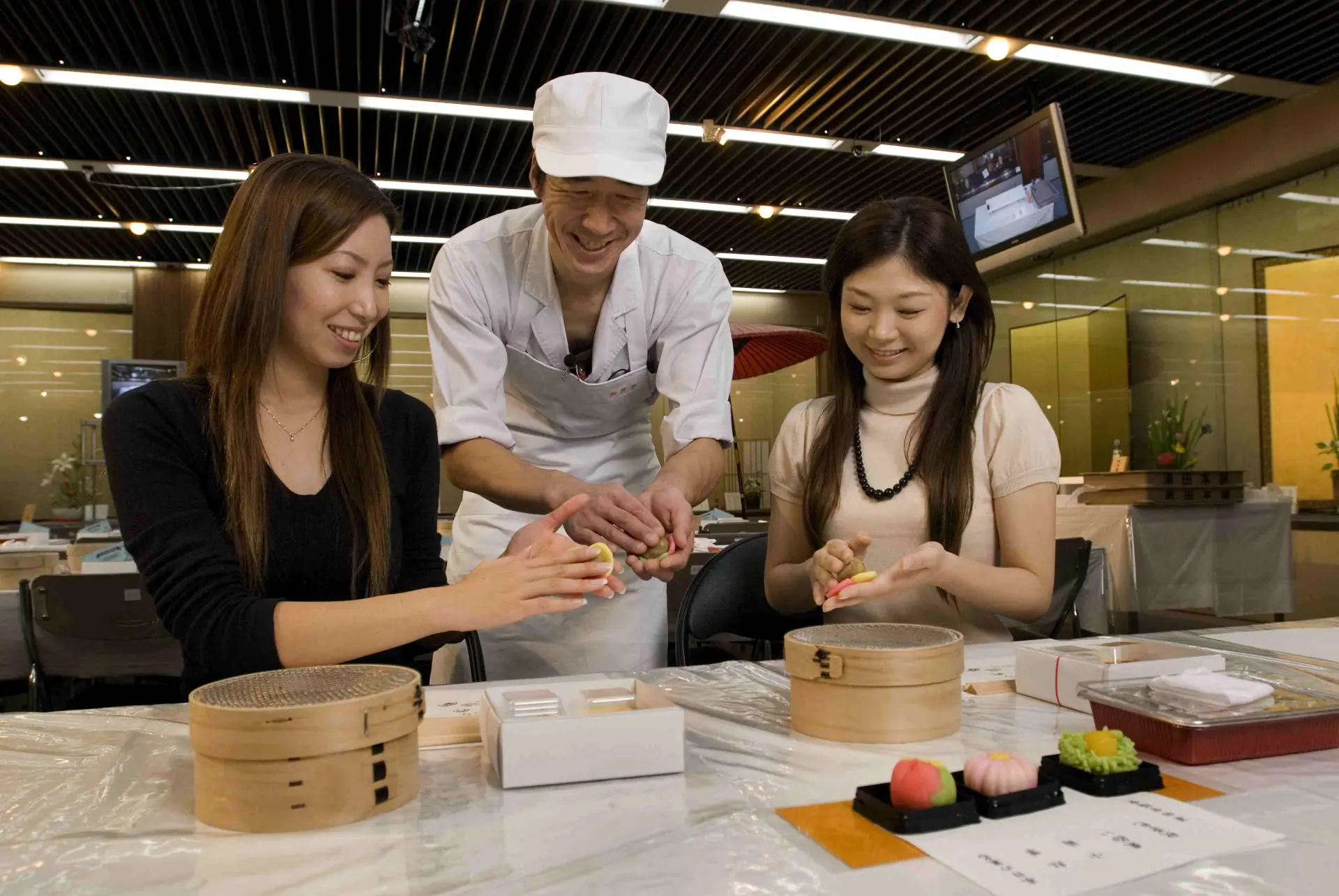
A hands-on facility located near Kenrokuen Garden. With wagashi-making and craft workshops available, you can experience multiple aspects of local culture in a short amount of time.
In the hands-on craft area, options include painting a Kaga Hachiman Okiagari doll, making wagashi, applying gold leaf, and preparing your own matcha. There is also a tourist information center inside, making it a recommended base for exploring Kanazawa. It's a convenient stop that works both as an experience spot and a starting point for getting around. Easy to fit into your schedule between other plans.
4. Kaga Yuzen Workshop Nagamachi Yuzen Kan
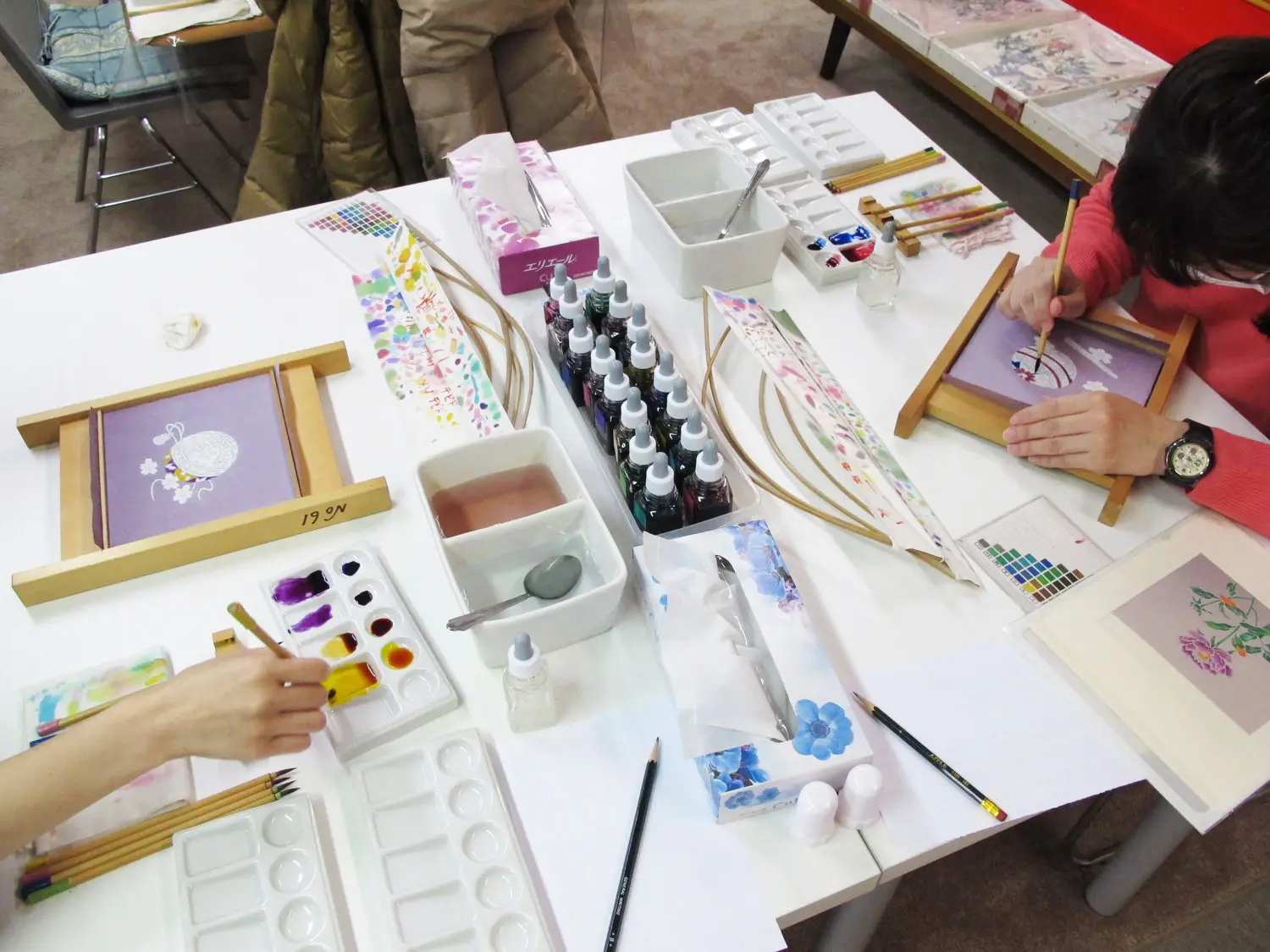
A facility where you can learn about and experience the Kaga Yuzen process.
Yuzen is a kimono dyeing technique that uses paste resist, and the name is said to come from its founder, Miyazaki Yuzensai. You can try the coloring process yourself and use your hands to understand how colors are layered and how the bokashi shading technique works.
By actually doing the work yourself, the differences in the finished result become clear, from how finely colors are placed to how the dye spreads. It's a place where you can fully appreciate each step of the process.
Discover Kaga Culture Through Masterpieces of Craft Art
The techniques you encounter through hands-on experiences become easier to organize when you later see them as finished works in museums. As you compare differences in color and form, the distinct qualities of each become clearer.
Visit after trying the experiences, and the meaning of what you're seeing starts to connect naturally.
5. Ishikawa Kutani Ware Museum
A museum dedicated to Kutani ware. By comparing differences in color use and painted decoration, you can learn the characteristics of each era and the distinctions between artistic styles. Even the same type of vessel can give a very different impression depending on its colors and composition, so as you follow the exhibits, the features naturally become easier to sort out. The museum also has a tea room, where seasonal tea is served in Kutani ware vessels. One of its appeals is being able to experience the ware in actual use. Combined with viewing the exhibits, it leaves an even stronger impression.
6. National Crafts Museum
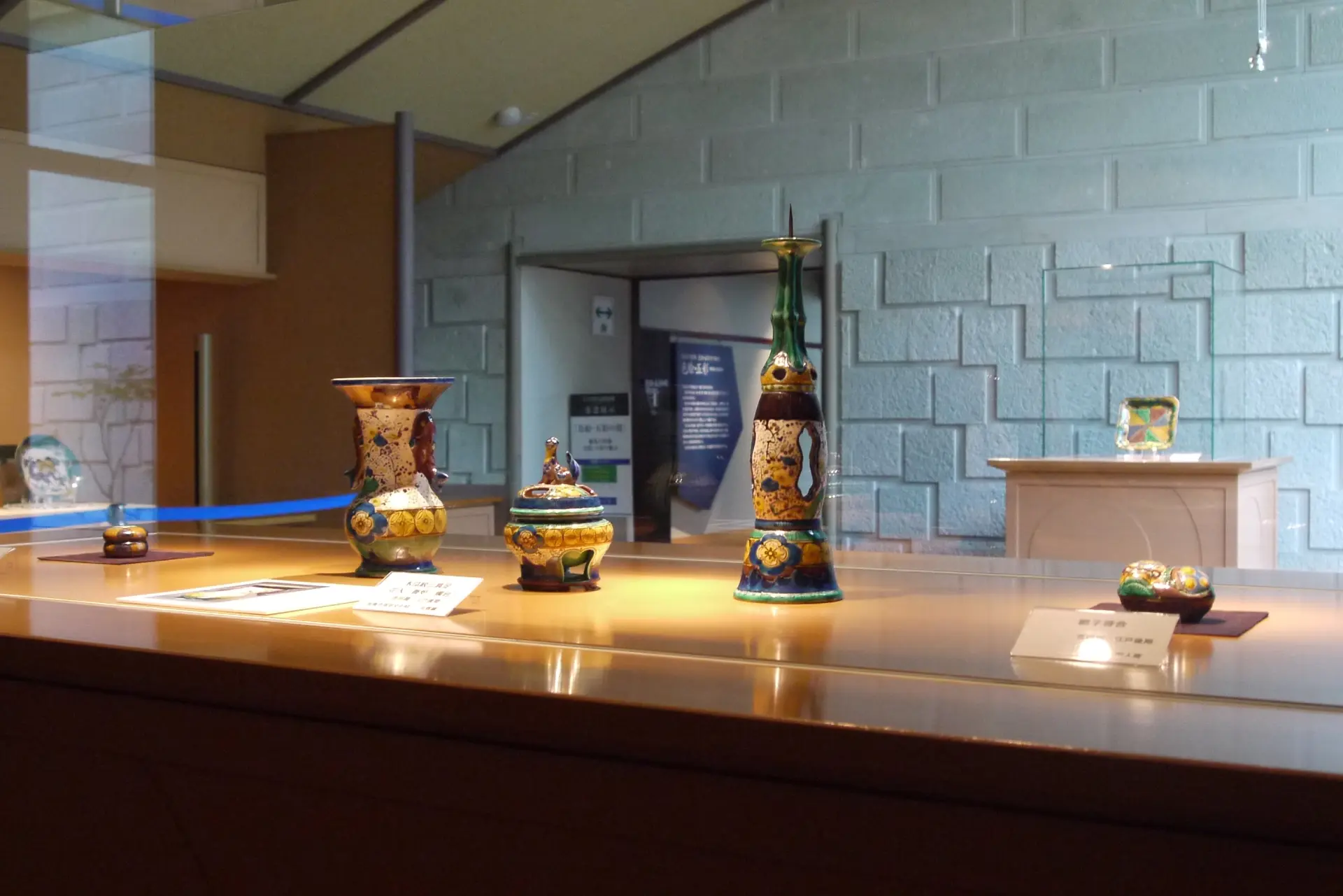
A museum with a wide-ranging collection of modern and contemporary craft and design works.
Seeing works made with different materials and techniques side by side makes their differences easier to grasp in concrete terms. Ceramics, dyeing and weaving, metalwork, and other fields are displayed in a layout that lets you compare materials and techniques across categories.
Museums that collect so broadly across modern craft and design as a whole are rare, and its many valuable works make it one of the finest collections in Japan. This is a place where you can compare multiple fields at once. The differences between each craft remain clearly memorable.

Take Home Kaga's Wagashi Culture as Souvenirs
To round out the trip, Kaga wagashi is the perfect choice.
Differences in ingredients and methods show directly in the flavor and texture. Try a few side by side, and each one's character starts to stand out. Taking time at the end to choose your favorite may become part of the trip itself.
7. Enpachi "Ankoromochi"
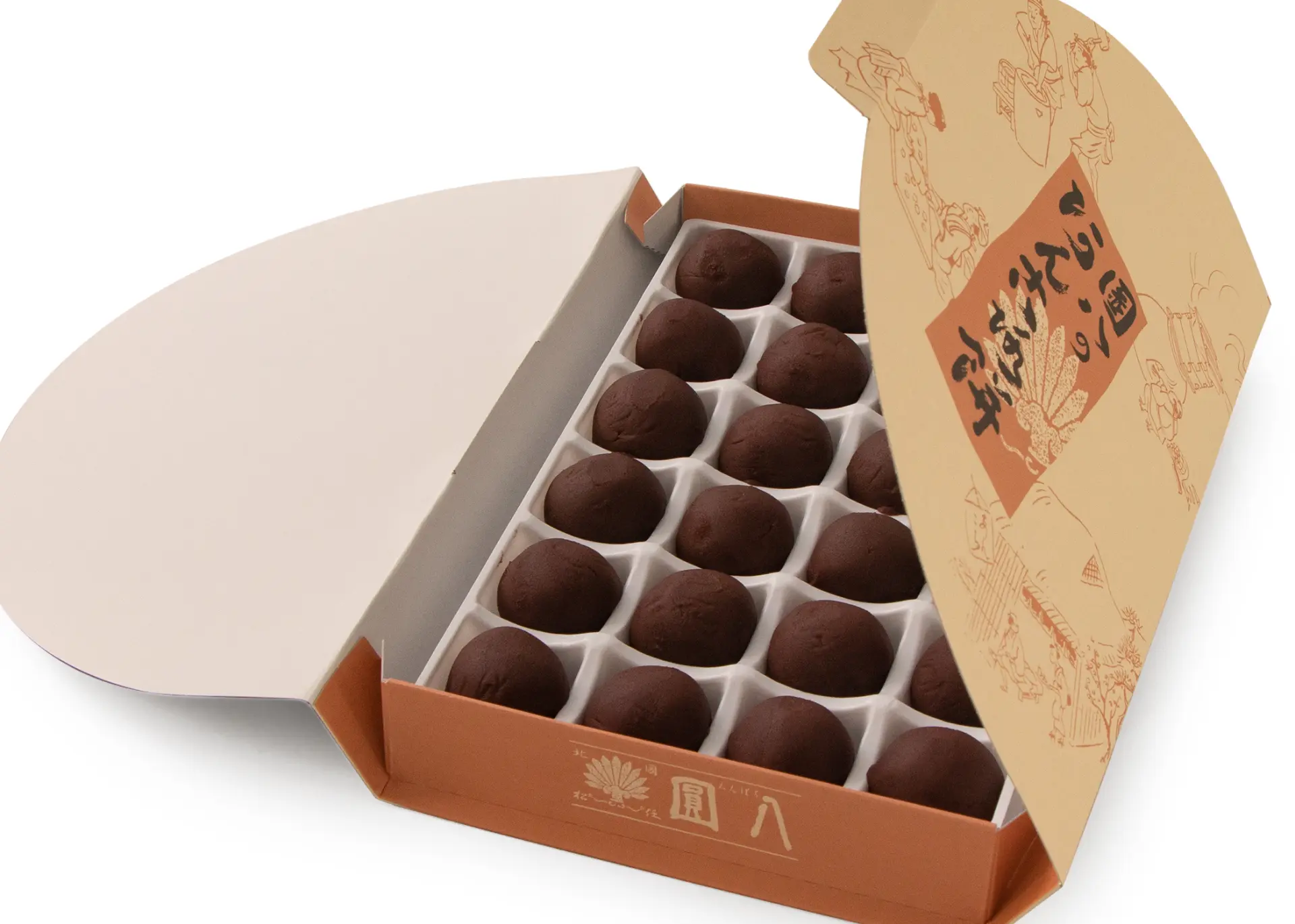
A simple wagashi made with mochi and sweet bean paste. Because the flavors of the ingredients come through directly, differences in the rice and water appear clearly in the taste. The soft mochi and smooth koshi-an blend together, leaving a lasting impression with their unity in each bite. The use of glutinous rice grown at the foot of Mt. Hakusan and clear underground spring water from Hakusan is also part of the secret behind its unchanging deliciousness over the years. Its simple composition is exactly what allows the qualities of the ingredients to stand out. It's one to keep in mind as a benchmark when choosing wagashi.
8. Koshiyama Kanseido "Kinjo Maki"
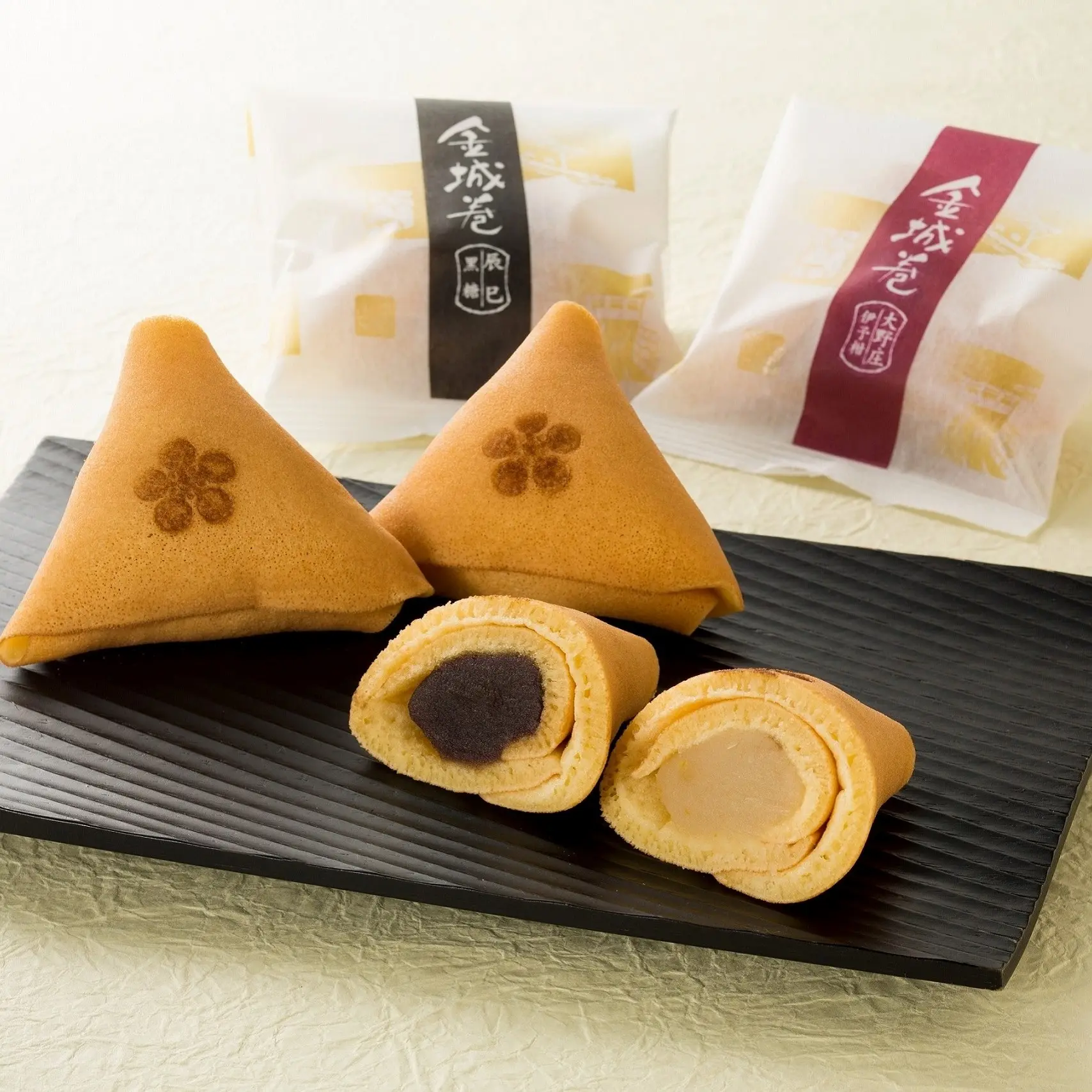
A wagashi with a striking triangular design, and a long-selling confection from the long-established sweets shop Koshiyama Kanseido, founded around 1888.
In the center of the baked outer layer is the Umebachi crest, the family crest of the Maeda clan of the Kaga Domain, giving it a design that evokes Kanazawa's history. The distinctive triangular baked skin, inspired by a castle keep and samurai helmet, has a moist and tender texture. Inside are two kinds of filling: brown sugar bean paste and another filling that changes with the season. Along with its distinctive appearance, you can also enjoy the difference in flavor.
9. Murakami Wagashi "Wari-gori"
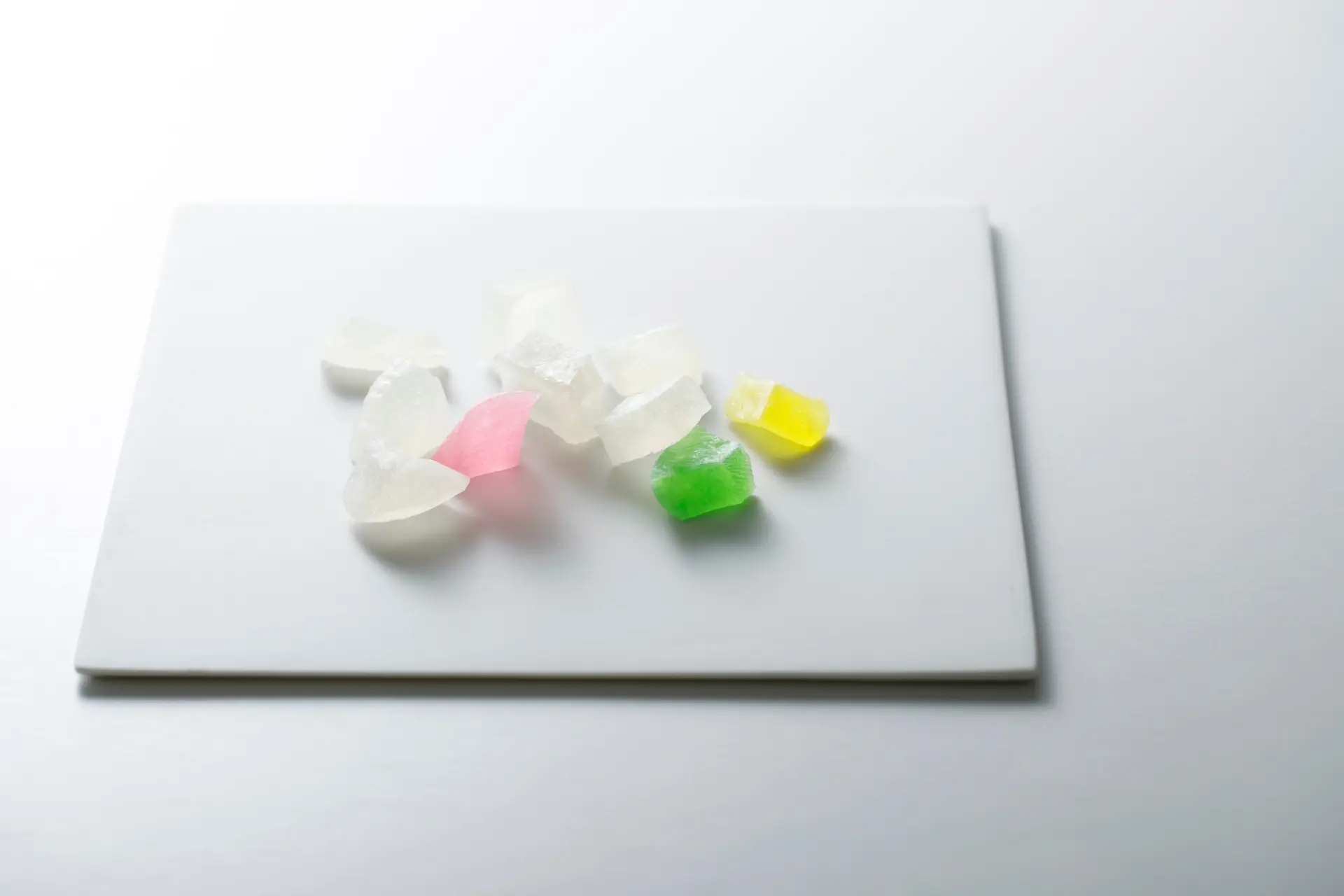
A dried sweet made by drying agar, then finished by artisans who break each piece by hand. By intentionally making the shapes uneven, each bite has a slightly different texture. Using a traditional method in which the agar is dried over six days, it creates a two-layer texture: crisp on the outside, with some of agar's soft moisture remaining inside.
Available from individual pieces to boxed assortments, it also keeps well for a relatively long time. Easy to choose as a gift, it's also a versatile sweet that suits a range of occasions.
Summary
Kaga culture gradually comes into focus as you walk through historic streets, experience craft techniques, and finish by tasting wagashi.
Each experience may seem separate at first, but as you make your way through them, the way they naturally connect is part of the appeal.
Try combining a few places that catch your interest and follow them in your own order.