
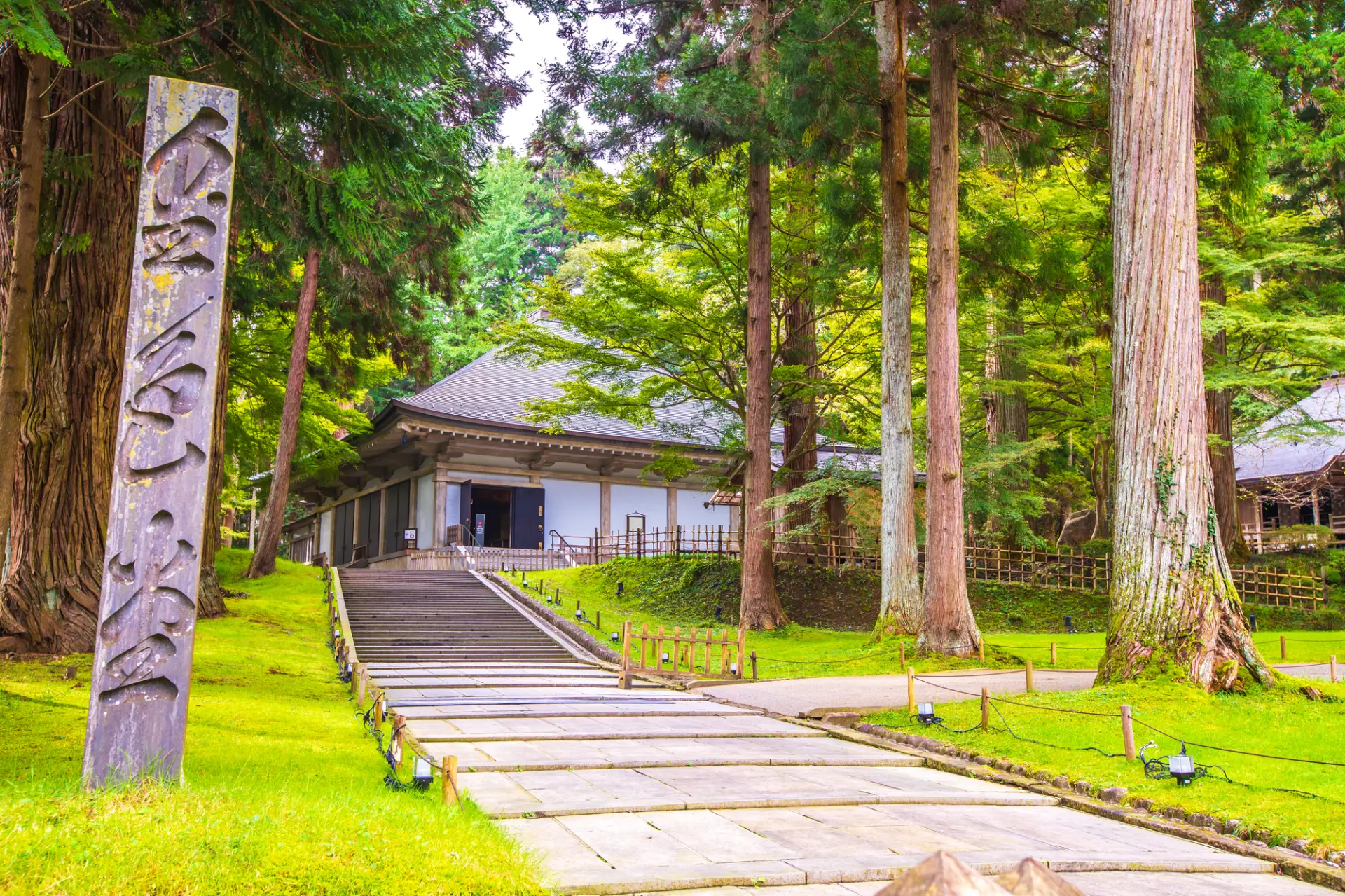
Chuson-ji Travel Guide: Experience a Sacred Site of Gold, Prayer, and Quiet
Chuson-ji in Hiraizumi, Iwate Prefecture, is one of the Tohoku region’s leading centers of Buddhist culture, established by the Oshu Fujiwara clan.
The entire temple grounds are wrapped in quiet, creating a place of prayer where nature and history come together, and a special setting for a calm, restorative visit.
In this article, we’ll introduce Chuson-ji’s overview, highlights, and cultural experiences.
We’ve gathered the essential information so even first-time visitors can make the most of their trip, so be sure to read to the end.
What Is Chuson-ji?
Chuson-ji is the head Tendai Buddhist temple of the Tohoku region, located in Hiraizumi Town, Iwate Prefecture.
It is famous as a temple connected to the Oshu Fujiwara clan, who flourished in the Tohoku region during the late Heian period (794–1185).
The grand temple complex was built with the wish to pray for all those who died in the Former Nine Years’ War and the Later Three Years’ War, regardless of friend or foe, and to create a peaceful ideal world based on Pure Land Buddhist thought.
That spirit has been passed down for more than 900 years, and the temple grounds, designated a Special Historic Site of Japan, still preserve the essence of Heian culture and faith.
The temple also houses about 3,000 cultural properties, including the National Treasure Konjikido, and has many highlights such as Sankozo and the Main Hall.
In 2011, it was registered as a World Cultural Heritage Site as one of the component assets of “Hiraizumi – Temples, Gardens and Archaeological Sites Representing the Buddhist Pure Land.”
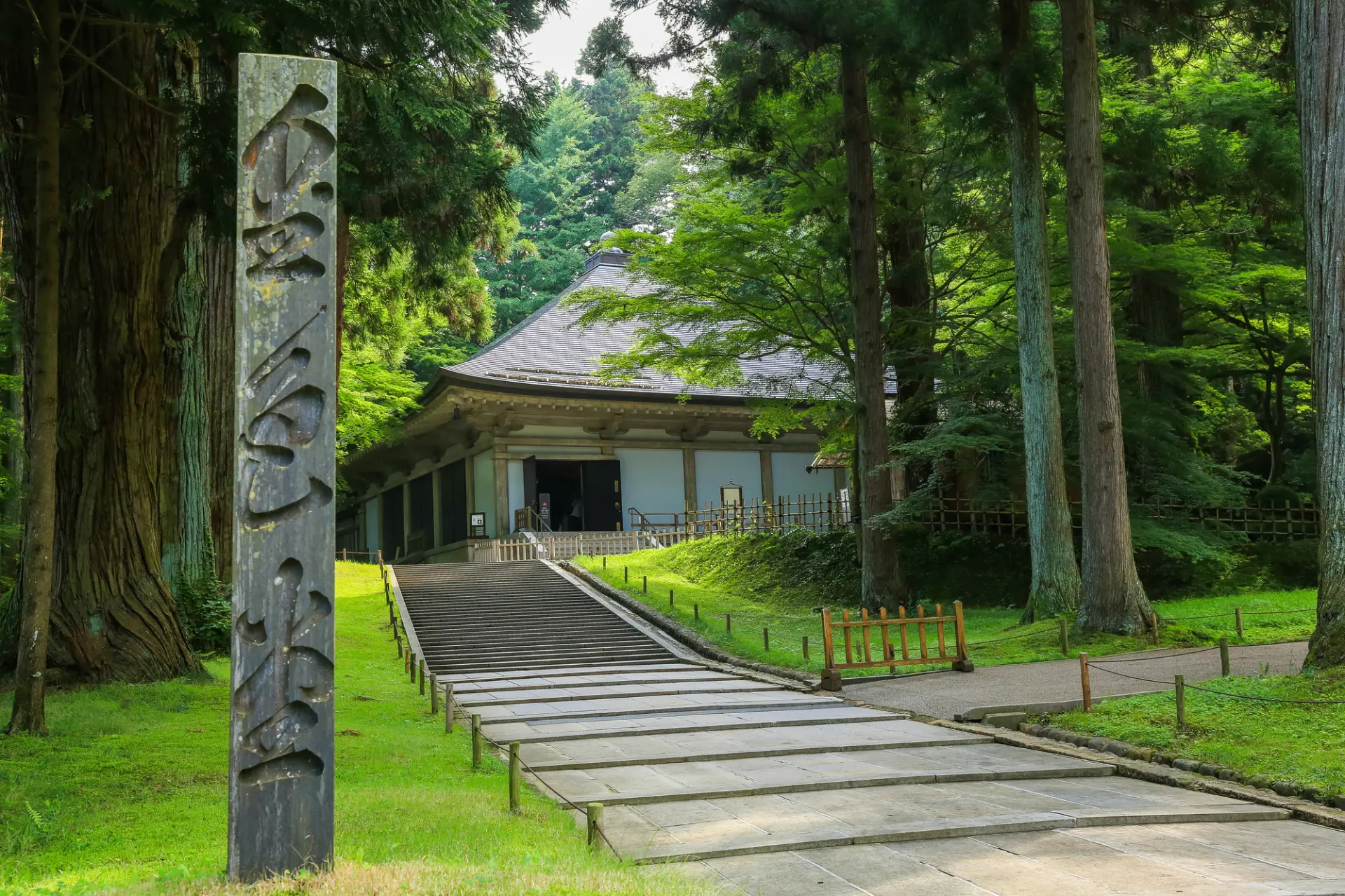

The Origins of Chuson-ji
Chuson-ji was founded in 850 by Jikaku Daishi Ennin.
However, according to reliable historical sources, the temple’s full-scale construction by Fujiwara no Kiyohira in the early 12th century is considered its practical founding.
To build a Buddhist Pure Land—a peaceful ideal society based on the teachings of Buddhism—Kiyohira began constructing a large temple complex around 1105, eventually establishing more than 40 temple buildings and pagodas, along with over 300 monks’ quarters.
Hiraizumi prospered so greatly that it was known as the “capital of Michinoku,” and under the protection of the Fujiwara clan, it enjoyed a century of splendor.
After the fall of the Fujiwara clan in 1189, however, it declined rapidly, bringing an era to an end.
Even amid warfare and poverty, the temple treasures were barely preserved, and in the Edo period (1603–1868), restoration proceeded again under the protection of the Sendai Domain.
After World War II, the Law for the Protection of Cultural Properties was enacted, and Konjikido became the first building designated as a National Treasure.
It continues to shine today as one of Tohoku’s representative cultural heritage sites.
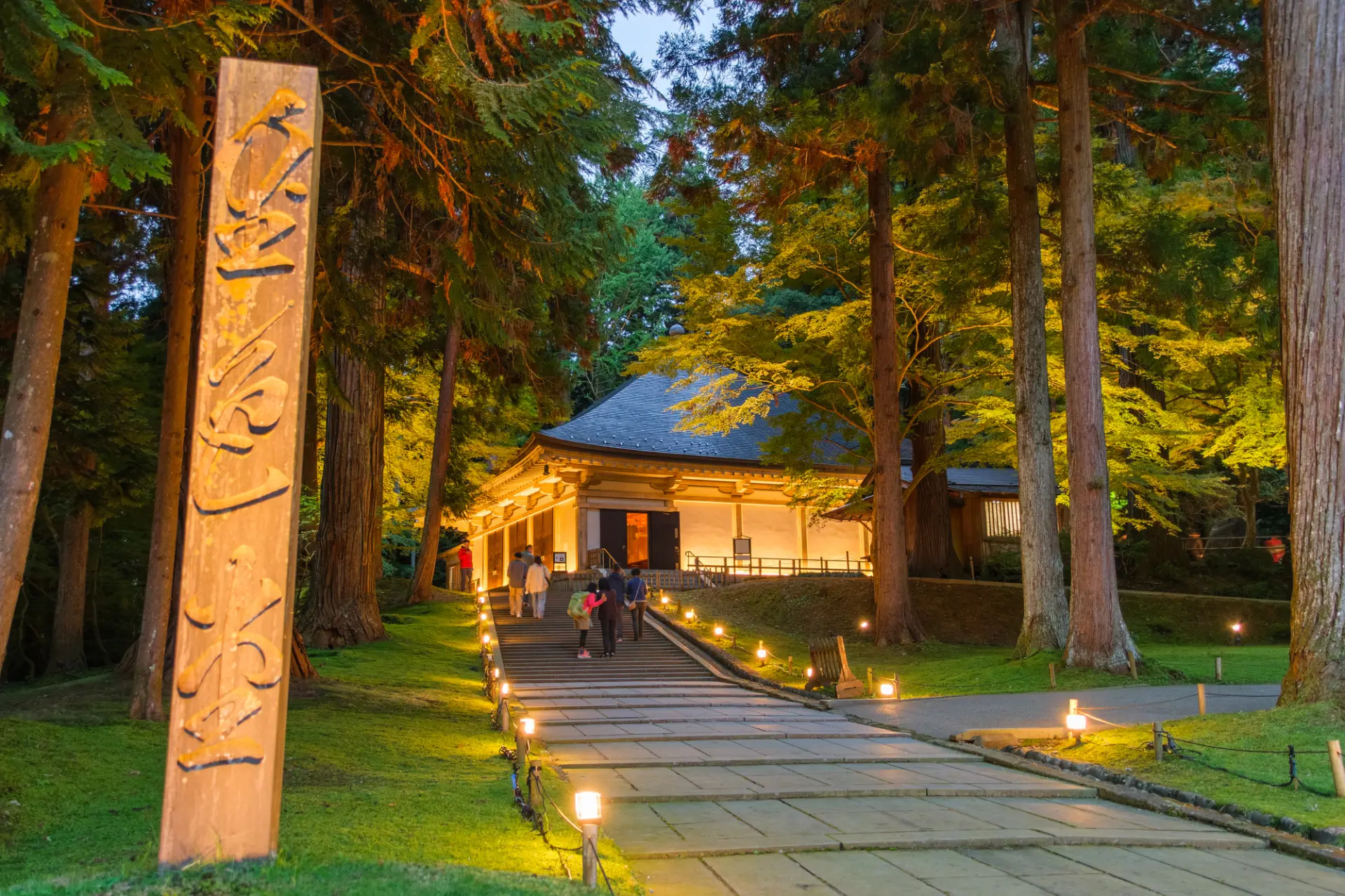
How to Get to Chuson-ji
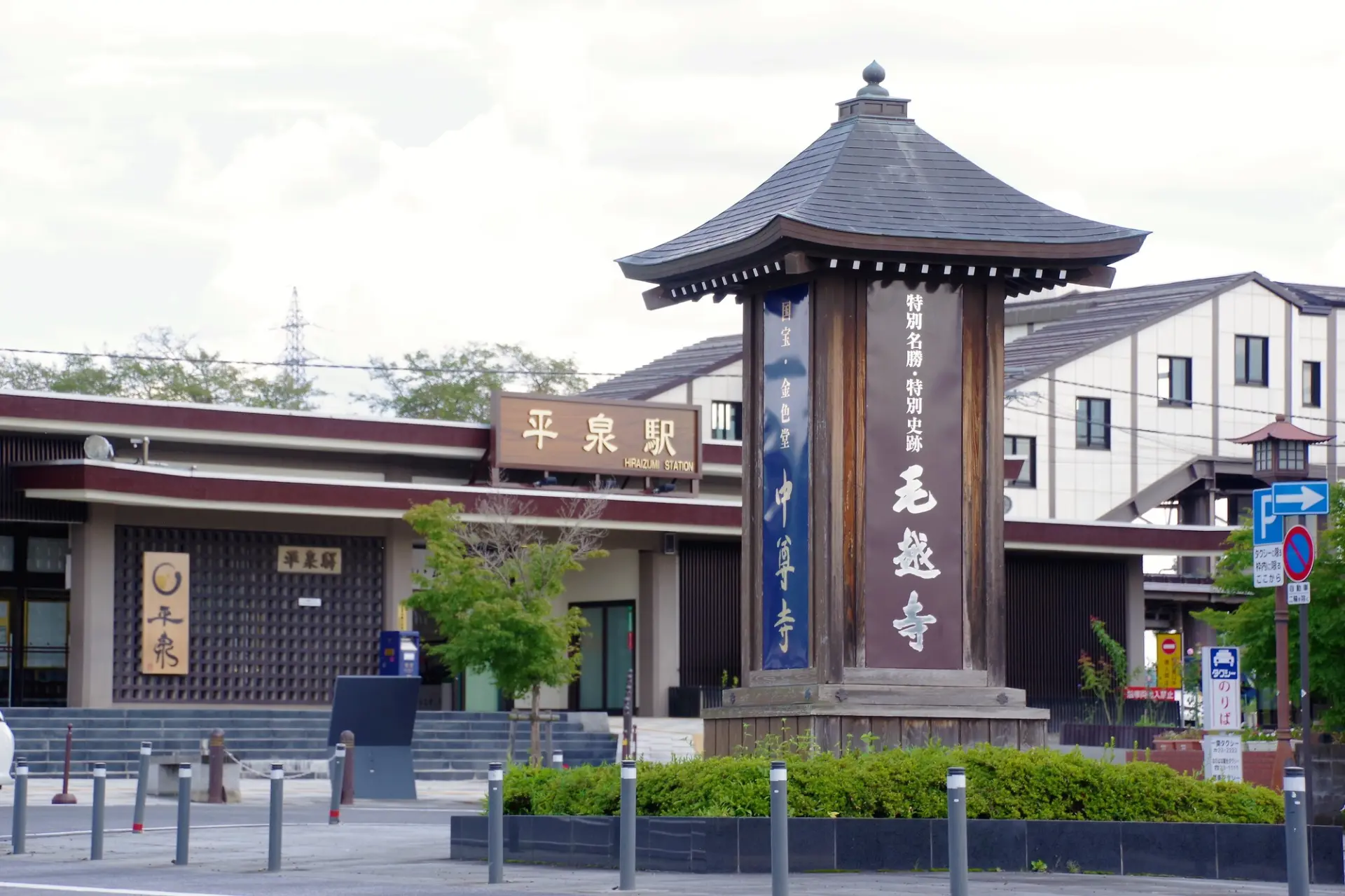
The nearest station to Chuson-ji is Hiraizumi Station on the JR Tohoku Main Line.
From the station, it takes about 25 minutes on foot or about 15 minutes by Iwateken Kotsu bus (get off at Chuson-ji).
Buses run about once per hour, so checking the timetable in advance is recommended.
If you want a more comfortable trip, consider taking a taxi or renting a car (paid parking is available near the Main Hall).
Below is a route starting from Ichinoseki Station, a major transportation hub in the Tohoku region.
If you travel via Ichinoseki Station by shinkansen, Chuson-ji is accessible in about 2 hours from Tokyo Station and about 35 minutes from Sendai Station.
- Route
- From JR Ichinoseki Station, take the JR Tohoku Main Line bound for Morioka, get off at Hiraizumi Station, and arrive
- Travel Time
- About 10 minutes
Chuson-ji Visiting Hours and Admission Fees
Chuson-ji’s visiting hours and admission fees are as follows.
The temple grounds are open free of charge, so you can freely enter and leave if you are only strolling, visiting the Main Hall, or walking along Tsukimizaka.
If you wish to enter Sankozo, Konjikido, the Sutra Repository, or the Former Shelter Hall, you need to purchase an admission ticket at the ticket office next to Sankozo.
In general, it tends to be crowded from 10:00 AM to 2:00 PM, as well as during the Obon holiday and autumn foliage season, so those who want a quieter visit may want to avoid these times.
- Hours
-
March 1–November 3: 8:30 AM–5:00 PM
November 4–the last day of February: 8:30 AM–4:30 PM
*Open year-round - Admission Ticket
-
Adults: 1,000 yen
High school students: 700 yen
Junior high school students: 500 yen
Elementary school students: 300 yen
*Free for preschool-age children and younger. Admission tickets are issued until 10 minutes before closing.
When Is the Best Season to Visit Chuson-ji?
Chuson-ji can be enjoyed year-round, but the autumn foliage season from late October to mid-November is especially recommended.
The entire temple grounds turn vivid shades of red and yellow, creating one of Tohoku’s signature autumn landscapes.
As you climb Tsukimizaka, the trees become more colorful and the moss-covered stone steps create a serene atmosphere, letting you feel the air of historic Hiraizumi simply by walking.
The contrast between the solemn glow of Konjikido and the deep crimson maple leaves is especially striking.
However, because it is very popular and becomes crowded, spring—when cherry blossoms and fresh greenery are beautiful—is also a good option.
-
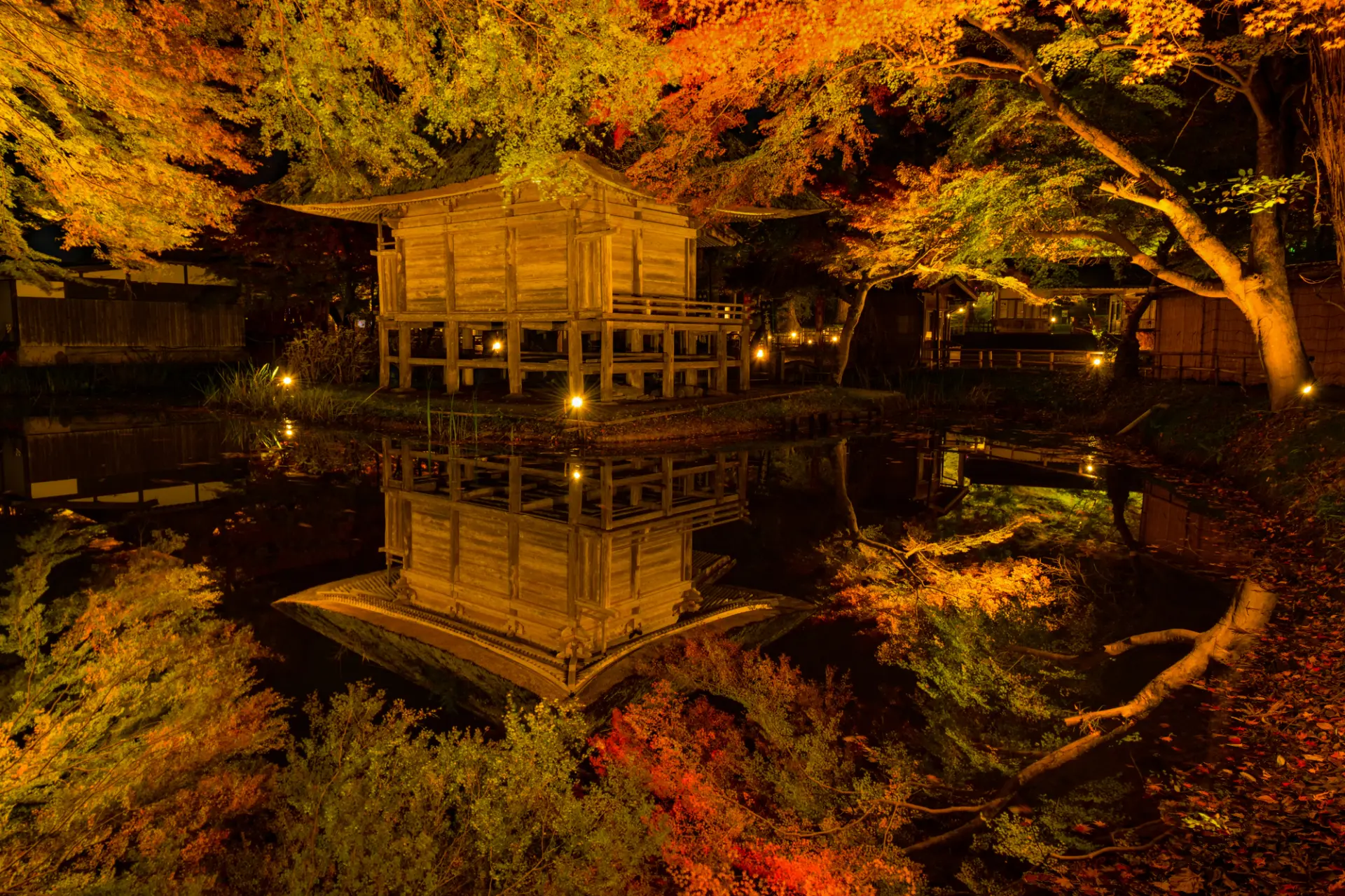
Chuson-ji Benzaitendo in Iwate, illuminated and reflected in the water
-
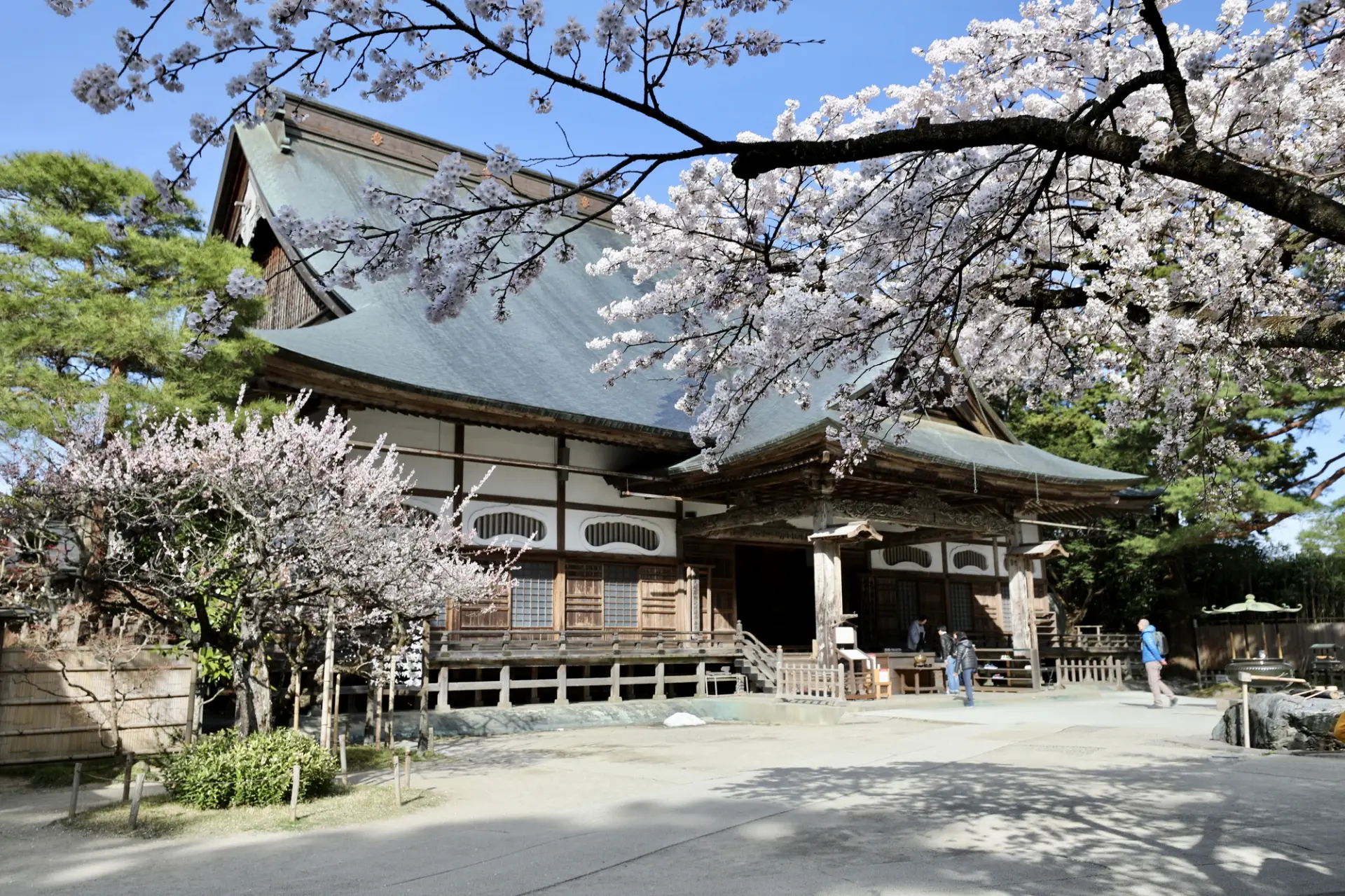
Chuson-ji in spring
-
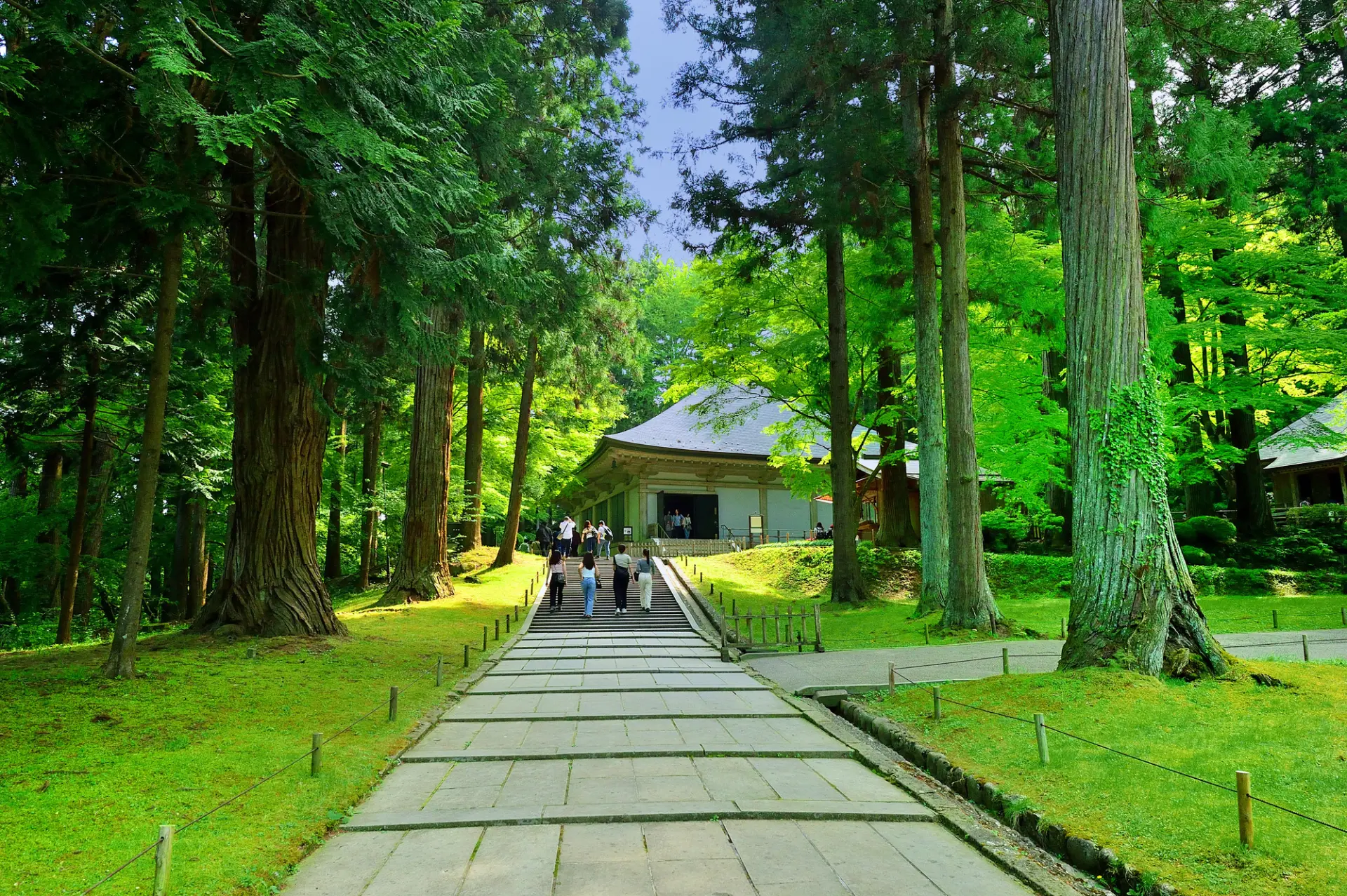
Chuson-ji in summer
Don’t Miss These: 5 Highlights of Chuson-ji
Here are five selected highlights of Chuson-ji.
Each is an important element that conveys the temple’s history and spirituality, supporting Hiraizumi’s value as a World Heritage Site.
They are deeply connected to Pure Land thought and allow you to experience the faith and prosperity of the Oshu Fujiwara clan together with the world of Heian Buddhist art. Use them as key points during your visit.
1. The Lavish Konjikido
Konjikido, which conveys the glory and faith of the Oshu Fujiwara clan to the present day, is Chuson-ji’s greatest highlight.
It is the only building that retains its original appearance from the time of its founding in 1124, and inside are enshrined the remains of three generations of the Fujiwara clan: Kiyohira, Motohira, and Hidehira.
The solemn space, covered inside and out in gold leaf, is adorned with mother-of-pearl inlay made from luminous shell, ivory, and jewels, allowing visitors to fully appreciate the finest craftsmanship of the Heian period.
The golden world that unfolds the moment the doors open is impressive, inviting visitors into the prayers of the Heian era.
It remains a living place of prayer, a hall that crystallizes Kiyohira’s wish to guide people to the Buddhist Pure Land.
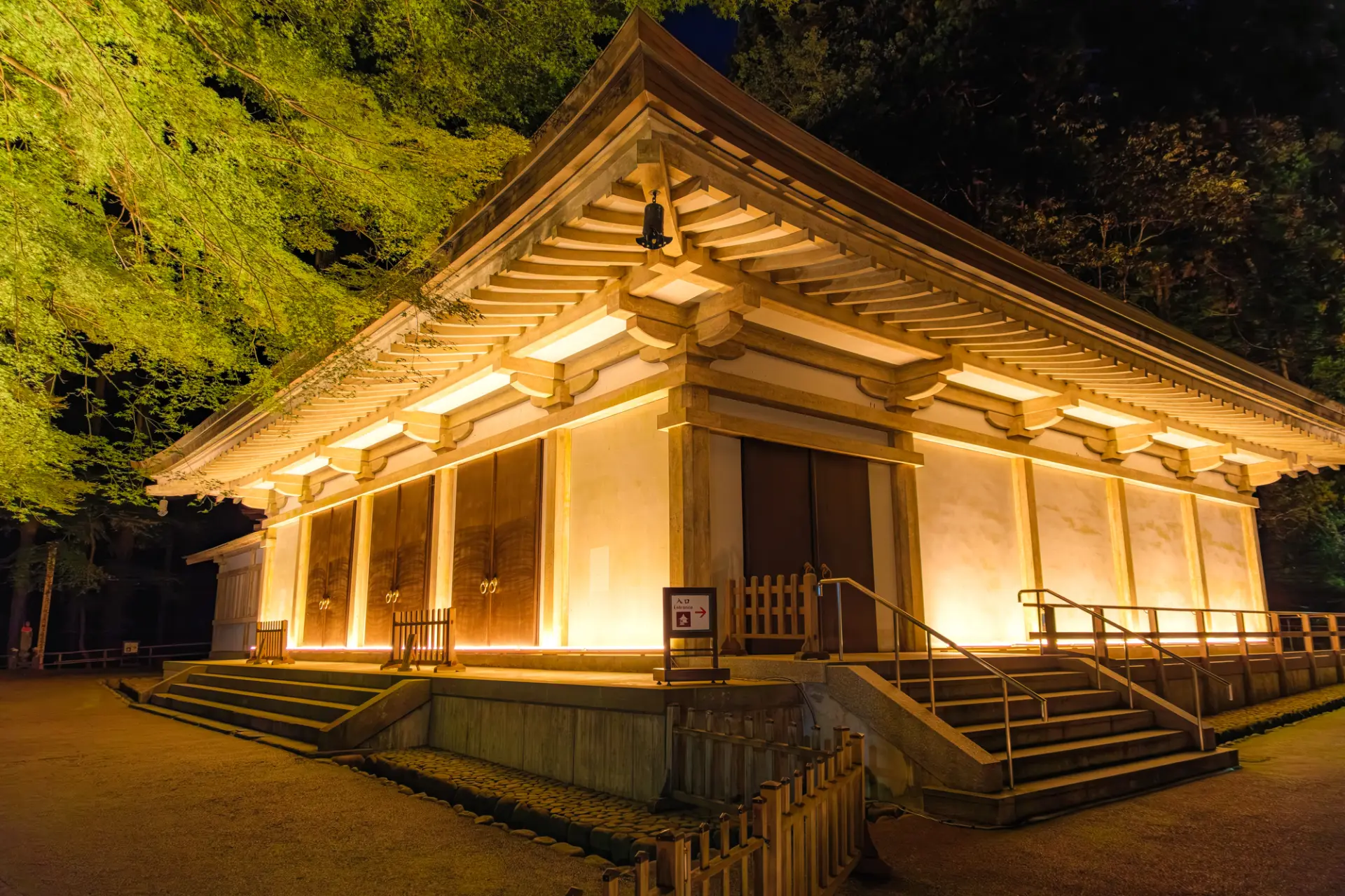
2. Sankozo, a Treasure House of Heian Art
Sankozo, located on the Chuson-ji grounds, is a treasure hall where you can experience the essence of Heian culture built by the Oshu Fujiwara clan up close.
Inside, more than 3,000 cultural properties connected to the Fujiwara clan are housed and preserved, and visitors can see rare items found nowhere else, including the National Treasure Chuson-ji Sutras and Heian-period Buddhist statues.
A particular highlight is the exhibition room where Buddhist statues from inside Konjikido have been relocated and enshrined, quietly conveying the craftsmanship in every detail and the depth of devotion.
Visiting before Konjikido will deepen your understanding of the historical background and make the viewing experience even more meaningful.
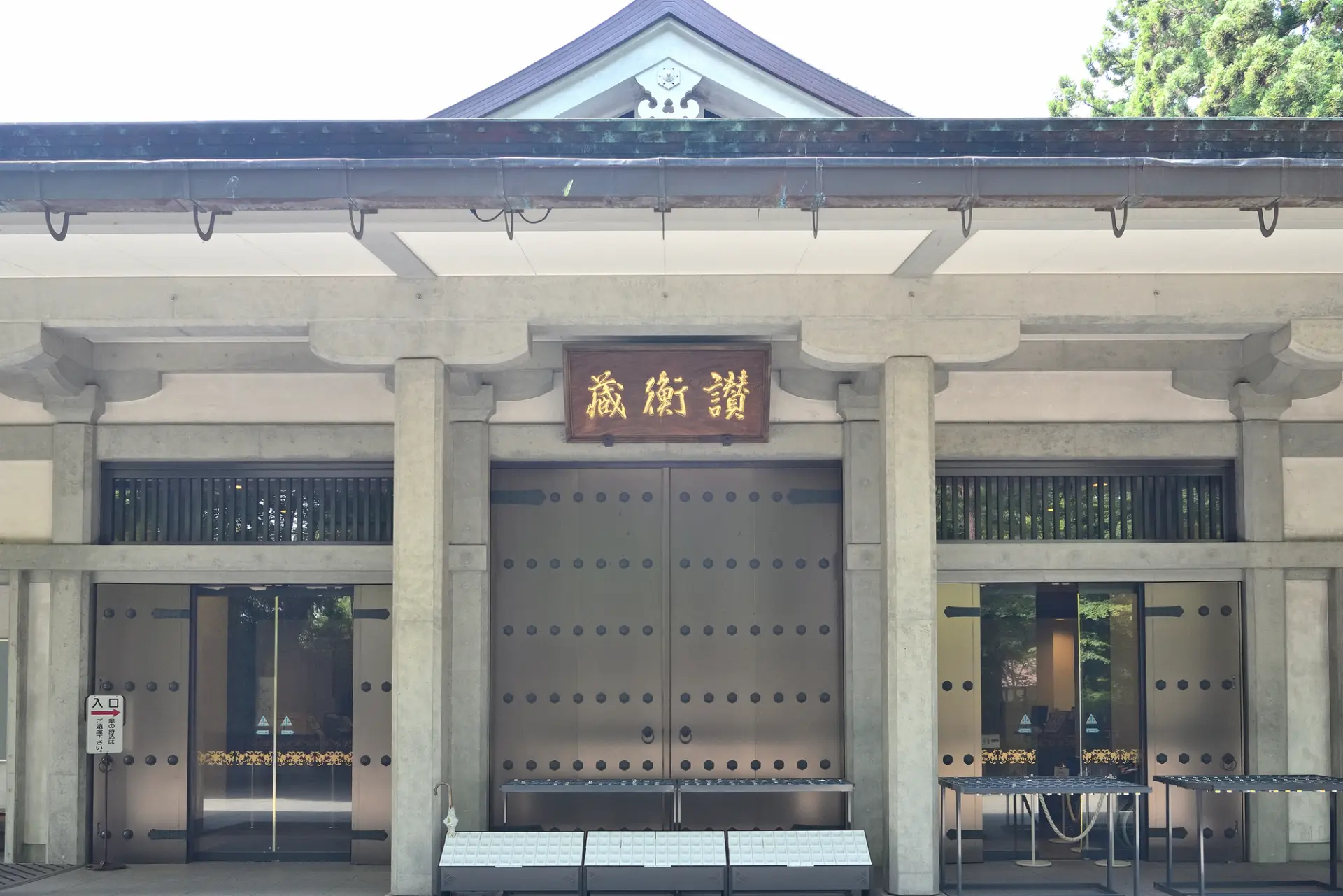
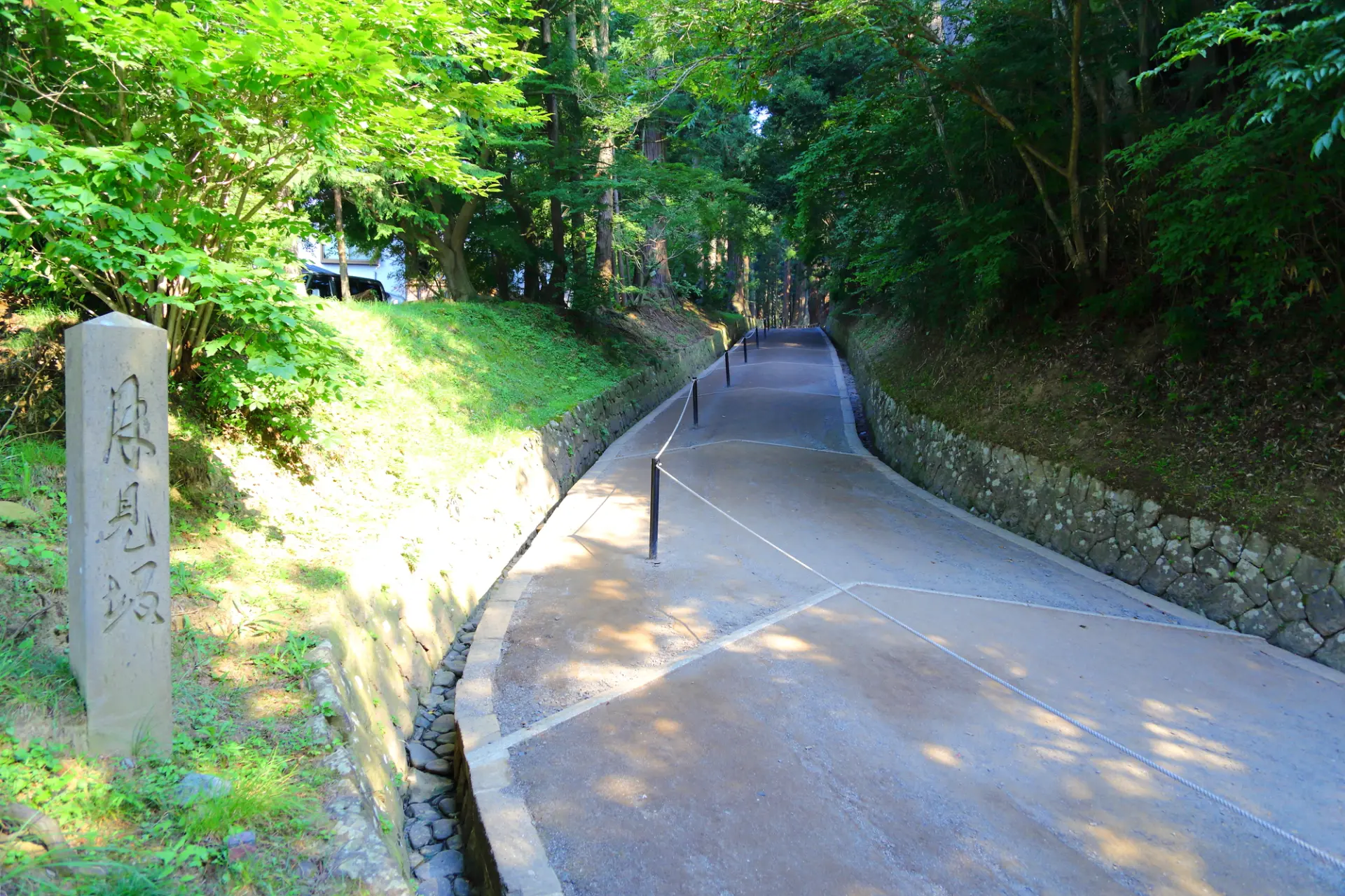
3. Tsukimizaka, an Approach Lined with Old Cedars
Tsukimizaka is one of the main approaches leading to Konjikido.
It is, in a sense, the entrance to a visit to Chuson-ji and the first place where you can feel the appeal of the temple grounds.
This gentle uphill path of about 800 meters is surrounded by cedar trees, and with each step you may feel as if you are moving away from the everyday world.
Old cedars more than 350 years old line both sides, and the sunlight filtering through the trees creates beautiful shadows.
Along the way are buildings such as Benkeido and Jizodo, while the surrounding area offers expansive views of Mt. Tabashine, the Kitakami River, and the Koromo River, all connected to the Oshu Fujiwara clan.
4. The Main Hall, the Center of Chuson-ji Worship
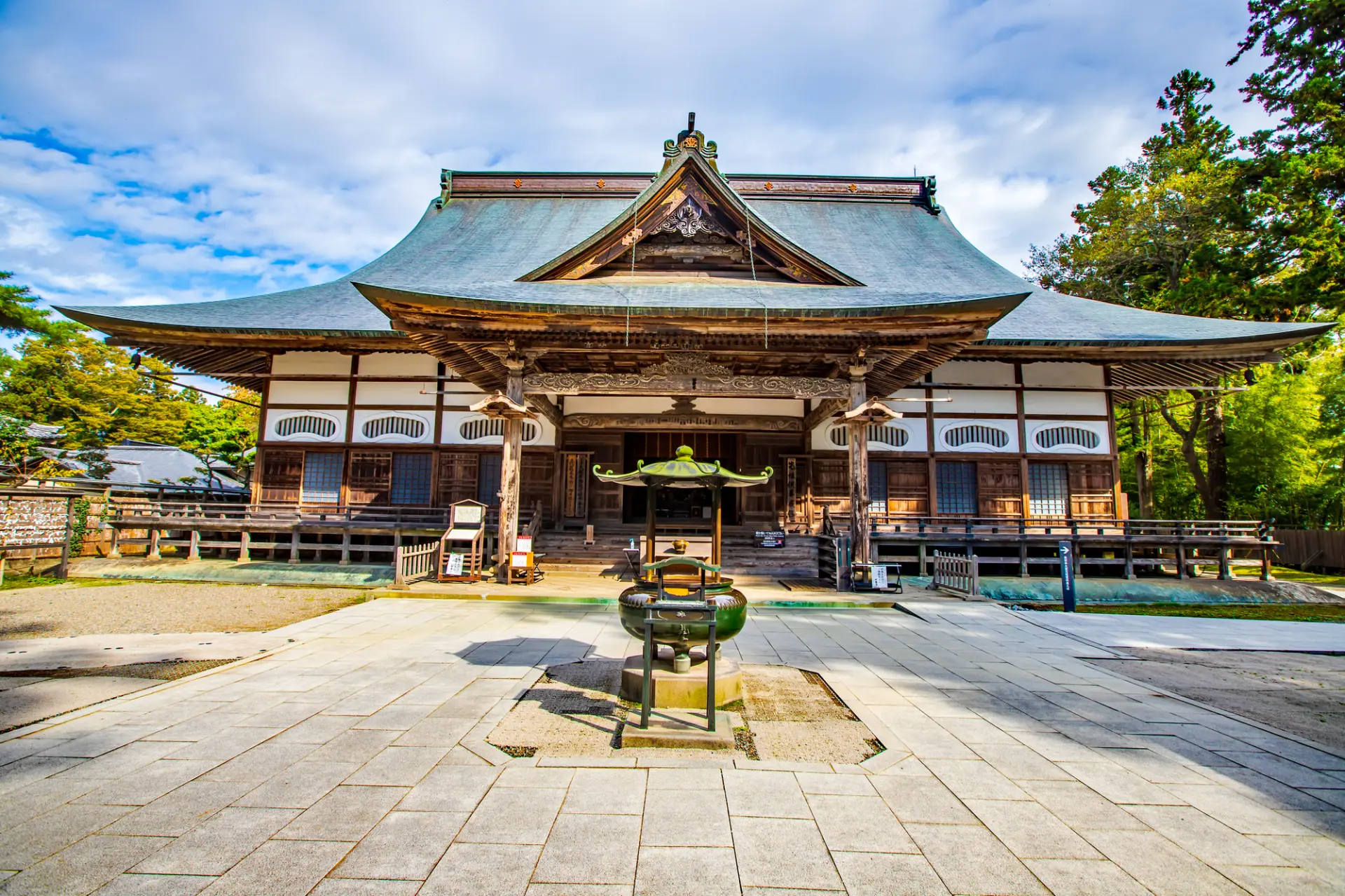
At the top of Tsukimizaka stands the Main Hall, the heart of Chuson-ji.
Its calm wooden exterior quietly welcomes visitors with a warm presence.
The current building was reconstructed in 1909, and inside is a solemn atmosphere that carries on the faith dating back to the Heian period, centered on the principal image, a seated statue of Amida Nyorai about 2.7 meters tall.
Morning services and Buddhist ceremonies are held in the hall each day, allowing visitors to feel that this is not only a tourist site but also a living temple.
One particularly moving feature is the “Eternal Light of the Dharma,” which has continued to burn for more than 1,200 years before the principal image.
Since it was first lit on Mt. Hiei by Saicho, the founder of the Tendai school, this has been a special place filled with countless prayers.
5. The Sutra Repository, a Quiet Place of Learning
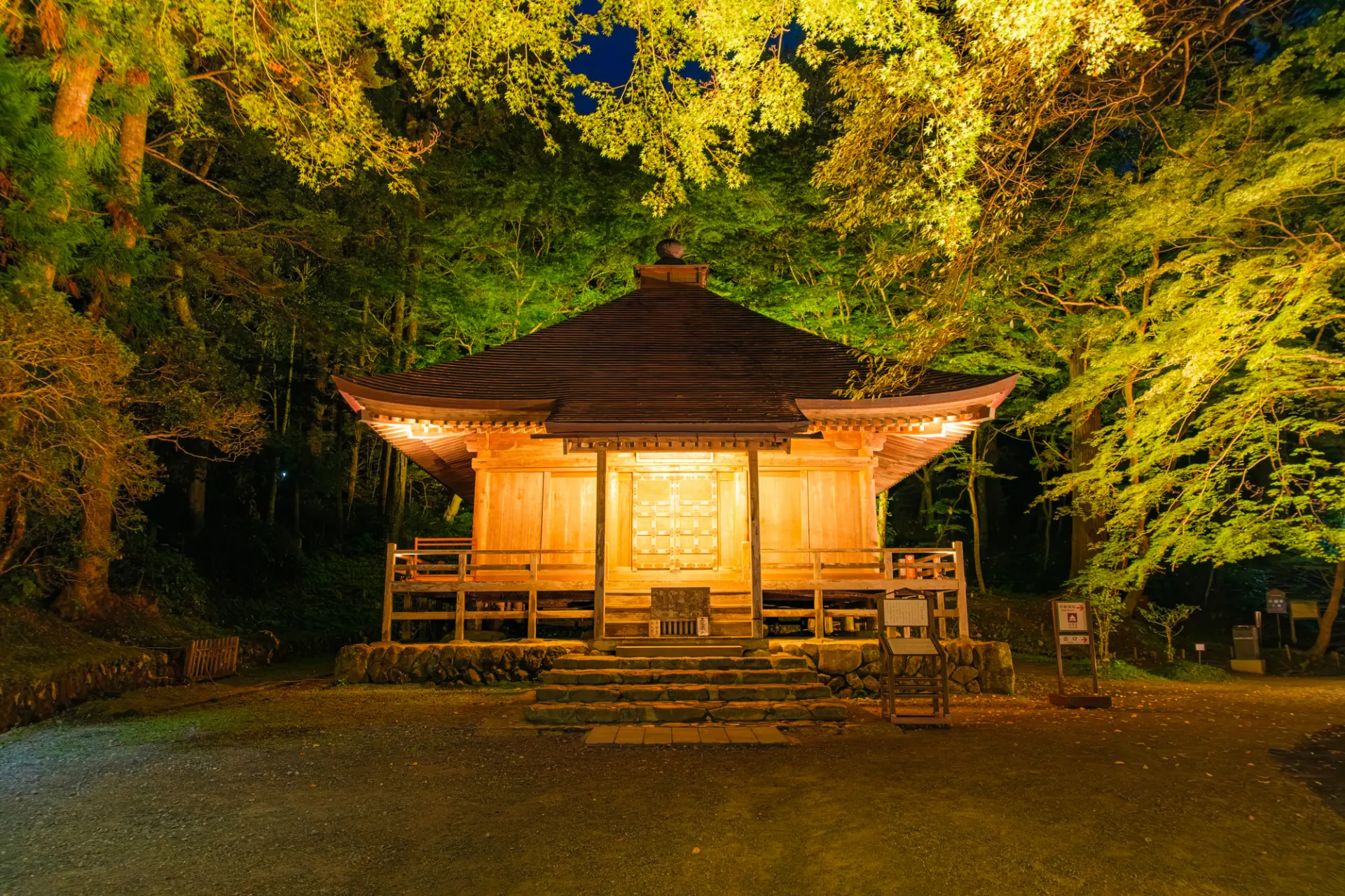
The Sutra Repository has a quiet presence within the temple grounds.
It was once part of the Chuson-ji temple complex and served as a treasure house of knowledge, storing the temple’s vast collection of Buddhist scriptures.
Today, many cultural properties and scriptures have been moved to Sankozo, but it remains an important historical structure for understanding the religious culture built by the Oshu Fujiwara clan.
Its exterior has gained character over the long years, presenting a calm appearance in contrast to Konjikido.
In autumn, the surrounding Japanese maples turn brilliant colors, enveloping the area in a mysterious scene.
Cultural Experiences to Calm the Mind at World Heritage Chuson-ji
At Chuson-ji, visitors can take part in various cultural experiences in addition to strolling and worship.
The appeal lies in stepping away from the noise of everyday life, quietly facing yourself, and naturally sensing Buddhist teachings and an atmosphere of prayer.
The time spent in the setting of this ancient temple has value in itself, and these distinctly Japanese experiences make memorable moments from your trip.
Read the details below, and consider taking part if you are interested.
Tea
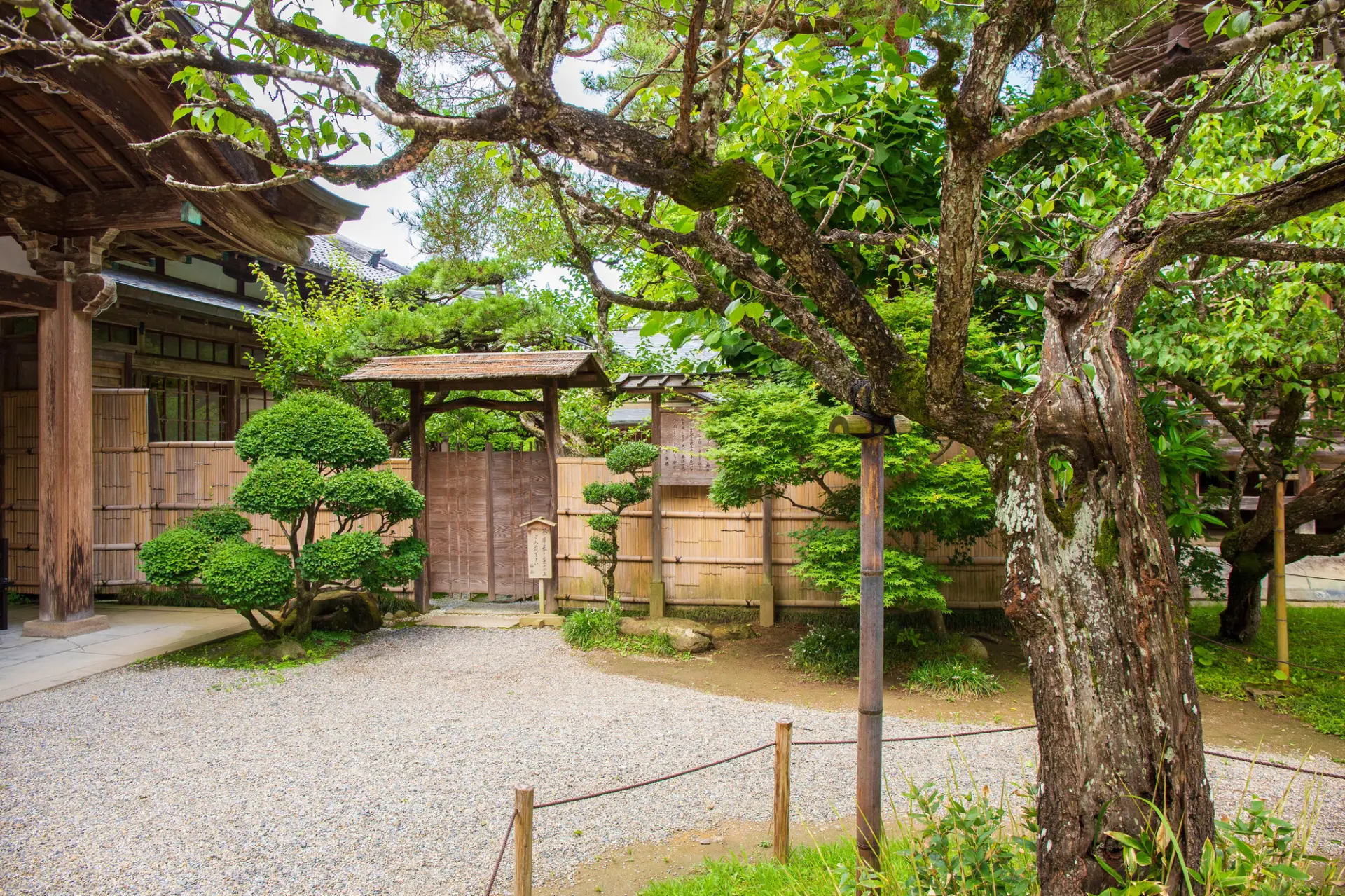
After exploring the temple grounds, Shojuan is a place you’ll want to stop by.
This tea room is connected to the lineage of Sen Soshitsu, the grand master of the Urasenke school, and you can casually enjoy matcha and Japanese sweets while seated in a chair.
A bowl of tea after visiting Konjikido and the cedar-lined approach feels especially satisfying, and even those unfamiliar with tea ceremony can experience chanoyu without feeling intimidated.
The cedar grove and seasonal scenery seen through the windows look like a scene from a picture scroll, adding space and calm to your journey.
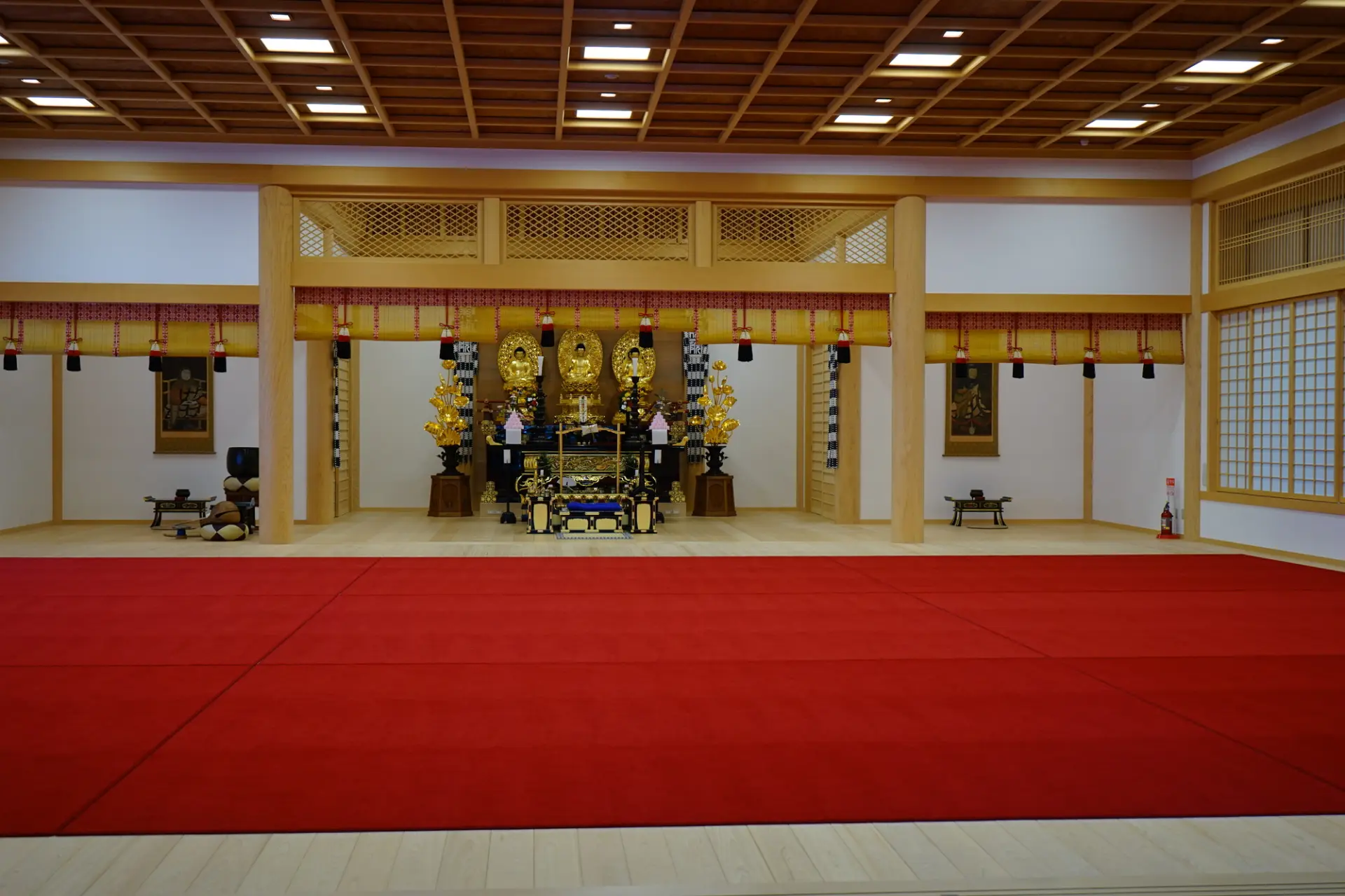
Zazen Meditation
The zazen meditation experience is recommended for those who want to reflect on themselves.
Chuson-ji offers a zazen experience that even beginners can try comfortably, with the aim of stepping away from everyday worries and uncertainties and calming the mind.
At Koshoin, after listening to an explanation from a monk and slowly regulating your breathing, the sound of the wind through the cedars and the quiet of the temple grounds naturally blend into your awareness.
As you reflect on the culture of prayer nurtured in Hiraizumi, you can spend a peaceful time facing your own mind.
Sutra Copying
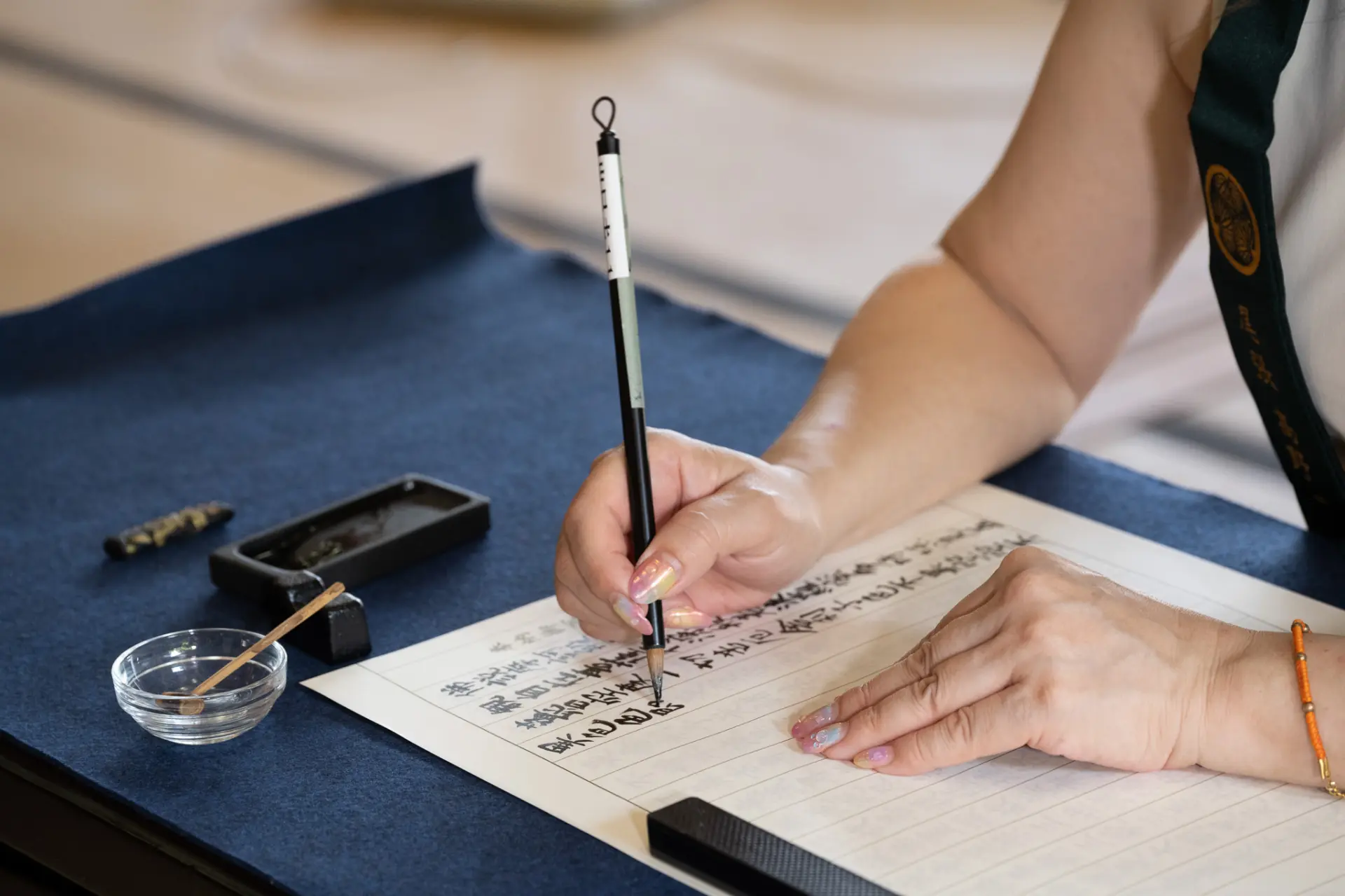
Sutra copying, or shakyo, is a form of practice in which you carefully copy Buddhist scriptures one character at a time with a brush, learning the teachings of the Buddha.
This experience has special meaning at Chuson-ji because the culture of sutra copying has been passed down here for more than 900 years.
Holding a brush in this place, where a vast number of scriptures created through the vows of three generations of the Oshu Fujiwara clan have been preserved, lets you feel close to the history of prayer that lives on in Hiraizumi.
The sutras include difficult kanji, but one appeal of shakyo is that you naturally become focused as you quietly move the brush.
You can take your completed sutra copy home (or dedicate it to the temple), making it a popular travel keepsake.
3 Recommended Places to Eat on the Chuson-ji Grounds and Approach
Next, we’ll introduce recommended places to eat within Chuson-ji.
Located along the route of your visit, they are easy to stop by along the way, letting you take a break while enjoying local specialties and sweets.
They are also appreciated for their calm atmosphere and pleasant views, adding to the afterglow of your walk.
1. Kanzantei
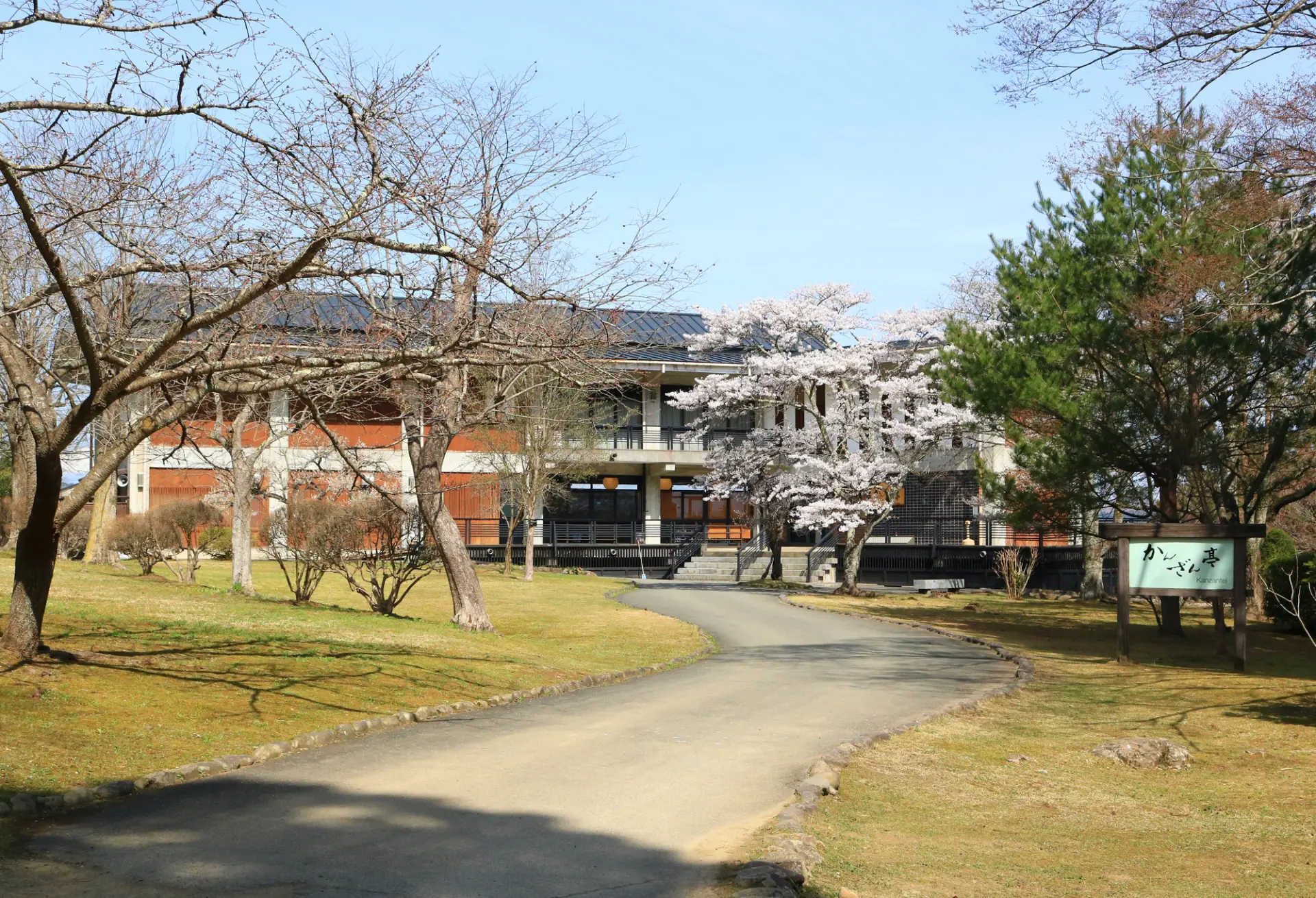
Kanzantei is Chuson-ji’s official rest area and restaurant, named after Kanzan, the temple’s mountain name.
Located near Hakusan Shrine, known for its Noh stage, it appears just as you finish exploring the temple grounds.
Large windows inside offer a panoramic view of the Yakeishi Mountain Range, and on clear days you can see as far as the Akita Prefecture border.
A popular menu item is jinenjo soba, made generously with locally grown Hiraizumi Japanese mountain yam.
The sticky grated yam clings to the soba noodles, creating a simple yet deeply flavorful dish that is perfect for easing fatigue after a temple visit.
Playful names such as “Temple-misu” (tiramisu) and “Jinja Ale” (ginger ale, with a pun on “shrine”) have also attracted attention.
2. Soba-dokoro Yoshiie
Soba-dokoro Yoshiie stands along Tsukimizaka, Chuson-ji’s main approach.
Its thatched roof blends naturally into the surrounding scenery, giving it a charming appearance, and it is a popular restaurant loved by many visitors.
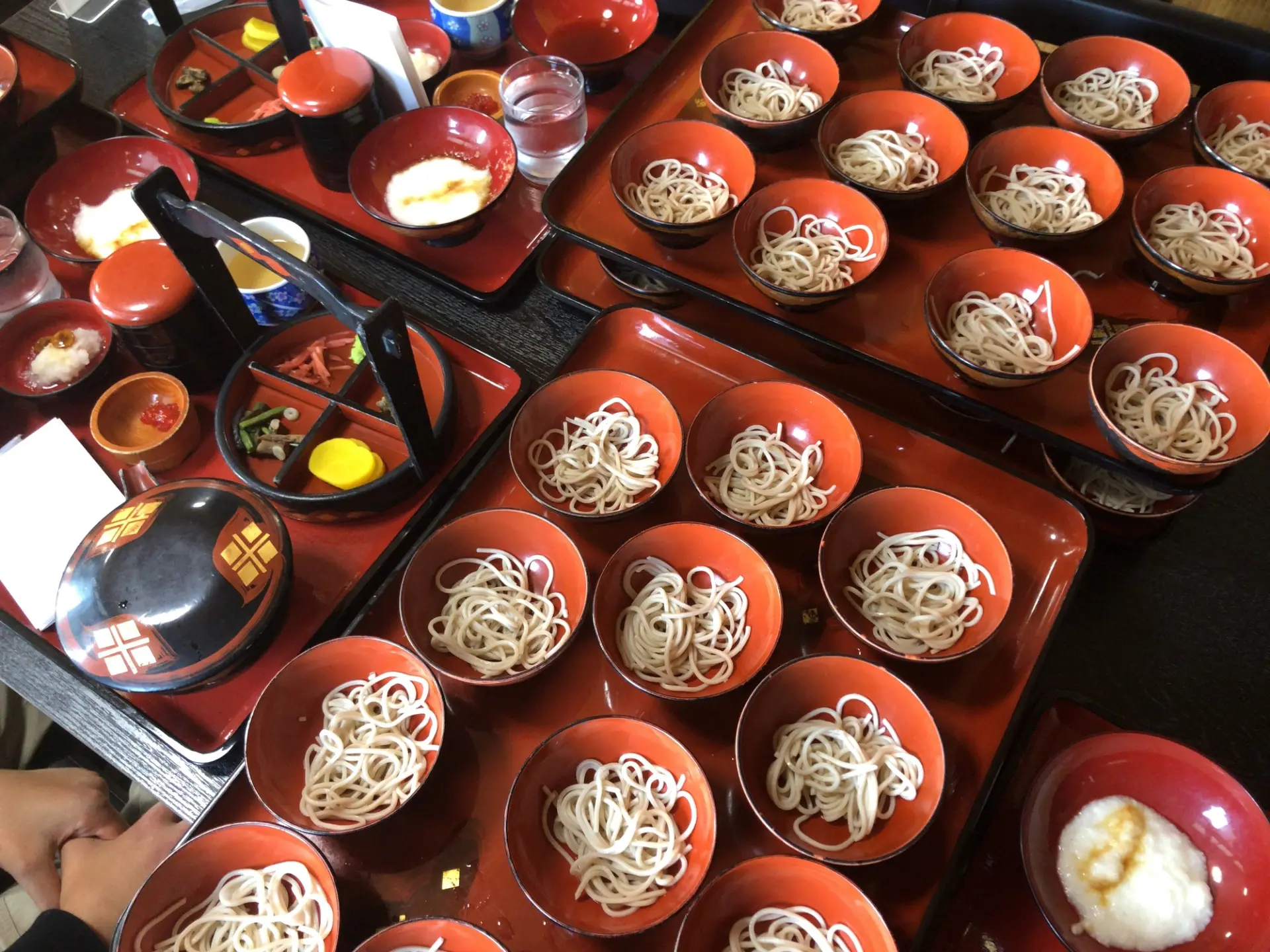
Wanko soba, one of Iwate’s three major noodle dishes, is the restaurant’s signature menu item.
Unlike typical wanko soba, it is served in the Hiraizumi style, with small bowls portioned out from the start.
The set includes 12 bowls of wanko soba (one tier), tempura, condiments, dessert, and more, so you can enjoy it to the end without getting bored.
3. Benkeien
Located near Benkeido after you climb Tsukimizaka, Benkeien is a rest stop along the approach run by the long-established Japanese confectionery shop Kasho Shoeido.
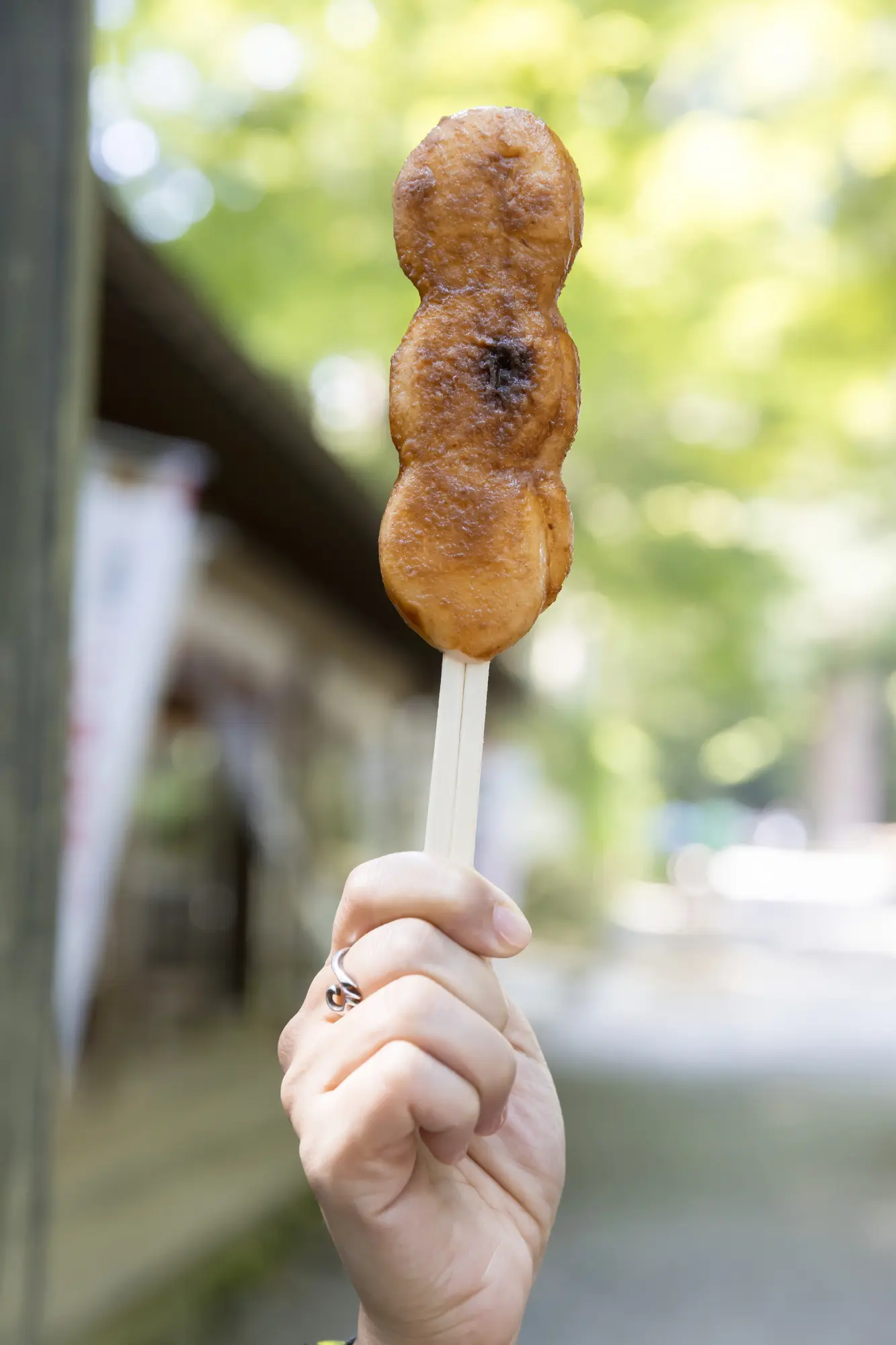
Its popular menu item is Benkei Mochi, flavored with walnut soy sauce.
The mochi, with the fragrant taste of walnuts and the savory flavor of soy sauce blending perfectly together, has a gentle yet rich flavor that soaks in after a long walk.
Although seasonal, the goma-suri soft-serve ice cream, with a rich sesame flavor that fills your mouth, is also very popular and recommended.
It is a good place to stop for a bite before heading to Konjikido or for a sweet break after your visit.
5 Nearby Spots to Visit Together with Chuson-ji
Next, let’s look at popular spots around Chuson-ji.
Each place allows you to experience through its landscape the idea the Oshu Fujiwara clan aspired to: representing the Pure Land in this world.
Within these quiet scenes, prayer, power, and aesthetic sensibility overlap, distilling the character of Hiraizumi.
They will deepen your understanding, so be sure to visit them together with Chuson-ji.
1. Motsu-ji
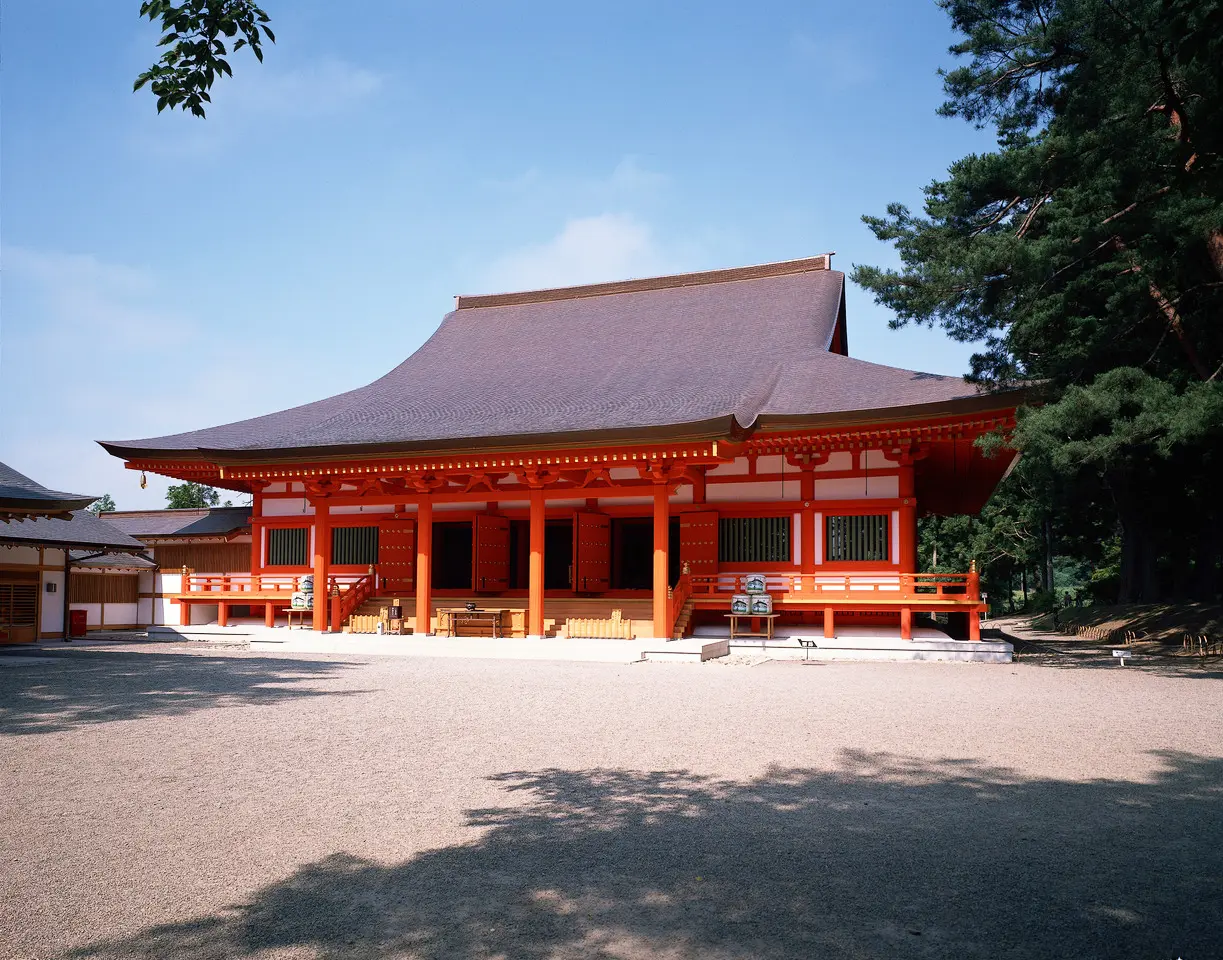
Motsu-ji is designated by the national government as both a Special Historic Site and a Special Place of Scenic Beauty. It preserves numerous remains, including foundation stones of Heian-period Buddhist buildings. At the time, it is said to have had 40 halls and pagodas and 500 monks’ quarters, making it even larger than Chuson-ji. Its Pure Land Garden is also preserved in an almost complete state, making it a valuable place where you can feel the world of about 800 years ago.
Motsu-ji’s Pure Land Garden, created to recreate the Buddhist Pure Land on earth, is a representative example of a Pure Land-style garden. It was built during the Heian period by the second-generation head Fujiwara no Motohira and completed by the third-generation head, Hidehira.
2. Kanjizaio-in Ato
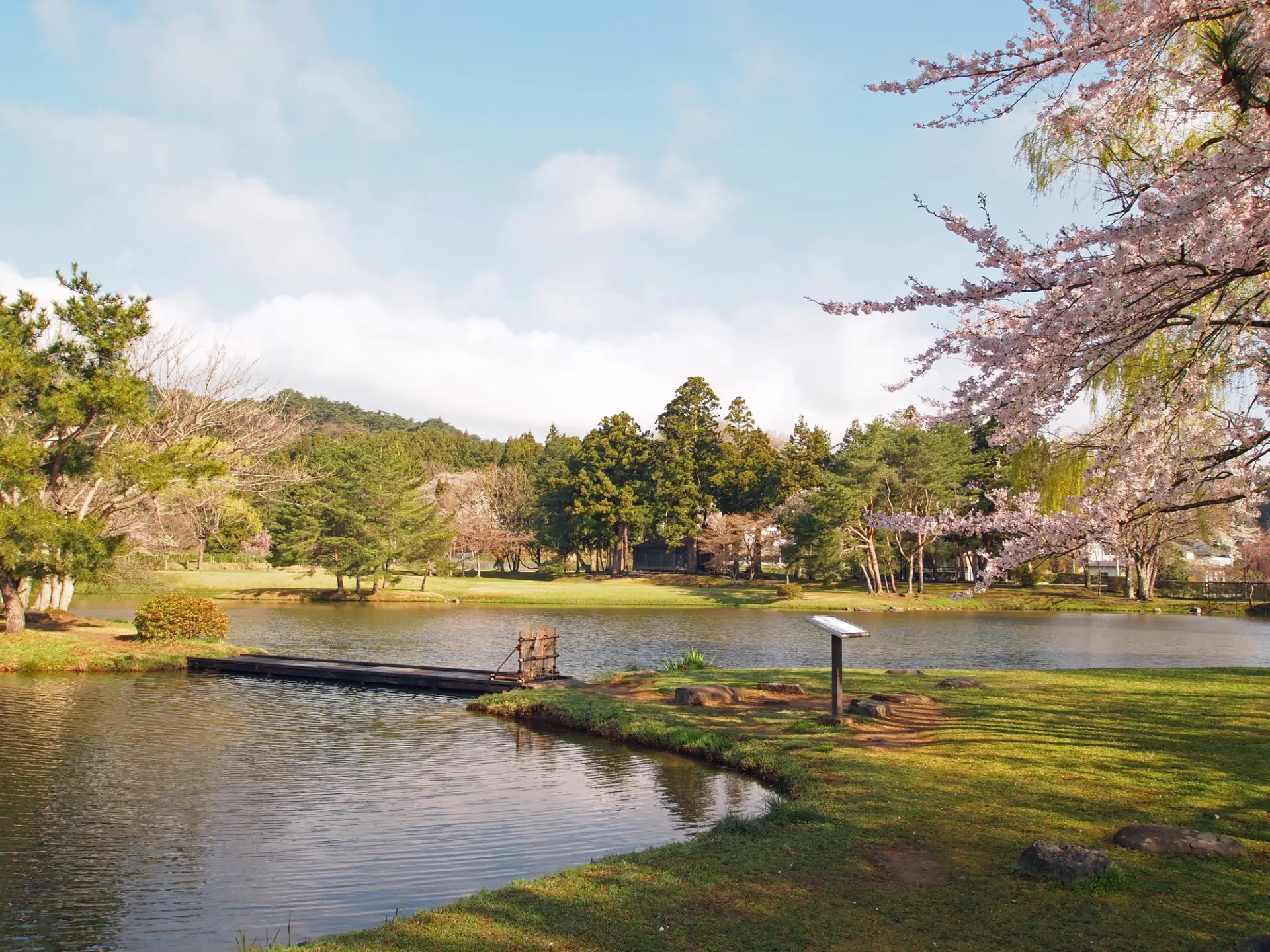
This temple site is said to have been built by the wife of Fujiwara no Motohira. A Pure Land Garden was created around Maizurugaike Pond, with Mt. Kinkei located behind it. It is designated a Special Historic Site of Japan.
3. Muryoko-in Ato
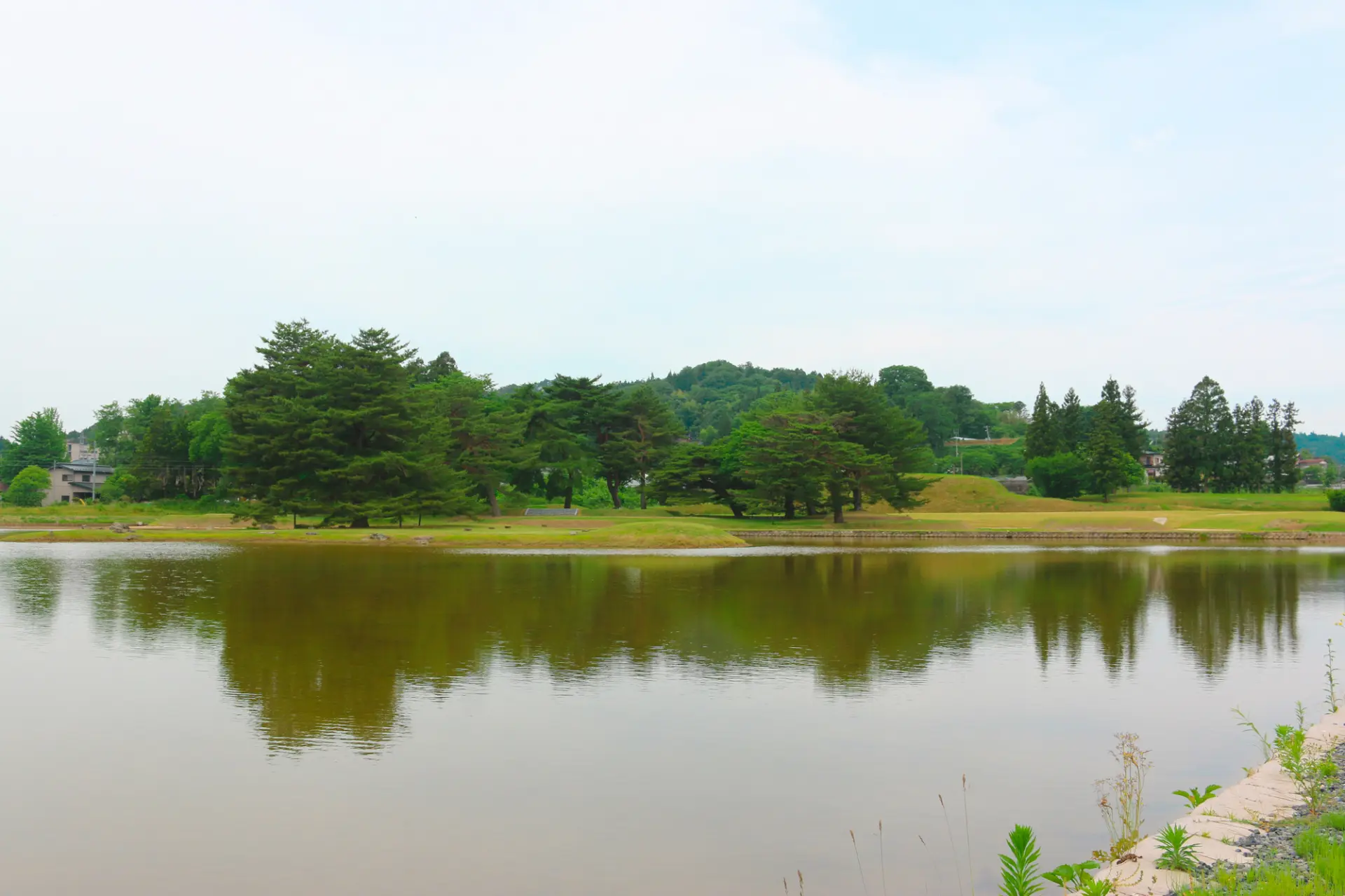
This temple site was built by Fujiwara no Hidehira. It is said that an Amida Hall modeled after Byodoin Phoenix Hall in Kyoto once stood here. Today, the garden pond of its Pure Land Garden has been restored as a remaining feature of the temple site.
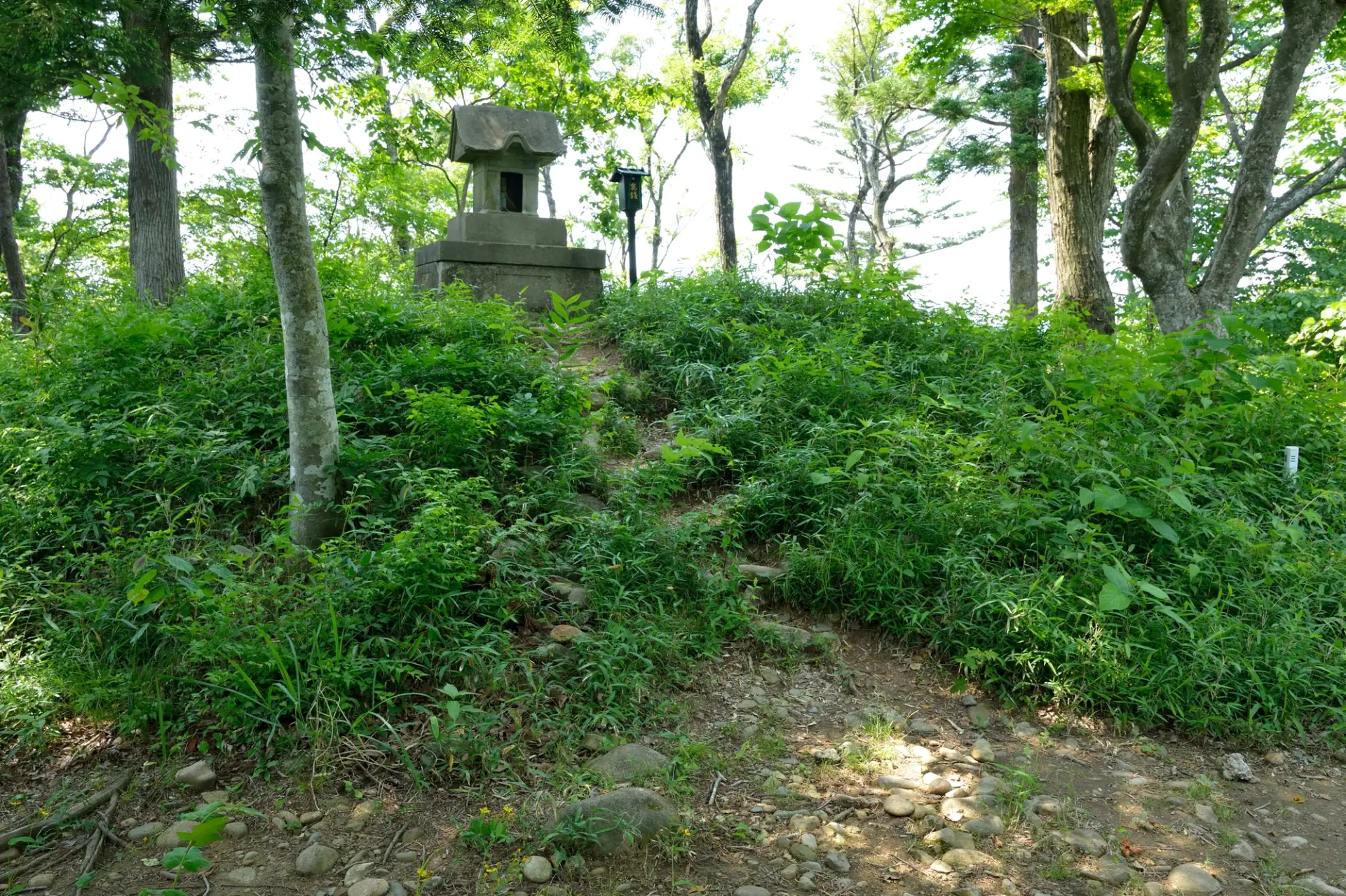
4. Mt. Kinkei
Mt. Kinkei is a cone-shaped mountain that has become a symbol of Hiraizumi, with the three Pure Land Gardens of Motsu-ji, Kanjizaio-in Ato, and Muryoko-in Ato all oriented toward it. Legends remain that “Fujiwara no Hidehira built this artificial mountain in a single night” and that “a golden rooster is buried there.”
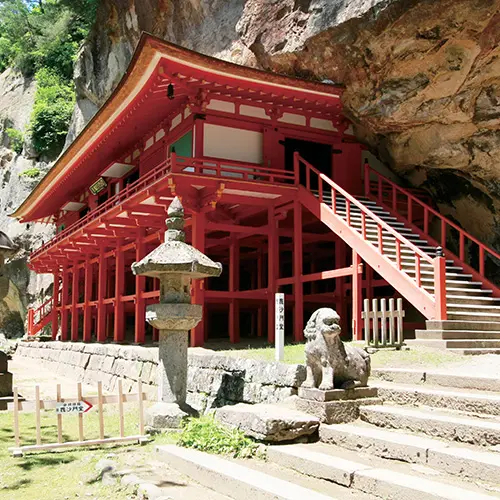
5. Takkoku no Iwaya Bishamondo
About 1,200 years ago, the shogun Sakanoue no Tamuramaro defeated the Emishi people who controlled the Tohoku region, and built this hall in gratitude for his victory and the protection of the gods and Buddhas. The Bishamondo Hall, a nine-bay, four-sided structure modeled after Kiyomizu-dera Temple in Kyoto, enshrined 108 statues of Bishamonten and served as a place to pray for the protection of the nation.
Over its long history, the hall was damaged by war and various disasters, and the current fifth-generation Bishamondo was reconstructed in 1961. About 30 statues of Bishamonten are enshrined inside, and restoration and new construction continue today in an effort to return the hall to its former appearance.

Chuson-ji Day Trip Sample Itinerary
Based on the places introduced so far, here is a sample day-trip itinerary for enjoying Chuson-ji and the Hiraizumi area.
This itinerary assumes sightseeing on foot, but using a rental car is recommended if possible.
It makes getting around much easier and gives you more flexibility in adjusting your schedule.
If you have the interest and time, consider adding a cultural experience.
- 9:00 AM Hiraizumi Station: Start your sightseeing (pick up a map at the tourist information center inside the station if needed)
- 9:15 AM Motsuji Temple: Enjoy a leisurely stroll around Oizumi-ga-ike Pond
- 10:25 AM Kanjizaio-in Ato: Walk through this quiet historic site
- 10:45 AM Muryoko-in Ato: Take in the vast former pond site and imagine the splendor of days gone by
- 11:00 AM Mt. Kinkeisan: Discover the romantic history of the Oshu Fujiwara clan
- 11:30 AM Lunch: Have lunch at a restaurant near Hiraizumi Station or by the entrance to the Chusonji Temple approach
- 12:30 PM Tsukimizaka Slope: Walk along the majestic approach to Chusonji Temple
- 12:50 PM Main Hall: Pray at the center of worship at Chusonji Temple
- 1:10 PM Sankozo Museum: Experience the essence of Heian culture up close and enjoy displays of precious artifacts
- 1:35 PM Konjikido Golden Hall: Take your time admiring Chusonji Temple's greatest highlight
- 2:10 PM Sutra Repository: Sense the deep faith and refined culture of the Fujiwara clan
- 2:25 PM Kanzantei: Take a break while enjoying views of the Yakeishi Mountain Range
- 3:10 PM Hiraizumi Station: Return at a relaxed pace, stopping by souvenir shops along the way, then head home
FAQ About Chuson-ji
Q
How long does it take to visit Chuson-ji?
If you visit only the main spots centered on Konjikido, plan on about 1 hour. If you want to explore the whole area at a relaxed pace, allow about 2 hours.
Q
Do I need to pay an admission fee to see Konjikido at Chuson-ji?
Yes. If you want to see Konjikido, Sankozo, the Sutra Repository, or the Former Shelter Hall, admission is 1,000 yen per adult. (The temple grounds alone are free.)
Q
Can I access Chuson-ji by car?
Yes. There are three official paid parking lots—the No. 1, No. 2, and Sakanoue parking lots—so you can drive close to the Main Hall.
Summary
We’ve introduced basic information, highlights, and a day-trip sample itinerary for Chuson-ji.
The temple grounds preserve many valuable buildings and cultural properties, allowing visitors to still feel the ideals and beauty of the Heian period today.
Even on a first visit, one of its appeals is that you can walk along the quiet approach while experiencing both the weight of Tohoku’s history and the splendor of Konjikido.
Be sure to visit Chuson-ji, registered as a World Cultural Heritage Site, at least once.
Also check out this article, which gathers information to help you fully enjoy Iwate.