
Miketsukuni
Regions that supplied the capital with food and helped shape Japanese food culture.
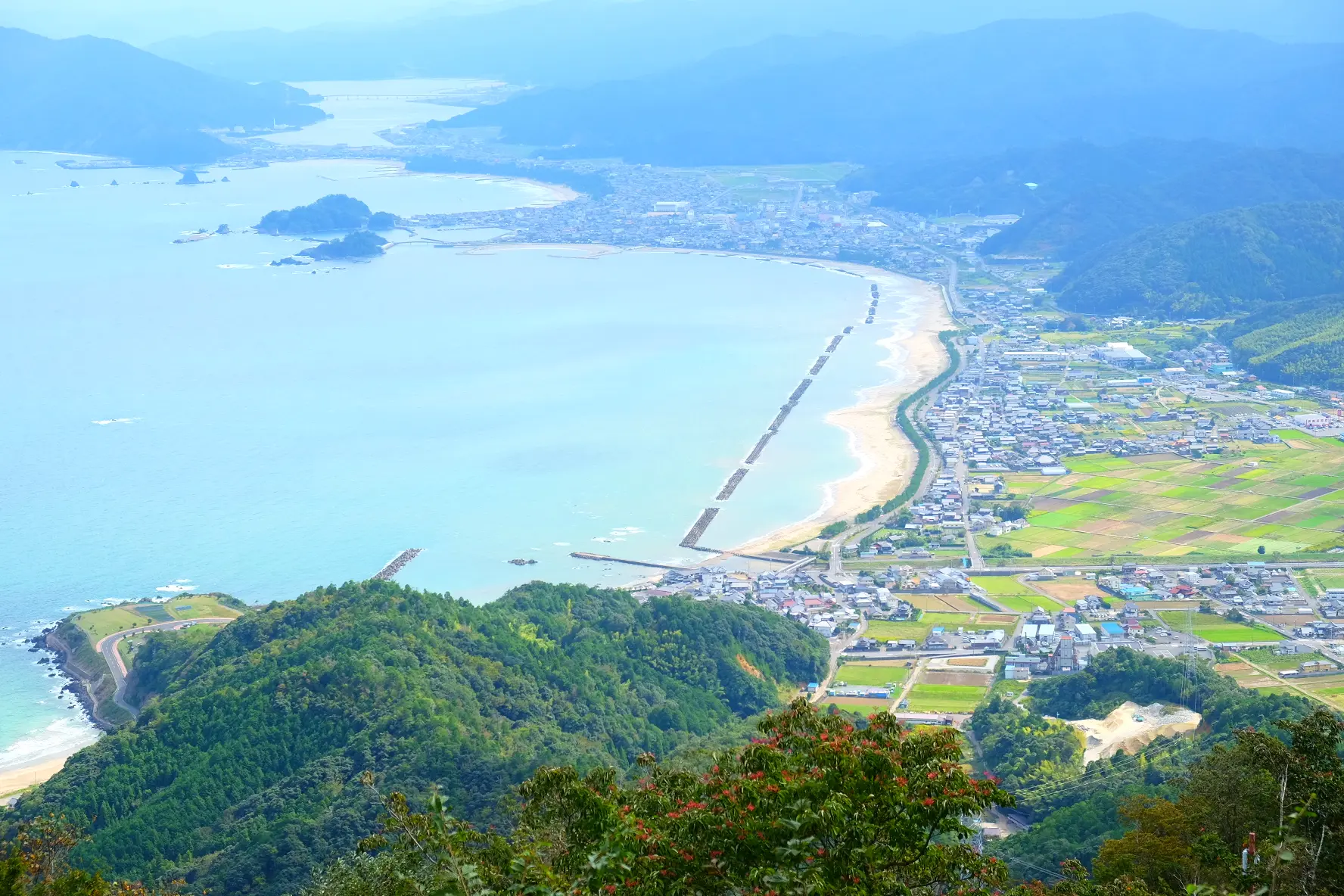
In ancient Japan, certain regions had the special role of supplying food to the emperor and the imperial court. These regions were known as “Miketsukuni.” “Miketsu” referred to the emperor’s meals, while “tsu” meant “of,” reflecting their important role in feeding the capital. Wakasa, Shima, and Awaji are the three best-known Miketsukuni regions. Blessed with abundant seas and natural resources, they supplied the capital with a wide variety of foods, including seafood, seaweed, and salt, helping shape the development of Japanese food culture.
The history of Miketsukuni dates back to ancient times, with references to these regions found in historical sources such as the Man’yoshu and Engishiki. Wakasa, in particular, took advantage of its proximity to Kyoto to supply the capital with fresh seafood. Mackerel, sea bream, and other seafood caught in Wakasa Bay were carried to Kyoto, and this route later developed into the Saba Kaido, or Mackerel Road. It played a major role not only in transporting goods but also in connecting people, cultures, and culinary knowledge.
The value of Miketsukuni extended beyond their abundant food resources. Techniques and customs developed in these regions—including preserving fish with salt, making fermented foods, and appreciating seasonal ingredients—were passed down throughout Japan. Their resourceful approach to using nature’s bounty without waste remains an important principle in washoku today and forms one of the foundations of Japanese food culture.
Even today, visitors to regions known as Miketsukuni can savor fresh seafood and traditional dishes while learning about the history and culture behind them. The story of Miketsukuni continues to offer travelers an opportunity to experience Japanese history and culture through food.
Highlights
-
Special regions that supplied food to the capital from ancient times.
-
Wakasa, Shima, and Awaji are the best-known Miketsukuni regions.
-
Abundant marine resources helped sustain Japanese food culture.
-
The Saba Kaido connected people, food, and culture with the capital.
-
Traditional dishes and food culture continue to be passed down today.
Photos
-
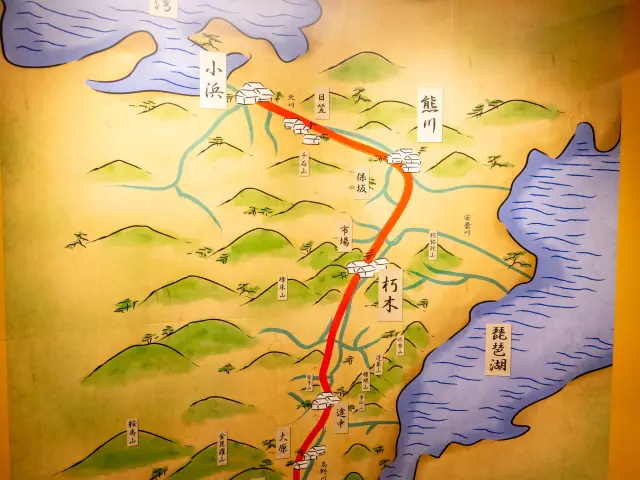
The Saba Kaido, a route used to transport seafood from Wakasa to Kyoto
-
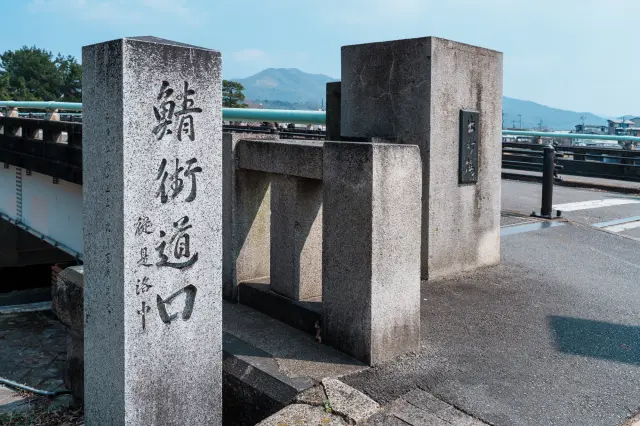
A stone monument to the Saba Kaido at Demachi Bridge
-
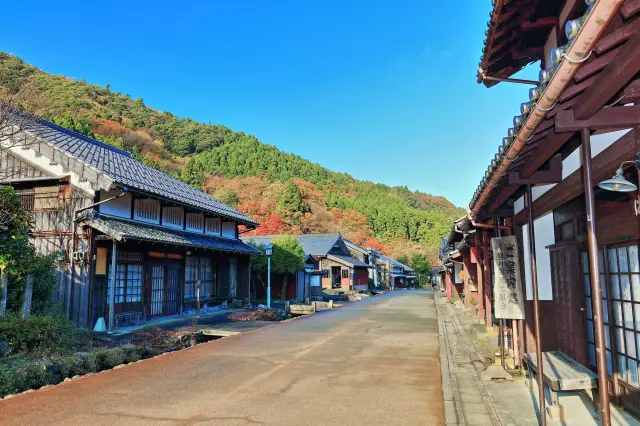
Kumagawa-juku, a historic post town preserving traces of the Saba Kaido between Wakasa and Kyoto
-
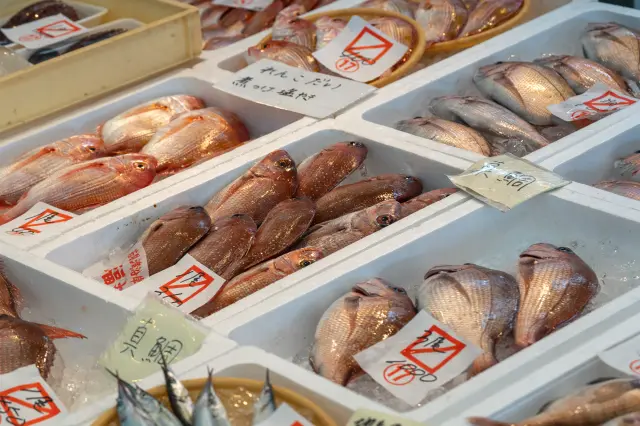
Fresh seafood from Wakasa Bay, including sea bream
-
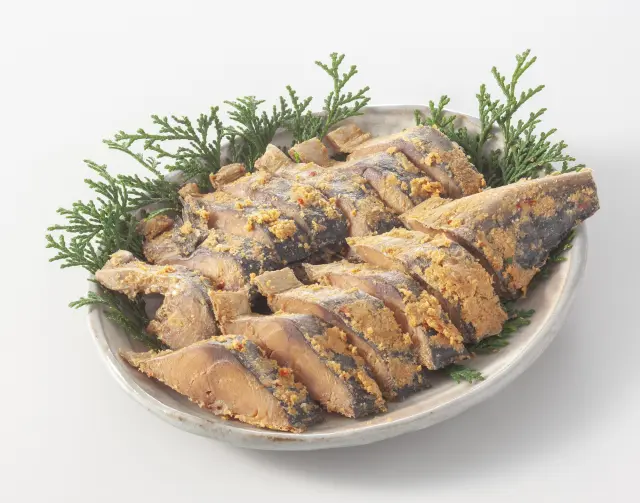
Mackerel heshiko, a preserved food fermented and aged in rice bran for an extended period
-
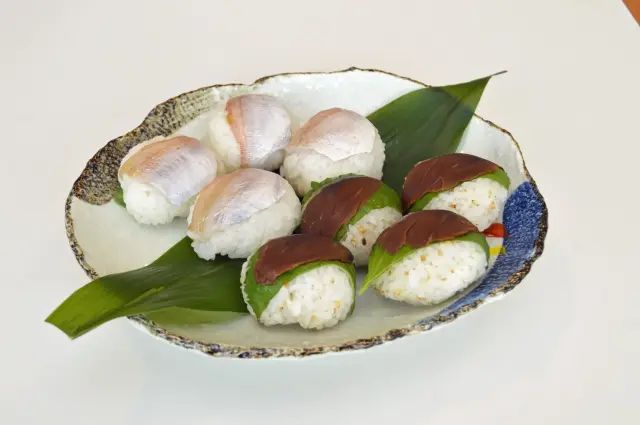
Temari-zushi, a traditional local dish from Wakasa
Details
- Name in Japanese
- 御食国(みけつくに)
- Meaning
- Regions that supplied food to the emperor and the imperial court
- Best-known regions
- Wakasa, Shima, and Awaji
- Main offerings
- Seafood, seaweed, salt, and other foods
- Period of development
- Approximately the 7th to 12th centuries