

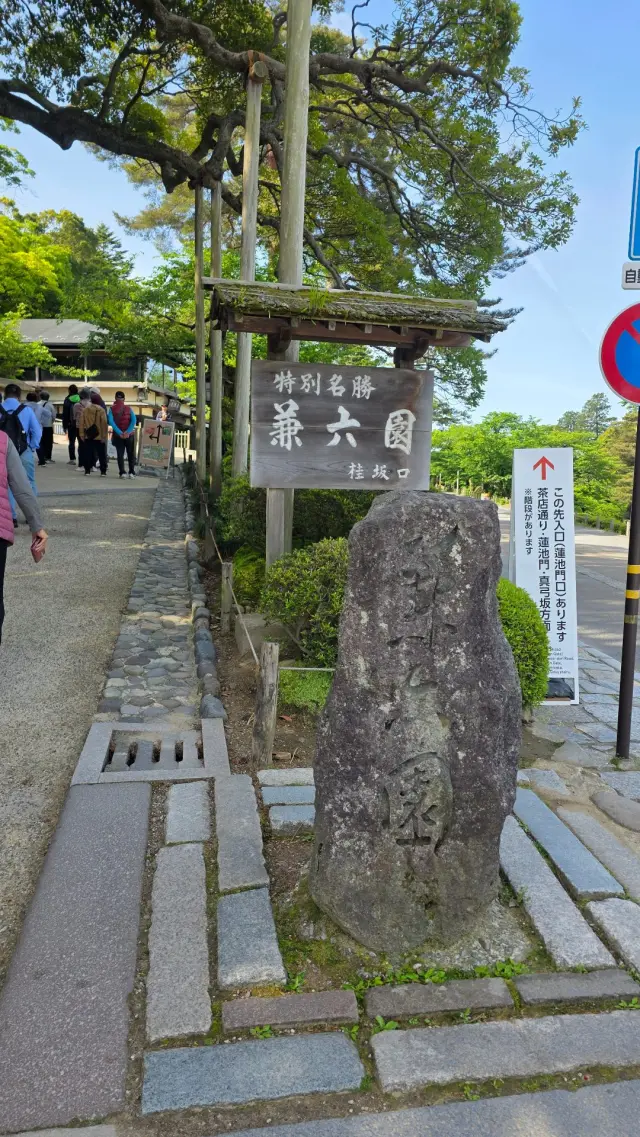
When visiting Kanazawa, Kenroku-en is an iconic attraction that's almost impossible to miss. Along with Kairaku-en in Mito and Koraku-en in Okayama, it is considered one of Japan's Three Great Gardens. It was originally created by successive lords of the Maeda clan of the Kaga Domain, and after many years of expansion, it developed into the combination of natural scenery and garden artistry seen today. Ponds, winding streams, old pine trees, and teahouses are scattered throughout the garden, offering different scenery in each season. The famous yukitsuri in winter is an especially iconic sight in Kanazawa. On my last visit to Kanazawa, I only planned a one-day itinerary, and it was almost closing time when I arrived at Kenroku-en. I had to hurry around the garden with the little time left, which felt like a shame. The next time I visit Kanazawa, I'll allow more time to explore it.
All Reviews of Kenroku-en
- Overview
- Photos
- Reviews
- Basic Information
- Newest
- With Photos
- Most Liked
Showing 1–10 of 18
-
-
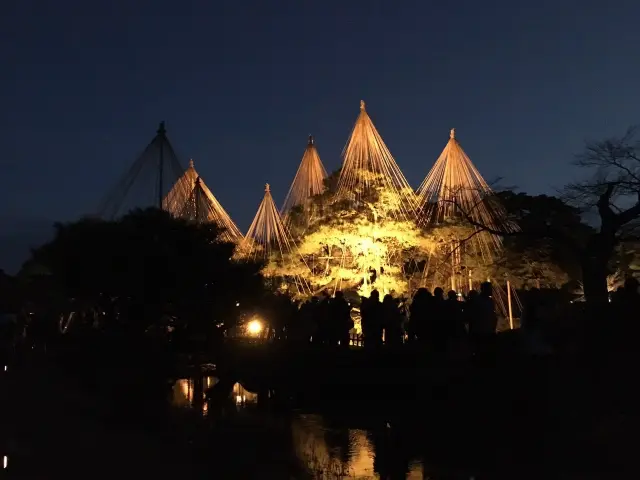
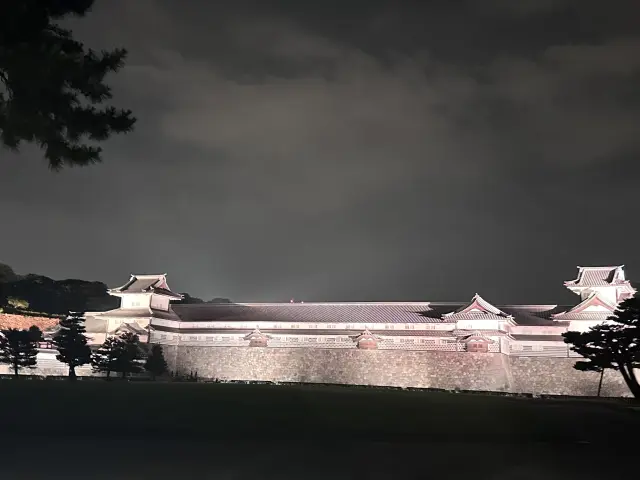
I happened to visit Kenroku-en in Kanazawa during the nighttime illumination, and it felt completely different from the scenery during the day. The lights reflected on the garden, ponds, and trees, giving the entire garden a quiet and romantic atmosphere.
Walking through the grounds at night, it wasn’t as bright as during the day, which actually made it easier to appreciate the depth and layers of the garden’s design. The lights reflected on the water were especially beautiful in photos, together with the surrounding trees and traditional buildings.
I originally thought Kenroku-en was already beautiful during the day, but the nighttime illumination gave it a completely different charm. Taking a slow stroll through the garden, enjoying the lights while experiencing the tranquility of Kanazawa at night, was truly atmospheric.
-
-
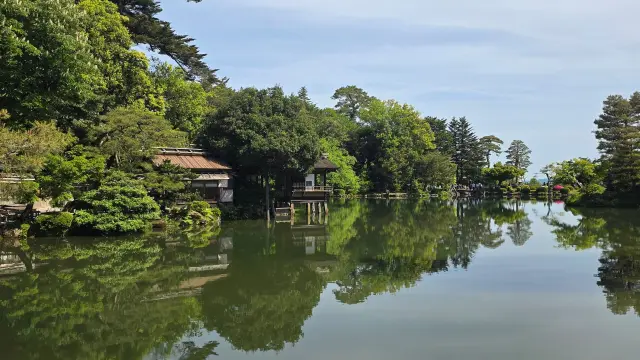
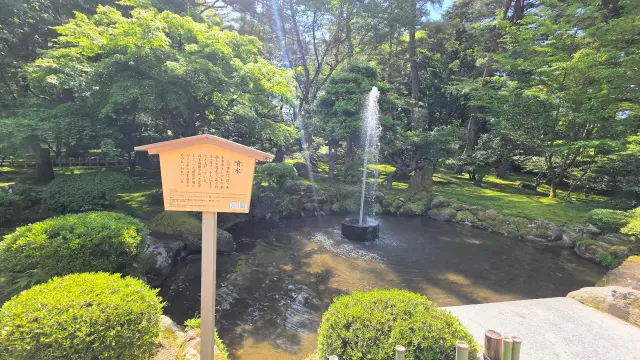
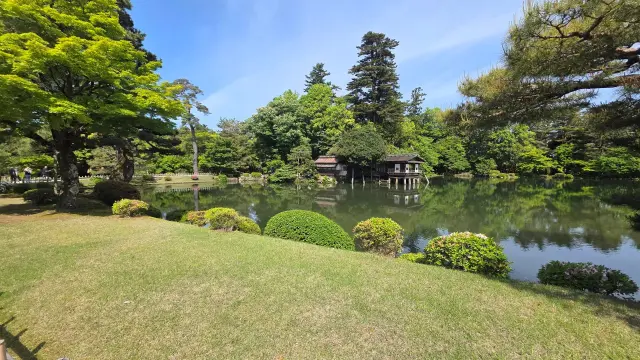
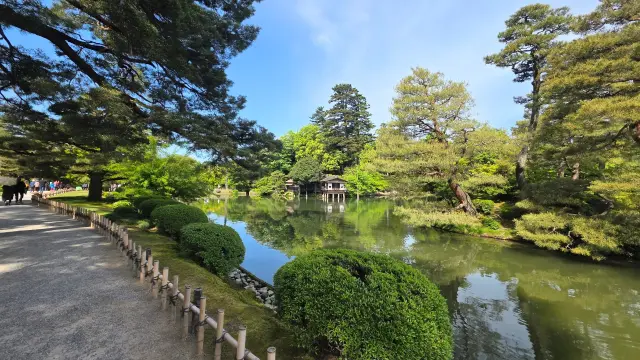
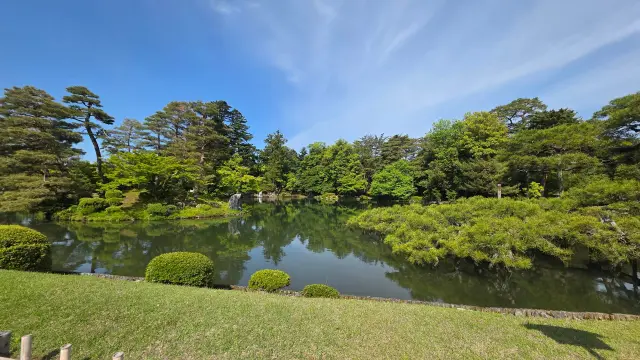
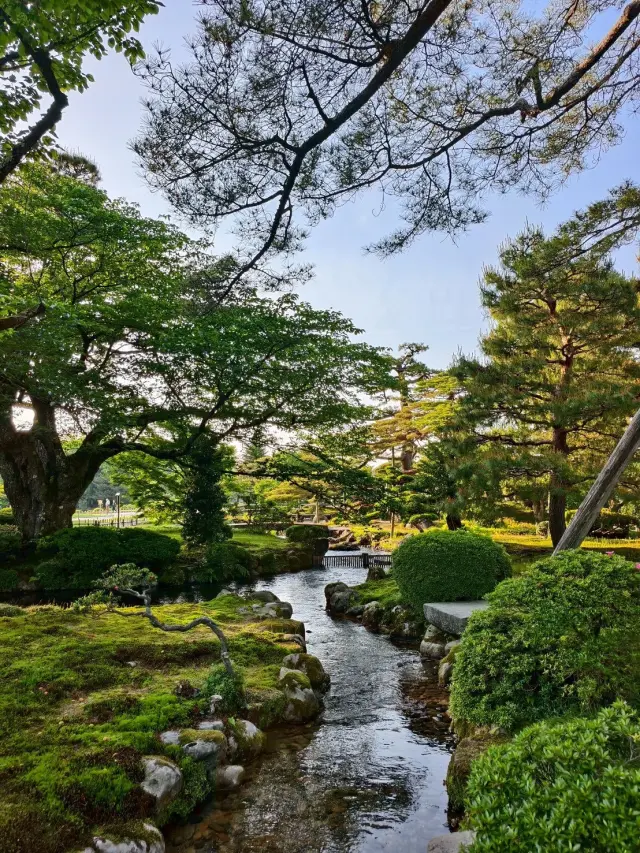
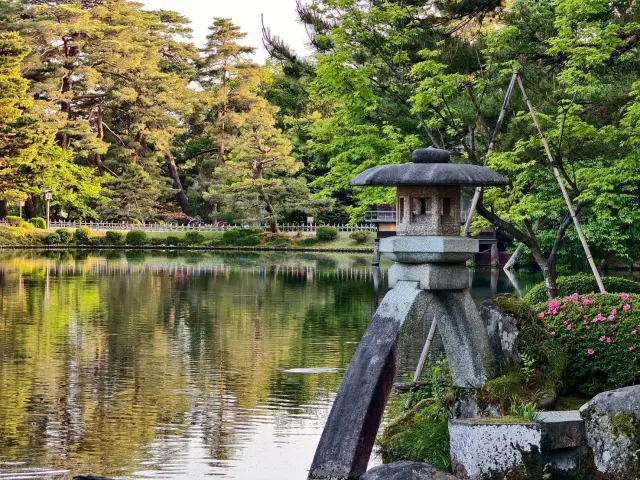
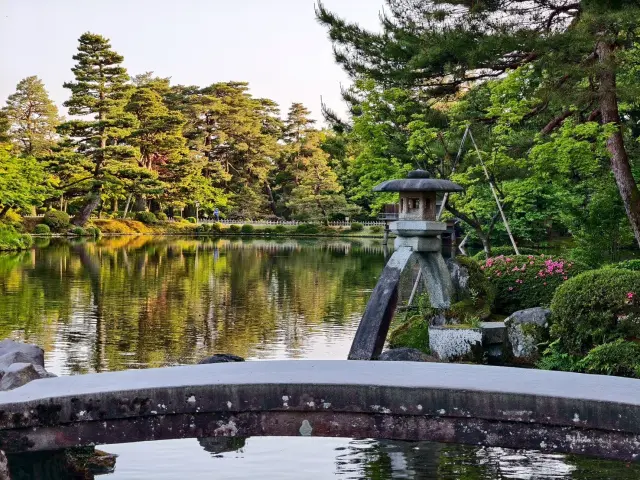
A lot of people say Kenroku-en is at its most beautiful during cherry blossom season or when it’s covered in snow, but I actually really love the fresh greenery of summer. The lush green trees reflected on the pond, together with the sound of flowing water, add a refreshing touch to the hot summer weather.
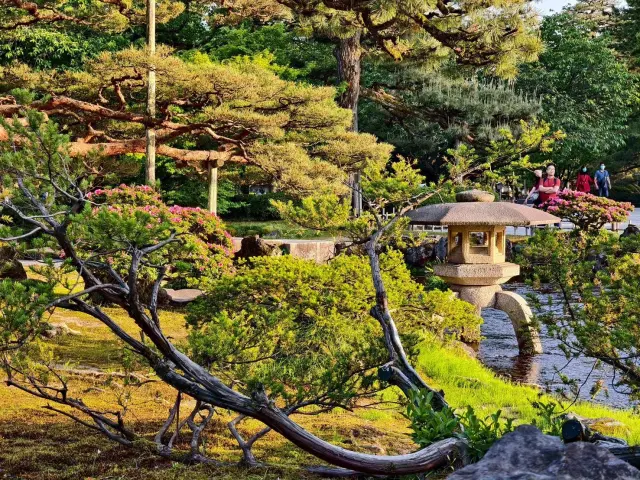
Walking slowly along the garden paths, feeling the breeze pass through the treetops, and occasionally stopping to admire the classic Kotoji Lantern and Kasumigaike Pond, every angle feels like a landscape painting.
Summer may be hot, but it’s also the season when you can really feel Kenroku-en’s peaceful atmosphere. Sit down at a teahouse, cool off with a bowl of shaved ice or a Japanese sweet, then keep wandering at an easy pace and enjoy Kanazawa’s unique slow rhythm.
If you get the chance to travel to Kanazawa, don’t only plan around cherry blossom season. Kenroku-en in summer is also well worth savoring.
-
-
Kenroku-en, one of Japan’s three most beautiful gardens, is truly so beautiful you won’t want to leave!
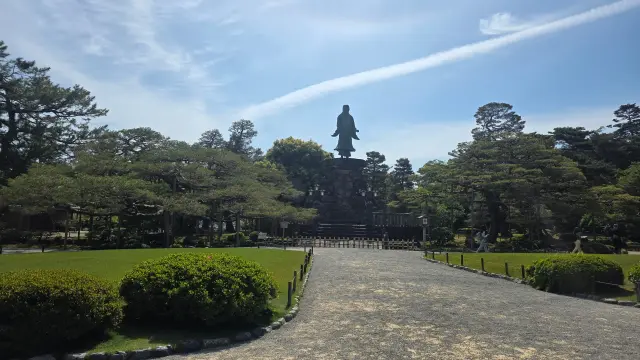
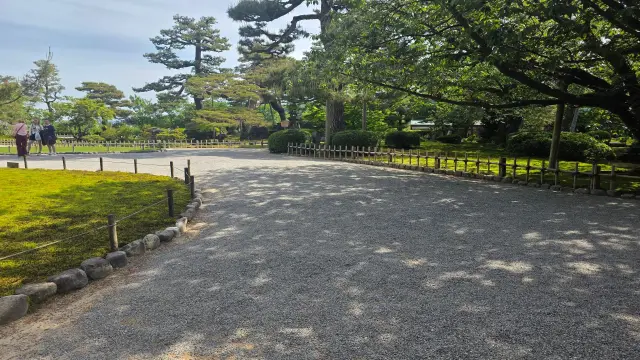
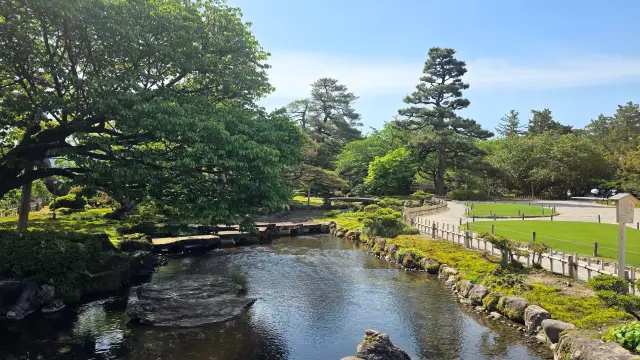
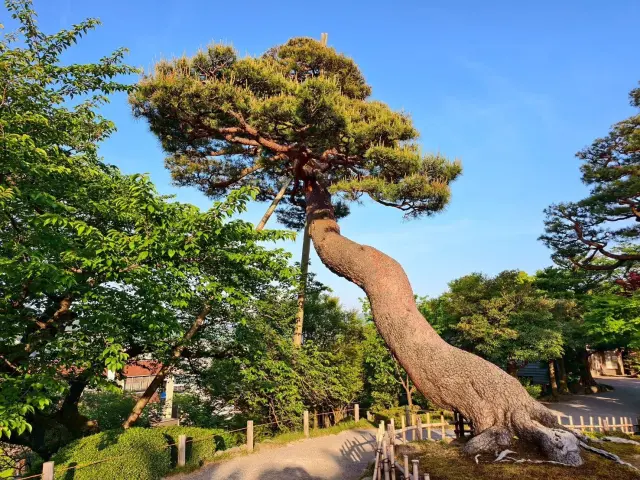
The weather was amazing when I visited this time. With the blue sky, white clouds, and elegant Japanese garden scenery, every corner looked as beautiful as a postcard. From the delicate ponds and classic garden landscaping to the pine trees and pathways full of Japanese charm, everything made me want to keep taking photos.
Kenroku-en has a different character in every season, and I felt really lucky to visit on such a perfectly clear day. Walking through the garden, I could really feel the rich culture of a traditional Japanese garden and its peaceful atmosphere, which made me forget the busyness of everyday life for a while.
If you’re planning a trip to Hokuriku in Japan, Kenroku-en is absolutely a place you should visit at least once in your life. Highly recommended!
-
-
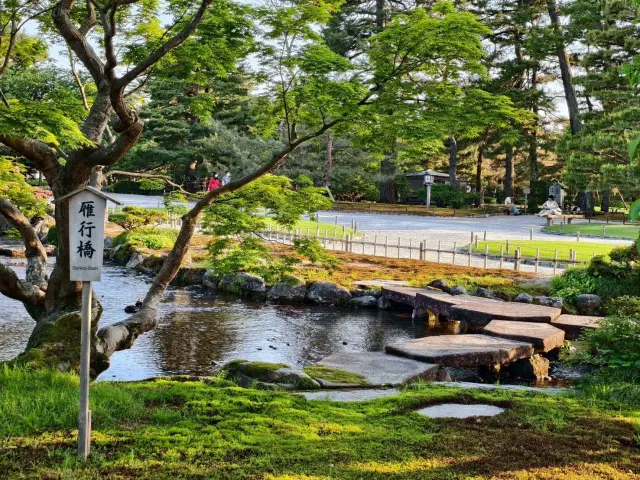
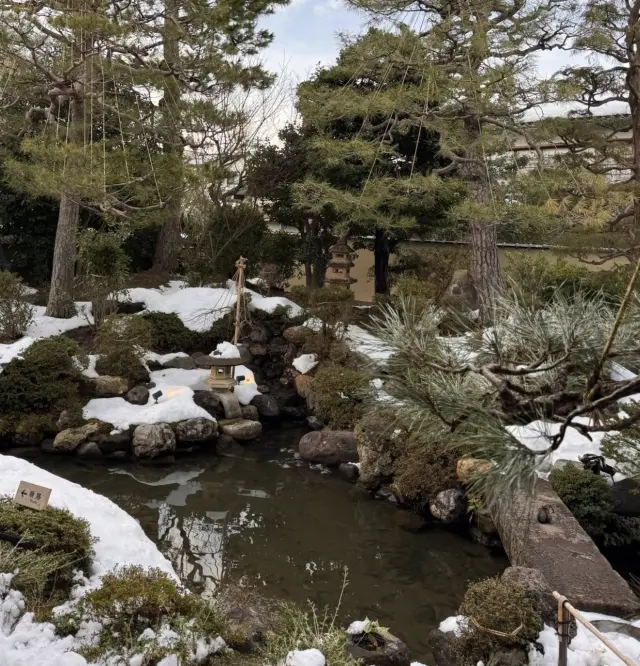
Kenroku-en is really beautiful, especially with the refined atmosphere of a Japanese garden. The pond, pine trees, and little bridges come together in such a distinctly Japanese way. The quiet, relaxing feeling you get there is something photos just can’t fully capture.
-
-
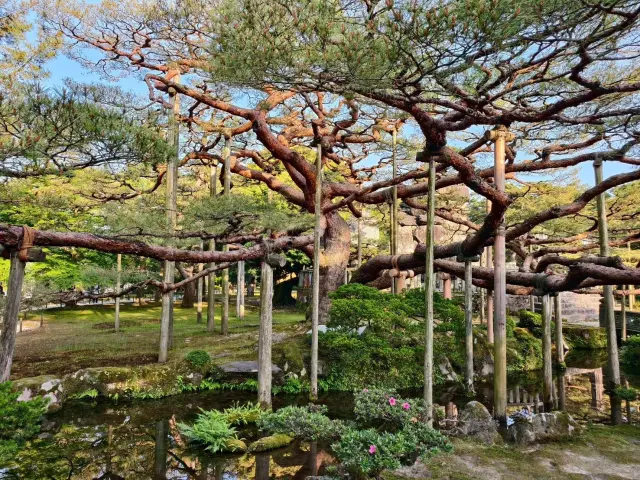
The meticulously pruned pine trees and pond water come together to create the ultimate Japanese garden aesthetic. Kenroku-en is so perfect, it’s genuinely breathtaking.
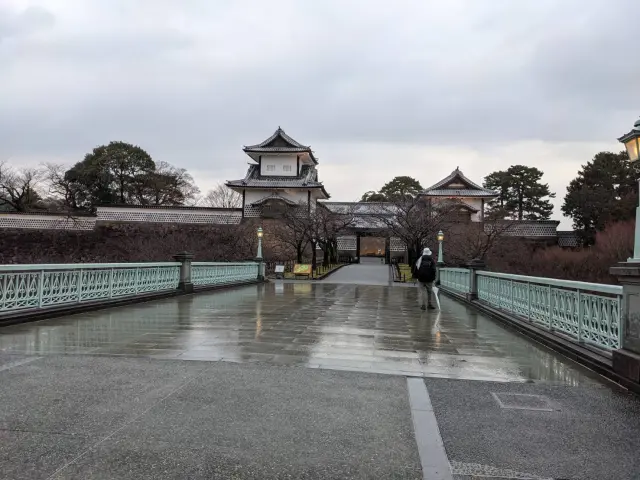
Across from Kanazawa Castle, separated only by an old moat, the two feel like the most perfect cultural pair in the historic city of Kanazawa.
-
-
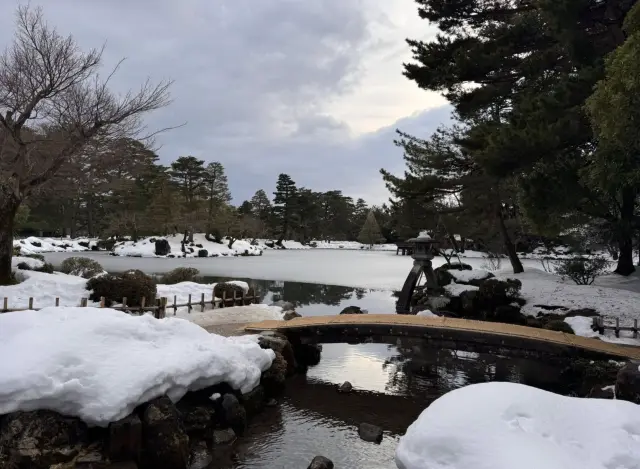
Kenroku-en in its snowy dress. The yukitsuri looks beautiful.
-
-
Every step brings a new view—turn a corner and there's a different kind of beauty. I never get tired of looking around here.
-
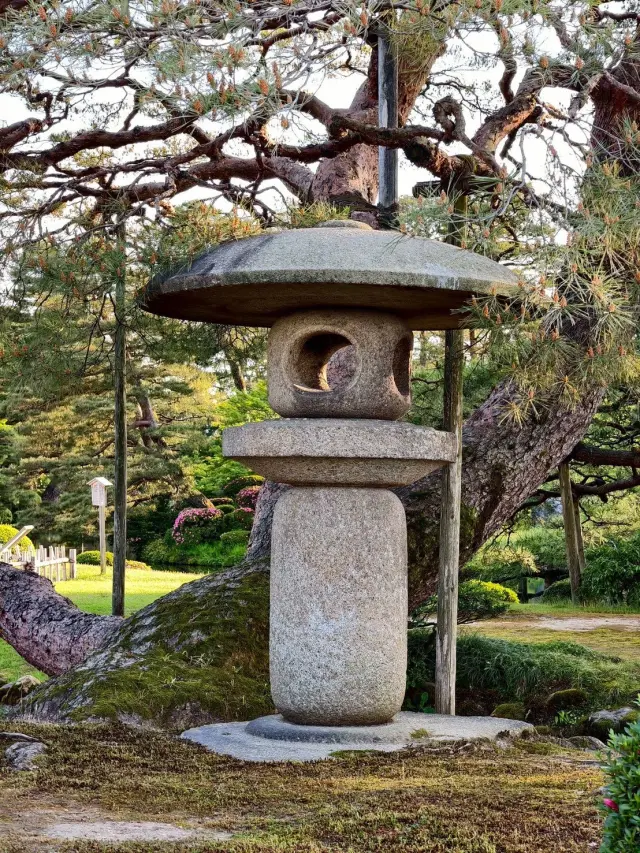
The flowing water and stone lanterns in the garden have such a Zen vibe. It's perfect for a slow stroll and really taking in the atmosphere.
-
The yukitsuri scenery in winter is a highlight of Kenroku-en. The snow-covered garden looks magical—definitely worth seeing.




- 1
- 2