

It really feels like rural Japan. The air is super fresh, there aren’t many people, and it’s really comfortable to walk around.
The grounds aren’t huge, but the vibe with the old folk houses and thatched-roof homes is totally on point. Great for photos 📸
Adachigahara Furusato Village | Review by 陳世明
Other Reviews by 陳世明
-
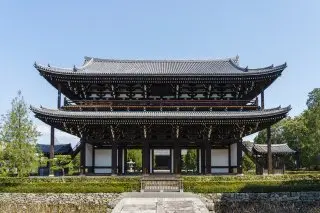
Tofukuji Temple
This is the head temple of Rinzai School. Kujo Michiie wished to have a temple for his family burial under Reverend Shoichi Kokusi’s ministry, and built seven halls during 19 years beginning in 1236.
It felt like a money grab. Each person spent about 4,000 to 5,000 yen, and they closed at 4 p.m., so we missed out on seeing a lot of things.
-
-
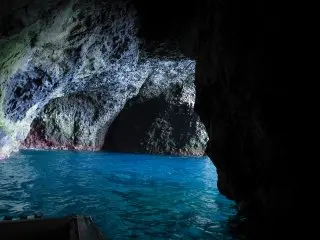
Blue Cave (Otaru, Hokkaido)
The Blue Cave, where sunlight filters through and illuminates the sea floor, is a natural masterpiece created by the absorption of all colors except blue from the spectrum of light. This phenomenon, a result of the perfect blend of water clarity, geographical features, and the angle of light, can be found in various places around the world, including the renowned Capri Island in Italy. However, the cave located within the Niseko Shakotan Otaru Quasi-National Park is a must-visit when touring Otaru.
Took a sightseeing boat tour of the Blue Cave. The ocean was a beautiful blue, changing with the sunlight. You’ll see some really unique rock formations along the way. The whole trip takes about 80 minutes. Definitely wear the warm coat they provide—it gets seriously cold out there.
-

Ginzan Onsen
This hot spring resort was developed along with the Nobesawa Silver Mine which prospered in the Edo Period. After the mine was closed, it was turned into a therapeutic onsen resort until a flood destroyed it in 1913. By early Showa Period, local businesses have helped restore the village close to the current landscape with western-style wooden multi-story buildings on either side of Ginzan River.
These days, most of the visitors here seem to be tourists from Southeast Asia.


