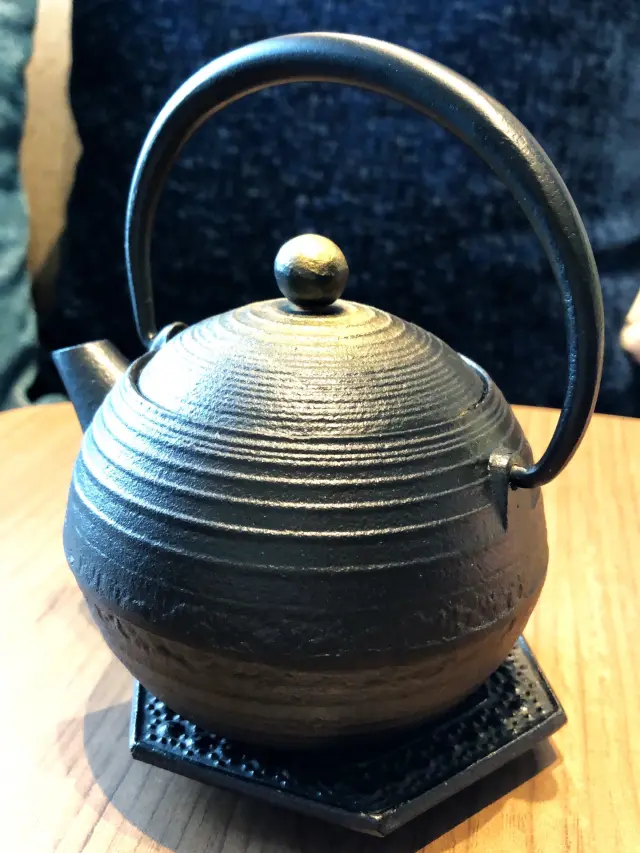
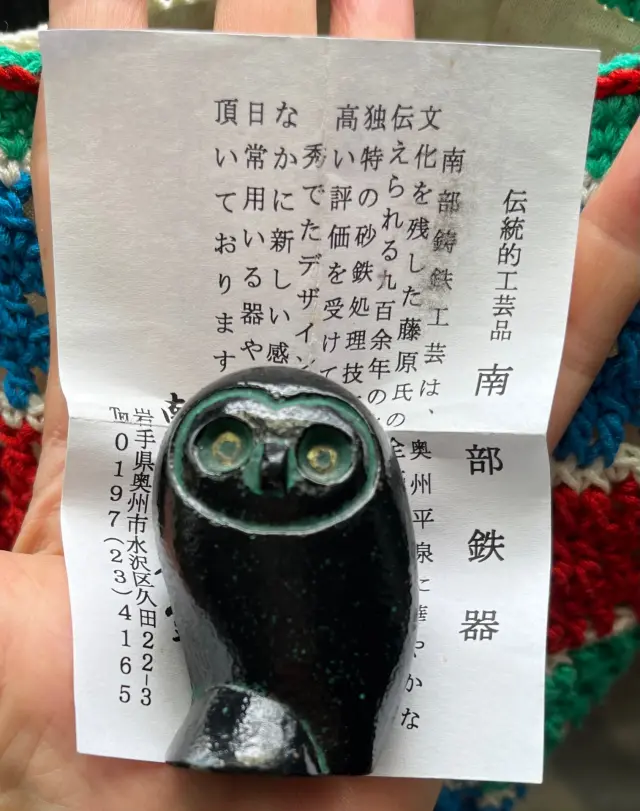
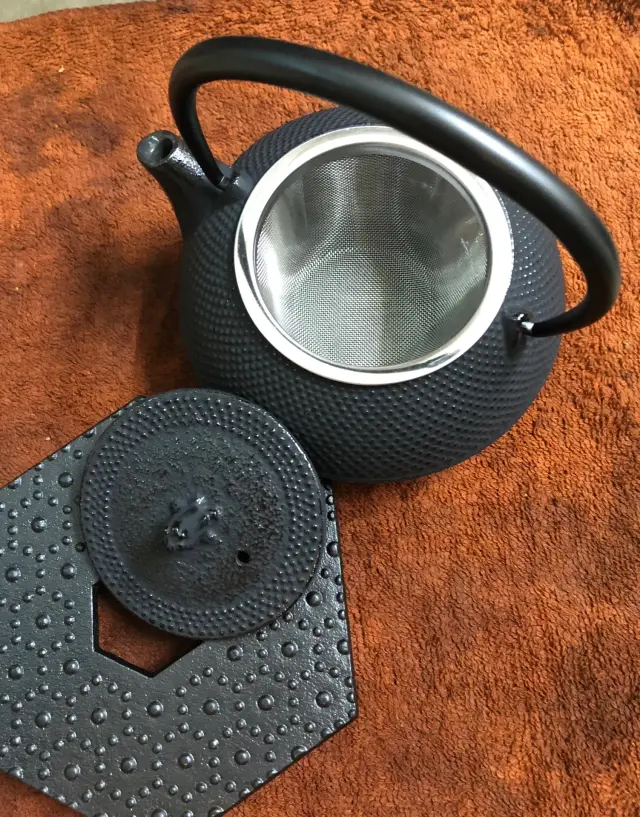
I’d long admired Nambu ironware teapots, but I always gave up on buying one because I was worried about the extra weight in my luggage. On one trip to Tohoku, I was drawn into a Nambu ironware direct-sales shop along the road from Matsushima to the National Treasure Zuiganji Temple, and ended up buying a kyusu teapot and an adorable owl paperweight. There were also bear bells and delicate accessories, but I’d already given those away as souvenirs to good friends.
I’ve heard that boiling water in an iron kettle releases iron ions, but I’m not sure whether using hot water to brew tea does the same. Still, this kyusu has such simple, understated lines that for me, it’s probably more meaningful as a commemorative piece in my collection than for everyday use.
Morioka Handmade Village | Review by 周黛西
Other Reviews by 周黛西
-
Matsushima Cruise
Over 260 large and small islands are in the heavenly Matsushima known as one of the Three Great Views of Japan. A large boat on a regular schedule goes around Matsushima Bay in the affordable “Niomaru Course (Middle schooler and older 1,500 yen, Elementary child 750 yen)”. It leisurely cruises a 17km route in 50 minutes around Niojima Island, Kagetajima with an imposing rocky cliff, Funairijima where ancient ruins were found, Katsurashima and Nonoshima which are inhabited.
Taking a large sightseeing boat is the best way to enjoy Matsushima Bay. You can get a close-up view of the many big and small islands scattered across the bay. The gentle sea breeze and the seagulls flying alongside make it a lot of fun.
After getting off the boat, you can try the fresh oyster dishes at the nearby restaurants. I normally don’t care much for oysters, but this totally changed the way I think about them. Crispy on the outside, tender on the inside, and the sweet ocean flavor bursts out with each bite. Paired with the restaurant’s special dipping sauce, all I could think was: "Umai~~" -
-
Todaiji Temple
In the Nara period (710-794), Emperor Shomu had the Rushana Daibutsu (Great Buddha) built at his request, and a memorial service was held in 752. This temple is one of the representative temples of Nara. It took nearly 40 years to build the temple complex.
A day trip to Todaiji Temple lets you take your time exploring the Great Buddha Hall and admire the solemn, majestic Great Buddha of Nara up close. You can also visit Nigatsudo, Hokke-do, Kaidan-do, and more. Every corner has its own historical story and offers a chance to experience the culture of Japan’s ancient capital.
I recommend setting aside a little time to interact with the deer and take some photos so you can bring home your own special memories of Nara. -
-
Mt. Otowa Kiyomizu-dera Temple
Opened in the year 778, the temple was registered as a UNESCO World Cultural Heritage Site in 1994. In the 130, 000 m2 area of the precincts spread out on the hillside of Mt. Otowa, there are more than 30 cathedrals and monuments, including national treasures and important cultural properties.
Kiyomizu-dera is huge, and the famous “Kiyomizu Stage” is absolutely magnificent. Photos can only capture so much—you really have to see it in person to feel how awe-inspiring it is.
Nestled in the lush green mountains, I couldn’t help thinking how beautiful the autumn leaves must be here.
The water at “Otowa Waterfall” is divided into three streams, and each one has a different meaning and blessing.
The first is for health and longevity. The second is for lasting and happy love. The third is for good fortune and wisdom, especially for success in school. -