• See More

    Spirit Lake?? Kinrin Lake

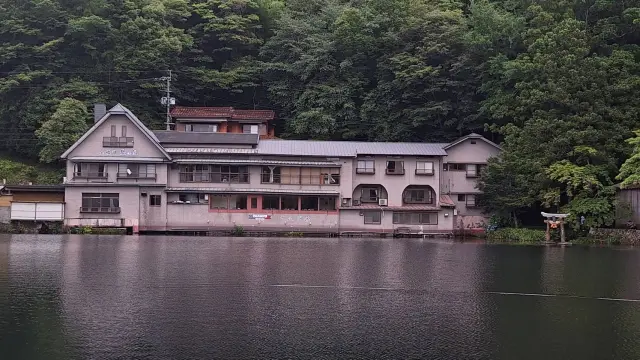
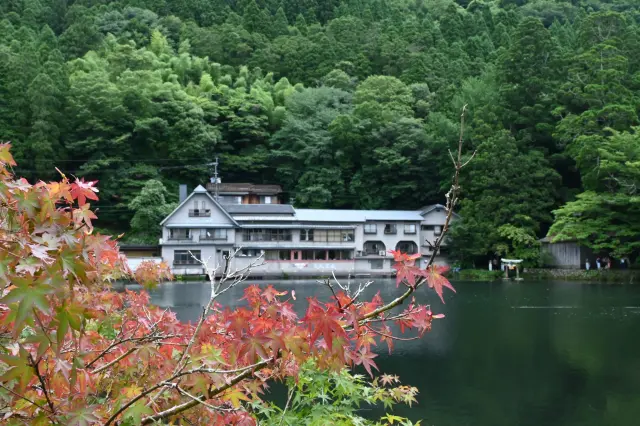
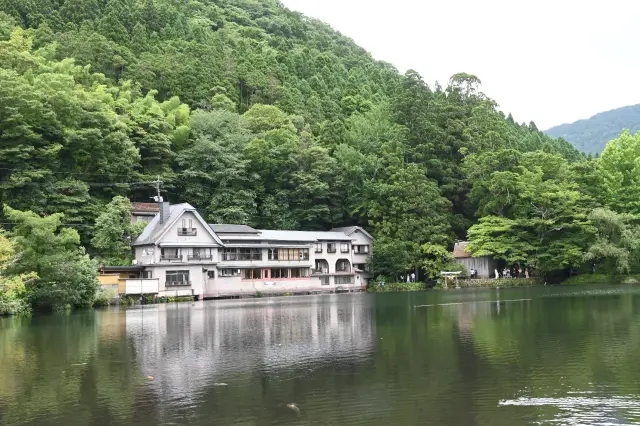
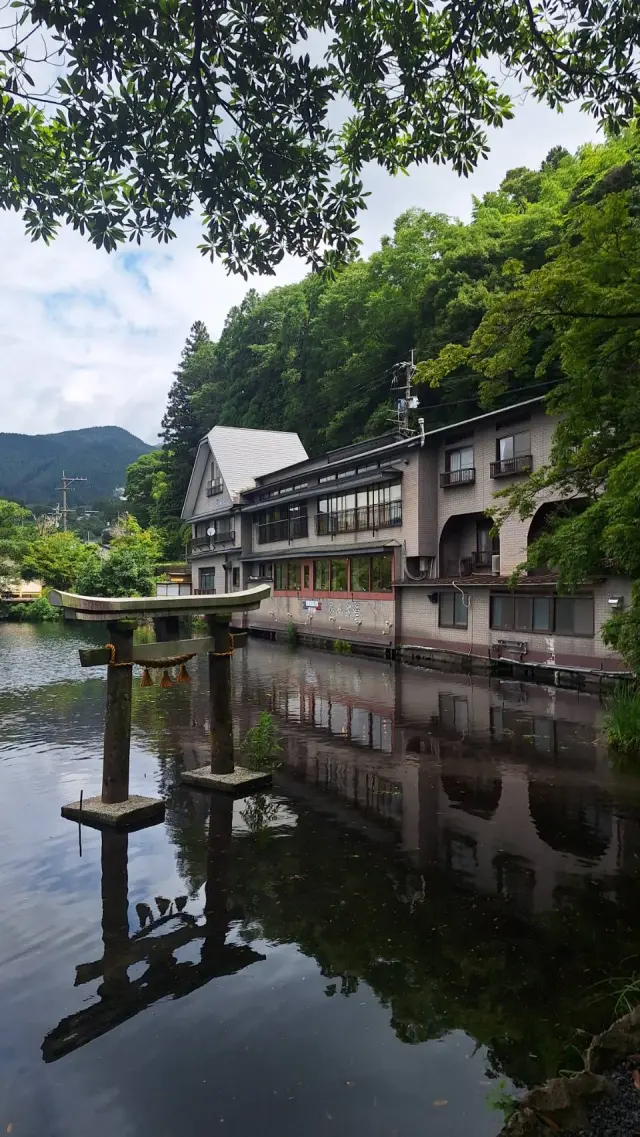
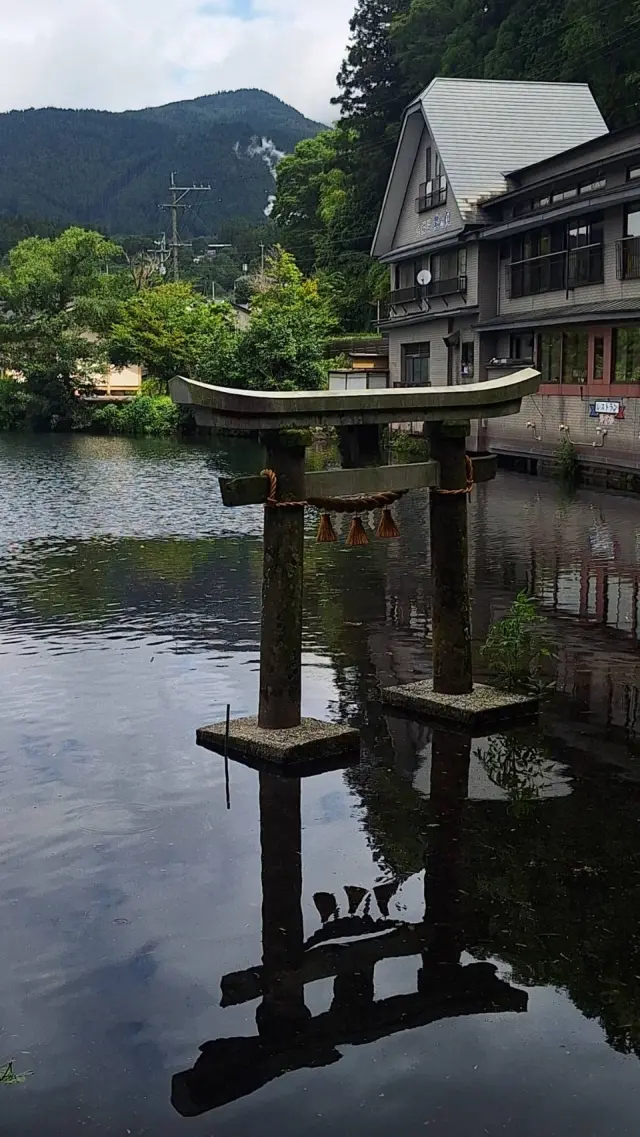
    When I first heard the name “Kinrin Lake,” I couldn’t help imagining a mysterious, fantasy-like lake where kappa spirits might live. It wasn’t until I saw it in person that I understood “golden scales” refers to the golden shimmer on the lake’s surface when the sunlight hits it, like fish scales. Kinrin Lake in June doesn’t have the romance of spring cherry blossoms and morning mist, the colorful mix of autumn maples and ginkgo leaves, or the dreamy white of the first winter snow. Instead, it shows off a fresh, refined beauty that feels unique to summer.

    After a light rain, the lake looked especially clear and peaceful, like a naturally formed mirror reflecting the surrounding greenery and sky. The mysterious torii gate in the lake adds an even deeper, more enigmatic atmosphere to the scenery. Setting aside its religious meaning, purely from a photography perspective, the torii gate, lake surface, distant mountains, and reflections all come together to create a beautifully layered focal point. The moment I stood by the lake and pressed the shutter, it felt like more than just scenery. It was a natural painting that changes constantly with the seasons, the rain, and the light. The beauty of Kinrin Lake isn’t about one season standing above the rest, but about how every visit offers a unique view that belongs only to that moment and can never be repeated.
Other Reviews by 陳泰任

  • Fuchu City Tourism Information Center

    This tourist information center is close to Okunitama-jinja Shrine. A staff member is always there who is knowledgeable about tourist sites in Fuchu City to answer questions. The service is only in Japanese but sightseeing maps in English are there. Stop by before you explore Fuchu.

    • Fuchu, Chofu, Tama
    • Stations & Roadside Stations & Tourist Information Centers
    See More

    Nerima, Tokyo · Musashino Academia Musicae

    Through an opportunity for musical exchange, we stepped into this world-class music school. From the campus’s stately, richly layered architecture to the elegant library spaces inside, every corner exudes a strong artistic atmosphere. Entering the concert hall, a huge pipe organ stood quietly on the stage. The wooden interior and carefully designed acoustics let us feel the power of music before we even heard a note.

    When the orchestra began playing, the stage, space, and sound blended together. The emotion wasn’t just felt by the children; it deeply moved us as well. Watching young students pursue their musical dreams here, we as parents couldn’t help but want to return to our own student days and once again experience the purity and joy of learning amid the sounds of the piano and musical movements.

    This trip was not only a musical exchange, but also a journey that reawakened our hearts through music.

  • TOKYO SKYTREE(R) TOKYO SKYTREE TOWN(R)

    Boasting a height of 634 meters, TOKYO SKYTREE is the world’s tallest free-standing tower which stands in the center of TOKYO SKYTREE TOWN surrounded by tourist facilities. The tower has two observation decks, Tembo Deck at a height of 350 meters and Tembo Galleria at 450 meters.

    • Asakusa, Tokyo Skytree
    • Observatories
    See More

    A Taste of Home Beneath TOKYO SKYTREE

    TOKYO SKYTREE in Tokyo's Sumida City is the most prominent landmark on the city's skyline. During the day, its massive structure soars into the clouds; when night falls, its lights illuminate the city, creating another captivating view.

    In April 2023, we visited TOKYO SKYTREE and unexpectedly came across a familiar and welcoming Taiwan Festival. Red lanterns hung overhead, crowds bustled about, and all kinds of Taiwanese street food filled the streets of a foreign country. For a moment, although we were traveling in Japan, it felt as if we were back at a night market at home.

    Compared with the strong local Japanese culture of Fukuoka's yatai food stalls, the Taiwan Festival beneath TOKYO SKYTREE offered a different kind of cross-border exchange. Taiwan's warmth and Japan's orderliness came together naturally in this modern city—not in conflict, but in remarkable harmony.

    As we gazed up at TOKYO SKYTREE and enjoyed the familiar flavors of home, the sounds of Japanese streets filled our ears while memories of Taiwanese night markets appeared before our eyes. Perhaps the most captivating part of travel is unexpectedly finding a familiar feeling in an unfamiliar city.

  • Tobu World Square

    This theme park exhibits miniatures of famous buildings and archaeological sites from around the world, reproduced at a 1/25 scale, under the theme of "Protecting the World's Archaeological and Architectural Cultures."

    • Tochigi
    • Museums
    See More

    Tobu Museum: Echoes of Railway History

    When we arrived at the Tobu Museum in Tokyo's Sumida City, we originally thought we would just look at model trains and take pictures of old trains. But once we entered the exhibits, it felt like stepping, little by little, into a corridor through the history of Japanese railway development. Through actual railway cars and historical materials, the Tobu Museum traces the development of Tobu Railway from its founding to the present day.

    What caught our attention most were the rows of carefully preserved old trains. From early coal-burning, steam-powered locomotives to the electric trains that followed as the railway was gradually electrified, each era has its own appearance and stories. The dark brown vintage electric train was especially charming in the modern exhibition space, with its wooden body, retro windows, and pantograph on the roof. Meanwhile, the vintage train preserved outdoors looked even more like a scene transcending time beneath the blue sky. The museum also preserves Tobu Railway's early No. 5 steam locomotive and a wooden electric train used during the early days of electrification in 1924, making the evolution of railway technology more tangible.

    Interestingly, the boy didn't seem particularly excited about the model trains along the way. But when we came face-to-face with locomotives that had actually once raced along the tracks, we all slowed down without realizing it. Looking at the massive machinery, wheels, connecting rods, and driver's controls, we realized that trains are more than just transportation. They also carry the story of how people in an era traveled, lived, and journeyed far from home.

    We didn't rush through this visit. Instead, it made us stop and take our time. From coal and steam to electrification and modern railways, trains changed more than just speed; they also changed the distance between people and cities. As we left the museum and looked back at the rows of old trains, it felt as though we could still hear whistles echoing from deep within the years.

Hokkaido Tohoku Kanto Chubu Hokuriku Kansai Chugoku Shikoku Kyushu Okinawa