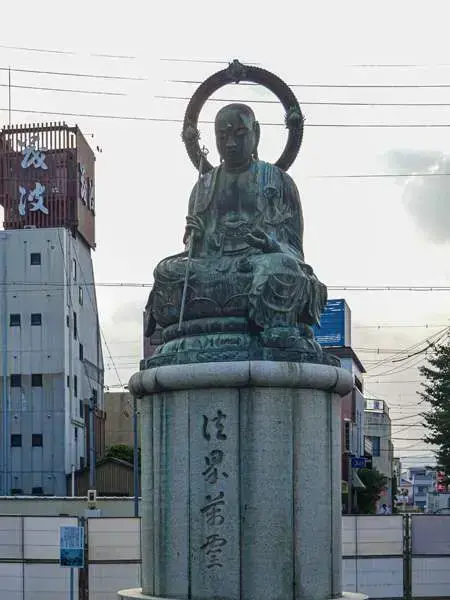
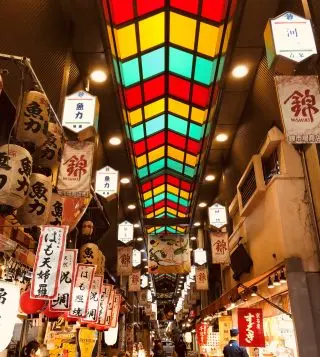
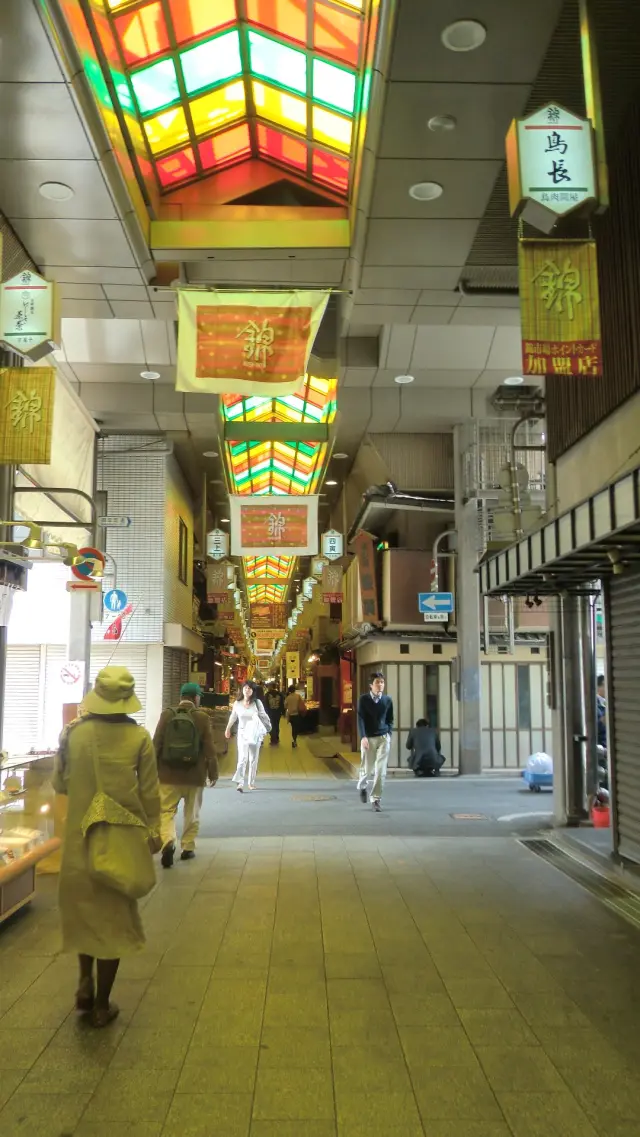
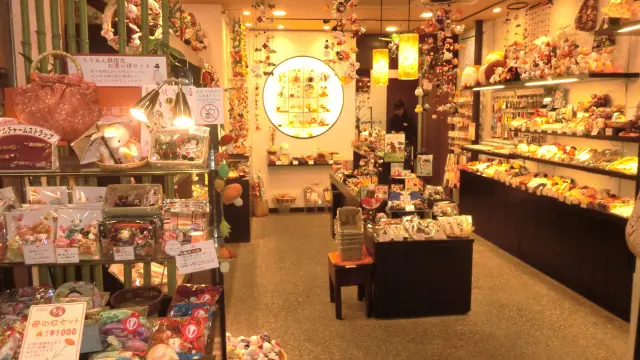
I took a ninja-themed high-speed ferry from Chubu Centrair International Airport to Tsu, then caught a taxi from Tsu Port. The shopping streets around Tsukannon Temple were quite quiet, completely unlike the lively areas around Sensoji Temple and Osu Kannon. Once inside the temple grounds, however, the vermilion five-story pagoda, main hall, Kannon statue, and ceiling paintings were all impressive, lending the temple an even more solemn atmosphere.
The decorations and ceiling paintings inside the main hall are also worth examining closely. The colorful celestial maiden paintings on the ceiling add a gentle, sacred feeling to the space. Other details include a dragon-shaped purification fountain, elements related to devotion to Kobo Daishi, and rubbing stones associated with the pilgrimage. They would be easy to miss on a quick visit.
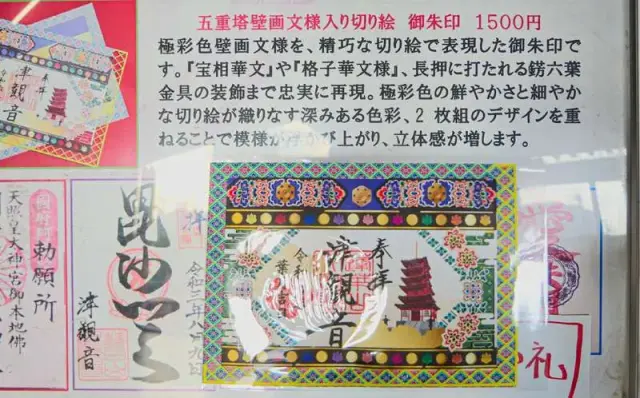
The biggest surprise for me was the intricate paper-cut goshuin featuring patterns from the five-story pagoda’s murals. Its design draws from paintings and decorations inside the pagoda that are normally difficult to see. It is ornate yet dignified. I usually keep paper mementos from my travels in my journal, but this goshuin felt too special for that, so I chose to display it separately on my desk.
Tsukannon Temple may not be the liveliest temple, but it is where I most strongly felt a sense of peace and solemnity. Of the three major Kannon temples, this was the most personal and memorable stop for me.
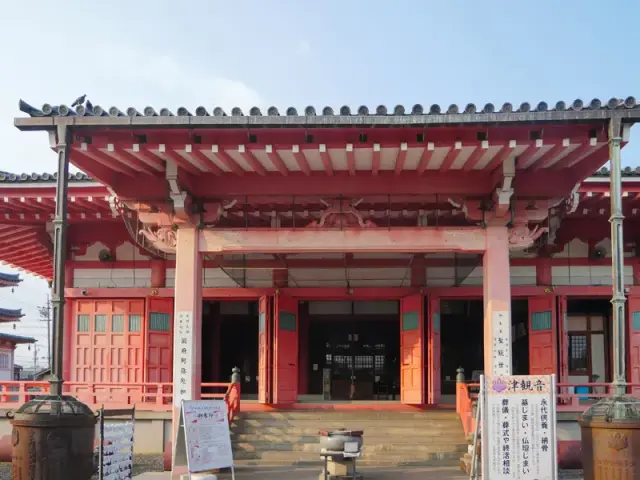
Tsukannon Temple (Enichizan Kannonji Daihoin) | Review by Holly
Other Reviews by Holly
-
KANSAI WIDE AREA PASS
This is a great-value unlimited travel pass available to short-term international visitors to Japan. For five consecutive days, the pass includes unlimited rides on the Sanyo Shinkansen, limited express trains, local trains, and West JR Bus lines within the designated free travel area. Starting from the vibrant Kansai region, you can extend your journey to destinations such as Okayama, Tottori, and Kagawa to fully experience the many charms of Japan.
The KANSAI WIDE AREA PASS is ideal for traveling between cities such as Kyoto, Osaka, Himeji, Okayama, and Kurashiki. However, you should calculate your actual itinerary beforehand to determine whether it will save you money. On this trip, I traveled from Kyoto to Okayama and also visited Himeji and Kurashiki, so the pass did reduce my overall transportation costs.
The most confusing part is the Shinkansen coverage. The pass covers the Sanyo Shinkansen between Shin-Osaka and Okayama. However, the Tokaido Shinkansen between Kyoto and Shin-Osaka is operated by JR Central and is not included. To travel from Kyoto to Okayama, take a Special Rapid train on the JR Kyoto Line to Shin-Osaka, then transfer to the Sanyo Shinkansen.
There is another important point to keep in mind when visiting Kurashiki. Shin-Kurashiki Station is not the closest station to the Kurashiki Bikan Historical Quarter, and the pass's Shinkansen coverage ends at Okayama. Traveling to Shin-Kurashiki requires paying the fare difference, followed by another transfer back to Kurashiki, so it is not any more convenient. The easiest option is to take the Shinkansen to Okayama, then transfer to the JR Sanyo Main Line for Kurashiki Station.
Overall, the pass offers an extensive travel area and access to the Sanyo Shinkansen. The downside is that the route restrictions are not as intuitive as they appear on the map. Once you understand that the Shinkansen between Kyoto and Shin-Osaka is excluded, as well as the difference between Shin-Kurashiki and Kurashiki stations, the pass is quite convenient to use. -
-
Nagoya Castle
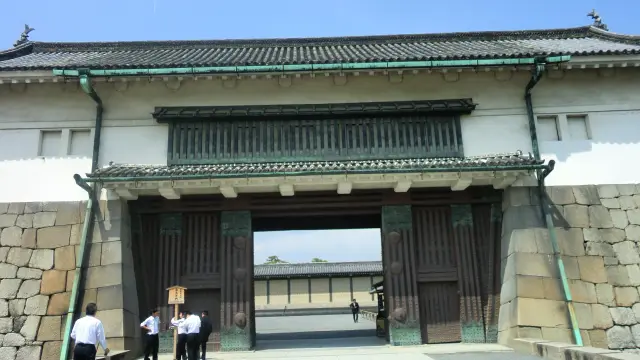
One of the largest castles in Japan, built in the early Edo period on the orders of Tokugawa Ieyasu, the founder of the Edo shogunate, the five-story castle tower is topped with shining two Kinshachi, one male and one female that has become a symbol of Nagoya.
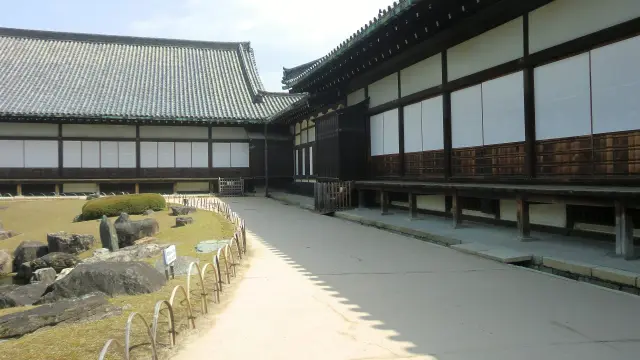
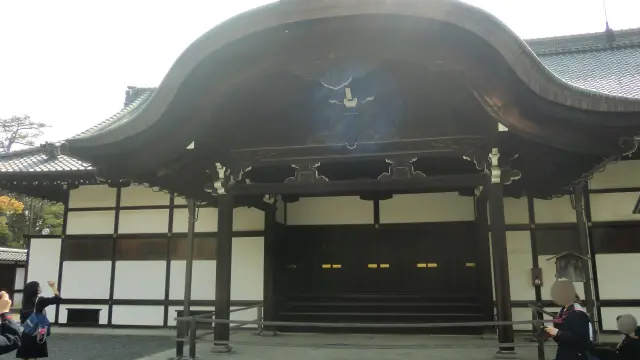
I wasn't particularly interested in Nagoya Castle until I learned that the city had faithfully reconstructed Honmaru Palace—including spaces such as Jorakuden Hall and Yudono Shoin—using surviving prewar plans, photographs, measurements, and wall paintings. In other words, Nagoya Castle offers more than just a castle keep; you can also visit the shogun's residence. Once I learned that, I was determined to go.
Honmaru Palace was what I looked forward to most, and it was every bit as breathtaking as I expected. From the entrance and Omote Shoin to Jorakuden Hall, there was a succession of gold-leaf wall paintings, carved transoms, decorative metalwork, and elaborately designed ceilings. It was so lavish that my neck started to ache from constantly looking up. I could also hear other visitors gasping in amazement.
Yudono Shoin was equally fascinating. This was the shogun's private bathing and relaxation area. Rather than a bathtub, it featured a steam bath. The craftsmanship of the woodwork was exquisite, and even the bathing area had the refinement expected of a facility reserved for the shogun.
Because the palace contains almost no furniture or household items, some rooms can look similar, making it difficult to immediately imagine how they were used. However, by closely observing differences in floor height, the subjects of the wall paintings, ceilings, transoms, and seating arrangements, you can still see how each space reflected status and hierarchy.
If time allows, I highly recommend visiting Nagoya Castle and the Tokugawa Art Museum together. Honmaru Palace showcases the architectural spaces and formal order of the samurai class, while the museum preserves armor, tea utensils, paintings, calligraphy, and everyday objects from the Owari Tokugawa family. Together, they provide a much clearer understanding of daimyo culture and daily life at the time.
I used to have low expectations for Nagoya Castle, but now I feel that simply being able to walk through such a meticulously reconstructed palace makes the visit worthwhile—even without access to the castle keep. -
-
Museum Meiji Mura Village
This open-air museum first opened its doors in 1965, the artistically and historically valuable buildings, including 11 important cultural properties, mostly from the Meiji period, were relocated, preserved, and exhibited here.
Museum Meiji Mura is much larger than I expected. I strongly recommend arriving right when it opens, or it will be difficult to explore everything thoroughly in one day. I arrived after 11:00 a.m. Even with the village bus saving me some walking, I only managed a quick look around three of the five districts and never reached the other two.
The museum preserves a huge collection of Meiji-era buildings, including churches, schools, hospitals, prisons, and the main entrance hall of the Imperial Hotel. Every building is worth exploring in detail. If you enjoy modern architecture, history, or photography, even a full day may not be enough.
You will also need to choose your visit date carefully. Weekends generally offer more activities, dining options, and transportation, making them better for riding the steam train or Kyoto streetcar. Weekdays are quieter and ideal for taking your time, but some restaurants and facilities may be closed. I had hoped to enjoy dessert inside the Imperial Hotel, but the tearoom happened to be closed that day. Be sure to check the hours for any restaurants and transportation you want to use before visiting.
I wore a Taisho-era-inspired kimono that blended Japanese and Western styles. Staff members complimented me from the moment I reached the ticket booth, which made getting up early to change completely worthwhile. Walking among the historic buildings in vintage clothing truly felt like stepping back in time. If you do not have your own outfit, I highly recommend the museum’s paid costume experience.
Meiji Mura is somewhat remote, so pay attention to transportation for the return trip. Evening departures can get crowded, and each form of transportation within the museum has its own last departure time. If you plan to stay until closing, calculate how long it will take to return from the far end of the grounds to the exit.
Overall, Meiji Mura is much more than a collection of old buildings. It is an incredibly rich open-air museum. One day is barely enough if you only want to see the major buildings. If you want to explore at a relaxed pace, take photos, ride the trains, dress up, and enjoy a meal, even two days might not be enough. -