Holly's Reviews Page 1/10

Holly’s Profile Page
  • Hikone Castle Ruins (Special Historical Site)

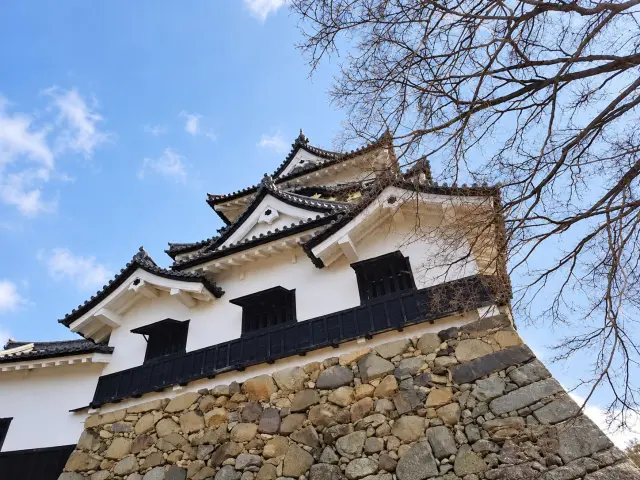
    This castle is one of the three most famous castles in Japan that was completed in 1622 and its castle tower is designated as a national treasure. This type of castle is called Hirayamajiro, which means a castle built on a mountain or hill in the middle of a plain.

    • Shiga
    • Tourist Attractions
    See More

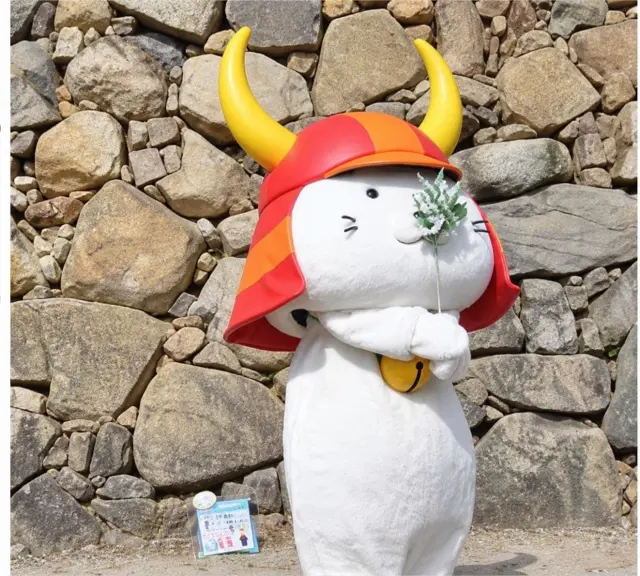
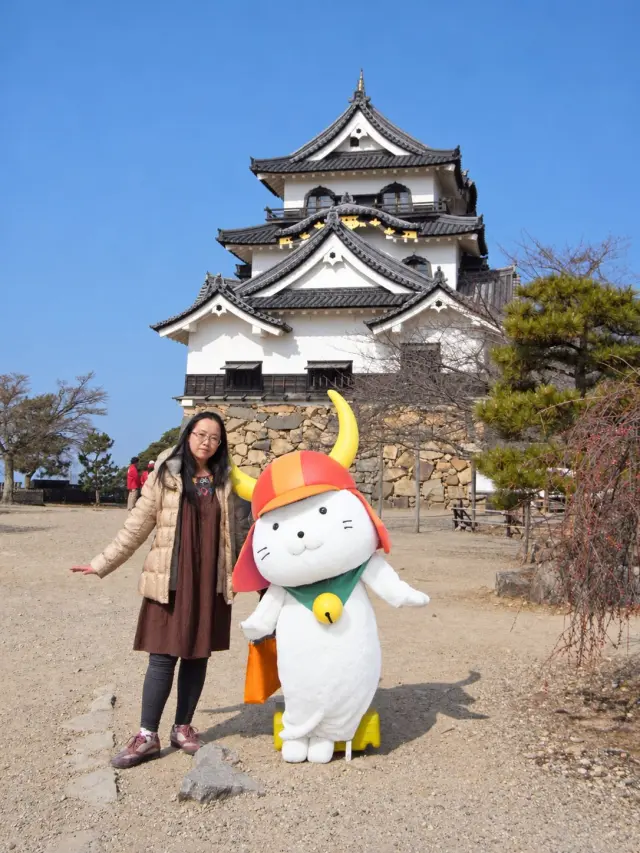
    I actually had only two goals for this visit to Hikone Castle: Hikonyan and the legendary staircase that's nearly 90 degrees steep. To make the schedule go more smoothly, we specifically came in the morning, hoping to catch Hikonyan's 11:00 performance. Hikone Castle itself is a National Treasure of Japan. Construction began in 1604 and took about 20 years to complete. The castle, once ruled by the Ii family as feudal lords, still retains much of its historic appearance. I originally didn't have many expectations for the castle itself, but once I went inside, even just walking from the entrance toward the castle grounds made me realize that it was actually quite large. There's a fair distance from the entrance to the castle keep.
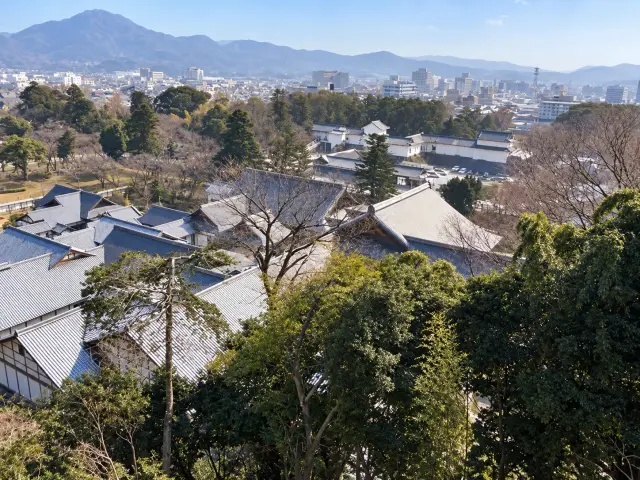
    The path into the castle grounds is actually pretty steep, but once I climbed up and looked down, the whole view suddenly gave me a strange sense of traveling through time, as if I had really stepped into the castle grounds of the past. Then it was time to wait for the staff to lead Hikonyan out to meet everyone. All I can say is that as soon as Hikonyan appeared, everyone there instantly went wild! Hikonyan was already adorable, and the staff member in the costume kept acting cute, so I couldn't stop taking pictures. I was snapping away almost the entire time.
    The only unfortunate thing was that we couldn't take pictures directly with Hikonyan that day. We could only take photos from a distance or pose with the nearby signboard. Still, I was already very satisfied just to see Hikonyan in person.
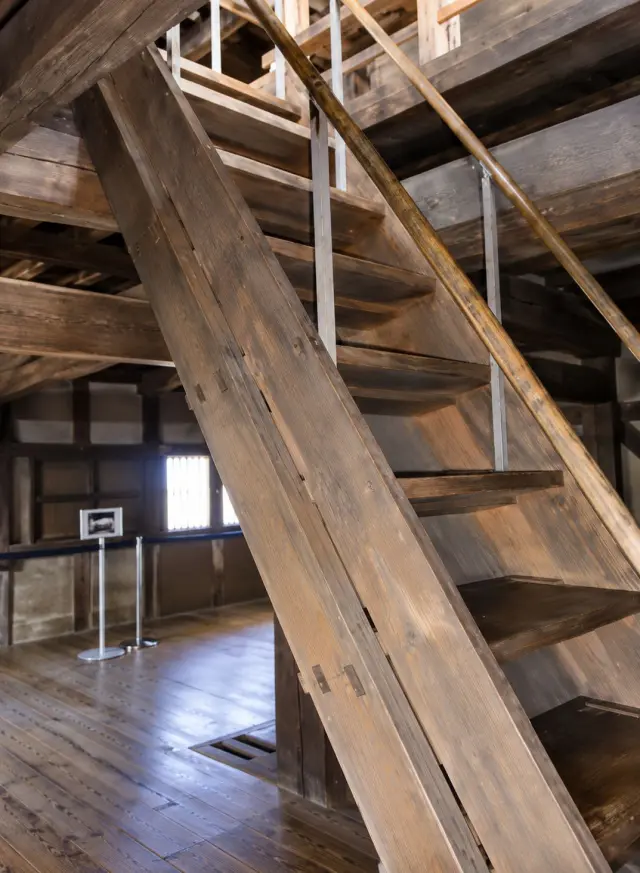
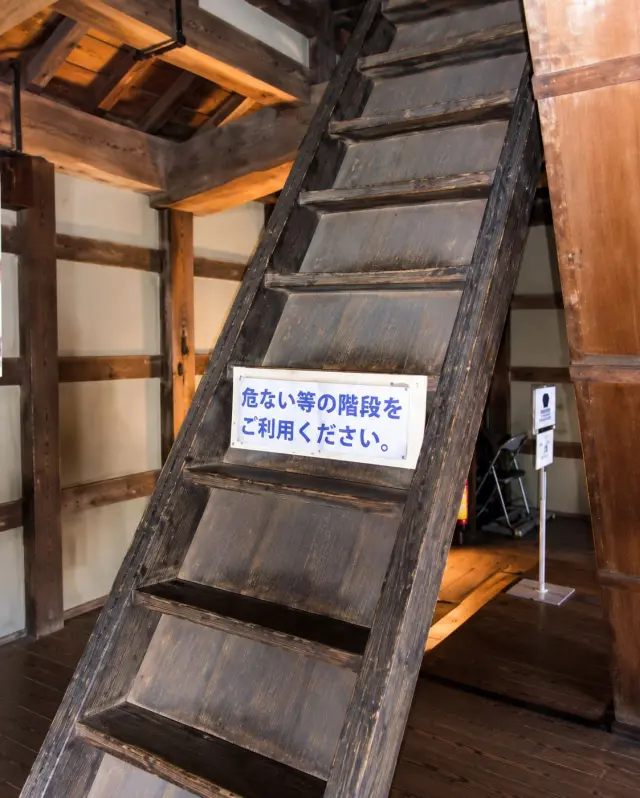
    After seeing Hikonyan, it was time to take on the extremely steep staircase leading up to the castle keep. Hikone Castle has an original three-story compound-style keep, and the stairs inside have an incline of around 60 to 62 degrees. Even before reaching the legendary staircase, the other stairs inside the castle were already very steep. When I finally saw the staircase leading to the very top, it honestly looked even more extreme than I'd imagined. There was just a rope beside it serving as a handrail, with staff at the top and bottom watching out for visitors' safety. I felt like I was basically crawling up on all fours.
    After climbing to the top of the keep, the view outside was truly beautiful. Apparently, you can see Lake Biwa when the weather is clear. Unfortunately, although the weather was pretty good that day, there were still some clouds, so Lake Biwa wasn't very clear. Still, being able to look out over the surrounding scenery from that height made me feel that the difficult climb hadn't been for nothing.
    But the real challenge wasn't over yet. Climbing up the stairs was already painful, but going down was a different kind of torture. I kept feeling like I might tumble down at any moment, and at one point I even thought rolling down might be faster! But that was just a thought. I still clung desperately to the rope and slowly made my way down one step at a time. I have no idea what position I was in as I went down anymore. I only remember trying very hard to make it down alive.
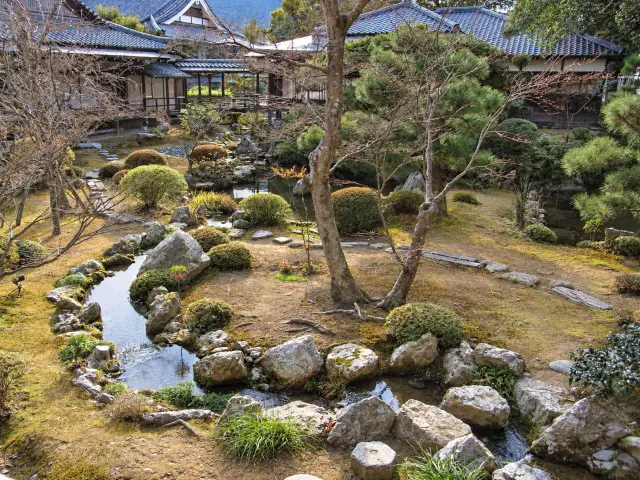
    Besides the castle keep, there's also Genkyuen Garden, a daimyo garden next to Hikone Castle. Unfortunately, because it was winter, the garden scenery was rather plain. However, we unexpectedly came across a Japanese couple taking wedding photos. The bride was wearing an iro-uchikake wedding kimono and looked truly beautiful, which added another pleasant surprise to the trip.
  • Naha Airport

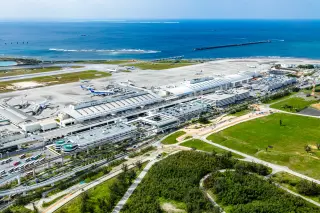
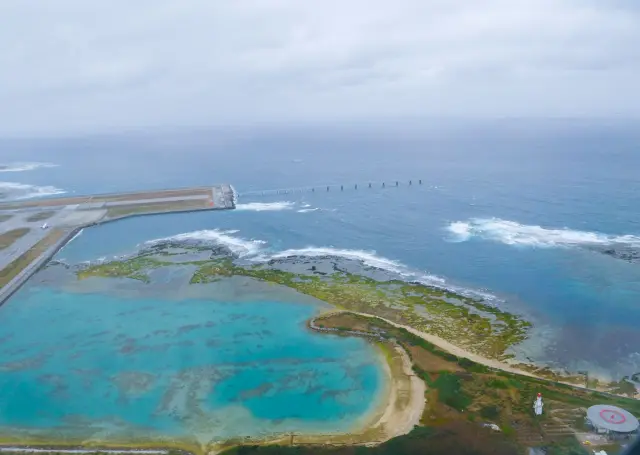
    Naha Airport sits on Okinawa’s main island, serving as Japan’s southern gateway to the world. Flights here service a regular roster of domestic flights to major cities including Tokyo (Haneda), Osaka (Kansai), Nagoya (Chubu), and Fukuoka, while international routes link Okinawa directly with several Asian destinations. In addition to frequent flight options to Okinawa’s outlying islands, including Ishigaki, Miyako, and Kume, the airport sees over 20 million passengers each year.

    • Naha, Shuri, Itoman, Nanjo
    • Airplanes & Airport
    See More

    This trip, I entered Japan through Naha Airport and then took a domestic flight from here to Haneda. It was also my first time taking a domestic flight in Japan from Okinawa, so I got to experience Naha Airport in a different way.
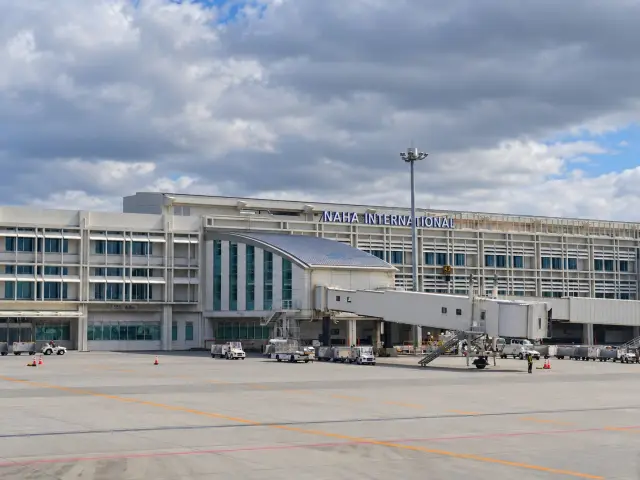
    Although Naha Airport has several floors, the overall layout isn't too difficult to understand. The domestic and international terminals are in separate areas, so if it's your first time here, just check which airline you're flying, and you basically won't get lost. In the domestic terminal, the arrivals lobby is on the first floor, and you can find the bus and taxi stops there. To take the Yui Rail, follow the signs on the second floor. The route is very clear, and you don't need to make any detours. The third floor is for entry, so basically, each floor is clearly divided.
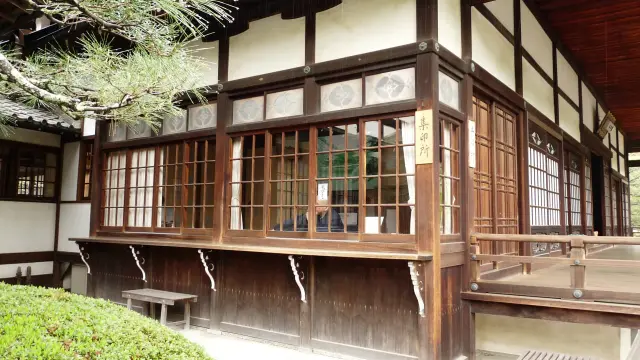
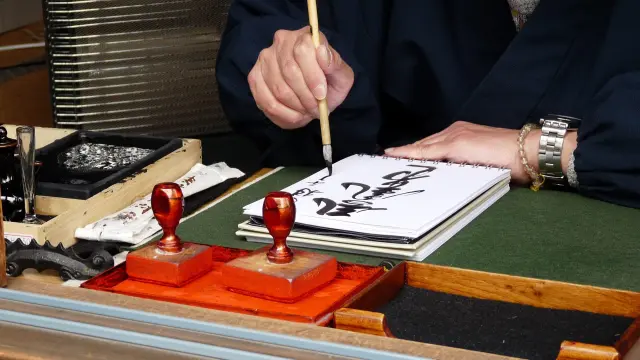
    I also had a special mission this time: I wanted to find a Goshoin. One thing to note is that the sales counter is in the domestic terminal, and it takes some time to walk there from the international side. So I bought it when I was taking my domestic flight; otherwise, it would have been too far, since I was in a hurry. If you collect Goshoin like I do, I recommend allowing extra time instead of waiting until you're about to board and then rushing around looking for it. The walk alone may take longer than expected.
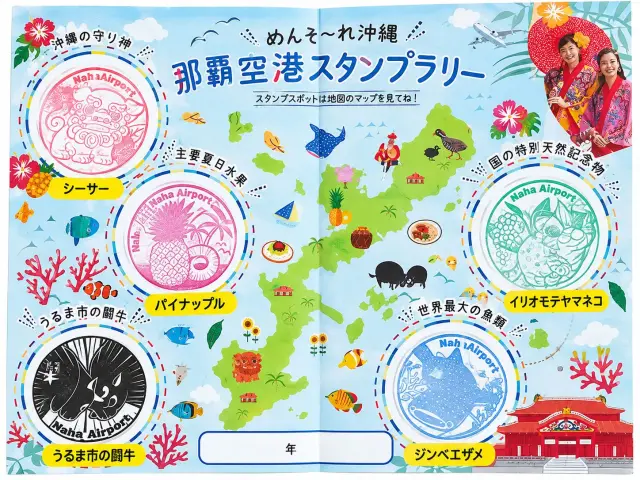
    Naha Airport also has a very interesting stamp rally where you use layered-color stamps to complete a picture. Once you collect them all, you can exchange it for a 3D sticker. Unfortunately, one of the stamps was broken when I visited, so I couldn't complete the original picture and had to use other commemorative stamps instead. That was a little disappointing. Another thing to note is that you need to ask at the airport information counter for the designated paper used for the activity and to redeem the sticker. You also need to go during the counter's business hours, so I recommend checking the details before participating.
    And if you want to participate in this activity, be sure to allow enough time because the stamps are spread across three floors. I went up and down several times to collect them, walked through both the departure and arrival areas of the domestic and international terminals, and also shopped for souvenirs. By the end, I felt like I almost knew Naha Airport better than Taoyuan Airport.
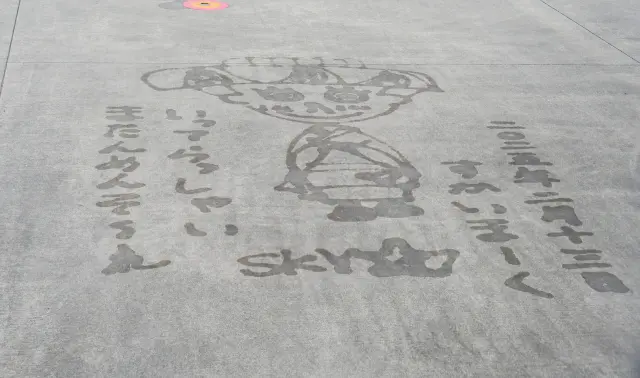
    This time I flew Skymark from Naha to Haneda. Unexpectedly, before boarding, I got to see the ground crew writing and drawing with water on the apron. I'd seen similar scenes online before and thought they were interesting, but I never expected to see it in person in Okinawa this time. It really made me very happy.
    Overall, I think Naha Airport is very convenient to get around, especially since the Yui Rail connects directly to the terminal, which is a big plus for independent travelers. In addition to basic transportation and shopping facilities, the airport also has commemorative stamps and a stamp rally, which shows how much thought Naha Airport puts into the experience. But could the stamp stations maybe not be spread across three floors? Going up and down is really tiring.

  • Ichinomiya Tanabata Festival

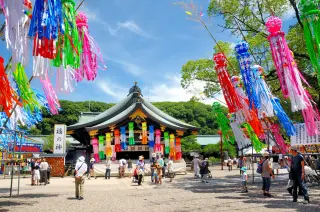
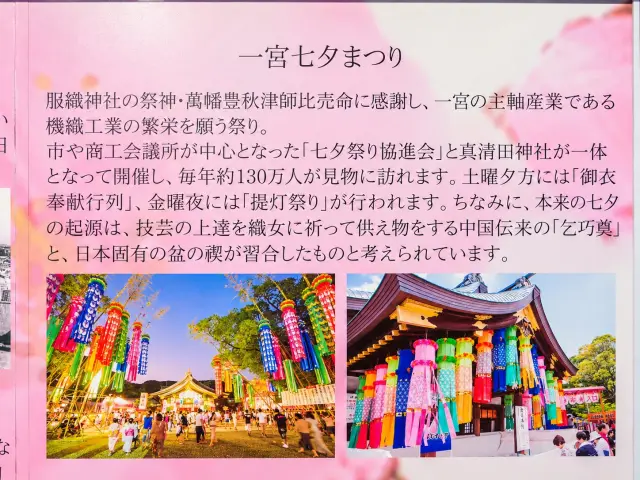
    Held in Ichinomiya City, Aichi Prefecture, long known for its thriving textile industry, this festival is recognized as one of Japan’s leading Tanabata festivals. It is held as a Tanabata event associated with Hikoboshi and Orihime, who have deep ties to textiles, to pray for the prosperity of the textile industry. The venues include Masumida Shrine, the ichinomiya of Owari Province, the area around Ichinomiya Station, Ginza Street, and the Honmachi shopping street, and it attracts Approx. 1 million visitors every year.

    • Aichi
    • Summer festivals & Events
    See More

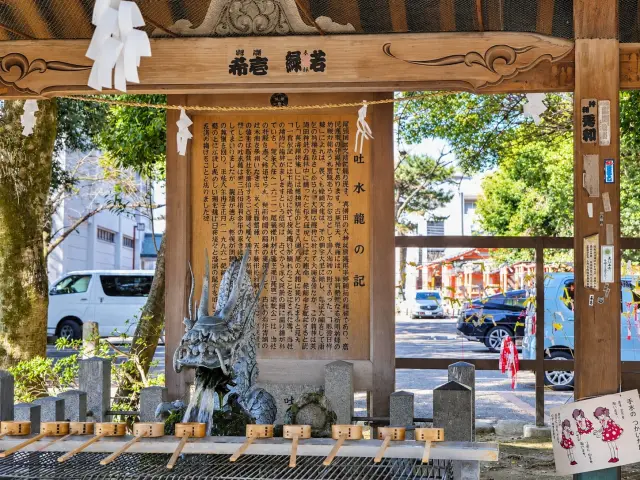
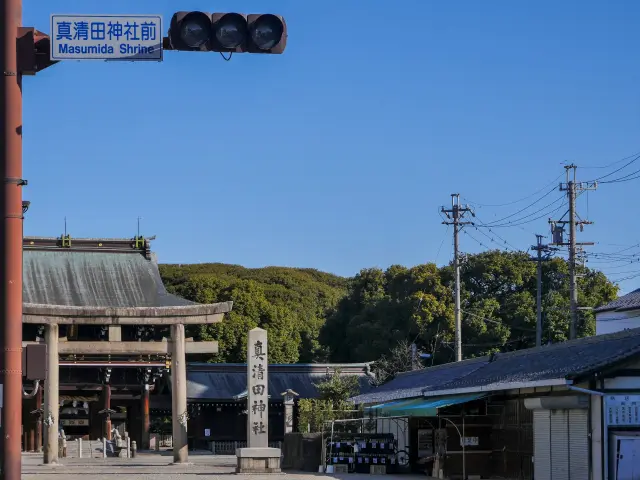
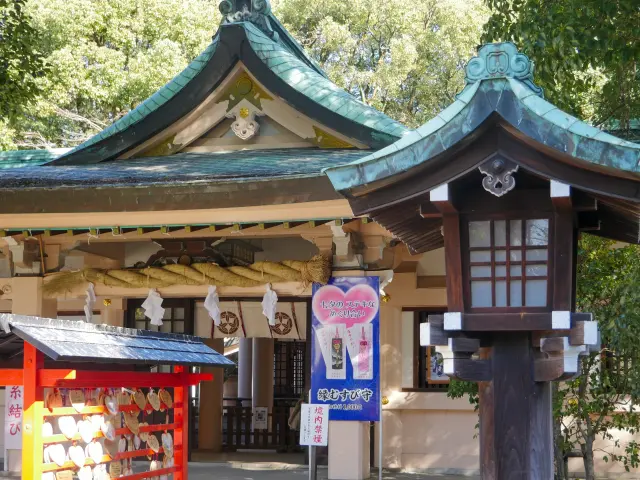
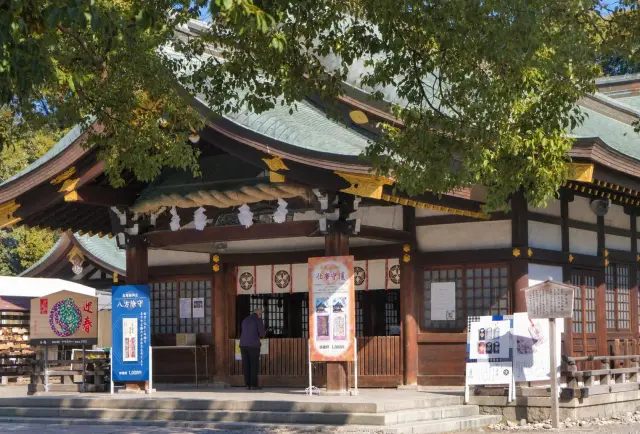
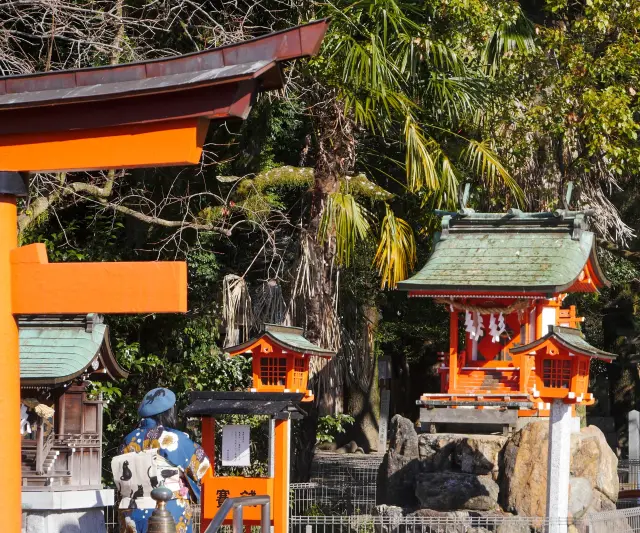
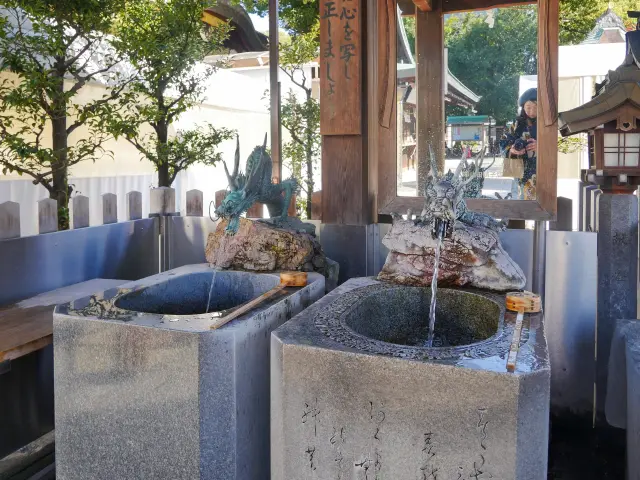
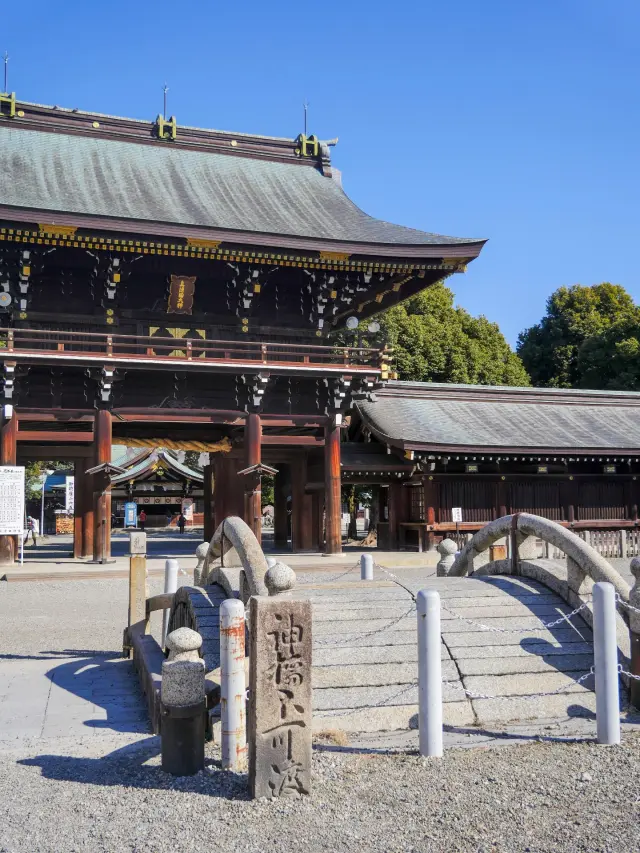
    Masumida Shrine was a last-minute addition to this trip, and I ended up visiting it unexpectedly. After actually going there, I thought it was well worth the visit. The grounds have a sacred pond, a vermilion Good Fortune Bridge, and Hachiryu Shrine. The overall scenery is a little different from shrines where you only visit the main hall, and there are quite a few places to take photos.
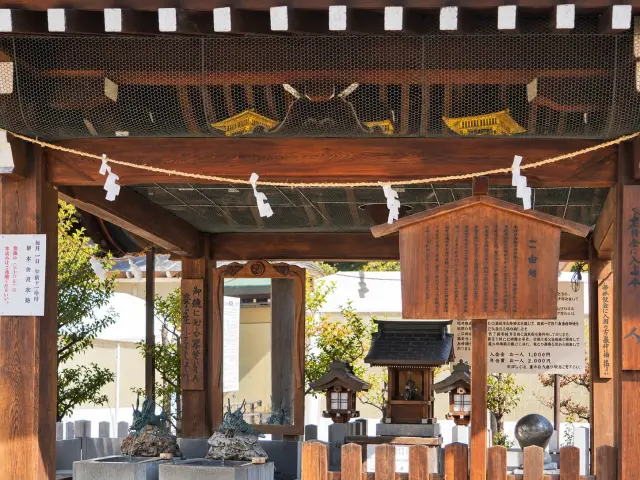
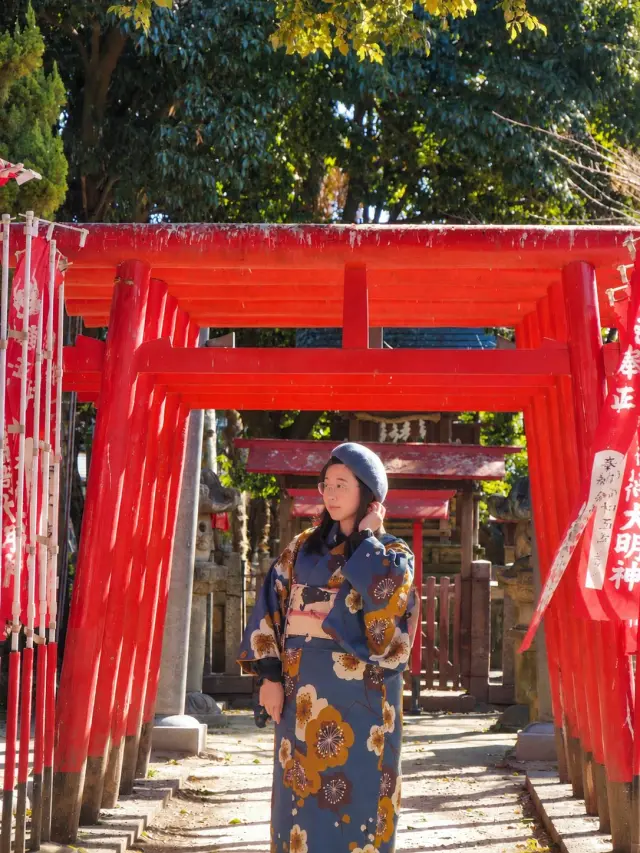
    You can collect sacred water at the Shinsuisha, so if you want to drink some, remember to bring a bottle. There is also a row of red torii gates in front of Tomishima Inari Daimyojin. Although it isn't on the same scale as the seemingly endless thousand torii gates at Fushimi Inari Taisha in Kyoto, it still looks beautiful in photos. Since this place is a little out of the way, most tourists don't come here, so it wasn't crowded when I visited and was pleasant to walk around. About 30 minutes to an hour should be enough.
    Another thing I found interesting is its deep connection to Ichinomiya City's textile culture. Hatori Shrine on the grounds enshrines deities associated with textiles, and the Tanabata Festival held in Ichinomiya City every summer is also connected to the local wool textile industry and the worship of Orihime. The Ichinomiya Tanabata Festival is considered one of Japan's three major Tanabata festivals, alongside those in Sendai and Hiratsuka, which made me want to find an opportunity to come back during Tanabata.
    The wool textile industry is also connected to Nagoya's breakfast ("morning service") culture. In the past, textile merchants often used coffee shops for business discussions, and the shops gradually began serving coffee with simple meals. This later spread throughout Nagoya and became a local specialty.
    If I get the chance to come during Tanabata, I'll probably set aside a full day to really experience the local character of the area. I tried to fit a little too much into this trip, so I didn't leave enough time here, which was a bit of a shame.

  • Kitano Tenmangu Shrine

    Since built in 947, this 1000-year-old edifice is the head of 12,000 Tenmangu / Tenjin shrines nationwide dedicated to Sugawara no Michizane. Tenjin worship has begun here. Locals call it Tenjin-san of Kitano or Kitano-san.

    • Kyoto Station, Shijo Kawaramachi, Kyoto Imperial Palace
    • Shrines & Temples
    See More

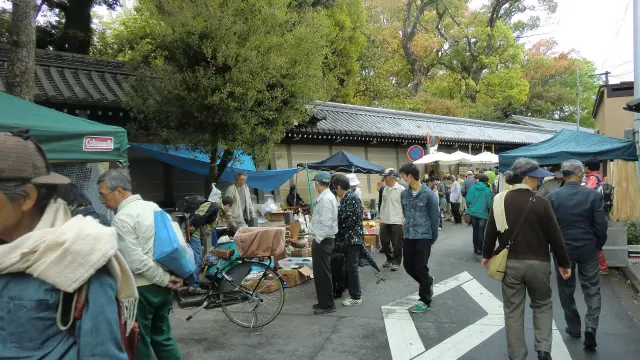
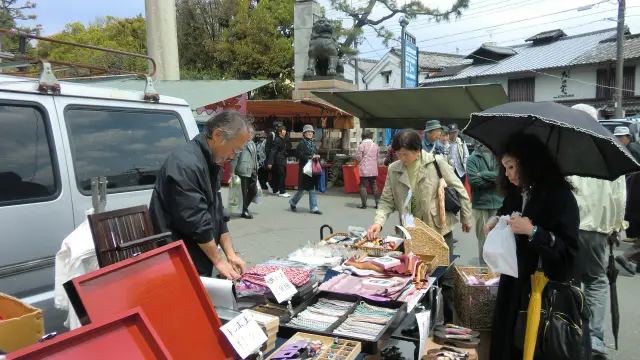
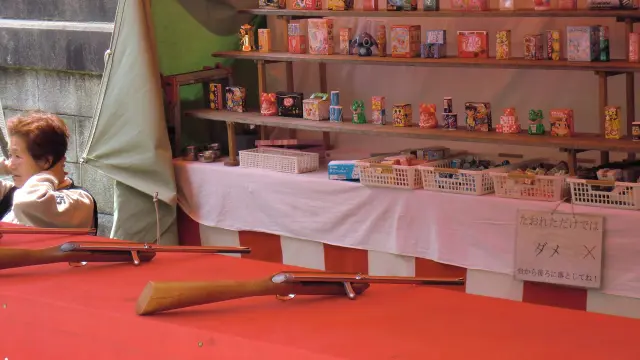
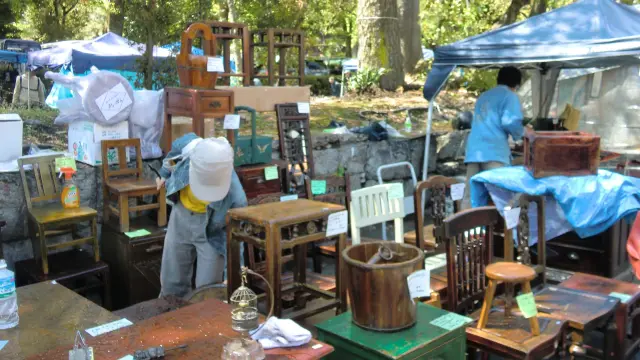
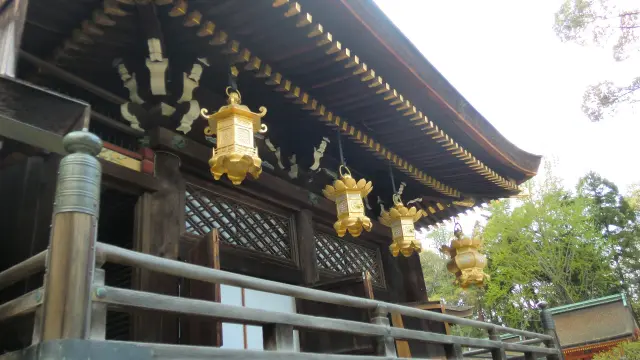
    Every time I visit Kitano Tenmangu Shrine, my main reason is the Tenjin Market held on the 25th of each month. If you like kimono, vintage clothing, or kimono accessories, I personally really recommend checking it out. Kyoto has quite a few antique markets, but based on my experience visiting several times, this one has an especially large number of kimono-related stalls. They carry everything from kimono, haori, and obi to obijime and all kinds of kimono accessories, with a very wide selection. Some undergarments and consumable items are even sold new, and the prices are much lower than in stores. For people who are genuinely interested in kimono, this is a great place to hunt for treasures.
    The Tenjin Market itself is huge. Besides kimono, there are antiques, old tools, tableware, miscellaneous goods, plants, and all kinds of snacks. The food stalls are mainly concentrated around the main gate. There aren’t many of them, and they’re pretty ordinary, but they’re just there to fill your stomach and give you some energy, so the taste isn’t that important. It’s easy to lose track of time while browsing here. Especially if your main goal is to buy kimono, I recommend coming early because the good items really do get picked out quickly.
    Although the market mainly operates in cash, on my later visits I noticed that some stalls had started accepting credit cards. I usually skip the stalls that accept cards, since they mainly sell antiques and similar items, so I assume they offer card payments because the transaction amounts can be quite high. But if you do find something you really want, being able to pay by card is quite convenient, since it’s hard to carry that much cash with you.
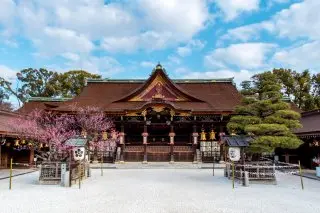
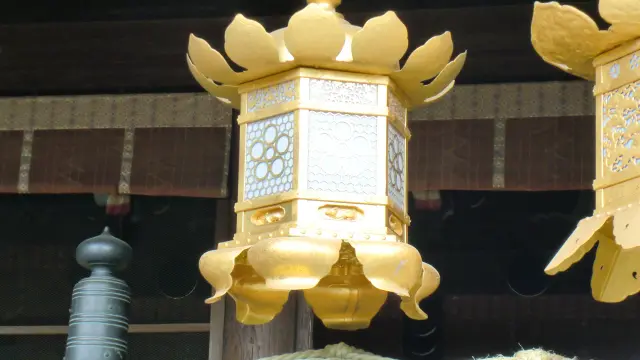
    Kitano Tenmangu Shrine itself is also well worth visiting. I’ve been here many times, and it feels a little different each time. If you come in February, you can enjoy the plum blossoms while visiting the Tenjin Market. If you happen to come on the 25th, you can also attend the Plum Blossom Festival. In addition to the festival, there is also a grand outdoor tea ceremony served by geiko and maiko from Kyoto’s Kamishichiken district, held among the blooming plum trees. During the Setsubun Festival in early February, geiko and maiko from the Kamishichiken Kabukai also perform a Japanese dance offering at the Kagura Hall. If you want to experience Kyoto’s traditional performing arts, all of these events have their own distinctive character.
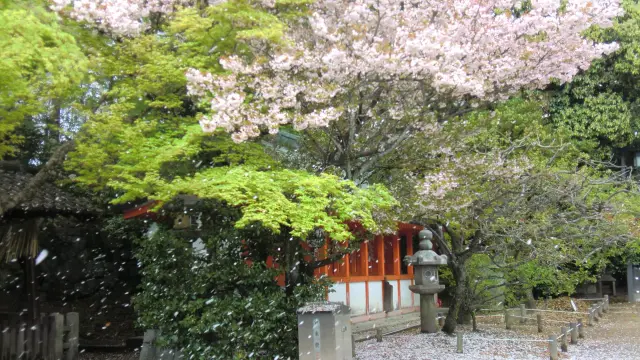
    I also visited once in April. The cherry blossom season was already nearing its end, so I wasn’t expecting much, but I was very lucky and happened to see a shower of falling cherry blossoms. It was incredibly romantic and ended up becoming one of my strongest memories of Kitano Tenmangu Shrine. After visiting Kitano Tenmangu Shrine, you can continue on to Hirano Shrine, which is also one of Kyoto’s well-known cherry blossom viewing spots. The two places work very well together in one itinerary.

  • Tsukiji Outer Market

    Over 400 food shops and restaurants gather speciality shops. Suppliers, general shoppers for daily food, and tourists searching for specialty food always crowd even though after a change of the location of the central wholesale market from Tsukiji to Toyosu in October, 2018.

    • Tsukiji, Odaiba, Toyosu
    • Shopping Streets
    See More

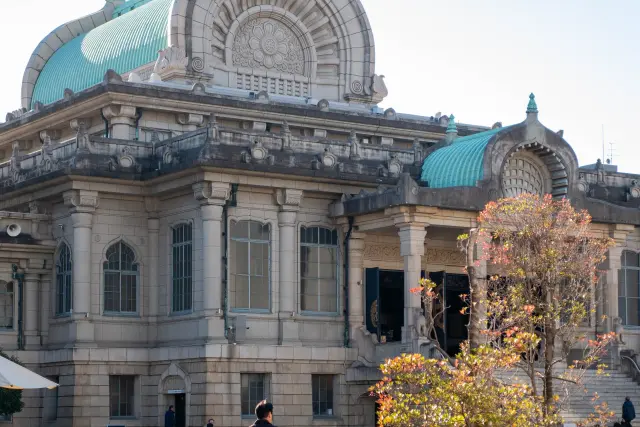
    I recommend visiting Tsukiji Outer Market together with Tsukiji Hongwanji, since the two are very close to each other. You can visit Hongwanji first and then walk over to the outer market. Tsukiji Hongwanji itself is quite distinctive, so you can look at the architecture first and then head to the market to eat. It makes for a very smooth itinerary.
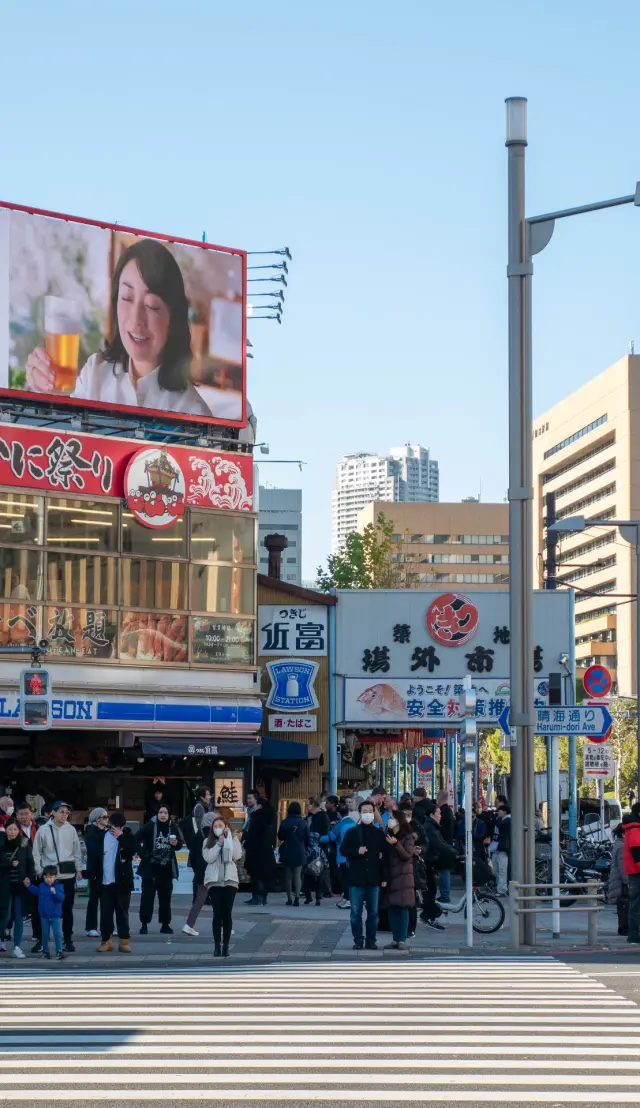
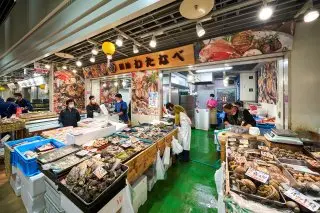
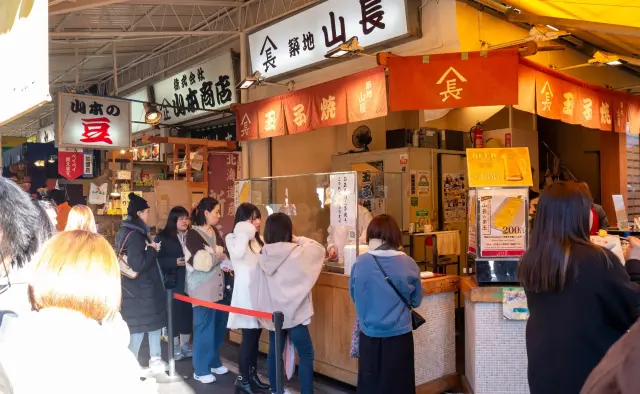
    If you're visiting Tsukiji, I recommend not arriving too late. When I got there a little after 9:00, I could already clearly feel large numbers of tourists pouring in, and the market was quite lively. In particular, quite a few people were pulling luggage around with them. I personally don't really recommend doing that, because the market aisles aren't very wide to begin with, and once it gets crowded, large pieces of luggage really take up a lot of space.
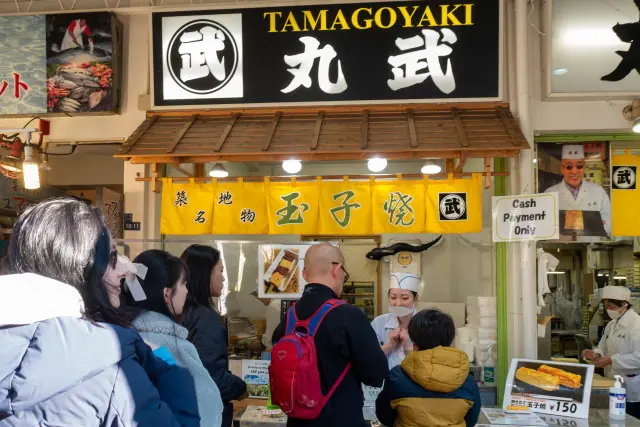
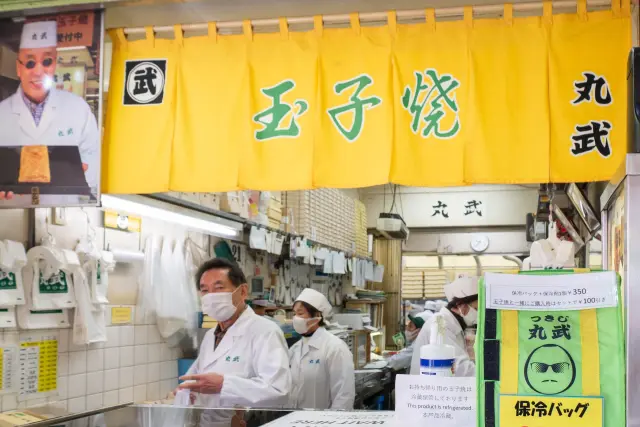
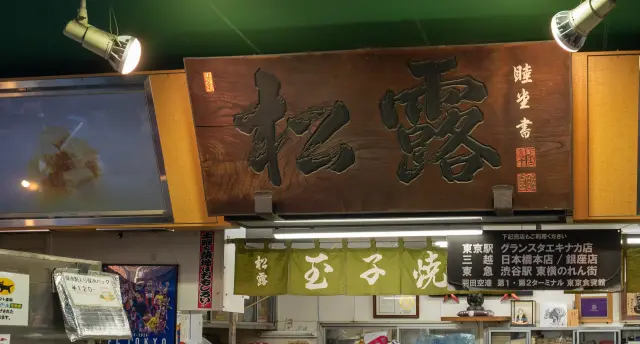
    Because I didn't stay very long this time, I wasn't able to fully explore all the food in the market. I just picked a few tamagoyaki shops to try. Once again, it proved that my stomach prefers Kanto-style tamagoyaki, and I had a very enjoyable time eating my way through them.
    Although seafood is the first thing many people think of when visiting Tsukiji, once you actually walk into the outer market, you'll find so many choices that it can be a little overwhelming. In addition to fresh fish, sushi, and seafood bowls, there are also tamagoyaki, dried goods, fruits and vegetables, meat, and more. Although the main market has moved to Toyosu, even a skinny camel is still bigger than a horse, and the location is convenient, so there are still many shops operating here. If it's your first visit, I actually recommend looking up several places you genuinely want to try beforehand. There are simply too many choices, and with the crowds, it's easy to see one place you want to try and then another, until you end up not knowing what to eat at all.
    Also keep in mind that Tsukiji isn't simply a tourist food street. It's a district of specialty shops that developed out of a working market, so it's better not to eat while walking.

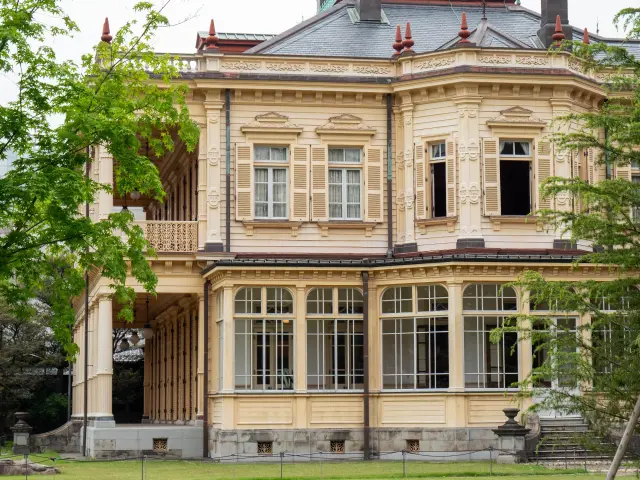
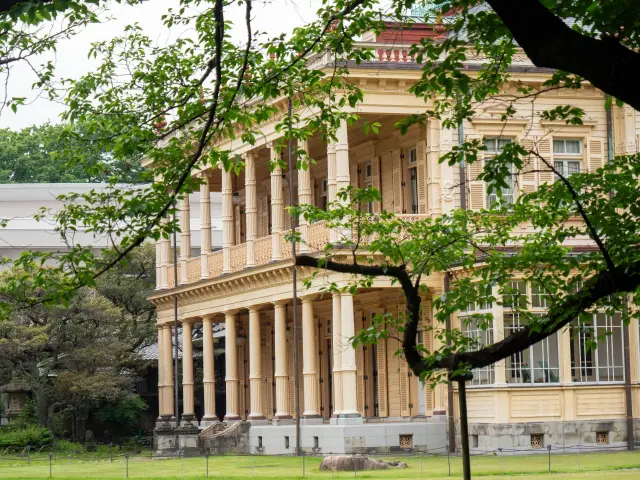
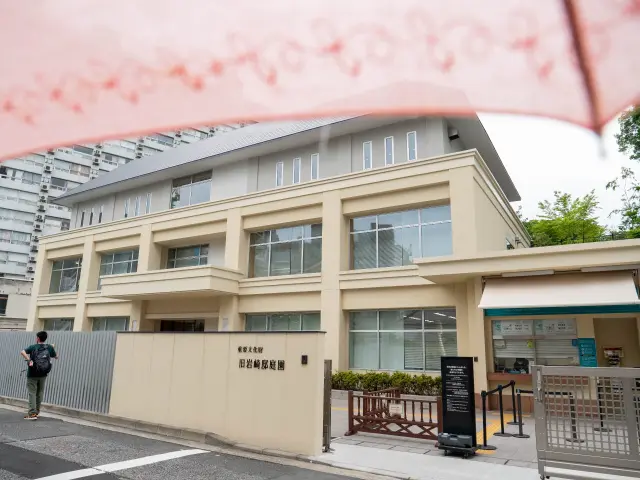
  • The former Iwasaki House Garden

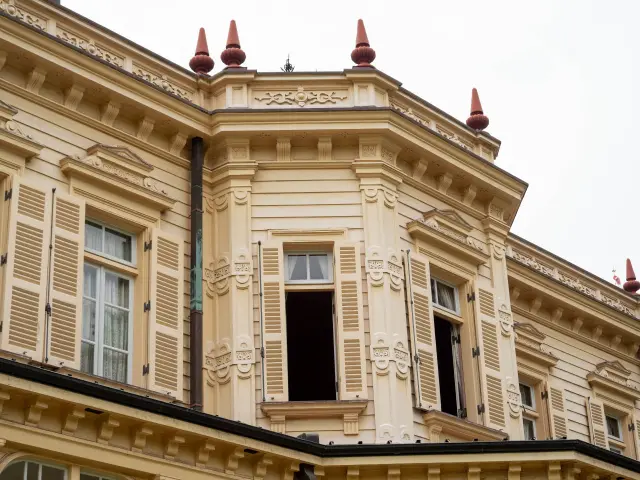
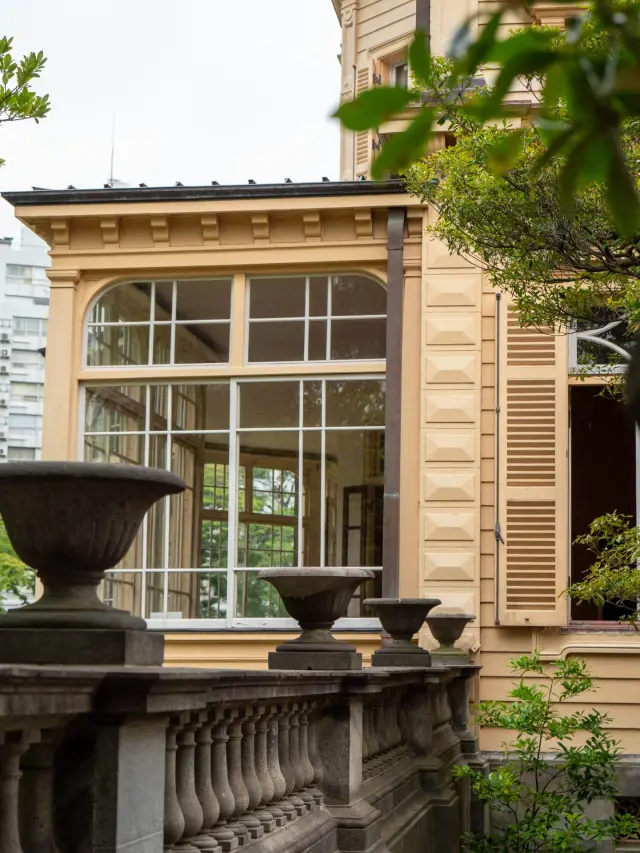
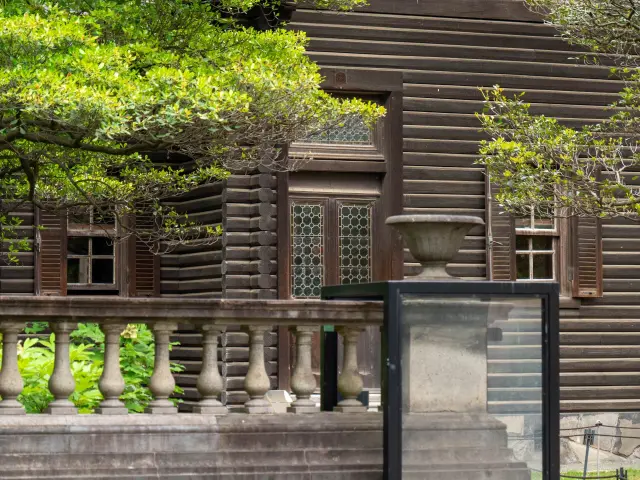
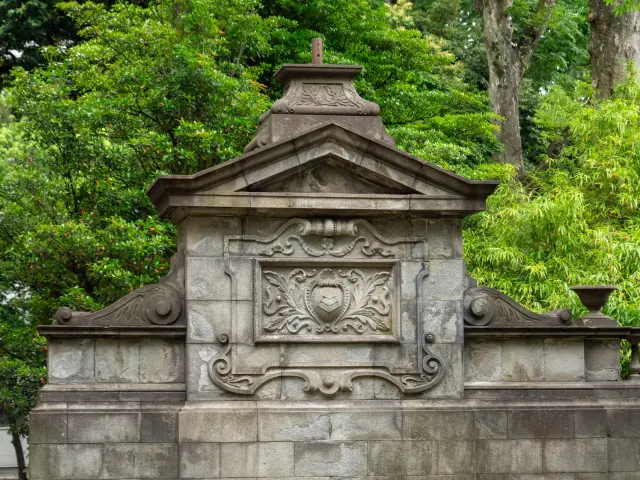
    The Iwasaki Family founded Mitsubishi. These buildings and garden were built in 1896 as a residence for Hisaya, Iwasaki Family’s third head, and were later restructured as Tokyo’s garden. The 12-acre premises used to have 20 buildings. Today, the western-style hall, the Japanese-style hall, the pool hall and the garden are preserved.

    • Ueno, Nippori
    • Museums
    See More

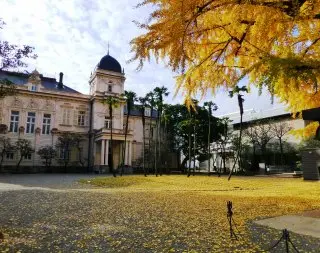
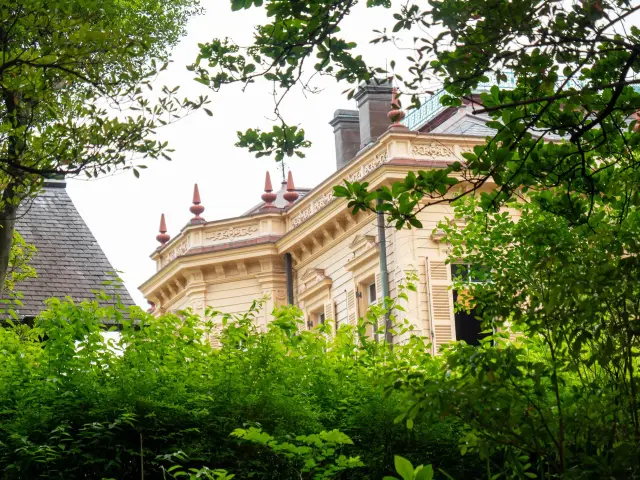
    The Former Iwasaki House Garden is a place that I think is well worth taking the time to explore. It was originally the main residence of Hisaya Iwasaki, the third president of Mitsubishi, and was completed in 1896 (Meiji 29). The most interesting thing about the estate is that you can see both an extremely ornate Western-style building and a traditional Japanese-style residence in the same space. This combination of Japanese and Western styles is also a representative feature of upper-class residences from the Meiji era.

    The Western-style building is based on the Jacobean style of 17th-century England, with Renaissance, Islamic, and other design elements incorporated into it. Everything from the exterior to the interior details is quite impressive. What particularly stood out to me was the “kinkarakawa-shi” wallpaper inside, which uses washi paper, metal foil, and embossing techniques to create the look of leather wallpaper. It was a very valuable form of interior decoration at the time. Different patterns of kinkarakawa-shi wallpaper can still be seen on the second floor. Unfortunately, photography isn't allowed inside, which was a bit disappointing for me.

    The Western-style building was mainly used for receiving guests and social gatherings, while the adjacent Japanese-style building served as the Iwasaki family's more everyday living space. Seeing two completely different architectural styles side by side really gives you a sense of how Japanese homes changed after Japan began widely adopting Western culture during the Meiji era. In addition to the Western-style building and the main hall of the Japanese-style building, the surviving structures include a very distinctive billiards room. It is a wooden building designed to resemble a Swiss mountain lodge and is connected to the Western-style building by an underground passage.

    Another thing I really liked here was how distinctive the souvenirs related to kinkarakawa-shi wallpaper were. The bookmarks, card holders, and other items sold on-site aren't exactly cheap, but they may appeal to anyone interested in architecture, paper goods, or historically significant crafts like these. Snacks are also available, so you can take a break while enjoying something to eat.

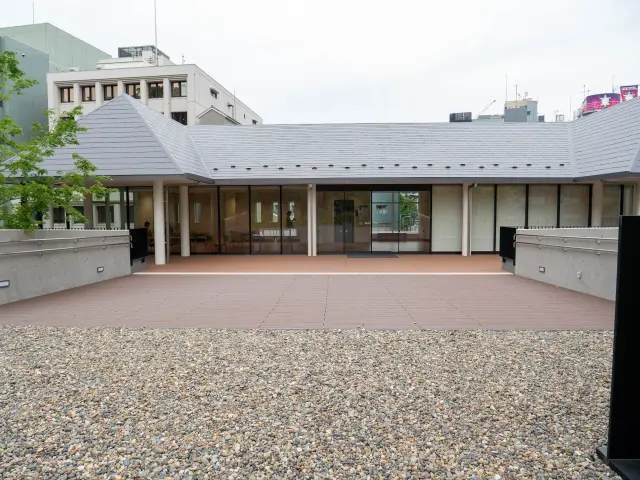
    However, don't underestimate the size of the garden. I felt that it took about five or six minutes just to walk from the ticket booth to the entrance of the residence, and part of the route is uphill. The entire grounds are also much larger than you might imagine from looking at the buildings alone. Although only about one-third of the original property remains today, some elements of a daimyo garden and a large lawn have been preserved.

    So, if you want to thoroughly explore the Western-style building, Japanese-style building, and garden, I would recommend allowing at least two to three hours. I was honestly a little tired by the time I finished walking around, but fortunately there is a rest area near the exit. That was very thoughtful for people who have just walked all the way around the grounds.

  • Kappabashi Dougu Street®

    Kappabashi Dougu Street is a shopping district between Tokyo’s Asakusa and Ueno areas that extends around 800 meters from north to south. It is an interesting shopping district, where around 160 shops all related to food items all gather, selling the obvious items like cooking utensils and tableware, as well as other things like restaurant signboards.

    • Ueno, Nippori
    • Shopping Streets
    See More

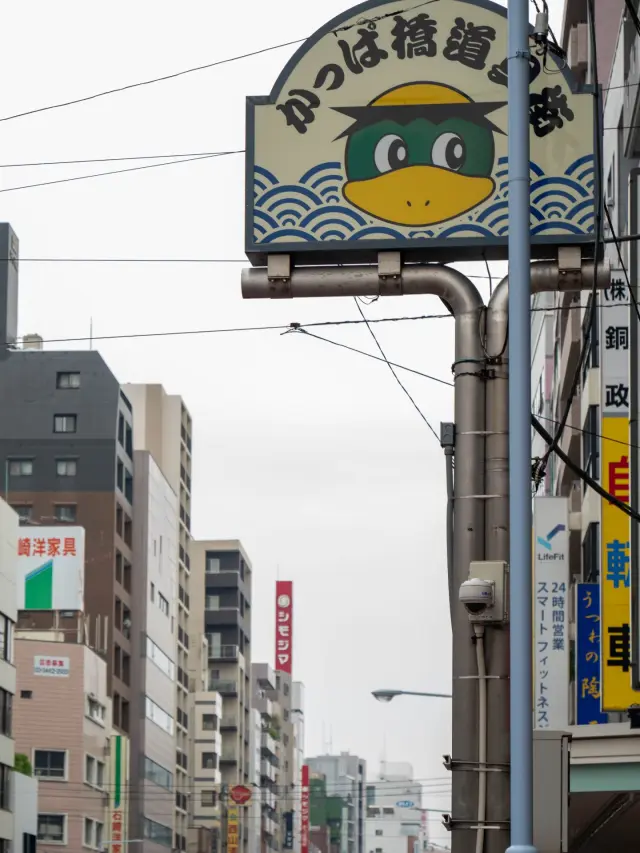
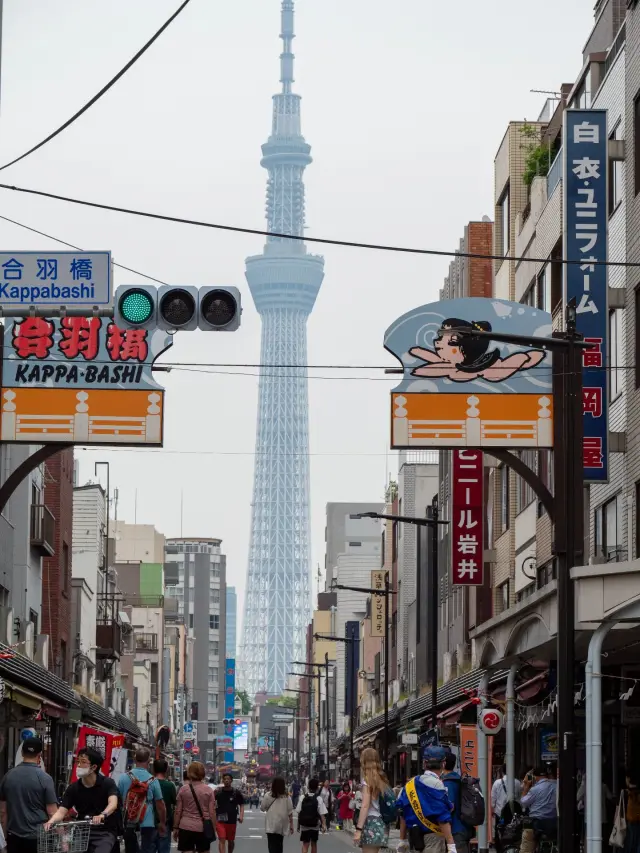
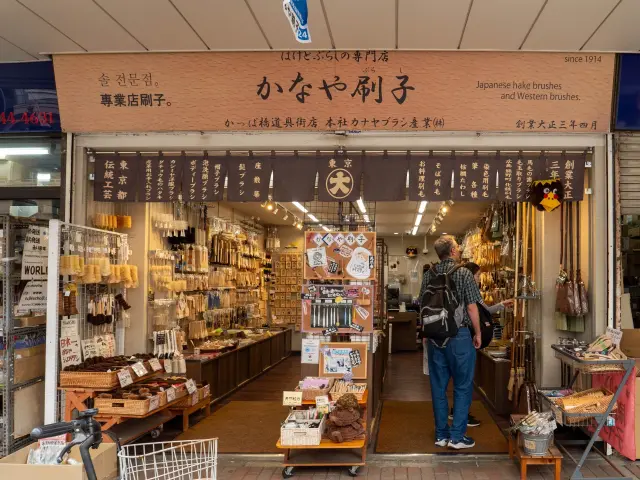
    The main reason to visit Kappabashi Dougu Street, rather than low prices, is the complete and diverse selection of products. You can find everything from knives, cookware, tableware, and baking tools to food models, packaging materials, uniforms, store supplies, and even large commercial kitchen equipment. Simply put, if it's related to the food and beverage industry, you can find almost everything you need here, from the dining area to the kitchen. Even if you're just a tourist, it's easy to find tableware or kitchen supplies you normally wouldn't pay much attention to, which is actually pretty interesting.
    If you need tax-free shopping, you can also look for the “Smart Refund Kappabashi Tax-Free Counter” on Dougu Street. Since not every store can process tax exemptions directly, you can get relevant information here to help plan your shopping budget. It also offers luggage and merchandise storage, delivery, foreign currency exchange, and other services, making it very convenient for international visitors.
    Another small reminder that's easy to overlook is the restrooms. Kappabashi isn't a department store-style shopping mall, and very few stores allow visitors to use their restrooms. It's best to check the locations of nearby public restrooms before you start shopping instead of waiting until you're halfway through.
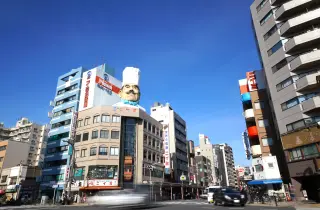
    If you start at the Niimi Tableware Store, which has a giant chef statue on its roof, I personally think the first part of the street is better suited for regular tourists to browse at a leisurely pace. As you go farther, you'll find more commercial-grade, professional cooking equipment. If you only want to buy tableware, knives, baking supplies, or food models, you really don't have to force yourself to walk the entire street.
    One more thing: I really don't recommend coming on a Sunday. Although every store has different closing days, I personally felt that more than half the stores were closed on Sunday. Unless you really can't fit it into your schedule otherwise, it's best to avoid Sundays and national holidays. It would be a shame to make a special trip here only to find that many stores are closed.

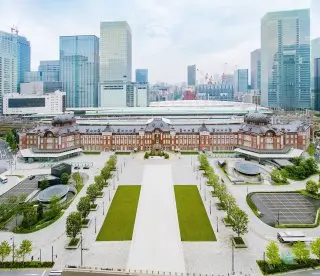
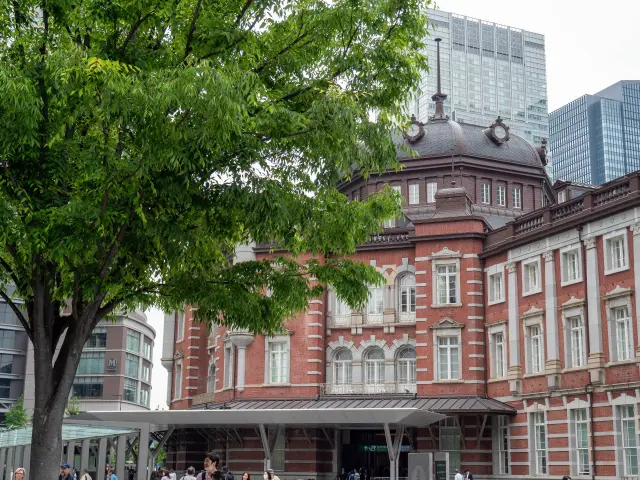
  • Tokyo Station: Marunouchi Station Building

    The construction of Japan’s front gate, Tokyo Station, began in March, 1908 and it was opened in December, 1914. Kingo Tatsuno, the pioneer of modern architecture in Japan, designed it. The steel-framed, brick Marunouchi Station building was burned on the roof and interior in the 1945 air raid.

    • Tokyo Station, Nihonbashi, Marunouchi
    • Tourist Attractions
    See More

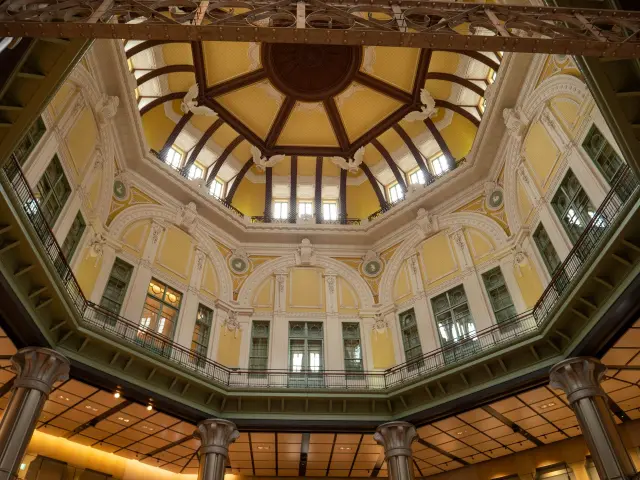
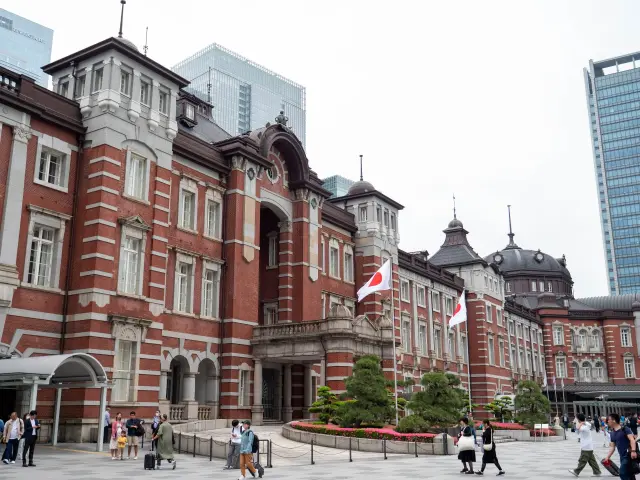
    Tokyo Station itself is a place worth taking some time to appreciate. The station building on the Marunouchi side is the familiar classical red-brick building. It opened in 1914 and features the “Tatsuno style” designed by Kingo Tatsuno. The current Marunouchi Station building is also an important historic structure that has been preserved after restoration. If you like classical architecture, take a good look at the exterior details when passing through the station, and you’ll find quite a few things worth seeing.
    Compared with Shinjuku Station, Tokyo Station is somewhat easier to navigate, but the entire station is still very large, especially since the different exits, underground passages, and transfer areas are quite far apart. Just walking from the Yaesu side to another transfer area took me at least five or six minutes. If you’re planning to transfer at Tokyo Station and it’s your first time there, you really should allow extra time to get around and find your way inside the station.
    The area around the Yaesu South Exit is a major boarding area for highway buses, including the AIRPORT BUS TYO-NRT to Narita Airport. There are also boarding points nearby for other local and long-distance buses. For first-time visitors to Tokyo, Tokyo Station is not only a major transfer station for the Shinkansen and JR lines, but also an important transportation hub for getting to the airport and other cities.

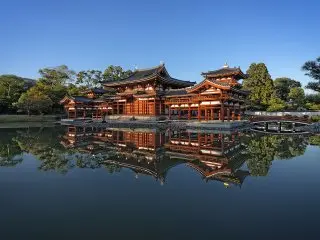
  • Byodoin

    An imperial authority in the Heian Period, Fujiwara Michinaga used this place as a vacation home. His son Yorimichi inherited, converted and opened it as a temple in 1052. It was designated as a World Heritage Site in 1994. The remodeling in 2014 brought it back closer to its original state. The main Amida Buddha statue in Amida Hall is worth a look. You will be amazed by the symmetrical beauty of the building.

    • Uji, Joyo, Yawata
    • Shrines & Temples
    See More

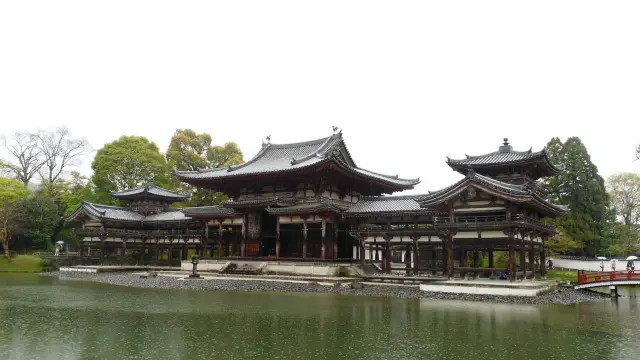
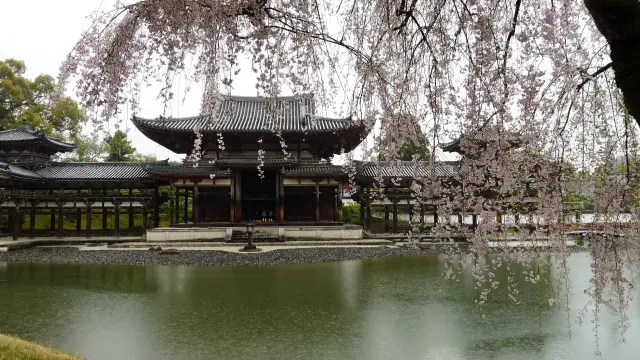
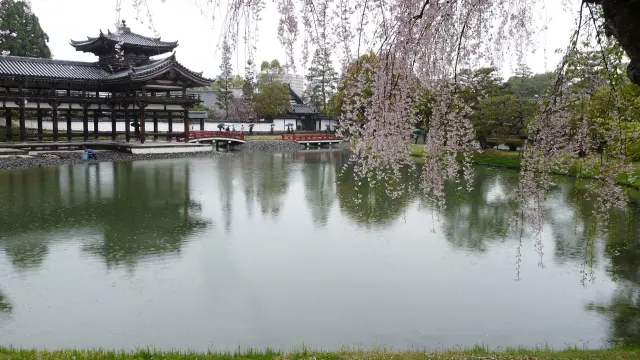
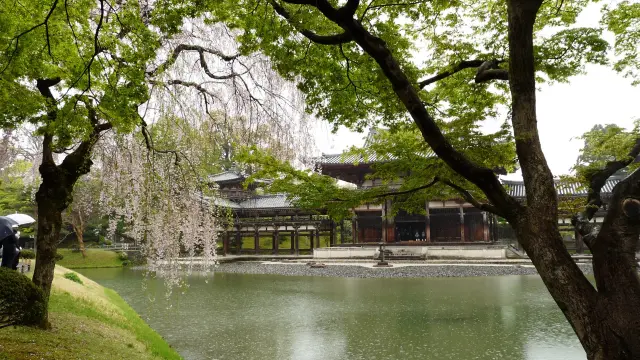
    It happened to be raining when I visited Byodoin this time. Maybe there were fewer visitors because of the rain, so even though it's a popular attraction, it wasn't very crowded. The grounds have gravel paths, so they were still fairly easy to walk on in the rain. My visit also happened to fall during cherry blossom season. Although the rain had already caused some of the blossoms to fall, it also meant there wasn't the usual cherry blossom season congestion. The cherry blossoms, pond, and Heian-period-style architecture in the gloomy rain instead created a more tranquil beauty, making the entire visit unexpectedly pleasant.
    It only started raining after I arrived in Kyoto, so I bought a clear umbrella at a convenience store at the last minute. Because of my budget, I chose the cheapest umbrella there, which happened to be clear. I didn't realize how convenient it was until I actually used it. Especially when taking photos under the cherry trees or in front of Byodoin, the clear umbrella didn't block the scenery in front of me. It was only then that I truly understood why clear umbrellas are so common on the streets of Japan.
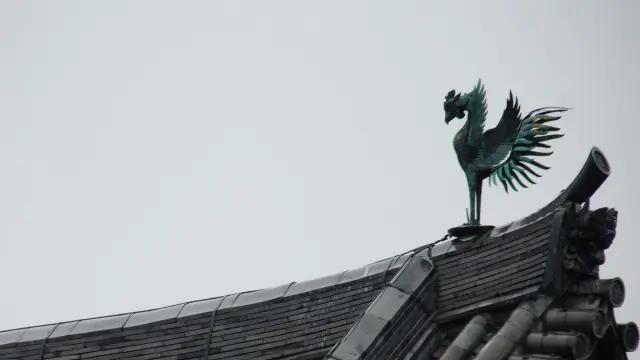
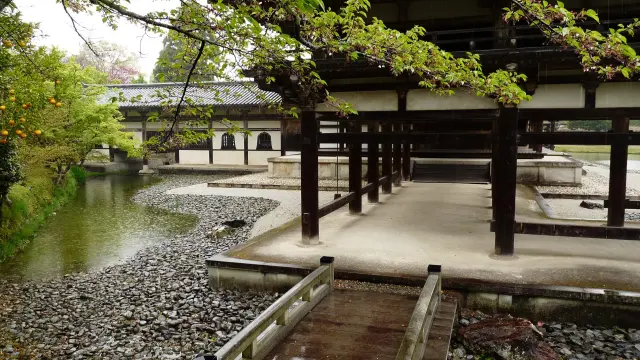
    The grounds of Byodoin were larger than I had originally imagined. Once inside, I found that it wasn't just Phoenix Hall itself that was worth seeing. The surrounding gardens, pond, and views from different angles were also very interesting. The architecture has a very distinctive Heian-period style, especially the sight of Phoenix Hall standing in front of the pond, which easily brings to mind the ideal residences sought by aristocrats at the time. Byodoin was originally created when Fujiwara no Yorimichi converted his villa in Uji into a temple. With that background in mind, it's easy to understand why the entire setting has such a strong atmosphere of Heian aristocratic culture.
    If time allows, I also highly recommend visiting the Byodoin Museum Hoshokan. It houses many important cultural properties and precious artifacts from Byodoin, where you can learn historical details that aren't directly apparent from outside Phoenix Hall. Still, this part depends on your personal interest in historical artifacts, since there is an admission fee, but I personally thought it was well worth it.
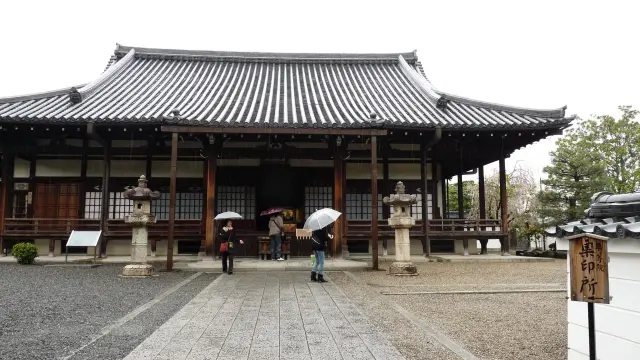
    Byodoin also has a very special meaning for me. I received my first goshuin here, and you could say that visit began my later habit of collecting goshuin.
    Overall, although it rained during this visit to Byodoin and some of the cherry blossoms had already fallen, I actually really liked this less-than-perfect spring scenery. It left a completely different impression from a sunny-day visit. On top of that, the clear umbrella unexpectedly became a useful prop for taking photos, adding another interesting memory to this rainy-day trip.
  • Itohkyuemon Uji Main Store Tea Room

    Itohkyuemon, a long-established tea shop founded in 1832 (Tenpo 3), is located in Uji, one of Japan's leading producers of high-quality tea leaves. While preserving the traditions passed down since its founding, the shop continuously develops new matcha sweets, introducing new values of tea to the world.
    • Uji, Joyo, Yawata
    • Cafés
    See More

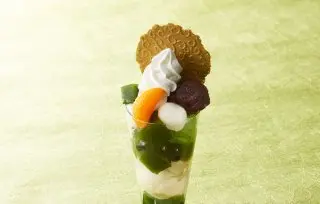
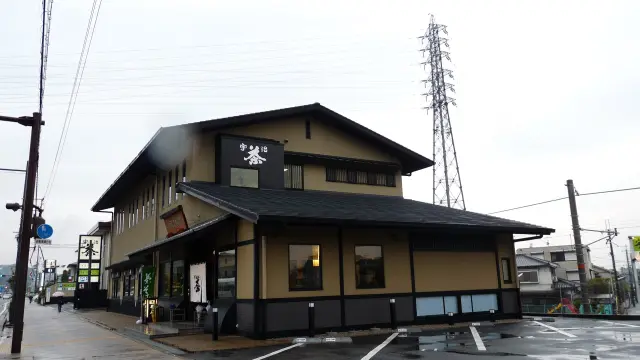
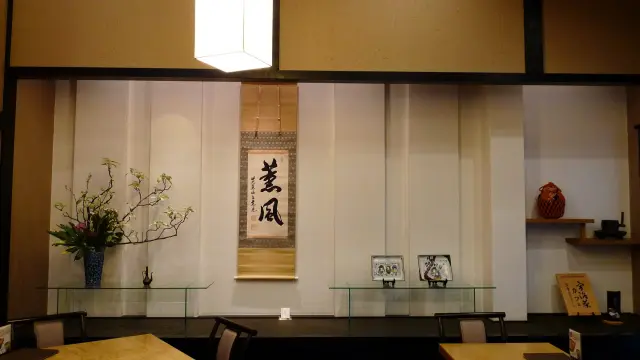
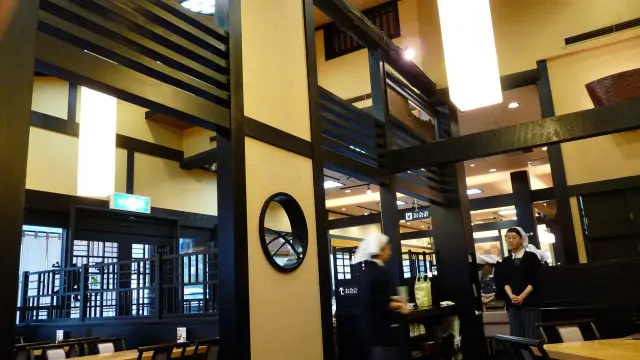
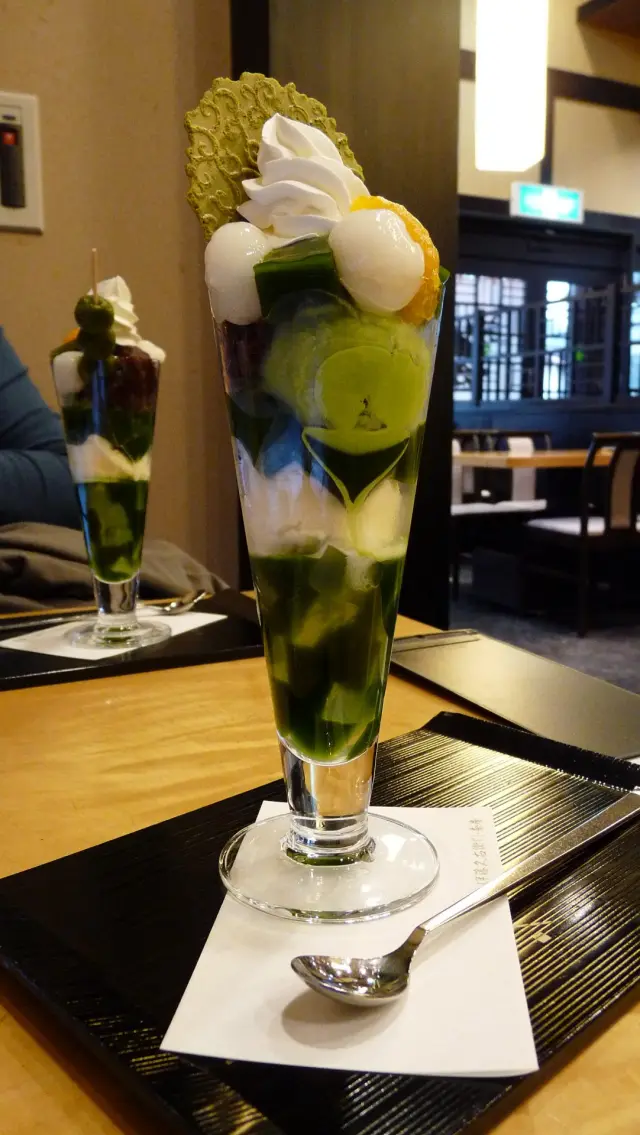
    It happened to be raining when I visited the Itohkyuemon Uji store this time. Maybe because of the weather, it wasn't as crowded inside as I had expected. This was also my first time trying a matcha dango parfait. The matcha flavor was quite rich, and it came with a wide variety of toppings that gave it different textures. Overall, it was better than I expected.
    Overall, I think Itohkyuemon's matcha desserts are worth trying, especially for people who like a rich matcha flavor. However, the Uji store is a little far from the main attractions in central Uji. If your itinerary is mainly focused around the Uji River and Byodoin, you'll need to set aside some extra time to make a special trip here.

Hokkaido Tohoku Kanto Chubu Hokuriku Kansai Chugoku Shikoku Kyushu Okinawa