• See More

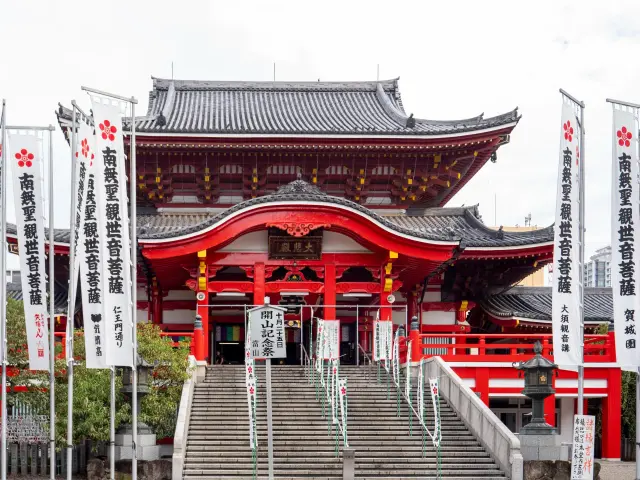
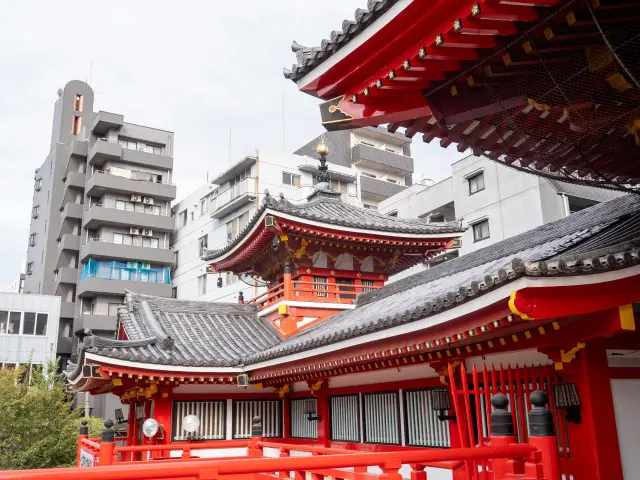
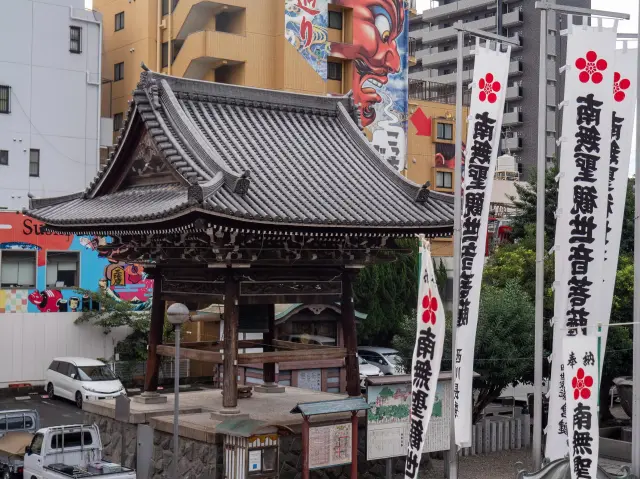
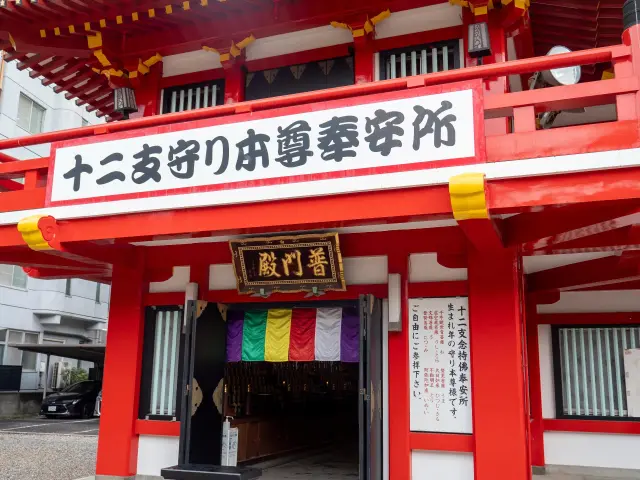
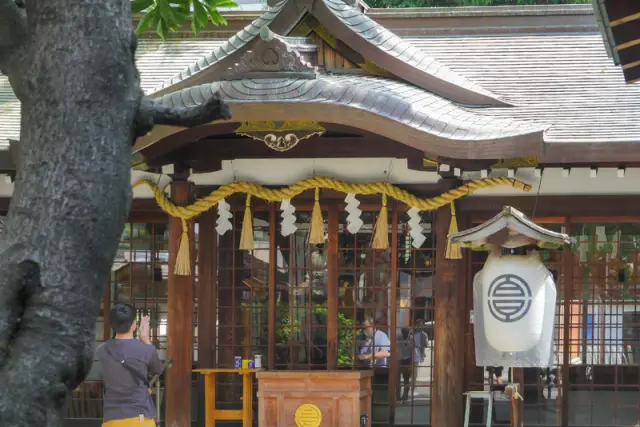
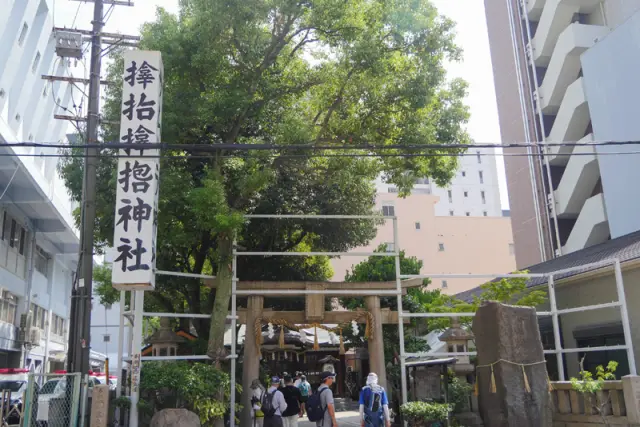
    One of the most famous items offered at Samuhara Shrine is the ring-shaped “Goshinkan Mamori.” Before the pandemic, you had to try your luck at the shrine office and could only get one if it was in stock, so they often ran out quickly. After the pandemic, they switched to an application system, with an offering of at least JPY 10,000, and a domestic Japanese address is required. Since they are made to order, there is also a wait before completion. Even so, they remain extremely popular, so as of August 2026, new production applications are temporarily suspended.
    I had visited Samuhara Shrine before the pandemic, and the amulet I received then was also the one I kept with me the longest. During the pandemic, many people around me tested positive one after another. I even worked closely with someone who tested positive for two or three days, and everyone took turns taking long periods off, but I stayed safe the whole time. There was a period when I was coughing badly, but all my rapid tests were negative. There were also several moments when it looked like a serious traffic accident was about to happen, but I somehow managed to avoid them each time. I never knew my reaction speed could rival an athlete’s. Looking back now, it still feels incredible.
    Of course, these things may not really have been directly related to divine protection, and there may have been some psychological effect, but for me, they definitely left me with the feeling that I had somehow been protected all along.
    So when I came to Osaka again after the pandemic, I made a special trip back to give thanks, return the old amulet that had been with me for years, and receive a new one, hoping to continue living safely and smoothly, free from illness and misfortune.
Other Reviews by Holly

  • Meoto Iwa (Ise, Mie Prefecture)

    Futamiura's coastline is famous for the Meoto Iwa (Married Rocks) - two large rocks, one 9 meters tall and the other 4 meters, standing side by side like a couple, symbolizing marital harmony. This famed destination draws women and couples seeking good relationships. Located 700 meters offshore, the Oki-no-shima (a sacred stone) and a torii gate are seen as places to worship the sunrise, attracting devotion since ancient times. The rocks can be viewed from the approach to Futami Okitama Shrine.

    • Mie
    • Nature Spots
    See More

    What I most wanted to see was the sunrise between the Meoto Iwa. This view isn't visible year-round, only around May to July each year, with the best time being around the summer solstice. If you're lucky and the weather and visibility are good enough, you may even see the distant Mount Fuji overlapping with the rising sun.
    However, the biggest problem with seeing the sunrise is transportation. Sunrise is very early, and it's basically impossible to get there from central Ise by public transportation. The more practical option is to stay near Futamiura the night before, but accommodations in the area are limited. Since my trip was very last-minute, I couldn't find anywhere I liked, so I had to give up on the sunrise for now. Instead, I went to worship in the afternoon and also visited the nearby Hinjitsukan, which was originally a lodging for members of Japan's Imperial Family when they visited Ise Jingu. I have to say, a royal inn really does have a different presence.

  • Ise Jingu

    Known affectionately as "Oise-san," the shrine is usually called "Ise Jingu-Shrine," but officially, it is called "Jingu-Shrine".

    • Mie
    • Shrines & Temples
    See More

    Ise Jingu is mainly divided into the Outer Shrine and Inner Shrine. The traditional order of worship is “Outer Shrine first, then Inner Shrine,” but if you only have time for a day trip, most travelers usually prioritize the livelier Inner Shrine, since afterward they can go straight to Okage Yokocho. However, the Outer Shrine is closer to Iseshi Station and can be reached on foot. Since there are fewer visitors, walking among the tall trees in the sacred grounds is very relaxing. Compared with the liveliness of the Inner Shrine, the Outer Shrine feels quieter and more serene, allowing you to better sense the gentleness of the deities.
    I also highly recommend the Sengukan Museum next to the Outer Shrine. It explains the Shikinen Sengu ceremony, which takes place every 20 years. What makes it especially interesting is the full-scale model of the Outer Shrine’s main sanctuary. Since visitors cannot approach the innermost area of the main sanctuary during an actual visit, seeing the model in the museum helped me better understand the true scale and architectural details of the deities’ dwelling. There are also many exhibits on the tools and craftsmanship used during the rebuilding ceremony. If you are not in a hurry, there are videos to watch as well. I really recommend it.
    The Inner Shrine is larger and draws more worshippers than the Outer Shrine. After crossing Uji Bridge, you walk along the Isuzu River toward the main sanctuary, and the entire experience feels more ceremonial. The routes going in and coming back are separated, mainly because the worship route at the Inner Shrine is quite long. Getting there is not a problem, but on the way back I was truly grateful for the Sanshuden rest area. When you get tired, you can sit down and rest, and free drinking water is available inside. There are vending machines if you want another drink, and you can also purchase amulets and other shrine items here.
    If your schedule allows, I still highly recommend visiting both the Outer Shrine and Inner Shrine in the traditional order. The Inner Shrine is more impressive and lively, with Okage Yokocho nearby to explore, while the Outer Shrine is much quieter. I actually preferred its forest atmosphere and feeling of worship. The two have completely different atmospheres and character, and only after visiting both can you get a fuller sense of Ise Jingu.
    One reminder: the Inner Shrine has coin-operated luggage lockers, but the Outer Shrine does not, so keep that in mind if you have luggage. When I visited, I saw a traveler who had no way to store their luggage and had to drag it along. Since the sacred grounds are covered with gravel, it looked quite difficult.

  • Shitennoji Temple

    Prince Shotoku, the father of Japan’s Buddhism, had this first Japanese Buddhism temple built in 593. In the 8th century, the respect for him has changed into a religion, which is still active to this day. Since the temple was built by Prince Shotoku, it was reestablished as Washu (Japanese religion) in 1949.

    • Tennoji, Shinsekai
    • Shrines & Temples
    See More

    If you like antiques, secondhand kimono, vintage household items, or flea markets full of everyday character, the market at Shitennoji Temple in Osaka is worth planning a special trip for. While researching, I found that there are markets on both the 21st and 22nd. I originally thought they would be about the same, but after visiting, I found clear differences in the crowds, number of stalls, and overall atmosphere.
    The Daishi-e on the 21st is the largest. It has almost everything, including antiques, vintage items, secondhand kimono, clothing, household goods, and food stalls. The temple grounds are packed with stalls and people, like a large flea market combined with a festival. The atmosphere is lively and energetic, but it's also more crowded, so you may not always be able to stop and look closely at something you like. To see everything, it's best to allow at least half a day, or even plan to spend the entire day there.
    The Taishi-e on the 22nd has a completely different feel. The first time I went, I briefly wondered if the event had been canceled because the crowd was so much smaller than on the 21st. You can sense the difference even on the way there. After shopping there twice, I feel this is probably what the Taishi-e is normally like. Although there isn't as much variety as on the 21st, there are still plenty of antiques, vintage items, and secondhand goods. Without the crowds pushing around you, you can take your time and make several rounds. However, there are far fewer food vendors, so I recommend bringing some snacks just in case.
    Although the 22nd is less crowded, I actually bought even more things that day than on the 21st. I think it's probably because my view wasn't constantly blocked by people, and I could crouch down and slowly look through the old items laid out on cloth, making it easier to find things I truly liked. I've found reasonably priced Edo Kiriko glassware, vintage tableware, and a maxi dress that suited me here. I had more fun treasure hunting than on the 21st.
    If you want a lively market with a full range of stalls and a festival-like atmosphere, I recommend going on the 21st. If you prefer quietly hunting for treasures and don't want to squeeze through crowds, the 22nd is actually more comfortable. Each day's market has its own appeal. For anyone who likes antiques, kimono, and vintage items, Shitennoji Temple is worth a special trip for a leisurely visit, no matter which day you happen to go.