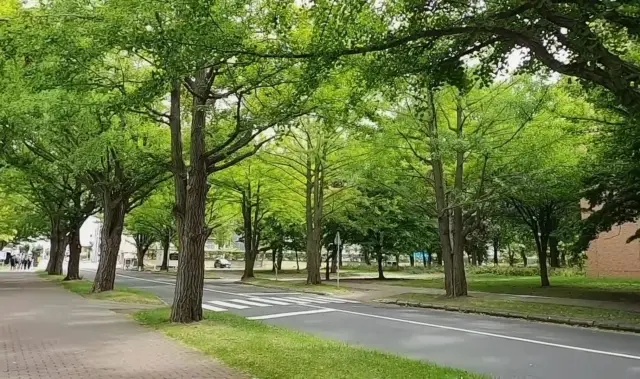
Hokkaido University really is much bigger than I imagined. Once inside the campus, all I could see were vast stretches of greenery and towering trees. It felt so spacious, as if I could walk forever without reaching the end.
The scenery changes with each season: cherry blossoms in spring, lush greenery in summer, the much-anticipated golden ginkgo trees in fall, and romantic snow-covered scenery in winter.
Although I didn't visit during the season for the famous ginkgo avenue, I still really enjoyed strolling slowly around the campus, looking at the old, lush trees, feeling the pleasant breeze, and taking in the quiet, relaxed atmosphere.
Hokkaido University | Review by 楊雅雯
Other Reviews by 楊雅雯
-

Munakata Taisha
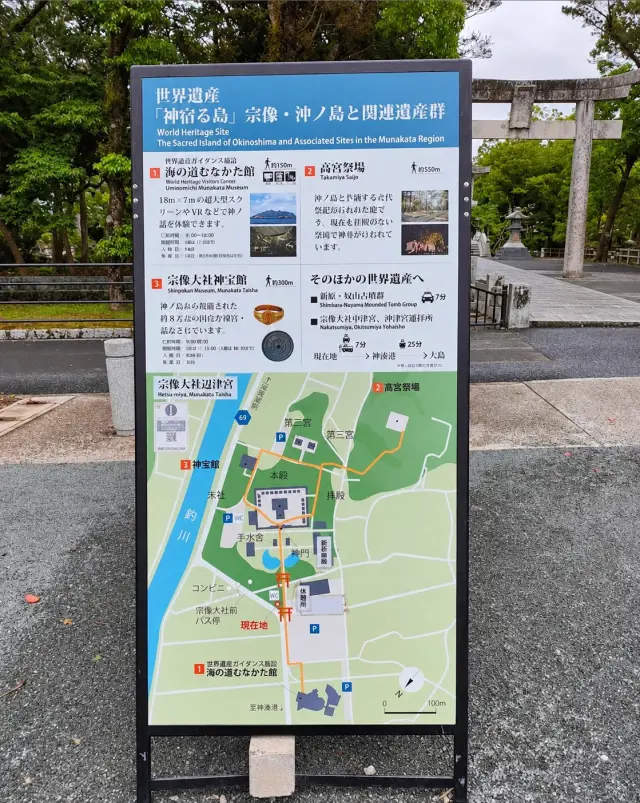
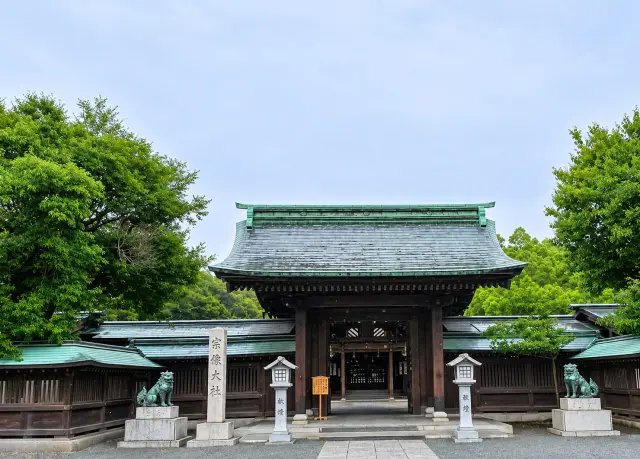
One of Japan’s oldest shrines, Munakata Taisha even appears in Japanese mythology. It enshrines the Three Goddesses of Munakata, daughters of Amaterasu Omikami, the ancestral deity of Japan’s Imperial Family. It is the head shrine of approximately 6,200 shrines throughout Japan, including Munakata and Itsukushima shrines and other shrines dedicated to the Three Goddesses of Munakata. Long revered for safeguarding the prosperity of the Imperial Family and protecting the nation, the goddesses are now worshipped as the foremost deities of all paths, including safe travel by sea and road, as well as one’s path through life, the arts, and health.
This historic shrine is registered as a UNESCO World Heritage Site and is well worth visiting when in Fukuoka.
I made a special trip to Munakata Taisha this time. As soon as I entered the shrine grounds, the entire setting felt very peaceful and pleasant. The spacious grounds, beautiful gardens, and historic shrine buildings made me naturally slow down and take in the atmosphere.
This is more than just a World Heritage Site; it is also a historic and cultural attraction worth exploring at a leisurely pace. I highly recommend it to anyone who enjoys Japanese shrines and garden scenery!
As for transportation, parking is very convenient if you drive. I took the bus this time, and Suica and ICOCA transit cards can be used.
One thing to keep in mind is that the buses do not run very frequently. I recommend checking the round-trip schedule in advance, especially the return times, so it doesn't affect the rest of your itinerary!
-
-
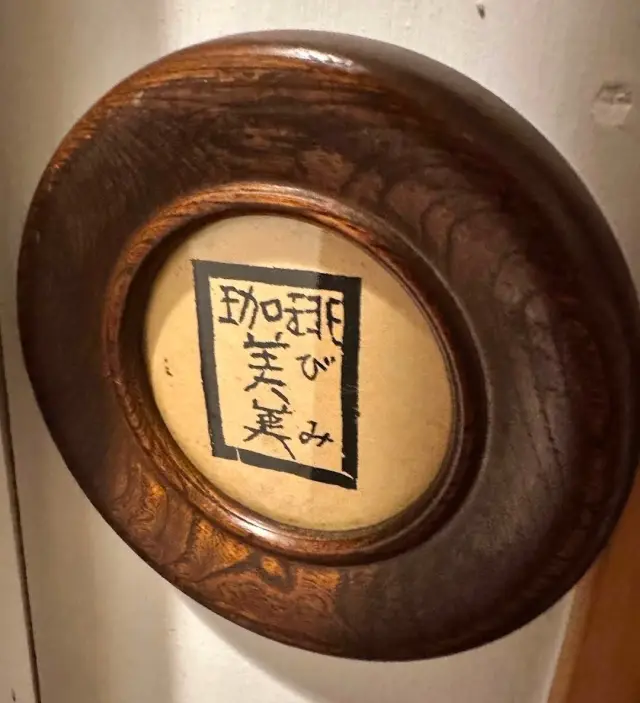
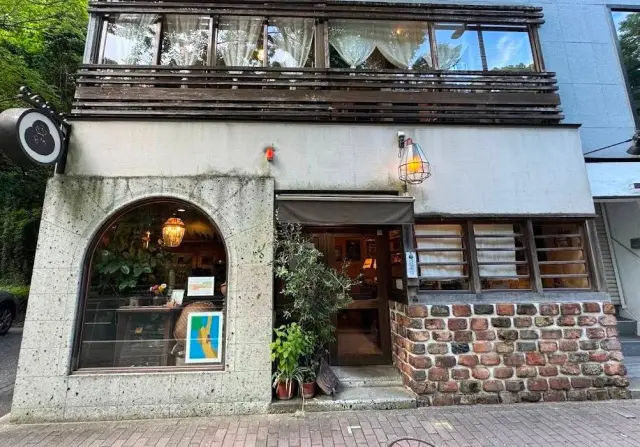
Cafe Bimi
This long-established coffee shop is located along Keyaki Street between the ruins of Fukuoka Castle and Gokoku Shrine, with a roasting room and coffee bean sales space on the first floor and a coffee shop on the second floor.
This time, while visiting Fukuoka Gokoku Shrine, I unexpectedly came across this coffee shop nearby. It was a complete and pleasant surprise!
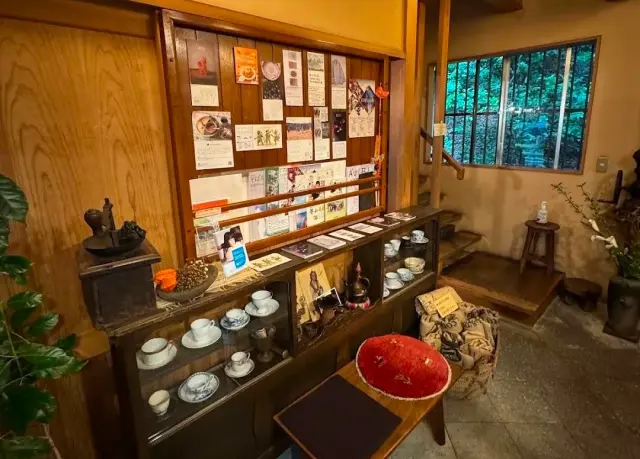
Before I even sat down, I was drawn in by the rich aroma of coffee inside. As soon as I walked through the door, the full-bodied coffee fragrance filled the air, and it was truly intoxicating.
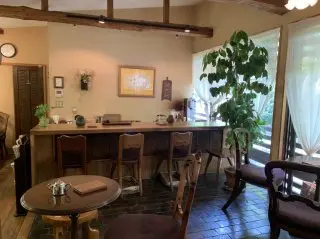
The atmosphere inside is very different from an ordinary coffee shop, with a quiet, calm, and vintage feel. Everyone spoke softly, there was no loud music, and nothing felt rushed. It made me naturally slow down and fully enjoy the moment.
As I drank the coffee, savoring its initial bitterness and the aroma that followed, I found it truly captivating! At that moment, it felt as though I had temporarily let go of all the worries of everyday life. I just wanted to sit quietly and savor that cup of coffee.
I had only discovered it by chance while passing by, but it unexpectedly became one of the most memorable stops on my trip to Fukuoka.
Sometimes the best surprises while traveling are places you never planned to visit but unexpectedly end up loving.
-
-
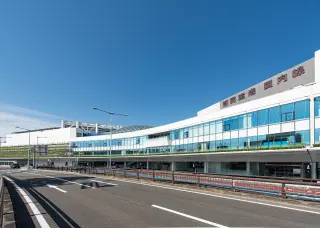
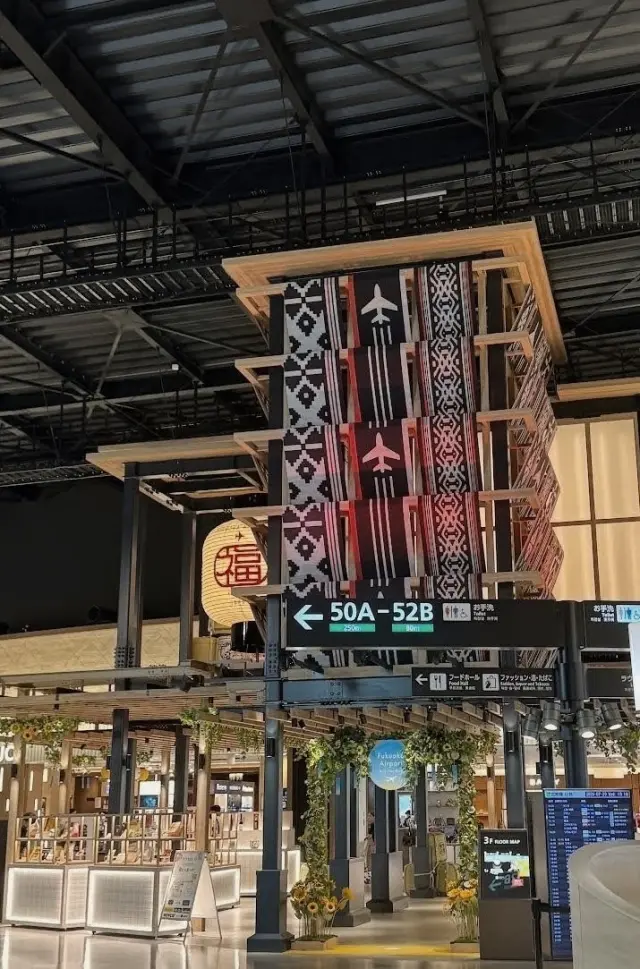
Fukuoka Airport
Fukuoka Airport is located in Hakata Ward, Fukuoka City, and is known for its exceptional access to the city center-just about 5 minutes by subway to Hakata Station and around 11 minutes to Tenjin. Its convenience makes it a major gateway for both tourism and business travel.
My first impression of Fukuoka Airport was that it was “small but charming”! It isn’t as complicated as a large international airport, and the overall space doesn’t feel too overwhelming, so getting around is easy.
The best part is how convenient the transportation is. It takes only about 5 minutes by subway to Hakata Station, and about 20 minutes by bus to reach the city center.
This is a huge plus for independent travelers. You don’t have to spend much time going back and forth between the airport and the city, and you can start enjoying your Fukuoka trip as soon as you get off the plane!
-