原爆圓頂館靜靜矗立在和平紀念公園對側,以僅存的殘破結構,無聲地向世人訴說戰爭的殘酷,以及和平的珍貴。
不只是來到廣島必訪的景點,更是這座城市浴火重生的見證人。活在今日和平的社會,我們更應珍惜得來不易的安穩,省思戰爭所帶來的苦難與破壞,並記住那些曾經逝去的生命。
願所有逝者安息,也願溫暖的陽光照亮這片曾經受傷的土地,讓和平的信念代代延續。

原爆圓頂館靜靜矗立在和平紀念公園對側,以僅存的殘破結構,無聲地向世人訴說戰爭的殘酷,以及和平的珍貴。
不只是來到廣島必訪的景點,更是這座城市浴火重生的見證人。活在今日和平的社會,我們更應珍惜得來不易的安穩,省思戰爭所帶來的苦難與破壞,並記住那些曾經逝去的生命。
願所有逝者安息,也願溫暖的陽光照亮這片曾經受傷的土地,讓和平的信念代代延續。




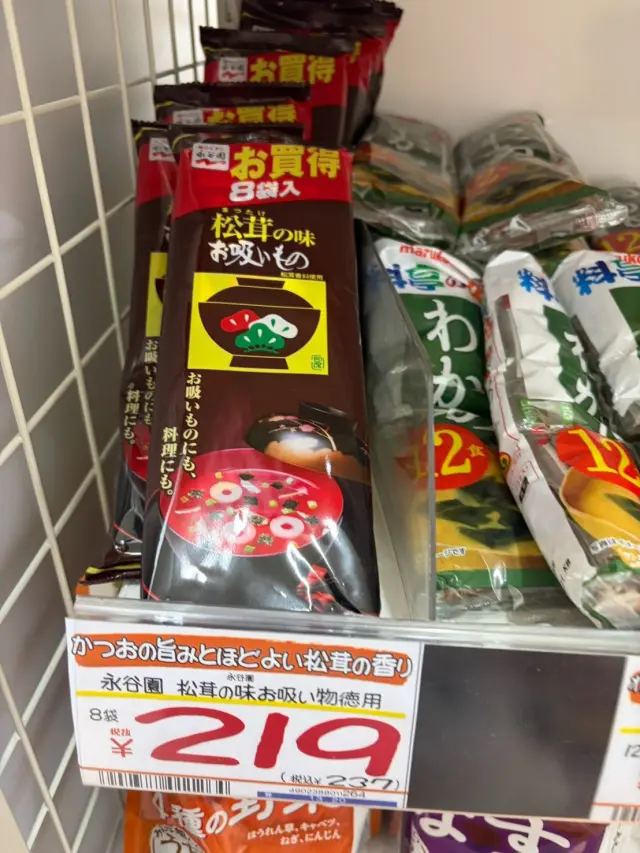
MINORI GELATO
MINORI GELATO is a popular shop serving gelato made with Shodoshima-grown ingredients out of a retro-chic kominka-style house just steps from the Kusakabe Port bus stop.
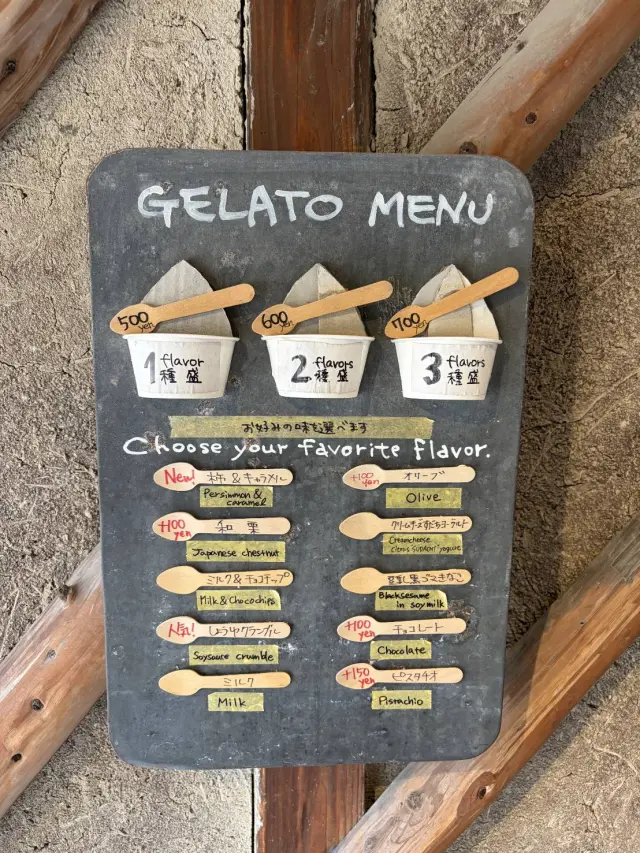
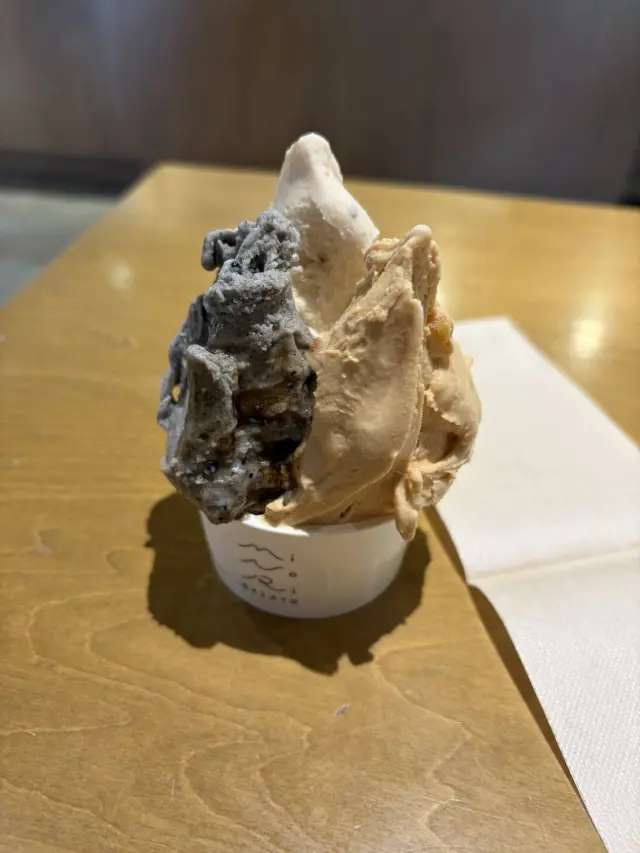
來到小豆島千萬別錯過可愛的 MINORI GELATO!身為Gelato 控,路過瞬間就被吸了進去。這裡的口味豐富,甚至還能吃到柿子口味」!一口咬下,綿密滑順的奶香伴隨著柿子自然的清甜,層次豐富又不膩口。有來小豆島旅遊的朋友不要錯過了〜


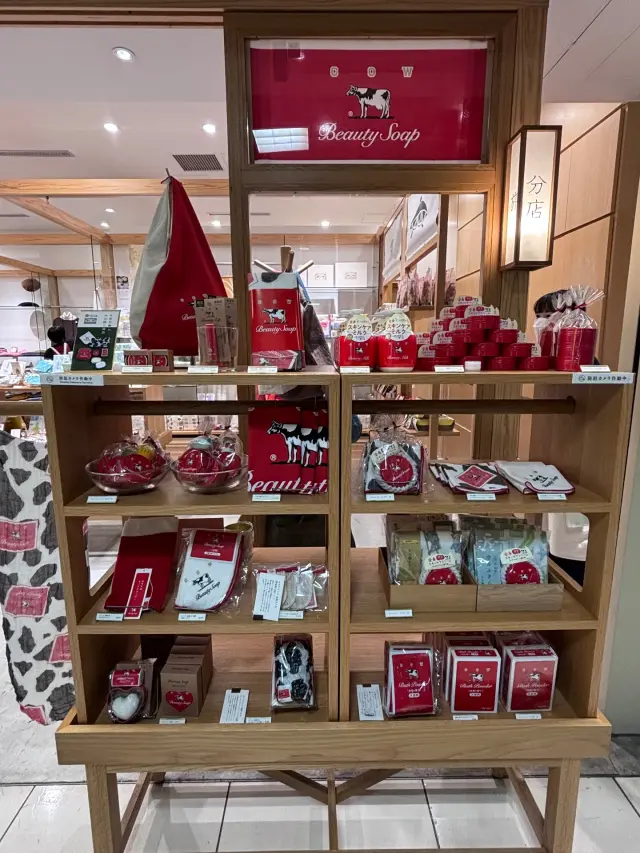
Nakagawa Masashichi Shoten Branch Miyage Nara Sanjo Store
In July 2022, Nakagawa Masashichi Shoten, a retailer of handicrafts and goods from across Japan, carried out a major renovation of its “Nihonichi Nara Sanjo Store,” transforming it into a shop offering about 1,300 Nara-themed souvenirs crafted with a focus on local handwork.
Nakagawa Masashichi Shoten also has a location at Haneda Airport! Whenever I take a domestic flight in Japan, I can’t resist stopping in to browse when I pass by. Rooted in traditional Japanese crafts, the store is dedicated to incorporating artisan techniques into modern life. From household goods to everyday items, every product is thoughtfully designed and well made. If you’re looking for practical, stylish, and less common items with a distinctly Japanese touch, I highly recommend taking your time to hunt for treasures here!

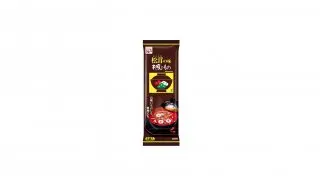
Nagatanien Matsutake Mushroom Clear Soup
Since 1964, this clear osuimono soup has maintained its rank as a best-seller. As one of the soups in Japanese cuisine, this osuimono can be prepared by just pouring hot water over it.
Nagatanien Matsutake Mushroom Clear Soup is a convenient soup to keep at the office. Just add hot water, and you can quickly enjoy a piping-hot bowl of soup. The broth is light and flavorful, with a subtle matsutake aroma and the mellow taste unique to Japanese dashi. It goes well with a bento and is recommended for anyone who enjoys soup.