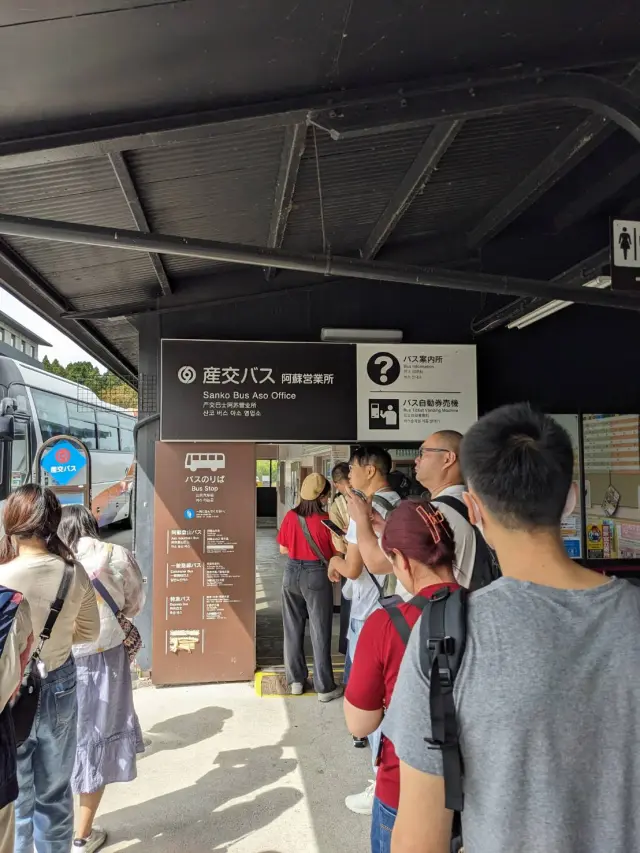
For independent travelers, taking the Aso sightseeing bus not only eliminates the hassle of driving on mountain roads and making transfers, but also provides a smooth connection along the main route between JR Aso Station and the mountaintop. The itinerary covers spectacular sights such as the smoke-shrouded Nakadake Crater of Mount Aso, the lush grasslands of Kusasenri, and Shirakawa Falls. You can take in the magnificent scenery right from the bus and experience the beauty of Aso in depth in the easiest and most comfortable way.
Shirakawa Suigen | Review by Linda Liao
Other Reviews by Linda Liao
-
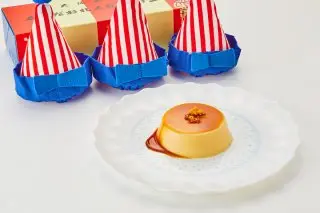
Kuidaore Taro Pudding
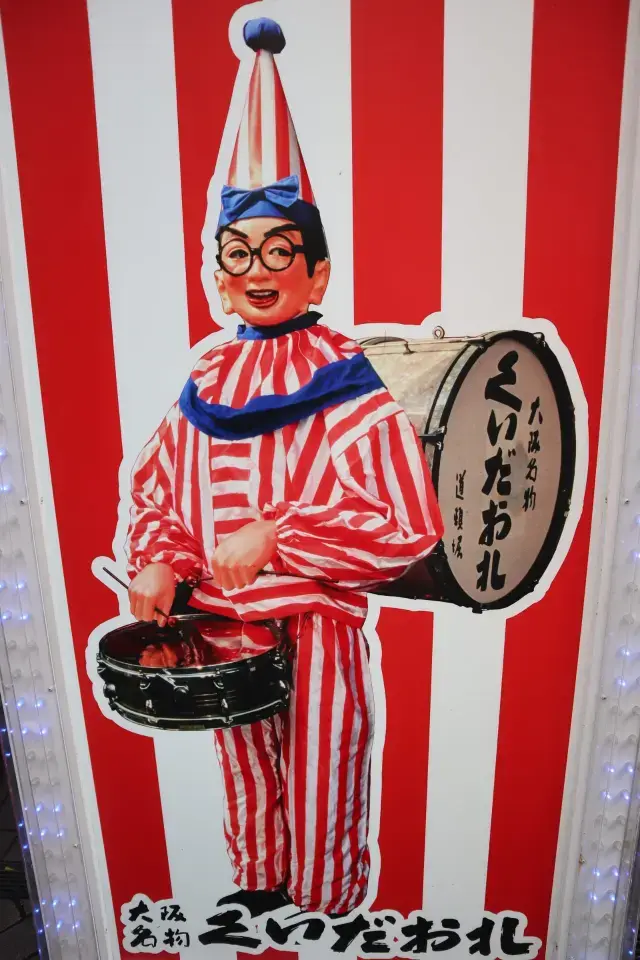
The character "Kuidaore Taro" first appeared in 1950 as the signature doll of "Osaka Meibutsu Kuidaore," a restaurant that used to be located in Dotonbori, Osaka's busiest shopping district. After the restaurant closed, he is still charming in front of the amusement building "Nakaza Cui-daore Bldg." in Dotonbori.
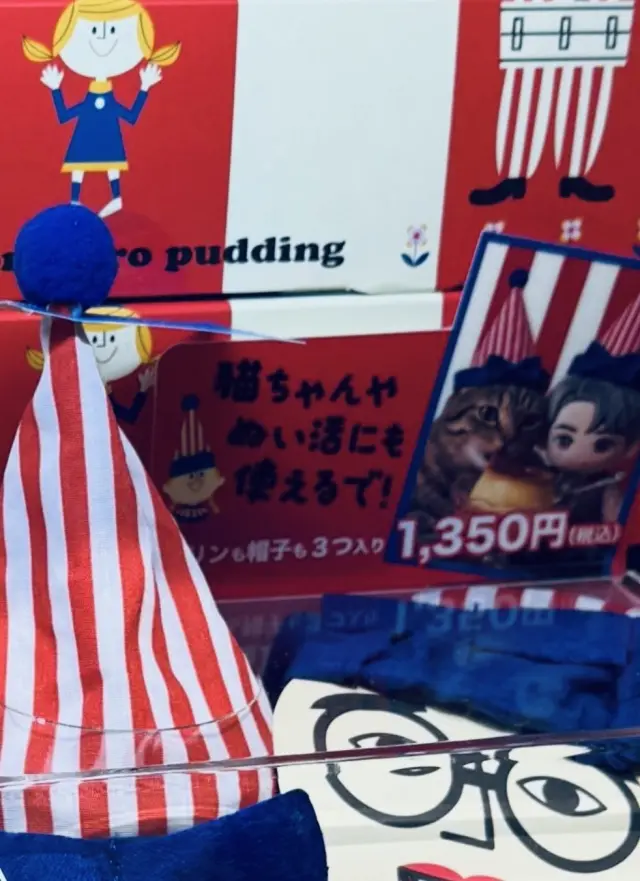
The Osaka specialty “Kuidaore Taro Pudding” is fun just to look at~ Inspired by Kuidaore Taro, the famous mascot of Dotonbori in Osaka, the pudding comes in an adorable bottle that you can keep as a little collectible after finishing it. The pudding has a smooth, delicate texture, and the caramel sauce adds a sweet, fragrant flavor. It tastes rich without being overly heavy. The cute design also makes it a fun gift.
-
-
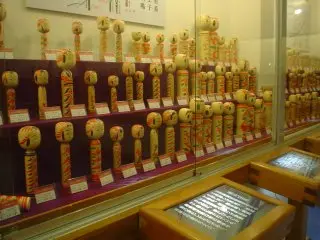
Japan Kokeshi Museum
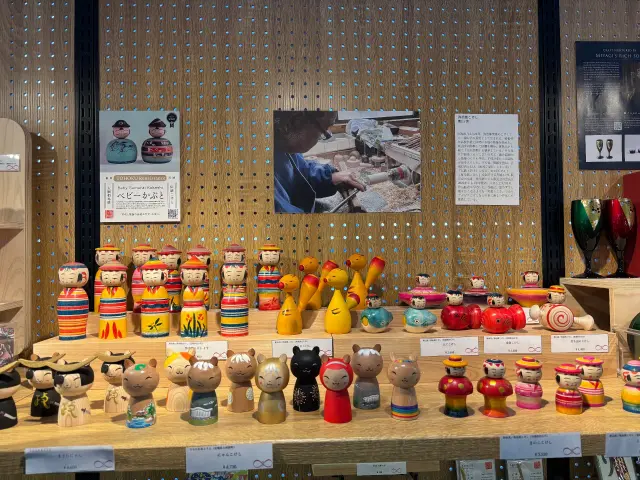
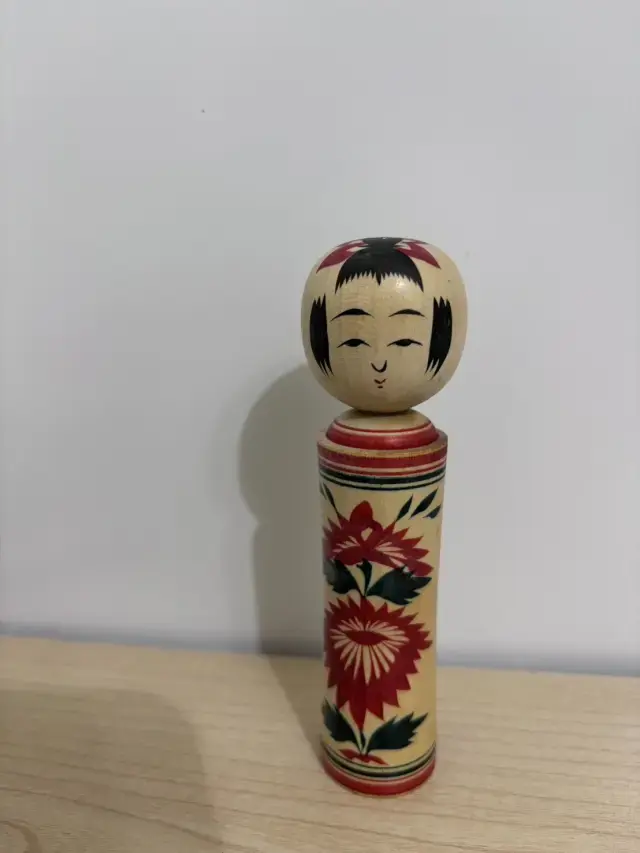
The museum opened in Naruko Onsen, known as the oldest production area for kokeshi dolls, sparked by the dedication of kokeshi dolls from artisans across Japan and the donation of a collection by poet and children’s story writer Kaname Fukasawa. Naruko kokeshi have been loved as children’s toys since Approx. 200 years ago, and later developed into souvenirs as well as hobbies and display pieces for adults.
After visiting Naruko Onsen, it’s hard not to be drawn to the adorable kokeshi dolls. It wasn’t until I watched an artisan make one in person that I realized how much meticulous work goes into what looks like a simple wooden doll. From carving and sanding the wood to painting the facial expression and body patterns, every step requires years of practice. The thickness of the lines and the proportions of the designs especially test the artisan’s touch and experience. Each piece has the artisan’s own style and is truly one of a kind. I hope more young people will learn this precious traditional Japanese craft so that the art of making kokeshi can continue to be passed down.
-
-
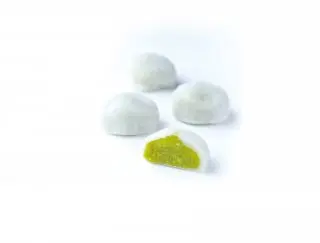
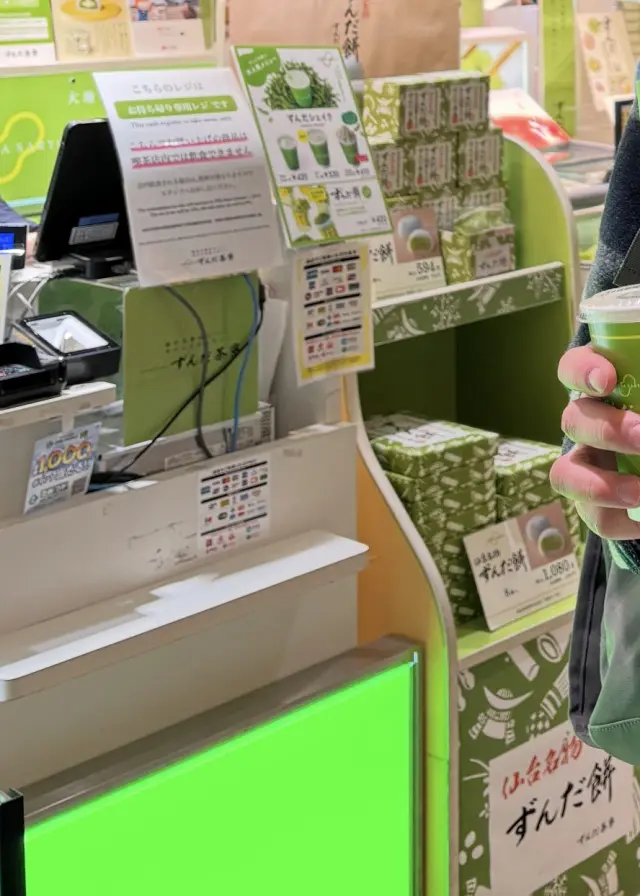
Sendai Bite-sized Zunda Mochi
Zunda mochi, a traditional sweet made from mochi coated with sweetened mashed edamame, is a beloved Sendai specialty alongside sasakamaboko and grilled beef tongue.
When visiting Sendai, don’t miss the local edamame-themed sweets! Many shops sell edamame mochi as souvenirs, with sweet, smooth edamame filling wrapped in chewy mochi. They’re bite-sized, making them easy to enjoy without feeling too heavy. The small, individually wrapped packages also make it perfect to buy a few boxes and share with friends.
-