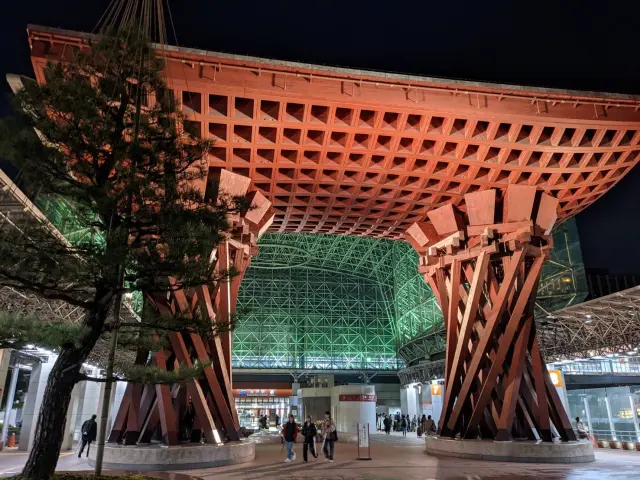
The moment I walked out of Kanazawa Station, I was immediately struck by the magnificent Tsuzumi-mon Gate! The enormous wooden pillars paired with the transparent glass Motenashi Dome make it instantly recognizable, and it has become Kanazawa’s most iconic city landmark. The gate stands 13.7 meters tall and was inspired by the drums used in Kanazawa’s traditional Noh theater. Its two massive wooden pillars use modern construction techniques, combining traditional charm with a contemporary feel. The Motenashi Dome above was designed around the idea of “holding up an umbrella for travelers,” reflecting Kanazawa’s rainy and snowy climate. On my first visit to Kanazawa, the station itself already made a lasting impression, so it’s no wonder it was selected as one of the world’s most beautiful train stations.
JR Kanazawa Station | Review by Linda Liao
Other Reviews by Linda Liao
-
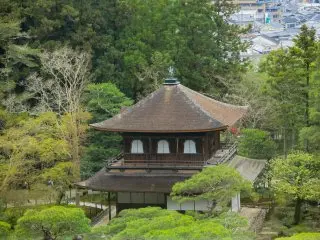
Ginkaku-ji
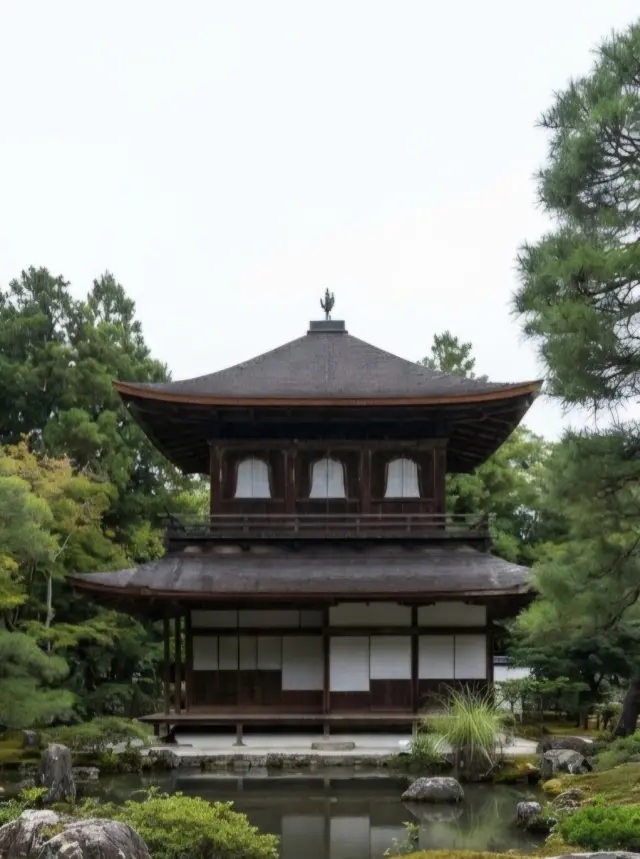
This temple was built by Ashikaga Yoshimasa, the eighth shogun of the Muromachi Shogunate, as a villa called "Higashiyama-den". Along with Kinkakuji Temple, this temple is a pagoda temple outside of Shokokuji Temple (i.e., a hermitage built in a different location from the main temple after his retirement). After Yoshimasa's death, the temple was named Jishoji after his Buddhist name.
Compared with the dazzling golden exterior of Kinkaku-ji, Ginkaku-ji is not actually covered in silver leaf. Its understated, elegant wooden architecture gives a stronger sense of the Japanese beauty of wabi-sabi. The Ginshadan sand garden and Kogetsudai platform are also quite distinctive, creating a quiet and serene atmosphere alongside the scenery of the four seasons. If Kinkaku-ji represents splendor, Ginkaku-ji showcases another side of Kyoto’s aesthetic—simple and understated.
-
-
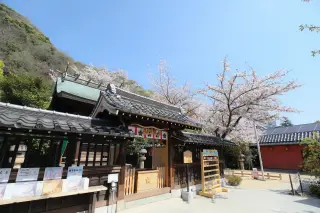
Kitano Tenman Shrine
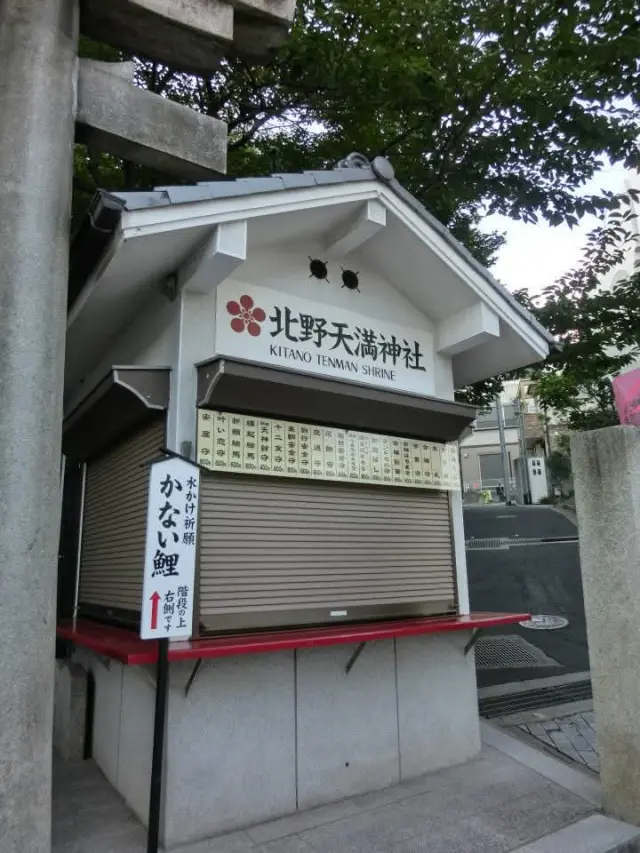
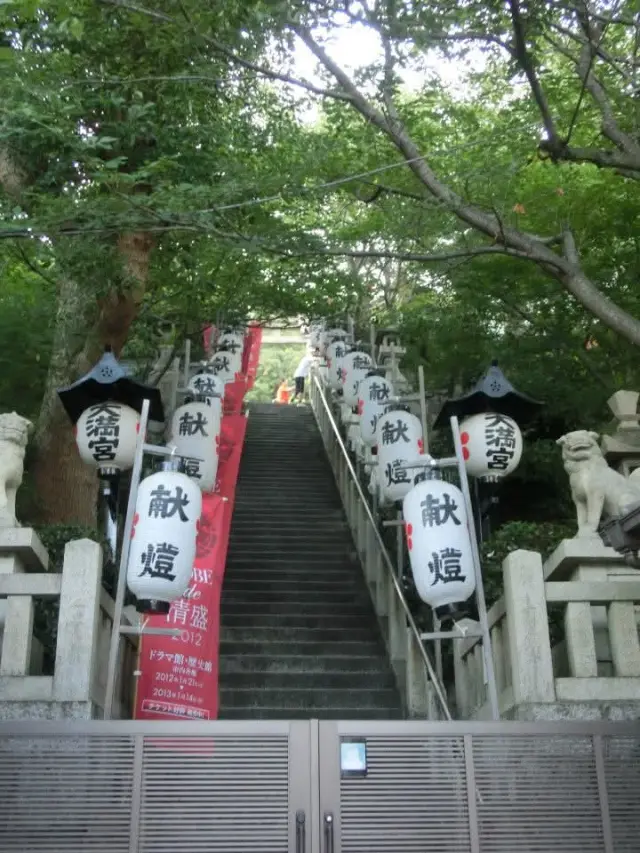
A Tenmangu shrine standing on the hill along Kitanozaka, striking for its vermilion-lacquered shrine buildings. It is said to have been founded in 1180, in the late Heian period, when Taira no Kiyomori invited the spirit of Kyoto’s Kitano Tenmangu during the relocation of the capital to Fukuhara. Enshrining Sugawara no Michizane, known as the god of learning, it draws worshippers throughout the year praying for success in entrance exams and certification tests.
Kitano Tenman Shrine, located near Kobe’s Kitano Ijinkan district, sits on a hillside and is dedicated to Sugawara no Michizane, the god of learning. Climb the stone steps for a wide-open view overlooking Kobe and its cityscape. Although the shrine is not large, its vermilion torii gate and traditional shrine buildings have a distinctly Japanese atmosphere, creating an interesting contrast with the Western-style residences in the surrounding area. It’s worth stopping by while visiting the Ijinkan district.
-
-

Kuroyuri
Founded in 1953, Kuroyuri is a long-established eatery where you can enjoy Kanazawa-style oden, Kaga regional cuisine, and local sake. It is conveniently located inside Kanazawa Hyakubangai Anto, directly connected to Kanazawa Station.
Kuroyuri is a famous oden restaurant in Kanazawa, and as an oden fan, of course I had to make a pilgrimage here. The restaurant has a cozy atmosphere. I ordered my favorite basics, including daikon and tofu, and everything was thoroughly soaked in the broth and warm and comforting. They also have hanpen, which is relatively uncommon in Taiwan. It’s a white, fluffy, soft fish paste product that becomes light yet springy when cooked, making it something of a rare find in Taiwan.
-