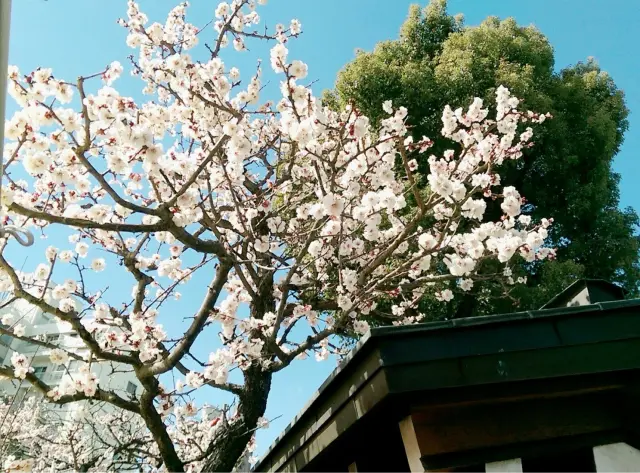
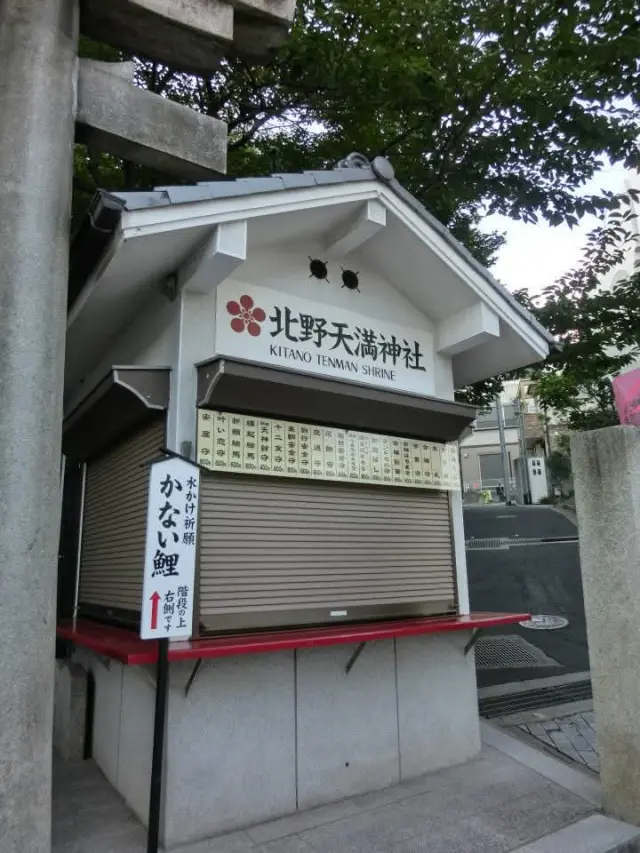
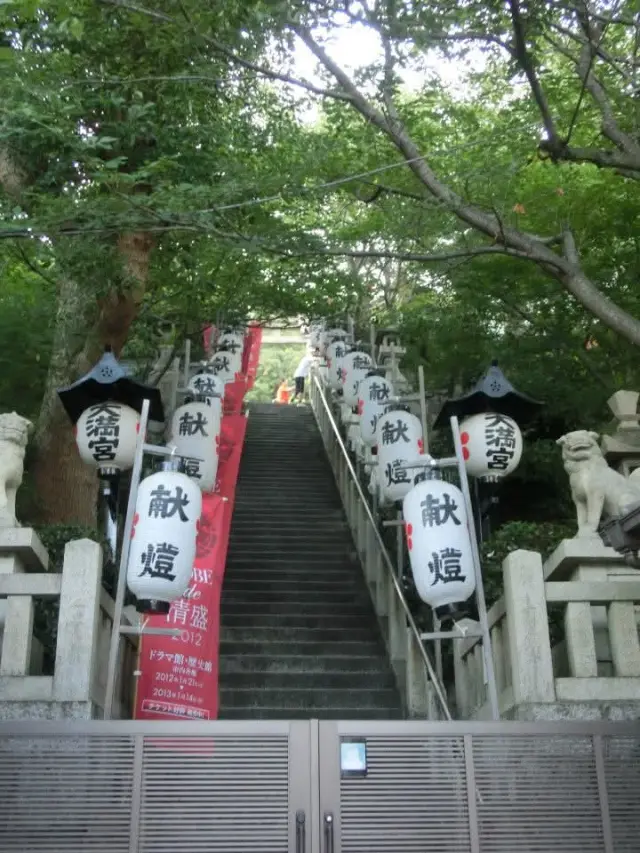
Kitano Tenman Shrine, located near Kobe’s Kitano Ijinkan district, sits on a hillside and is dedicated to Sugawara no Michizane, the god of learning. Climb the stone steps for a wide-open view overlooking Kobe and its cityscape. Although the shrine is not large, its vermilion torii gate and traditional shrine buildings have a distinctly Japanese atmosphere, creating an interesting contrast with the Western-style residences in the surrounding area. It’s worth stopping by while visiting the Ijinkan district.
Kitano Tenman Shrine | Review by Linda Liao
Other Reviews by Linda Liao
-
Dazaifu Tenmangu Shrine
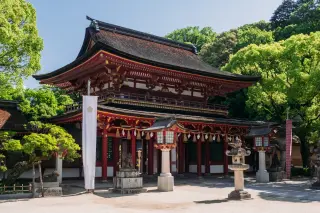
Dazaifu Tenmangu is the head shrine of 10,000 different shrines across Japan dedicated to the spirit of Sugawara Michizane. Sugawara was an acclaimed scholar who was deemed innocent posthumously after being exiled to Dazaifu by Kyoto’s Imperial Court. The main hall was built over his grave and has been preserved as a sacred site of Tenjin worship for over 1100 years.
太宰府天滿宮供奉學問之神菅原道真,是福岡相當具代表性的神社,也是許多人祈求學業與考試順利的熱門能量景點。早春來訪時,境內梅花陸續綻放,花朵小巧秀氣,與櫻花有著截然不同的風采。參拜之後沿著熱鬧的表參道散步,買上一個香甜可口的梅枝餅,一邊品嚐一邊逛街,步調悠閒又愜意,很適合安排半日慢慢感受太宰府的氛圍。
-
-

Uncle Rikuro’s Freshly Baked Cheesecake
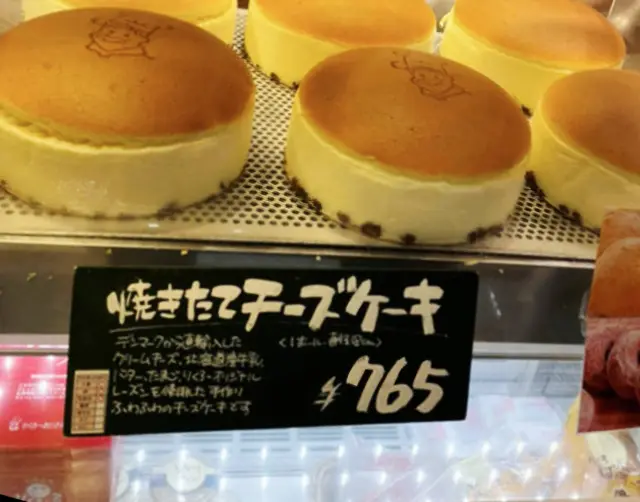
Uncle Rikurou's freshly baked cheesecake" has been famous in the local market since 1984 for its fluffy texture and delicious taste. Since then, its reputation has spread nationwide, and it is now known as Osaka's famous confectionery.
When I passed by the Namba main store, I saw the long line outside, and my curiosity was immediately piqued. I couldn't resist joining the line and buying one to try. The freshly baked cheesecake was piping hot, with a milky aroma rising with the steam that made my mouth water. The cutest part was when the staff stamped the shop's signature “りくろーおじさん” branding onto the surface of the cake. Such an adorable little detail. The cake looked quite substantial, but it was surprisingly light, fluffy, and soft. Shared among two or three people, it was gone in no time. It definitely lived up to the long line.
-
-

Himeji Castle
This castle is a World Heritage Site and a Japanese castle masterpiece. The main keep, built by Ikeda Terumasa in the early Edo period, has a five-story exterior, one basement level, and six stories above ground on the inside, making it the largest Edo period castle tower still standing.
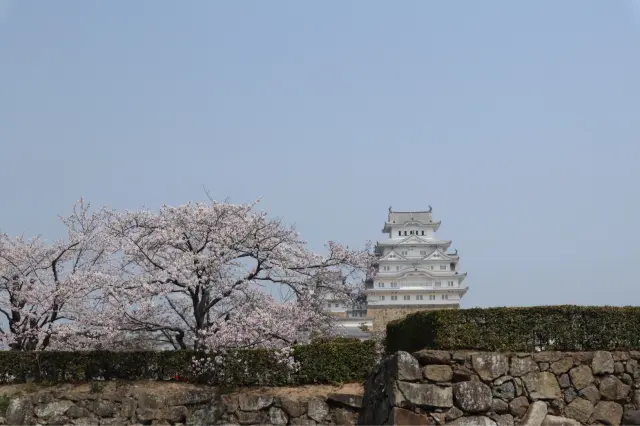
Himeji Castle is known as the “White Heron Castle” because of its white walls and elegant appearance, and it is one of the most iconic surviving castles in Japan. It is not only designated as a National Treasure of Japan, but was also one of the first Japanese castles to be listed as a UNESCO World Heritage Site, giving it an important place in the history of Japanese castles. Walking through the castle, the layers of stone walls, winding passageways, and well-preserved wooden structures make it easier to imagine its defensive design in the past. Admiring the white main keep from a distance, you can really feel the elegant grandeur it has retained over the years.
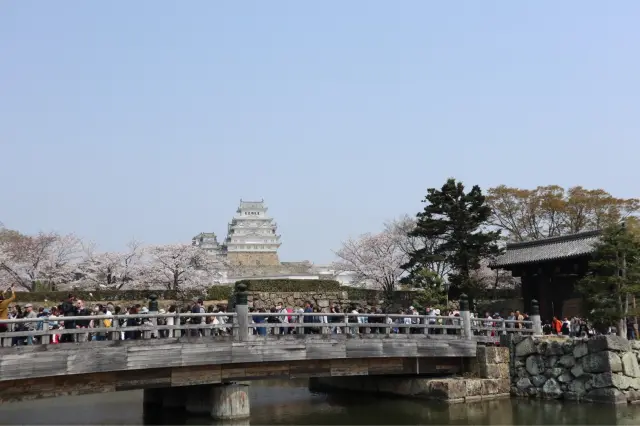
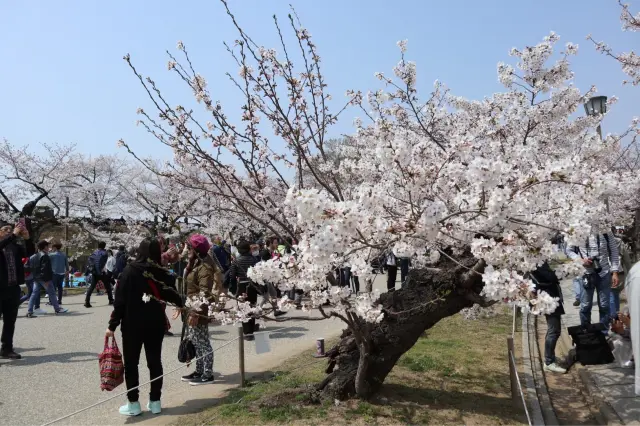
Especially when cherry blossom season arrives in spring, it feels as though everyone has planned to meet up and flock to Himeji Castle to see the flowers. From far away, you can see the bridge packed with people, all joining in the festivities. It is such a lively scene. The cherry blossoms throughout the grounds are in full bloom, and the pale pink blossoms paired with elegant Himeji Castle create an unforgettable view!
-