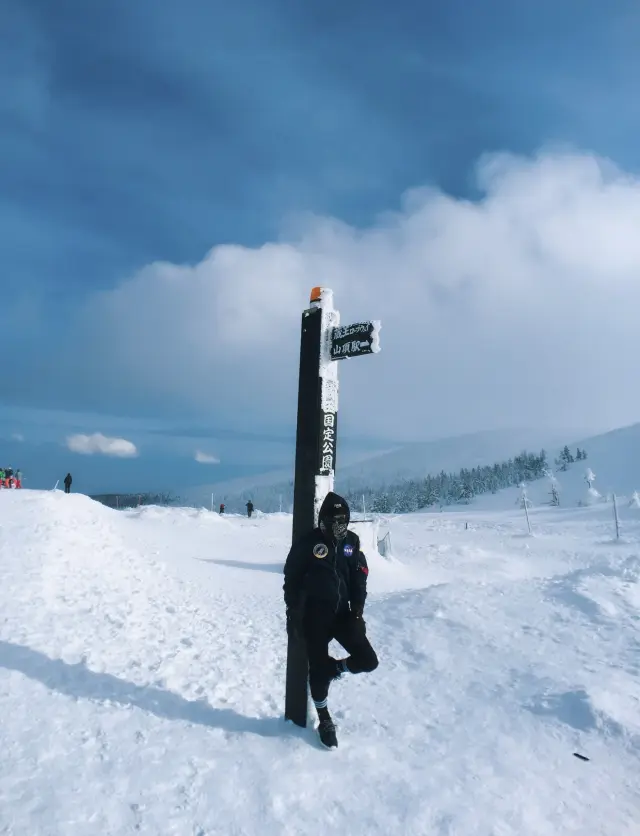
The moment I reached the summit of Mount Zao, it felt as if I had fallen straight into a gigantic white kingdom of snow and ice several degrees below freezing. Everywhere I looked was a fantastical world completely covered in thick snow and frost. The cold air felt icy as I breathed it into my lungs, but the incredibly spectacular sight before me was exciting enough to make me completely forget the cold.
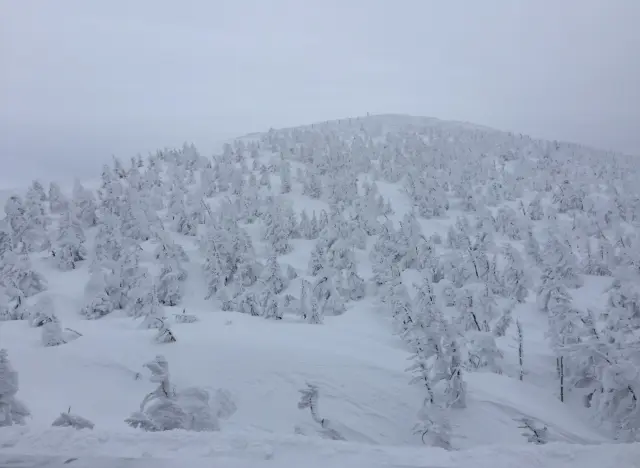
I struck a cool pose for a photo beside the sign, with a brilliant blue sky and wildly drifting white clouds behind me. In the distance, the rolling mountain ranges were all dressed in thick white coats of snow, making the whole scene look unbelievably cool. The most famous sights here are Zao's juhyo, the strangely shaped snow monsters. The entire mountainside is densely covered with fir trees that have been completely transformed by snow and ice. From a distance, they look like countless gigantic white monsters standing silently in the snow. This extraordinary sight carved by the incredible power of nature is something you have to see with your own eyes to understand just how breathtaking it is.
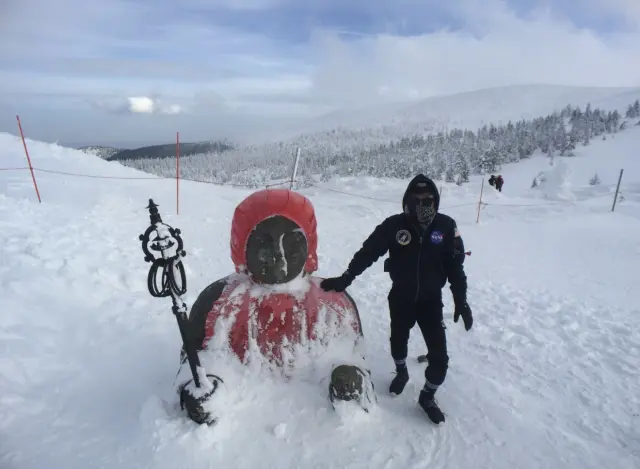
As I trudged through the deep snow, I also happened upon the Zao Jizo statue, dressed in red, wearing a traditional straw hat, and holding a staff, though it was almost buried in the heavy snow. Seeing only half of its body exposed as it stood in the swirling snow was both sacred and a little amusing. Taking a photo beside it gave me a wonderfully exhilarating feeling of being on an adventure through nature's snowy landscape.
As the sunlight streamed down from high above, the snow and ice-covered trees reflected a dazzling silvery-white glow, making the entire mountaintop sparkle like a dream. Exploring this snowy alpine wilderness and witnessing the spectacular giant juhyo with my own eyes was definitely the most thrilling and unforgettable grand finale to a winter trip!
Juhyo (Rime) in Zao (Yamagata Prefecture) | Review by Jk
Other Reviews by Jk
-

Nakadake Crater, Mount Aso (Currently Closed)
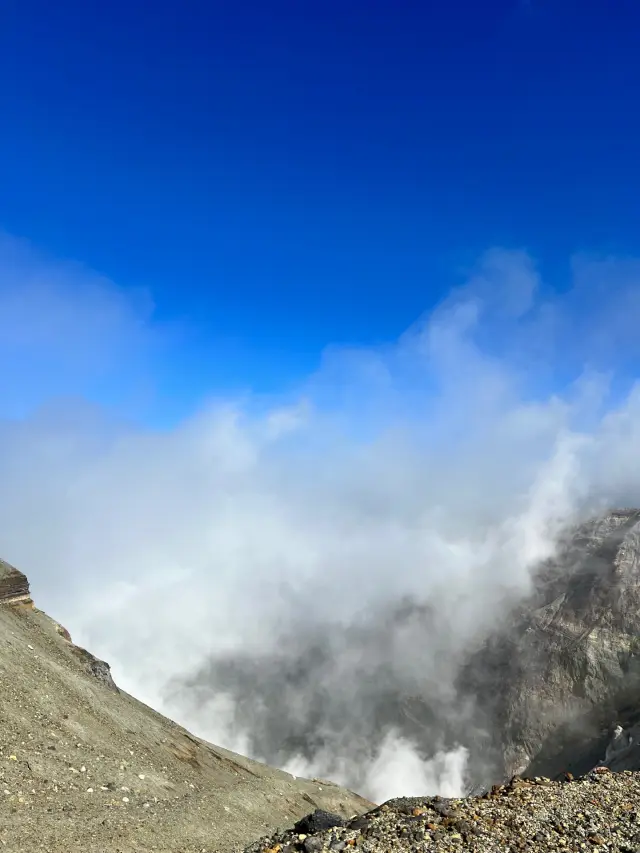
Nakadake, a 1,506-meter peak in the center of Mount Aso, is still volcanically active, offering close-up views of smoke billowing vigorously from its crater. Of Nakadake’s seven adjoining craters, Crater No. 1 is currently active and visible, and visitors can approach the edge of this massive crater, which measures approximately 4 km in circumference. When the volcanic gases clear, an emerald-green crater lake can sometimes be seen at the bottom. Its highly acidic water reaches temperatures of 50-60°C.
At the summit of Mount Aso in Kumamoto, standing by the railing at Nakadake Crater and looking down, the overwhelming feeling of coming face-to-face with the heart of the Earth will seriously leave you speechless! This is one of the few active craters in the world where you can get this close, look directly into it, and see it continuously spewing smoke. Inside the enormous, deep crater is a surreal emerald-green volcanic lake, with thick white sulfurous smoke constantly billowing from its surface. All around it are barren, charred volcanic rock walls scorched by magma. Seeing it in person feels so unreal, like you’ve suddenly been transported to another planet! (But note that it’s currently temporarily closed. Since this is an active volcano, access may be opened or closed at any time depending on gas concentrations or the alert level, so be sure to check the latest restrictions online before you go so you don’t make a wasted trip!)
-
-
Ikukunitama Shrine (Ikutama-san)
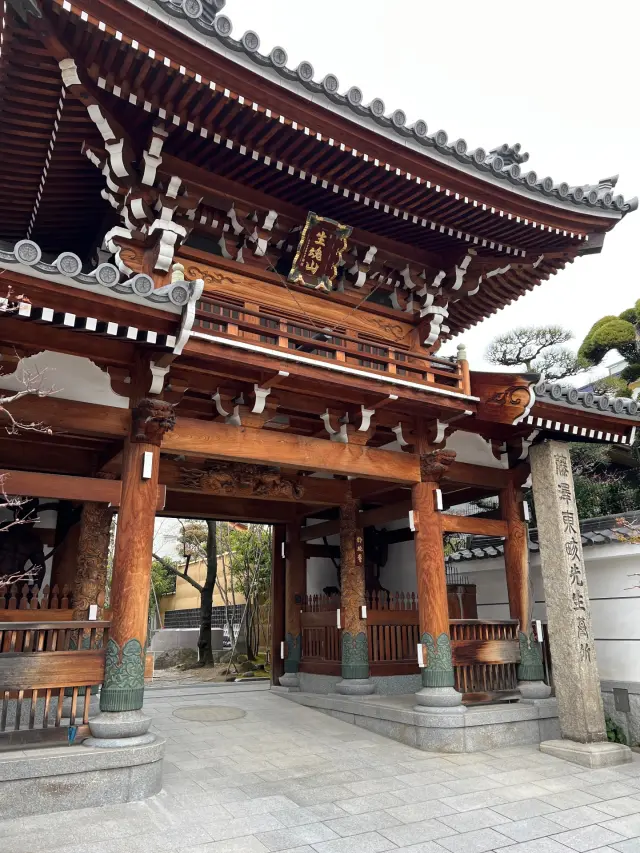
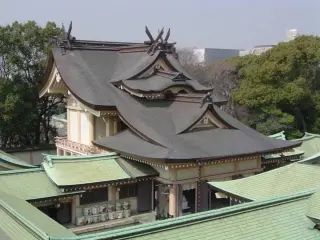
Believed to be the oldest shrine in Osaka, its origins date back to the 660s BC, when Emperor Jimmu, Japan’s first emperor, enshrined Ikushima-no-Kami and Tarushima-no-Kami at Ishiyamazaki, near present-day Osaka Castle, during his eastern expedition. The two main deities are revered for their divine blessings of creation and growth, and have long attracted deep worship as great gods embodying the very land of Japan itself.
Hidden on a hill between Tanimachi 9-chome and Tennoji in Osaka, Ikukunitama Shrine, also known as Namba Taisha, makes the traffic noise from the busy main road outside feel like it’s been instantly muted! Affectionately called “Ikutama-san” by locals, this shrine is the oldest of its kind in Osaka. It even got its start on the same hill as Osaka Castle before later moving to its current location. The moment you step onto the gravel approach surrounded by old trees, the air feels fresh and calm. The main sanctuary features the super-imposing Ikukunitama-zukuri architectural style, with an incredibly cool and powerful roofline. The shrine is said to be especially effective for protecting the land of Osaka and bringing success in business, and the grounds also hide a bunch of tiny shrines with highly specialized functions. Whether you want to pass an exam, make your entertainment debut, or cut off a bad romantic connection, they’ve got it all covered. Exploring the grounds basically feels like unlocking an ultra-powerful skill tree in the world of the gods!
-
-

Kanemori Red Brick Warehouse Hakodate History Plaza
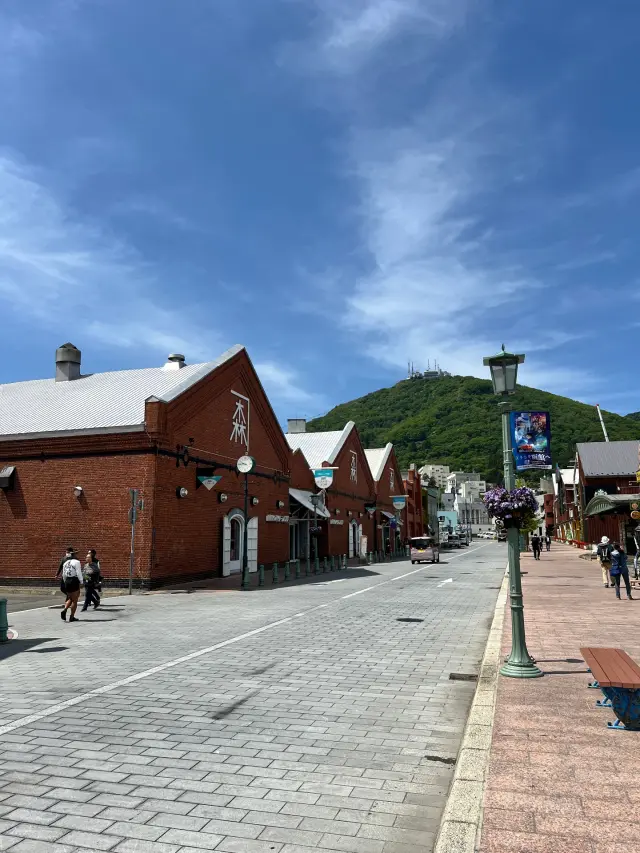
Built in 1909 (Meiji 42), the Kanemori warehouses played a major role in the development of shipping in Hakodate Port. Hakodate History Plaza is a valuable facility that preserves the building’s original character, from its beautiful English-bond red brick exterior to the cypress pillars supporting the high ceilings.
At Hakodate Port, the moment you see that whole row of huge, retro red-brick buildings facing the sea—the Kanemori Red Brick Warehouse—you’ll feel like you’ve suddenly stepped into a romantic movie set from the Meiji era! These old warehouses, originally used to store cargo by the harbor, have now been completely transformed into an easy-to-explore shopping complex and food paradise. With the red-brick walls, reflections in the canal, and Mount Hakodate in the distance, strolling along the harbor in the cool sea breeze is super chill. Just lean against any red-brick wall for a photo and it’ll look super artsy and photogenic!
-