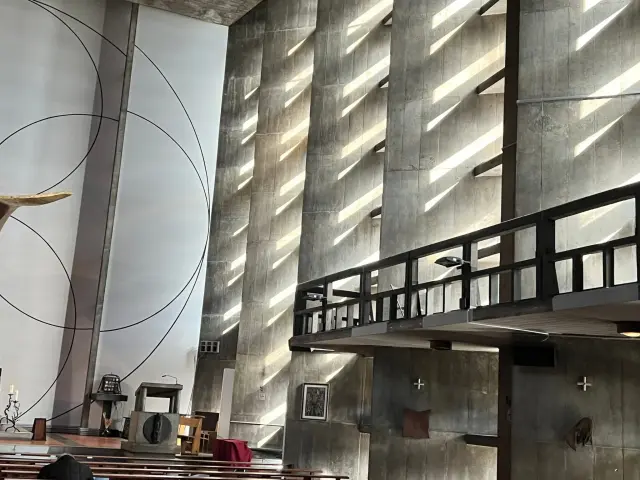
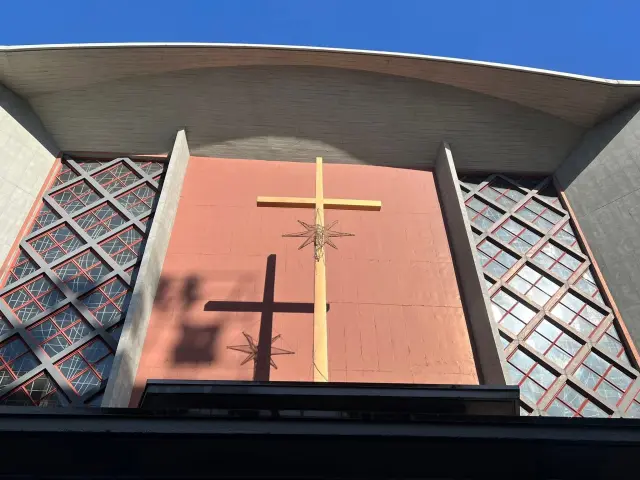
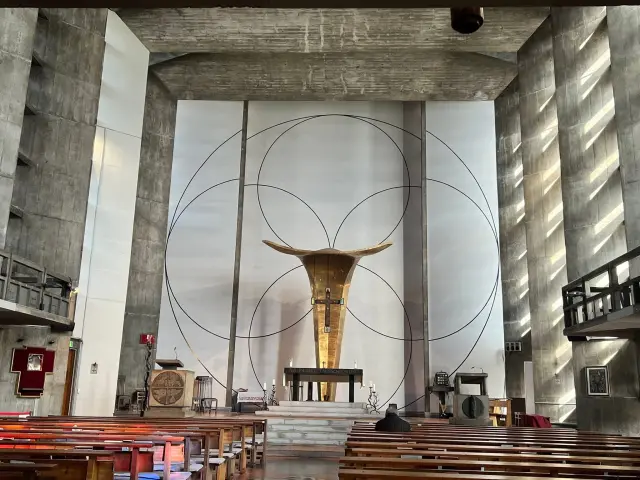
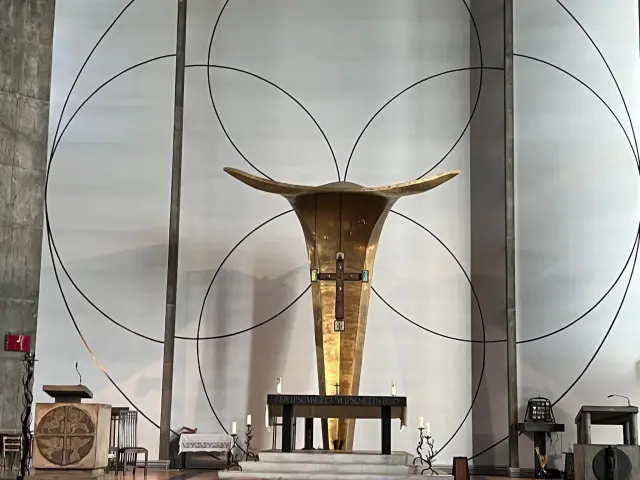
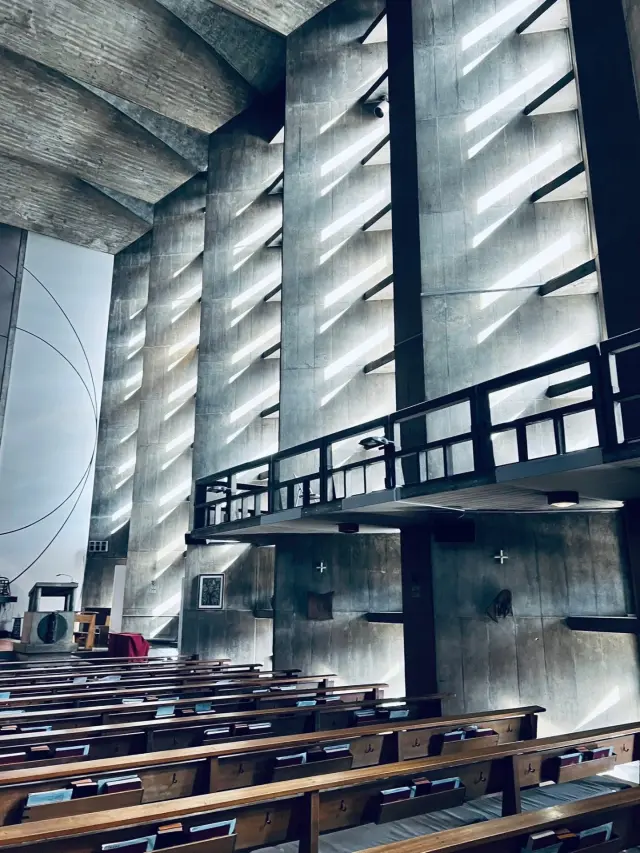
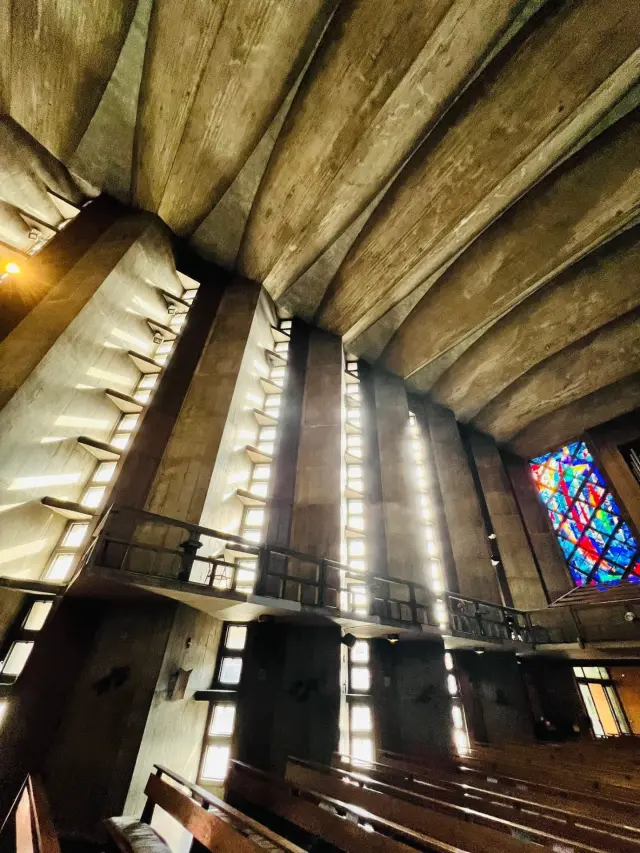
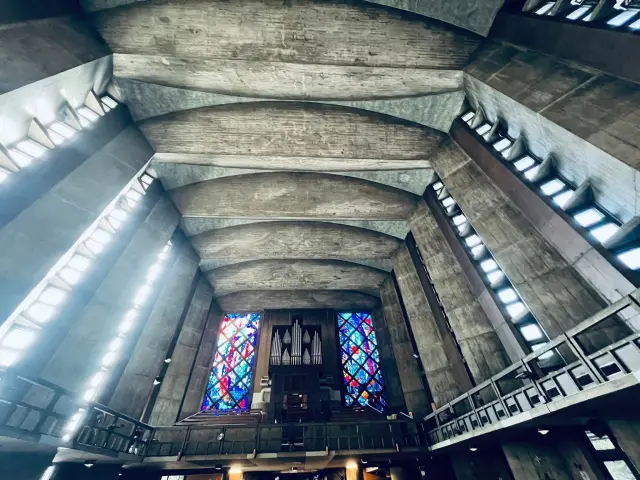
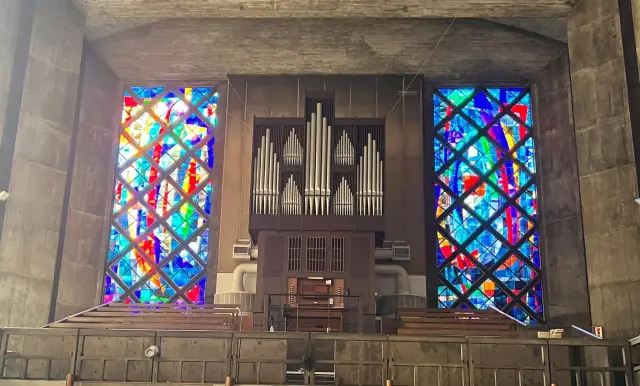
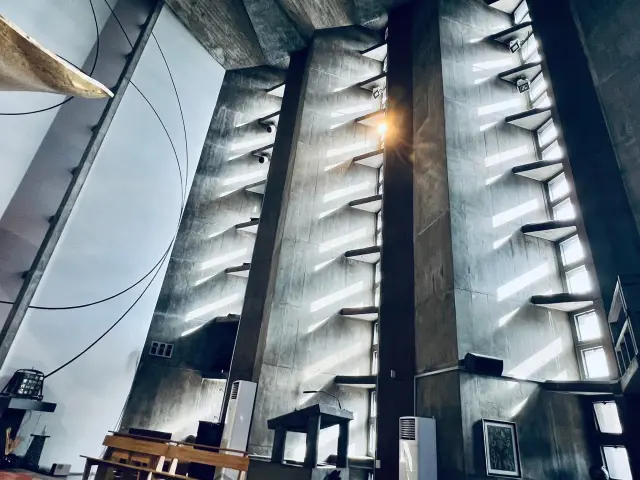
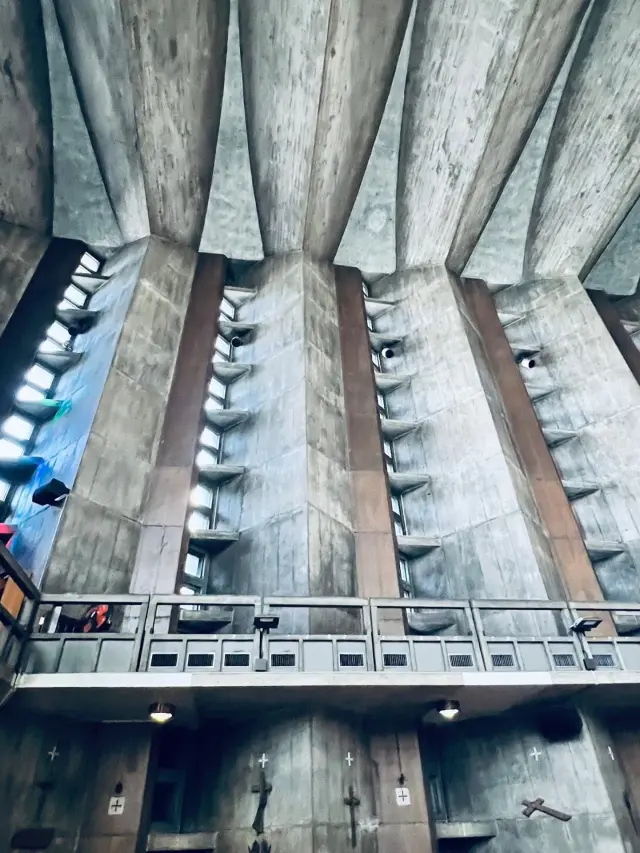
The architectural style of Meguro Catholic Church (St. Anselm's Church) is an outstanding example of postwar modernist architecture in Japan, and it was also selected as one of the “250 Selections of Modern Movement Architecture in Japan.” Its defining feature is its revolutionary use of materials and structure:
1. Folded-Plate Construction
This is the church’s most distinctive feature. Architect Antonin Raymond dispensed with traditional beams and columns, instead using nine pairs of exposed-concrete folded plates bent at 45-degree angles to support the roof and walls. This structure not only strengthens the building but also gives the interior a geometric rhythm resembling an accordion.
Meguro River | Review by Norton Liang
Other Reviews by Norton Liang
-
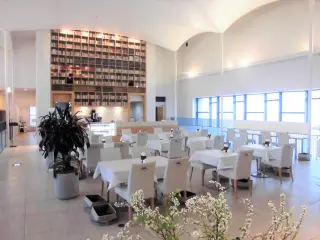
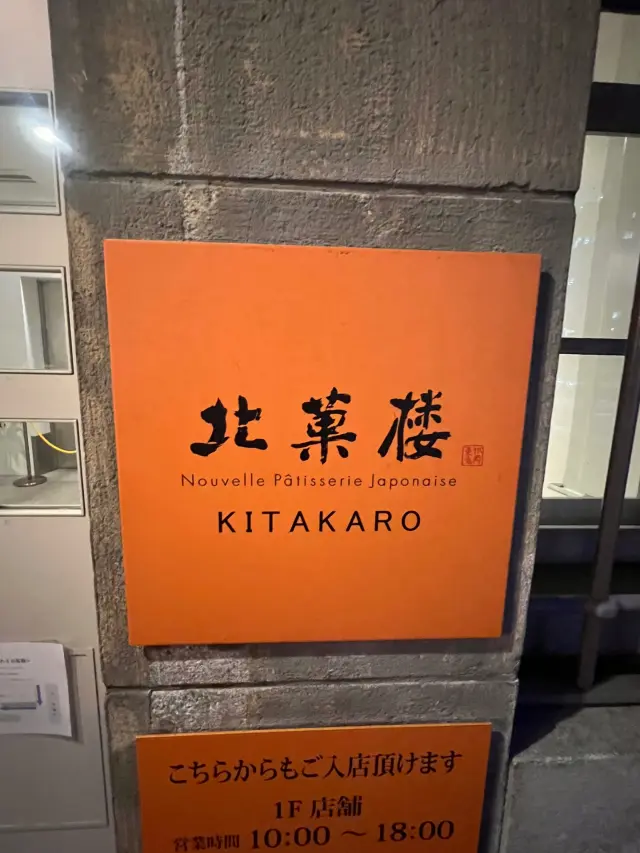
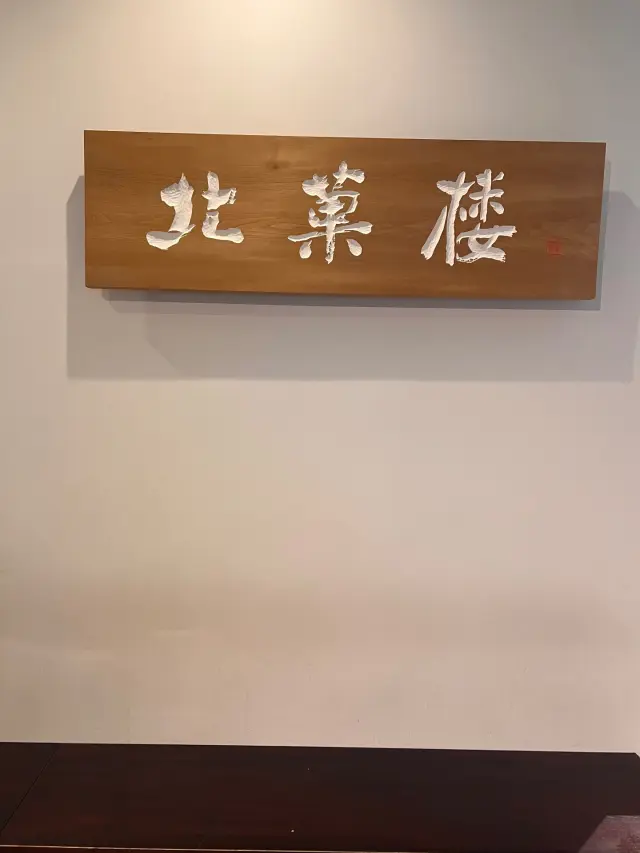
Kitakaro Sapporo Main Store
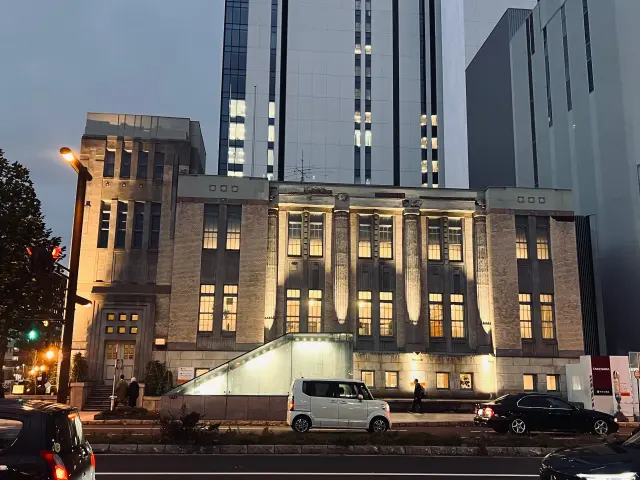
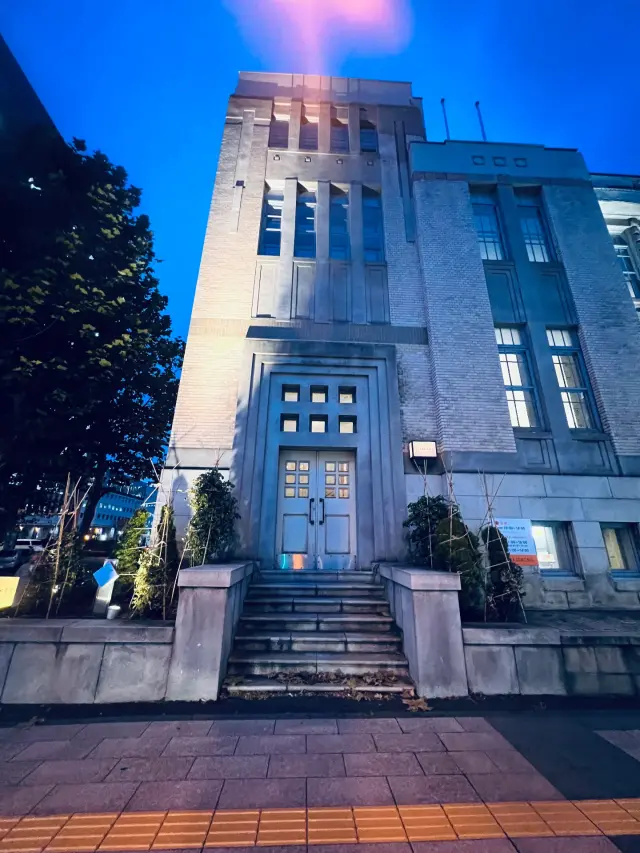
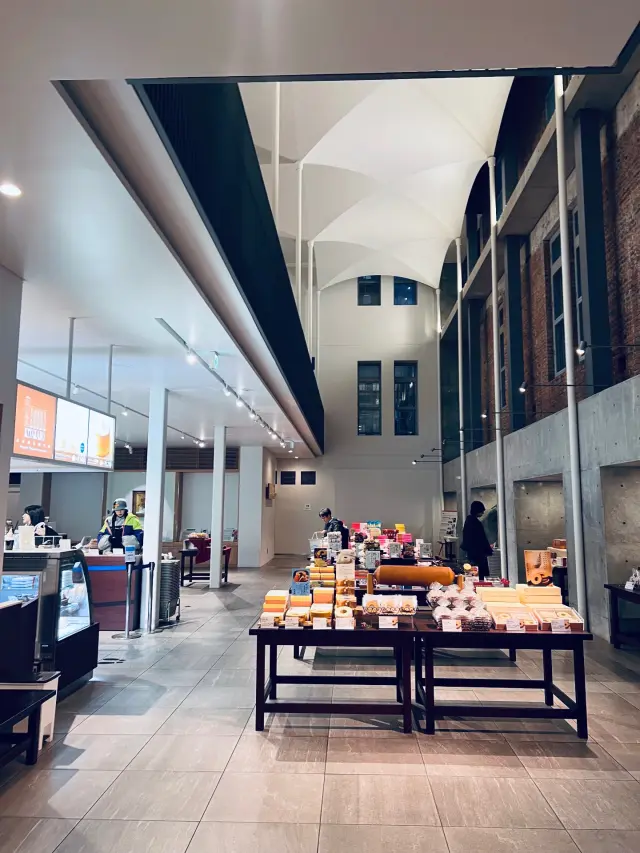
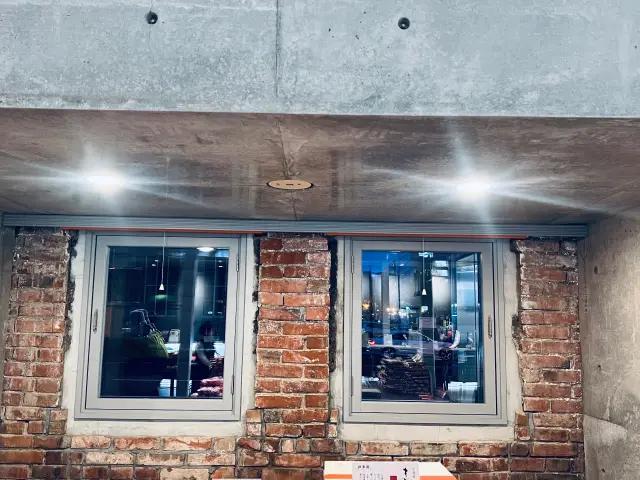
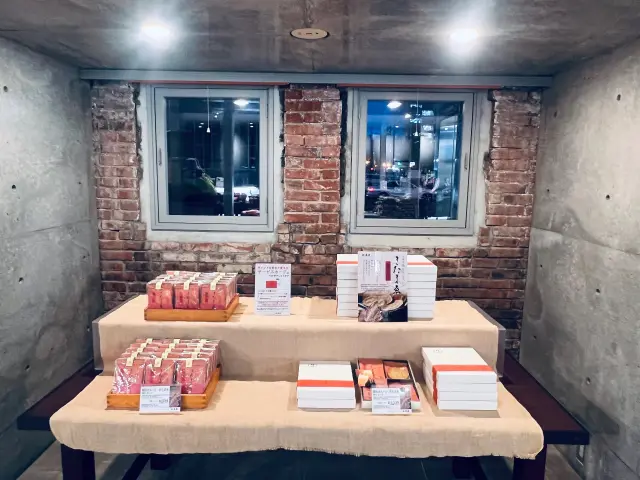
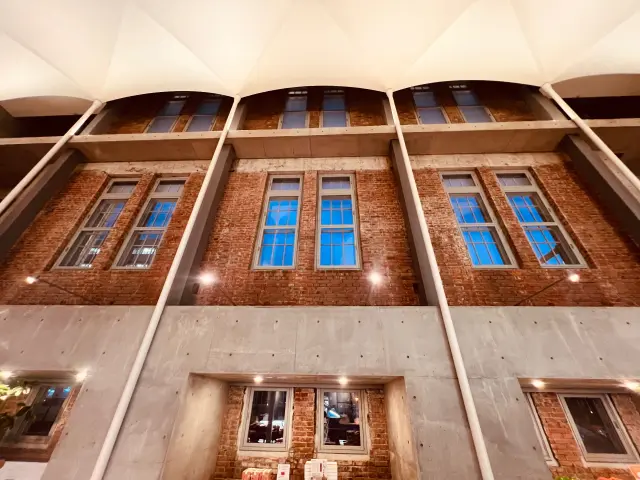
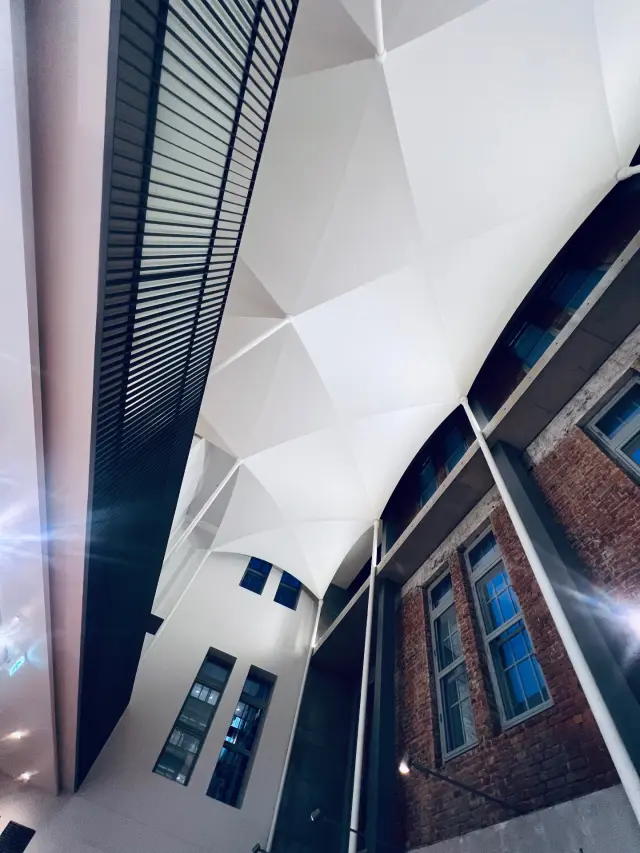
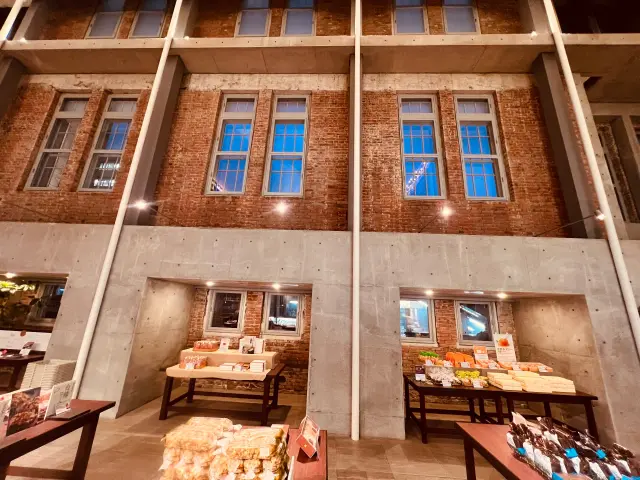
Originally built as the Hokkaido Prefectural Library, this historic Western-style building was transformed into the Kitakaro Sapporo Main Store in March 2016. The eye-catching, retro-modern architecture is designed by world-renowned architect Tadao Ando, seamlessly blending the old with the new for an exterior and interior that’s stirs with sleek elegance.
A century-old library reborn as the Kitakaro Sapporo Main Store, designed by a master architect
The dramatic exterior lighting: As shown in the photo, warm lighting shines upward from the base at night onto the historic stone columns and brick walls. It not only highlights the three-dimensional texture left by the passage of time, but also creates a strong yet harmonious contrast with the modern glass building behind it, giving the space a romantic retro atmosphere.
*The dialogue between red brick and exposed concrete on the first floor: Tadao Ando deliberately preserved the original red-brick walls and old window frames, while using his signature minimalist #清水混凝土(#清水模) in the lower section for structural reinforcement and to divide the space. The rugged warmth of the century-old red brick meets the cool, clean lines of modern exposed concrete. The old and new materials directly contrast with yet complement each other. -
-
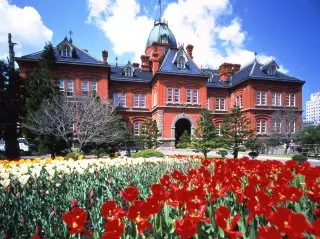
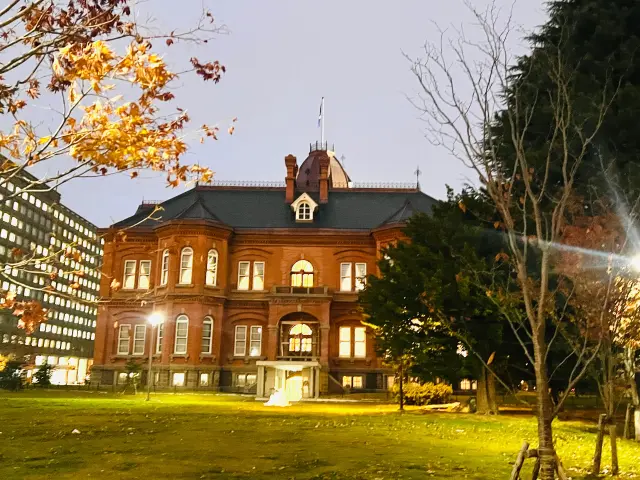
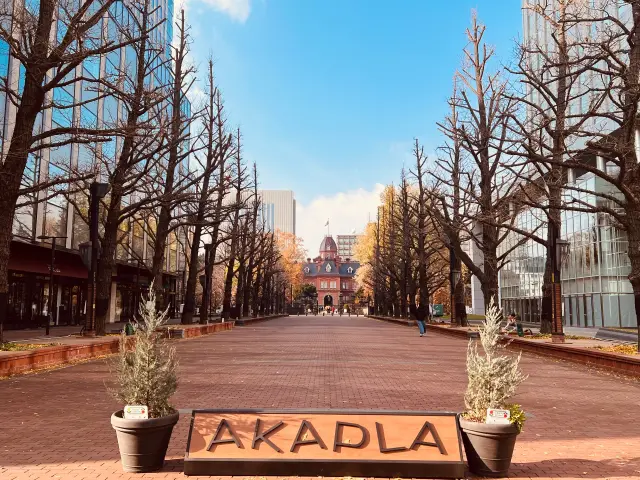
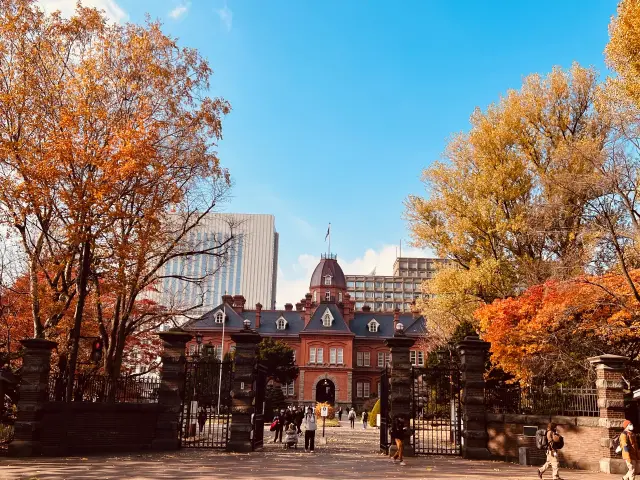
Former Hokkaido Government Office Building
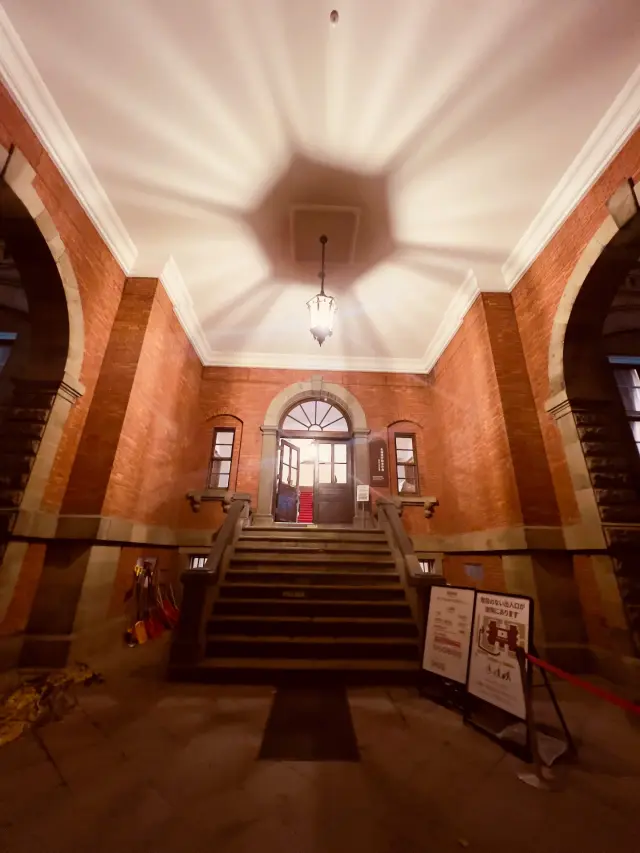
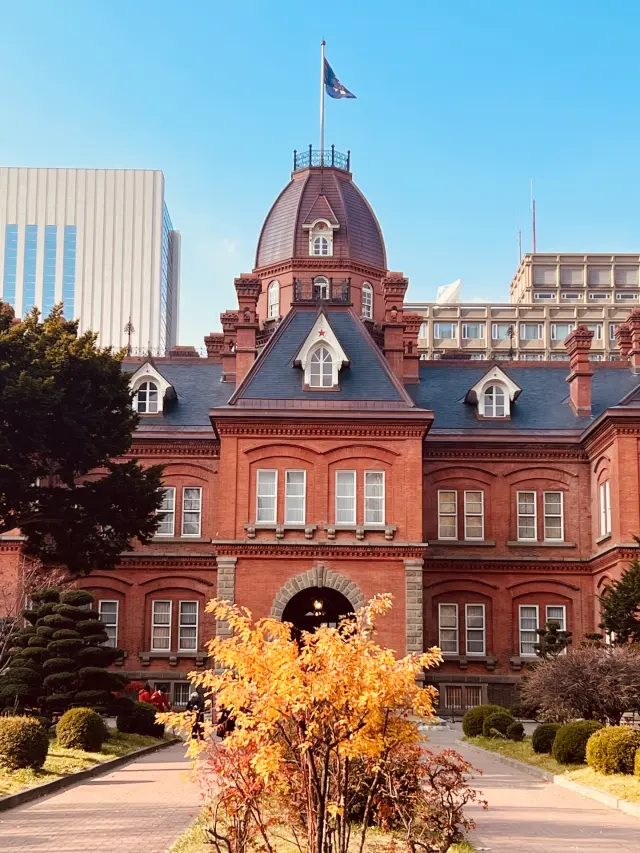
This government building served as the base and center of Hokkaido’s politics for almost 80 years until the current municipal office was built. Commonly-known as the Red Brick Building, this architecture was made of 2,500,000 bricks. The window glasses with distortion and American Neo Baroque style architecture radiate the history and nostalgia.
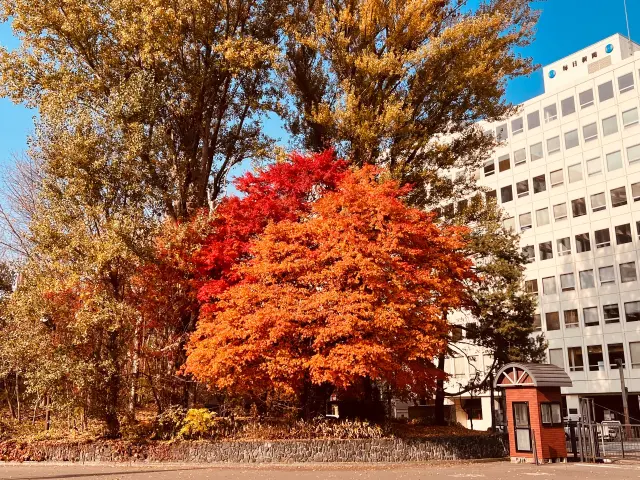
The striking octagonal tower with its green dome, and the facade where red brick contrasts with the blue sky and
red leaves, take on a uniquely peaceful atmosphere when illuminated in the evening.
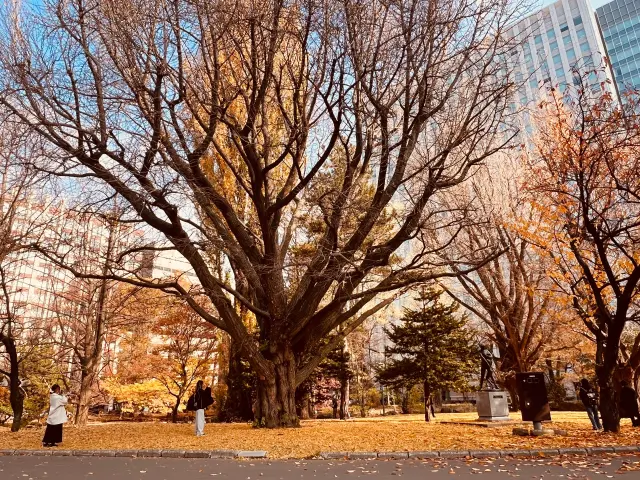
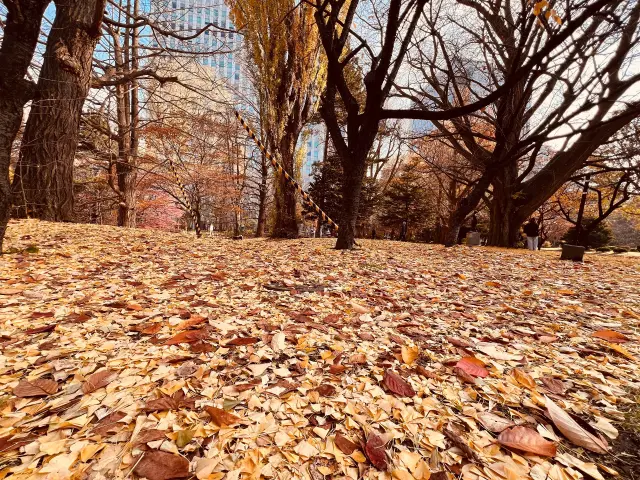
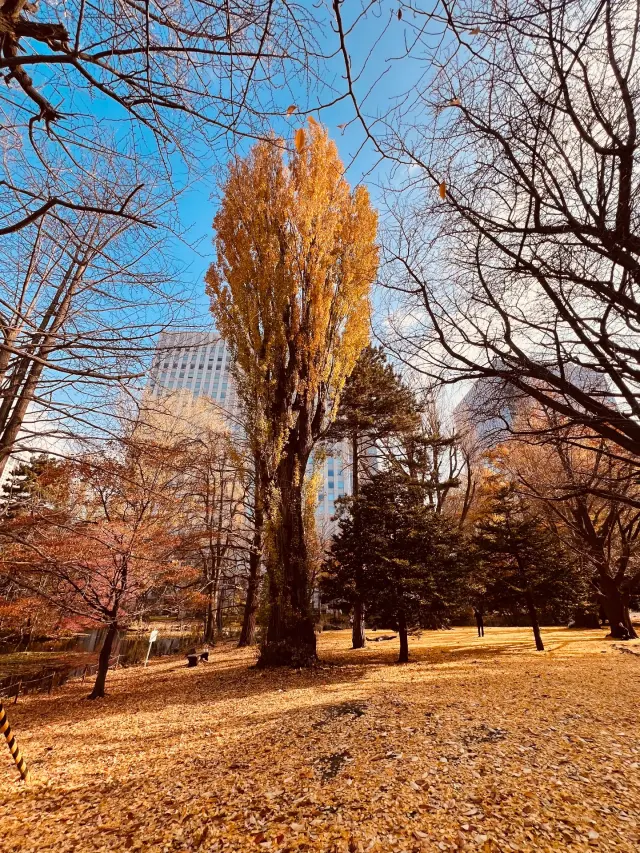
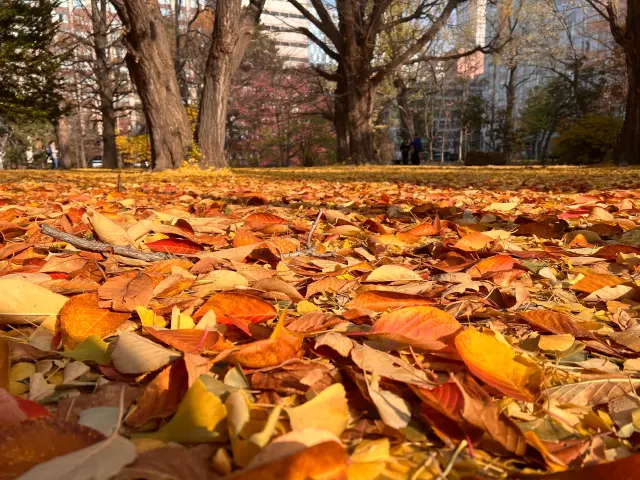
Photographing the layer of fallen leaves close to the ground clearly captures the fan-shaped ginkgo leaves and the carpet of reddish-brown and golden leaves. With high-rises and natural scenery side by side in the background, this is the distinctive autumn scenery of an “urban oasis” in central Sapporo. -
-
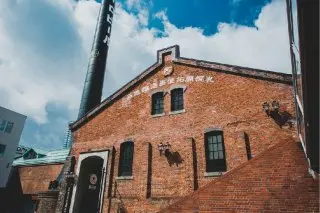
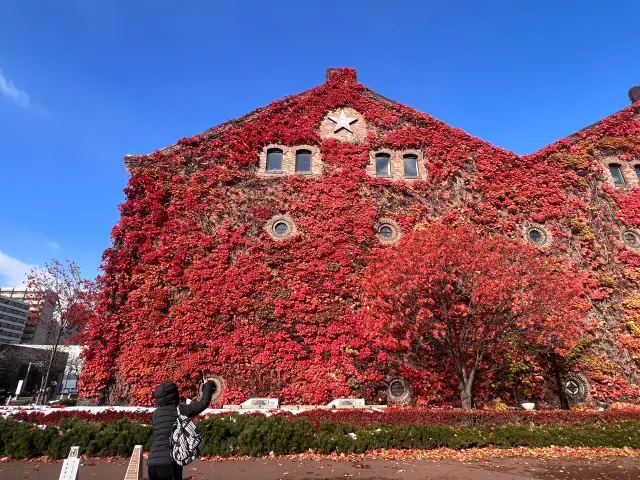
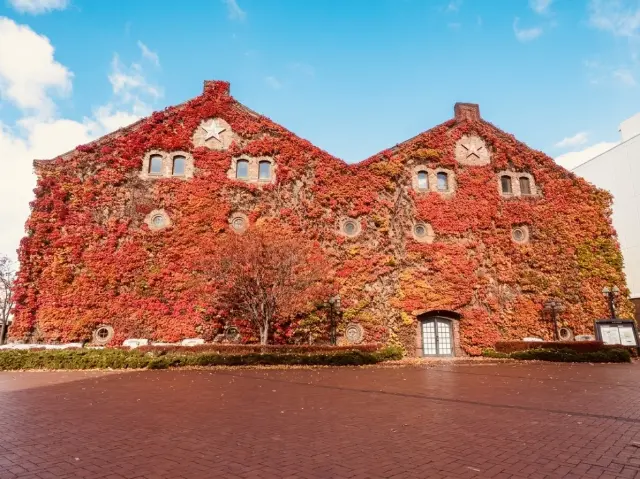
SAPPORO Factory
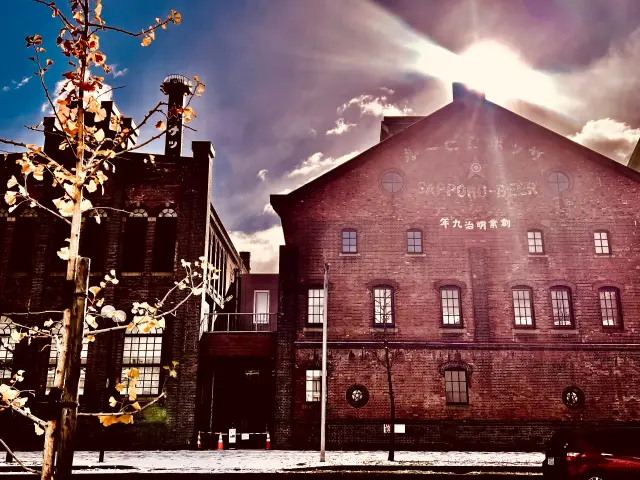
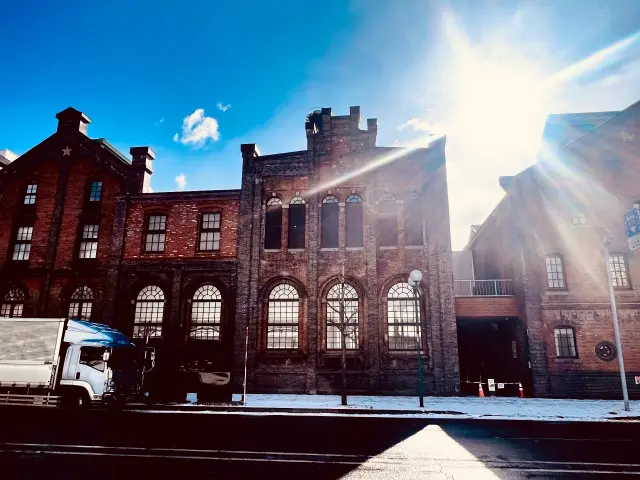
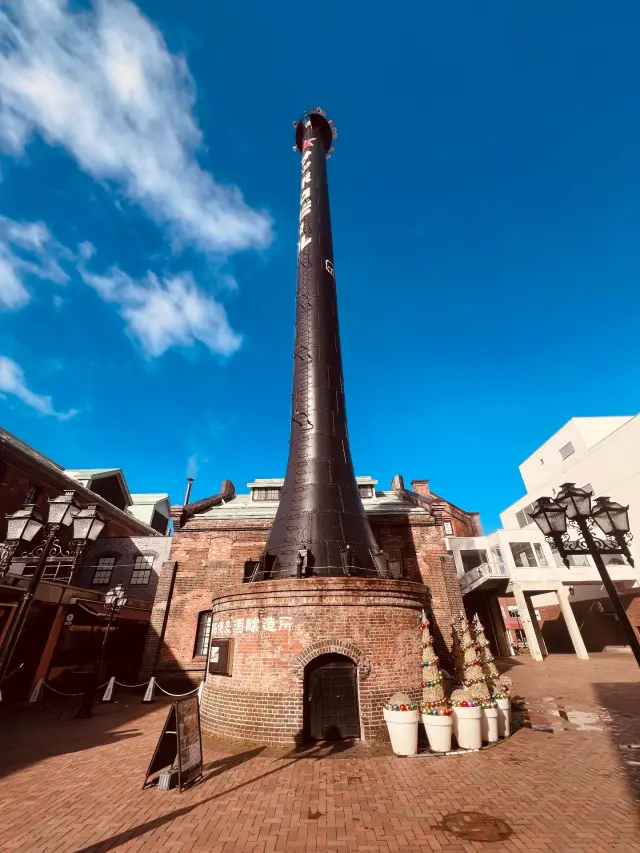
This is a large-scale commercial complex built on the site of the former Sapporo Beer Factory, which originated from the Kaitakushi Brewery built in 1876(Meiji 9).
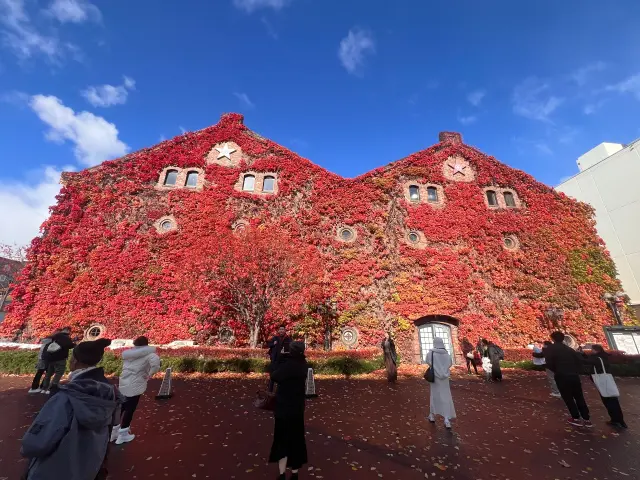
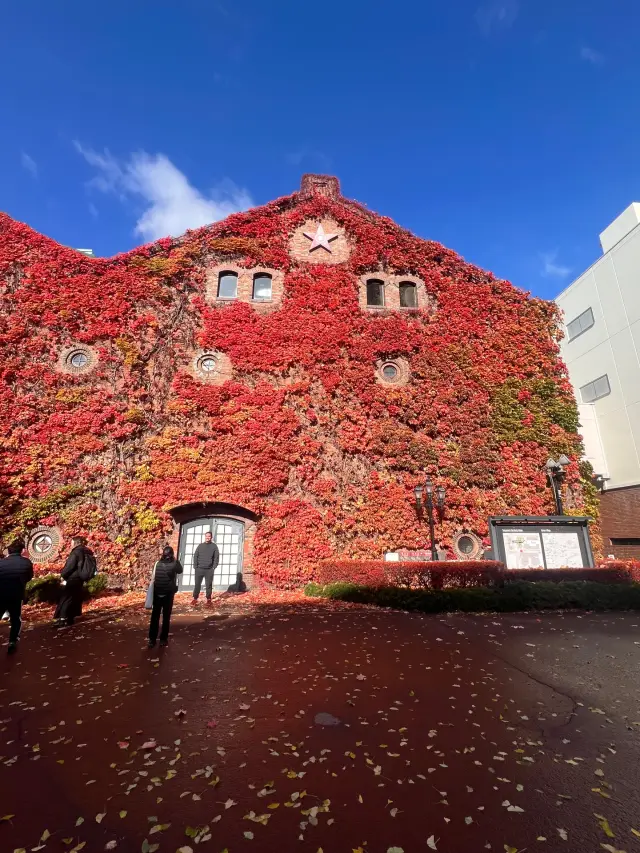
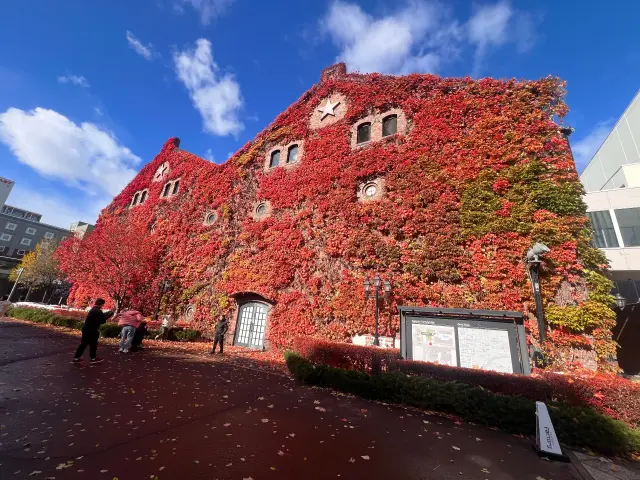
Located in Sapporo, Hokkaido, #札幌工廠 (#SapporoFactory) is home to the Brick Building (#レンガ館) and the remains of the Sapporo Kaitakushi Beer Brewery, the birthplace of Japan’s beer industry and a prime example of Hokkaido’s Meiji-era industrial heritage.
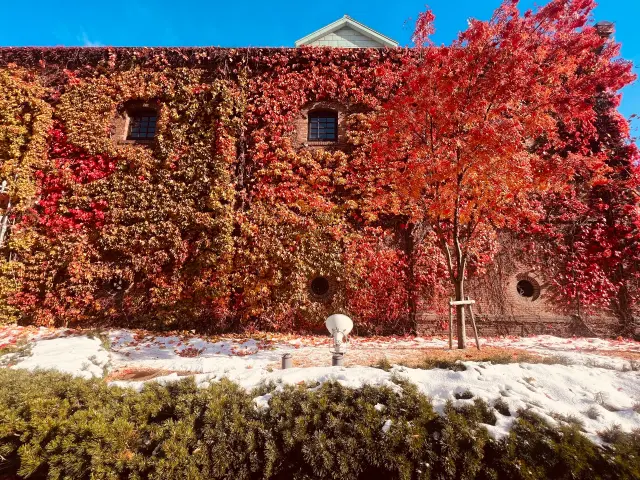
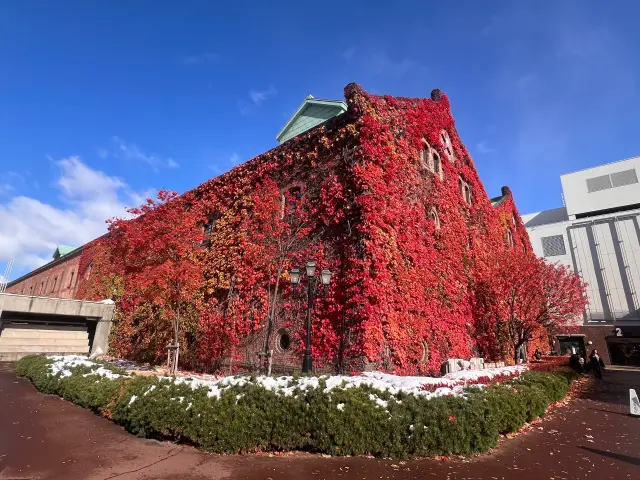
In late fall and early winter, the ivy covering the red-brick exterior turns fiery red, creating a dramatically beautiful seasonal scene against the deep blue sky and the first snow.The Japanese ivy (ツタ) clinging to the exterior walls of the Brick Building changes from green to yellow and then to a deep crimson as temperatures plunge in late fall, resembling a burning natural velvet blanket draped over the century-old red bricks. In the photos, the sunlit side has already turned vivid red, while the shaded corner still retains a gradient of green, yellow, and orange, creating richly layered colors.
* A seasonal symphony of red, white, and blue
Sapporo’s first snow often arrives in November. While the fiery red vine leaves have not yet completely fallen, a thin layer of snow has already accumulated on the ground and shrubs. Overhead is the clear, deep blue sky unique to late fall in Hokkaido. The red walls, white snow, and blue sky come together to create a seasonal scene found only in the north (the photos even show Christmas decorations already set up in the plaza, symbolizing the official transition from late fall into winter).Filming 🎬 date: 1110/2026
-