Norton Liang's Reviews Page 1/11

Norton Liang’s Profile Page
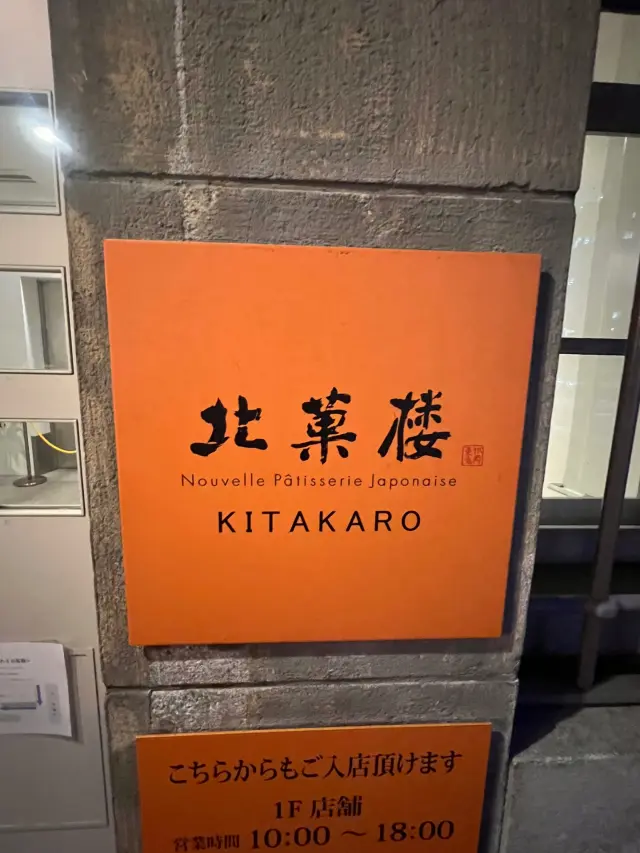
  • Kitakaro Sapporo Main Store

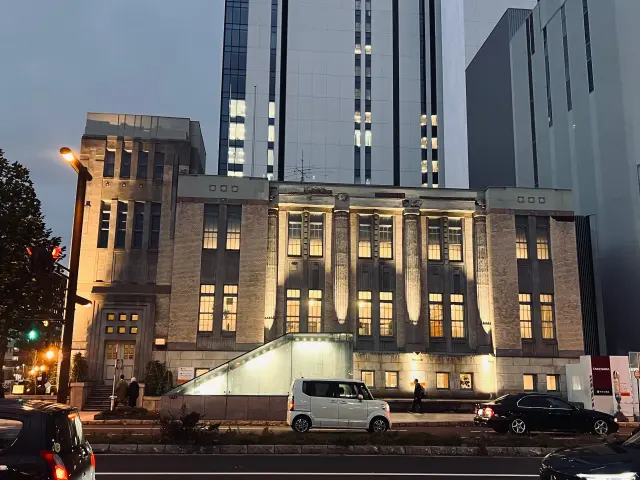
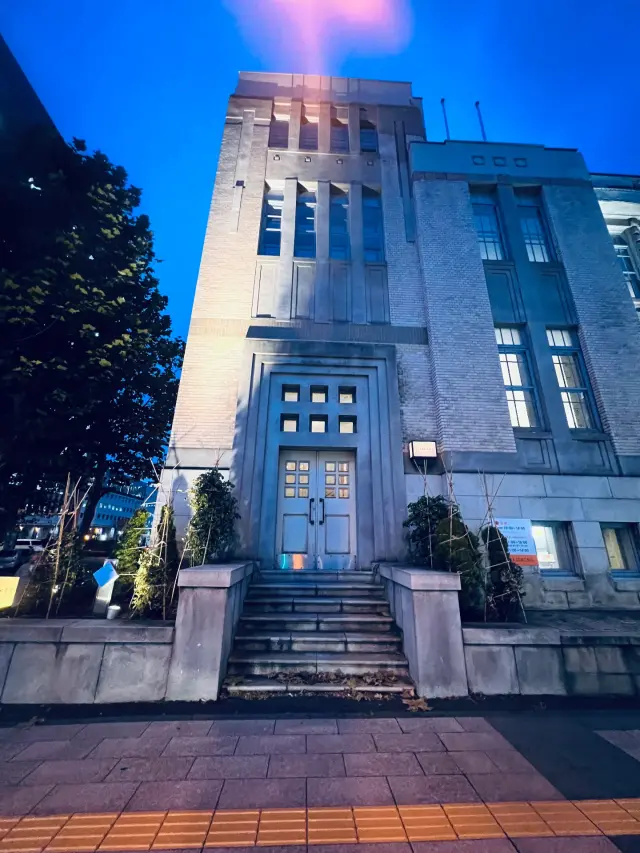
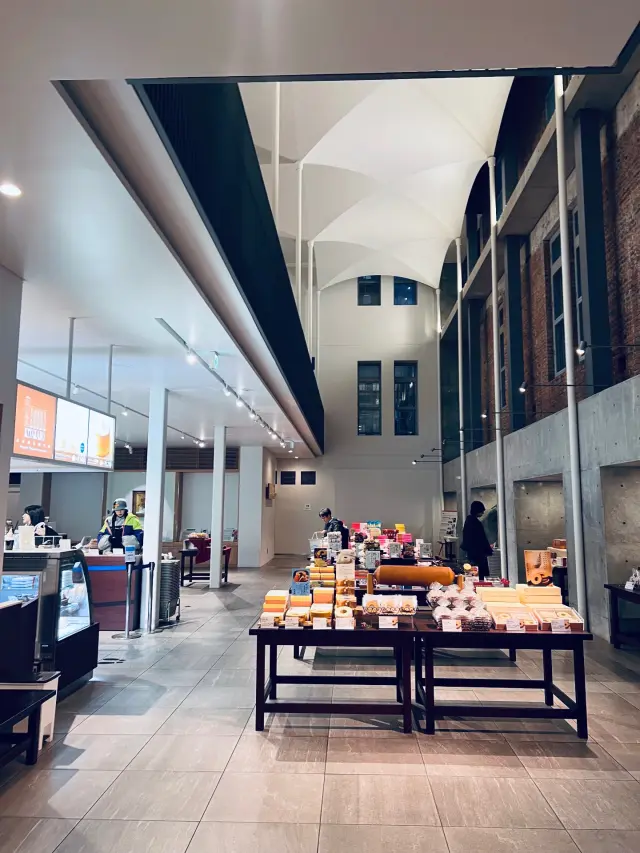
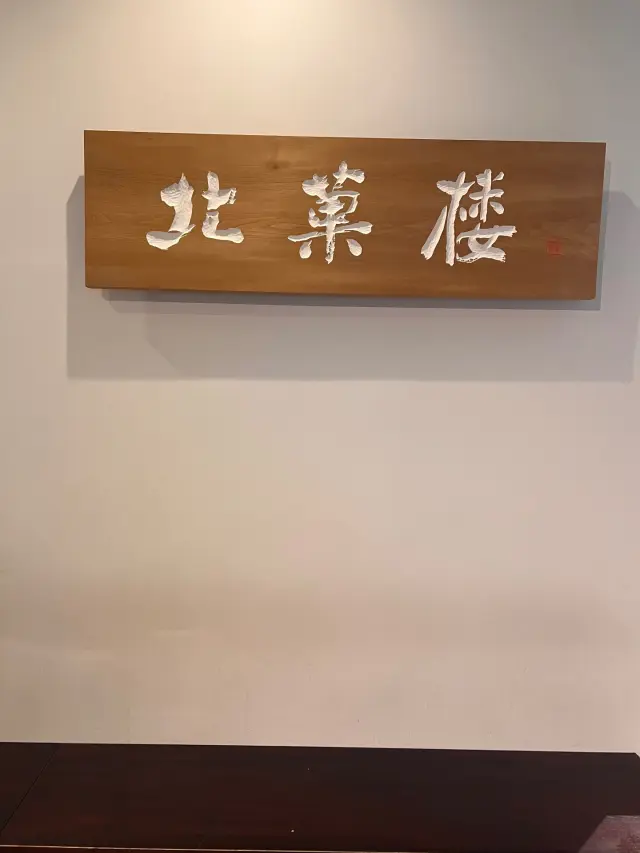
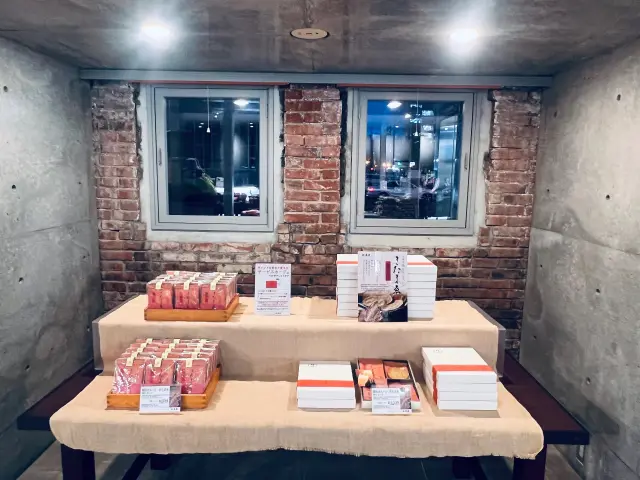
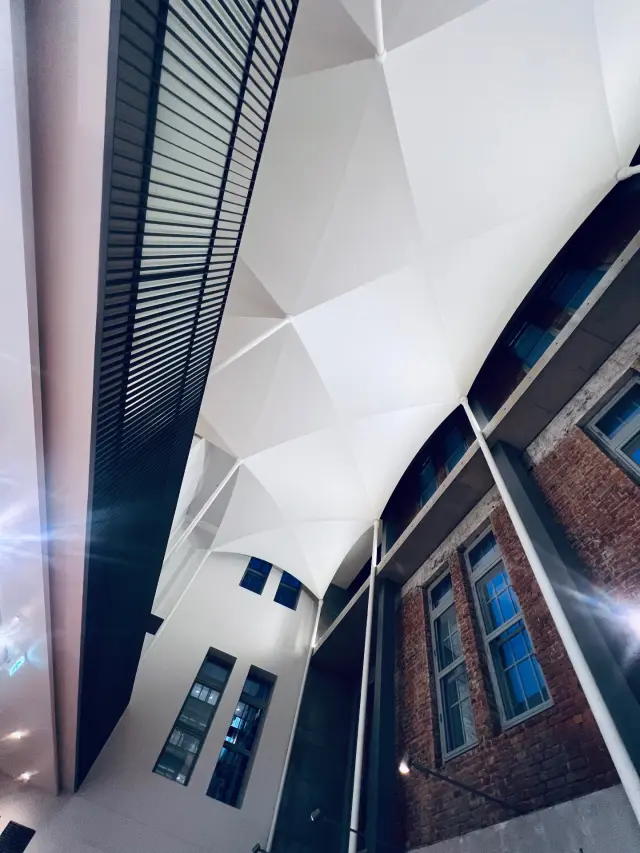
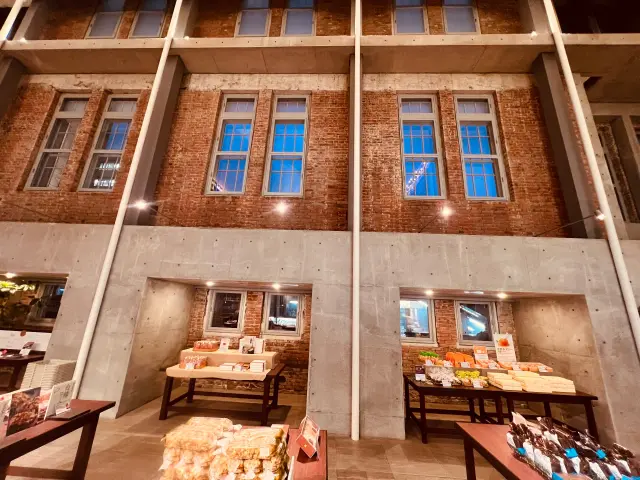
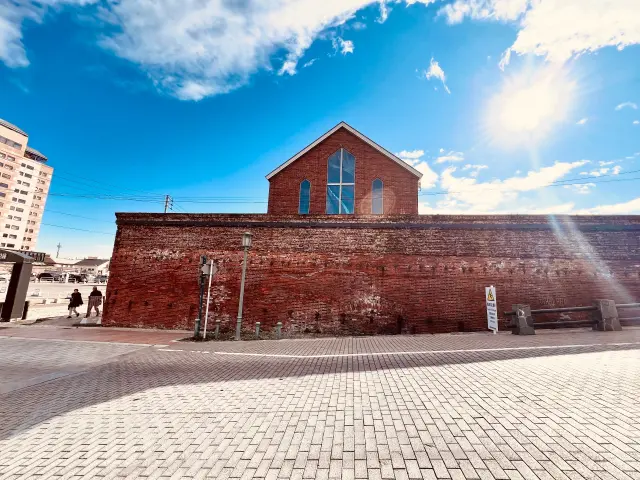
    Originally built as the Hokkaido Prefectural Library, this historic Western-style building was transformed into the Kitakaro Sapporo Main Store in March 2016. The eye-catching, retro-modern architecture is designed by world-renowned architect Tadao Ando, seamlessly blending the old with the new for an exterior and interior that’s stirs with sleek elegance.

    • Sapporo Station, Odori, Susukino
    • Cafés
    See More

    A century-old library reborn as the Kitakaro Sapporo Main Store, designed by a master architect

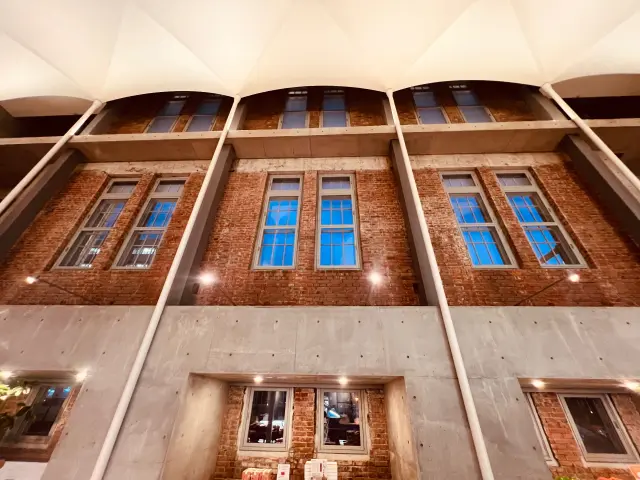
    The dramatic exterior lighting: As shown in the photo, warm lighting shines upward from the base at night onto the historic stone columns and brick walls. It not only highlights the three-dimensional texture left by the passage of time, but also creates a strong yet harmonious contrast with the modern glass building behind it, giving the space a romantic retro atmosphere.
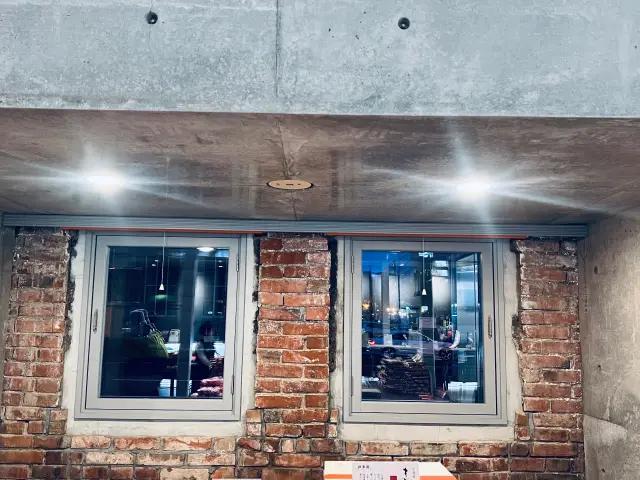
    *The dialogue between red brick and exposed concrete on the first floor: Tadao Ando deliberately preserved the original red-brick walls and old window frames, while using his signature minimalist #清水混凝土(#清水模) in the lower section for structural reinforcement and to divide the space. The rugged warmth of the century-old red brick meets the cool, clean lines of modern exposed concrete. The old and new materials directly contrast with yet complement each other.

  • Former Hokkaido Government Office Building

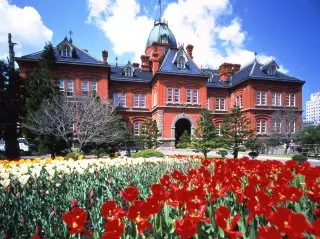
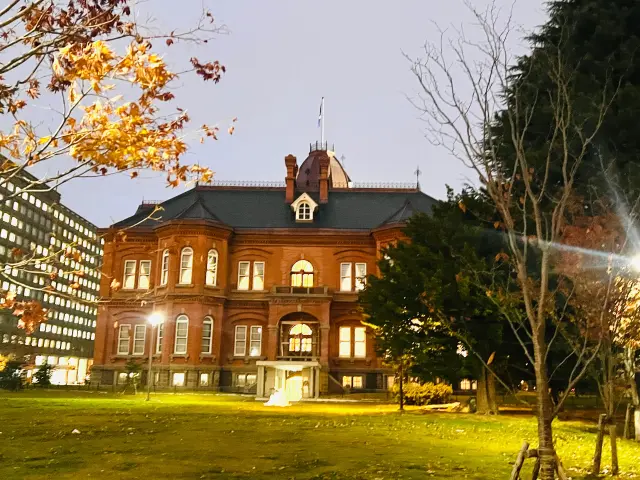
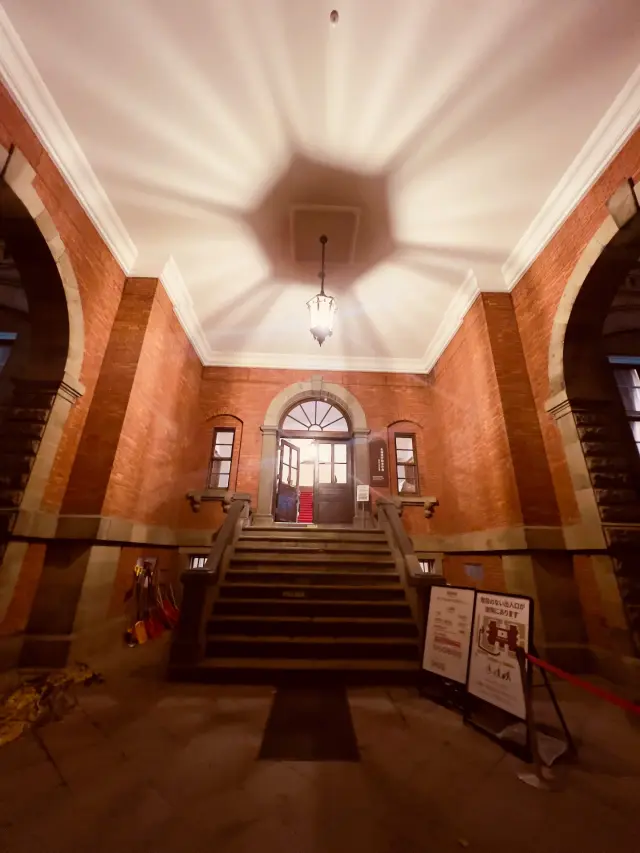
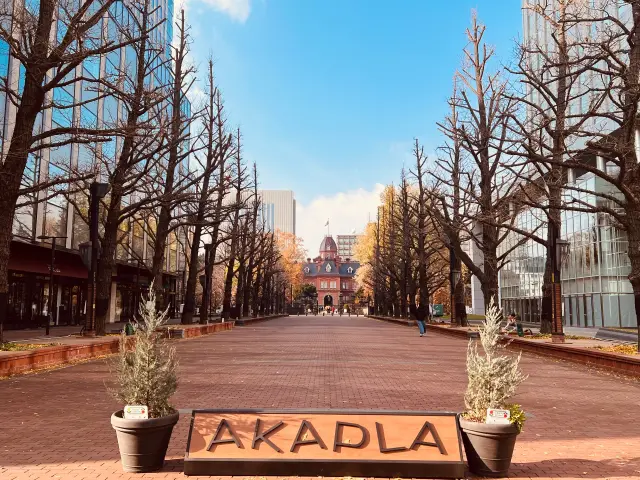
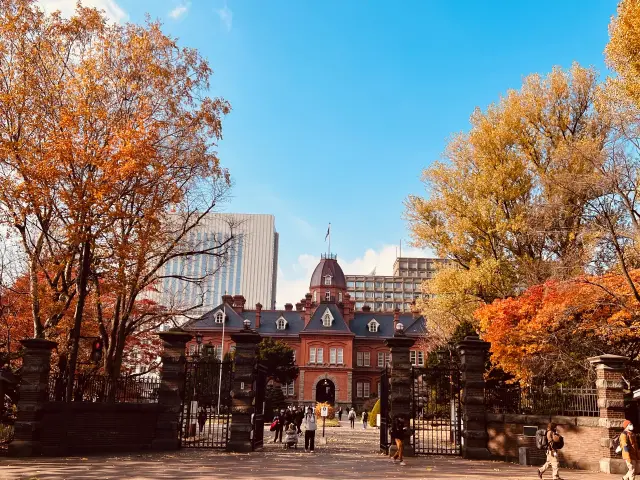
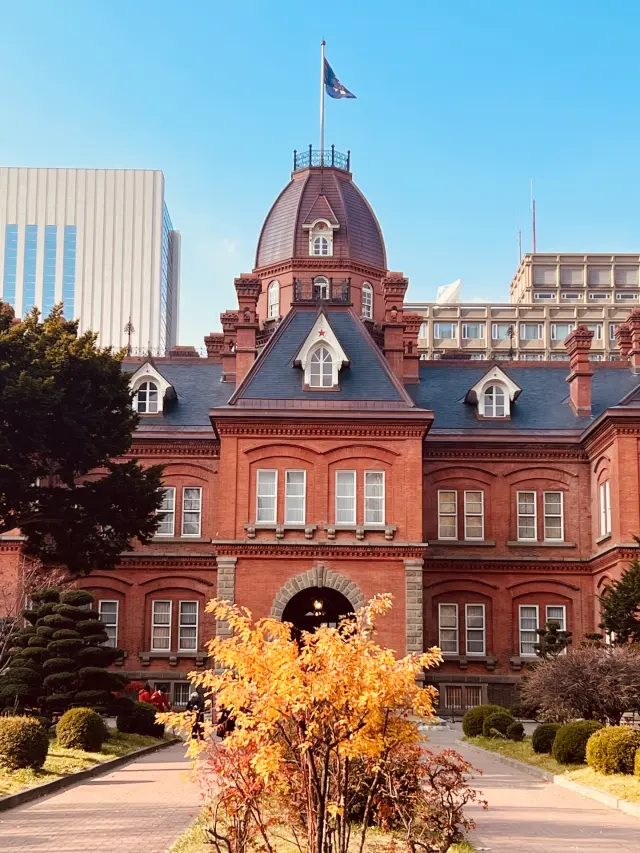
    This government building served as the base and center of Hokkaido’s politics for almost 80 years until the current municipal office was built. Commonly-known as the Red Brick Building, this architecture was made of 2,500,000 bricks. The window glasses with distortion and American Neo Baroque style architecture radiate the history and nostalgia.

    • Sapporo Station, Odori, Susukino
    • Museums
    See More

    The striking octagonal tower with its green dome, and the facade where red brick contrasts with the blue sky and
    red leaves, take on a uniquely peaceful atmosphere when illuminated in the evening.
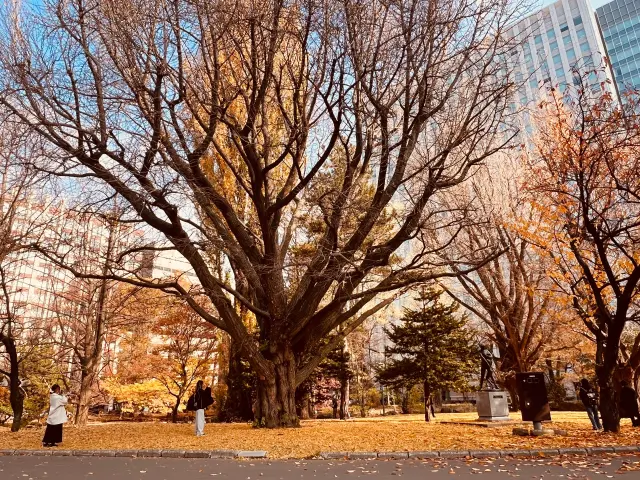
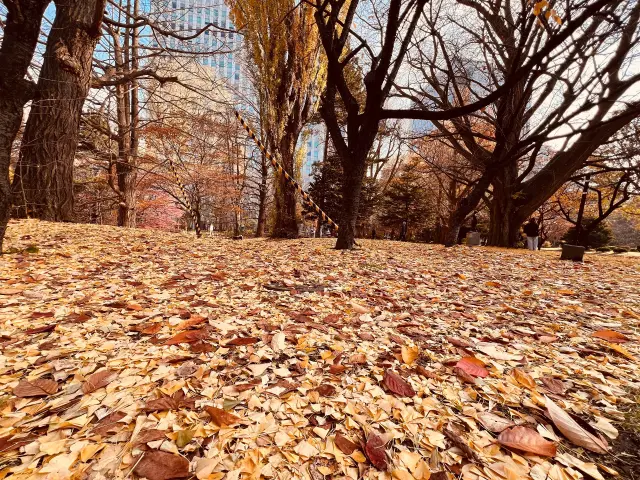
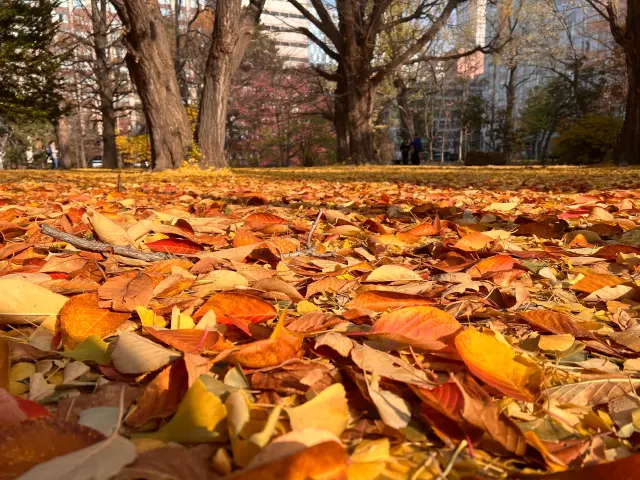
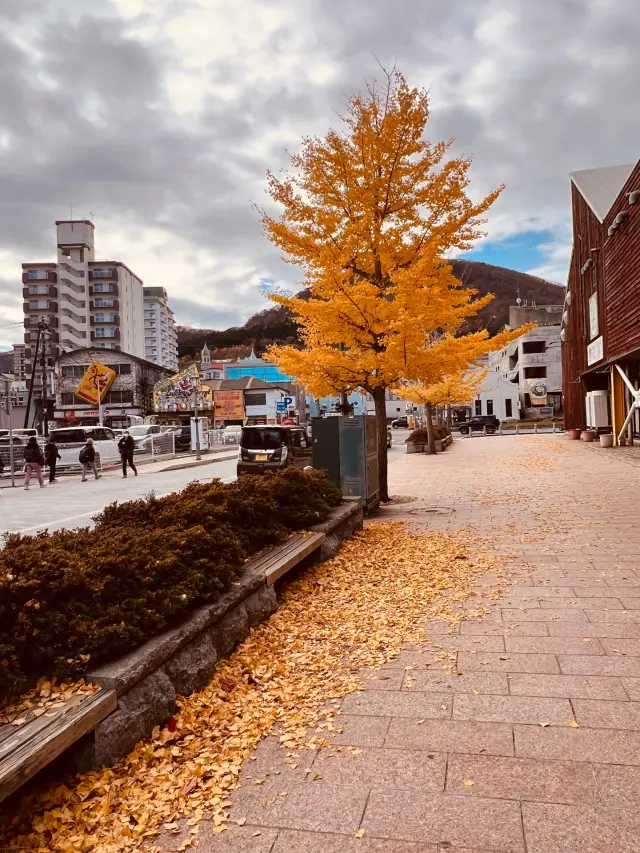
    Photographing the layer of fallen leaves close to the ground clearly captures the fan-shaped ginkgo leaves and the carpet of reddish-brown and golden leaves. With high-rises and natural scenery side by side in the background, this is the distinctive autumn scenery of an “urban oasis” in central Sapporo.

  • SAPPORO Factory

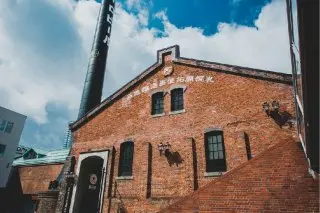
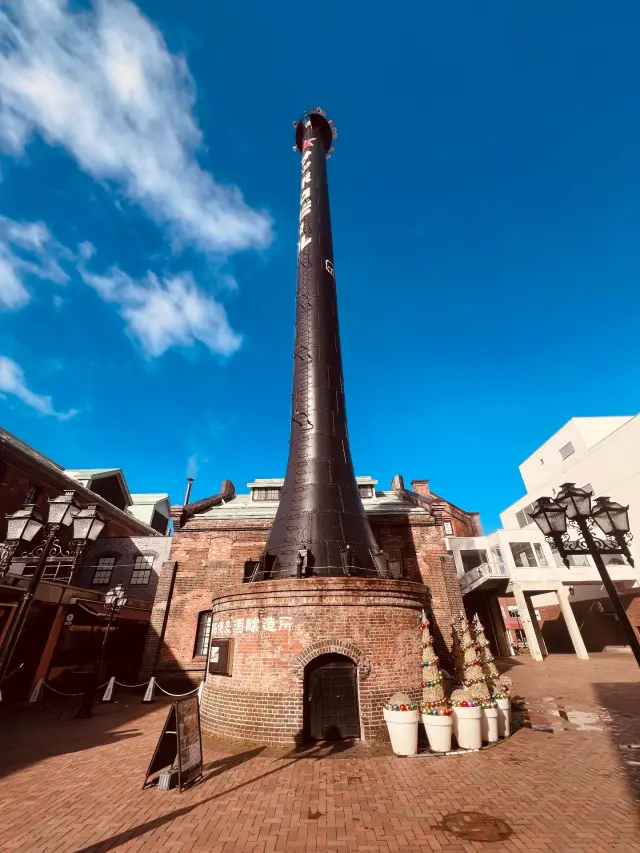
    This is a large-scale commercial complex built on the site of the former Sapporo Beer Factory, which originated from the Kaitakushi Brewery built in 1876(Meiji 9).

    • Sapporo Station, Odori, Susukino
    • Commercial Buildings
    See More

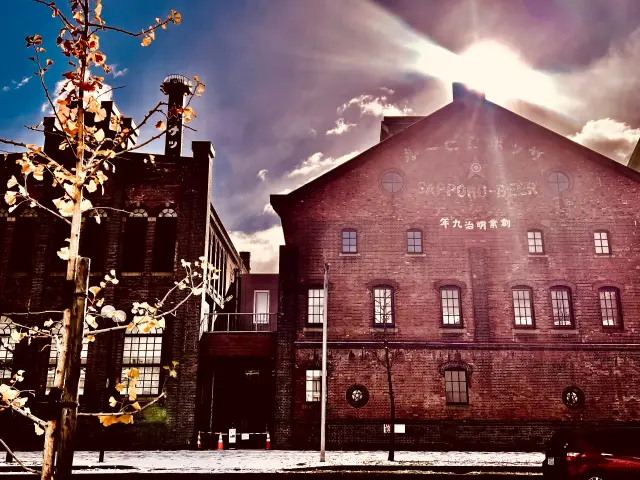
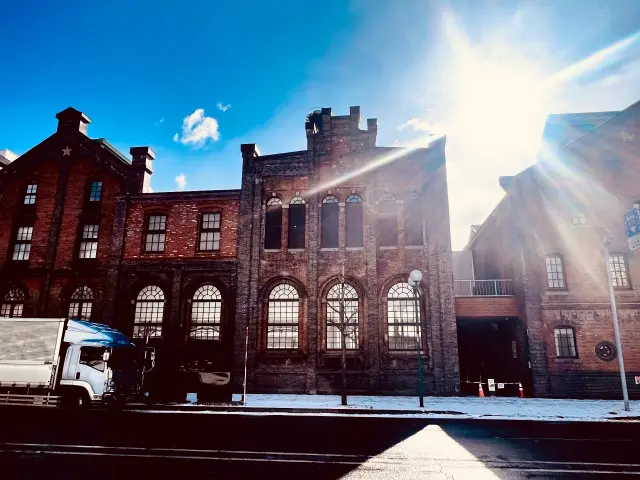
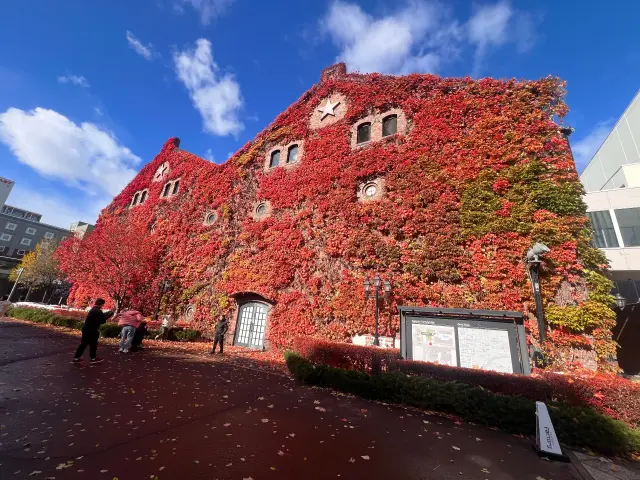
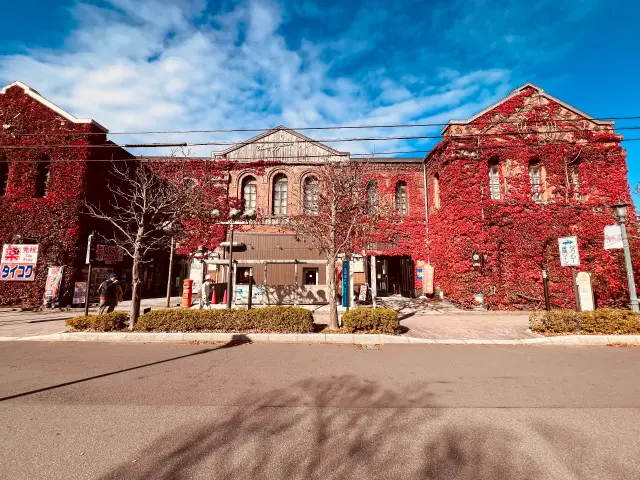
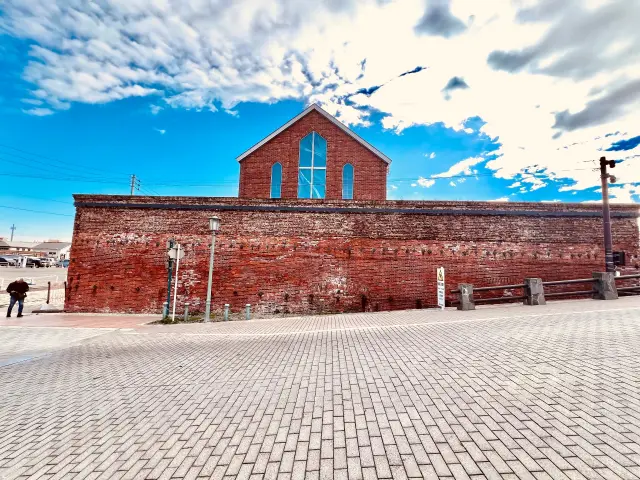
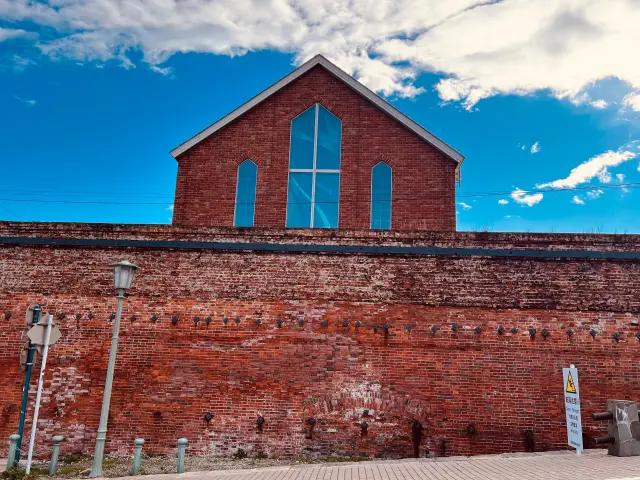
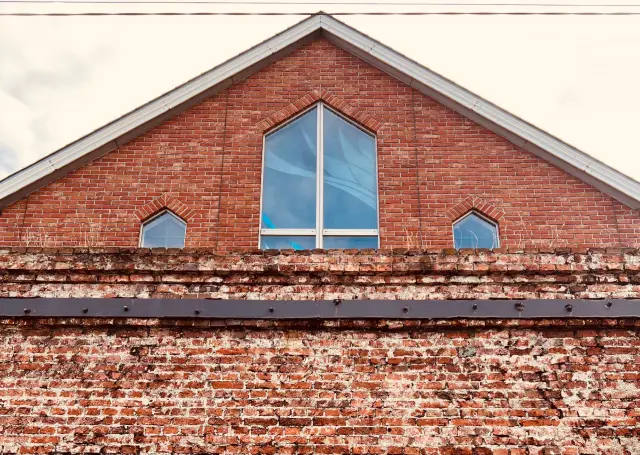
    Located in Sapporo, Hokkaido, #札幌工廠 (#SapporoFactory) is home to the Brick Building (#レンガ館) and the remains of the Sapporo Kaitakushi Beer Brewery, the birthplace of Japan’s beer industry and a prime example of Hokkaido’s Meiji-era industrial heritage.
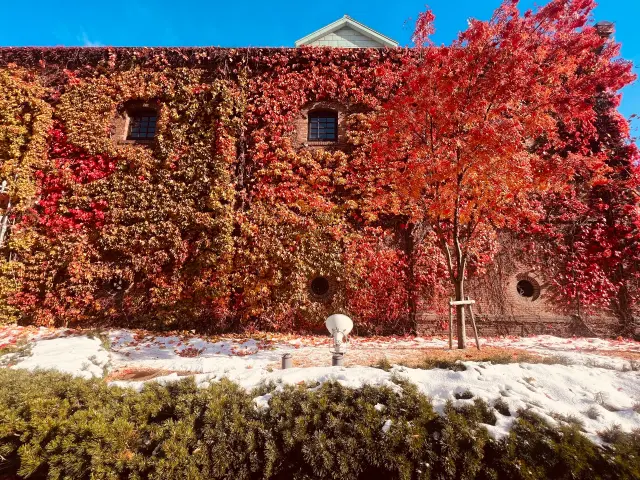
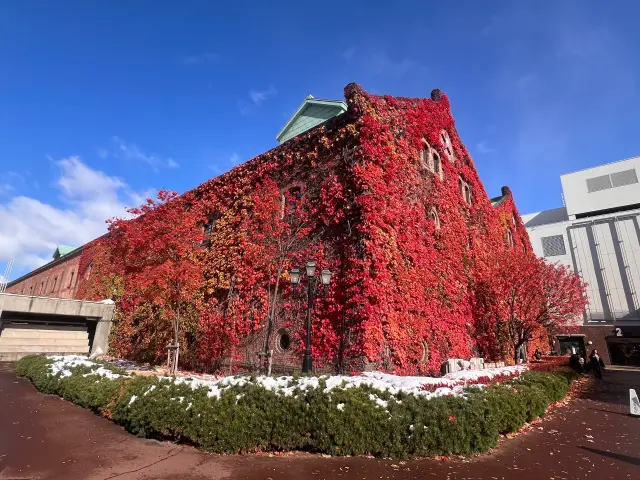
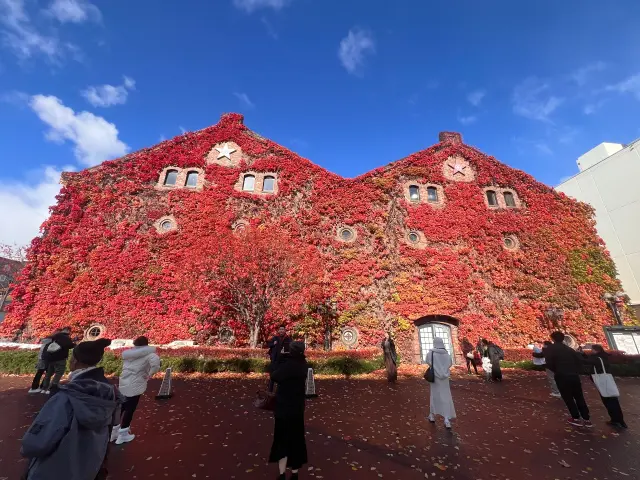
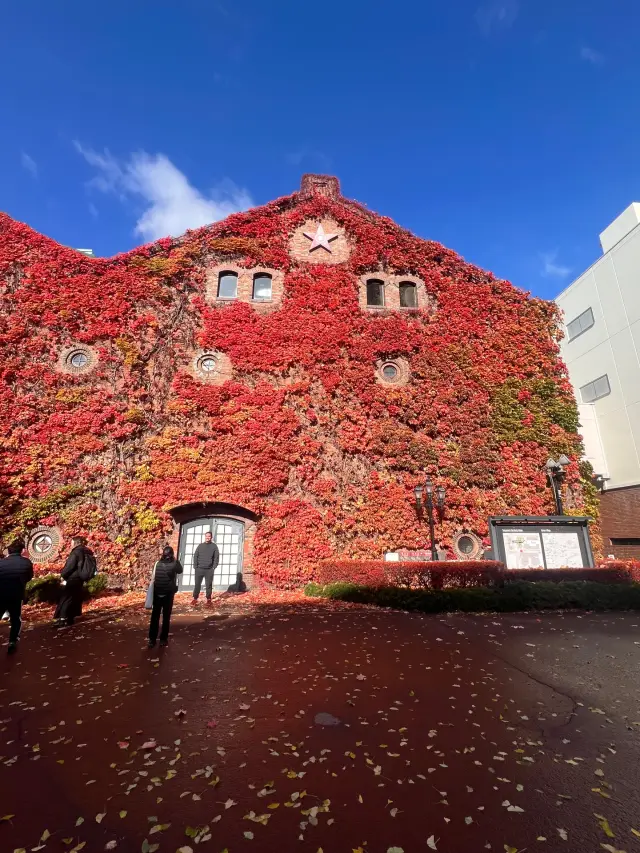
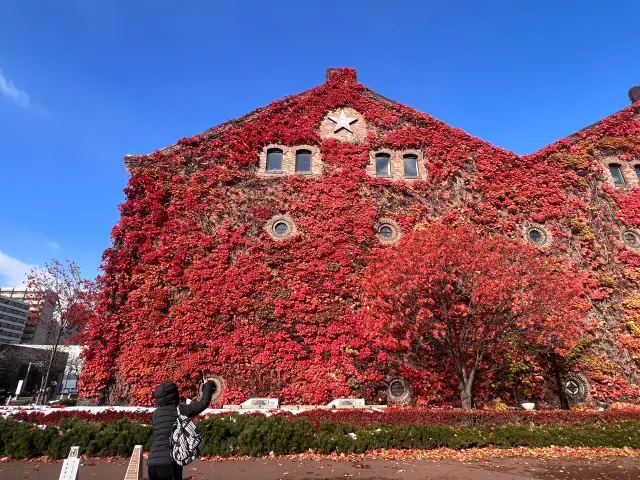
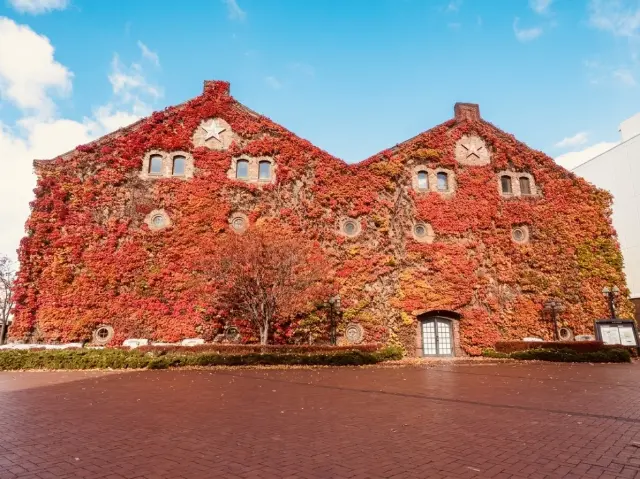
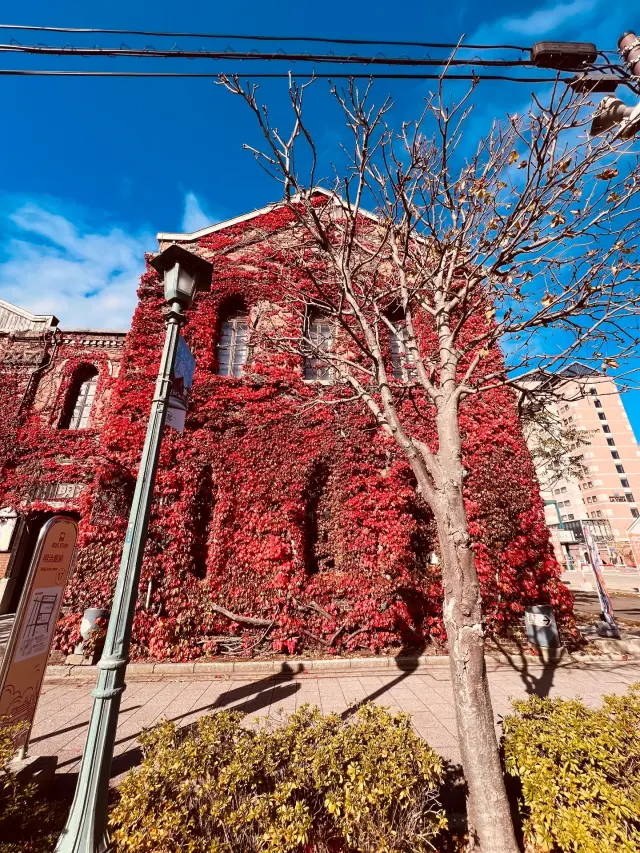
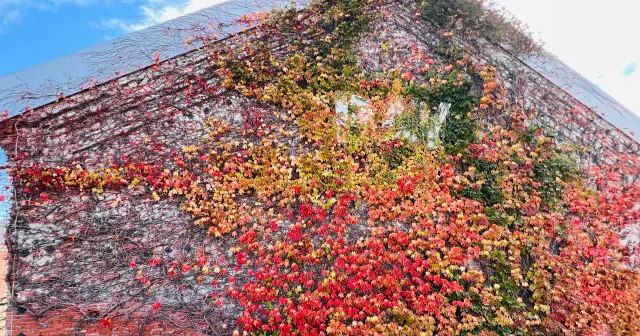
    In late fall and early winter, the ivy covering the red-brick exterior turns fiery red, creating a dramatically beautiful seasonal scene against the deep blue sky and the first snow.

    The Japanese ivy (ツタ) clinging to the exterior walls of the Brick Building changes from green to yellow and then to a deep crimson as temperatures plunge in late fall, resembling a burning natural velvet blanket draped over the century-old red bricks. In the photos, the sunlit side has already turned vivid red, while the shaded corner still retains a gradient of green, yellow, and orange, creating richly layered colors.
    * A seasonal symphony of red, white, and blue
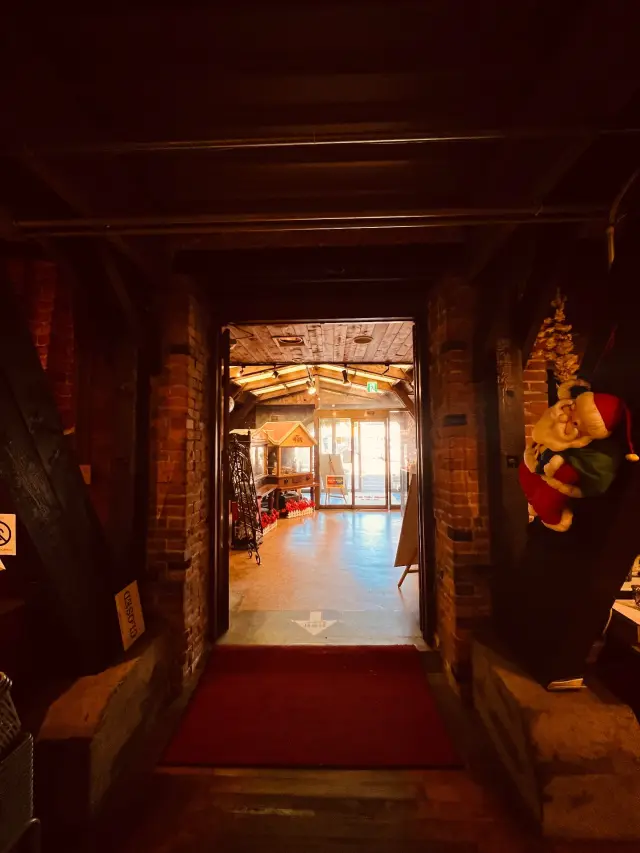
    Sapporo’s first snow often arrives in November. While the fiery red vine leaves have not yet completely fallen, a thin layer of snow has already accumulated on the ground and shrubs. Overhead is the clear, deep blue sky unique to late fall in Hokkaido. The red walls, white snow, and blue sky come together to create a seasonal scene found only in the north (the photos even show Christmas decorations already set up in the plaza, symbolizing the official transition from late fall into winter).

    Filming 🎬 date: 1110/2026

  • Motomachi Roman Catholic Church

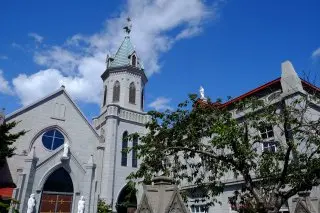
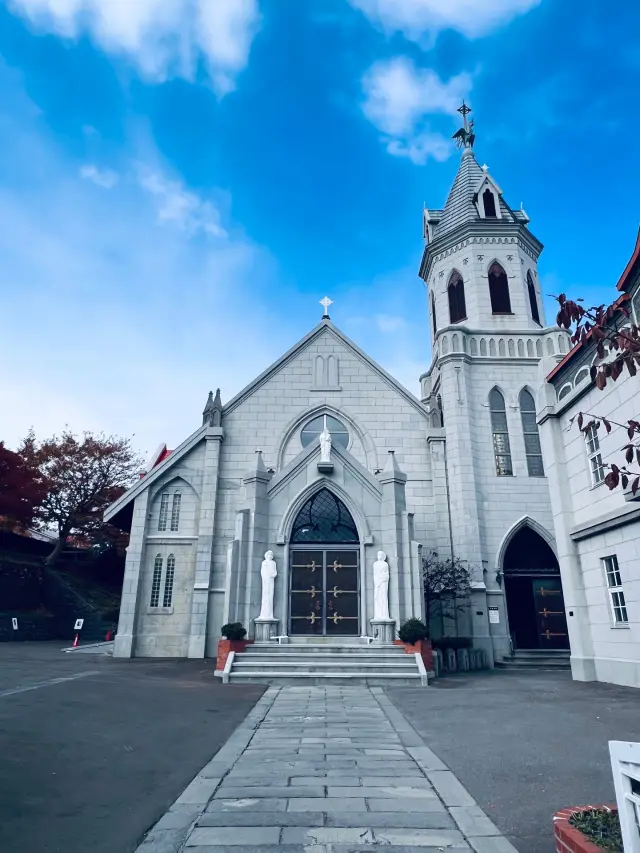
    Built by French missionary Father Mermet de Cashon when he entered Hakodate in 1859, the Motomachi Roman Catholic Church was rebuilt in 1910. It adopts the 12th-century Gothic architectural style, featuring a pointed bell tower soaring 33 meters high, a distinctive feature of the church. It is one of the oldest Catholic churches in Japan, alongside those established in Yokohama and Nagasaki.

    • Hakodate and Matsumae
    • Museums
    See More

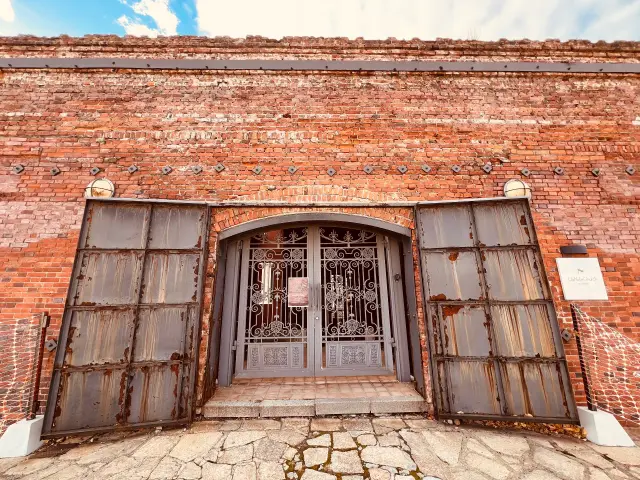
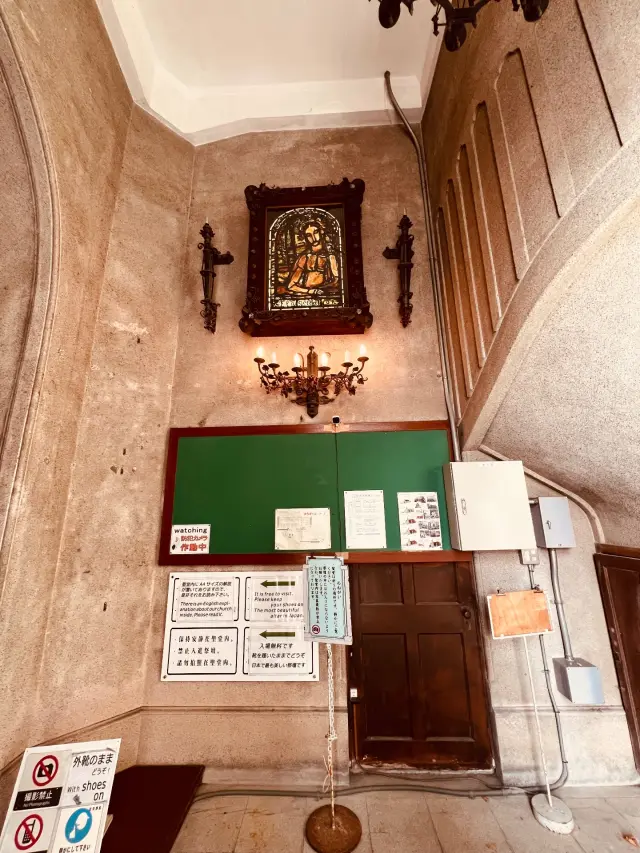
    A brief description of the imposing iron doors and the play of light through the stained glass
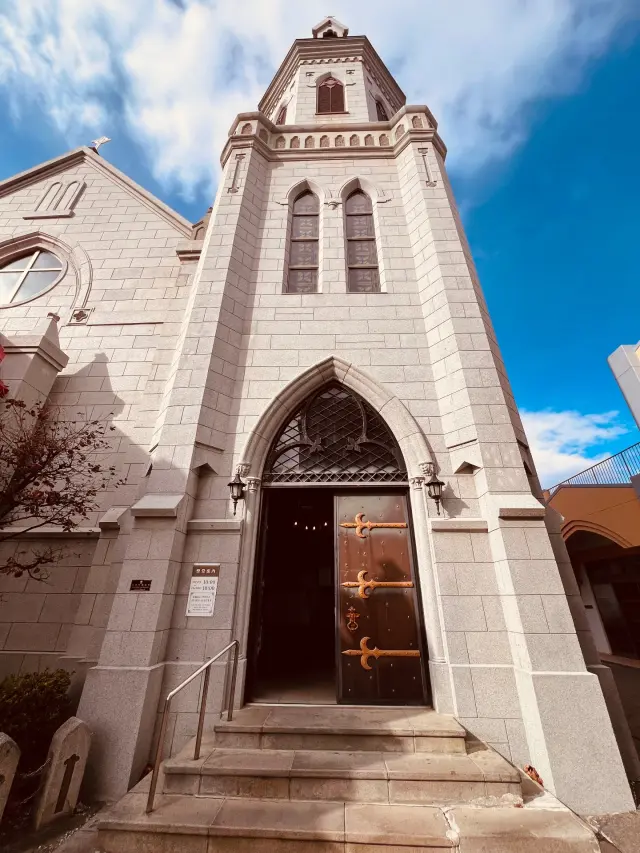
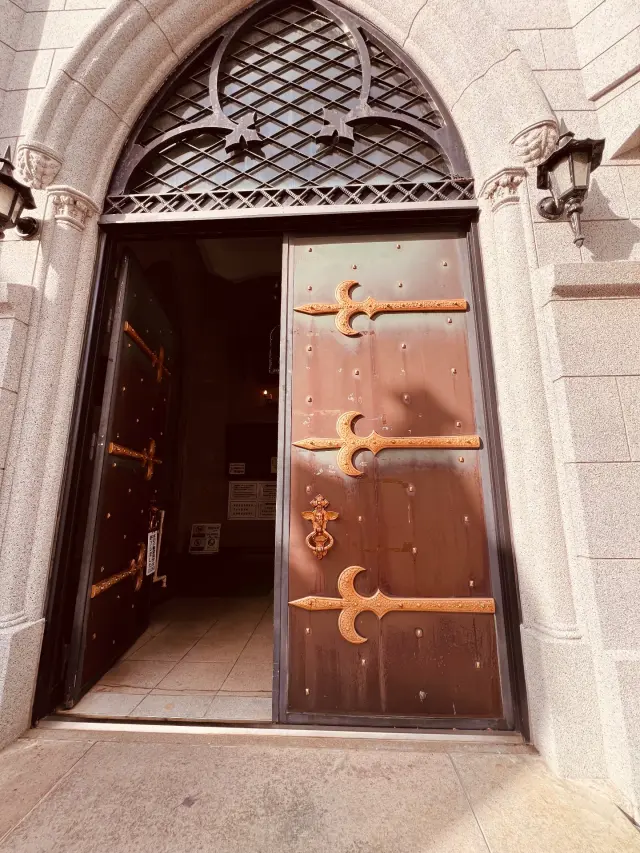
    * Heavy, elegant iron doors: Beneath the Gothic pointed arch are heavy, dark brown double doors inlaid with exquisite antique-gold, spear-shaped wrought-iron details and raised rivets. The door handles feature intricate religious carvings. Overall, they convey the solemnity, stability, and grandeur of classic European design weathered by time.
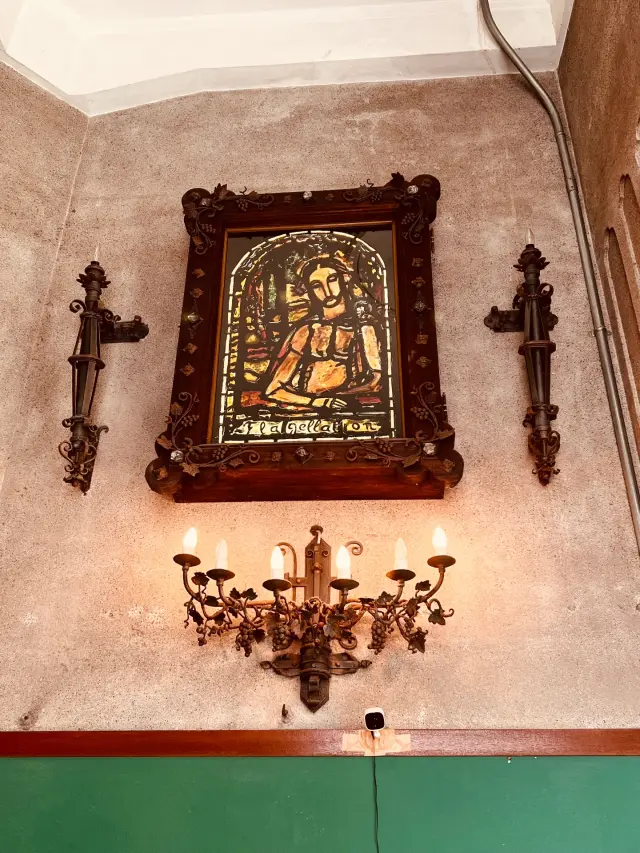
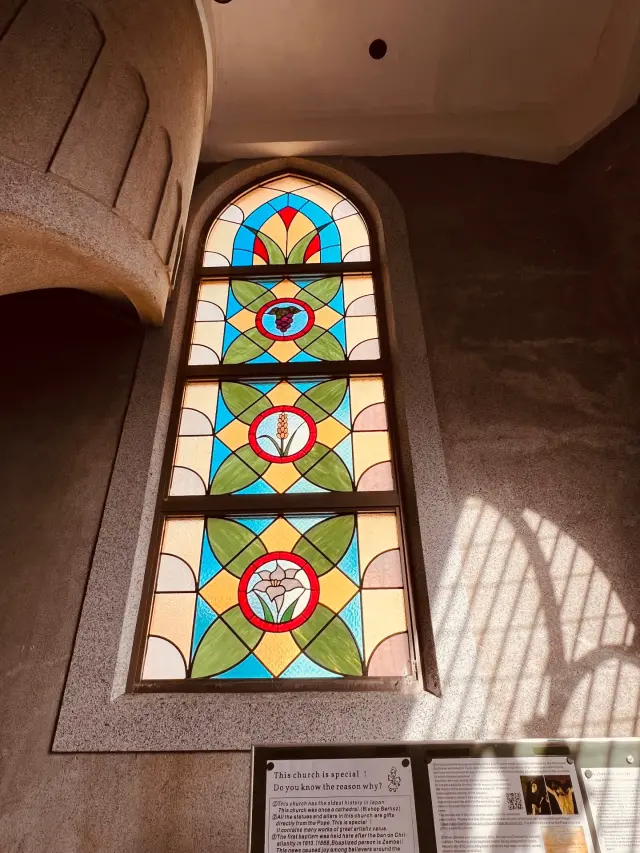
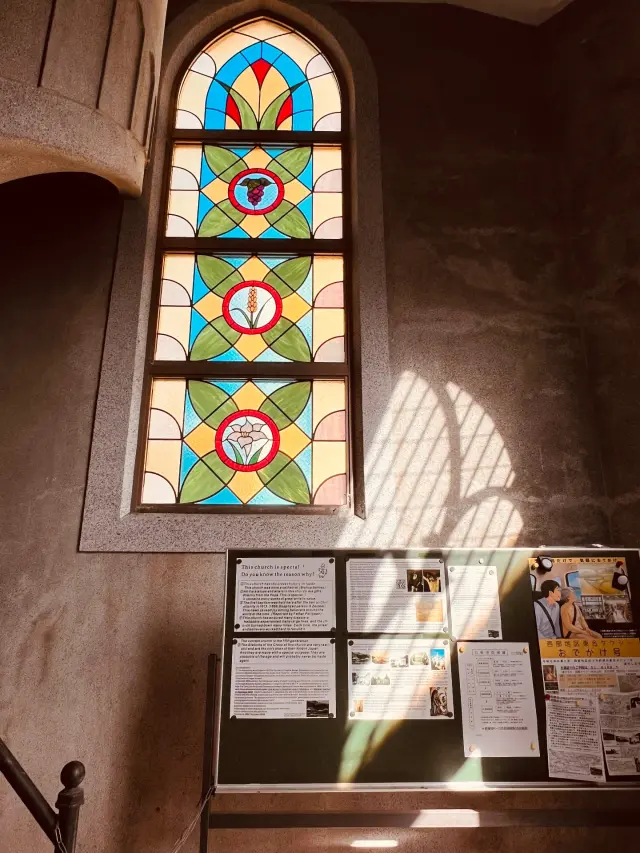
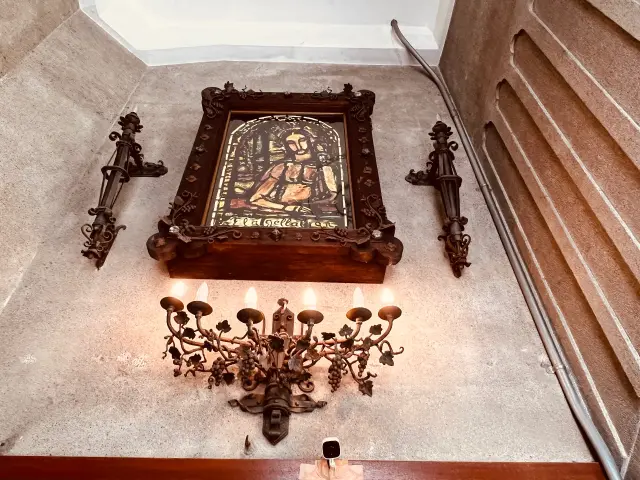
    * The lively play of light through the stained glass: The stained-glass windows in the vestibule depict grapes, ears of wheat, and lilies (symbolizing the Eucharist and purity). When the afternoon sunlight passes through the interwoven red, blue, and yellow glass, the colors themselves appear brilliantly translucent while casting soft, grid-like patterns of light onto the plain concrete wall nearby. Together with the intricately crafted stained-glass image of the Crucifixion and the vintage candle-style wall lamps, they create a tranquil, sacred atmosphere.
    An autumn view from afar: nature’s palette
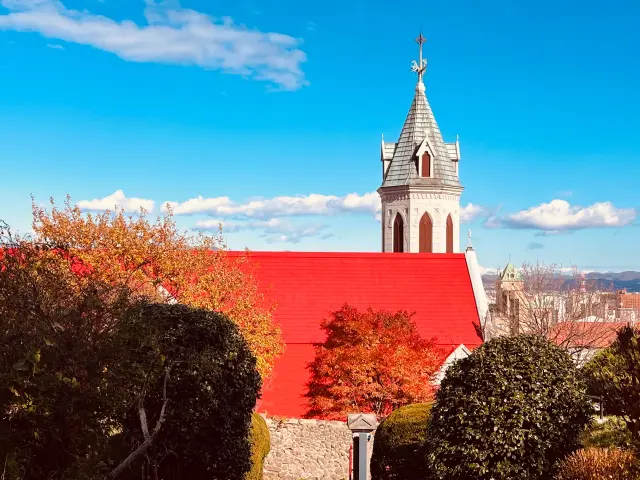
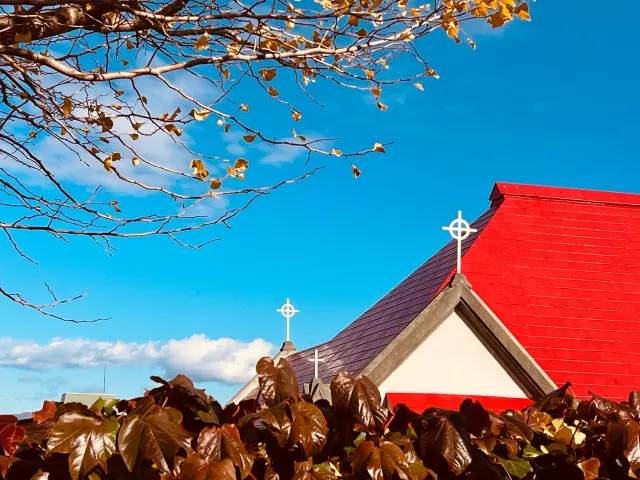
    Viewed from above, Motomachi Church offers a richly layered scene: a clear blue sky and white clouds form the backdrop, highlighting the soaring gray-and-white Gothic bell tower. Below, the expansive, vivid red roof shines brilliantly in the sunlight, surrounded by trees colored golden yellow, orange-red, and deep green by autumn. The five rich colors of red, yellow, green, white, and blue intertwine, truly resembling a magnificent palette created by nature!

  • Kanemori Red Brick Warehouse

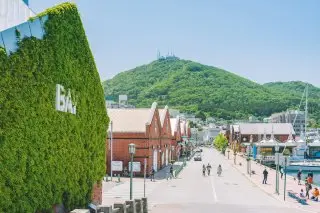
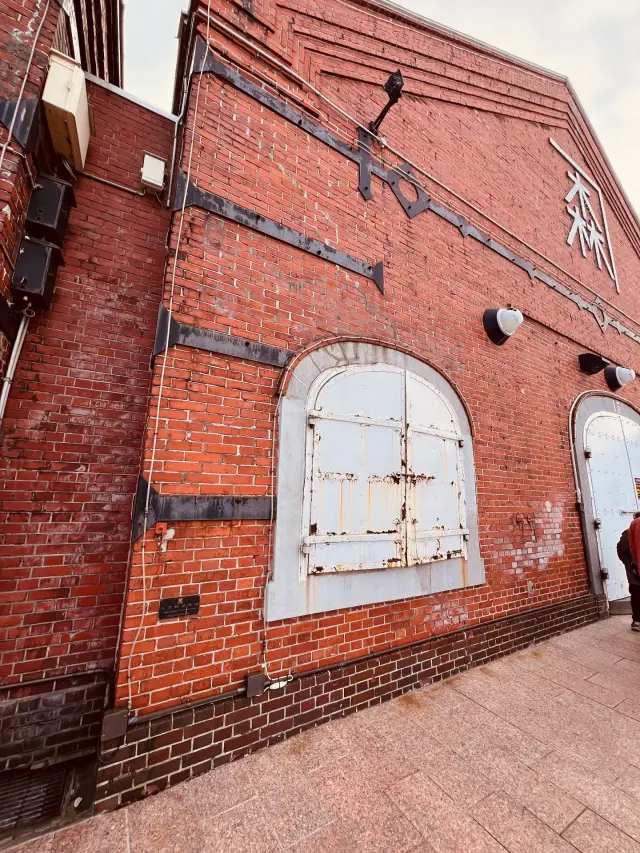
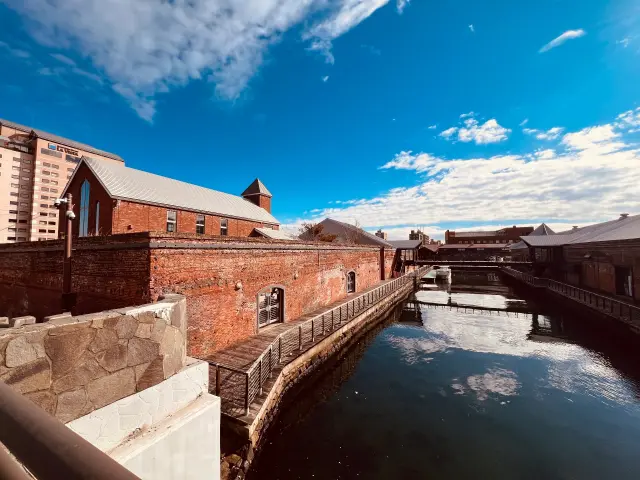
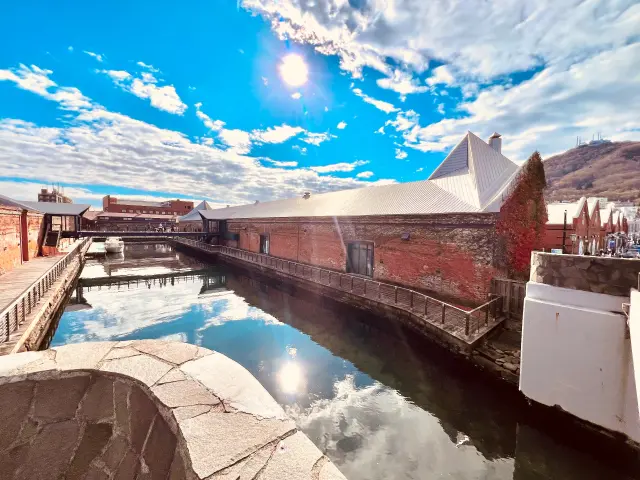
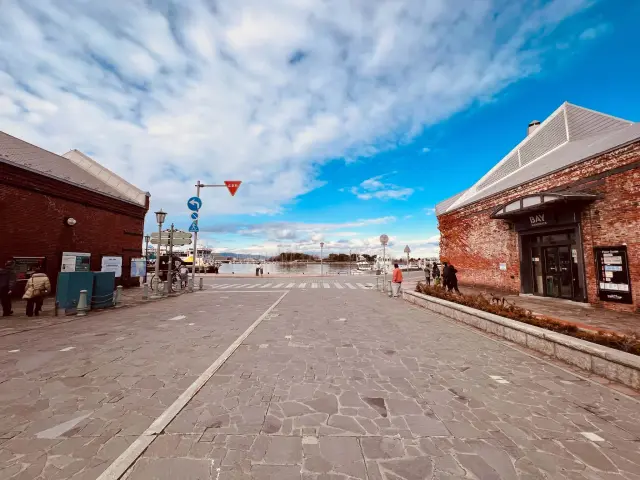
    The Kanemori Red Brick Warehouse features 4 warehouses and is a landmark of the Hakodate Bay Area. It is a romantic, and scenic spot featuring an array of red brick warehouses. It is popular among locals, tourists, and couples.

    • Hakodate and Matsumae
    • Commercial Buildings
    See More

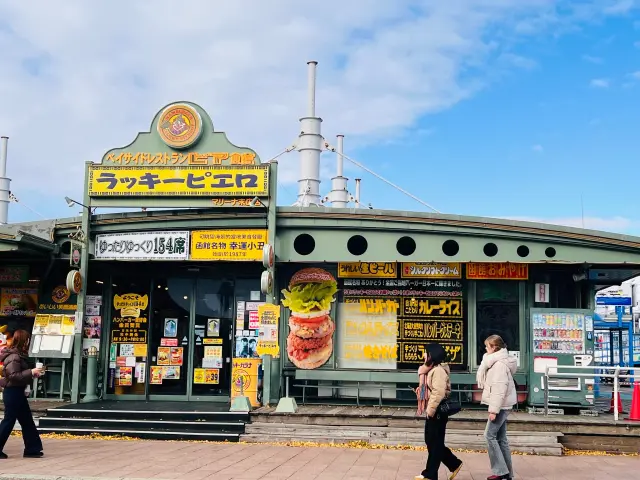
    This set of photos captures the charming autumn scenery along the #函館港灣區 walking route, from the #紅磚倉庫 covered in red and yellow fall leaves and a lively American retro-style burger restaurant to the waterfront at the West Wharf and historic statues. Together, they form a walking route filled with both romance and cultural depth.

    🏨Starting accommodation: NIPPONIA HOTEL Hakodate Port Town
    NIPPONIA HOTEL Hakodate Port Town was converted from a historic warehouse once used to store kelp. The exterior retains the weathered texture of its brick walls and climbing fall foliage, while the interior incorporates minimalist woodwork and Scandinavian-style design, creating a charming contrast between old and new. The hotel has a quiet, welcoming atmosphere and is an ideal starting point for exploring the Hakodate Bay Area and its sloping streets.
    * Historical background: Formerly a long warehouse used to store kelp, it preserves the existing structure and historical memories while incorporating the modern functions of a hotel.
    * Spatial aesthetics: Red brick and aged wood are paired with soft lighting and Scandinavian furniture. Each guest room has a different color theme and offers plenty of privacy.

    * Slow travel experience: Close to the Kanemori Red Brick Warehouse complex and the harbor, it makes it easy to begin exploring on foot. The hotel also offers dining and bathing experiences featuring local elements.
    A romantic harbor walking route rich in culture

    🧱1. Kanemori Red Brick Warehouse complex
    The Kanemori Red Brick Warehouse is within walking distance of the hotel. The red brick buildings line the bay and look especially nostalgic and romantic against the deep blue sky and autumn sunlight. Inside the warehouses are a variety of curated shops, general stores, and souvenir shops, making this a great place for a leisurely stroll while taking in the port city's international atmosphere.
    * Architectural features: The buildings reflect Hakodate's trading history since the opening of its port, while the red brick walls and harbor scenery create a classic view.
    * Walking highlight: You can also visit the neighboring Kanemori Youbutsukan to browse retro items and Hokkaido souvenirs.

    🤡🍔2. #幸運小丑漢堡 (Bay Area Main Store)
    After exploring the red brick warehouses, head to the colorful and lively Lucky Pierrot Bay Area Main Store, which adds a playful touch to the walk. The interior has a strong retro American and whimsical style, creating a vivid contrast with the quiet historic buildings along the harbor.
    * Local character: One of Hakodate's most iconic burger chains, with a different decorative theme at each location.
    * Dining atmosphere: The restaurant is filled with eye-catching decorations, making it a good place to sit down, recharge during your walk, and experience the lively local atmosphere.

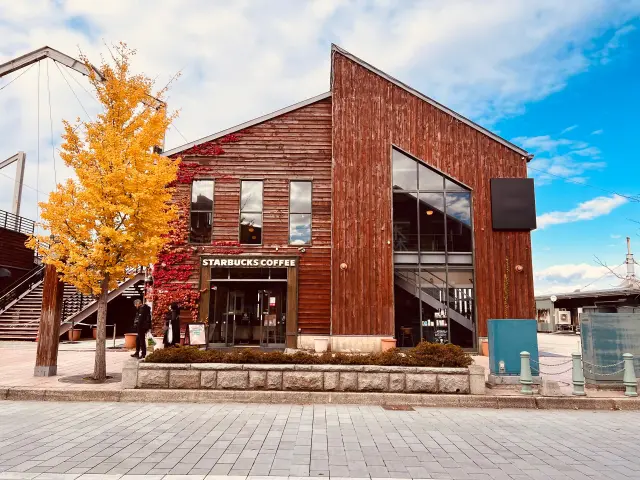
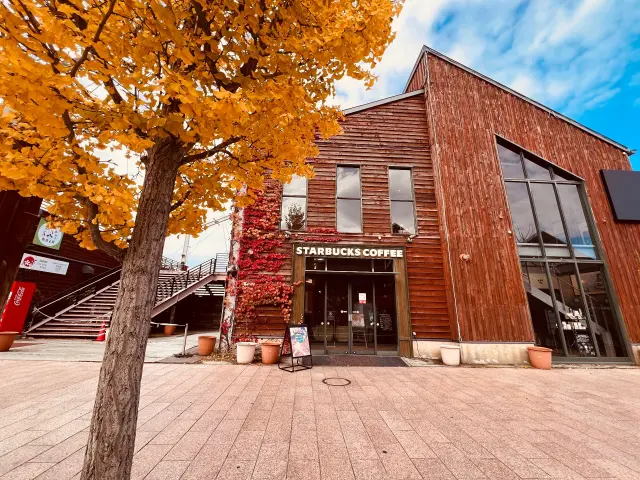
    🧜☕️3. Starbucks Hakodate Bayside and #西波止場⭐️⭐️⭐️⭐️⭐️
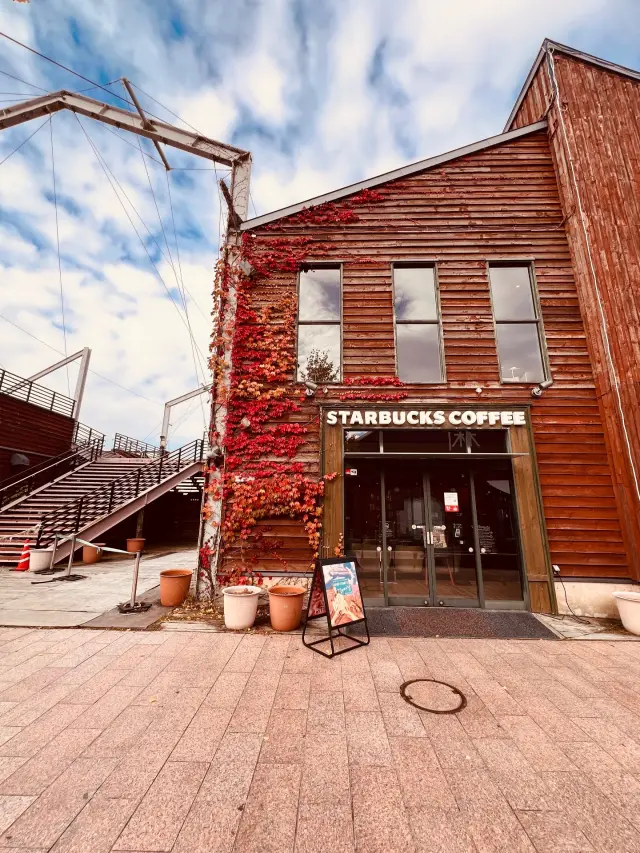
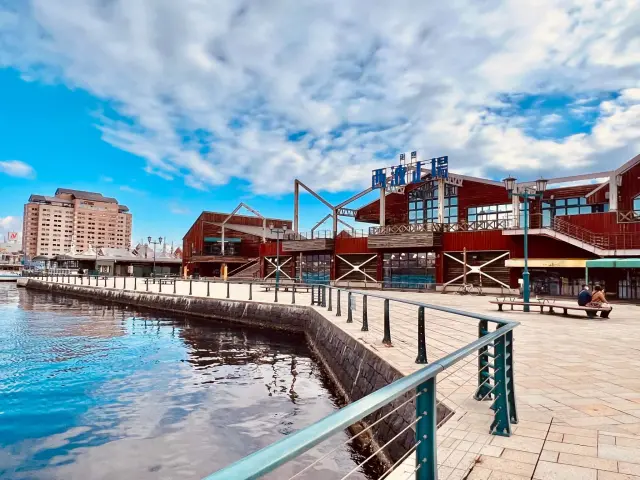
    Continue along the waterfront to Starbucks Hakodate Bayside. Its wooden building with a sloped roof and large glass windows is surrounded by golden and fiery red leaves in autumn, creating a very atmospheric scene. Hakodate West Wharf is right next door, so you can take your coffee for a walk along the breezy harbor while looking out over the water and distant mountains.
    * Autumn scenery: The wooden exterior and tall windows are framed by a mix of yellow and red foliage in fall, making this a popular waterfront spot for photos and a break.
    * Harbor views: Located right beside the waterfront promenade at Hakodate West Wharf, it offers close-up views of the expansive Hakodate harbor and a chance to feel the sea breeze.

    ⭐️⭐️⭐️⭐️⭐️
    4. #同志社雕像 (#新島襄銅像) and its historical significance
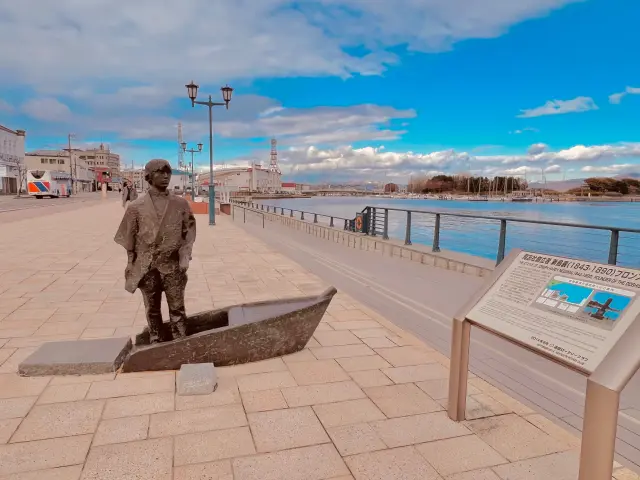
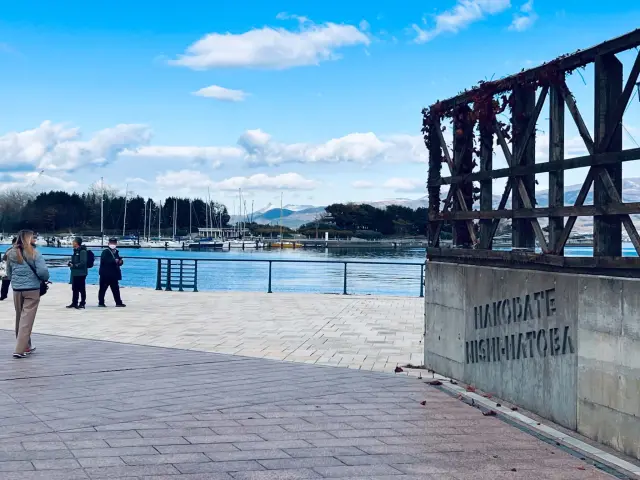
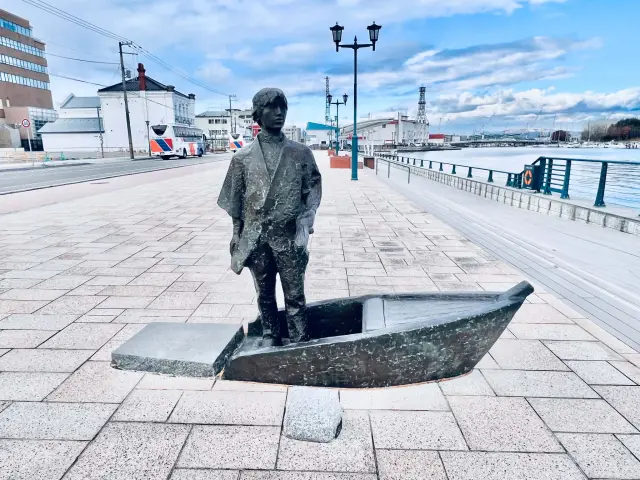
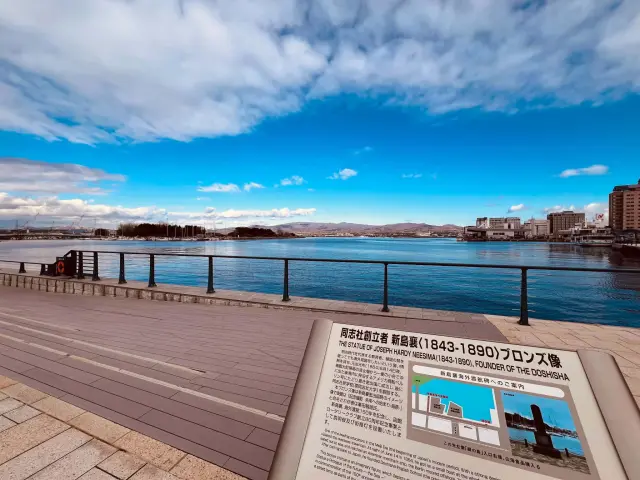
    While walking along the harbor, don't miss the bronze statue of Jo Niijima by the waterfront (the official title of the work is “Commemorative Photo #未来への始まり-#海原-,” created by sculptor #峯田敏郎). The statue portrays Jo Niijima, the founder of Doshisha, standing in a small boat and looking out to sea as he prepares to set sail. It adds a deep cultural and modern historical dimension to the otherwise romantic harbor walk.
    * Courage to defy the isolation policy: In the closing years of the Edo period, when the ban on leaving the country was still strictly enforced, Jo Niijima was driven by a desire to learn about knowledge and the world overseas. In 1864, he left Hakodate Port in a small boat, boarded an American merchant ship anchored in the bay, and successfully stowed away abroad.
    * Education and modern enlightenment: After studying overseas, he returned to Japan and founded Doshisha English School, now Doshisha University. He educated students according to modern educational principles and had a profound influence on modern Japanese education and thought.
    * A cultural mark of the port city: Located by the sea, the statue symbolizes Hakodate as a gateway to the outside world and a starting point for looking toward the unknown and the future. While enjoying the sea breeze and harbor scenery, visitors can also reflect on the spirit of a young man pursuing knowledge and broader horizons on the eve of the Meiji Restoration.

    This route begins at a retro red brick hotel and connects the warehouse complex, a distinctive burger restaurant, an autumn-colored café, and a historic waterfront statue. The pace is relaxed, yet the experience is richly layered.

  • Hakodate Meiji-kan

    The Bay Area is a popular tourist destination in Hakodate. The Hakodate Meiji-kan is a commercial facility located in one section of the bay area, where you can find stores selling products perfect for Hakodate souvenirs.

    • Hakodate and Matsumae
    • Commercial Buildings
    See More

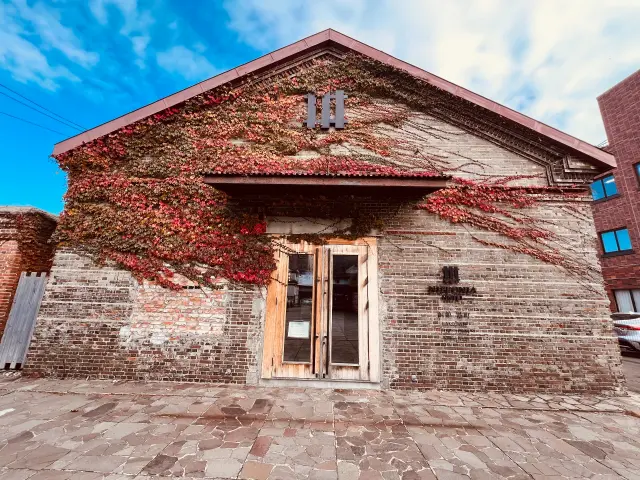
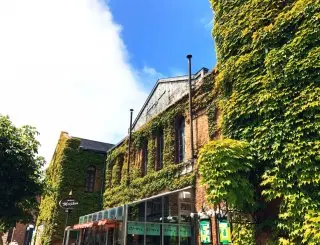
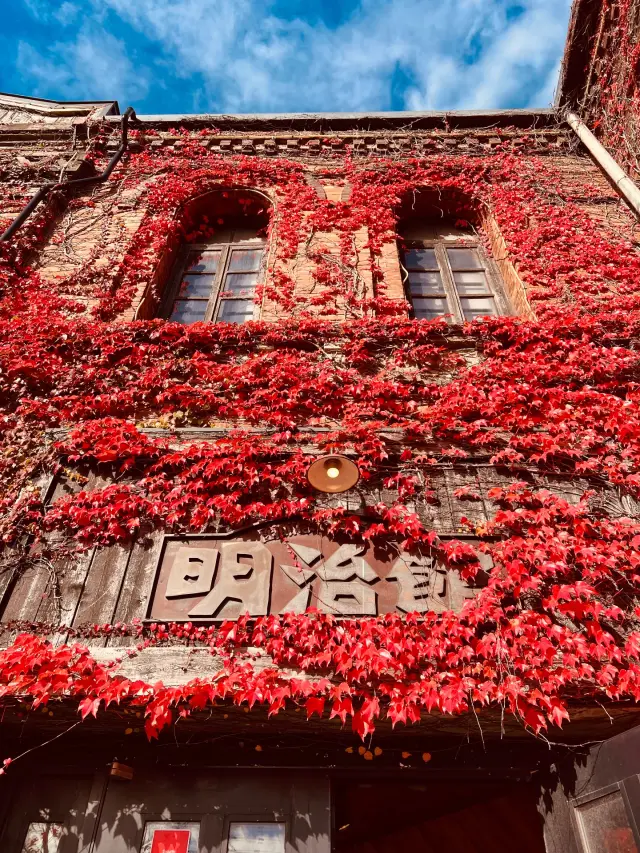
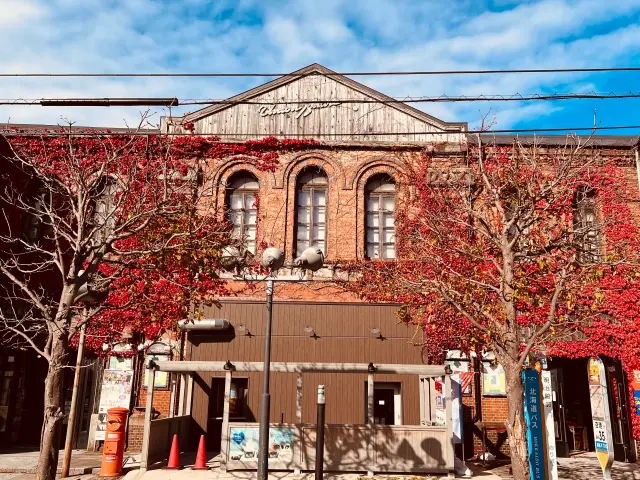
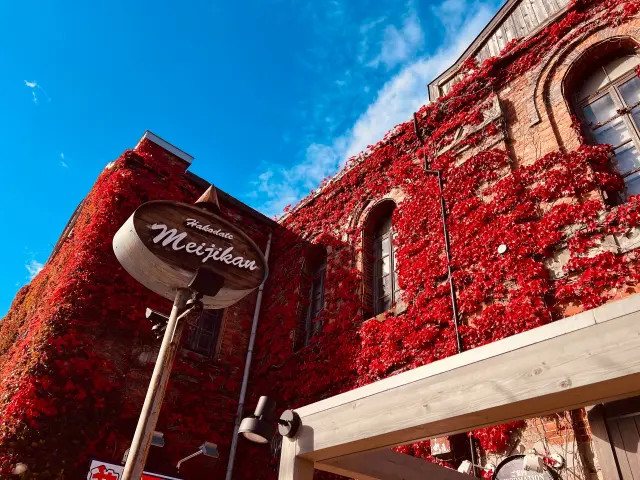
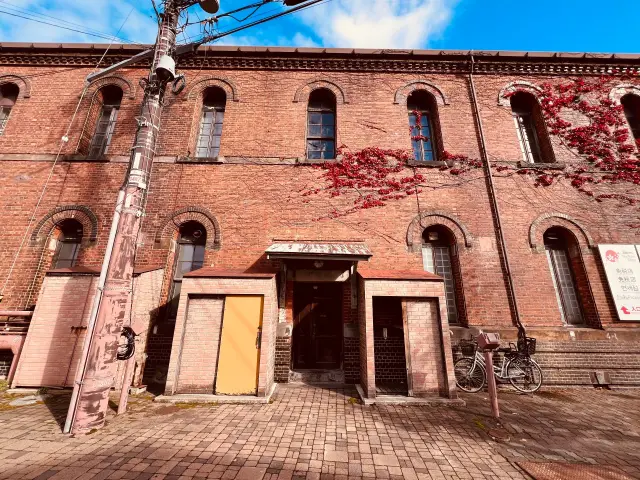
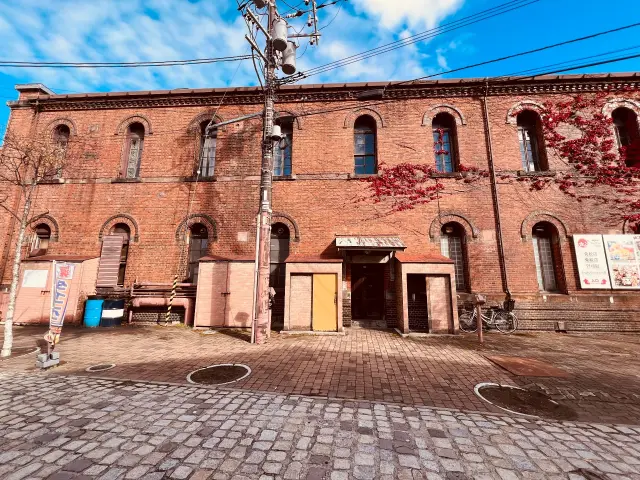
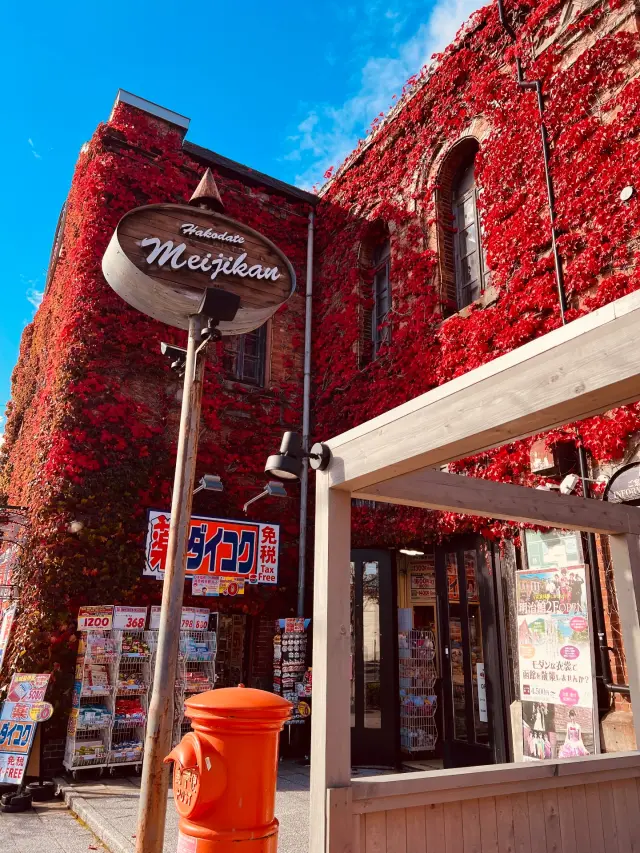
    Hakodate Meiji-kan is at its most charming in autumn—the red-brick exterior is covered in layers of fiery red Boston ivy, looking especially vivid and romantic beneath Hokkaido’s clear blue sky.

    Hakodate Meiji-kan: Built in 1911 (Meiji 44), it was formerly the Old Hakodate Post Office and is one of the oldest surviving red-brick buildings in Hokkaido, bearing witness to Hakodate’s prosperity as an early trading port.

    🍂🍁Limited-time autumn “fall foliage coat”: Every year from late October to early November, the vines climbing the red-brick exterior and arched window frames turn from green to red, coloring the entire building in varying shades of crimson. Together with the retro “Meiji-kan” sign, they create a rich, foreign autumn atmosphere.

  • Kanemori Red Brick Warehouse BAY Hakodate

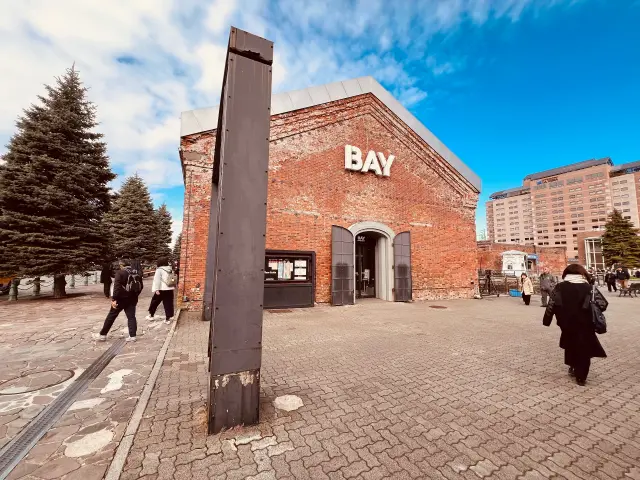
    This multi-purpose complex occupies part of Kanemori Red Brick Warehouse, one of Hakodate’s most popular sightseeing spots. The facility repurposes red brick warehouses once owned by Nippon Yusen, with a canal-constructed around 1882 (Meiji 15)-flowing between two buildings connected by bridges, creating a striking and memorable scene.

    • Hakodate and Matsumae
    • Commercial Buildings
    See More

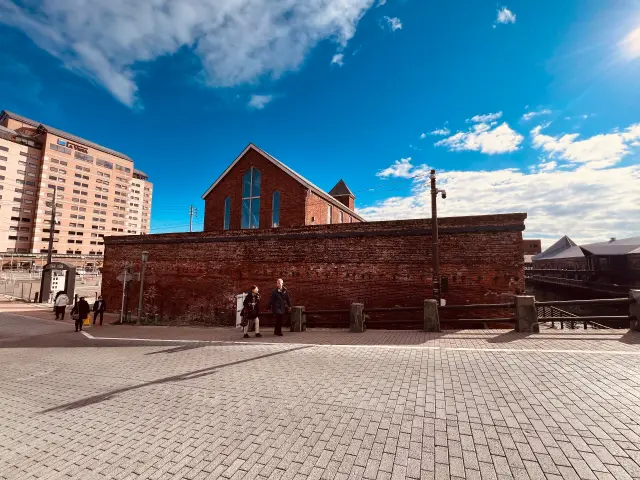
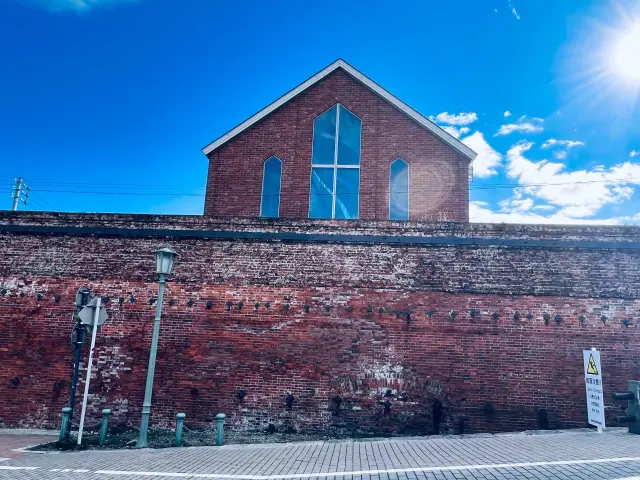
    A special introduction to this red-brick church located within #北海道函館金森紅磚倉庫群(BAY函館): #LilaNoteChurchBAYHAKODATE (Japanese: #リラノートチャーチベイ函館, commonly translated into Chinese as “Church of the Star of the Sea”).

    リラノートチャーチ ベイ函館 is the only wedding chapel in the Kanemori Red Brick Warehouse complex, blending historic red-brick architecture dating back to the Meiji era with the romantic atmosphere of the harbor.

  • Hokkaido University

    Hokkaido University has a huge campus and an unconstrained space. A location of the ground is accessible on foot from the Sapporo station. The campus is open to the public for tours and walking as well as students or staff do.

    • Sapporo Station, Odori, Susukino
    • Tourist Attractions
    See More

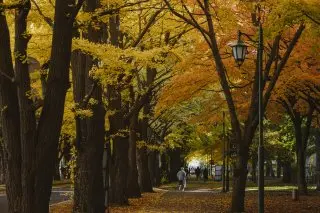
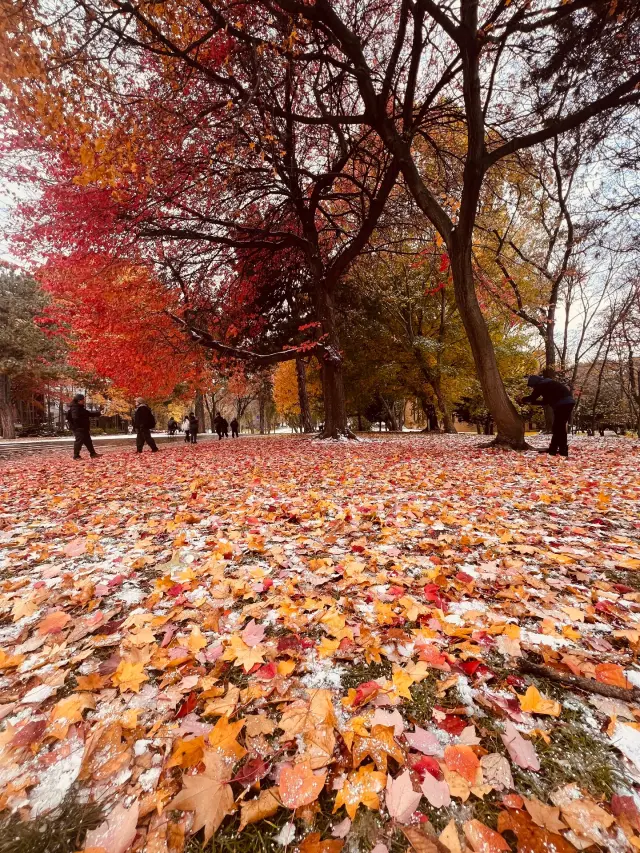
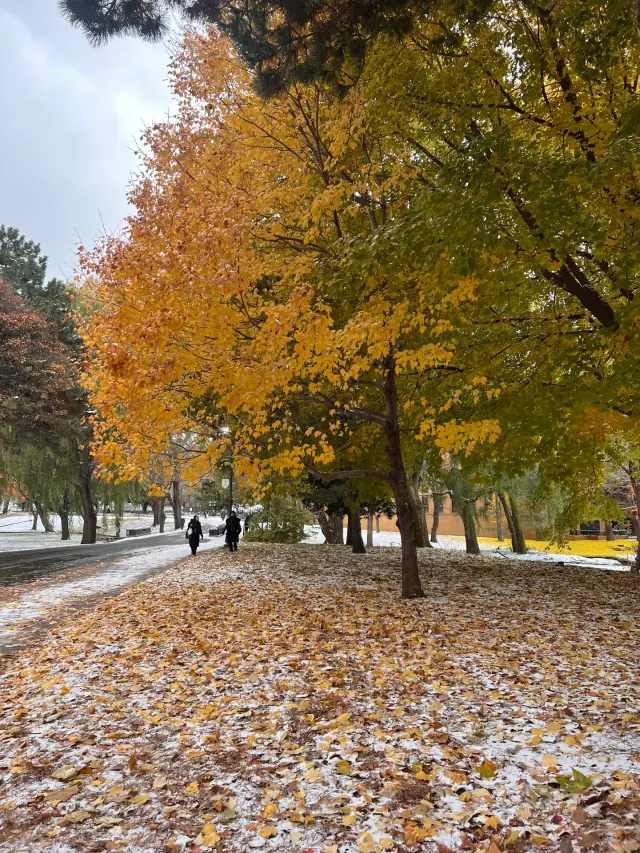
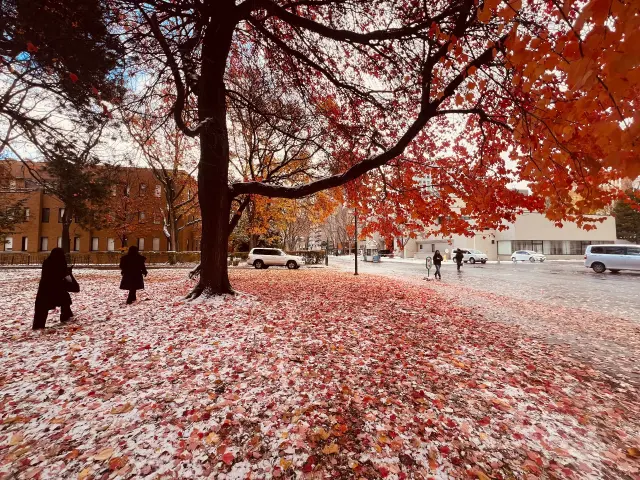
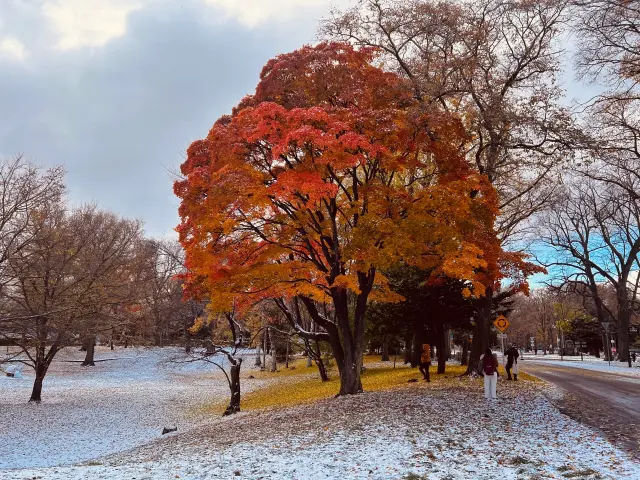
    The Central Avenue (#メインストリート / Main Street) on #北海道大學札幌校區, especially the section around #中央食堂, #古河講堂, and the university library.

    This avenue is the main north-south road running through Hokkaido University, extending from the main gate all the way to the north side. It is not the east-west “#銀杏並木(北13条通),” known specifically for its ginkgo trees.

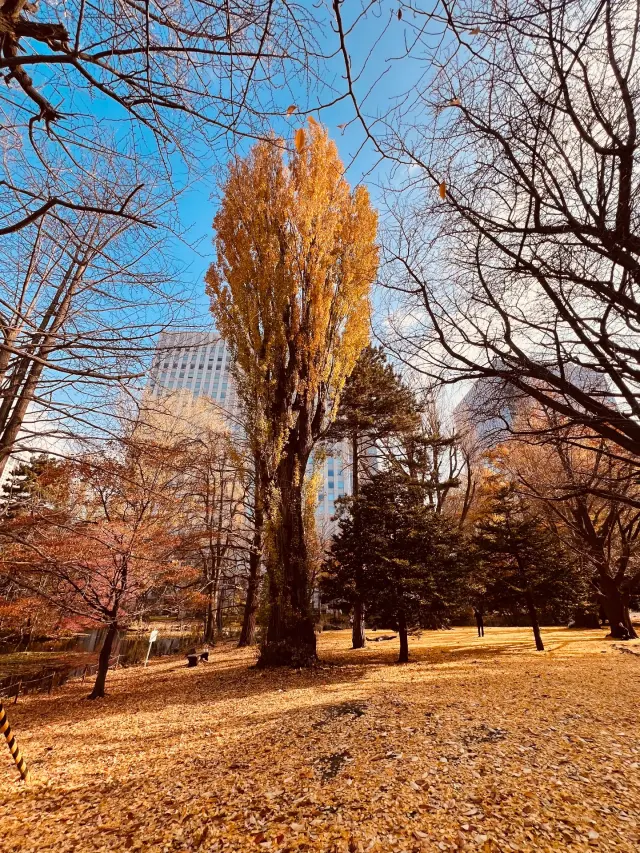
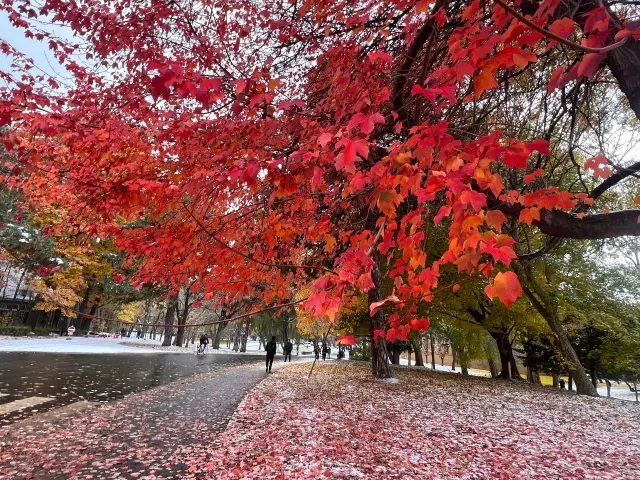
    Many maple, rowan, and elm trees grow along this section, which is also right next to the lawns and the “#サクシュコトニ川” (#SakushukotoniRiver), a stream flowing through the campus:

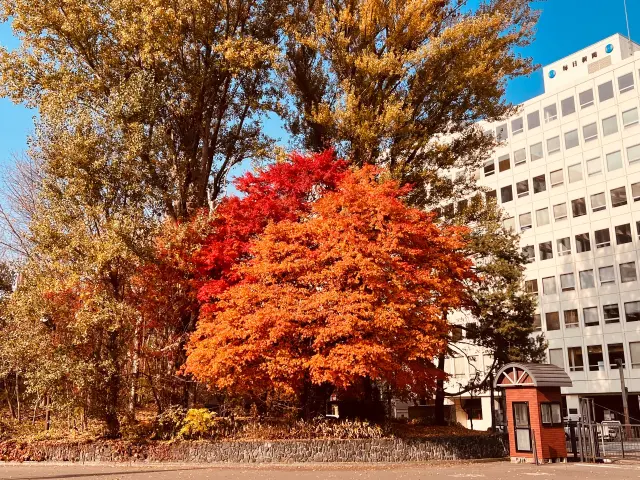
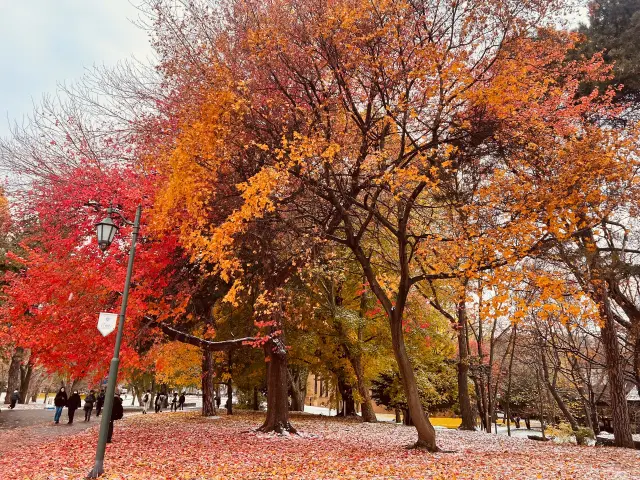
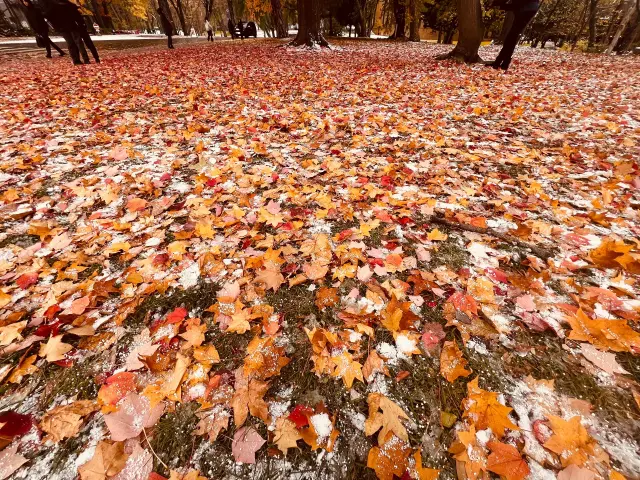
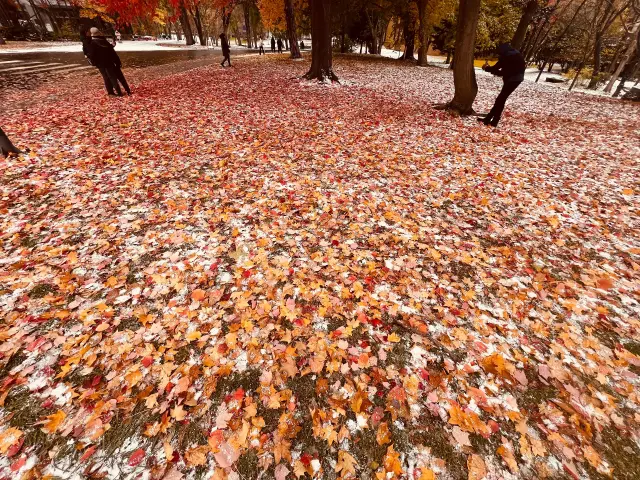
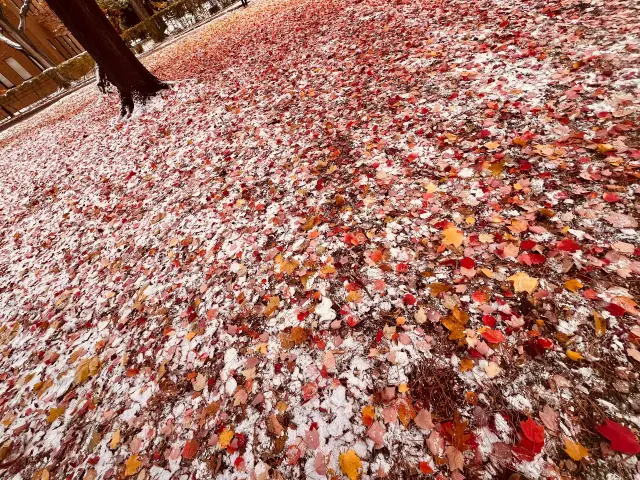
    * In front of the Central Cafeteria and monument: The red-orange maple leaves, mainly Japanese maples and Ezo maples, and the thick layer of fallen leaves on the ground can be found beside the Central Cafeteria, along the lawn paths near the “#クラーク博士胸像 (Bust of Dr. Clark)” and Furukawa Hall.
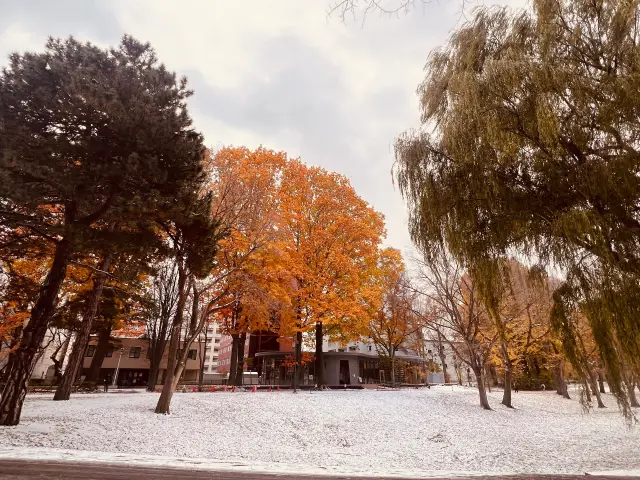
    * In front of #北海道大學附屬圖書館: The orange-yellow brick building in the background is the Hokkaido University Library (Main Library), while the stream flowing beside it is the “サクシュコトニ川.” When the first snow falls and the maple and ginkgo leaves overlap, the combination of red, yellow, and white in one scene is a classic view here.

    Compared with the ginkgo avenue covered in gold at its peak, this “snow-covered autumn leaves” scenery, with the first snow blanketing the red-orange fallen leaves, can only be seen for a few short days each year in Sapporo. It really is especially poetic.

    Filming 🎬 date: 1110/2026

  • Hakodate Station

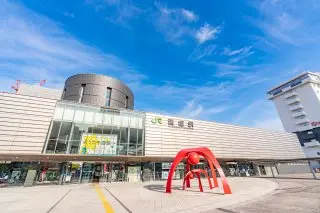
    Hakodate Station's commercial zone was renovated in 2016 with the opening of the Hokkaido Shinkansen. On the first floor is the "Hokkaido Shikisaikan JR Hakodate Store" offering a variety of local specialties and products, while the second floor features restaurants and an observation deck called the "Rotunda Deck" where visitors can take pictures of trains arriving and departing on the platforms.

    • Hakodate and Matsumae
    • Train Stations
    See More

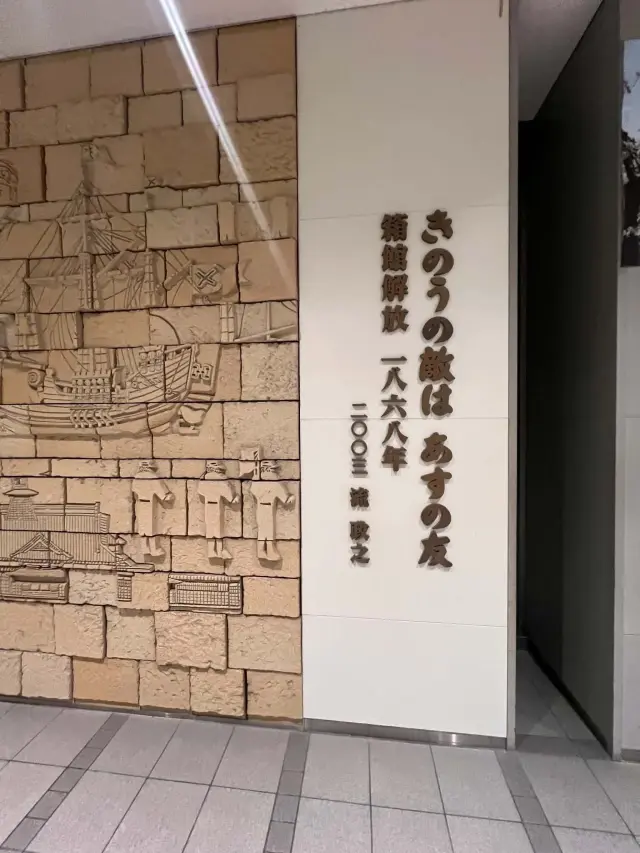
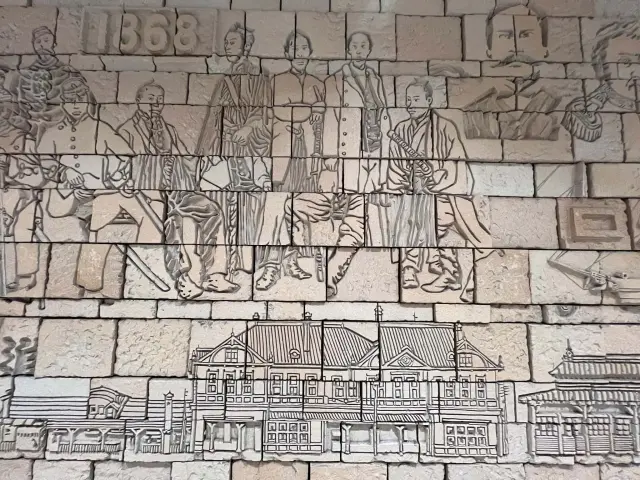
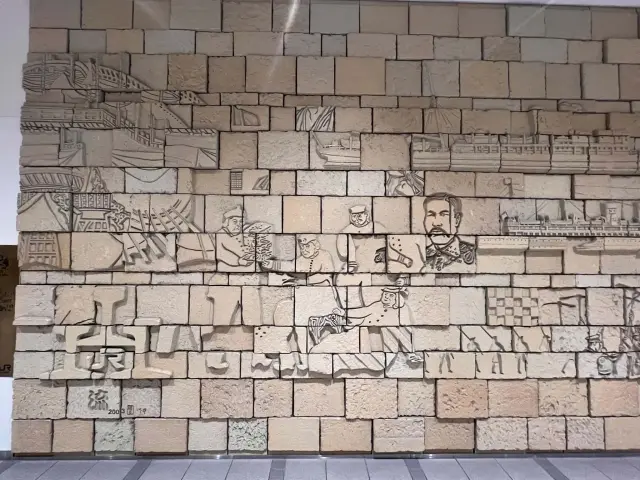
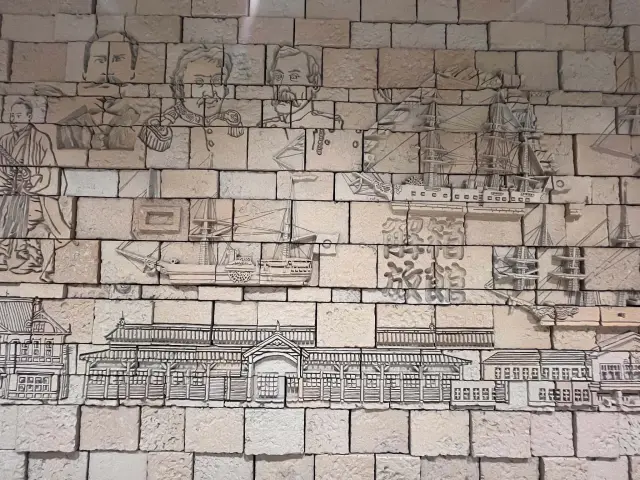
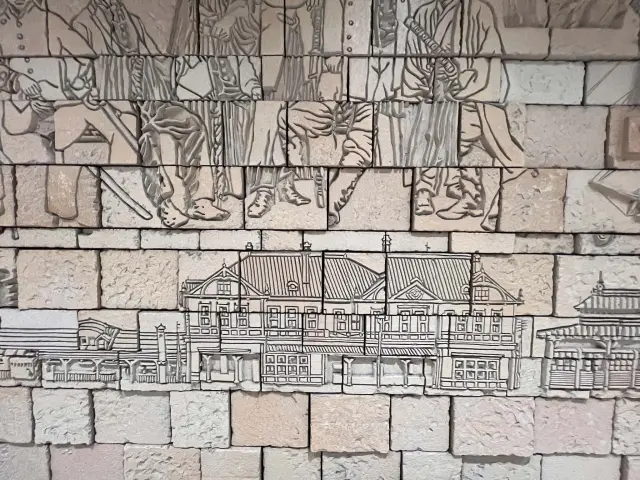
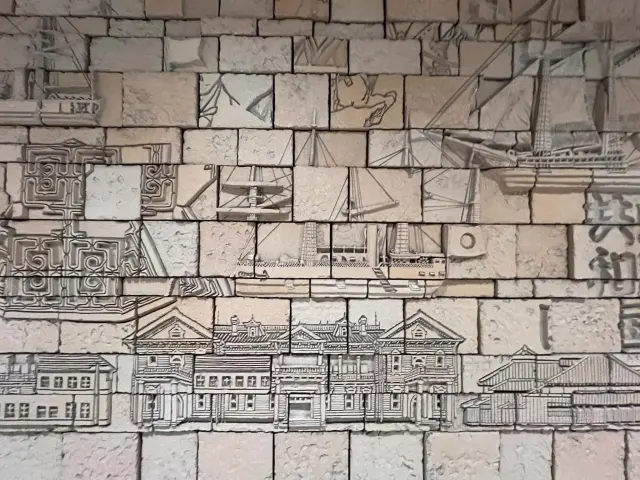
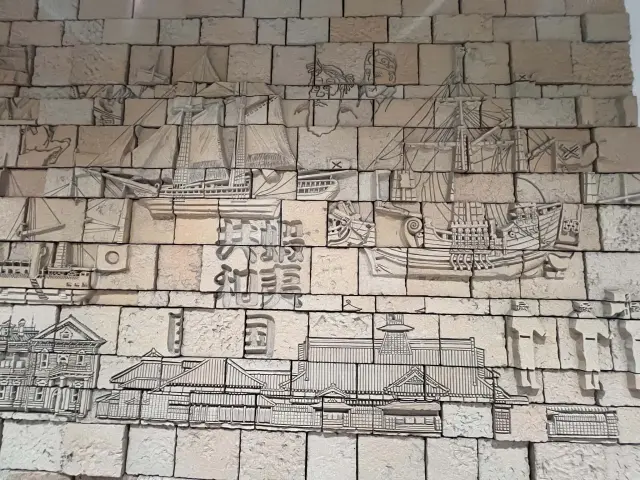
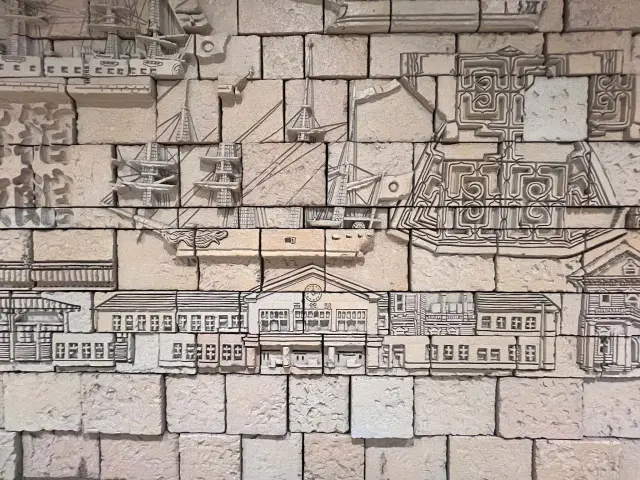
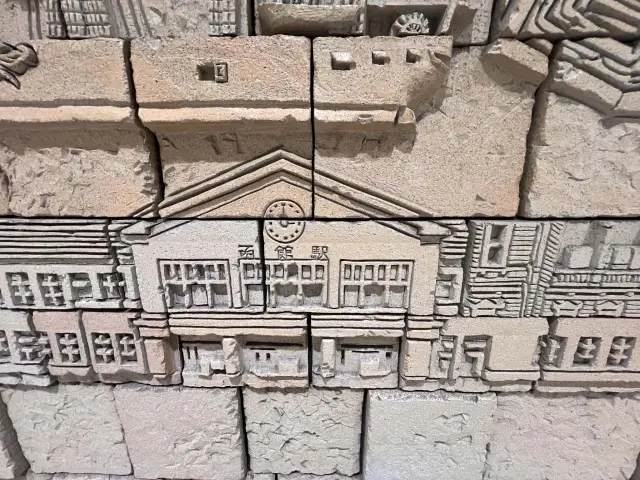
    This stone relief mural, located in the concourse leading to the platforms at JR Hakodate Station, is a public artwork created in 2003 by renowned Japanese sculptor Masayuki Nagare, when the new Hakodate Station building was completed. Its title is “きのうの敵は あすの友” (“Yesterday’s Enemy Is Tomorrow’s Friend”), with the subtitle “#箱館解放 一八六八年” (“The Liberation of Hakodate, 1868”).
    The mural’s theme is “the history of the #幕末維新, the #箱館戰爭 (the final battle of the Boshin War), and the opening of the port of #函館.” Through a mosaic of stone tiles, it depicts #函館’s journey from turmoil to peace, openness, and modernization.
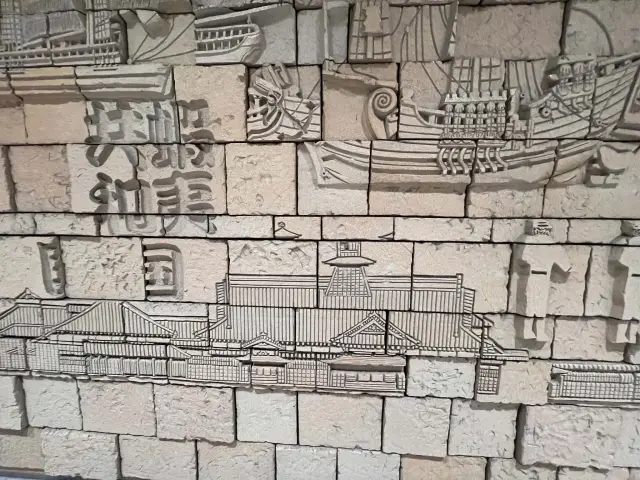
    The entire wall is like a three-dimensional picture scroll of Hakodate’s modern history, allowing every traveler about to depart or just arriving to experience, before reaching the platforms, the city’s historical journey from war to peace and prosperity.

  • Hakodate Port (Tsugaru Strait Ferry Hakodate Terminal)

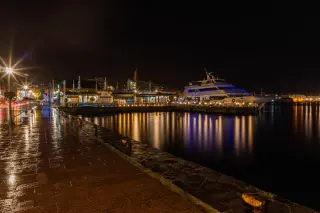
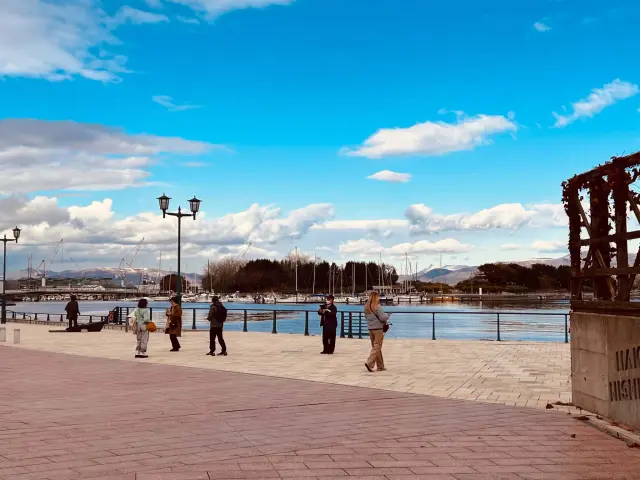
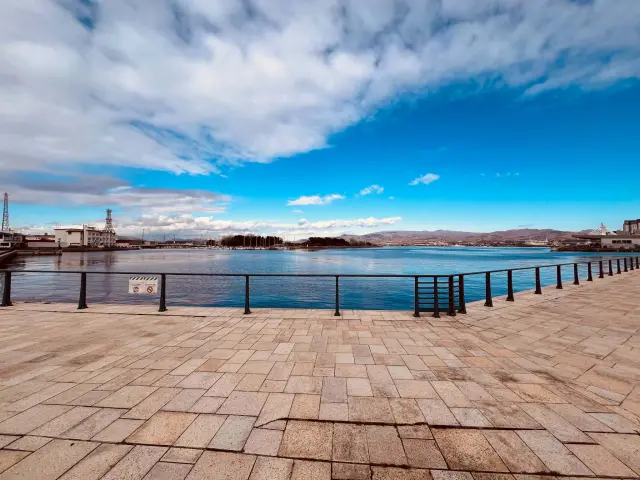
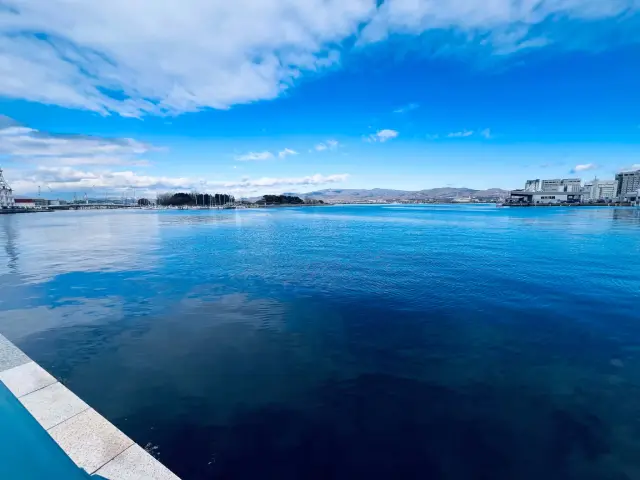
    Hakodate Port has been at the center of Hakodate's development since it opened in 1859 (Ansei 6). As one of the first ports to open in Japan, it has greatly contributed to the development of Hakodate as a tourist city. The dynamic landscape of the deep bay and Mount Hakodate, combined with the modern atmosphere and exotic streetscape of the 19th century, make the area 360-degree photogenic!

    • Hakodate and Matsumae
    • Tourist Attractions
    See More

    ⚓ Hakodate Bay
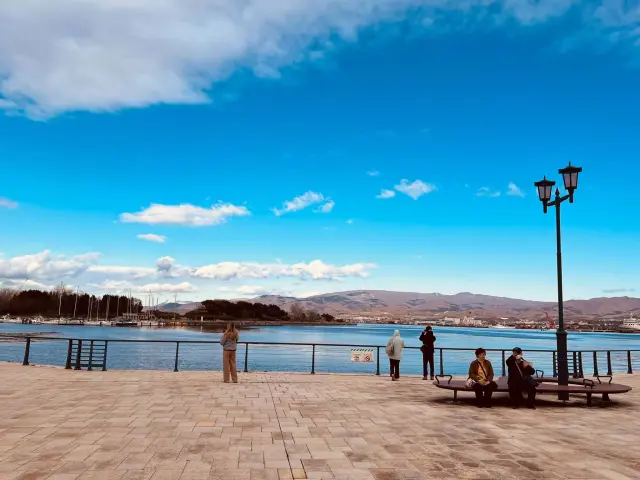
    A waterfront area full of historic romance and an exotic atmosphere. There’s no rushing around, only a gentle sea breeze blowing toward you. It’s a “super chill” spot where you can completely relax and enjoy the slower pace.
    🧱 Nishi Hatoba and the Red Brick Warehouses:
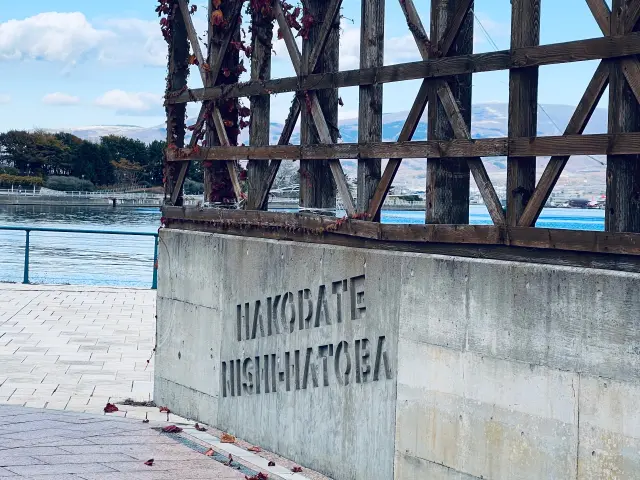
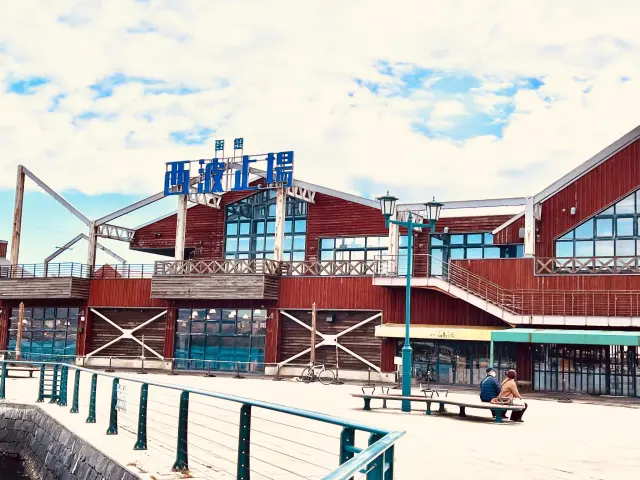
    The striking reddish-brown wooden building of Nishi Hatoba and the nearby Kanemori Red Brick Warehouse complex are landmarks of the bay area. Inside, there are plenty of seafood markets, souvenir shops, and restaurants. You can pick up some snacks, order a local beer or coffee, and sit on the outdoor wooden boardwalk, looking out at the sea while soaking up the sun.
    🚶♀️ Strolling Along the Boardwalk and Waterfront Plaza:
    The spacious plaza and wooden boardwalk extending along the harbor have plenty of benches. Whether it’s local residents walking their dogs, travelers leaning against the railing and looking at the sea, or people simply sitting on a bench and zoning out, everything feels incredibly relaxing.

    ⛰️⚓️ Harbor Scenery and Mountain Views Across the Water:
    Looking out over the water, you can see white yachts and sightseeing boats, such as the Blue Moon, slowly cruising by. In the distance is the long ridgeline of Mount Hakodate, where you can even faintly see the ropeway. The blue sky, white clouds, and sparkling water blend together, and in the evening, vintage-style streetlights come on, adding a warm and romantic touch.

    🌟 Traces of History and Photo Spots ⭐️

    Beside the “Hakodate Nishi Hatoba” sign and the fence covered in red leaves, or in front of the historic statue and information board for Jo Niijima, casually exploring the story of how this port city opened to the world while strolling around is also part of the fun.

    Here, the best itinerary is “no itinerary.” Buy some snacks, find a bench by the sea, sit down, listen to the waves, and watch the seagulls—that’s the most relaxing way to spend time in Hakodate! I hope this illustration and introduction bring you plenty of vacation vibes!

Hokkaido Tohoku Kanto Chubu Hokuriku Kansai Chugoku Shikoku Kyushu Okinawa