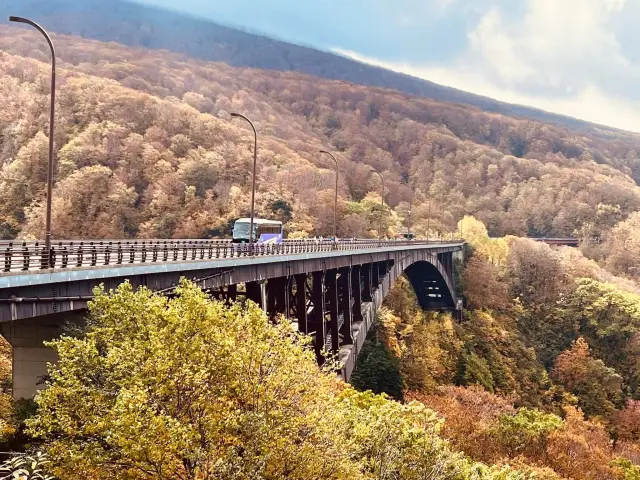
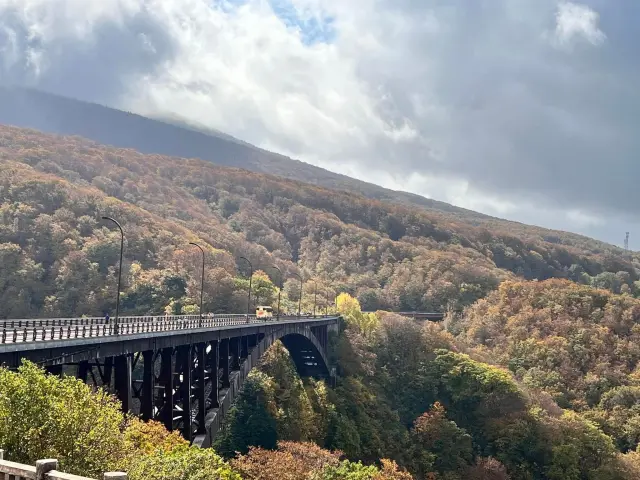
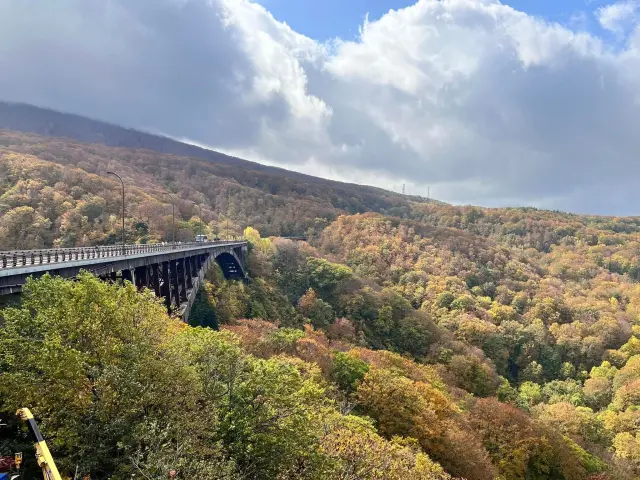
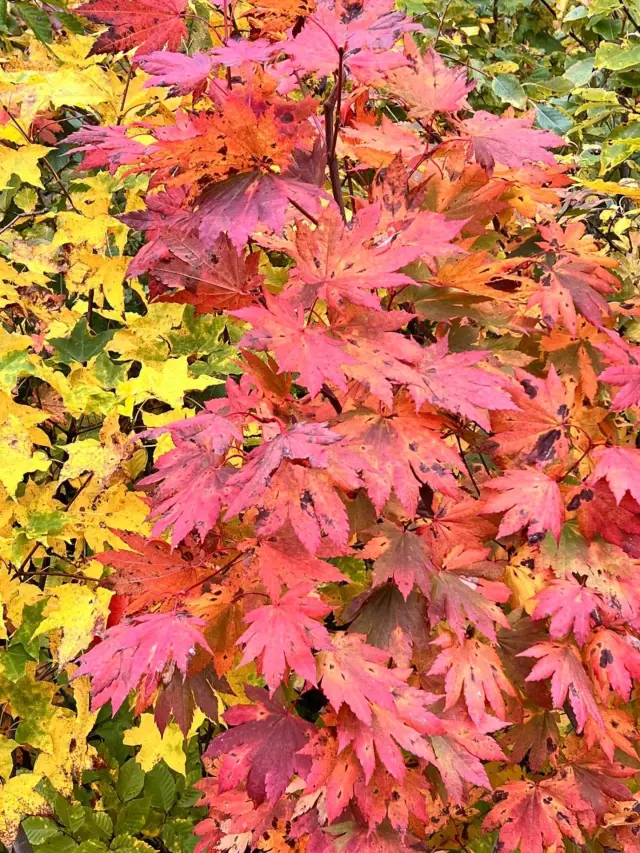
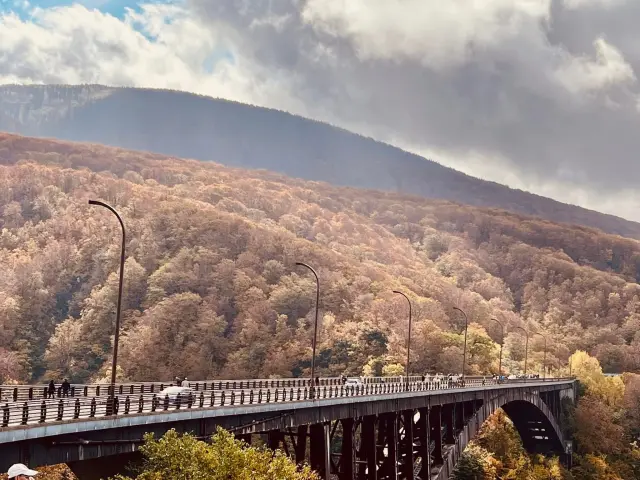
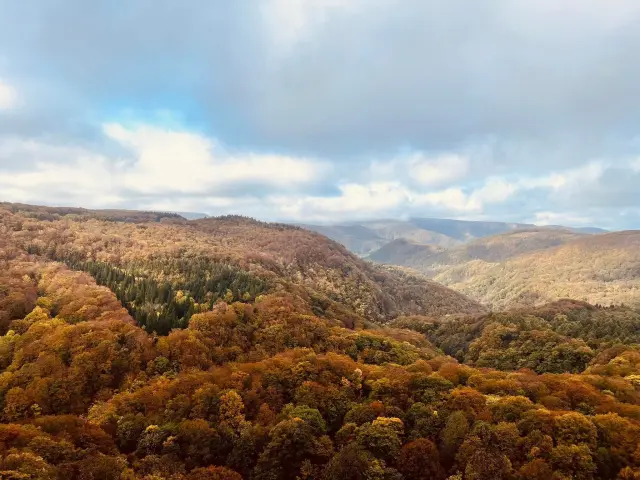
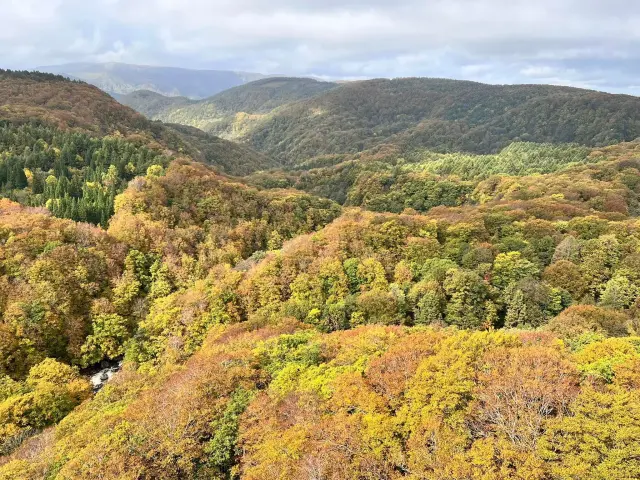
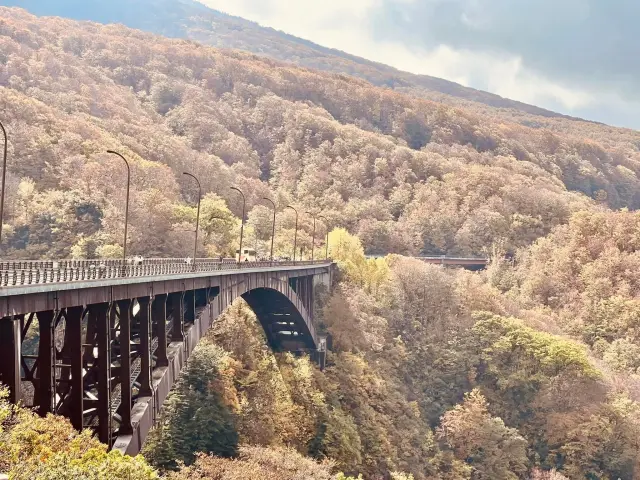
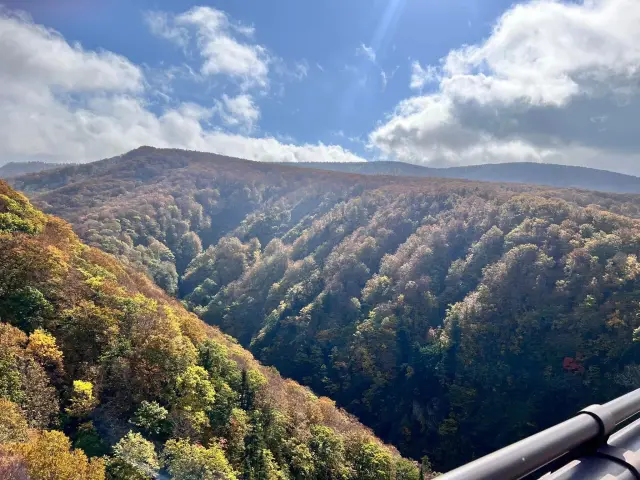
It is possible to walk from Hakkoda Jogakura Onsen Hotel Jogakura (HOTEL Jogakura) to Jogakura Bridge, and the trip takes about 30 minutes. Along the way, you can enjoy the natural scenery of the Hakkoda mountain area, which is especially beautiful during the fall foliage season.
Walking route
Distance: The walking distance is about 2.4 kilometers and takes approximately 29 minutes.
Scenery along the way: This route follows National Route 394 through the forests of the Hakkoda mountain area. The scenery is especially magnificent during the fall foliage season.
Things to note:
Road conditions: Mountain roads may be slippery or uneven, so comfortable, nonslip shoes are recommended.
Weather: Mountain weather can change quickly. Check the weather conditions before setting out, and bring rain gear or warm clothing.
Winter: During winter, the road may be covered with snow or ice, making the walk more difficult. Some sections may even be closed, so be sure to check road conditions before going.
Safety: Vehicles travel along the national highway, so be careful and walk along the side of the road.
Alternatives
Free shuttle: If you do not want to walk, Hakkoda Jogakura Onsen Hotel Jogakura may sometimes offer shuttle service to Jogakura Bridge, but you need to check and make a reservation in advance.
Driving: If you have a car, it takes about 3 minutes to drive to Jogakura Bridge. Parking lots are available on both sides of the bridge.
Bus: You can take a JR bus from the “Jogakura Onsen” bus stop, but be sure to check the schedule.
Jogakura Bridge | Review by Norton Liang

Other Reviews by Norton Liang
-

ShinPuhKan
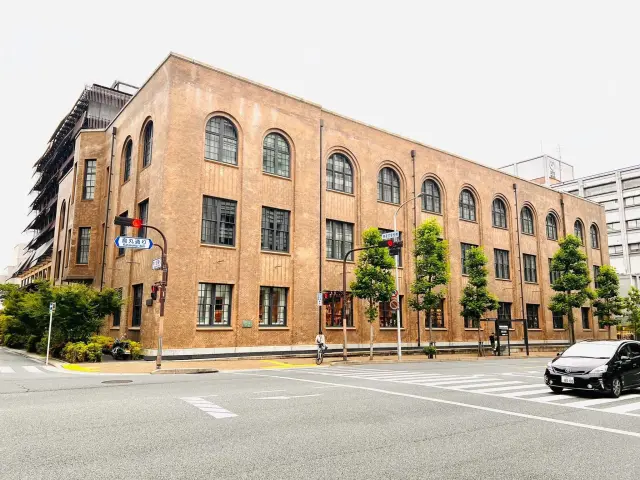
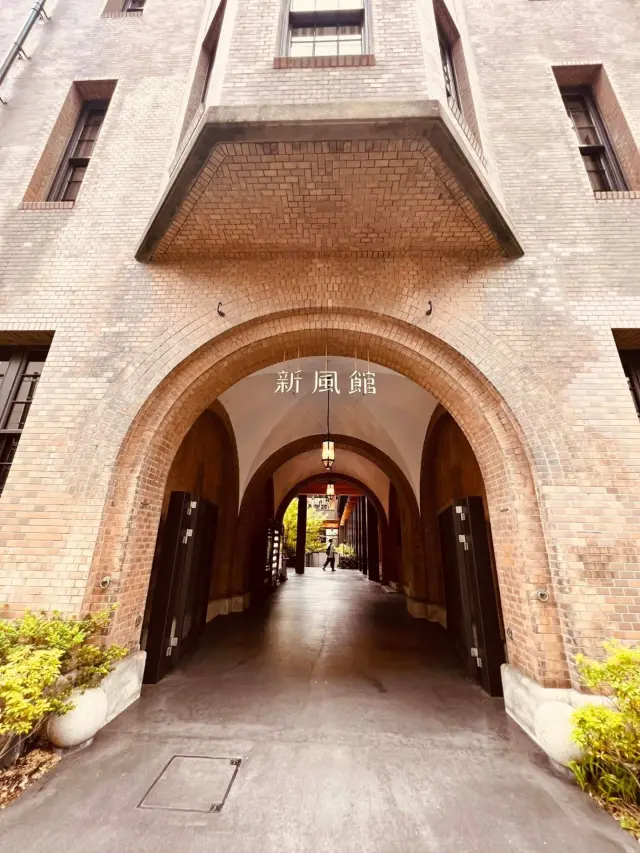
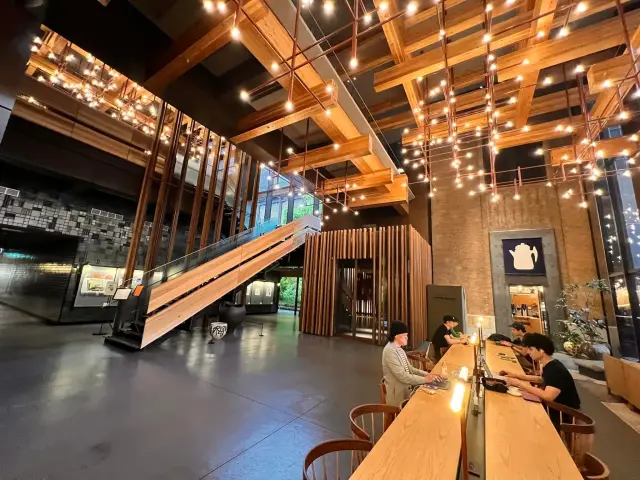
The ShinPuhKan, a commercial facility in Karasuma Oike, reopened in 2020, blending historical architecture with new construction. The brick-built "Preserved Building" is a renovated structure of the old Kyoto Central Telephone Office from 1926, designated as Kyoto City’s first registered cultural property.
Popular shops and spaces that artsy types shouldn't miss
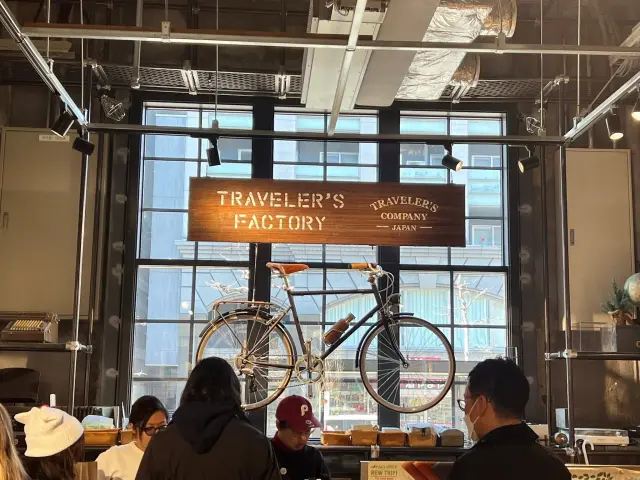
• TRAVELER'S FACTORY KYOTO: The Kyoto branch of the popular stationery store from Nakameguro, Tokyo, selling a variety of planners, washi tape, notebooks, and Kyoto-exclusive items, with customization services also available.
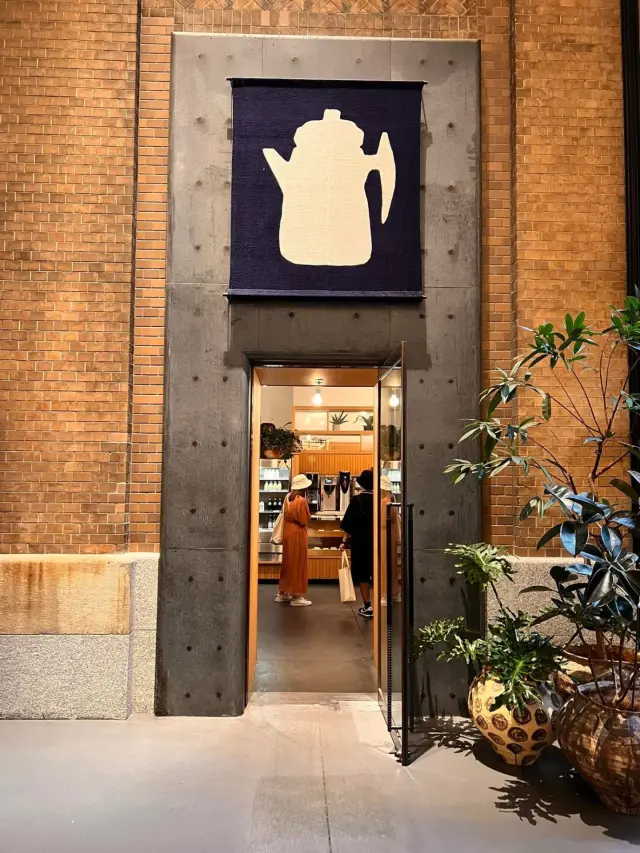
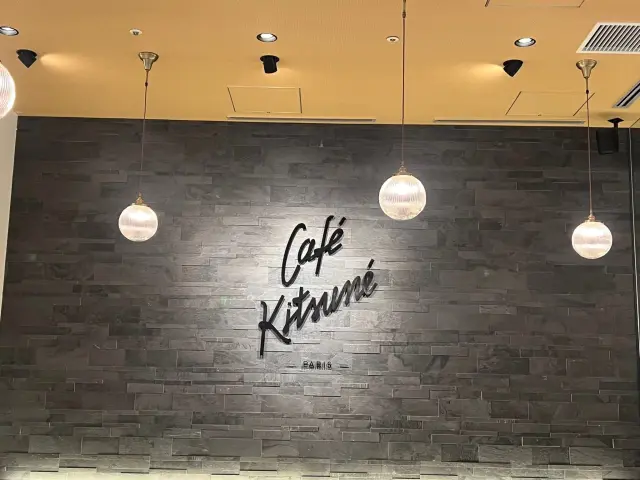
• Café Kitsuné: A hugely popular, stylish fox-themed café from Paris, located on the first floor of ShinPuhKan, with a refined blend of French and Japanese aesthetics.
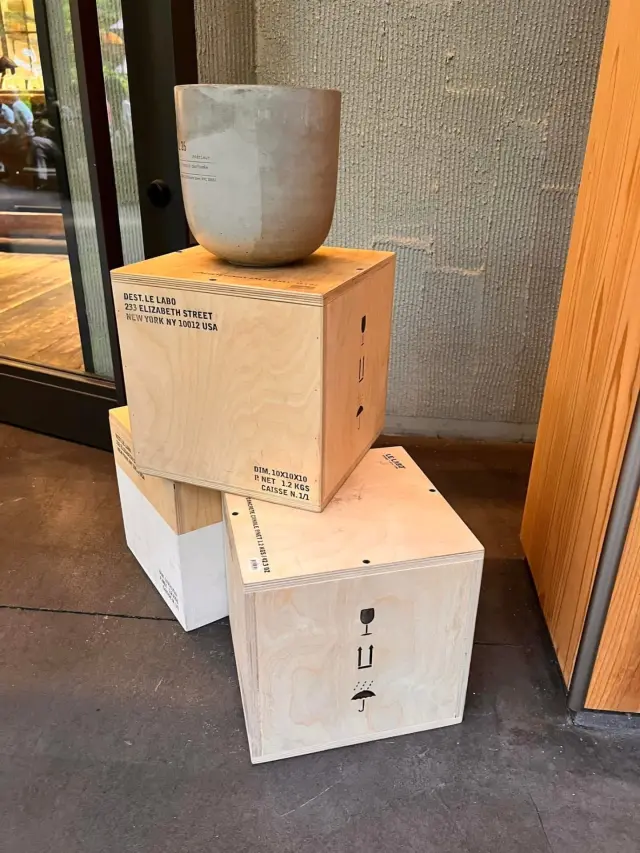
• LE LABO: A New York artisanal fragrance brand known for its vintage laboratory style, with an exceptionally sophisticated store design.
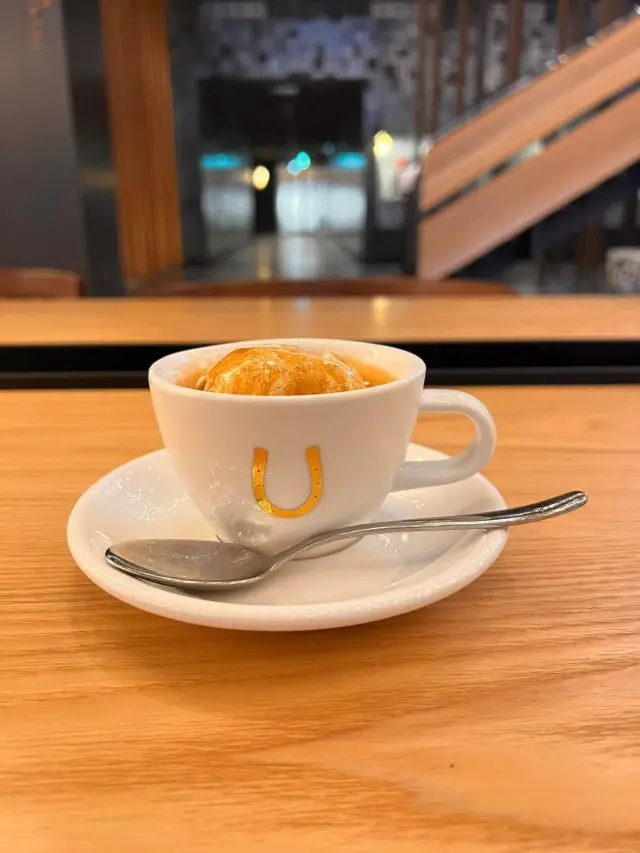
• (THISIS)SHIZEN: A multipurpose space centered on nature, craftsmanship, and art. Its best-known signature item is edible-flower ice cream that looks like an elegant bouquet.
• Ace Hotel Kyoto: A trendy boutique hotel brand that originated in Seattle, making its first entry into Japan. The public lobby and overall design are filled with art and music.
• アップリンク京都 (UPLINK Kyoto): An intimate independent movie theater on the first basement floor, popular with film buffs and artsy types. -
-
teamLab Biovortex Kyoto
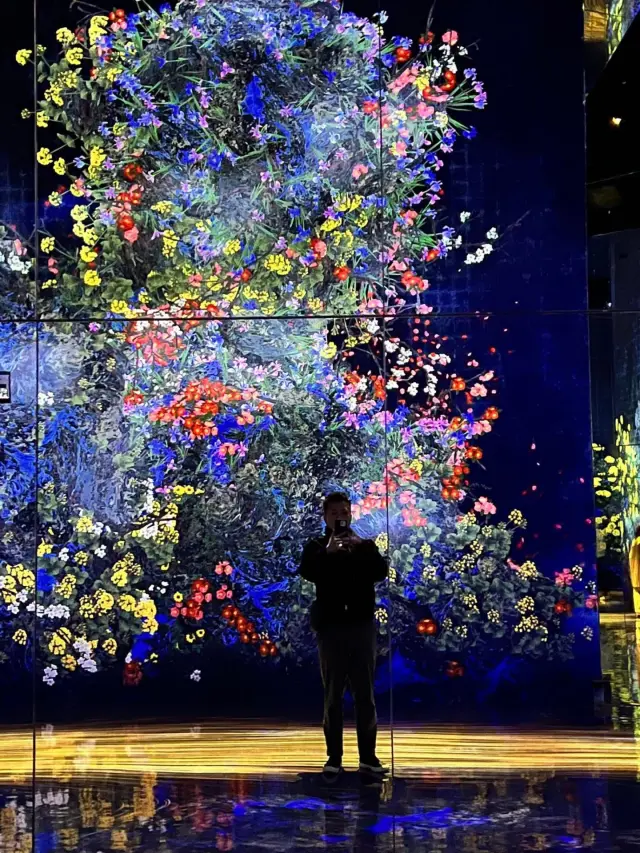
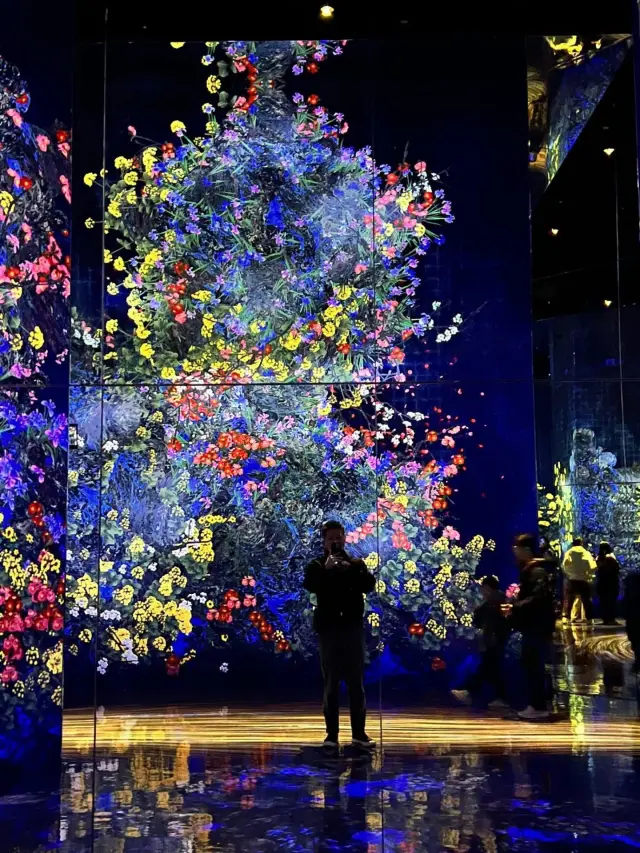
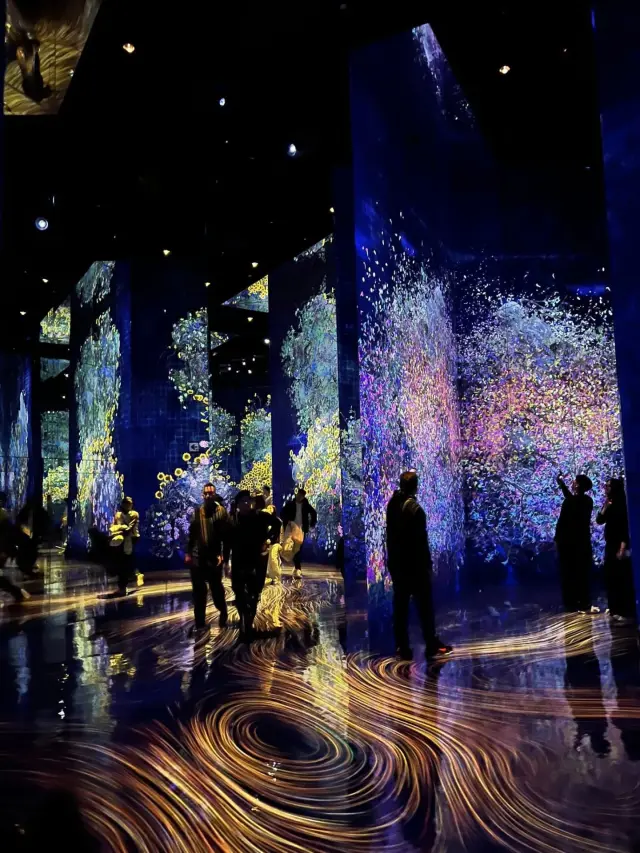
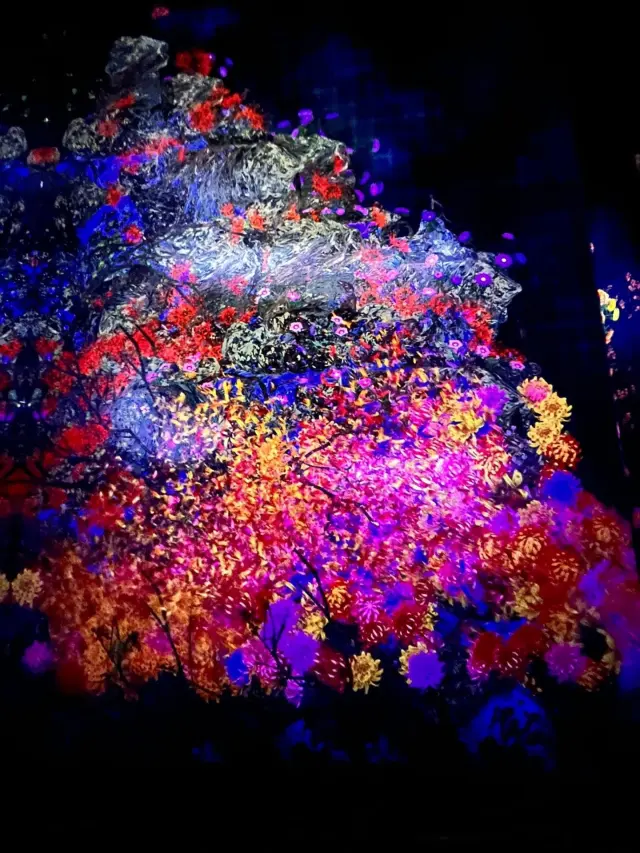
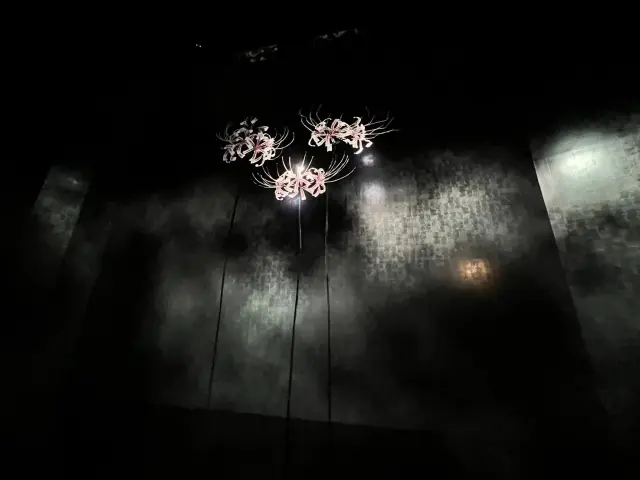
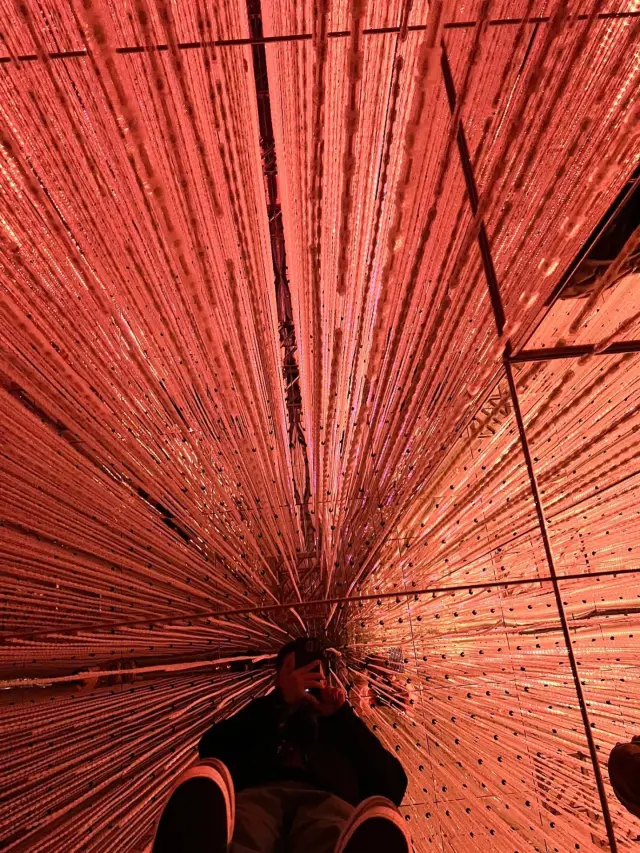
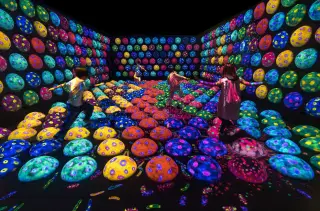
Opened in October 2025 in the southeastern area of Kyoto Station, this is teamLab’s newest museum. Using advanced digital technology, it showcases immersive artworks that transform in response to human presence and movement, displayed across Japan’s largest teamLab space, covering approximately 10,000 square meters.
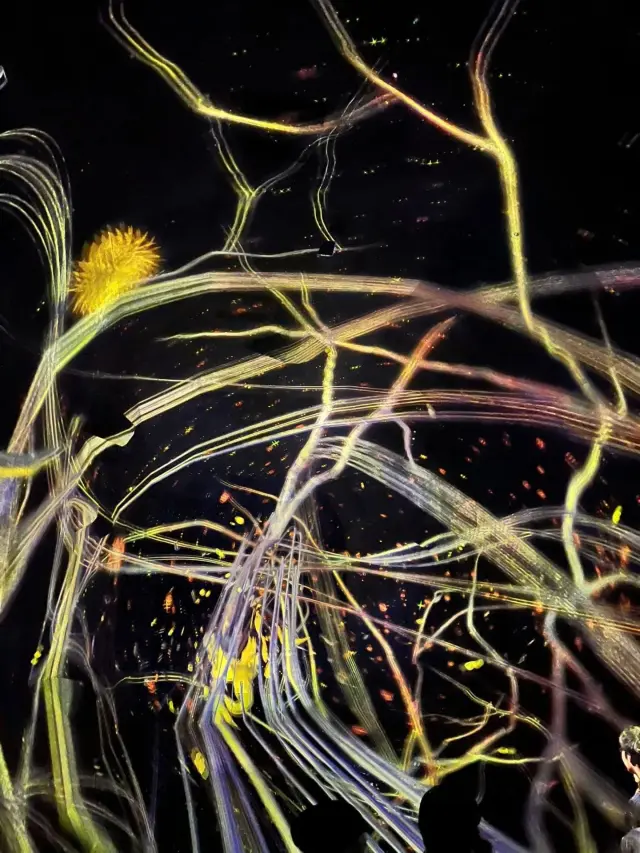
The core design concept of teamLab Biovortex Kyoto is “Biovortex,” which combines “life” and “vortex.” It emphasizes that “the environment gives rise to phenomena, and phenomena create existence,” creating an art experience filled with sensory perception where visitors can fully immerse themselves, interact with the works, and co-create a world that is “boundaryless, selfless, and eternal.” It also cleverly echoes Kyoto’s garden culture, exploring the themes of “existence” and “environment.”
Core design concepts:
Biovortex: The exhibition is presented as a continuously flowing and changing field of energy, symbolizing the cycle of life and allowing visitors to sense the interconnectedness of all things.
Environmental phenomena: The works are not fixed objects, but dynamic phenomena produced through the environment—light, sound, scent, and interaction—challenging our perception of “existence.”
Boundarylessness and immersion: The boundaries between the artworks and visitors are blurred, allowing visitors to become part of the art and experience and create through all their senses.
Once-in-a-lifetime encounter: The works change in real time through interactions among time, space, people, and the environment, creating a unique experience in each moment.
Universal design: With no national or language barriers, everyone can enjoy the art intuitively.
Connection to Kyoto:
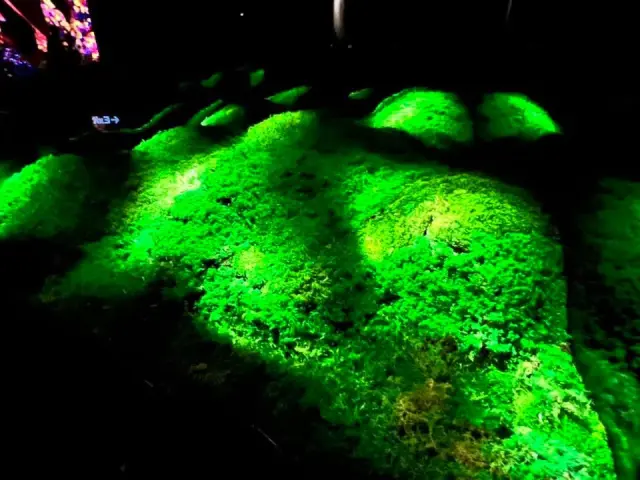
Garden concept: The entrance is modeled after a Kyoto garden and planted with Kitayama daisugi and other plants, blending digital art with the natural landscape.
Cultural dialogue: Modern technology is used to interpret Kyoto’s historical depth and vitality.
Presentation methods:
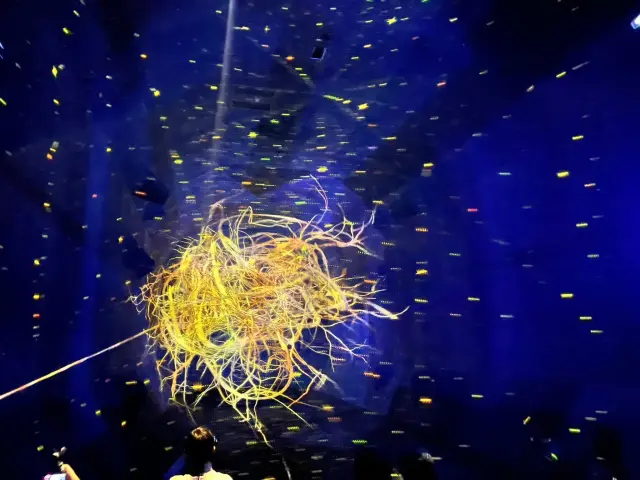
Non-material sculptures: Soap bubbles form and spheres of light float, presenting art forms with no fixed boundaries that can repair themselves.
Interactive co-creation: For example, visitors’ footsteps connect to form a massive living organism in Traces of Life, with their actions directly generating the work.
Large-scale new works: Large interactive installations such as Flow of Life and Eternal Universe of Words are displayed, creating a grand sense of life. -
-

Kyoto Takashimaya S.C.
Perched on the southwest corner of the bustling Shijo Kawaramachi intersection in Kyoto, this large-scale retailer keeps a long and bold history since its infancy as the “Takashimaya” vintage clothing cotton merchant that founded in the local year of Tempo 2 (1831). The brand moved to Kawaramachi-Takatsuji as the first privately-owned, reinforced concrete commercial building during the Meiji era in 1912, and has since then moved to its current spot as a market center in 1946.
Besides all the must-buy souvenirs on the basement floors,
I personally highly recommend these must-visit spots for artsy types:
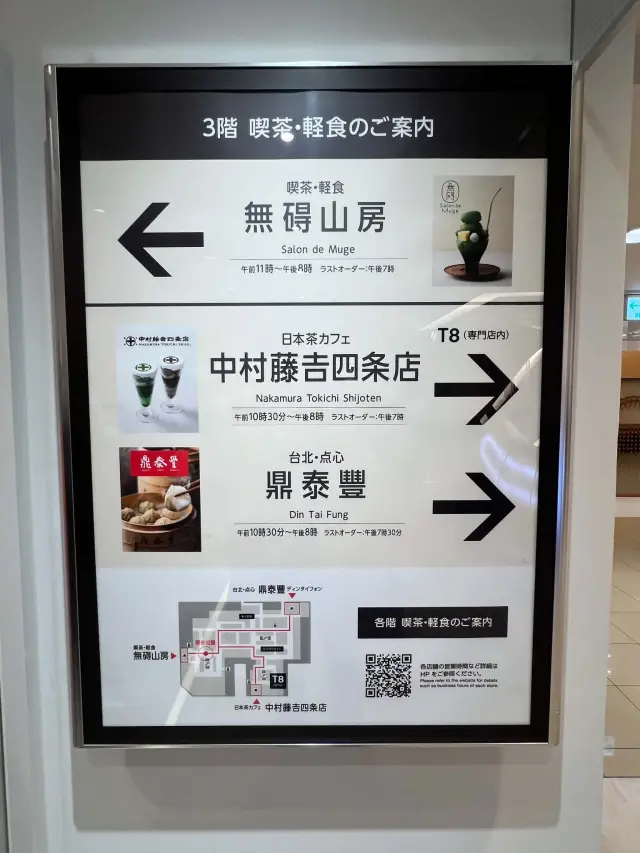
Several noteworthy and trendy stores and facilities inside Kyoto Takashimaya S.C. (especially the T8 building/new wing). Here is a brief introduction to the three distinctive must-visit spots you listed:
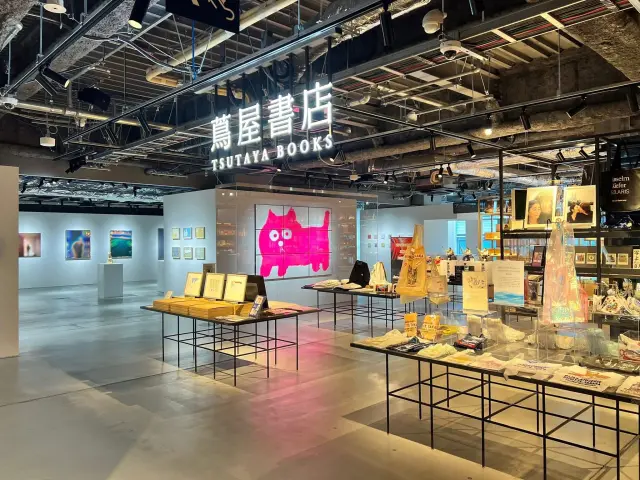
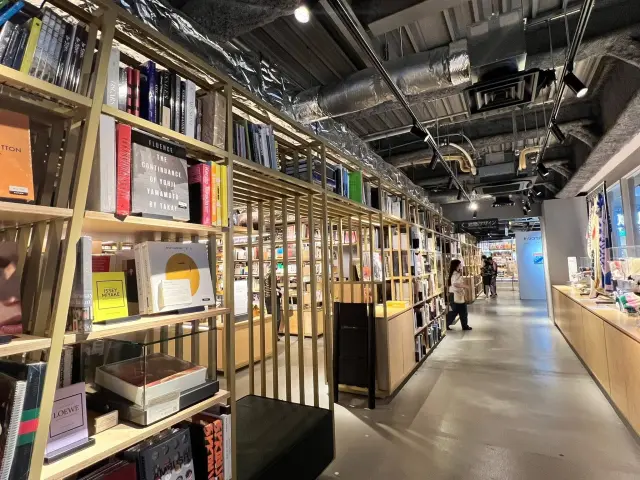
* Kyoto Tsutaya Books (TSUTAYA BOOKS / Photo 3)
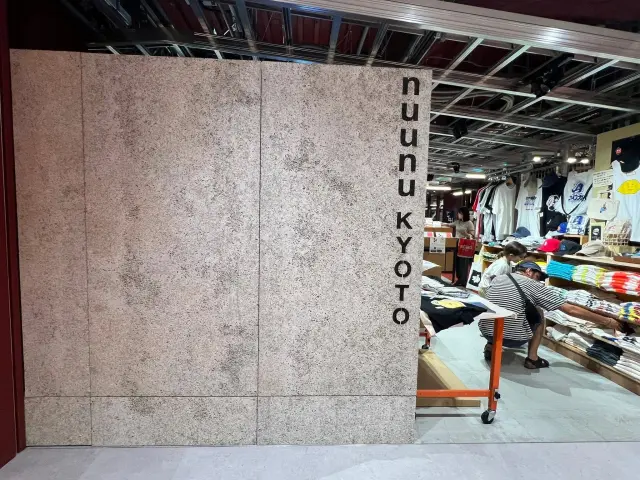
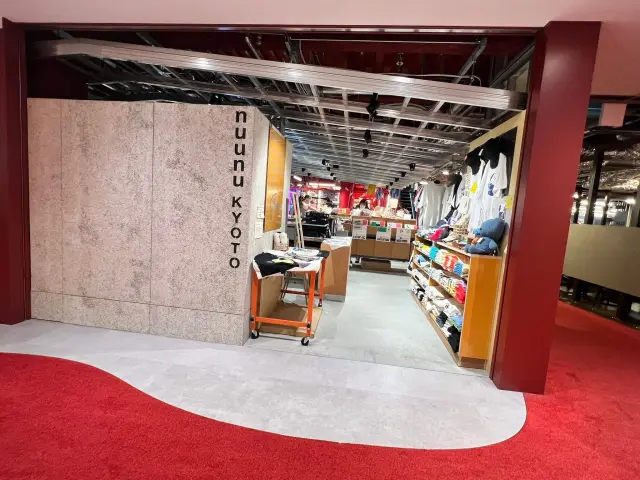
* Introduction: Located on the 5th and 6th floors of Kyoto Takashimaya S.C. T8, this Tsutaya bookstore combines art, Japanese culture, and lifestyle aesthetics. In addition to its extensive selection of books, it frequently hosts exciting exhibitions by contemporary artists and sells unique artwork, designer goods, and Kyoto-exclusive merchandise. It is a landmark destination in Kyoto for artsy visitors and art lovers.* nuunu KYOTO
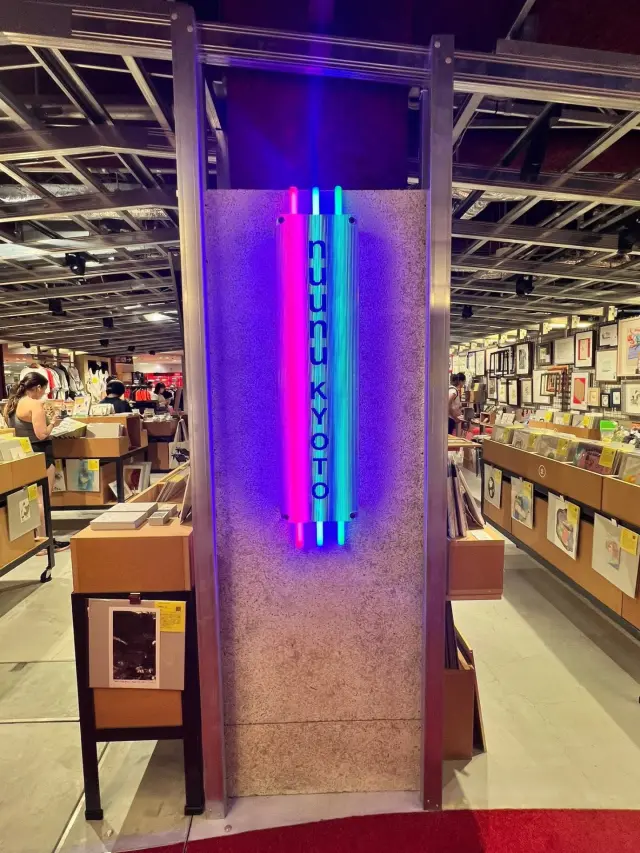
* Introduction: This is a select shop/concept space filled with unique street fashion and subculture style (often complementing the floor where Tsutaya Books is located and the surrounding arts and cultural spaces). It sells distinctive clothing, T-shirts, specialty goods, and art-related merchandise. You can often uncover cool items full of creativity and local design, making it a must-visit for trend lovers and anyone looking for unique souvenirs.
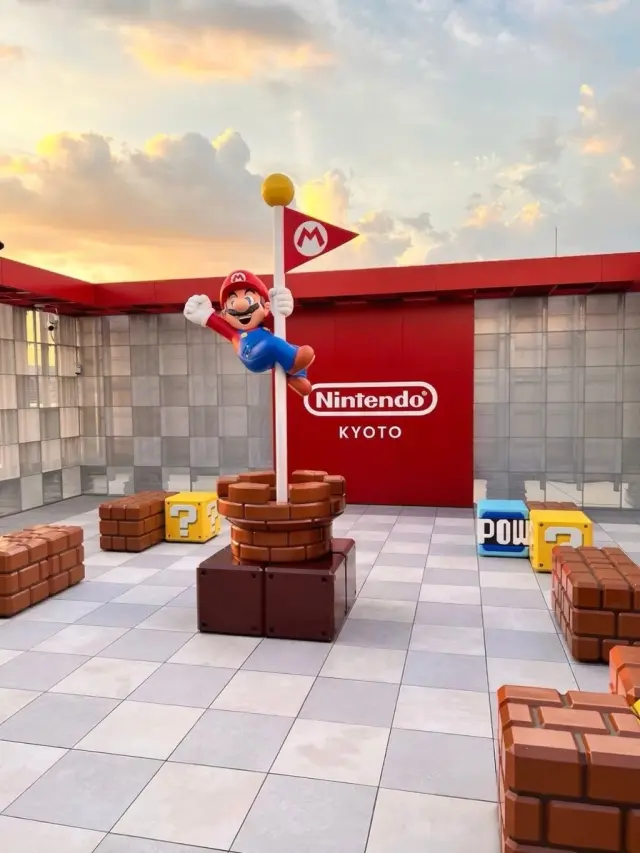
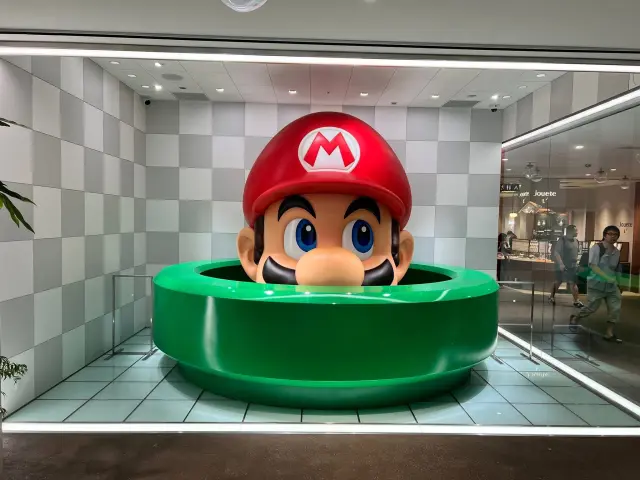
* Nintendo KYOTO-related displays/area (giant Super Mario decoration)
* Introduction: Although the official Nintendo KYOTO store itself is located inside the Kyoto Takashimaya T8 building next to Kyoto Takashimaya S.C., the complex often features large photo spots with classic characters such as Mario (like a giant Mario head poking out of a pipe). It is an excellent spot for fans to make a pilgrimage and take commemorative photos, and the store also sells a variety of exclusive Nintendo character merchandise.
If you're planning your itinerary, these places are all in the same mixed-use complex as Kyoto Takashimaya S.C. (T8) or right next to it, making them perfect to visit together for shopping, photos, and experiencing Kyoto's contemporary new appeal! -