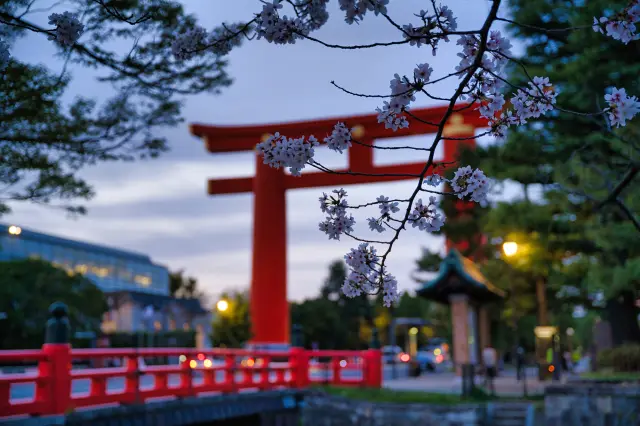
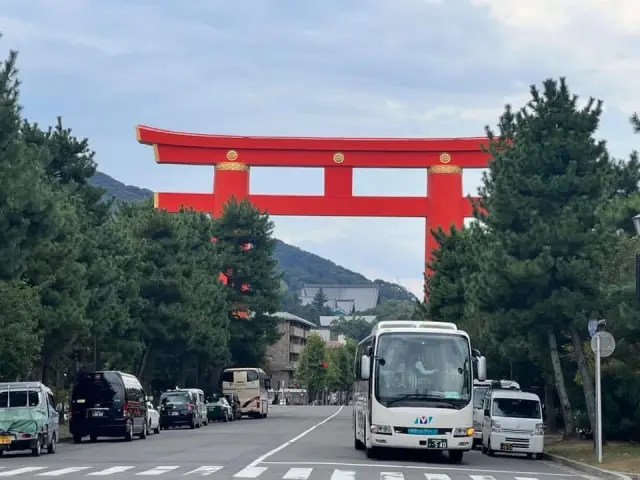
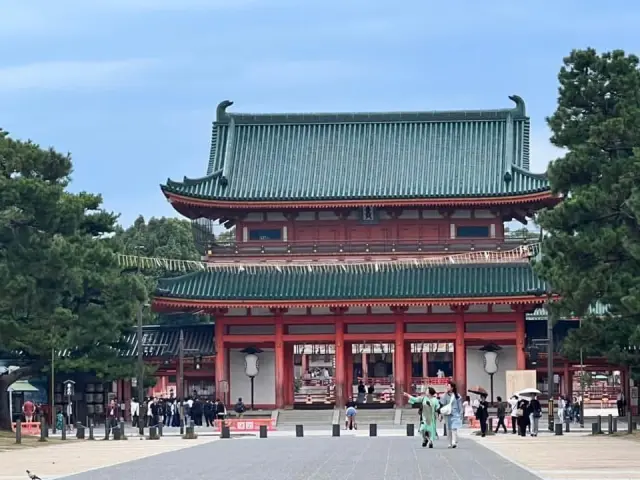
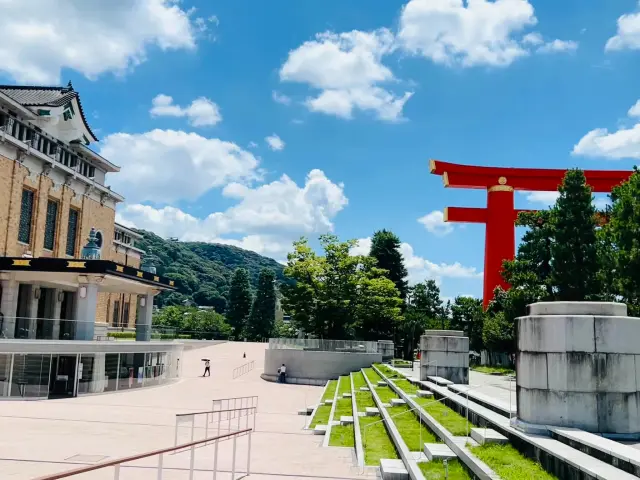
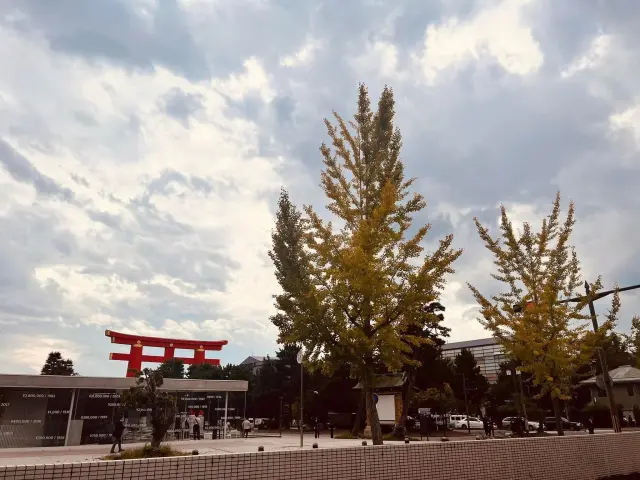
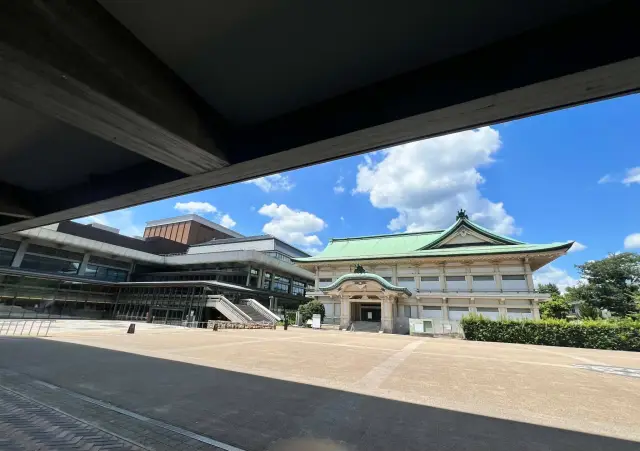
As soon as I got off the bus 🚌, I was drawn to the massive 24.4-meter-tall vermilion torii gate, an iconic landmark in Kyoto’s Okazaki area 🤩
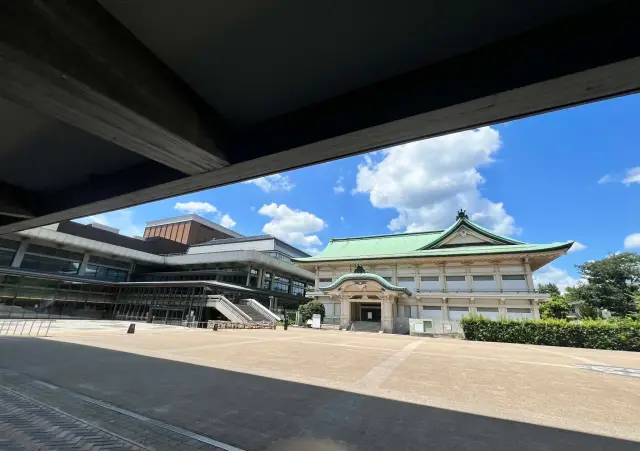
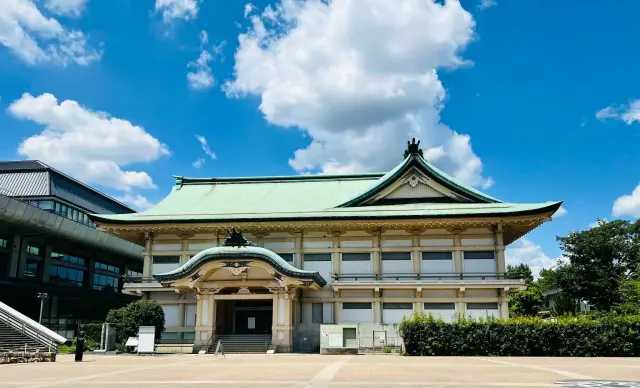
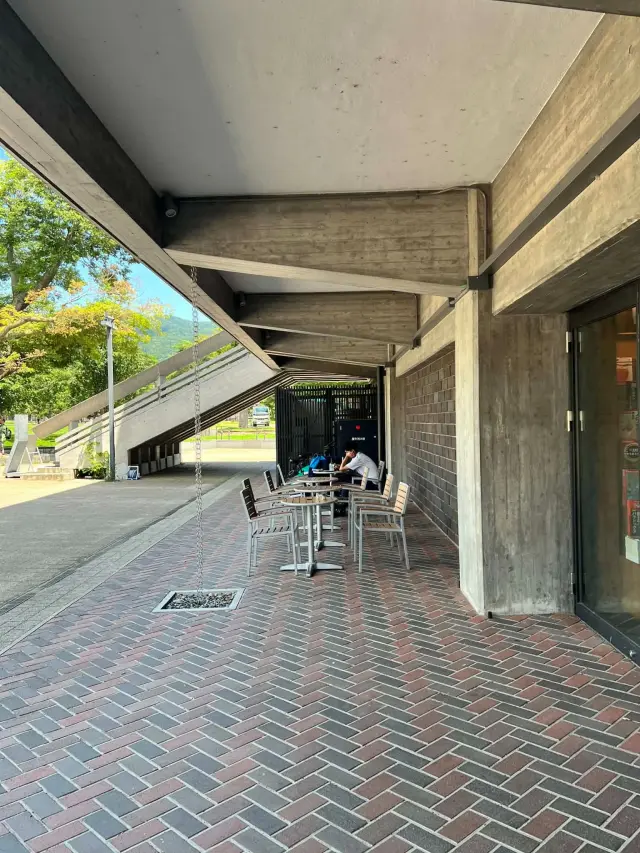
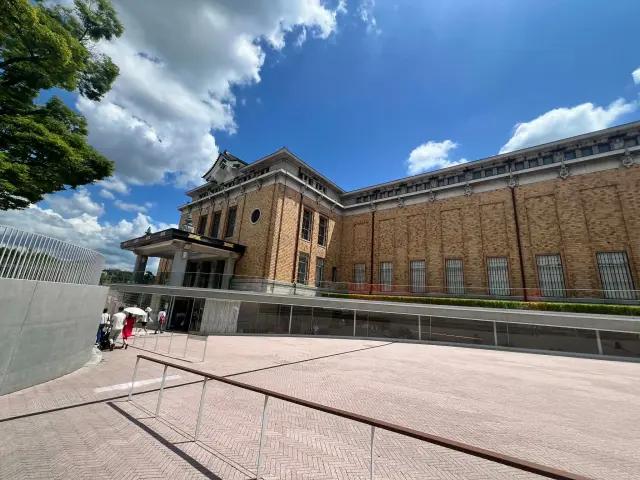
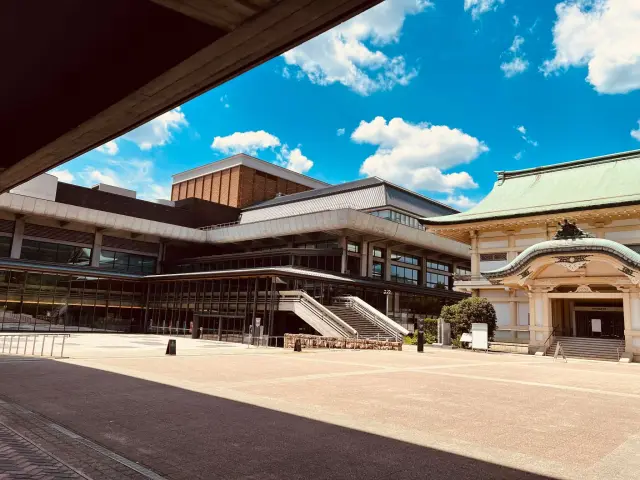
The surrounding area is also great for an artsy stroll, with the Kyoto City KYOCERA Museum of Art, Tsutaya Books, Nanzenji Temple, and a Blue Bottle Coffee in a machiya townhouse that’s worth visiting.
Heian Jingu Shrine | Review by Norton Liang
Other Reviews by Norton Liang
-

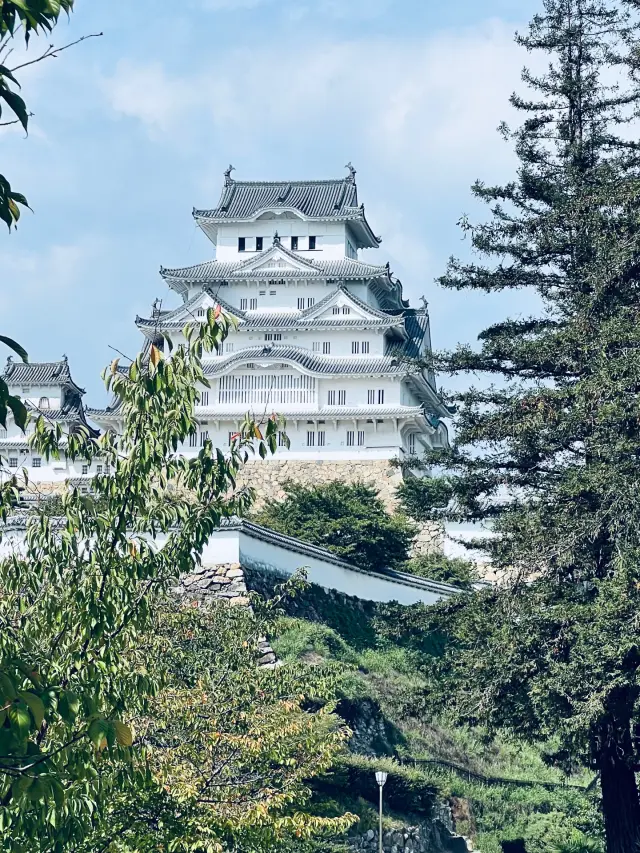
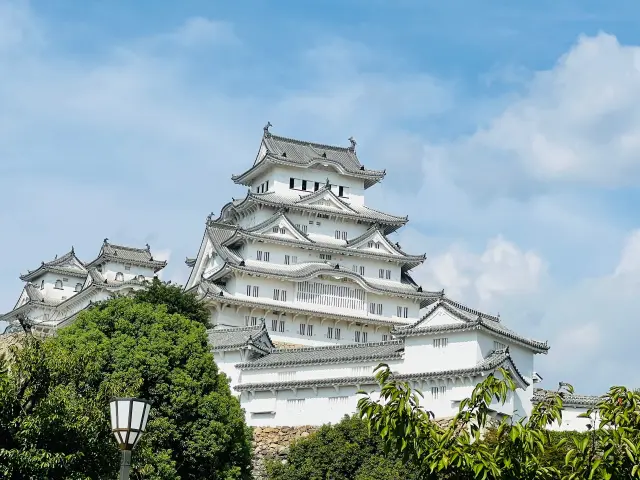
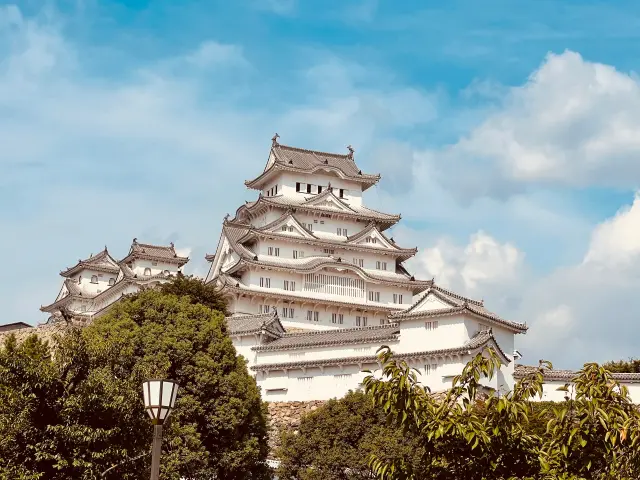
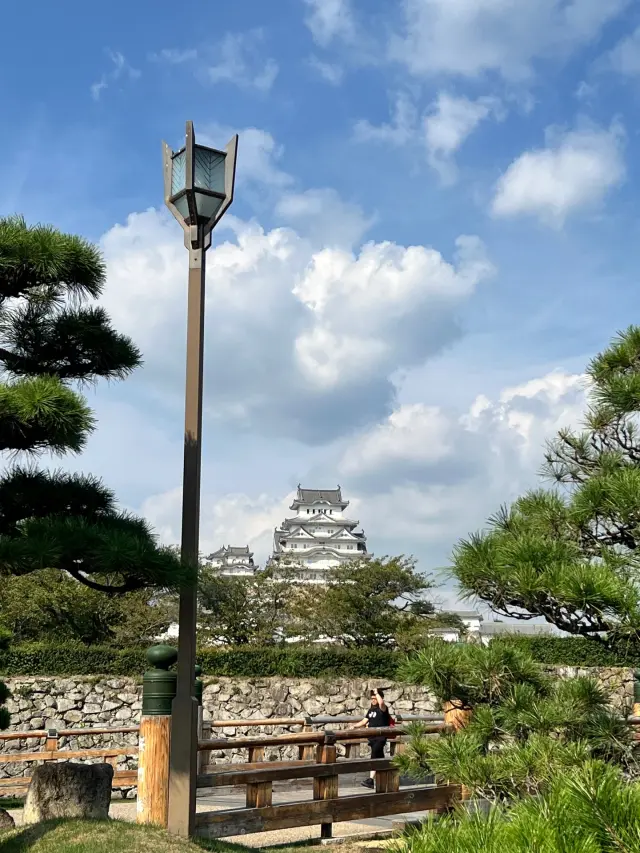
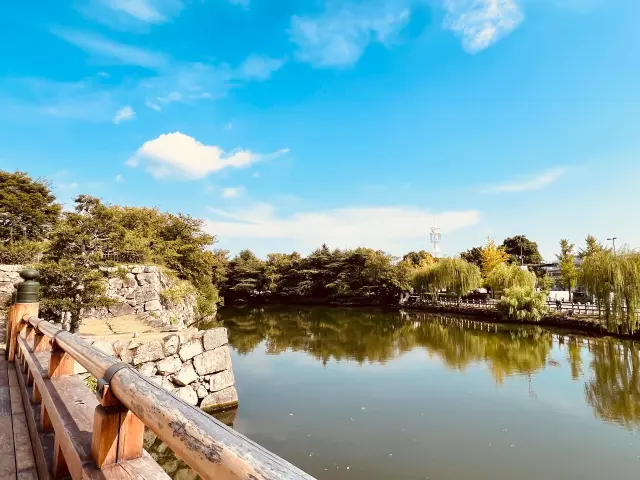
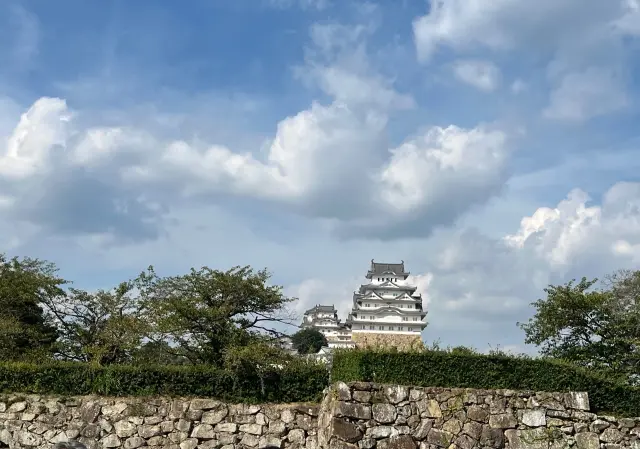
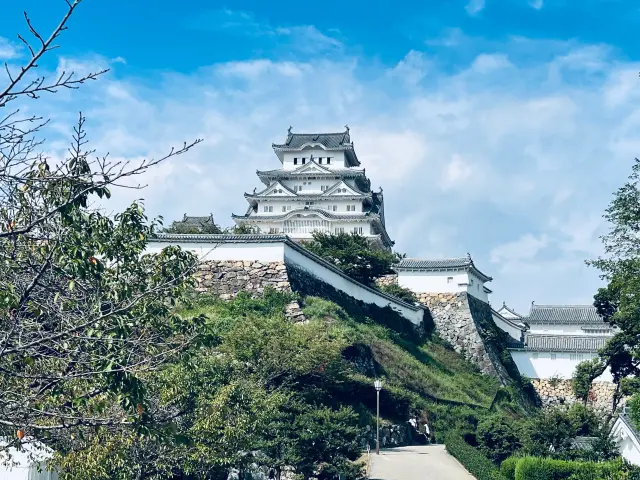
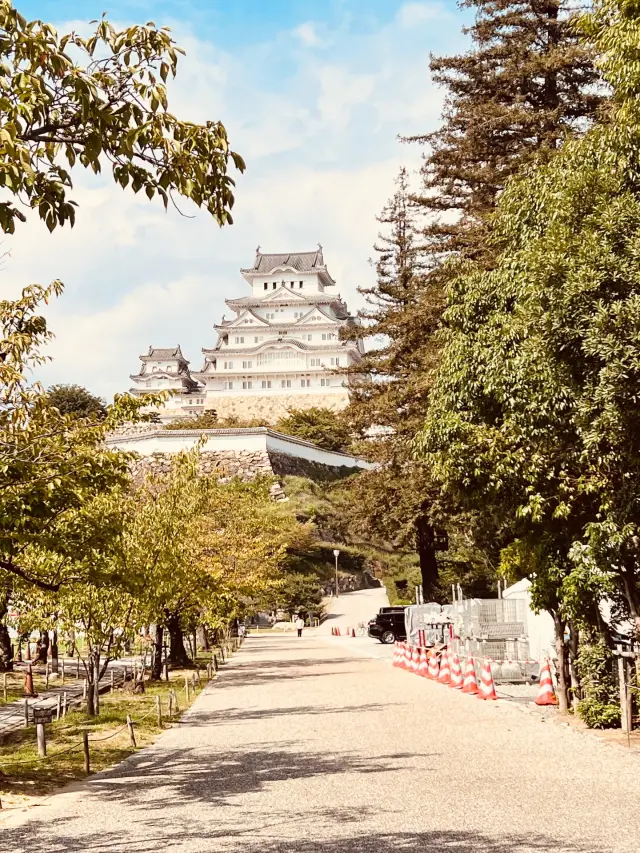
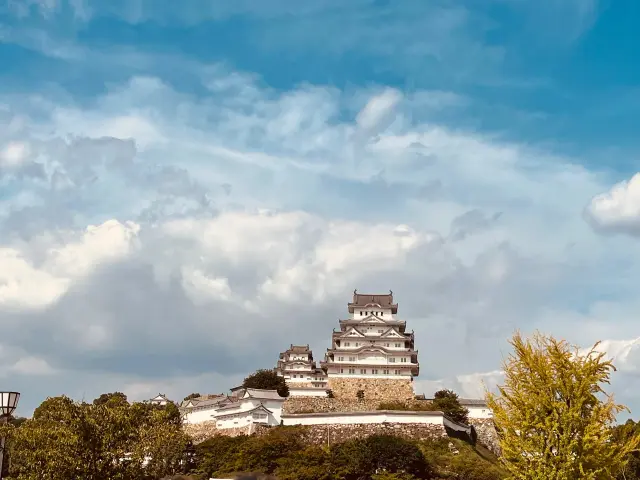
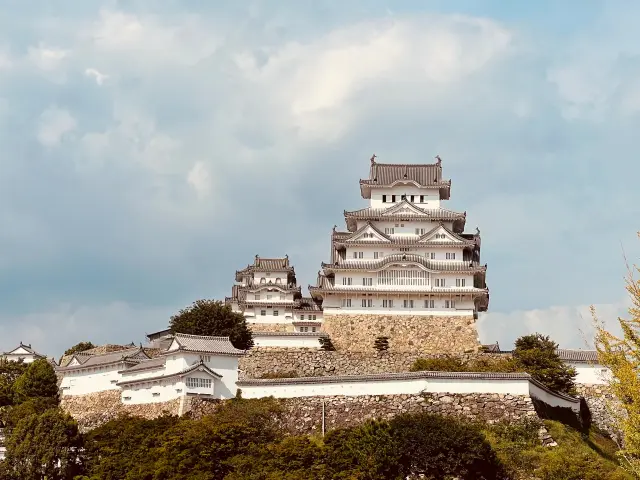
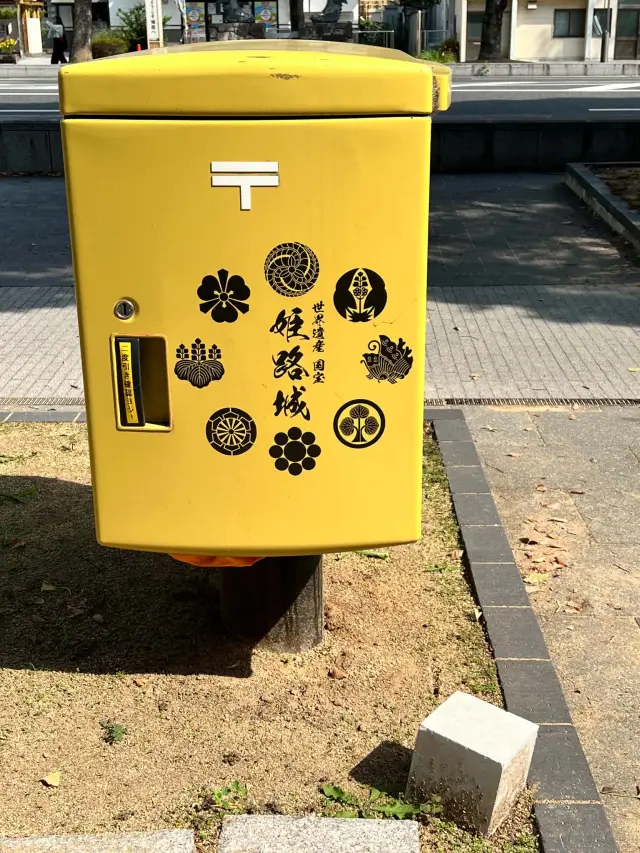
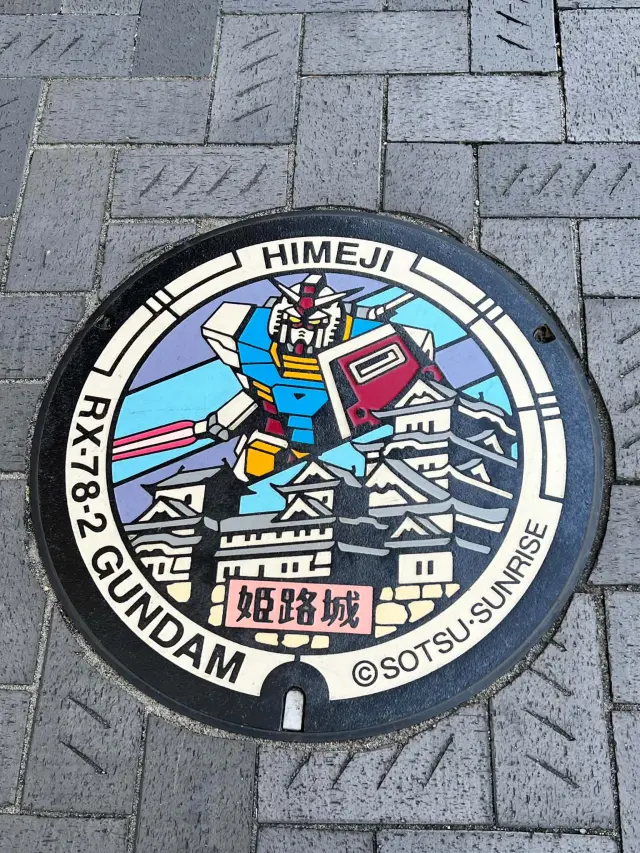
Himeji Castle
This castle is a World Heritage Site and a Japanese castle masterpiece. The main keep, built by Ikeda Terumasa in the early Edo period, has a five-story exterior, one basement level, and six stories above ground on the inside, making it the largest Edo period castle tower still standing.
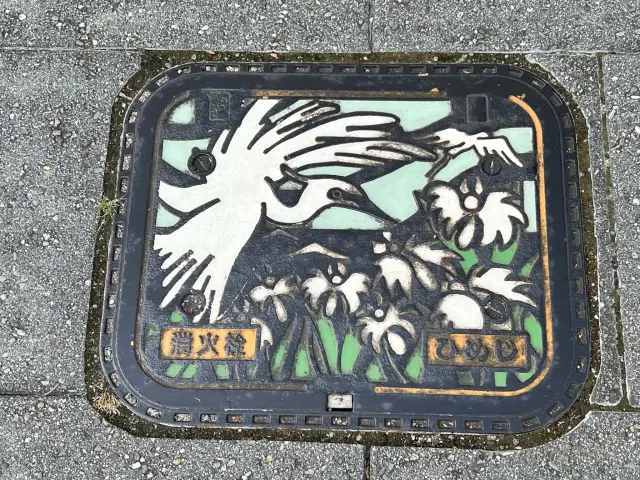
With its snow-white exterior walls, this cultural heritage site looks like a white heron about to take flight. Himeji Castle itself is absolutely ethereal~
It truly lives up to its reputation. -
-

Underground Mall Grand Festa / Festa BLD. in front of Himeji Station
Underground Mall Grand Festa is the expansive 7,000㎡ shopping hub that’s directly connected via underground passages at select Himeji Station exits. The entire floor is divided into “streets” 1 through 6, each zone with plenty of Himeji soul food classics, apparel, cosmetics, local sake, Japanese confections and more to shop.
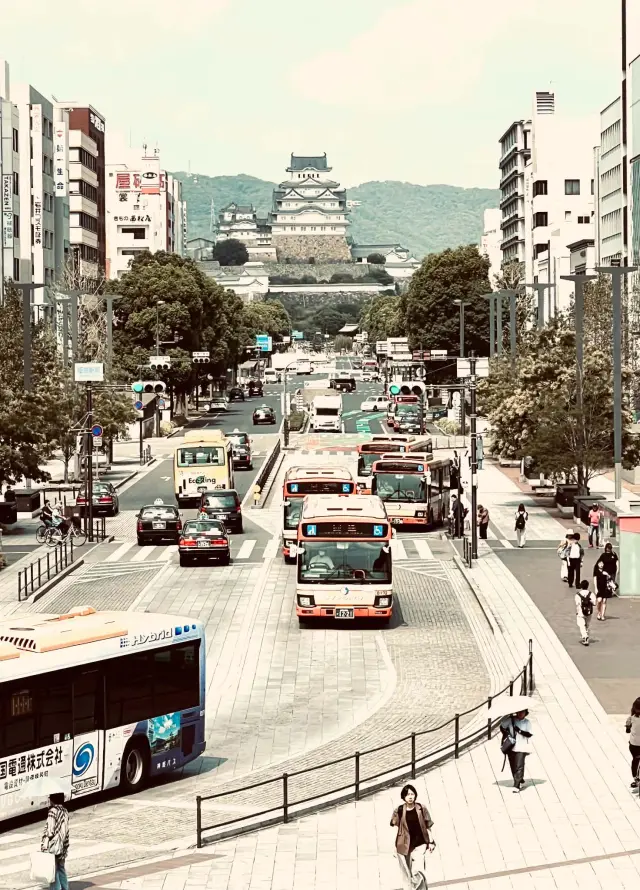
I especially recommend going up to JR Himeji Station to take a photo of the view from afar,
and following this reminder 🔔 for travelers to slow down
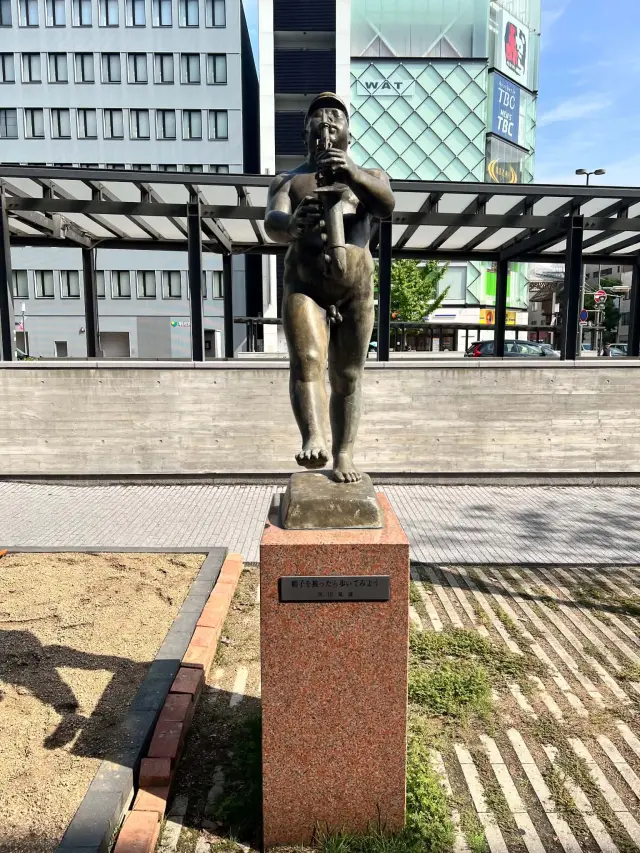
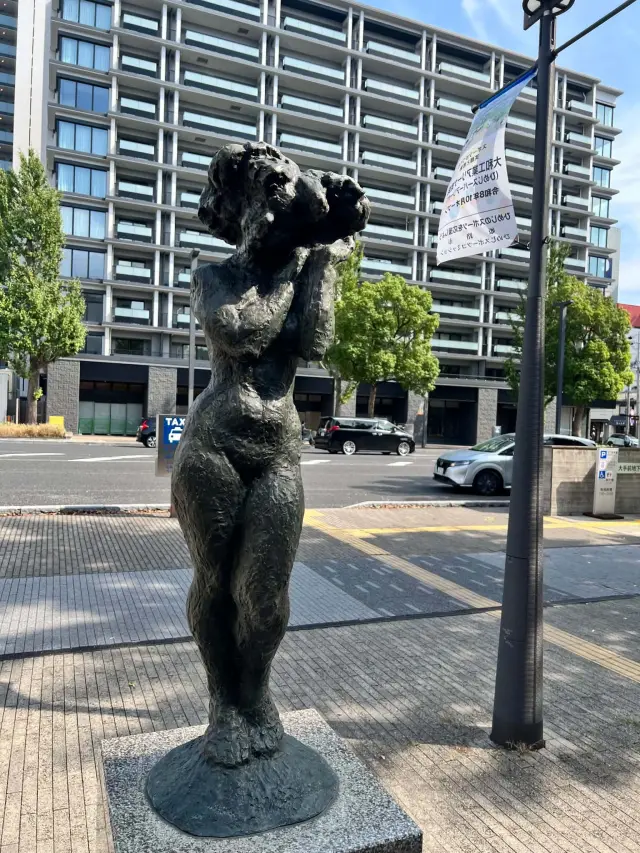
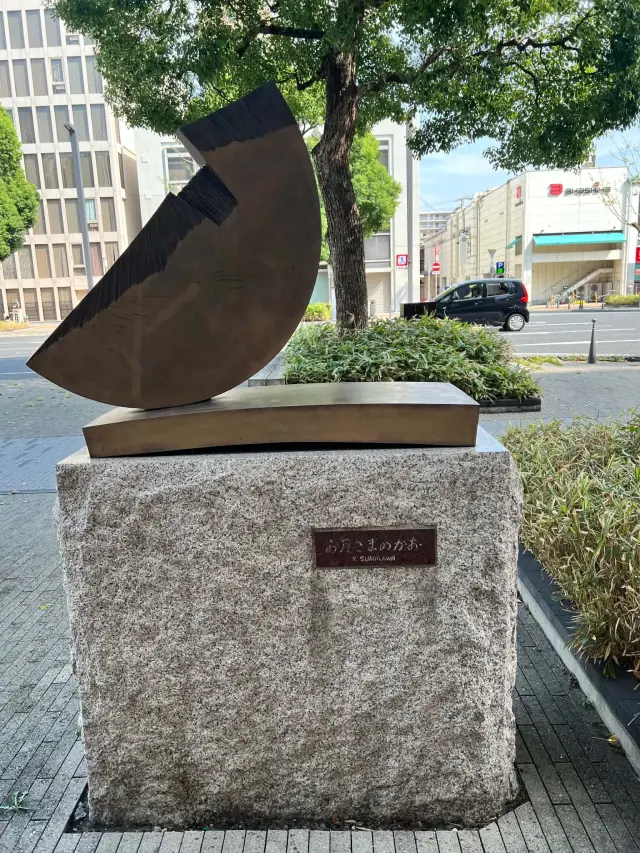
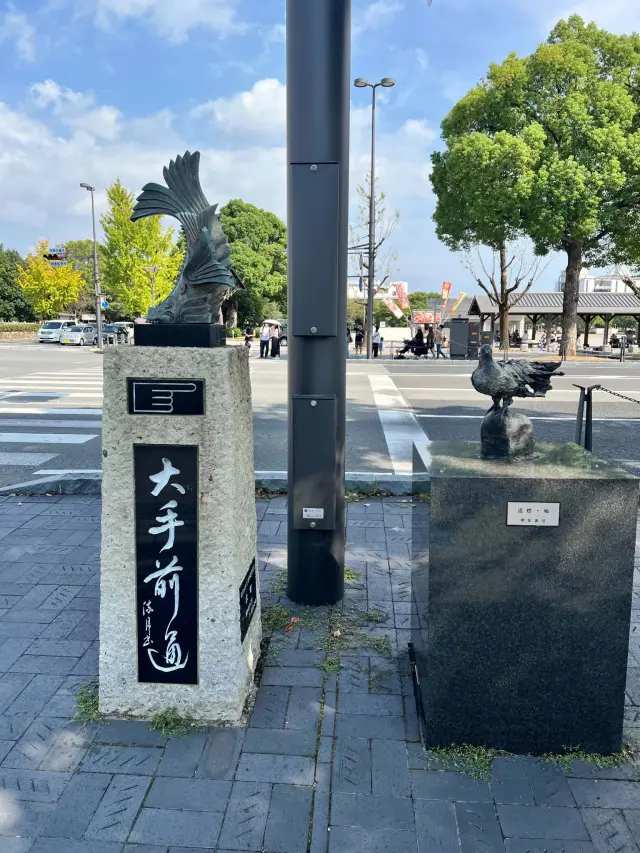
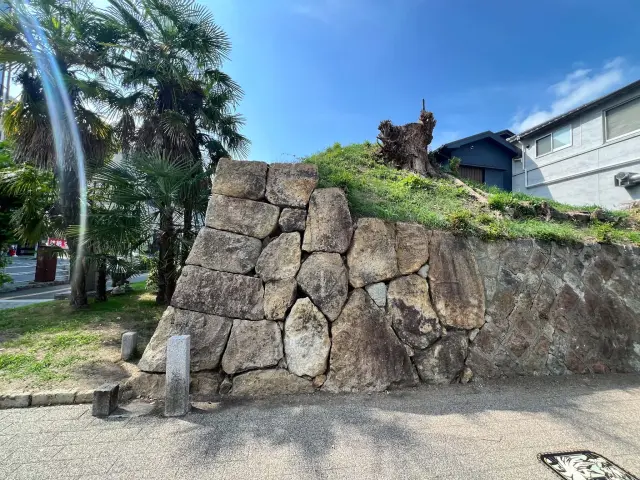
and truly appreciate the beauty of the White Heron Castle 😊:• Otemae Street, which stretches from JR Himeji Station to the entrance of Himeji Castle, is an outdoor gallery street renovated under Japan’s first implementation of the “Hokomichi” sidewalk utilization system. Along the way, there are many artworks and statues created by renowned sculptors.
One example is “Face of the Moon”:
Its clean lines and metal materials symbolize the universe, encouraging passersby to look up at the sky amid the bustle of the city and appreciate the poetry of nature.
• “I Can Hear It”: This work captures the classic gesture of listening to a conch shell, symbolizing the exploration of nature’s sounds and reminding people to slow down and listen to the whispers of the wind and their inner voice. -
-

AQUARIUM ✕ ART átoa
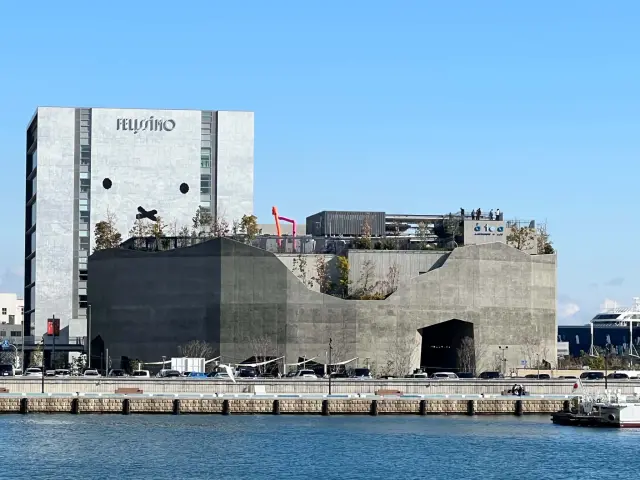
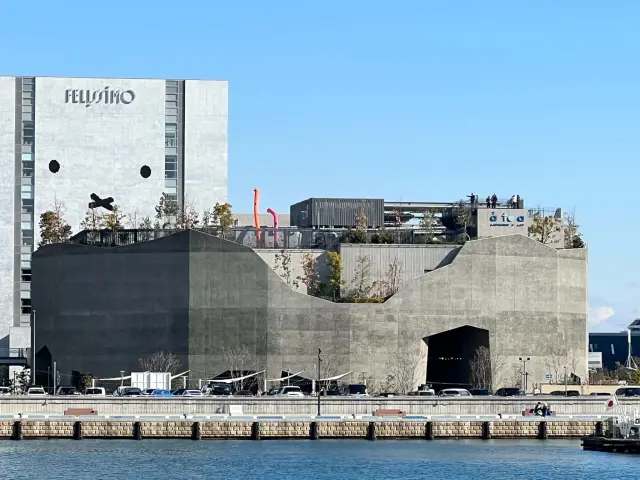
Opened in 2021 within the “Kobe Port Museum,” a multi-purpose cultural facility in Kobe’s bay area, this urban aquarium is home to around 60 tanks, housing approximately 100 species (3,000 individual creatures), and showcases about 50 pieces of stage art and digital art. It’s a new kind of theater-style aquarium.
At first sight at Kobe Port, I was drawn to this building 🤩
* “Uplifted Land and Eroding Water”
Its rugged, vibrant texture resembles biomimetic rock formations. It turns out to symbolize Kobe’s unique geography, formed through crustal movement between the Rokko mountain range and the Seto Inland Sea.Historical significance symbolizing “revival” after the Great Hanshin Earthquake
* An architectural language that directly confronts trauma:
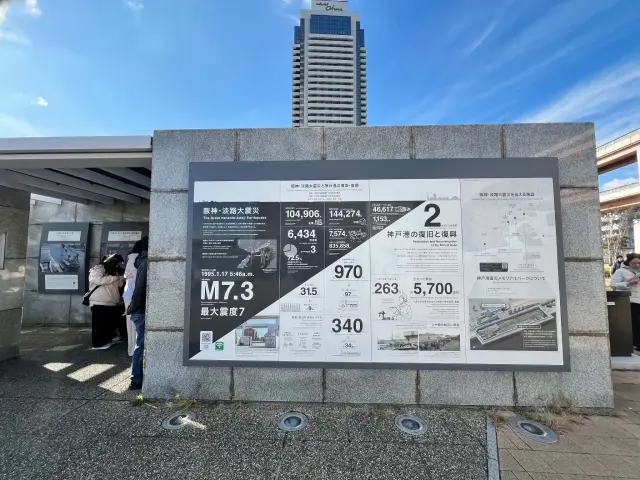
The Great Hanshin-Awaji Earthquake, which occurred on January 17, 1995, caused devastating damage to Kobe’s port area and the city’s foundations.This building uses “fault lines,” “uplifted land,” and “torn rock layers” as its design vocabulary. Rather than deliberately forgetting the pain, it boldly confronts the painful memories caused by the shifting earth, symbolizing the city rising proudly again from the trauma of the quake and being reborn from fractured layers of earth.
* A symbol of waterfront regeneration and cultural revival:
In the past, the Shinkocho area of Kobe Port mainly consisted of traditional industrial warehouses and cargo terminals. Following long-term postwar and post-earthquake urban renewal and redevelopment plans, this integrated building combining aesthetics, art, and tourism rose along the waterfront. It symbolizes Kobe’s port area successfully emerging from the shadow of the disaster and transforming into a “new-era urban living room” filled with endless creativity and vitality, demonstrating the powerful resilience of Kobe’s citizens as they rose from the ashes. -