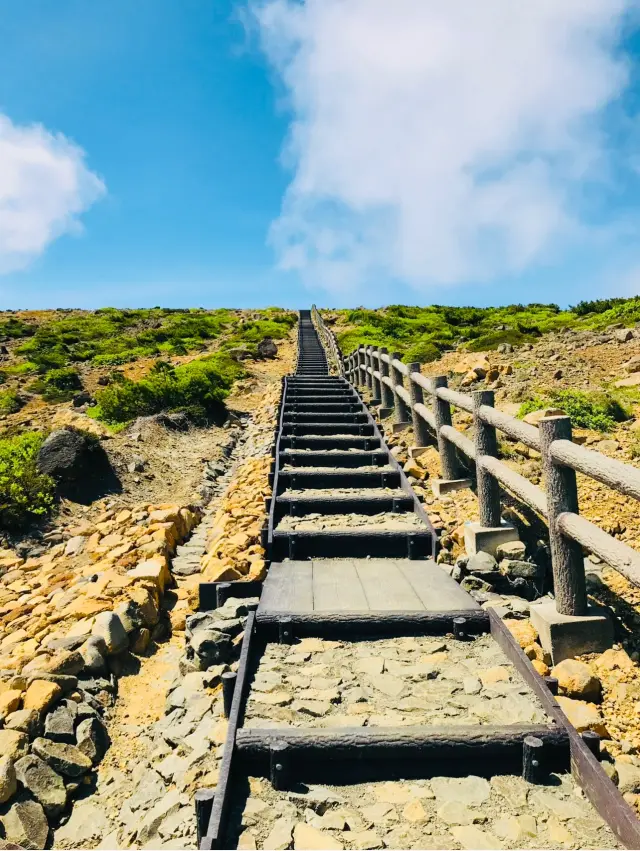
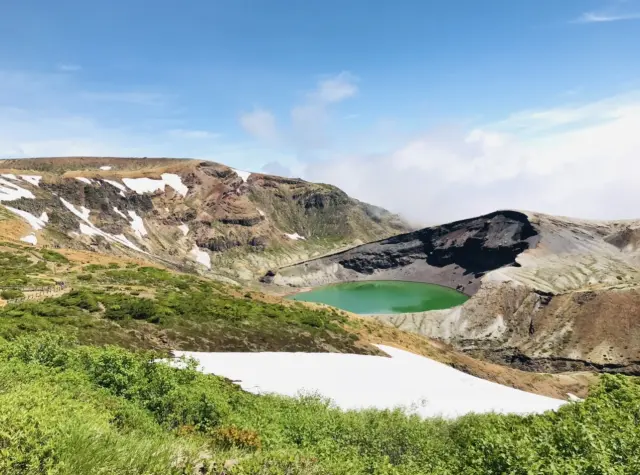
I'm sure many people have experienced the famous Zao Snow Monsters. But I chose to visit the “Zao Okama” in early summer.
Surrounded by mountains, this crater, shaped very much like a cooking pot, is called “Okama.” I heard that depending on the weather and temperature, the lake water inside Okama takes on magical colors resembling lapis lazuli or emerald! When the weather is good, the deep blue lake paired with the patches of white snow still remaining on the ground makes you want to keep looking and never leave.
Yamagata Zao Onsen Ski Resort | Review by 蘇自強
Other Reviews by 蘇自強
-

Hirosaki Castle
Hirosaki Castle served as the residence of the Tsugaru clan and the administrative center of the Hirosaki Domain during the Edo period. Following an order to abolish castles in the Meiji period, it was preserved and later opened to the public as Hirosaki Park. The original castle keep was destroyed by a lightning-induced fire in 1627. The keep rebuilt in 1810, along with three turrets and five castle gates, remains standing today. These nine structures are designated Important Cultural Properties of Japan.
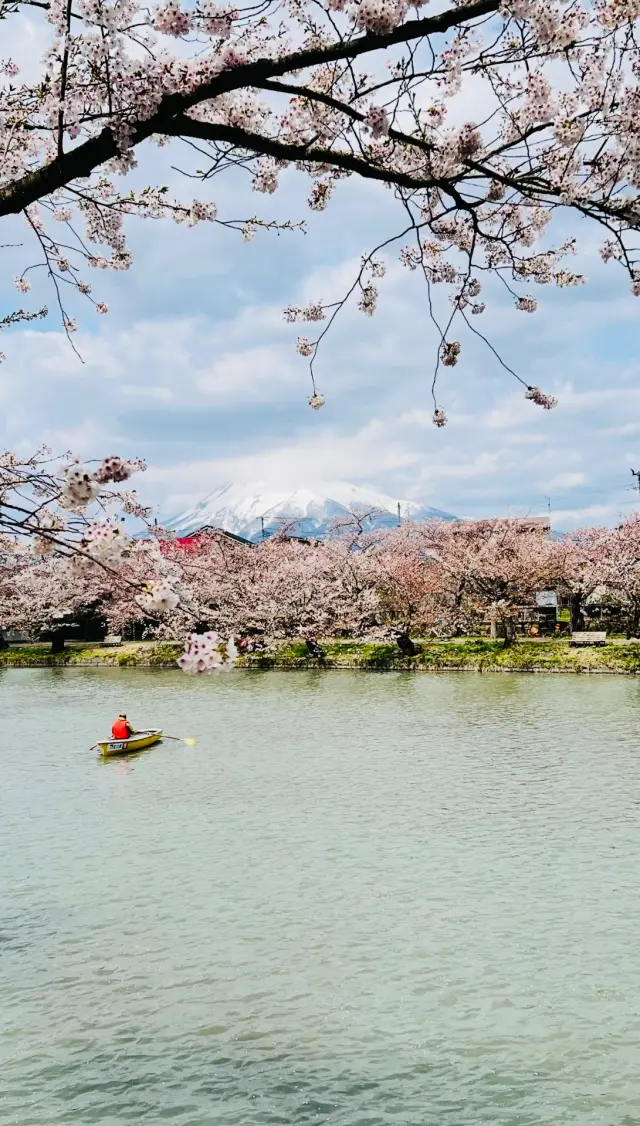
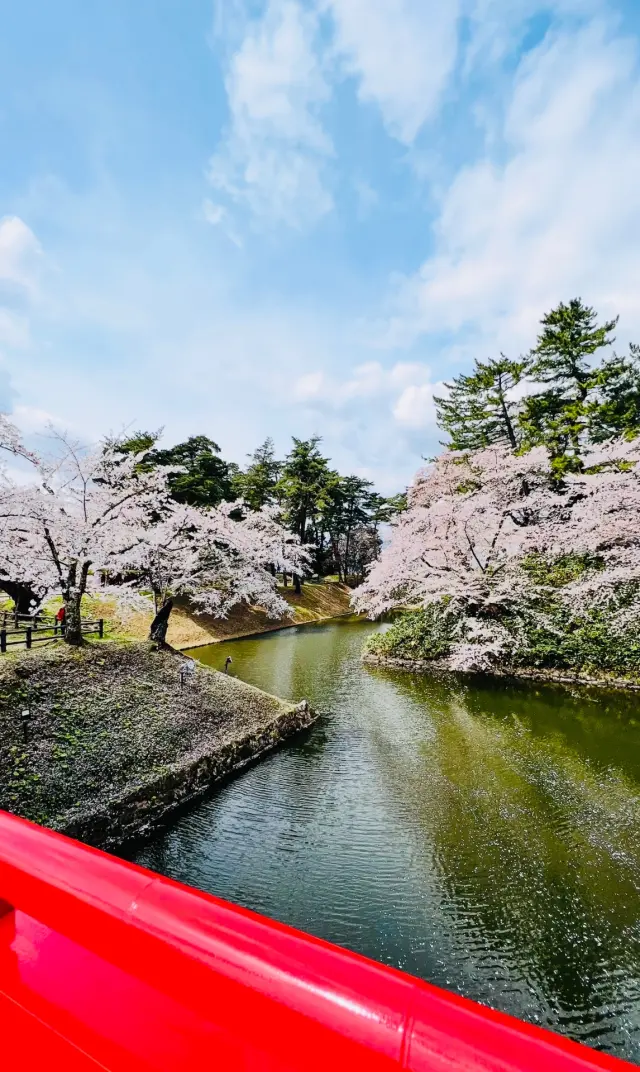
I'm sure many people love chasing cherry blossoms in spring, and even more have admired them in different places. If you've seen the cherry blossoms at Hirosaki Castle, you'll understand why they're so famous!
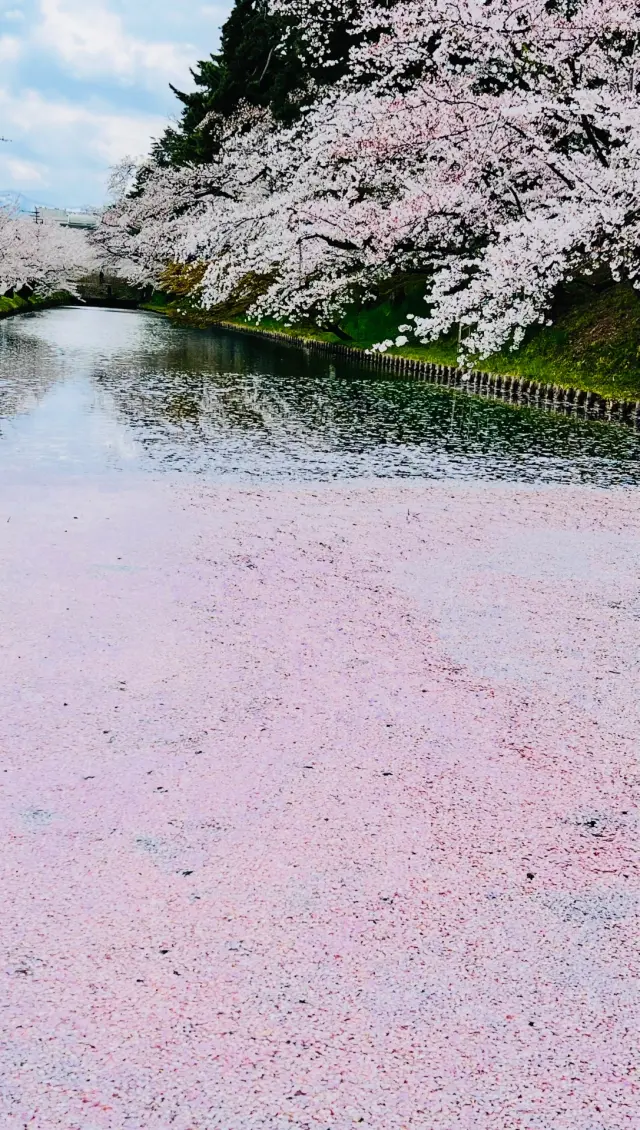
Especially when you visit Hirosaki Castle after the cherry blossoms have reached full bloom, a spring breeze sends the petals fluttering through the air, creating an unforgettable sight! The moat is completely covered with fallen pink petals, leaving you speechless! It's hard to describe that feeling; only those who have seen it with their own eyes can understand. -
-

Kochi Castle
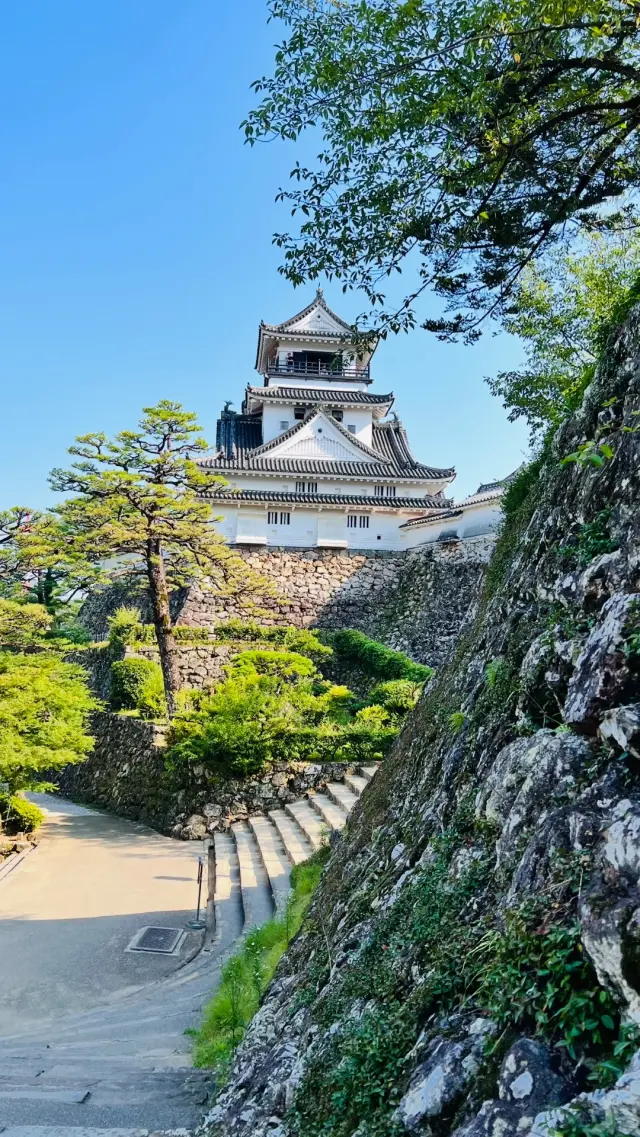
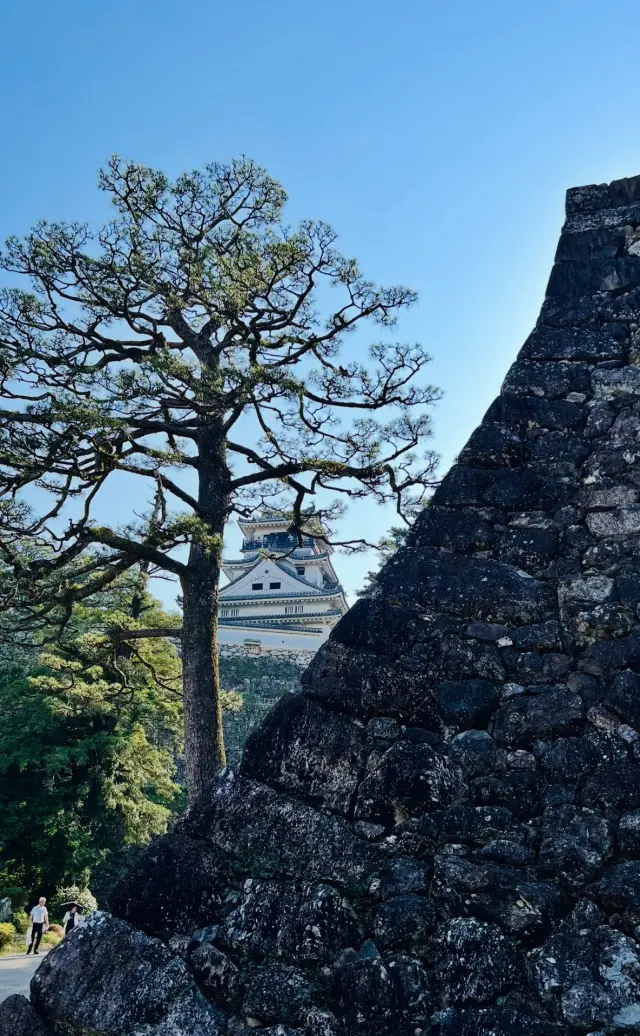
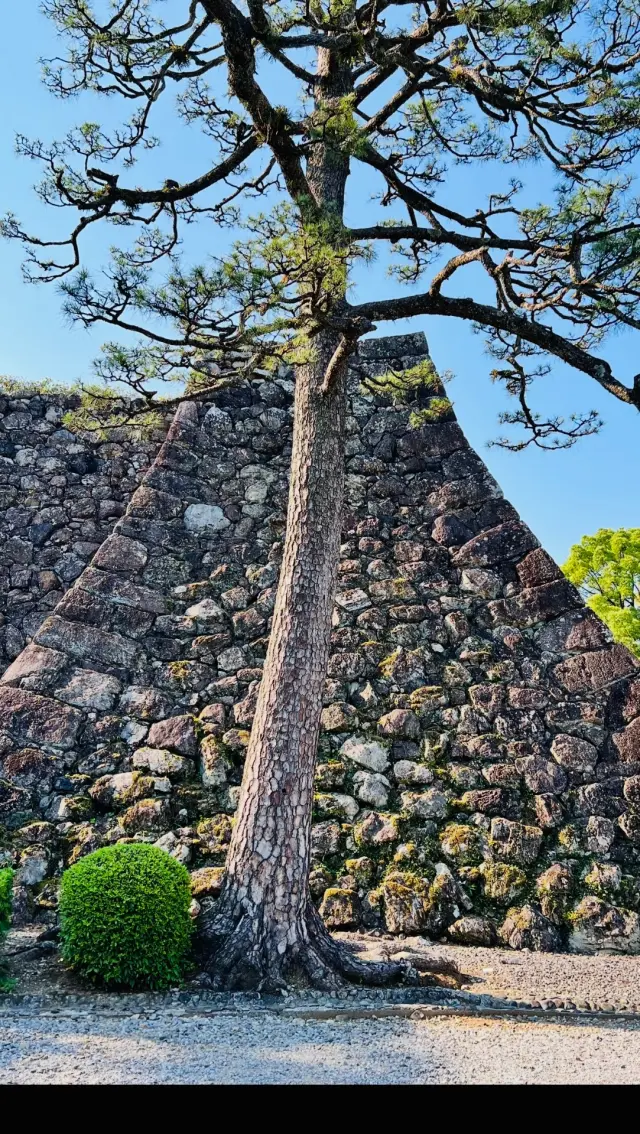
Kochi Castle was built by Yamauchi Kazutoyo, the first feudal lord of the Tosa domain. It was first built in 1601 after ten years of construction, and unfortunately lost to a fire in 1727. The castle you see today was reconstructed in 1753. Kochi Castle is one of 12 since the Edo Period that still has its original castle tower, and is the only one that keeps both its original castle tower and main Honmaru Palace hall. The entire 15 buildings across its grounds are registered as a National Important Cultural Asset.
I’m sure many people have visited Kochi Castle, and many come here just to take a walk and have a quick look around. If you’re not a historian, like me, almost every castle may look more or less the same. But if you choose a time when there are fewer visitors (I like to arrive early) and carefully appreciate the castle’s design, its curves, contours, and even its colors... you’ll be amazed. Why not give it a try next time!
-
-

Matsumoto Castle
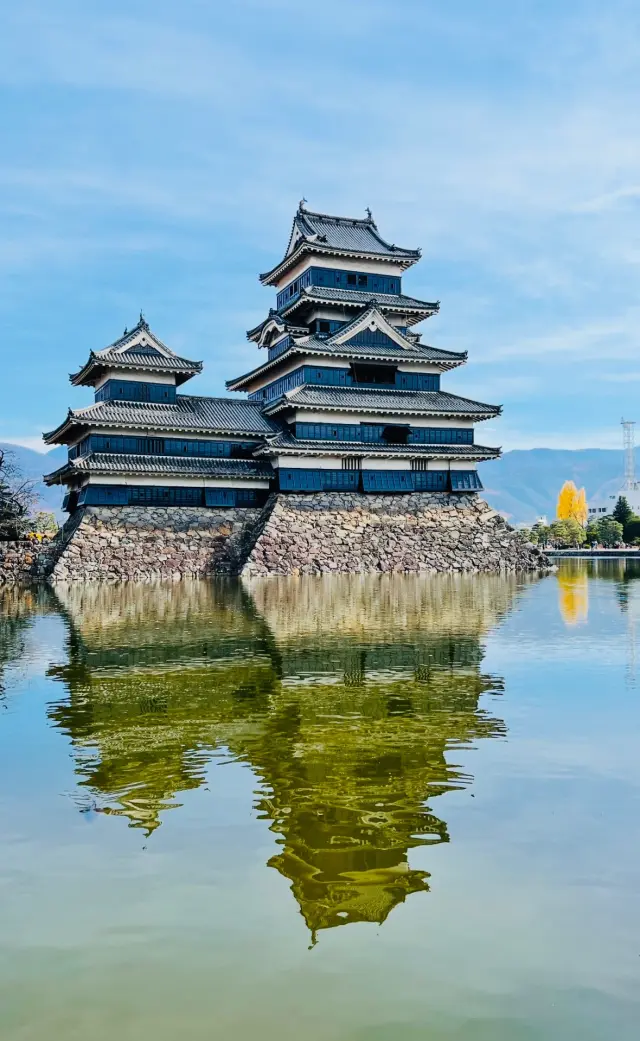
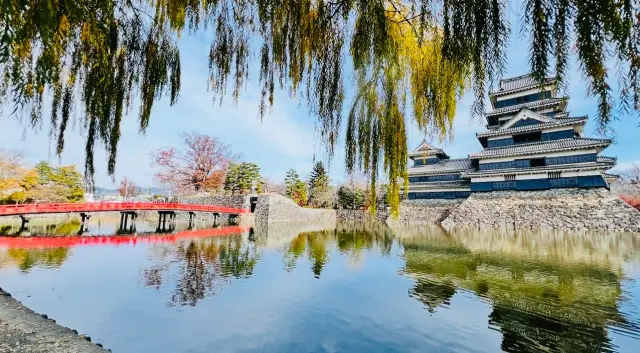
Matsumoto Castle was built between the years 1593 and 1594. It is one of the oldest of the still-standing “gojuu-rokkai” (five roofs, six stories) structures in Japan, and it has been registered as a national treasure.
I really love Matsumoto Castle! It feels like an old friend, and every time I visit Japan, I always want to go see it.
Years ago, when I first came to Matsumoto, I bought a book at a bookstore and asked the clerk how to get to Matsumoto Castle. To my surprise, he walked me to an intersection, pointed ahead, and said, “Just keep walking straight from here, and you’ll see it!”
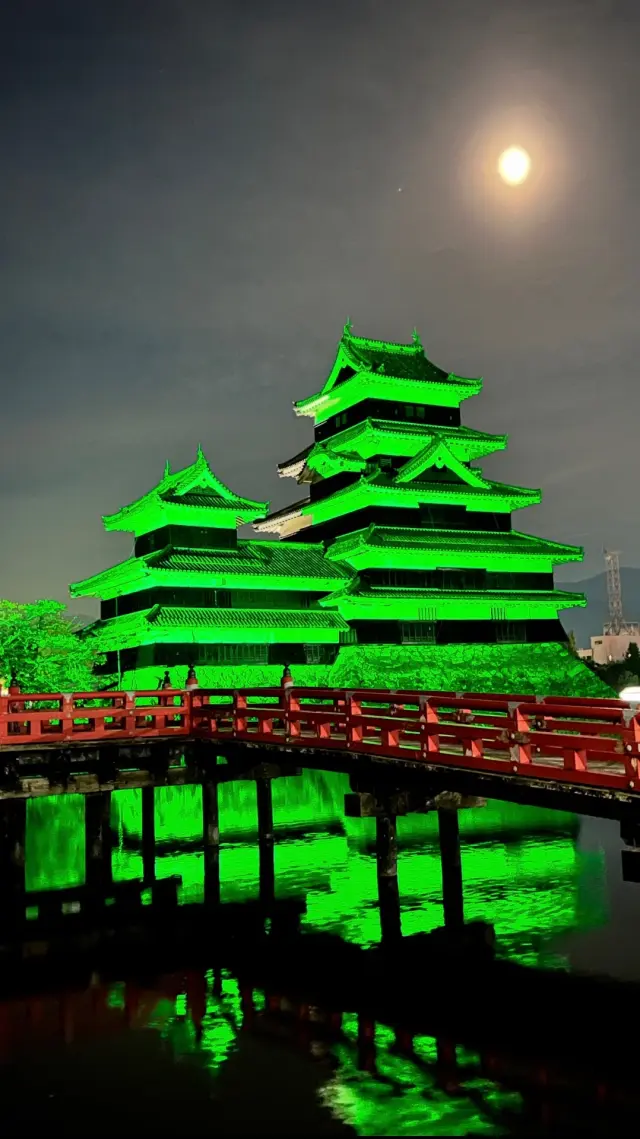
Matsumoto Castle has a different appearance in the morning, at noon, and in the evening. When the lights come on at night, it still retains its dignity and steadiness amid the dreamlike atmosphere!
This is a quiet, friendly little city with a strong artistic atmosphere. It’s truly worth visiting again and again! -