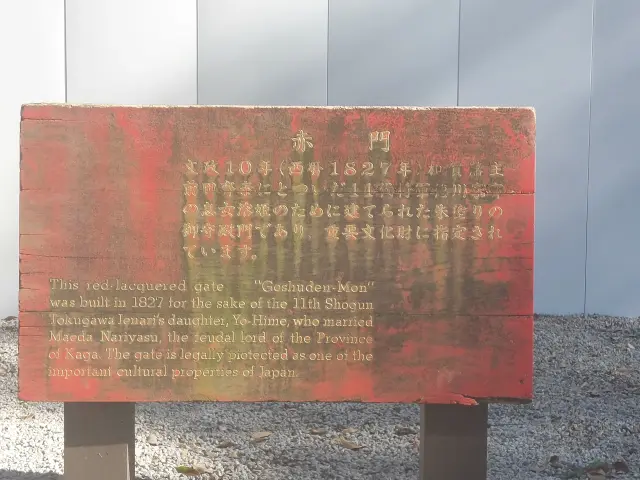
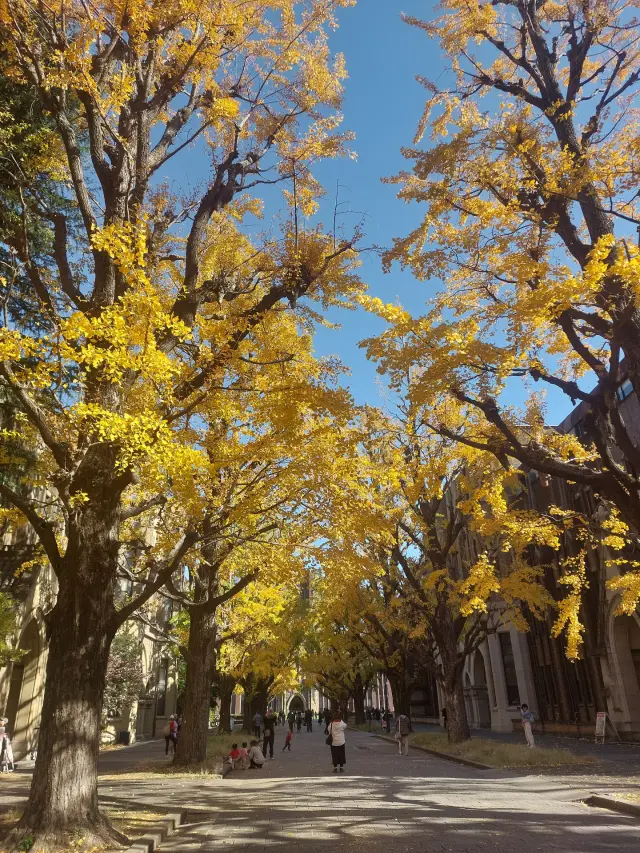
Akamon Gate is an important cultural landmark of the University of Tokyo. You can experience the atmosphere of Japan’s top university here and see some school filming locations from Japanese TV dramas. The best time to visit is when the ginkgo leaves turn yellow, when you can see the ginkgo-lined avenue and another large ginkgo tree. Many people take photos around the campus.
The University of Tokyo's Akamon Gate | Review by hui6
Other Reviews by hui6
-
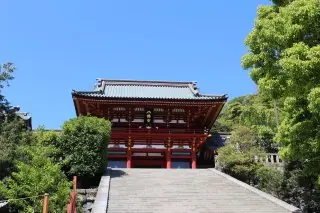
Tsurugaoka Hachimangu
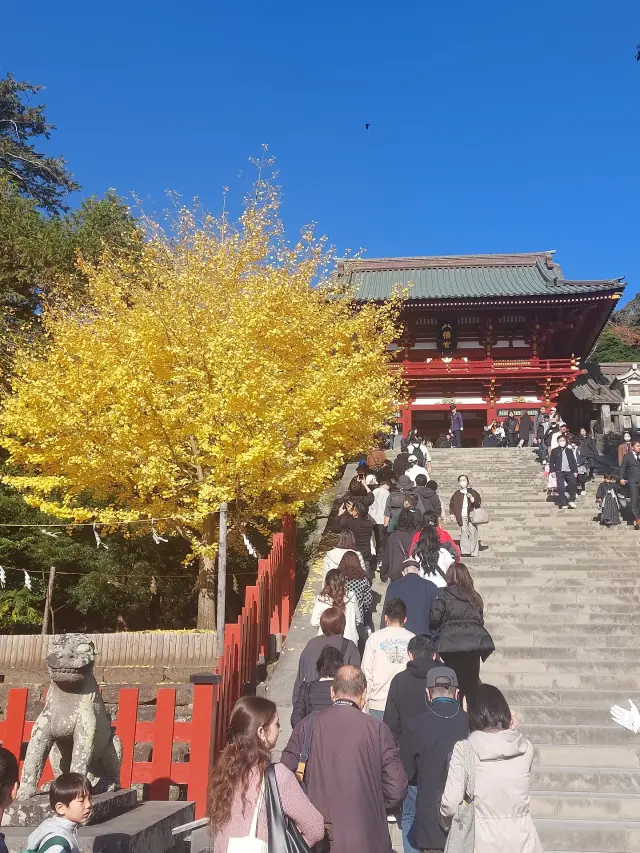
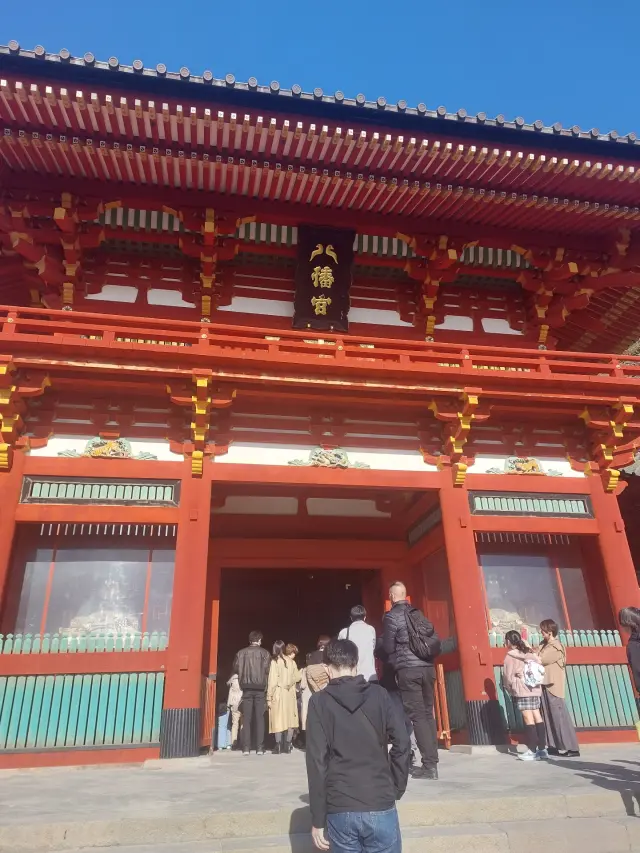
Tsurugaoka Hachimangu is the symbol of Kamakura, located in the heart of the city. It is frequented by many worshipers as a shrine related to Minamoto no Yorimoto, the founder of the Kamakura shogunate. The current main shrine, which was built in 1828, has been designated as an Important Cultural Asset of Japan.
Walking along Wakamiya Oji, the main approach to Tsurugaoka Hachimangu, I gradually began to feel the atmosphere of visiting a shrine. I heard that when cherry blossom season arrives, both sides of Wakamiya Oji are covered in flowers, which gives me a reason to visit again. The character “八” in Hachimangu is formed by two pigeons, and one of the area’s signature souvenirs is a buttery pigeon-shaped cookie. The ginkgo tree in front of Hachimangu did not match the size shown in my travel guide. A friend explained that the large ginkgo tree fell in 2010 due to strong winds, and what we see now has grown back from the remaining roots. Its vitality is truly remarkable. Hachimangu is very easy to get to, and Komachi-dori shopping street is right outside the station, with lots of food and shops.
-
-

Owakudani
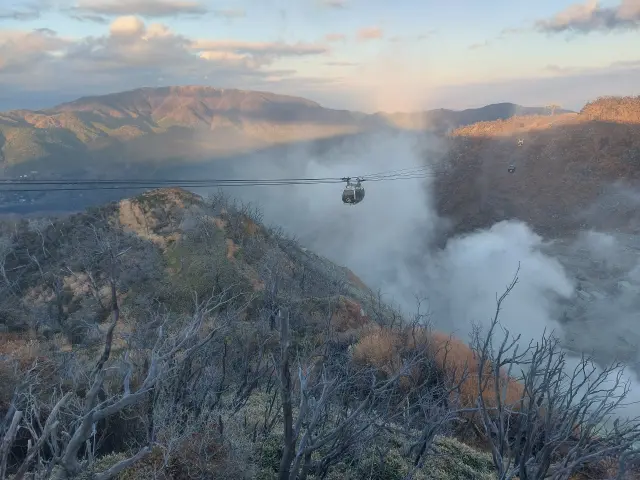
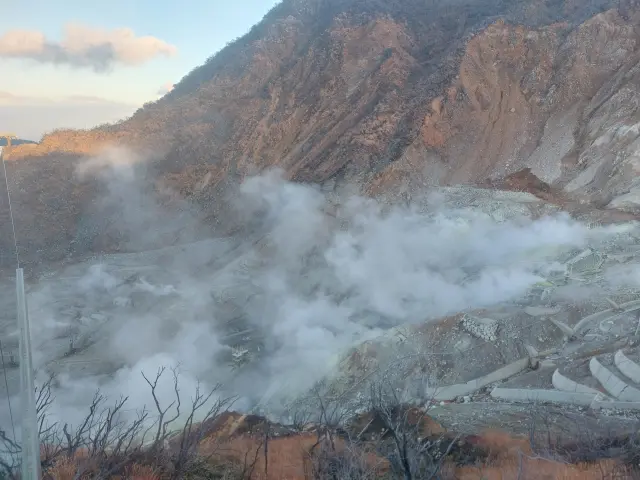
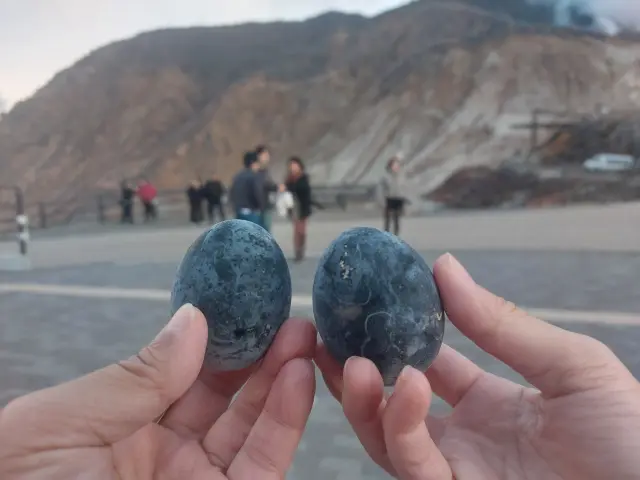
On the main sightseeing route around Hakone, transfer from the cable car to the ropeway at Sounzan Station. After gliding through the air for a while, the scenery suddenly changes. The lush greenery disappears, and white plumes of steam rise from exposed, craggy rock faces. This is Owakudani, a volcanic crater formed by Hakone's most recent volcanic activity. The white gas that escapes year-round from the fumaroles contains sulfur, filling the air with its distinctive smell.
Owakudani was the most memorable place on my trip to Hakone. As soon as I stepped out of the ropeway station, I was greeted not only by the cold air but also by the pungent smell of sulfur. The landscape was beautiful, and the nearby shopping area was also a great place to shop. One thing to keep in mind is that the attractions on the mountain close quite early. We heard an announcement that the area was closing and visitors should go catch their ride. It seems we caught the last one!
-
-

Hakone Shrine
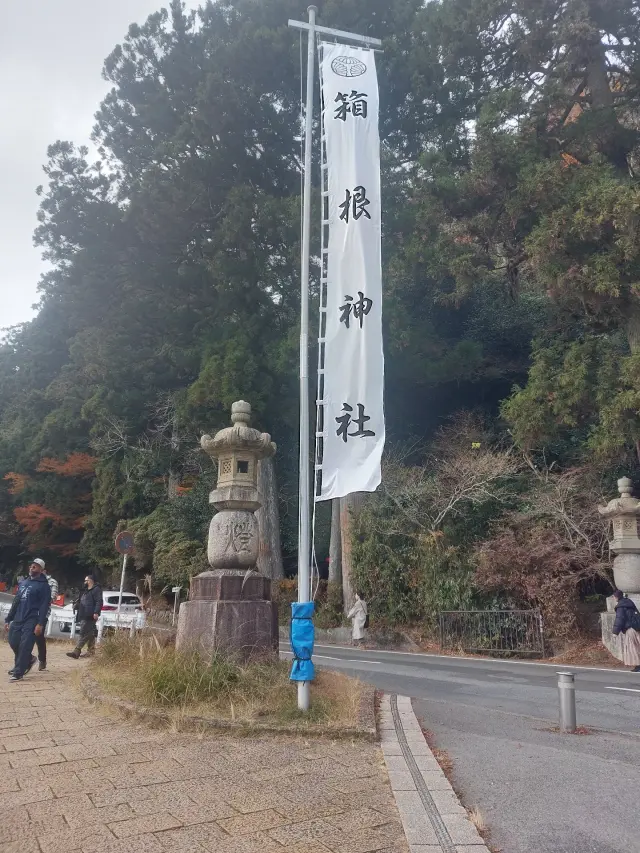
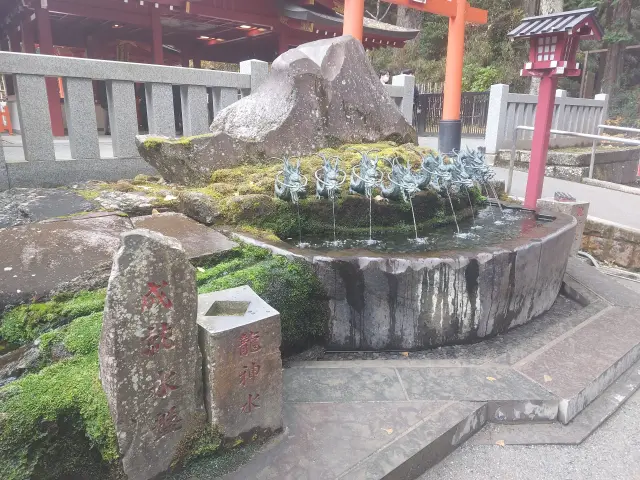
Hakone Shrine sits just steps from Lake Ashi, a spot dotted with coveted Hakone destinations like Owakudani and Togen-dai. The shrine heralds the Hakone Ookami god, and remains one of the most renowned shrines in Kanto.
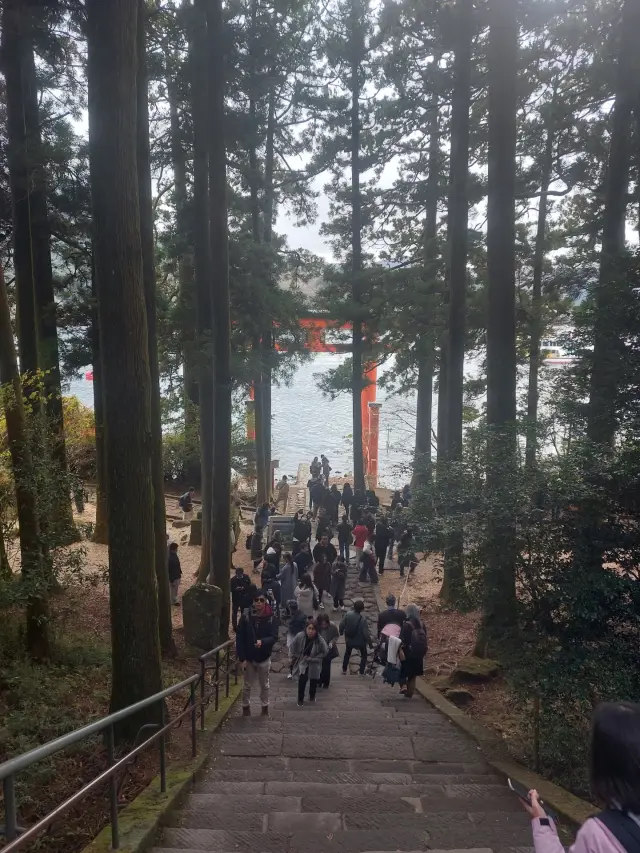
A shrine visited by many famous Japanese people. There are many Japanese and international visitors, but the shrine grounds still feel solemn and dignified. The line to take photos at the torii gate ⛩️ on Lake Ashi is very long, but everyone is orderly. Visitors also help each other by asking the people in front of or behind them in line to take photos. Although the wait is long, everyone is very orderly, making it an interesting experience.
-