

The Tachibana family of Yanagawa played an important role in Japanese history. Their stories and cultural heritage are truly impressive and admirable.
Ohana: Former Residence of the Tachibana Lords of Yanagawa | Review by 邱美麗

Other Reviews by 邱美麗
-
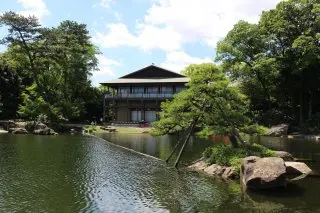
Tokugawaen Garden
This Japanese garden was created on the former site of Ozone Residence, a retirement retreat built in 1695 by Mitsutomo, the second lord of the Owari Domain. The estate is said to have covered approximately 109 acres (44 hectares) at the time. It is designed as a pond-stroll garden, the style most commonly used for feudal lords’ gardens during the Edo period. A clear stream flows from a waterfall, through a ravine, and into a pond representing the sea, symbolically recreating Japan’s natural landscapes.
Tokugawaen is also a famous spot for viewing wisteria flowers.
-
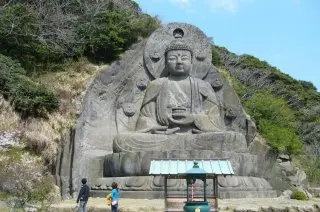
Mt. Nokogiri Nihon-ji Temple
Founded by the Buddhist priest Gyoki approximately 1,300 years ago, Nihon-ji is known as the oldest temple in the Kanto region established by imperial decree. At the time of its founding, the vast temple complex contained all seven major temple buildings. Records show that renowned monks of the era, including Roben and Kukai, also stayed here.
The whole mountain looks like it was sliced by a giant blade. Standing on the observation deck at the top is pretty intimidating. The Japanese even call it the 'Hell's Viewpoint.'
-
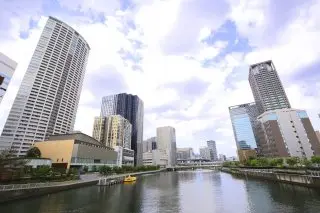
Nakanoshima
Nakanoshima is a lush, green and iconic city area known for Aqua Metropolis Osaka that’s tucked between the Dojima and Tosabori Rivers. Home to one of Osaka’s known business districts, the area is lined with a mixture of skyscrapers, modern architecture and office buildings.
Nakanoshima Park is Osaka's very first park and has over a hundred years of history. The rose garden inside is its most distinctive feature.