

Sake Beginner’s Guide: Basics, Types, and How to Choose
Sake has a long history and deep tradition, but with so many styles, even Japanese people can find it hard to choose.
It also comes with a lot of terms, which can make it feel intimidating to try.
Still, many people are curious about sake.
This guide explains what sake is, how it’s made, and the main types, and also introduces beginner-friendly bottles.
We’ll avoid jargon as much as possible, and explain key terms when needed, so you can read on with confidence.
Sake, a Type of Brewed Alcohol
Seishu (clear sake) is a brewed alcohol made by fermenting rice.
Among seishu, only alcohol that is brewed in Japan using Japanese-grown rice is called “Japanese sake” (nihonshu).
Seishu made with non-Japanese rice, or brewed outside Japan even with Japanese rice, is not considered Japanese sake.
Sake has a long history that dates back to prehistory, from the Jomon to Yayoi periods.
It even appears in Japan’s oldest historical records, the Kojiki and Nihon Shoki, compiled in the Nara period (710–794).
Made in Japan and loved for centuries, sake remains a classic drink today.
Legally, all products labeled “sake” are under 22% ABV, and many are now around 15% ABV.

The Key Brewing Process to Know for Understanding Sake
Knowing the brewing process makes it easier to understand the delicious sake we’ll introduce, and the knowledge you’ll need to choose what suits you.
So let’s quickly go over the basics.
The table below outlines the standard steps, though details vary by style and brewery, so think of this as the general flow.
| Step | Process | What happens |
|---|---|---|
| 1 | Rice polishing | Rice is milled to remove proteins and fats that can cause off-flavors. |
| 2 | Washing & soaking | Rice is rinsed and soaked to absorb water. |
| 3 | Steaming | The hydrated rice is steamed. |
| 4 | Koji making | Koji mold is sprinkled over steamed rice and incubated at about 35°C. This converts rice starch into sugar. |
| 5 | Yeast starter (shubo) making | Koji and water are combined, then yeast and steamed rice are added and fermented. |
| 6 | Main fermentation | The starter is moved to a tank, and koji, steamed rice, and water are added in three stages. After fermenting for about 3 weeks to 1 month, the mash (moromi) is ready. |
| 7 | Pressing | The moromi is pressed and filtered to remove sake lees. |
| 8 | Filtration | Filtered to remove fine solids. |
| 9 | Pasteurization | Heated to stop fermentation from progressing further. |
| 10 | Aging | Stored in tanks for about half a year to one year to mature. |
| 11 | Blending | Sake from different tanks, or water, is blended to finalize the flavor. |
| 12 | Bottling | Temperature is carefully managed, then it’s filled into bottles or cartons one by one. |

What Makes Sake Brewing Unique
Like wine and beer, sake is a brewed alcohol, but it’s made using an advanced method called “multiple parallel fermentation.”
Since rice contains no sugar, koji first converts rice starch into sugar, and yeast then turns that sugar into alcohol.
Doing saccharification and alcohol fermentation at the same time is what “multiple parallel fermentation” means.
This process is one of the biggest defining features of sake production.

Types of Sake You Should Know to Remember What You Like
Even within the same brand, different types of sake can taste very different.
So if you find a sake you love, it’s worth remembering not only the brand, but also the type.
First, know that sake is broadly divided into two categories: “Tokutei Meishoshu” (special designation sake) and “Futsushu” (regular sake).
Futsushu is simply sake that doesn’t fall under the special designation category, so it’s easy to understand.
Special designation sake is further divided into eight types, based on two factors: ingredients and rice polishing ratio.
Ingredient Difference: Junmai vs. Non-Junmai
If the ingredients are only rice, water, and rice koji, it’s “Junmai” sake. If brewer’s alcohol is added, it’s not labeled Junmai.
Rice Polishing Ratio: Less Off-Flavor, More Aroma
The process of polishing rice to remove proteins and fats that can create unwanted flavors is called rice polishing.
The percentage of the rice grain remaining after polishing is the rice polishing ratio (seimai buai).
The lower the ratio, meaning the more the rice is polished away, the cleaner the taste and the more fragrant the sake becomes.
That said, a lower polishing ratio requires more rice, so the price tends to be higher.
Types of Junmai Sake
Junmai sake is loved for its rich rice umami, gentle sweetness, and aroma.
See the table below for the main Junmai types and their characteristics.
| Designation | Rice polishing ratio | Characteristics | |
|---|---|---|---|
| Junmai Daiginjo | 50% or less | Even cleaner and more aromatic than Junmai Ginjo | |
| Junmai Ginjo | 60% or less | Fragrant aroma and a clean taste | |
| Tokubetsu Junmai | 60% or less, or a special production method | Made with a brewery’s special method, so flavors vary by brewery. | |
| Junmai | No requirement | Strong rice umami and aroma |
Types of Special Designation Sake That Aren’t Junmai
Adding brewer’s alcohol can create a cleaner, drier finish and enhance aroma.
The main types of special designation sake with added alcohol are as follows.
| Designation | Rice polishing ratio |
|---|---|
| Daiginjo | 50% or less |
| Ginjo | 60% or less |
| Honjozo | 70% or less |
| Tokubetsu Honjozo | 60% or less, or a special production method |
The flavor tendencies are similar to the Junmai categories: the lower the polishing ratio, the cleaner and more aromatic the sake tends to be.
Sake vs. Shochu: Different Ingredients and Production Methods
Shochu is another iconic Japanese drink, alongside sake.
The biggest differences between shochu and sake are how they’re made and the main ingredients used.
| - | Sake | Shochu |
|---|---|---|
| Production method | A brewed alcohol made by fermenting rice | A distilled spirit made by distilling a fermented base |
| Main ingredients | Rice | Potatoes and grains |
| ABV | Around 15% | 25% |
Because shochu has a higher ABV and often a stronger aroma, it’s commonly enjoyed on the rocks, with water, or mixed with soda, while sake is often drunk straight.

Learn Sake’s Flavor Profile Through Key Indicators and Styles
With countless brands and types, plus plenty of terminology, it’s easy to feel unsure about what to choose and what it will taste like.
Here are a few key basics to help you understand sake’s flavor profile.
Sake Meter Value (SMV): A Clue to “Sweet” or “Dry”
Broadly speaking, sake is often described as either “sweet” or “dry.”
A key indicator is the Sake Meter Value (SMV).
Positive SMV tends to mean drier, while negative SMV tends to mean sweeter.
SMV reflects the specific gravity of sake: higher gravity results in negative values, and lower gravity in positive values.
To keep it simple, higher gravity usually means more sugar, which tastes sweeter.
“Dry” doesn’t mean spicy like chili, it means crisp and clean.
“Sweet” doesn’t mean sugary like candy, it refers to a mellow, full mouthfeel.
For now, just remember: negative SMV = sweeter, positive SMV = drier.

Four Common Styles That Hint at Flavor and Aroma
To quickly grasp a sake’s flavor and aroma, it helps to know these four common styles.
Not every sake fits neatly into one category, but they’re a useful guide.
- Kunshu
- Fragrant and clean, with fruity, refreshing aromas
- Jukushu
- Complex and rich, with deeper sweetness and umami, often more viscous
- Soshu
- Light and smooth, with a fresh aroma, easy to pair with meals
- Junshu
- Rice-forward flavor with umami and body

How to Read a Label to Predict the Flavor
Sake labels include plenty of clues to help you judge the flavor.
Start by checking the type and the SMV we covered earlier.
Using what you’ve learned, you should be able to get a good sense of the taste from the label.

How to Find Your Favorite Sake
As you’ve seen, sake comes in many types, each with different aromas and flavors—which also makes it tricky to find your favorite.
Simply put, the best way is to taste and compare different styles.
It may sound like a lot, but noticing differences by brand and type is part of the fun.
Like travel, try to enjoy the journey, not just the goal of “finding the one.”
A great starting point is comparing a sweet sake and a dry sake.
Since most sake leans one way or the other, that alone can help you understand your preferences.
Next, try comparing the four styles: Kunshu, Jukushu, Soshu, and Junshu.
You’ll get a clearer sense not only of taste, but also of aroma preferences.
From there, try Junmai, then perhaps step up to special designation styles like Daiginjo, and keep exploring until you find what you love.

Japan’s Three Major Sake Regions to Visit
If you want to enjoy sake while traveling in Japan, consider visiting the “three major sake regions”: Nada in Hyogo, Fushimi in Kyoto, and Saijo in Hiroshima.
Depending on the brewery, you may be able to tour the production area and sample what they make on-site.
Niigata is also famous for sake and has many breweries.
So along with the three major regions, keep Niigata in mind as well.

5 Great Sake Bottles for Your First One
Now, here are five great options for your first sake.
We’ve also noted whether each is on the dry or sweet side—use it as a guide.
If you’re thinking, “I still don’t know what to pick,” start with one of these.
1. [Dry] Jozen Mizunogotoshi Junmai Ginjo
Jozen Mizunogotoshi Junmai Ginjo from Niigata is known for its clean, refreshing taste with very little of the “funk” some people associate with sake.
With its elegant aroma, it’s also a great match for meals.
The key is the brewing water: snow that piles up in the world-class heavy-snow area of Echigo-Yuzawa melts in spring, then slowly becomes groundwater over around 50 years.

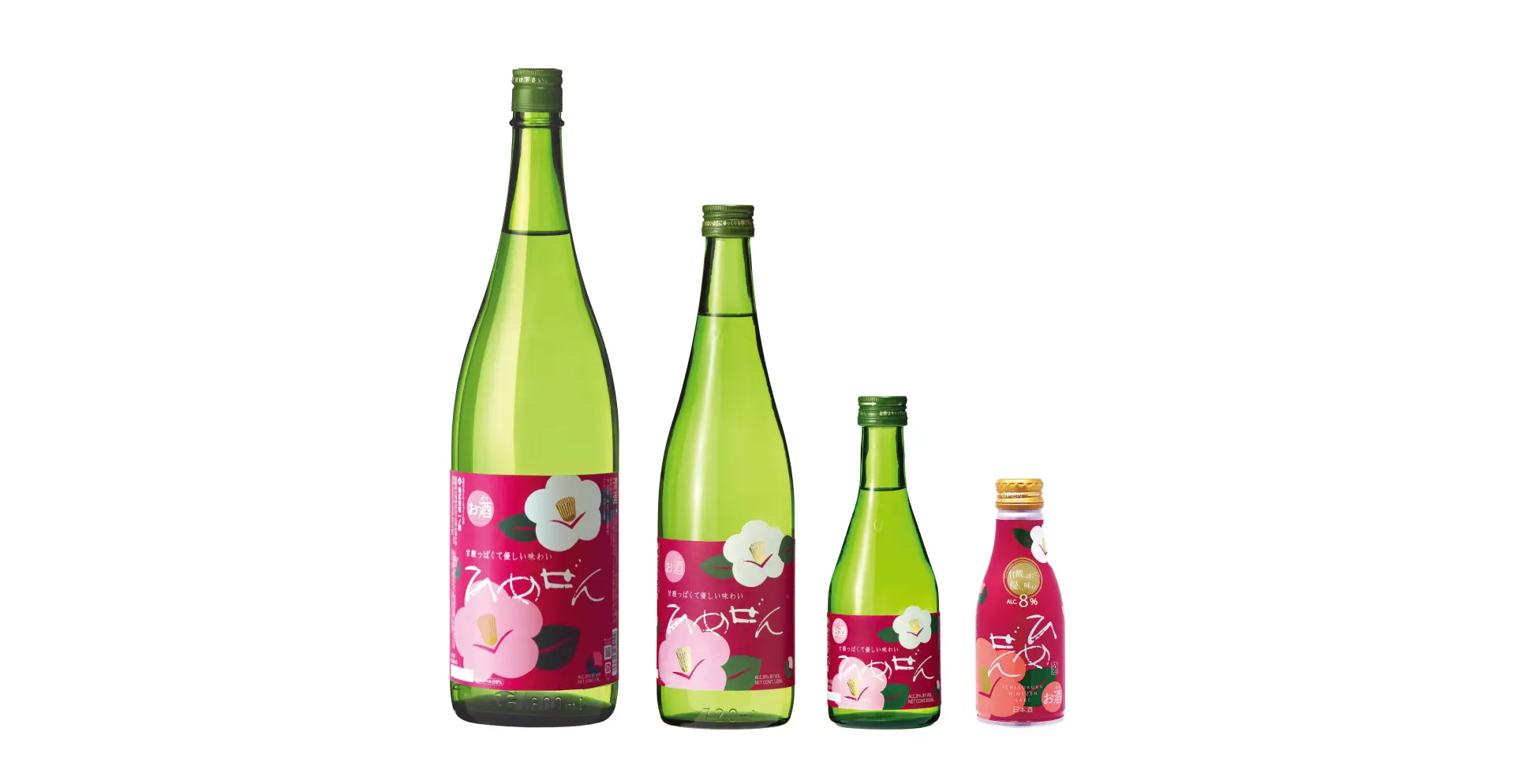
2. [Sweet] Himezen
Himezen was developed in 1988 by Ichinokura, a Miyagi-based brewery.
It was created as a “new traditional sake” that would feel approachable, especially for women in their 20s and 30s who weren’t familiar with sake. With an ABV of just 8%, it’s been loved by a wide range of generations for over 30 years.
3. [Sweet] Dassai Junmai Daiginjo 45
Dassai Junmai Daiginjo 45, a staple from the famous Dassai brand, is also a great entry point.
Made with a 45% rice polishing ratio, it highlights rice aroma and umami.
Its fruity, delicate fragrance and clean finish make it easy for beginners to enjoy.
It pairs well not only with Japanese food, but also with French cuisine and more. A bottle we’d recommend even if you’ve never tried sake before.

4. [Dry] Hakkaisan Daiginjo
Hakkaisan Daiginjo, as well-known as Dassai, features a refined fruity aroma, a crisp taste, and gentle umami.
Unlike the everyday, food-friendly Seishu Hakkaisan, this Daiginjo is made for “a slightly special day, a slightly premium sake.” Using carefully selected Yamadanishiki and Gohyakumangoku polished down to 45%, plus Hakkaisan’s snowmelt water and handcrafted koji, it delivers a delicate, mellow flavor that complements food, with an elegant sweetness.

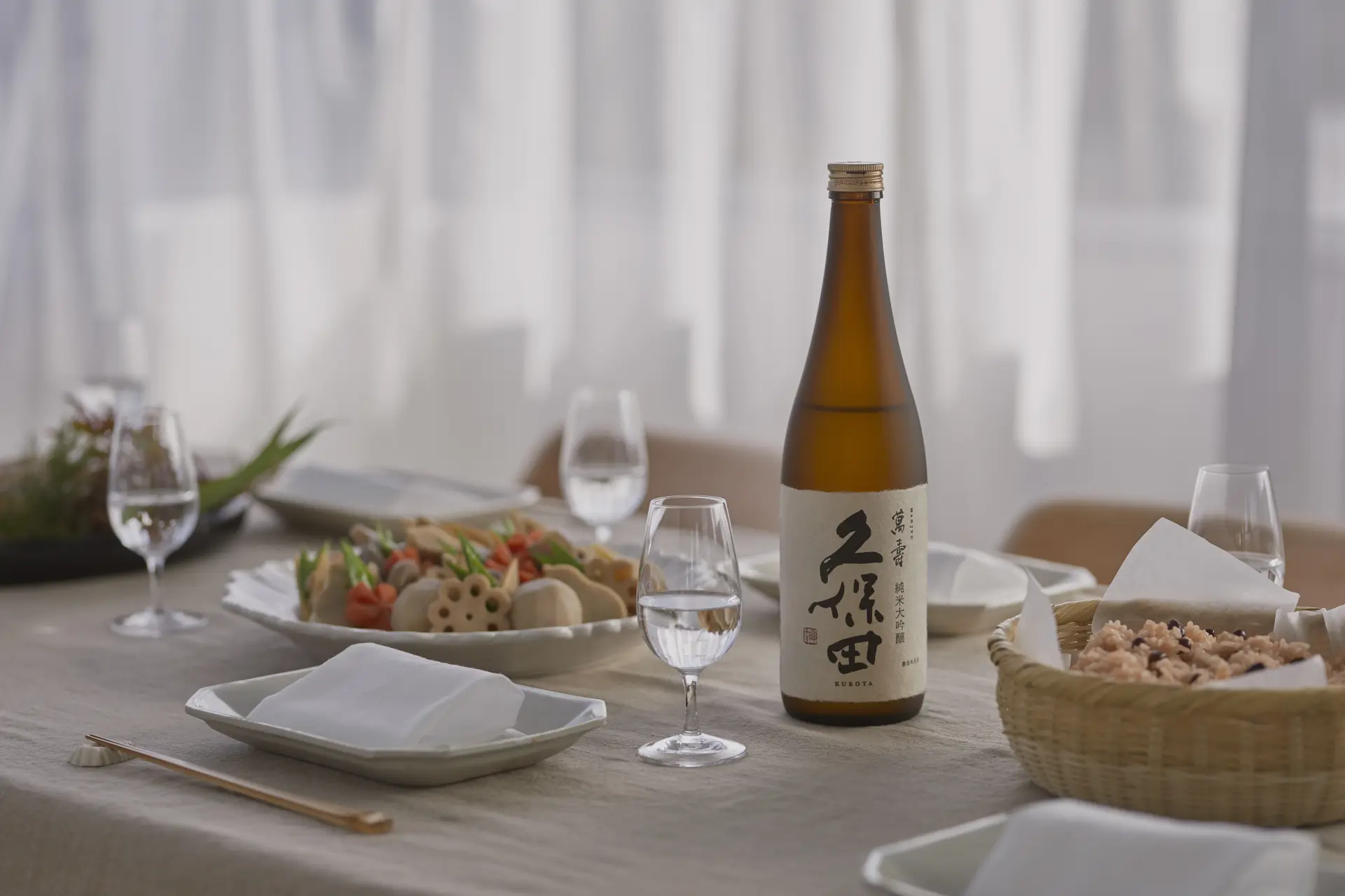
5. [Dry] Kubota Junmai Daiginjo
Kubota Junmai Daiginjo from Niigata is another famous sake, alongside Dassai and Hakkaisan.
With a crisp finish, clean taste, and fruity aroma in great balance, it’s easy to drink even for first-timers.
Kubota is a brand known for a lineup that includes the clear, smooth Senju and the deeper, more elegant Manju. It also offers Kubota Junmai Daiginjo, Kubota Sparkling, the limited-time Suiju, and more. Across the series, a signature point is carefully polished Gohyakumangoku rice from Niigata, which brings out delicate aromas.
FAQ about Sake
Q
What kind of alcohol is sake?
A
It’s a type of brewed alcohol made mainly from rice and water, produced by fermenting rice.
Q
Is sake made outside Japan?
A
By definition, “Japanese sake” must be made in Japan using Japanese-grown rice, so it is only produced in Japan.
Q
What is the alcohol content of sake?
A
By law, it must be under 22% ABV, and many bottles are around 15% ABV.
Wrap-up
That covers the basic knowledge you need to enjoy sake—how was it?
If this guide made you even more curious, try one of the bottles we introduced.
If you’re planning a trip to Japan—especially to Hyogo, Kyoto, Hiroshima, or Niigata, famous for sake—be sure to taste sake locally.
Some breweries also offer tours and tastings, so why not add a brewery visit to your itinerary?