

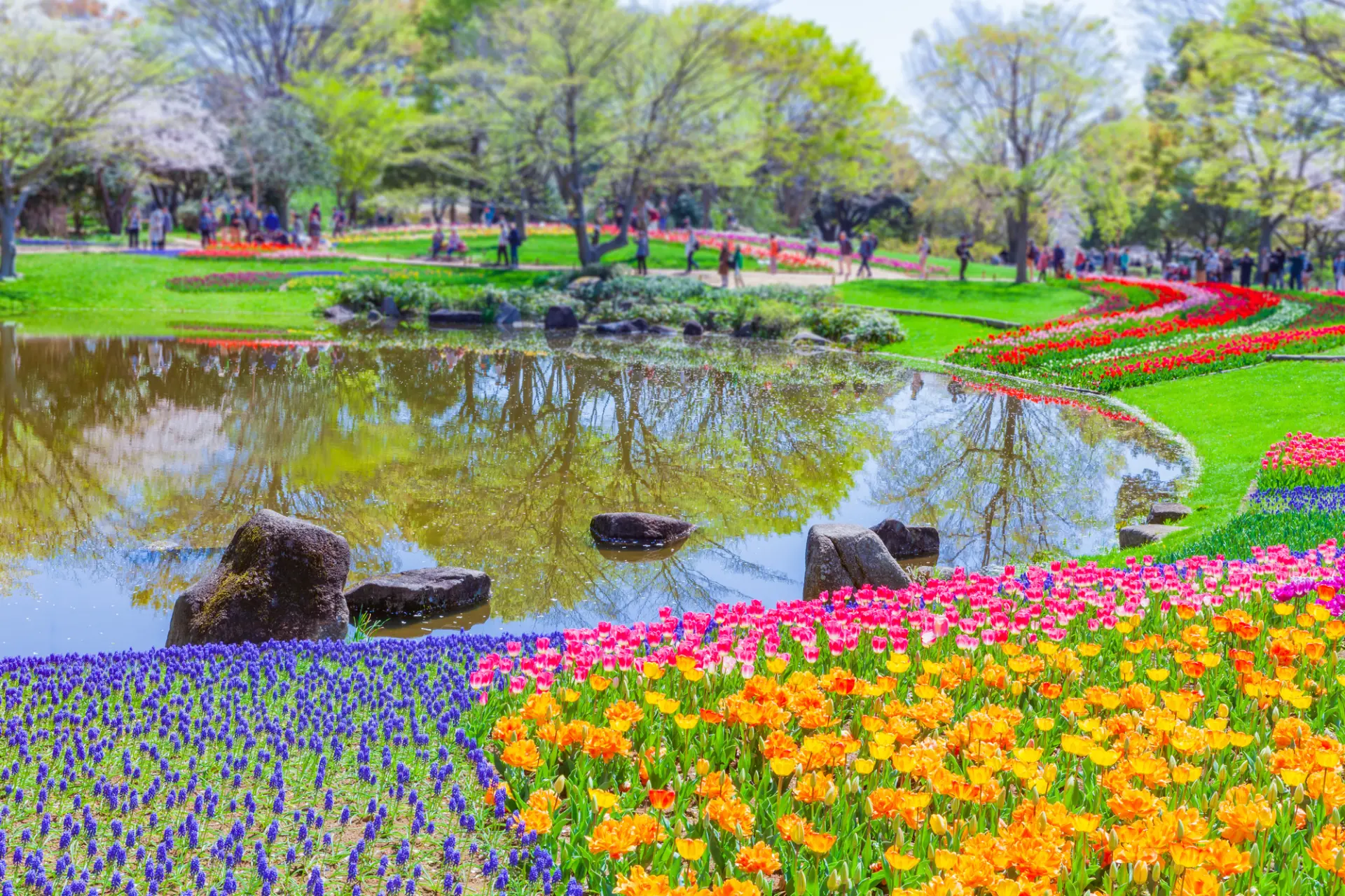
Showa Kinen Park Travel Guide: Enjoy Seasonal Flowers and Nature in Tokyo
Showa Kinen Park spans about 445 acres, offering seasonal flowers and abundant nature.
Its scenery changes throughout the year, while sports, seasonal events, and traditional Japanese attractions provide plenty to see and do.
This article focuses on basic information about Showa Kinen Park and its seasonal highlights.
It is written to help first-time visitors make the most of the park, so be sure to read to the end.
What Is Showa Kinen Park Like?
Spanning the cities of Tachikawa and Akishima in Tokyo, Showa Kinen Park is a vast national government park covering about 445 acres in total, of which approximately 419 acres are currently open.
It was developed on the former site of the U.S. military's Tachikawa Airfield as part of a project commemorating the 50th anniversary of Emperor Showa's reign. The first section opened in 1983.
Based on the theme of restoring greenery and enhancing humanity, the park serves not only as a recreational space but also as an evacuation site during disasters.
The grounds are divided into five zones, offering many ways to spend your time amid abundant nature, including walks and a variety of activities.
The scenery varies by season and location, and several areas offer a taste of traditional Japanese charm.
Flowers and greenery fill the park throughout the year, making it an ideal place to experience the changing seasons up close.
How to Get to Showa Kinen Park and Which Entrance to Choose
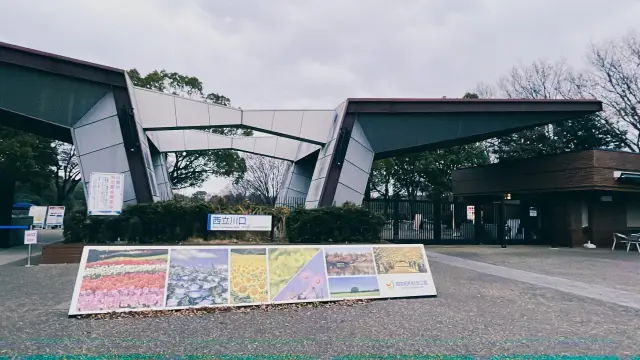
Showa Kinen Park has five gates for the paid area and three entrances to the free Green Culture Zone. The nearest station varies depending on which area you want to visit and what you plan to do.
Choosing your entrance in advance will make it easier to get around the expansive grounds.
The park is easily accessible from central Tokyo via the JR Chuo Line from Shinjuku or Tokyo Station toward Tachikawa.
Paid parking is also available at the Tachikawa, Nishi-Tachikawa, and Sunagawa entrances, making the park accessible by rental car.
| Entrance or Gate | Nearest Station and Access | Main Nearby Facilities |
|---|---|---|
|
Akebono Entrance, Takamatsu Entrance, and Memorial Museum Entrance * Green Culture Zone |
About a 10-minute walk from the North Exit of Tachikawa Station on the JR Chuo Line About an 8-minute walk from the Park Exit of Tachikawa-Kita Station on the Tama Monorail |
Green Culture Zone Dream Square General Information Center |
| Tachikawa Gate |
About an 18-minute walk from the North Exit of Tachikawa Station on the JR Chuo Line About a 16-minute walk from the Park Exit of Tachikawa-Kita Station on the Tama Monorail |
Dog Run Fureai Square Canal |
| Nishi-Tachikawa Gate | About a 2-minute walk from the Park Exit of Nishi-Tachikawa Station on the JR Ome Line |
Waterfowl Lake Bird Sanctuary Boathouse |
| Akishima Gate | About a 10-minute walk from the North Exit of Higashi-Nakagami Station on the JR Ome Line |
Katarai Ginkgo Avenue Barbecue Garden Stream Square |
| Sunagawa Gate | About a 20-minute walk from Musashi-Sunagawa Station on the Seibu Haijima Line |
Komorebi Village Flower Hill Japanese Garden |
| Tamagawa Josui Gate | About a 25-minute walk from Musashi-Sunagawa Station on the Seibu Haijima Line |
Children's Forest Forest House Woodworking Studio |
Showa Kinen Park Hours and Admission Fees
The hours and admission fees for Showa Kinen Park are as follows.
Hours
| - | Green Culture Zone | Park Facilities Outside the Green Culture Zone, Including Paid and Free Areas |
|---|---|---|
| March |
8:30 a.m.-5:00 p.m. * Closes at 5:30 p.m. from the spring equinox, March 20, through the end of March |
9:30 a.m.-5:00 p.m. |
| April-September | 8:30 a.m.-6:00 p.m. | 9:30 a.m.-5:00 p.m. * Closes at 6:00 p.m. on weekends and public holidays |
| October | 8:30 a.m.-5:00 p.m. | 9:30 a.m.-5:00 p.m. |
| November-February | 9:30 a.m.-4:30 p.m. | 9:30 a.m.-4:30 p.m. |
* Hours may change during events and other occasions
* The park offers two free-admission days each spring and fall
* Closed December 31, January 1, and for seven days from the third Monday through Friday of January
Admission Fees
| Category | Admission | 2-Day Pass |
|---|---|---|
| Adults, high school age and older | ¥450 | ¥500 |
| Seniors age 65 and older | ¥210 | ¥250 |
| Children, junior high school age and younger | Free | Free |
* Admission is free if visiting only the Green Culture Zone
* Seniors may be asked to show identification
* The 2-day pass is valid for the same person on two consecutive days
Seasonal Highlights at Showa Kinen Park
More than 800 species of flowers and plants can be seen throughout the year at Showa Kinen Park.
The scenery changes with each season, so the park leaves a different impression depending on when you visit.
Below are the highlights of each season, along with some of the best-known flowers and plants.
Blooming periods vary from year to year, so if there is a particular flower you want to see, check the official Flower Updates.
Spring: Cherry Blossoms, Tulips, Nemophila, and the Park at Its Most Colorful
Spring is the most colorful season at Showa Kinen Park, as plants begin blooming one after another.
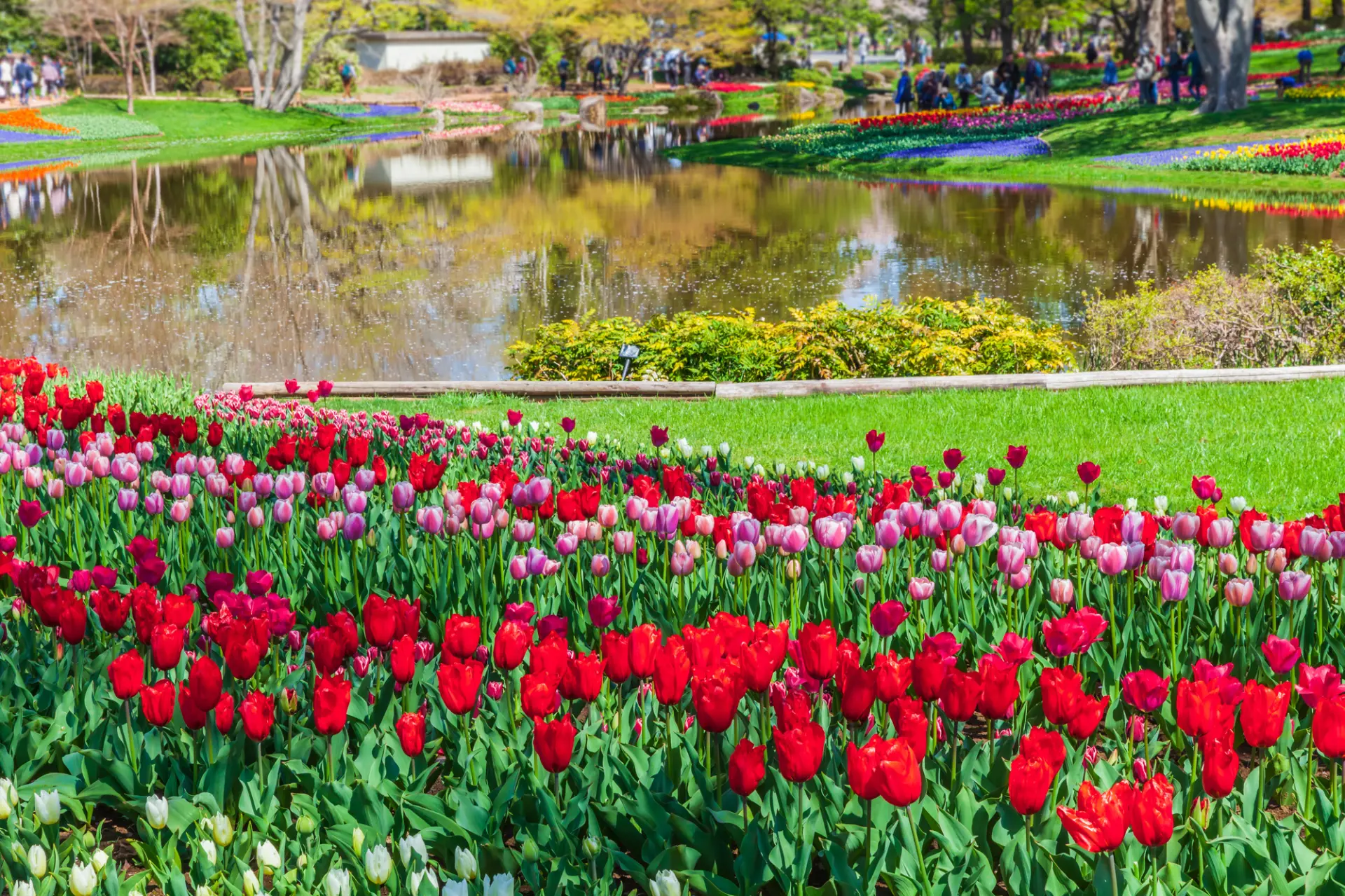
From late March through May in a typical year, cherry blossoms, tulips, and nemophila reach their peaks in succession, creating a beautiful relay of flowers.
First, around 1,500 cherry trees representing 31 varieties turn areas such as the Cherry Blossom Garden pale pink.
Next, 250,000 tulip bulbs representing 260 varieties bloom in a colorful display at Stream Square and the Tulip Garden.
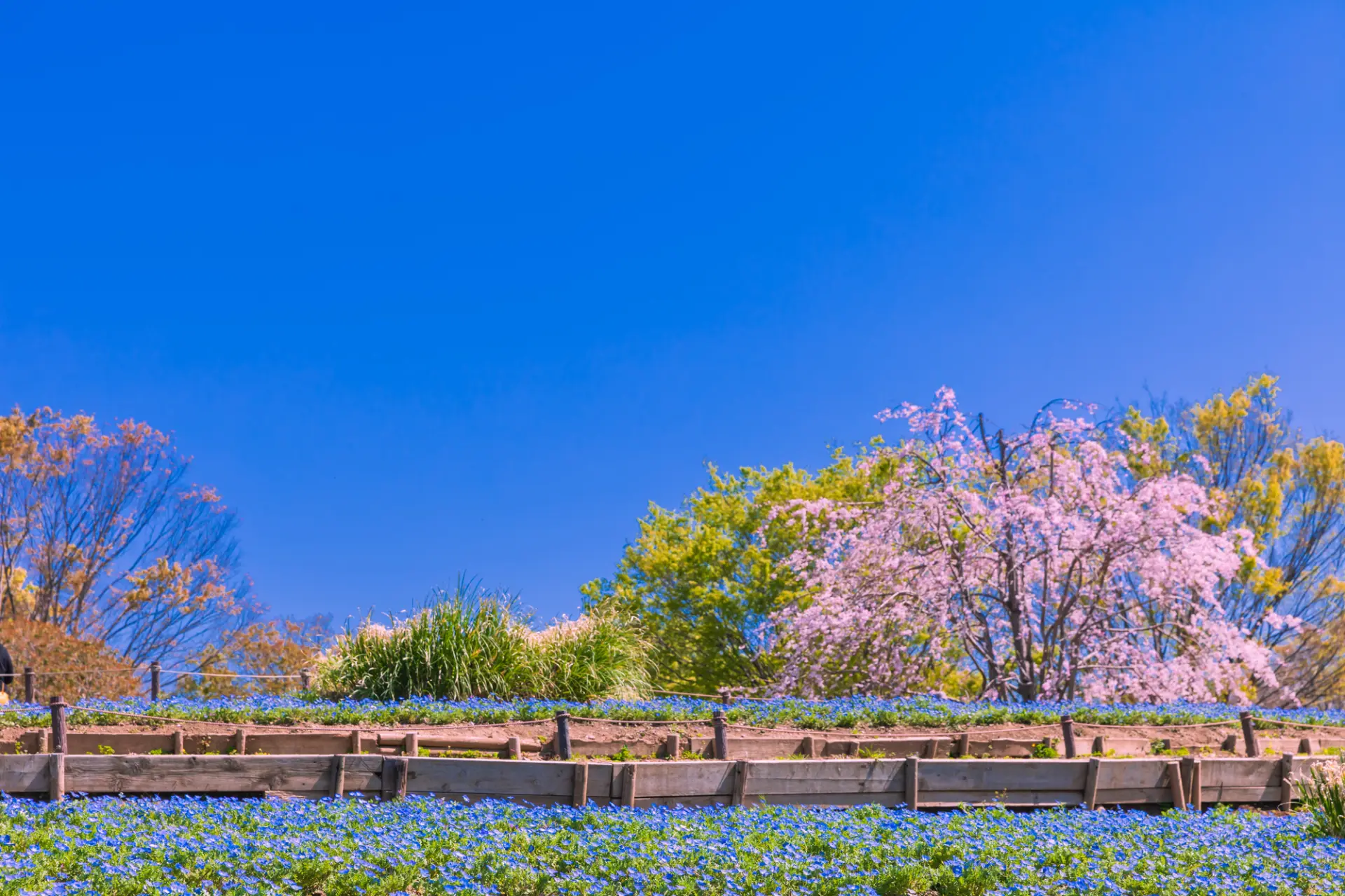
Then, 200,000 nemophila flowers create a pale blue carpet in the western flower field at Open Field. The breathtaking view looks as though the sky has been reflected across the ground.
Summer: Take in Vivid Sunflowers and Classic Summer Scenery
In summer, Showa Kinen Park offers flowers and refreshing waterside scenery.
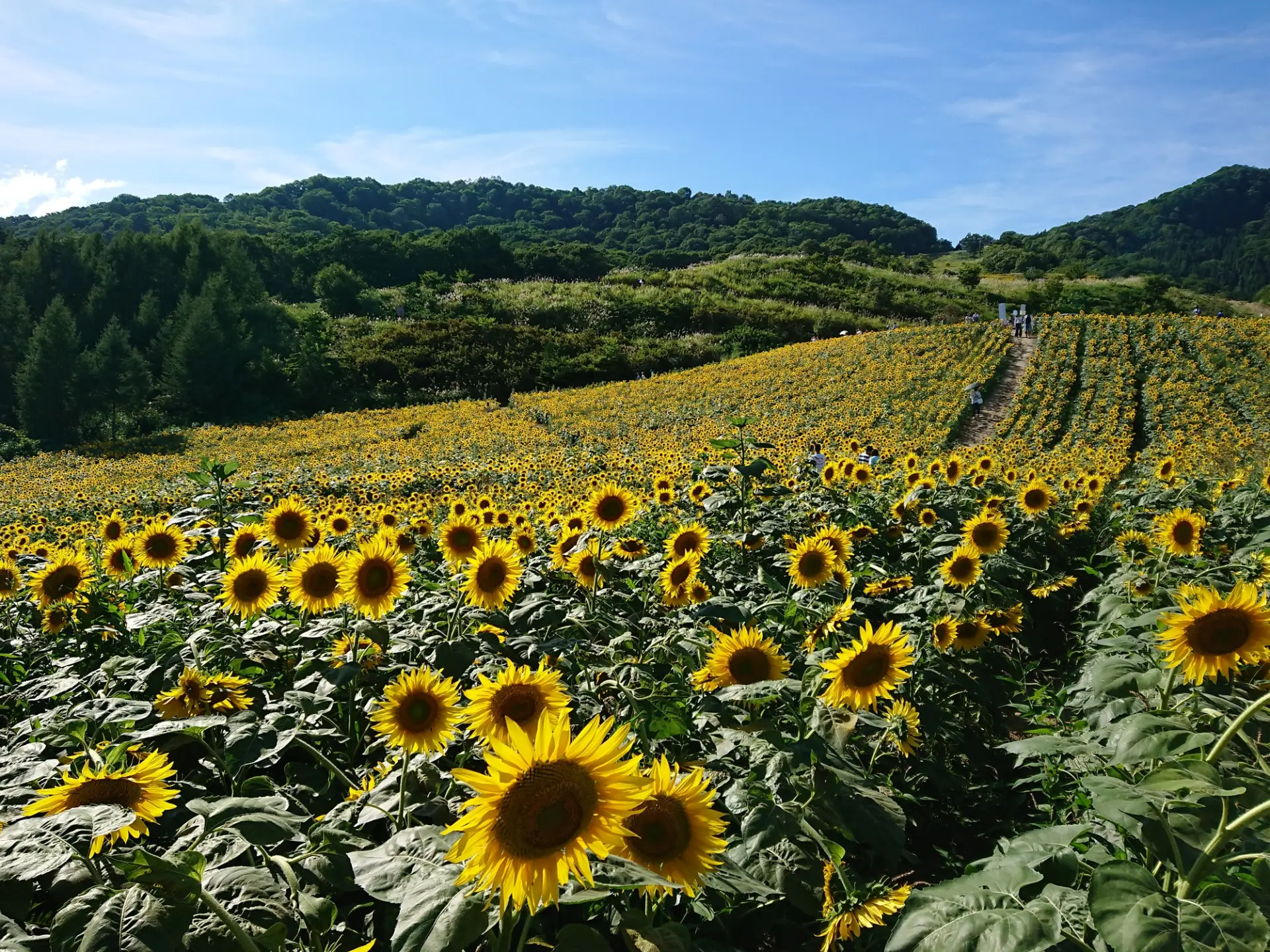
A particular highlight is the sunflowers coloring the southern flower field at Open Field.
Varieties such as the large-flowered Hybrid Sunflower and Apollo, which produces many charming blooms, create a bright summer landscape.
The yellow flowers stand out against the blue sky, making them ideal for photographs.
White egret orchids and crape myrtles also reach their peak, and the seasonal flowers provide a welcome distraction from the heat.
As extremely hot days with highs of 95°F or above have become more common in recent years, be sure to take precautions against heatstroke by resting in the shade and staying hydrated.
Fall: Stroll Through Cosmos Fields and Golden Ginkgo Avenues
As the summer heat eases, autumn brings pleasant weather to Showa Kinen Park, where cosmos flowers and fall foliage take center stage at different times.
The Cosmos Festival is held from mid-September to late October, featuring colorful displays of yellow cosmos, Cosmos Sensation, and other varieties.
The yellow and pink flower fields swaying in the breeze are especially picturesque and popular for photos.
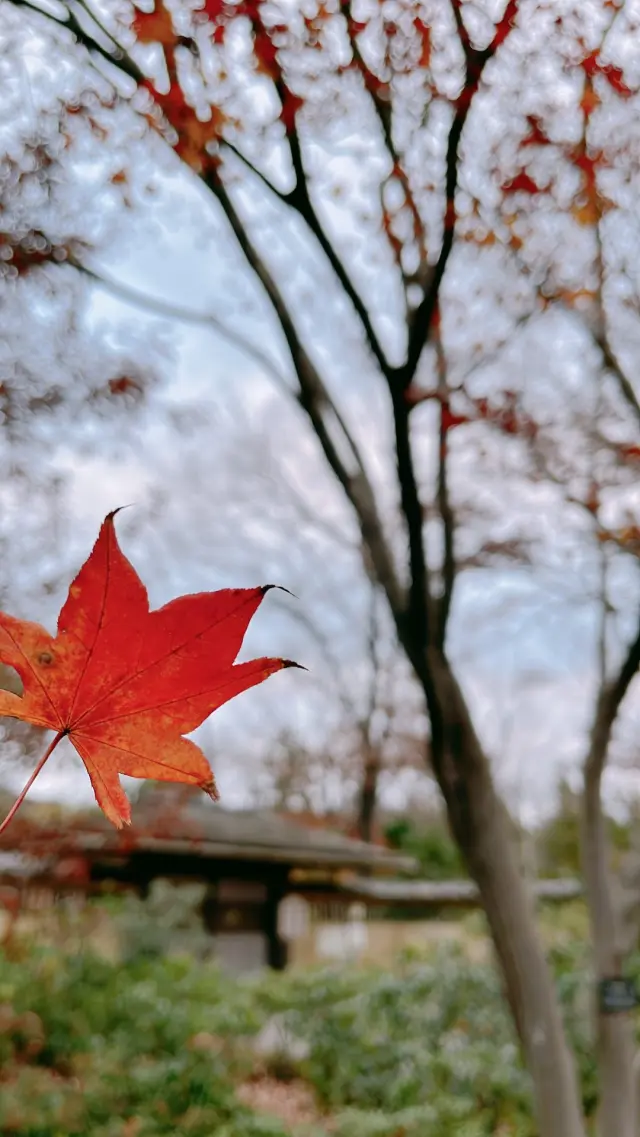
As fall deepens, the park's appearance changes, and the foliage season begins around late October.
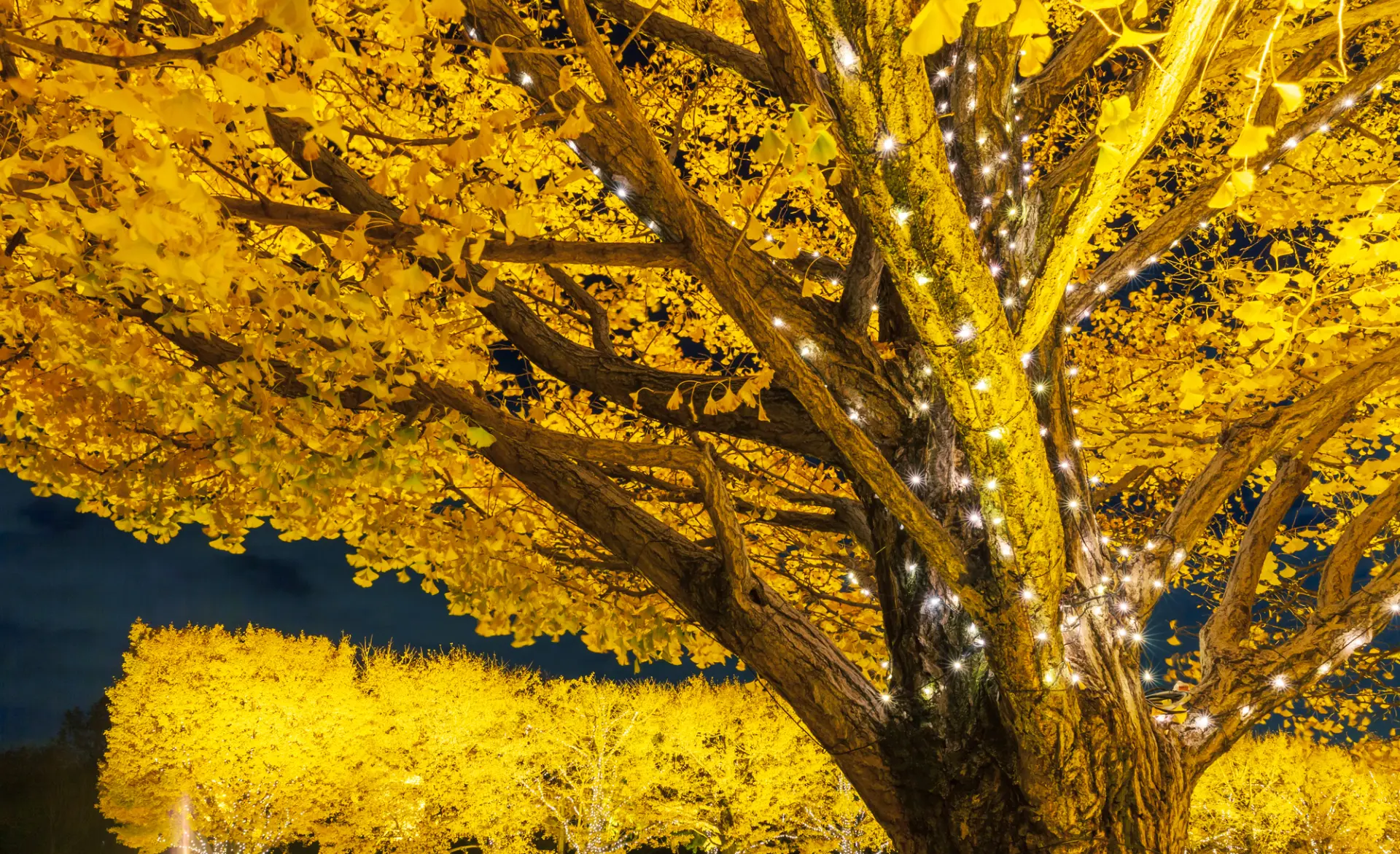
Atmospheric scenery can be found in several locations, including the Canal with its ginkgo trees lining the waterway and Katarai Ginkgo Avenue, which forms a 984-foot golden tunnel.
A leisurely walk is an ideal way to appreciate the changing season.
Winter: Enjoy Winter Flowers Beneath Clear Blue Skies and a Peaceful Park
Showa Kinen Park is quieter in winter, allowing visitors to stroll leisurely through its peaceful grounds.
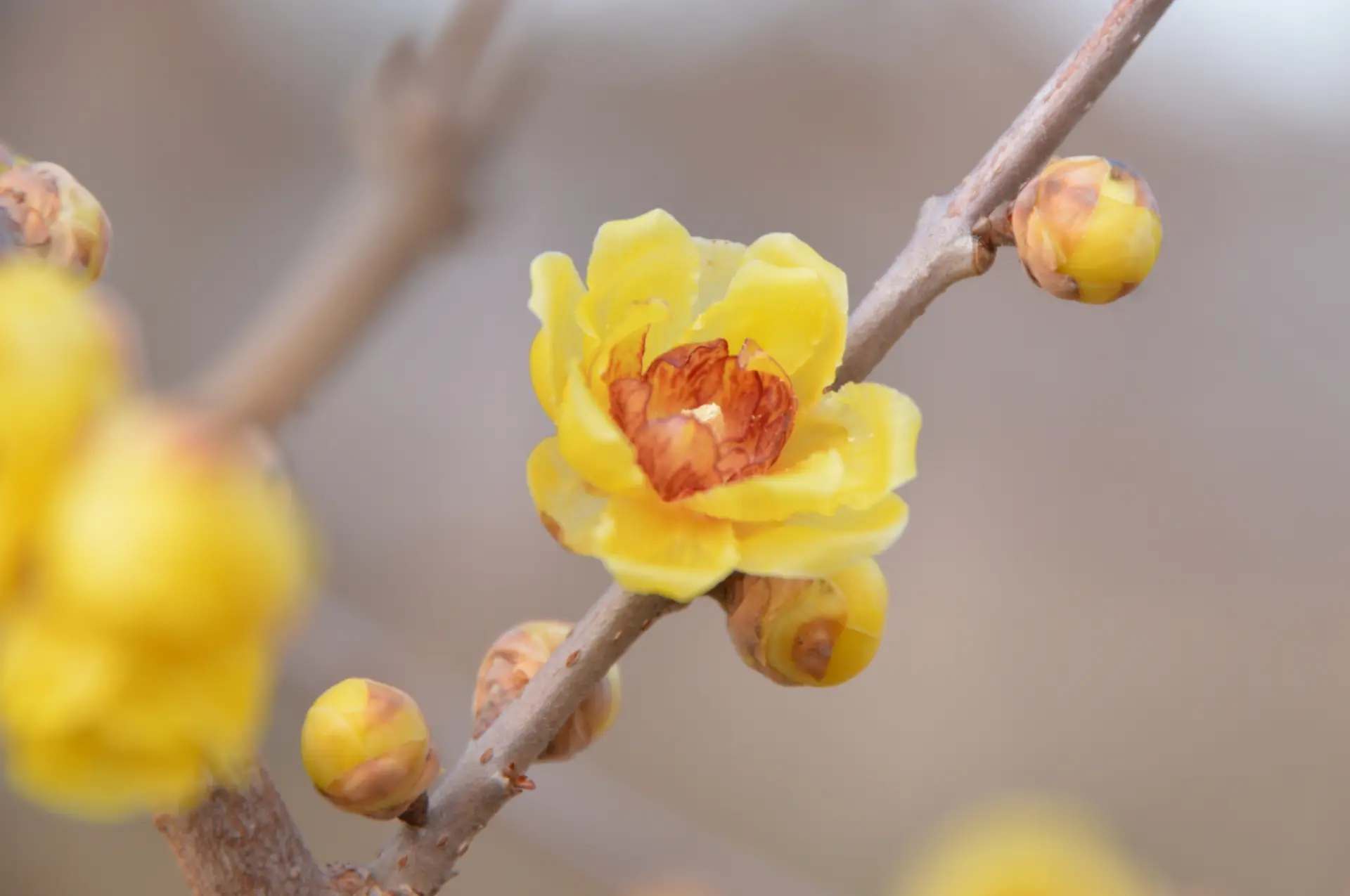
Pink sasanqua camellias and fragrant wintersweet, known for its distinctive yellow, wax-like flowers, add color beneath the clear blue sky.
Plum blossoms begin opening in mid-January, with different early- and late-blooming varieties found throughout the park.
Also look for the Japanese Garden's pine trees supported by snow ropes, a distinctly wintertime sight.
5 Highlights Not to Miss at Showa Kinen Park
Here are five of Showa Kinen Park's main highlights.
The expansive grounds cover about 445 acres and contain so many varied attractions that it is difficult to see them all in a single day.
First-time visitors in particular will find it easier to explore efficiently and make the most of their time by researching in advance.
Use the following information to help plan your visit.
1. The Spacious Open Field
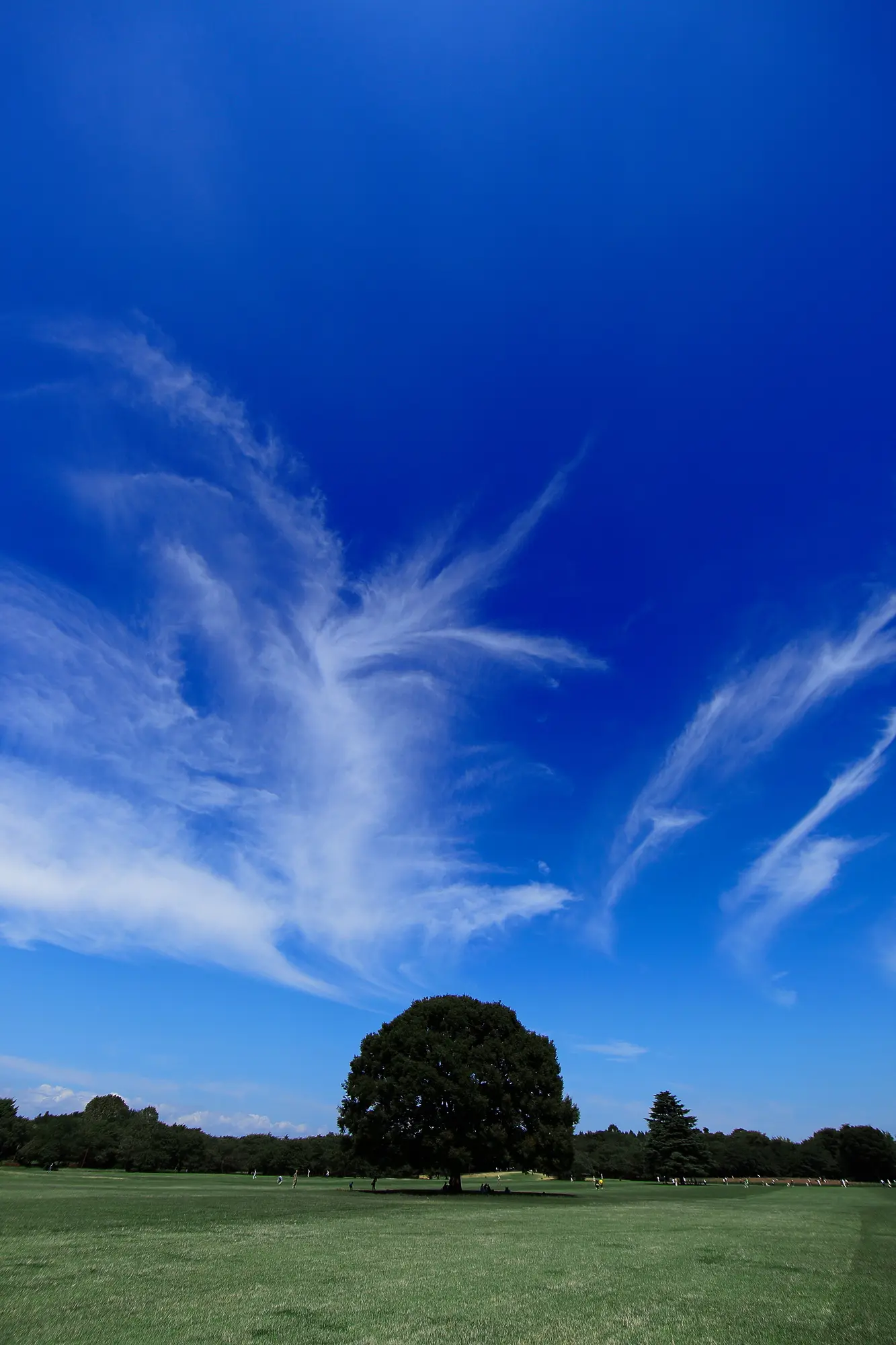
Covering about 27 acres, Open Field is one of Showa Kinen Park's signature areas.
At its center stands a large zelkova tree over 66 feet tall, offering a sense of openness rarely found in central Tokyo.
Visitors are free to spend their time however they like, whether picnicking, playing ball games, or relaxing in the shade.
The area also has three flower fields to the east, west, and south, whose scenery changes with the seasons.
With nature close at hand beneath an expansive sky, it is ideal for families as well as friends and couples out for a walk.
2. The Japanese Garden, Where the Seasons Meet Traditional Japanese Charm
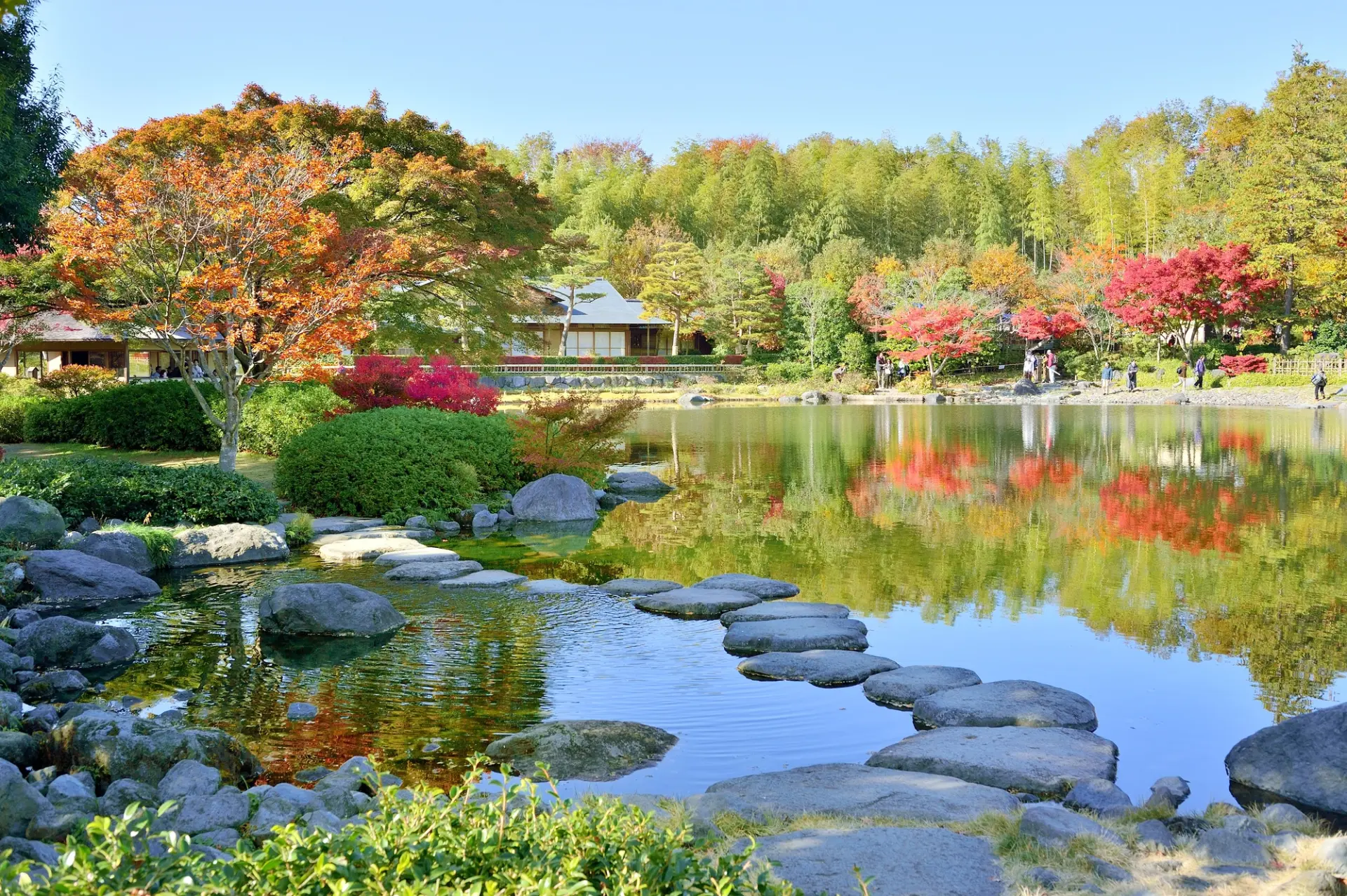
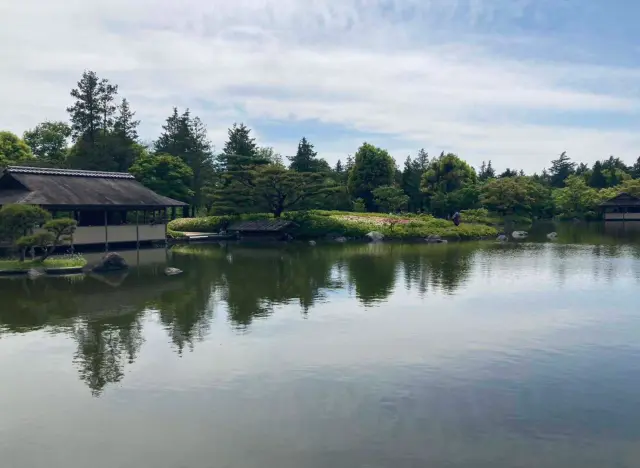
The Japanese Garden is the place to experience traditional Japanese charm within the park. Covering about 15 acres, it was the largest postwar garden of its kind in the Tokyo metropolitan area.
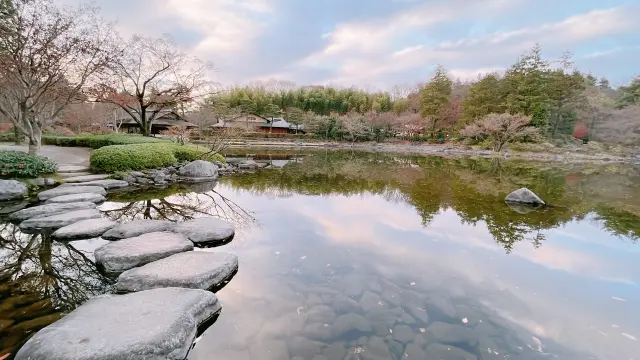
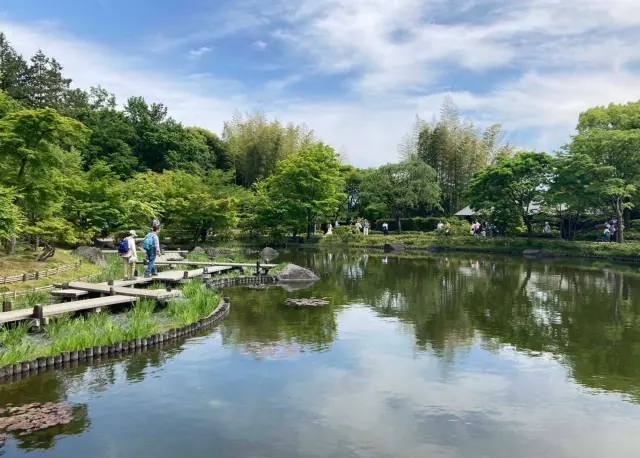
Opened in 1997, the garden follows a pond-stroll design, allowing visitors to walk around the water and appreciate the constantly changing views.
Along with reflections of trees and carefully arranged stones on the water, highlights include Seikiken, which appears to float on the pond, and Ryobotei, overlooking a waterfall and stream. Both structures blend harmoniously into the garden landscape.
The garden also includes Bonsai Garden, Japan's first national government-operated bonsai exhibition facility, and Kanfutei, where visitors can have matcha with seasonal Japanese sweets.
3. Flower Hill, Blanketed in Seasonal Blooms
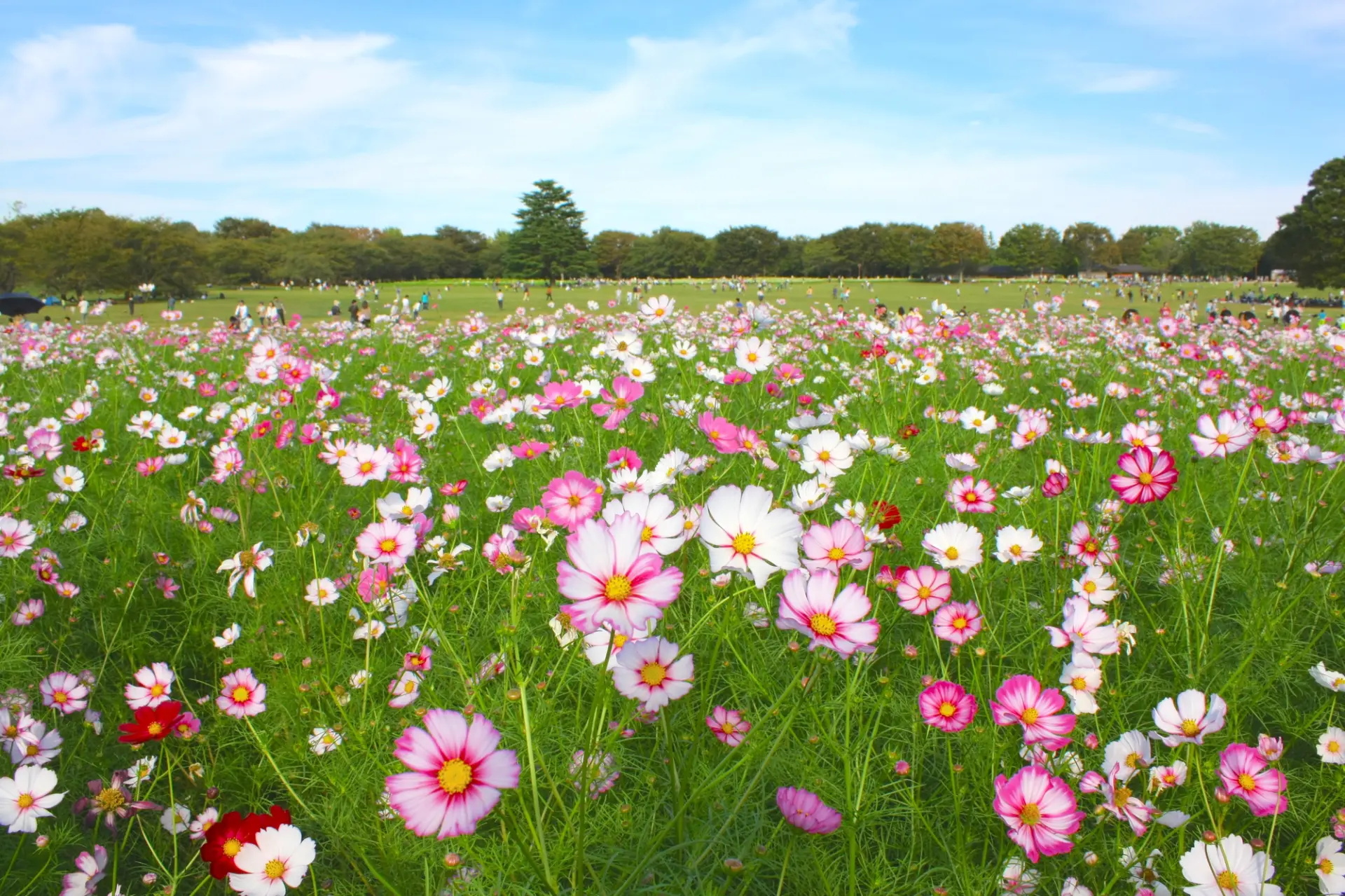
Flower Hill is the park's largest flower field, covering approximately 107,639 square feet.
Flowers blanket the entire hill, creating an impressive panoramic landscape on a grand scale.
The scenery changes depending on when you visit, with poppies blooming across the hill in spring and cosmos in fall.
From the top, you can also look toward Tachikawa Station and appreciate the contrast with the surrounding cityscape.
Popular as a photography spot, Flower Hill is one of the park's classic destinations.
4. Komorebi Village, Recreating Rural Showa-Era Life
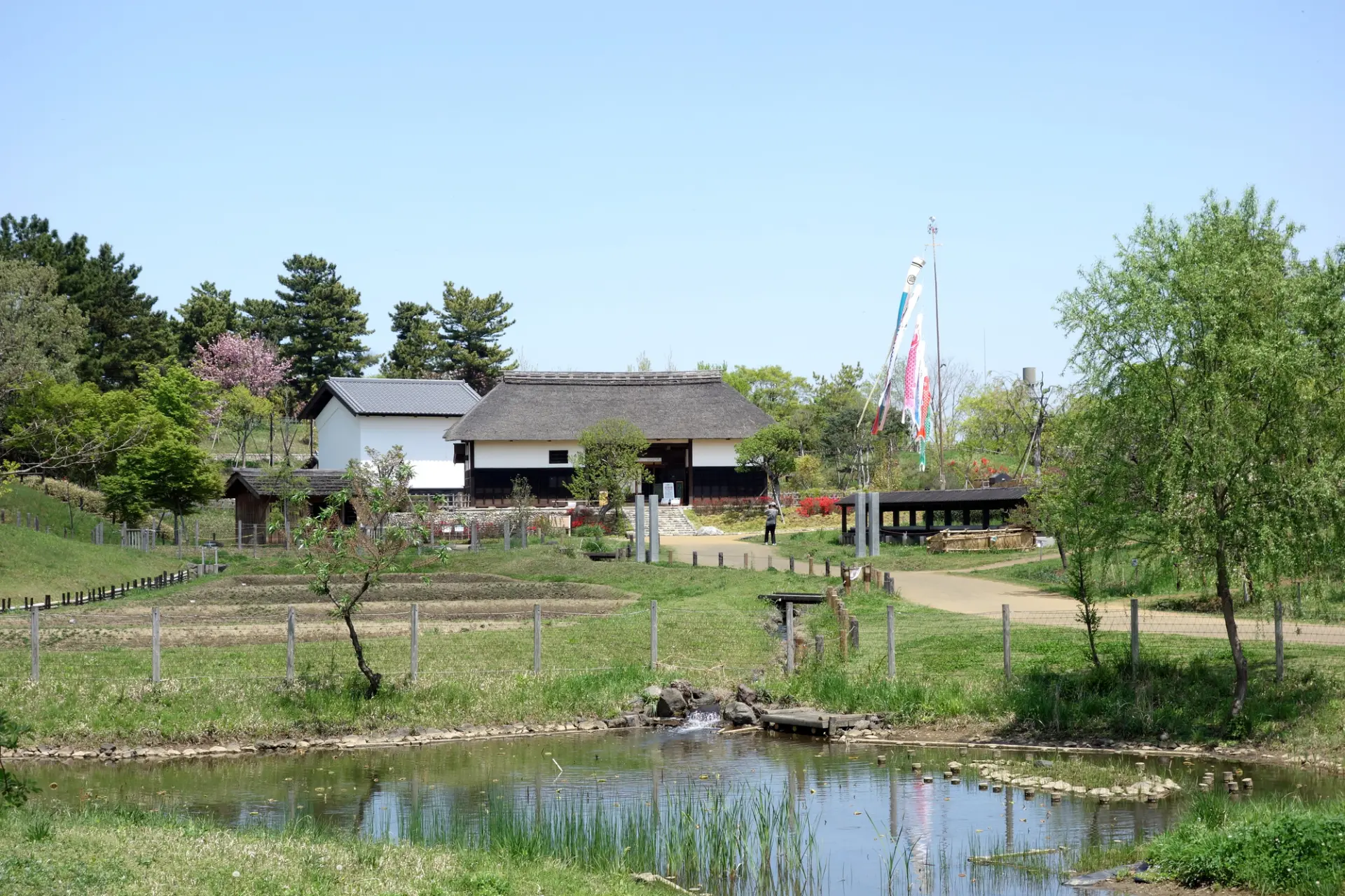
Komorebi Village recreates the rural landscape and lifestyle of Musashino from 1955 to 1964.
Based on the themes of the Showa era, Musashino, and agriculture, it features a waterwheel, storehouses, a well, and other elements that evoke a nostalgic Japanese rural landscape.
A particular highlight is the Farmhouse Area, where four buildings—a farmhouse, row gate, inner storehouse, and outer storehouse—have been relocated and restored.
Its thatched roof, traditional rural scenery, and seasonal displays make it feel as if you have stepped back in time.
Various hands-on programs and events involving local residents are also held, including farm work and annual observances.
It is also a place to learn how earlier generations lived in harmony with nature in Tachikawa.
5. Relax by the Water at Waterfowl Lake
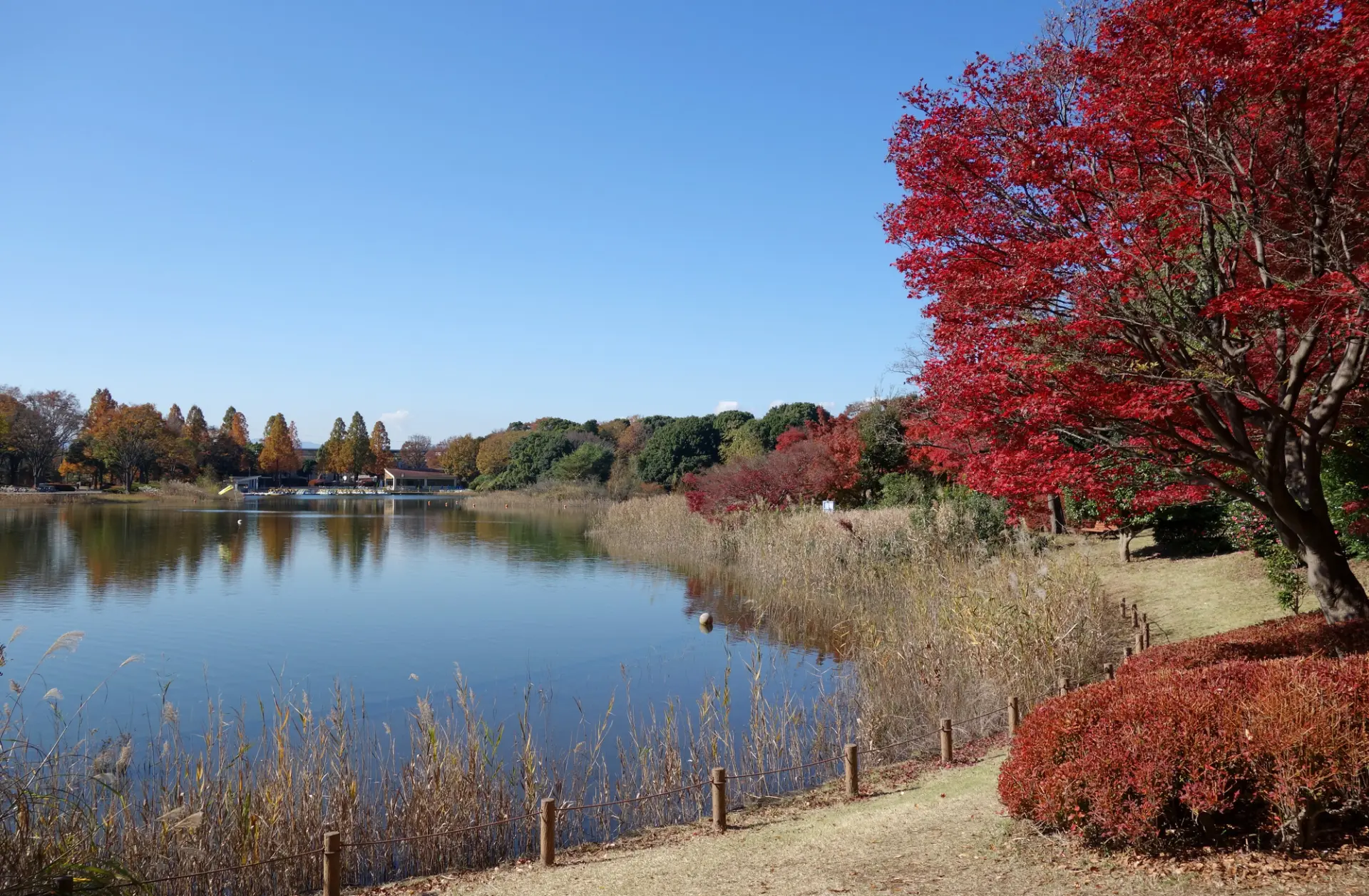
Waterfowl Lake is about a 3-minute walk from Nishi-Tachikawa Gate.
The lake contains islands called Floating Island and Central Island, while reeds, cattails, and other plants grow along the shore.
It provides a habitat for birds, insects, fish, and other wildlife, bringing visitors close to abundant nature.
A wide range of wild birds also visit throughout the seasons, making it a good location for bird-watching.
Relax while strolling around the lake and looking across the water, or take in the scenery from a rowboat or pedal boat.
Recommended Ways to Enjoy Showa Kinen Park
Showa Kinen Park offers much more than flowers and scenery.
It has a wide range of outdoor activities, seasonal events, workshops, and other experiences, making it easy to choose something suited to your companions.
Here are three especially recommended ways to spend your time.
Explore the Expansive Park by Rental Bicycle
Renting a bicycle is a convenient way to explore the expansive grounds of Showa Kinen Park efficiently.
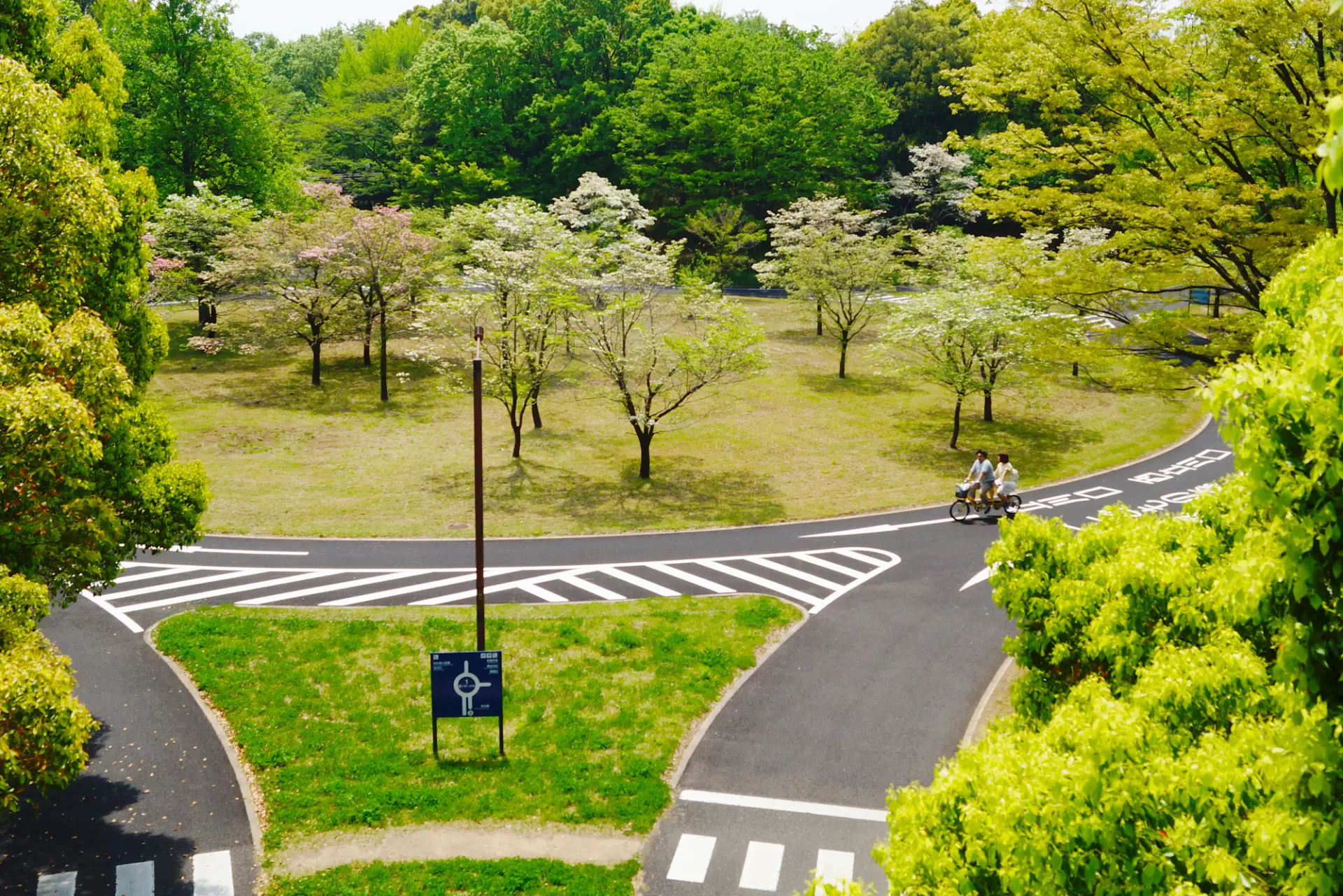
The park has 8.7 miles of cycling paths, and bicycles can be rented at the cycle centers near the Tachikawa, Nishi-Tachikawa, and Sunagawa entrances.
You can ride past flower fields, open spaces, and waterfront areas while enjoying both the scenery and the refreshing sensation of cycling in the breeze.
Along with bicycles for adults and children, rentals include cross bikes, tandem bicycles for two riders, and bicycles with child seats.
Prices are relatively affordable, ranging from ¥350 to ¥1,500 for 3 hours, making cycling a good option for families and couples.
Make Getting Around Part of the Fun on the Park Train
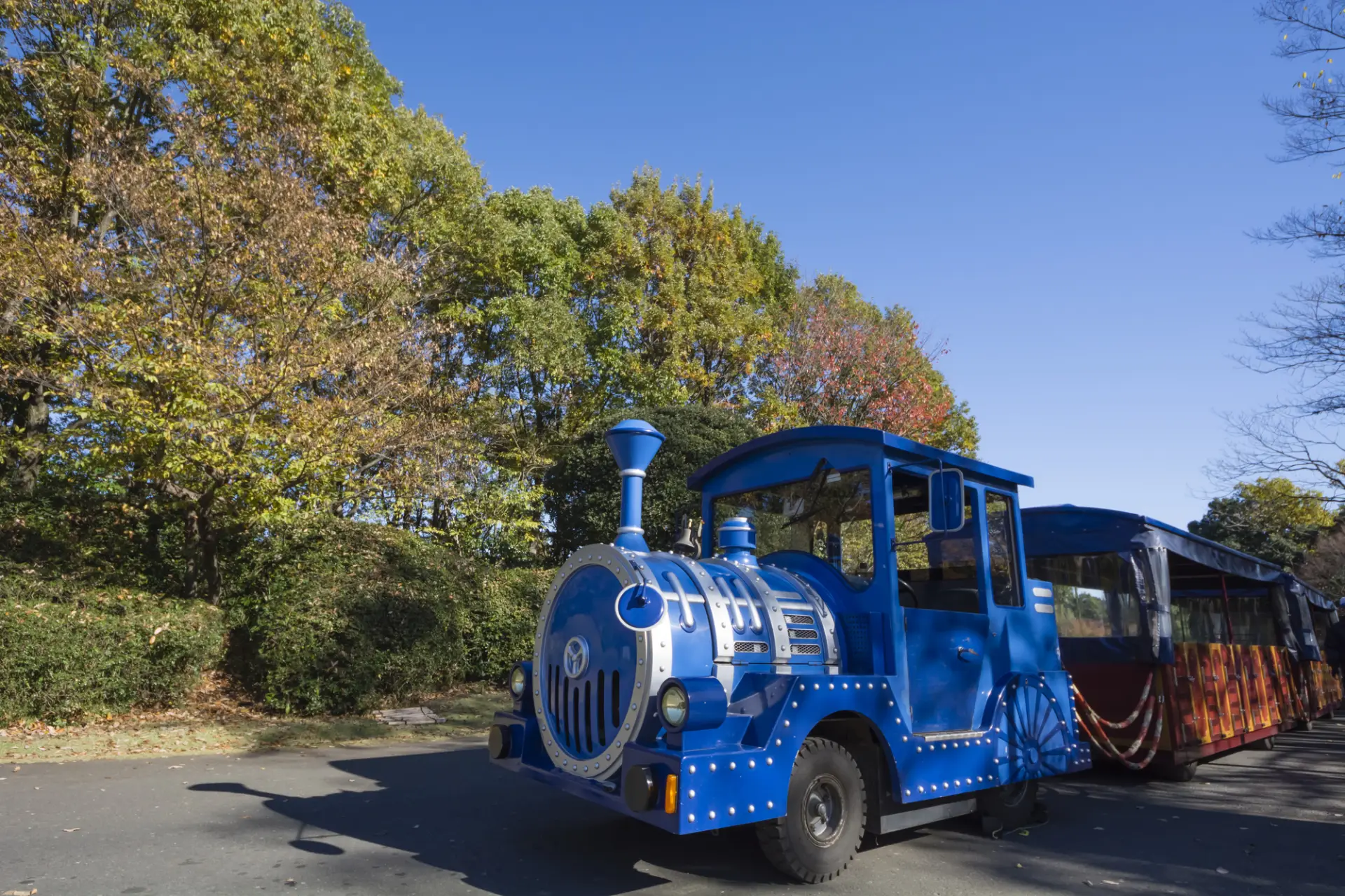
For an enjoyable way to travel around Showa Kinen Park, ride the miniature Park Train.
It tours the park's attractions in about 1 hour and is particularly convenient when visiting with young children or older adults.
Passengers can admire the scenery from the slow-moving train while listening to introductions to the facilities.
The train completes a loop beginning at the stop where you board. Tickets cost ¥400 for adults and ¥200 for children age 4 through junior high school.
You may get off along the way, but you will need to purchase another ticket to board again.
* Routes and service intervals vary by operating day
Enjoy Seasonal Events and Activities
Showa Kinen Park offers many active pursuits, including croquet, disc golf, and futsal courts.
It also has a Barbecue Garden requiring advance reservations, where visitors can have an easy outdoor experience without bringing equipment.
The park's seasonal events are another highlight.
Many events are held throughout the year, as shown below, offering something new with each visit.
| Typical Period | Event | Description |
|---|---|---|
| Late March-late May | Flower Festival | A large-scale event featuring spring flowers such as cherry blossoms, tulips, and nemophila |
| April-September | Nature Observation Tours | Guided tours for learning about nature while observing the park's plants and wildlife |
| Mainly the third Saturday of each month | Project WILD Nature Discovery Workshop | An interactive event where participants learn about wildlife and the environment through games, crafts, and other activities |
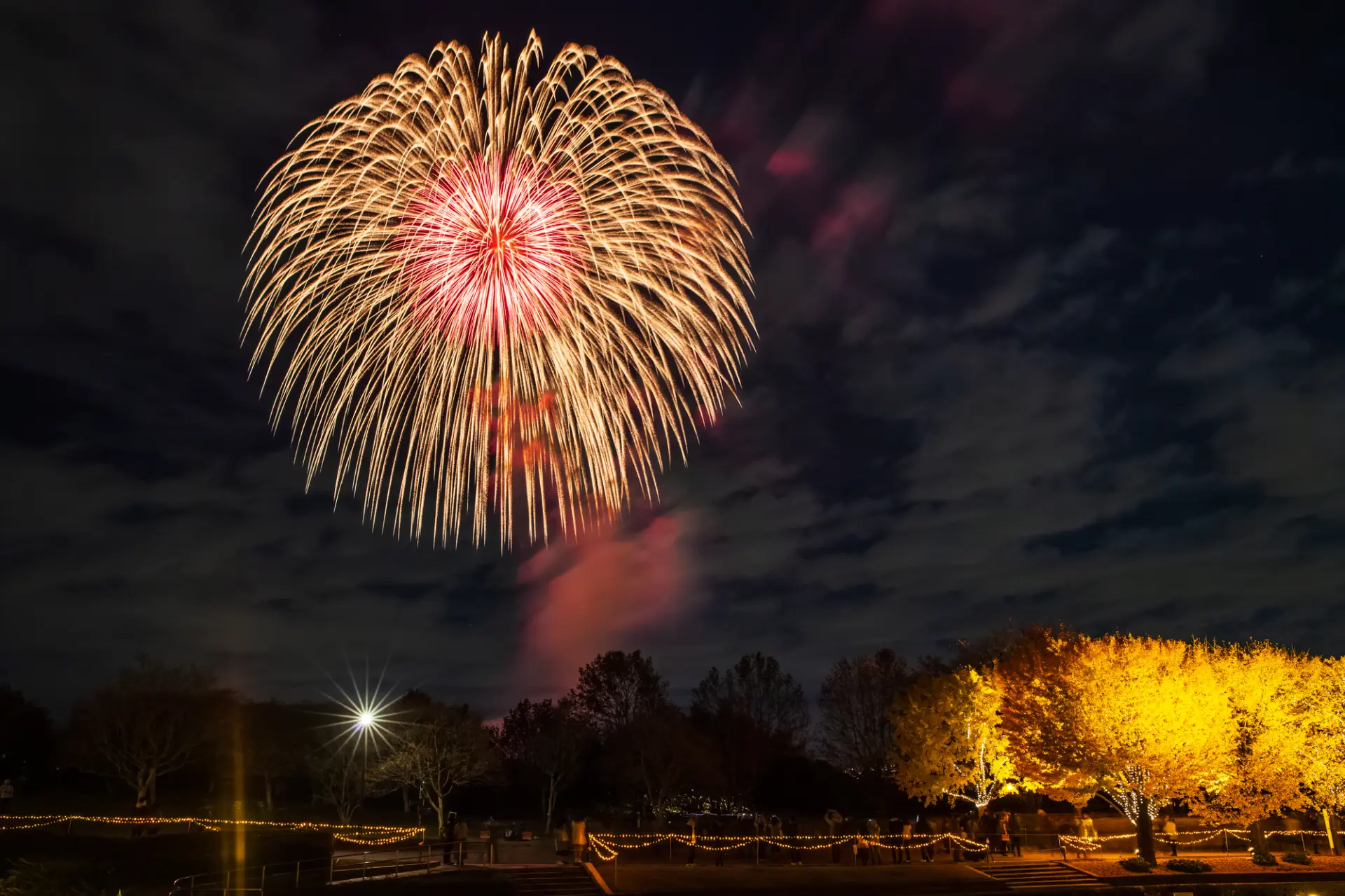
| Late July | Tachikawa Festival Showa Kinen Park Fireworks Festival | A summer event featuring powerful fireworks, including shells measuring 1.5 shaku in diameter |
| September-October | Cosmos Festival | An annual event featuring autumn flowers such as yellow cosmos and other cosmos varieties |
| Around November | Ginkgo and Maple Festival | An event celebrating the yellow and red foliage of ginkgo, maple, and other trees throughout the park |
3 Attractions Near Showa Kinen Park
In addition to Showa Kinen Park, Tachikawa has many appealing places where city and nature, history and the present intersect.
The city also has a district designed around well-being, incorporating greenery and art to create a comfortable environment for visitors and residents. This provides distinctive experiences within an urban setting.
Here are three particularly recommended destinations.
1. GREEN SPRINGS
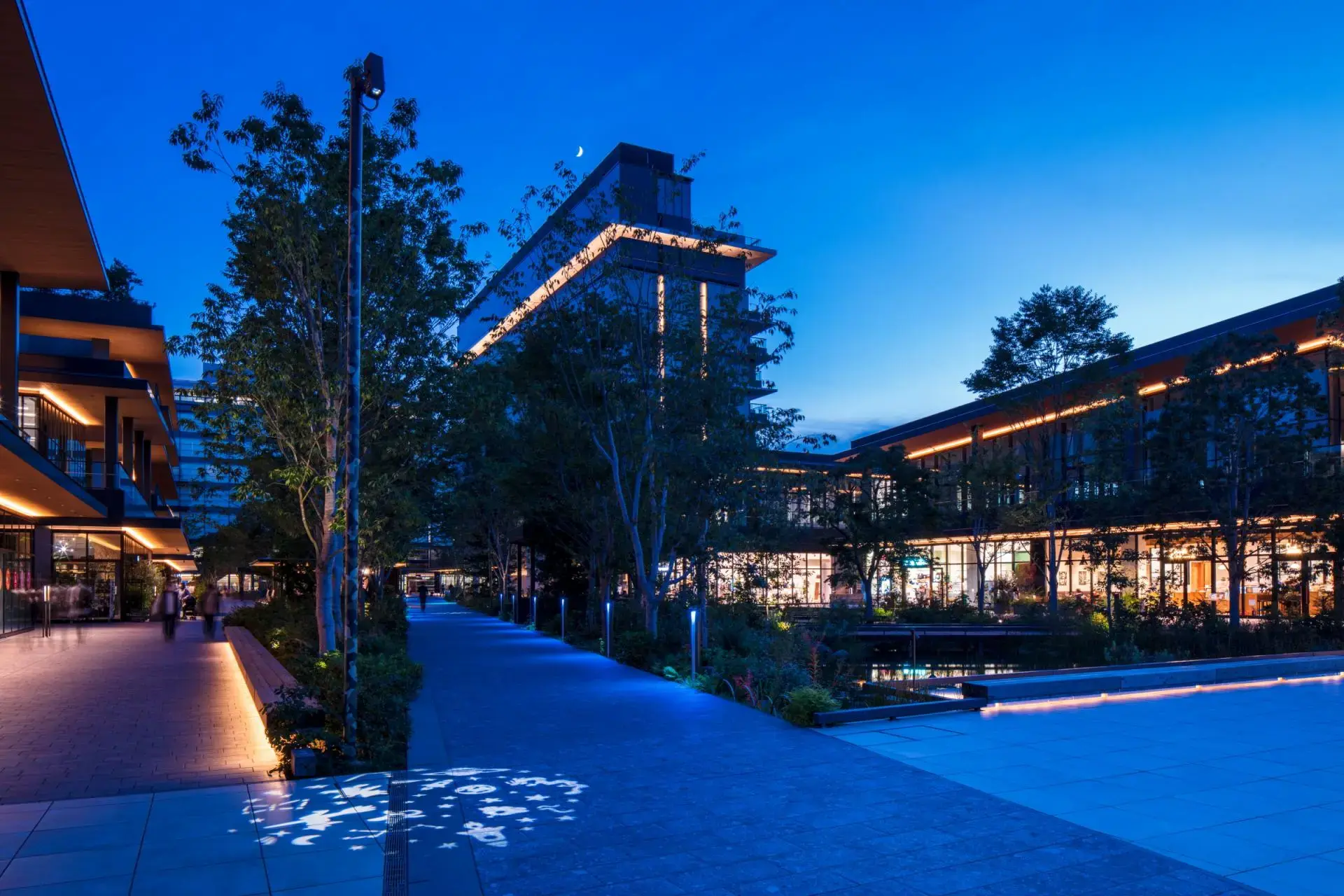
About an 8-minute walk from JR Tachikawa Station and about a 4-minute walk from Tachikawa-Kita Station on the Tama Monorail, this mixed-use complex is based on the theme of well-being for both body and mind.
The space blends urban and natural environments and has received numerous honors, including the 2021 Good Design Award.
The approximately 107,639-square-foot open plaza on the second floor features around 350 types of seasonal plantings, a biotope stocked with creatures from the Tama River, a fountain where water moves in time with light and music, and a 394-foot cascading staircase with flowing water. Together, they create a restorative space for body and mind.
2. Suwa Shrine
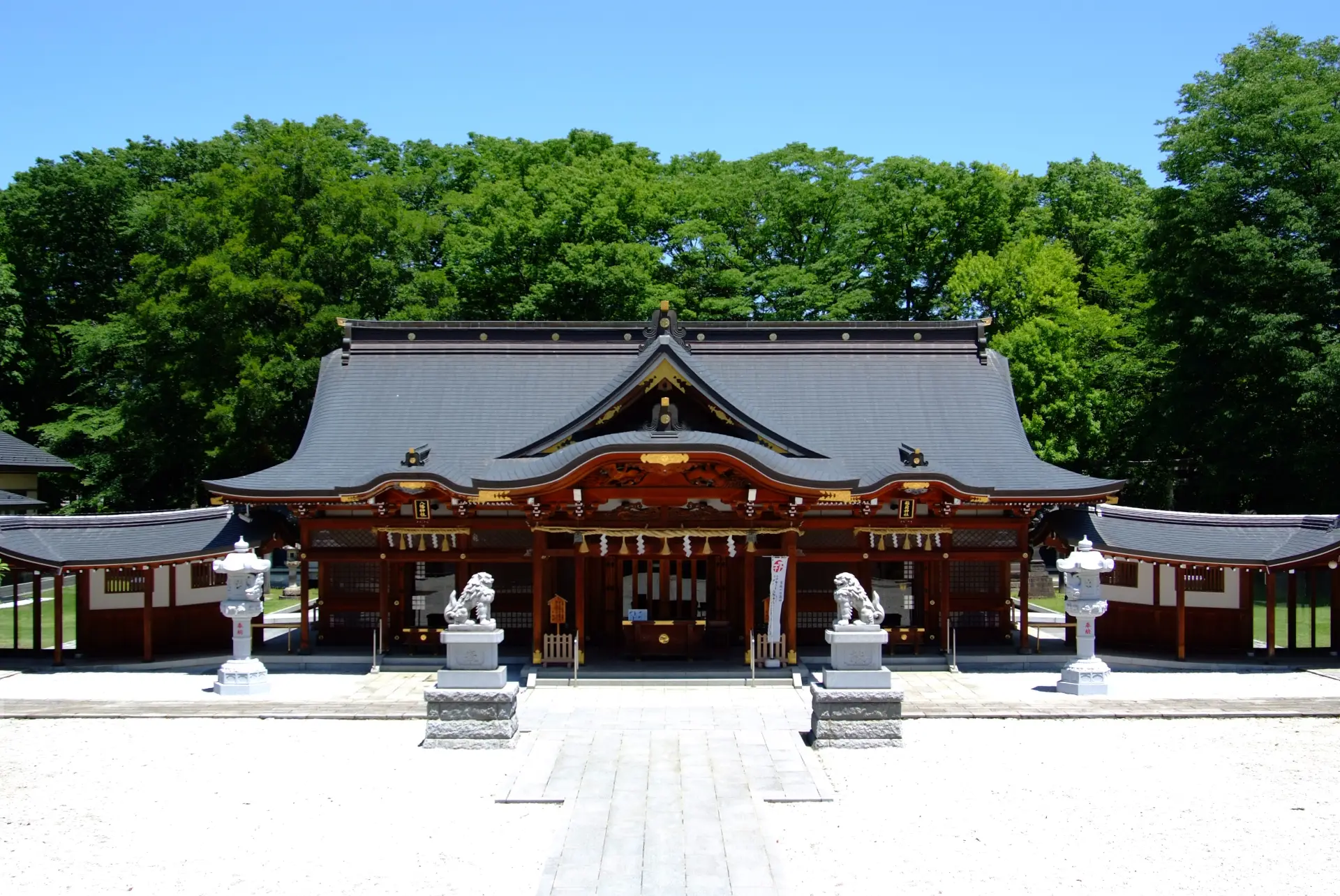
This venerable shrine has more than 1,200 years of history and was established in 811 by enshrining a deity from Suwa Taisha in Nagano Prefecture.
Known for its lion dances and sumo wrestling, it is affectionately called Osuwa-sama.
Its enshrined deity, Takeminakata-no-Kami, appears in the Kojiki and is regarded as a god of hunting and agriculture who grants blessings for victory and business prosperity.
The main sanctuary shares a protective outer structure with Hachiman Shrine, which enshrines Homutawake-no-Mikoto, and Inari Shrine, which enshrines Ukanomitama-no-Kami.
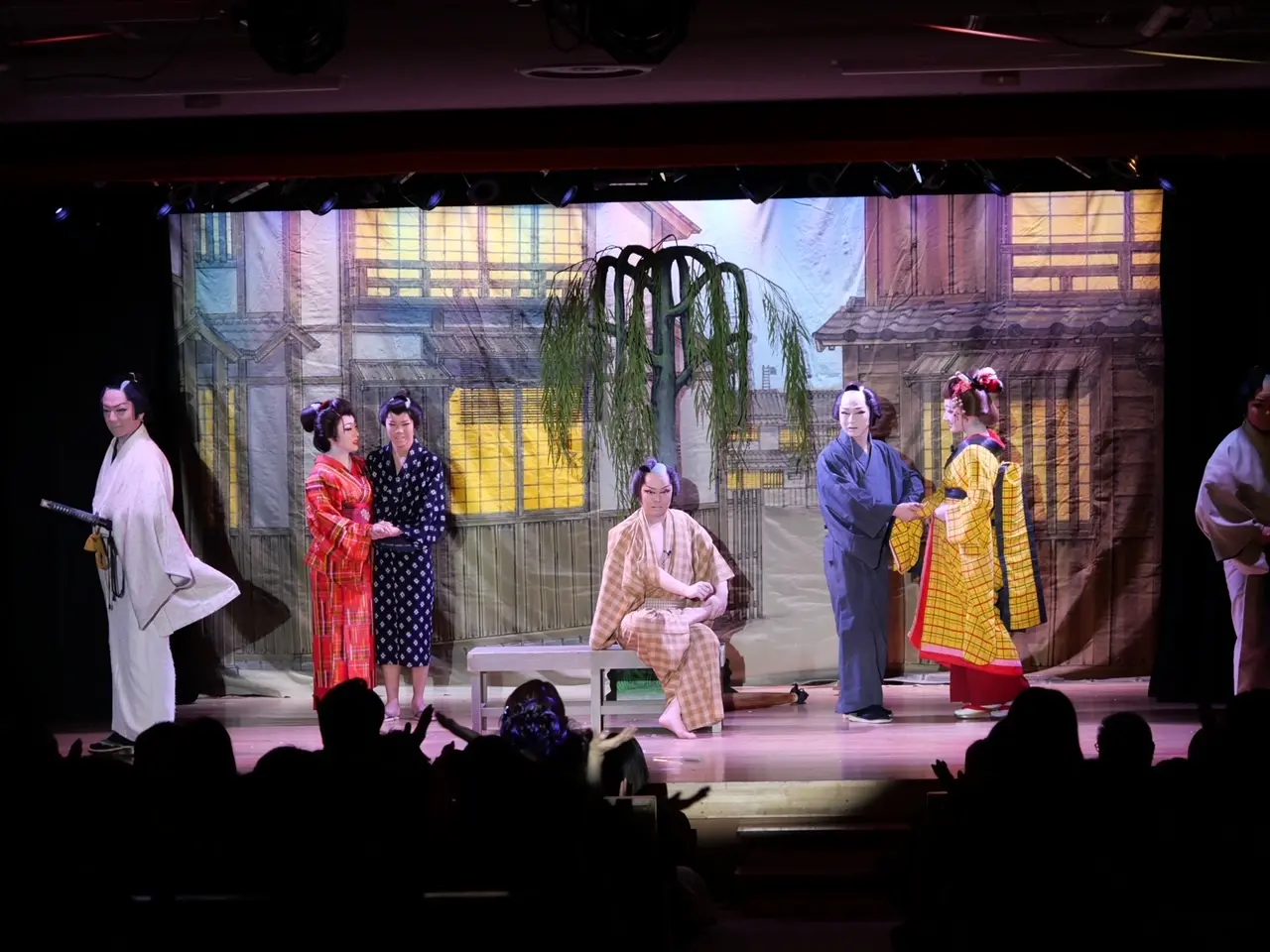
3. Tachikawa Keyakiza Popular Theater
This dedicated theater continues to share the appeal of popular theater, a tradition passed down since the Edo period.
Featuring singing and dancing to enka and popular Japanese songs, this approachable form of entertainment has attracted devoted fans for many years.
Part of its appeal is that no specialized knowledge is required, allowing anyone to enjoy it casually.
Each 3-hour performance has two parts: a play filled with human warmth and a dance show featuring elegant choreography.
The joy of popular theater lies in the audience joining together—clapping to the music, laughing aloud, and sharing in the excitement.
Reviews of Showa Kinen Park
Some reviews are AI-translated.
-
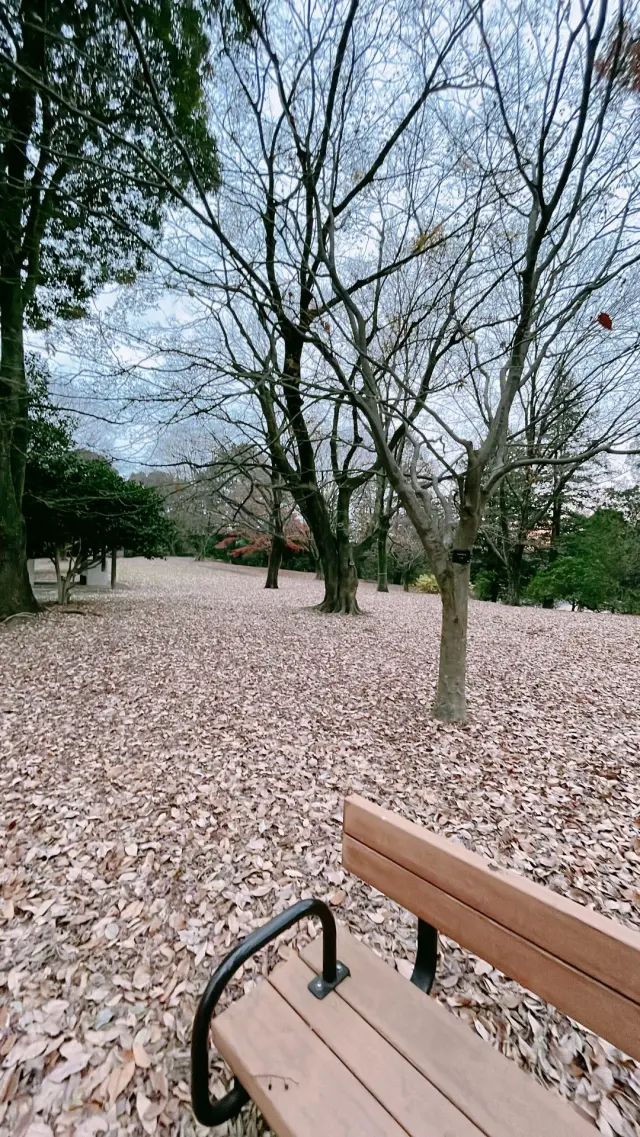
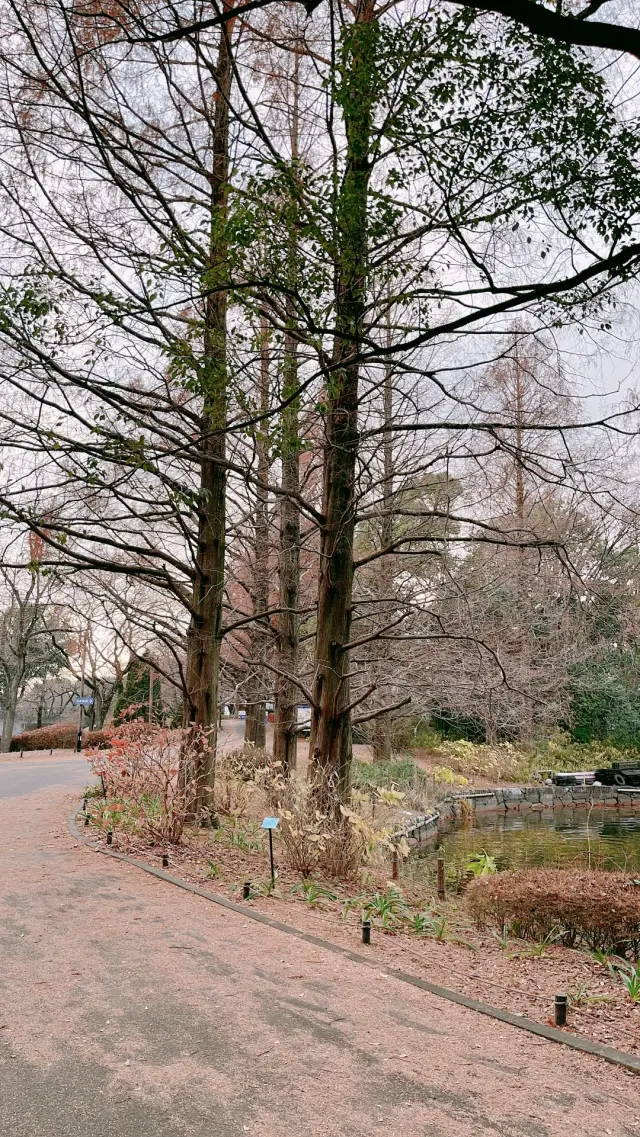
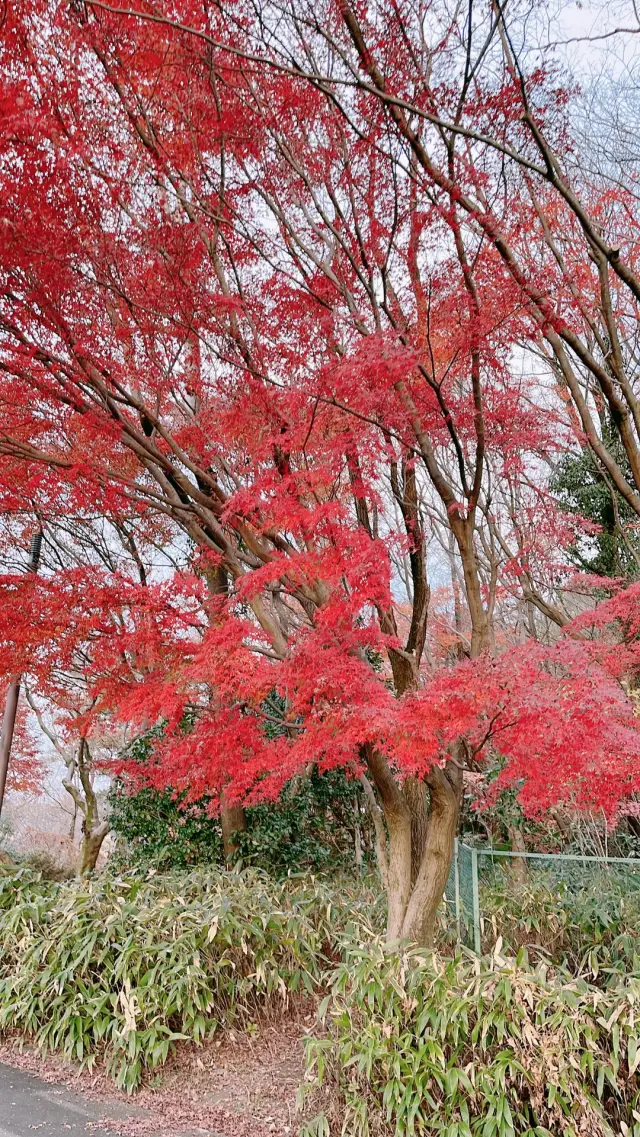
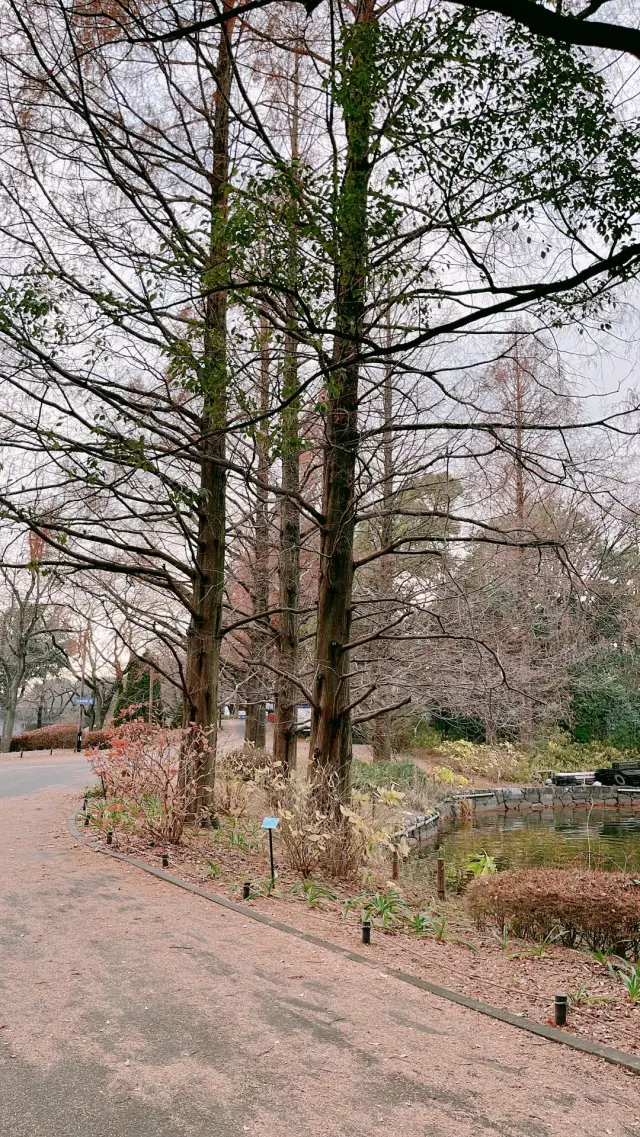
Showa Kinen Park is just a quick train ride from central Tokyo. When I visited in late fall, the entire park was enveloped in a poetic, desolate beauty that made me feel at peace.
The park was much more expansive than I had imagined. By the time I walked all the way to the famous Japanese garden, my legs were a little sore, but sitting quietly on a bench and taking in the autumn scenery mixed with fallen leaves was especially soothing. There were very few visitors, and the atmosphere had a rare sense of peace and relaxation. If you want to get away from the noise of the city and fully appreciate the pure beauty of fall, I highly recommend taking a walk here.
-
-
A really huge park〜 I had originally only planned to visit Mount Takao, but I didn't expect to find such a beautiful place, so I planned a two-day trip to Tokyo's Tama area. No crowds, just beautiful nature and fresh air.
-
-
No wonder it's such a famous spot for flower viewing! I thought it was mainly known for autumn leaves, but I was surprised to see so many beautiful flowers in May, too. 🌺🌺🌺
The park is huge—half a day isn't enough. If you're coming, plan to spend the whole day! -



Frequently Asked Questions About Showa Kinen Park
Q
How much time do I need to enjoy Showa Kinen Park?
It depends on what you want to do. Allow around 2 hours to visit only the main highlights, or about half a day to see the flowers and Japanese Garden and try some activities.
Q
When is the best time to see nemophila at Showa Kinen Park?
They typically reach peak bloom from mid-April to mid-May, covering the spring park in vivid blue. Check the official Flower Updates before visiting.
Q
Can families with children enjoy Showa Kinen Park?
Yes. The park has plenty of play equipment for children, including the Children's Forest and Adventure Playground, making it well suited to families.
Summary
This article has introduced Showa Kinen Park, its highlights, and popular nearby attractions.
Despite its urban location, the park offers rural scenery, abundant nature, and waterfront views, providing a peaceful place to relax.
Its appearance changes with every season, making it somewhere you will want to revisit at different times of year rather than see only once.
Use this article to find your own favorite way to enjoy the park.
Also be sure to check out the following article for a comprehensive guide to Tachikawa's attractions.