

Enjoy Hakodate’s History and Nature! A Travel Guide to Goryokaku Park
A star-shaped moat, wide open paths, and a real sense of history—Goryokaku Park has a look that’s hard to mistake.
You may have heard the name, but plenty of people aren’t quite sure what the main highlights are.
In this article, we’ll walk through what you’ll want to know to enjoy Goryokaku Park—from its history to access and key spots worth a stop.
What is Goryokaku Park Like?
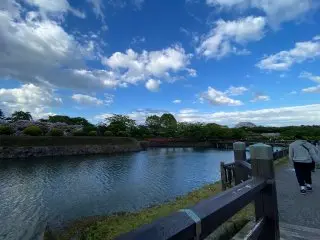
Set right in the heart of Hakodate, Hokkaido, Goryokaku Park blends open greenery with a surprisingly fortress-like layout.
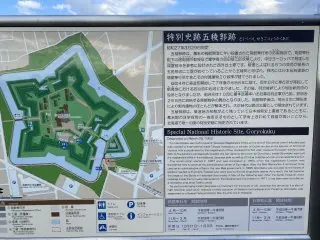
The word “ryo” refers to corners that jut outward from a fortress or defensive wall—so “Goryokaku” means a fort with five corners.
Built in the late Edo period as a government office for the Tokugawa shogunate, it was created to administer Hokkaido and defend it from foreign powers. It is Japan’s first Western-style fortress and is designated by the nation as a Special Historic Site.
It’s also known as the site of the Battle of Hakodate, the final battle of the Boshin War fought between the former shogunate forces and the new government forces, and as the last place associated with Toshizo Hijikata, vice-commander of the Shinsengumi, who fought for the former shogunate.
Today, it’s open to the public as a park, with historical spots scattered throughout—such as two cannons and the Hakodate Magistrate’s Office (Hakodate Bugyosho), which conveys the history of the late Edo period.
Beyond its history, the expansive grounds—spanning Approx. 120,000 m²—offer beautiful scenery in every season.
With Approx. 1,500 Somei Yoshino cherry trees planted throughout, it’s also one of Hakodate’s most famous cherry blossom viewing spots.

How to Get to Goryokaku Park
The nearest stop is Goryokaku Koen-mae on the Hakodate City Tram.
From JR Hakodate Station, transfer to the Hakodate City Tram and you can reach the stop in Approx. 17 minutes.
From Goryokaku Koen-mae, it’s an Approx. 10-minute walk to Goryokaku Park.
Alternatively, a Hakodate Bus from JR Hakodate Station will take you to the Goryokaku Koen Iriguchi bus stop in Approx. 17 minutes.
From Goryokaku Koen Iriguchi, it’s an Approx. 5-minute walk to Goryokaku Park.
If you’d rather keep walking to a minimum, take the Goryokaku Tower–Trappistine Shuttle Bus from JR Hakodate Station.
Get off at Goryokaku Tower-mae for an Approx. 15-minute ride, then it’s just a 1-minute walk.
Be careful not to confuse it with JR Goryokaku Station—despite the name, it’s an Approx. 40-minute walk from there.
Admission and Hours at Goryokaku Park
Entry to Goryokaku Park is free, and the grounds are open 24 hours a day.
That said, the area inside the moat has designated opening hours, so plan around those.
- Admission
- Free (some facilities inside the fort require a fee)
- Hours
-
Outside the fort: Open at all times
Inside the fort:
5:00 am–7:00 pm (April–October)
5:00 am–6:00 pm (November–March)
Enjoy Natural Scenery and History: 5 Highlights of Goryokaku Park
Seasonal scenery is a big part of the experience here, and the Hakodate Magistrate’s Office (Hakodate Bugyosho) is another standout.
Below is a closer look at what to see.
1. A cherry blossom hot spot with Approx. 1,500 Somei Yoshino trees in full bloom
Goryokaku Park is also well known for cherry blossoms, and during peak season, Approx. 1,500 Somei Yoshino trees tint the park pink.
You can enjoy them on a leisurely stroll, or view the blossoms while touring the moat in a rowboat.
Don’t miss the dreamlike cherry blossoms illuminated at night.
Cherry blossom season at Goryokaku Park comes later than in many parts of Japan, typically from late April to early May.
Because it sometimes overlaps with Golden Week, many visitors come each year to enjoy hanami.


2. Goryokaku Park’s understated fall foliage
Autumn brings color to the maples and azaleas, and the park takes on warm reds and oranges.
When you think of fall leaves, you might imagine vivid crimson and bright yellow, but Goryokaku Park’s foliage tends to be more subdued, with calmer tones.
From reflections on the moat to the combination of fall leaves and Hakodate’s symbol, Goryokaku Tower, you’ll find a variety of foliage views throughout the park.
Take a walk and see if you can find your favorite spot.


3. A magical world of snow and light: “Goryo-boshi no Yume Illumination”
From December through the end of February, Goryokaku Park hosts the Goryo-boshi no Yume (Hoshi no Yume) Illumination each year.
Approx. 2,000 lights are installed around the moat, outlining the star shape in glowing points of light.
From Goryokaku Tower next door, you can see the star-shaped illumination floating in the darkness.
Stroll the pedestrian pathway around the outside of the moat and enjoy the enchanting space created by falling snow and light.


4. The Hakodate Magistrate’s Office (Hakodate Bugyosho), packed with the history of Goryokaku and Hakodate
At the center of Goryokaku sits the Hakodate Magistrate’s Office (Hakodate Bugyosho).
During the Battle of Hakodate—the final battle of the Boshin War—it served as a base for the former shogunate forces.
Although it was dismantled in 1871, one-third of the building was reconstructed on the same site, using the same design, construction methods, and dimensions.
The interior is also open to visitors, offering a look at late-Edo architecture and lavish materials rarely used in modern construction.
You can also learn about the history of Goryokaku and the Hakodate Magistrate’s Office through exhibits and videos.
If you’re into the late Edo period, this is a must-visit spot.

5. Goryokaku Tower, with panoramic views over Goryokaku Park
After walking the grounds, it’s worth stepping into Goryokaku Tower next door, too.
From the 90-meter-high observation deck, you can take in the park’s signature star-shaped pentagon in one sweeping view.
It has a different appeal than the scenery you’ll see at ground level—without seeing the full layout from above, it’s hard to say you’ve truly experienced Goryokaku Park.
Goryokaku Tower also has a restaurant, making it a great place to take a break after exploring.

3 Tourist Spots Near Goryokaku Park
Once you’ve wrapped up at Goryokaku Park and Goryokaku Tower, these nearby sights are easy to add to your day.
Each spot offers scenery that feels distinctly Hakodate.
They’re also all known for beautiful night views, so it’s nice knowing the scenery holds up even later on.
1. Kanemori Red Brick Warehouse
Kanemori Red Brick Warehouse is a Hakodate Bay Area landmark made up of four warehouses.
With rows of red-brick buildings and a romantic, atmospheric vibe, it’s easy to see why it’s popular not only with locals and tourists but also with couples.
The four warehouses are called BAY Hakodate, Kanemori Western Goods Museum, Hakodate History Plaza, and Kanemori Hall—each with its own personality.

2. Hachimanzaka Slope
Hachimanzaka is named after Hakodate Hachimangu Shrine, which once stood at the top of the hill.
A beautiful stone-paved road runs straight toward the sea, lined on both sides with neatly maintained street trees, and at the end you can look out over Hakodate Bay along with the moored, permanently displayed Seikan Ferry Memorial Ship Mashu-maru.

3. Mt. Hakodate Ropeway
The Mt. Hakodate Ropeway features a large gondola that can carry up to 125 passengers, built using technology from Japan and abroad.
It connects the foot of Mt. Hakodate with the summit, reaching the top in Approx. 3 minutes at a speed of 7 meters per second.
The current gondola is the fifth generation; the original could carry only 30 passengers, but it has been improved over time to accommodate larger groups.

3 Popular Restaurants Near Goryokaku Park
These three popular restaurants near Goryokaku Park are worth keeping in mind. Each has a relaxed atmosphere and lets you enjoy local ingredients, including seafood.
Some come with wonderful views, too, which can make a meal feel like part of the sightseeing.
Any of them will serve you well—use this list to pick what fits your mood.
1. Shiki Kaisen Shunka
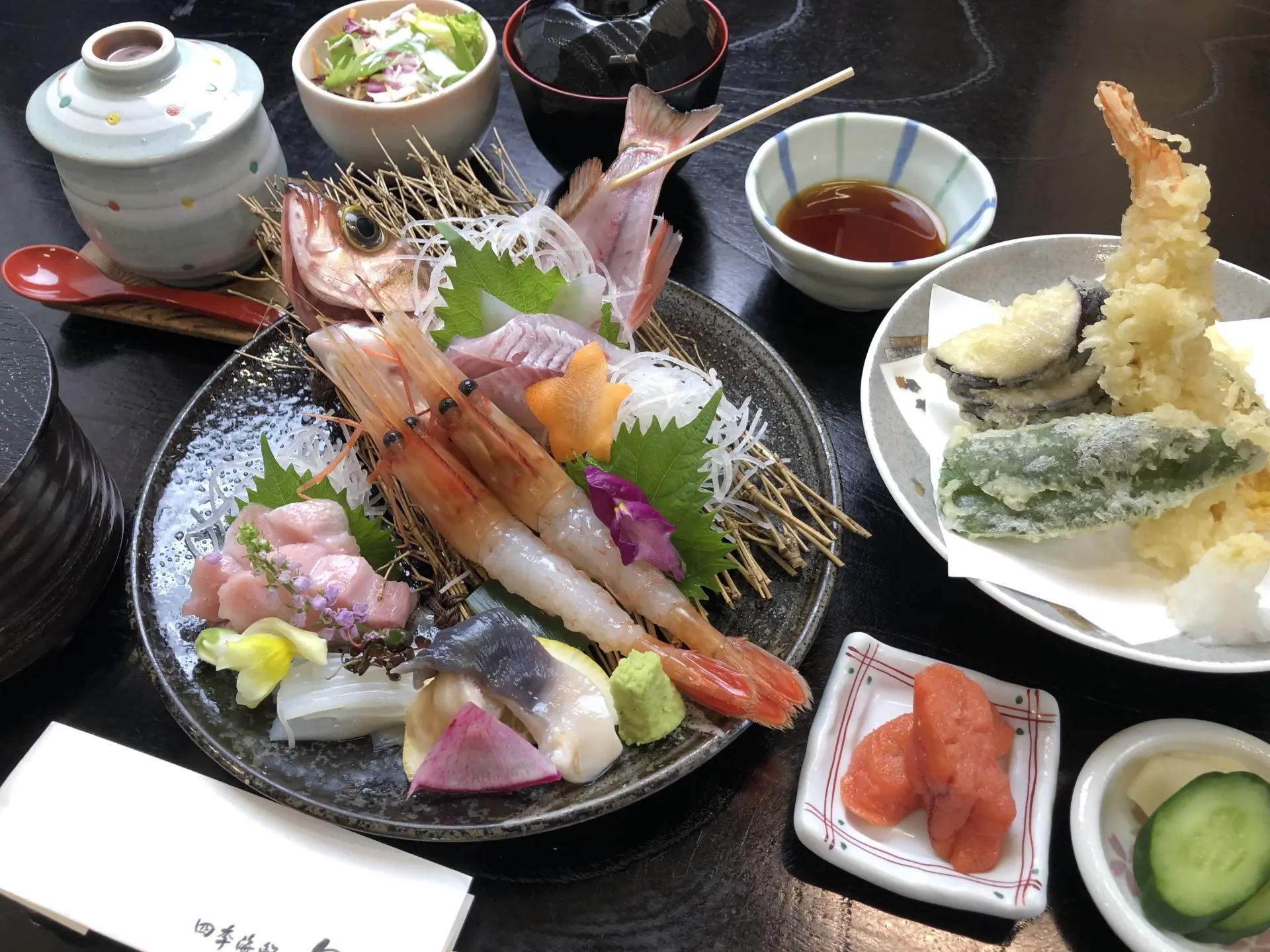
A Japanese restaurant located on the second floor of Goryokaku Tower, one of Hakodate’s landmarks.
It’s a popular spot loved by locals as well, where you can enjoy seafood landed at Hakodate Port, known as an excellent fishing port.
One of the fun points is that the contents of the “recommended menu” are decided based on what’s available that day.
Ingredients beyond seafood are also generously sourced locally, letting you savor Hakodate’s seasonal flavors.
2. Mt. Hakodate Observatory Restaurant Genova
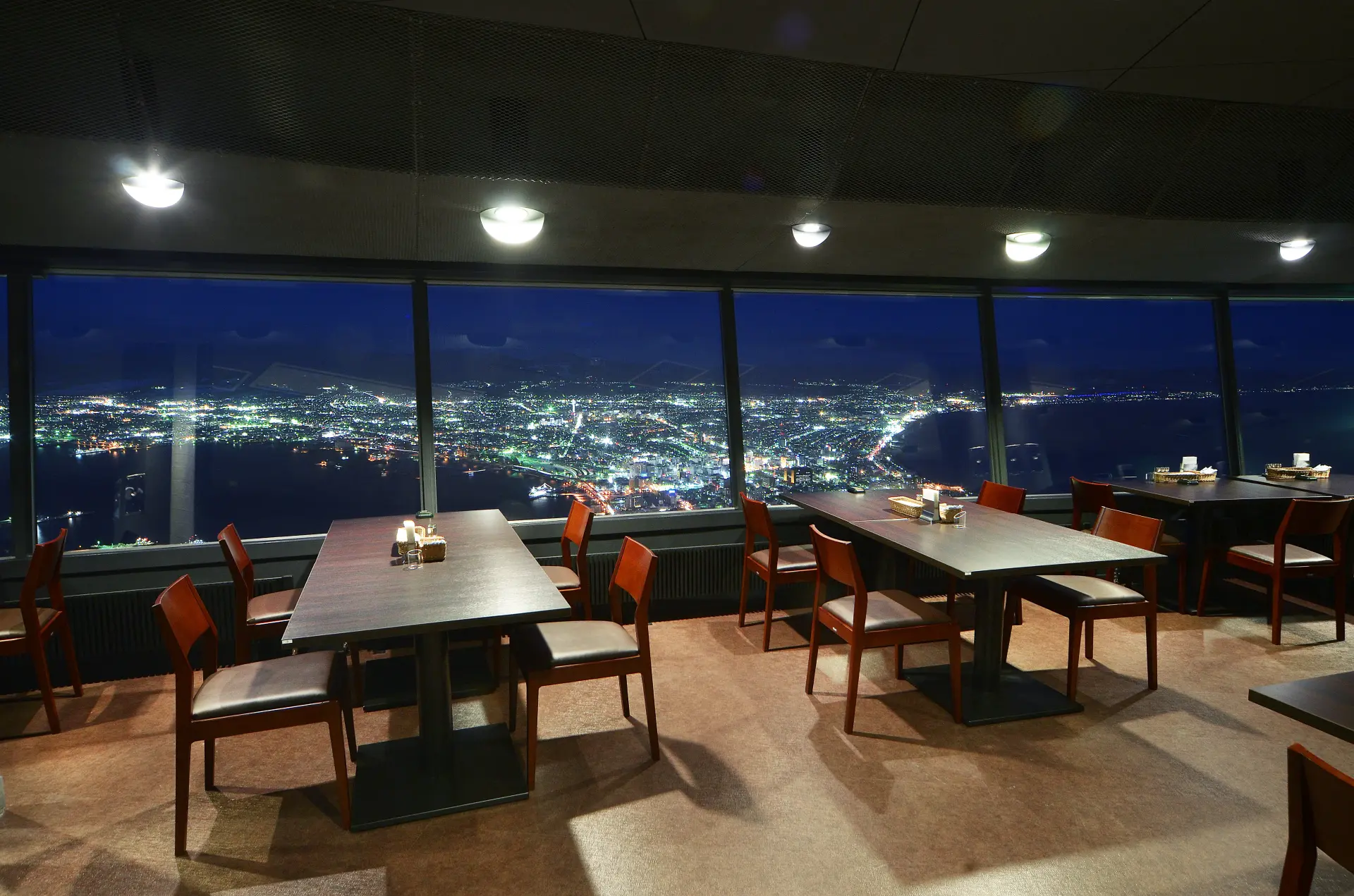
Mt. Hakodate is known for its views shaped by the area’s unique geography-surrounded by the sea on both sides-and for night scenery that sparkles in the clear northern air.
At the restaurant just below the summit observatory, you can relax and enjoy a meal while taking in the view spreading beyond the floor-to-ceiling windows.
3. Sabo Hishii
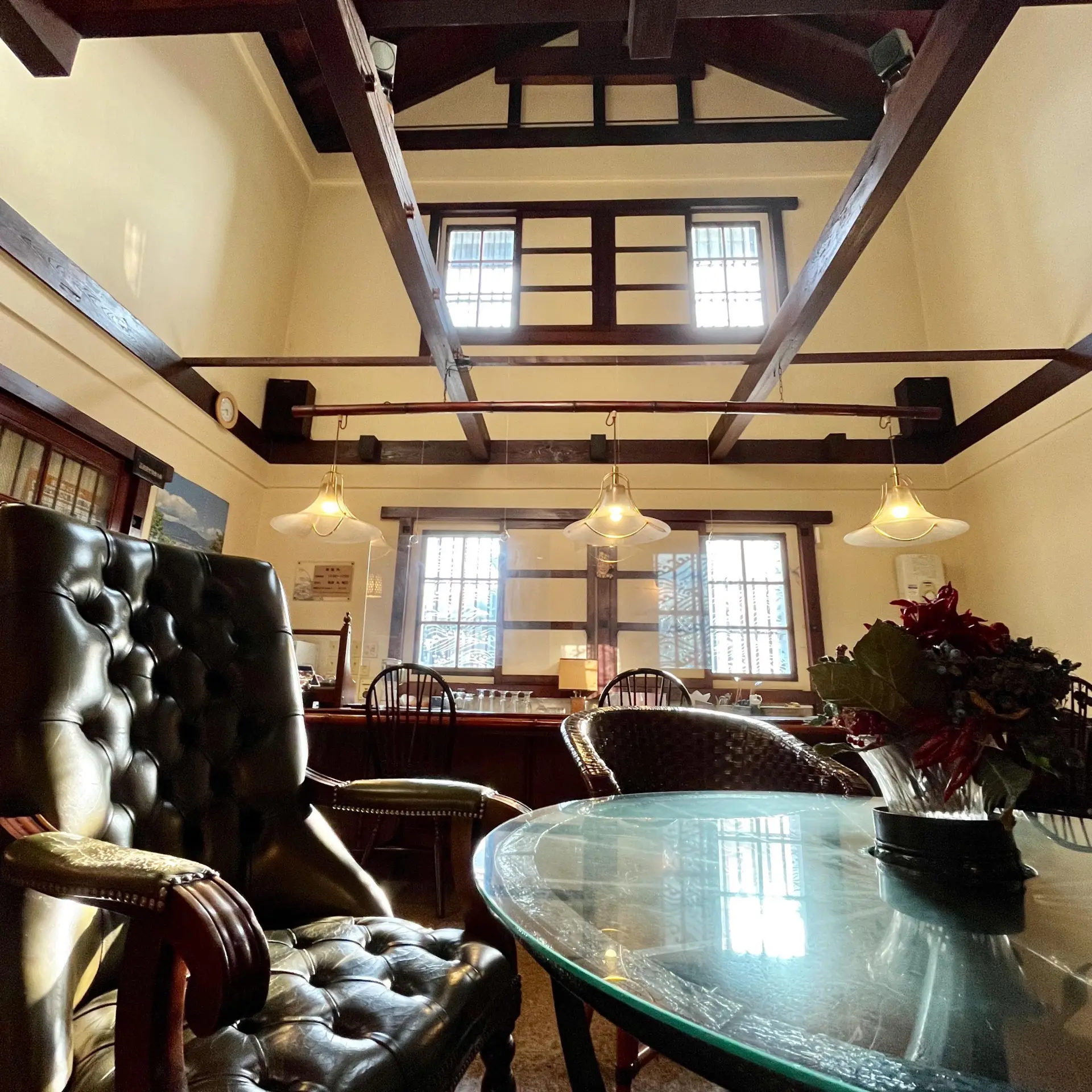
Sabo Hishii is a cafe that uses an earthen storehouse (dozo) originally built and remodeled as a pawnshop in 1905.
It survived the Great Hakodate Fire of 1934, and its remaining black plaster exterior walls are especially distinctive.
Spend some time here while reflecting on a place loved by many poets, tanka poets, and literary figures-said to have ties as well to Setsuko, the wife of poet Takuboku Ishikawa, who once lived in Hakodate.
Reviews
4.54
Some reviews are AI-translated.
-
This star-shaped castle park is so unique! Just looking at it from above is seriously impressive!
-
If you go up Goryokaku Tower, you get a full panoramic view of Goryokaku. The star-shaped layout is really clear from above.
-
You can not only admire the impressive historic ruins and beautiful natural scenery, but also learn a lot about important events from Japan's late Edo period.
FAQ about Goryokaku Park
Q
When is the best time to see cherry blossoms at Goryokaku Park?
A
From late April to early May.
Q
When is the best time to see fall foliage at Goryokaku Park?
A
From mid-October to early November.
Q
When is the illumination event at Goryokaku Park?
A
It’s held every year from December through the end of February.
Summary
That’s a look at Goryokaku Park’s history, highlights, access, and the basics to know before you go.
If you’re planning to visit Hakodate during cherry blossom season, it’s no exaggeration to say you’ll regret skipping Goryokaku Park.
Beautiful scenery can also be enjoyed in autumn and winter, making it a spot you can return to again and again.
If you’re visiting Hakodate, take some time to soak up both nature and history at Goryokaku Park.
Hakodate also has plenty of other great places to explore beyond Goryokaku Park. For a comprehensive look at Hakodate travel information, be sure to check out the article below.