
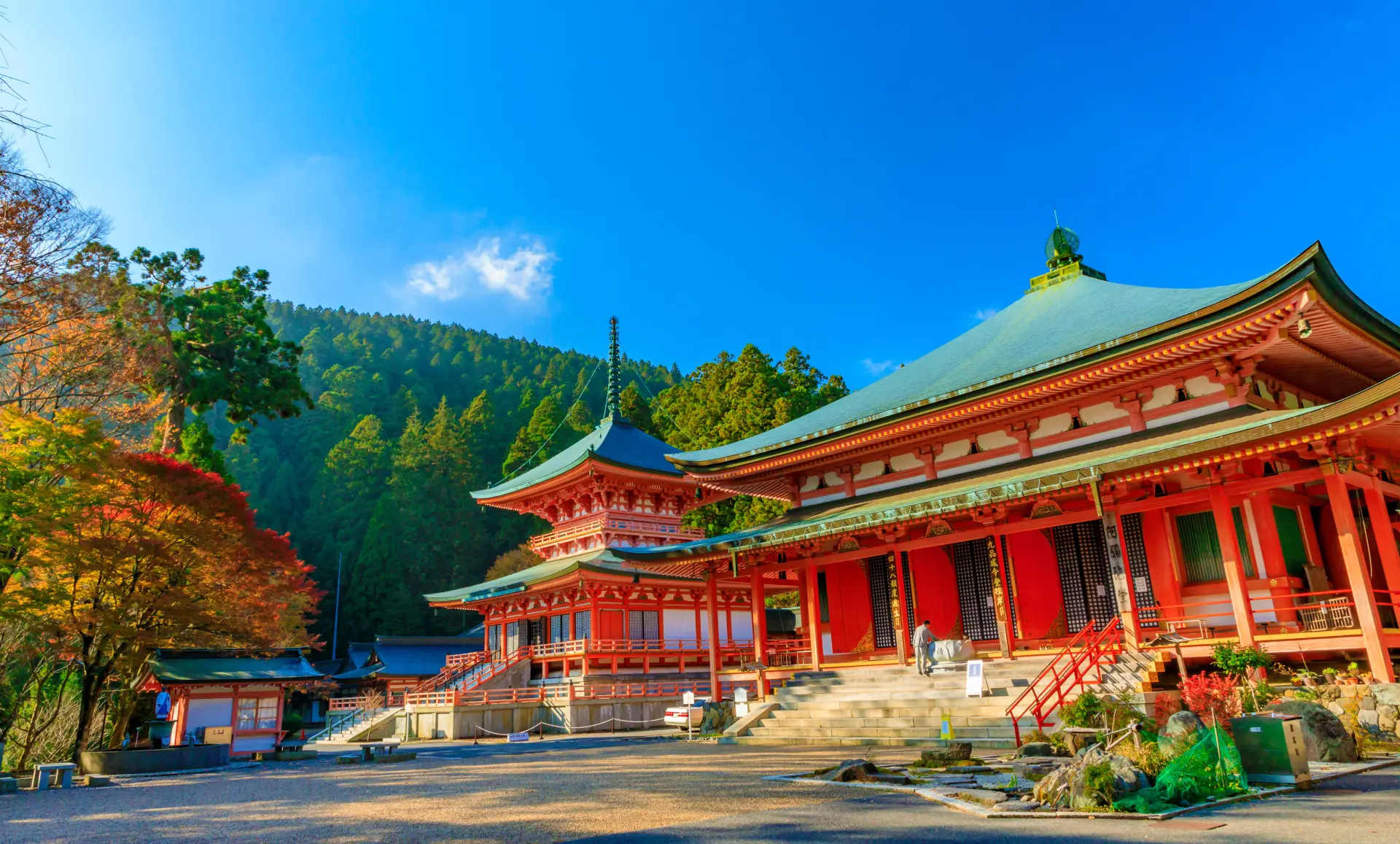
Immerse Yourself in Japan’s History & Culture! The Complete Sightseeing Guide to Enryaku-ji Temple on Mount Hiei
Enryaku-ji Temple on Mount Hiei is the head temple of the Tendai sect (the temple that oversees the sect) and is famous as a UNESCO World Cultural Heritage site with over 1,200 years of history.
If you’re going to visit Enryaku-ji, you’ll probably want to fully enjoy its charm.
This article is for first-time visitors and introduces, in as much detail as possible, the highlights, the features of each of the three areas across its vast grounds, recommended seasons to visit, and other information you need to make the most of your trip.
What is Enryaku-ji Temple on Mount Hiei Like?
Mount Hiei is a mountainous area on the border between Kyoto Prefecture and Shiga Prefecture, and around 90% of the grounds are in Shiga.
Enryaku-ji refers to the collective name for around 100 Buddhist halls scattered across a temple precinct of roughly 1,700 hectares within Mount Hiei.
From the top of Mount Hiei, you can look east to see Lake Biwa, the largest lake in Japan, and west to see the cityscape of historic Kyoto—making it a scenic spot.
Its 1,200 years of history and tradition, nurtured by Mount Hiei’s beautiful nature, have been highly recognized, and in 1994 it was registered as a UNESCO World Cultural Heritage site.
Enryaku-ji Temple on Mount Hiei was founded in 788 by the Buddhist monk Saicho.
At the time of its founding it was called Ichijo Shikan-in, but after Saicho’s death it was granted the name “Enryaku-ji” by the emperor and came to be known as Enryaku-ji Temple on Mount Hiei.
Enryaku-ji is a temple where people pray for peace and tranquility in the world, and it also served as a training hall for developing leaders.
Many renowned monks in Japanese Buddhism—such as Honen, Shinran, Dogen, and Nichiren—also underwent training and rituals at Enryaku-ji to become priests.
Because of this, it is also called the “Mother Mountain of Japanese Buddhism.”
Although many halls and pagodas were lost in Oda Nobunaga’s attack by fire, the temple was restored through the efforts of monks who served Toyotomi Hideyoshi and Tokugawa Ieyasu, among others.

Access to Enryaku-ji Temple on Mount Hiei
There are two routes to reach Enryaku-ji Temple on Mount Hiei: one from Kyoto City and one from Otsu City in Shiga Prefecture. The recommended route is from Otsu City, Shiga.
Sakamoto in Otsu City, Shiga is where Saicho was born and raised, and it still retains Enryaku-ji’s sub-temples and an old-fashioned townscape, with plenty to see. It is also called the “front entrance to Mount Hiei.”
Access from Kyoto City
From Kyoto City, there are two main ways to access Enryaku-ji Temple on Mount Hiei.
- Take the Hieizan Drive Bus from JR Kyoto Station
- Use the Keihan Railway plus a cable car and ropeway
Taking the Hieizan Drive Bus from JR Kyoto Station
The first option is to take the Hieizan Drive Bus from JR Kyoto Station to Enryaku-ji Temple on Mount Hiei.
Since there are no transfers along the way, it’s the most convenient way to get there.
However, please note that the bus does not operate from January 4 until the day before the spring equinox.
Travel time from JR Kyoto Station to the nearest stop, Enryakuji Bus Center, is Approx. 70 minutes.
With only four buses per day, be sure to check the outbound and return timetables in advance so you don’t miss one.
Using the Keihan Railway plus a cable car and ropeway
The second option is to use the Keihan Railway plus a cable car and ropeway.
From Demachiyanagi Station on Kyoto’s Eizan Railway Eizan Line, take the train to Yase-Hieizan-guchi Station.
After exiting the ticket gates, head to Cable Yase Station on the Eizan Cable, a 5-minute walk away.
Transfer to the Eizan Ropeway at Yase Cable Station, and if you skip the wait, you can reach the summit of Mount Hiei in Approx. 3 minutes.
Please note that the ropeway does not operate during certain periods.
There are more transfers than taking the bus, but you can enjoy sweeping views of Mount Hiei’s natural scenery and Kyoto’s cityscape from the cable car and ropeway.
This is recommended for those who want to take their time and enjoy the views.
Access from Otsu City, Shiga Prefecture
If you’re heading to Enryaku-ji Temple on Mount Hiei from Otsu City, Shiga Prefecture, start from JR Hieizan-Sakamoto Station. It’s Approx. 20 minutes on foot from JR Hieizan-Sakamoto Station to Cable Sakamoto Station.
You can also use a bus or taxi, but since the route features traditional scenery and Enryaku-ji sub-temples along the way, walking is recommended.
From Cable Sakamoto Station, take the Hieizan Railway Sakamoto Cable and get off at Cable Enryakuji Station.
From Cable Enryakuji Station, you can reach Konpon Chudo, Enryaku-ji’s main hall, in Approx. 7 minutes on foot.
Since there are only Approx. two cable cars per hour, be careful not to miss one.
Admission Fees and Hours at Enryaku-ji Temple on Mount Hiei
The worship fee for Enryaku-ji Temple on Mount Hiei is 1,000 yen per adult for a common ticket covering all three areas: Todo, Saito, and Yokawa. Junior high and high school students pay 600 yen, and elementary school students can visit for 300 yen.
Admission to the National Treasure Hall is 500 yen for adults, 300 yen for junior high and high school students, and 100 yen for elementary school students.
Hours are generally 9:00am–4:00pm, but in winter the Saito and Yokawa areas are shorter at 9:30am–4:00pm, so please be aware.
Hours
- Todo Area / Foothills: Shiga-in and Shogen-ji
- 9:00am–4:00pm
- Saito and Yokawa Areas
-
January–February: 9:30am–4:00pm
March–November: 9:00am–4:00pm
December: 9:30am–4:00pm
Admission
- Common Ticket for Todo, Saito, and Yokawa
-
Adults: 1,000 yen
Junior high & high school students: 600 yen
Elementary school students: 300 yen - National Treasure Hall (Museum) Admission
-
Adults: 500 yen
Junior high & high school students: 300 yen
Elementary school students: 100 yen
What’s the Best Season to Visit Enryaku-ji Temple on Mount Hiei?
For sightseeing at Enryaku-ji Temple on Mount Hiei, autumn is recommended.
Approx. 2,000 maple trees turn color throughout the grounds, creating beautiful scenery where historic architecture and fall foliage blend together.
In winter, you can enjoy snowy landscapes, and in spring, Approx. 40 types of cherry trees bloom, offering a refined kind of beauty—so choose the season that suits your preferences.

Three Areas of Enryaku-ji Temple on Mount Hiei You Should Know for an Efficient Visit
Enryaku-ji Temple on Mount Hiei is divided into three areas.
Todo (east), Saito (west), and Yokawa (north), with halls and pagodas scattered throughout each area.
If you don’t have time to visit all areas, focus on Todo.
Todo is home to many historically important buildings and is also called the heart of Enryaku-ji.
It’s an area you can’t miss when sightseeing at Enryaku-ji.
Todo, the birthplace of Enryaku-ji
Todo is where Saicho founded Enryaku-ji, and it centers on Konpon Chudo, the main hall of Enryaku-ji.
Key buildings are gathered here, including the National Treasure Konpon Chudo, the Daiko-do (designated an Important Cultural Property of Japan), and the Amida-do, whose bell tower is designated an Important Cultural Property of Japan.
The “Eternal Dharma Lamp,” which has remained lit for Approx. 1,200 years, is also enshrined in Todo.
Todo is also home to the Enryakuji Bus Center, offering convenient access to the summit of Mount Hiei as well as the Saito and Yokawa areas, and you can also use route buses bound for central Kyoto or the Sakamoto Cable to descend to Sakamoto in Otsu City.
Approx. sightseeing time is 1–2 hours.
If you plan to eat within the area, allow an extra hour.

Saito, home to Shaka-do, Enryaku-ji’s oldest building
Saito is located about 1 km north of Todo.
Historic buildings are gathered here, including Shaka-do, Saito’s main hall and a nationally designated Important Cultural Property; Jodo-in, where Saicho’s remains rest; and Jogyodo and Hokke-do, which legend says were carried in their entirety by Benkei.
There is also the training hall Koshirin, where you can actually experience Buddhist practice.
From Todo to Saito, it takes Approx. 5 minutes by shuttle bus.
On foot, it takes around 20 minutes.
From Yokawa, it takes around 10 minutes by shuttle bus.
For sightseeing in Saito, 30 minutes should be enough.

Yokawa, a serene area surrounded by dense woods
Yokawa is located about 4 km north of Saito.
It features Yokawa Chudo, a stage-style main hall modeled after ships used by envoys to Tang China; Shikiko-do, said to be the birthplace of omikuji fortunes; and Konpon Nyoho-to, a tahoto pagoda that once housed Buddhist sutras hand-copied by Jikaku Daishi Ennin, who helped establish the Tendai sect.
From Todo to Yokawa, it takes Approx. 15 minutes by shuttle bus.
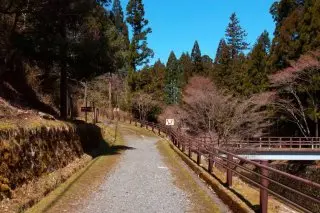
On foot, it takes over 100 minutes via the Tokaido Nature Trail.
From Saito, it takes around 10 minutes by shuttle bus.
Approx. sightseeing time for Yokawa is around 40 minutes.

5 Must-See Highlights at Enryaku-ji Temple on Mount Hiei
Recognized as a UNESCO World Cultural Heritage site, Enryaku-ji Temple on Mount Hiei has countless halls across its vast grounds, making it a sightseeing spot you can enjoy for a full day.
Here, we’ll focus on Todo, where the most important structures are concentrated, and introduce must-see highlights you shouldn’t miss when visiting Enryaku-ji.
1. Konpon Chudo
Konpon Chudo, located in Todo, is Enryaku-ji’s largest hall and serves as its main hall.
It’s a historic landmark, with the building designated as a National Treasure and the surrounding corridor designated as an Important Cultural Property of Japan.
At the place where the principal image of Konpon Chudo is enshrined, you can see the “Eternal Dharma Lamp,” an oil lamp that has remained lit for 1,200 years.
This is a spot you should обязательно visit when sightseeing at Enryaku-ji.

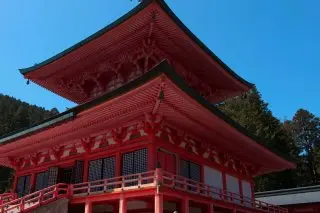
2. Hokke Soji-in Todo Pagoda
Saicho planned to build treasure pagodas at six locations across Japan to calm the nation and pray for the happiness of the people.
After Saicho’s death, all of the pagodas were completed.
The Hokke Soji-in Todo Pagoda plays an important role in overseeing those pagodas.
It is also well known as a banner for cultivating “national-treasure-level” people.
It was destroyed in Oda Nobunaga’s attack by fire, but was rebuilt in 1980, about 400 years later.

3. Daiko-do
Near Konpon Chudo is Daiko-do, a nationally designated Important Cultural Property.
Although it was originally founded in 824, it has been destroyed and rebuilt many times, and the current building was relocated in 1963 from Sanbutsu-do in Sakamoto at the foothills.
Inside Daiko-do, in addition to the principal image of Dainichi Nyorai, wooden statues of the founders of various sects—such as Honen and Shinran, who trained on Mount Hiei—are enshrined.
At the place of worship, you can see portraits of eminent monks connected to Buddhism and the Tendai sect.

4. Amida-do
Amida-do stands at the highest elevation in Todo.
It is a training hall built in 1937 to commemorate the 1,150th anniversary of Enryaku-ji’s founding.
Amida Nyorai is enshrined as the principal image, and it is used as a place to honor ancestors.
Another highlight is the richly colored decoration around the ceiling, in a style from the late Heian period to the mid-Kamakura period.
Don’t miss the bell tower in front of the hall, which is also designated an Important Cultural Property of Japan.

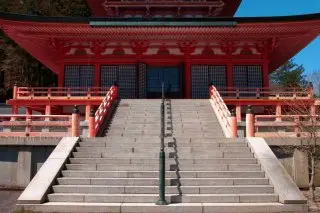
5. Monju-ro Gate
Monju-ro is located at the top of the high stone steps in front of Konpon Chudo.
This important two-story gate serves as the main gate of Enryaku-ji Temple on Mount Hiei.
If you climb Honzaka, the most well-known trekking route up Mount Hiei, this is the first gate you’ll pass through.
Monju Bosatsu, the deity of wisdom, is enshrined here, and the gate draws crowds of students praying for academic success, including those hoping to pass entrance exams.

3 Nearby Sightseeing Spots Around Enryaku-ji Temple on Mount Hiei
Around Enryaku-ji Temple on Mount Hiei, there are many popular sightseeing temples and shrines.
To fully enjoy Japan’s history and culture, be sure to visit the three sightseeing spots introduced below as well.
1. Ukimi-do (Mangetsu-ji Temple)
Kaimonzan Mangetsu-ji is a Zen temple of the Rinzai sect’s Daitokuji school, located on the lakeshore south of the Lake Biwa Bridge. Within its grounds, a hall stands across a bridge extending out over Lake Biwa. Because it looks as if it’s floating on the water, it’s called Ukimi-do, and it’s one of Lake Biwa’s most scenic spots.
It’s also renowned as “Katata no Rakugan (Wild Geese Descending at Katata),” one of the Eight Views of Omi selected in the Muromachi period. Since the Edo period, it has been beloved by many haiku poets and literati, who left behind poems and works inspired by Ukimi-do.

2. Shirahige Shrine
Standing in the northwest part of Lake Biwa, the largest lake in Japan, this is the oldest grand shrine in Omi, said to have been founded over 2,000 years ago. A vermilion grand torii gate stands in the lake across National Route 161, and the view—reminiscent of Itsukushima Shrine in Miyajima, Hiroshima—has earned it the nickname “Itsukushima of Omi.”
It is the head shrine of the many Shirahige Shrines across Japan and enshrines Sarutahiko-no-Okami. True to its name, “Shirahige (white beard),” it has long been worshiped as a deity of longevity and is believed to bring blessings for long life.

3. Hiyoshi Taisha Shrine, the Head Shrine of Sanno
Built Approx. 2,100 years ago at the foot of Mount Hiei, this is the head shrine of the roughly 3,800 Hiyoshi, Hie, and Sanno shrines across Japan. Since it lies in the northeastern direction (the “kimon,” or unlucky direction) from the ancient capital, it has been revered as a shrine that wards off evil and prevents misfortune, and also as the guardian deity of nearby Enryaku-ji Temple on Mount Hiei. Its blessings include “houyoke,” protection from direction-related misfortune, and “yakuyoke,” protection from life’s misfortunes before they happen.

3 Recommended Places to Stay Around Otsu Station After Your Visit
A great place to stay after visiting Enryaku-ji Temple on Mount Hiei is the convenient area around Otsu Station.
It’s easy to get to and from Enryaku-ji, and you’ll find comfortable hotels where you can enjoy being close to Lake Biwa.
Here are a few carefully selected recommended hotels that combine a convenient base for sightseeing with an easy, pleasant stay.
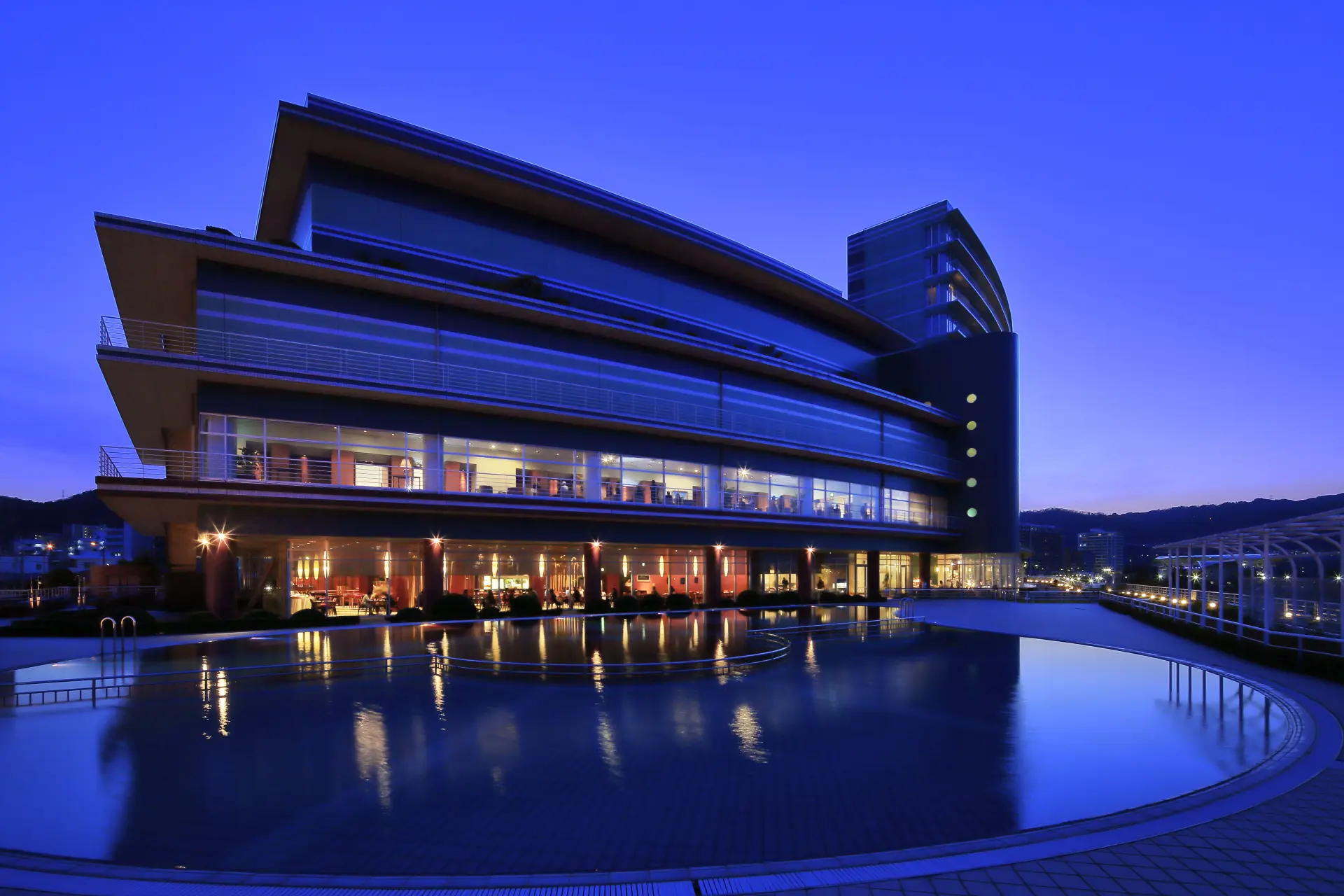
1. Biwako Hotel
A resort hotel that enjoys a prime location just a short walk from Keihan Biwako-Hamaotsu Station, while also sitting along the shores of Lake Biwa and offering lake views from inside the property.
Five room types are available, and every room offers a panoramic view of Lake Biwa.
Across the lake, Mount Hiei and the Hira mountain range stretch out, creating a truly spectacular contrast of blue and green.
You can enjoy a relaxing, restorative time in an extraordinary setting.
2. HOTEL Kou Otsu Hyakucho
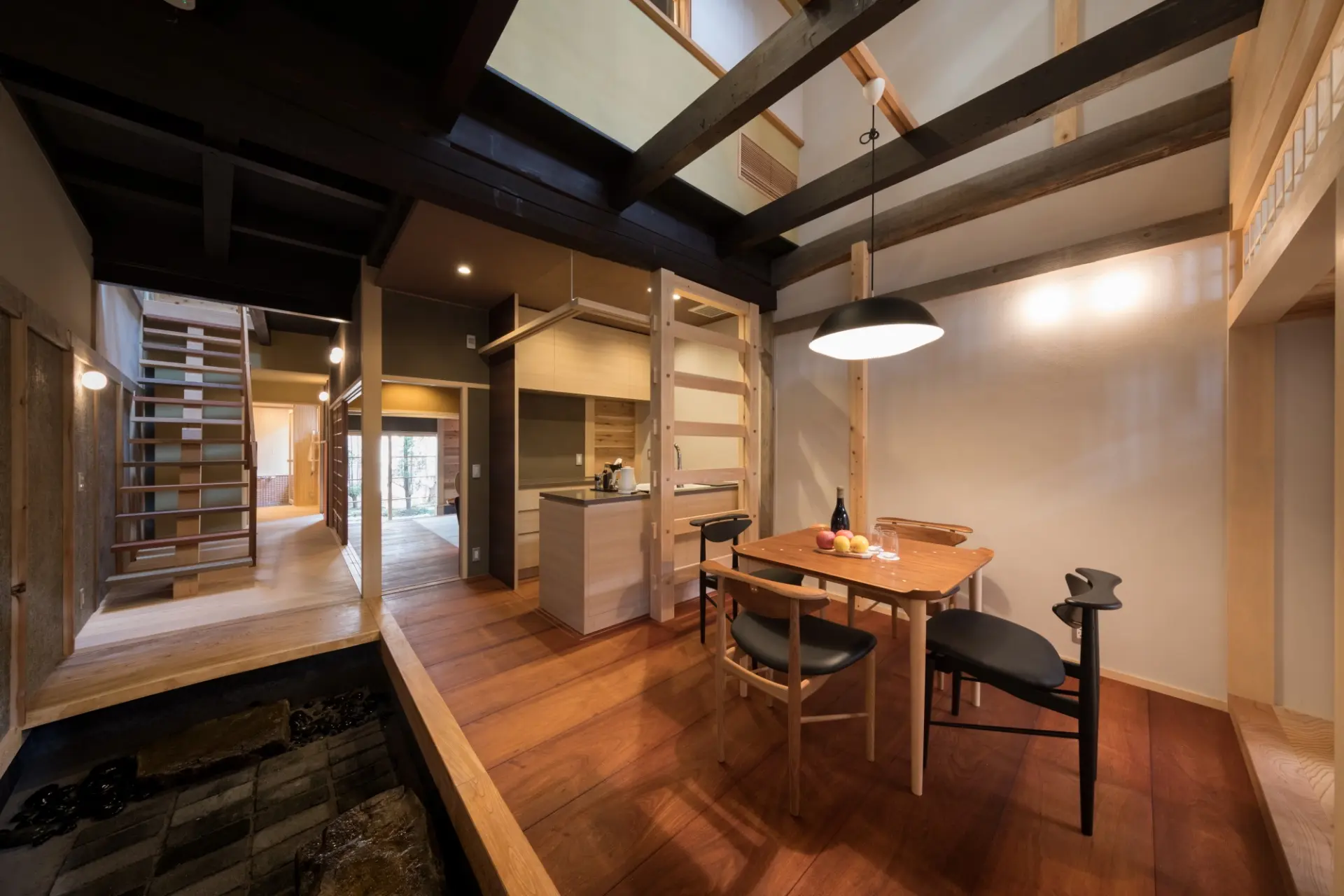
A “shopping street hotel” created by renovating seven traditional townhouses over 100 years old in central Otsu, built around the concept of “Stay in the town, eat, drink, and shop.”
The reception building, “Omiya,” and “Chaya,” which has a guest-only lounge, stand along the old Tokaido road and together offer eight rooms.
In every room, tables and chairs from top brands such as Arne Jacobsen and Finn Juhl are thoughtfully placed, creating a calm atmosphere with a touch of luxury.
3. Lake Biwa Otsu Prince Hotel
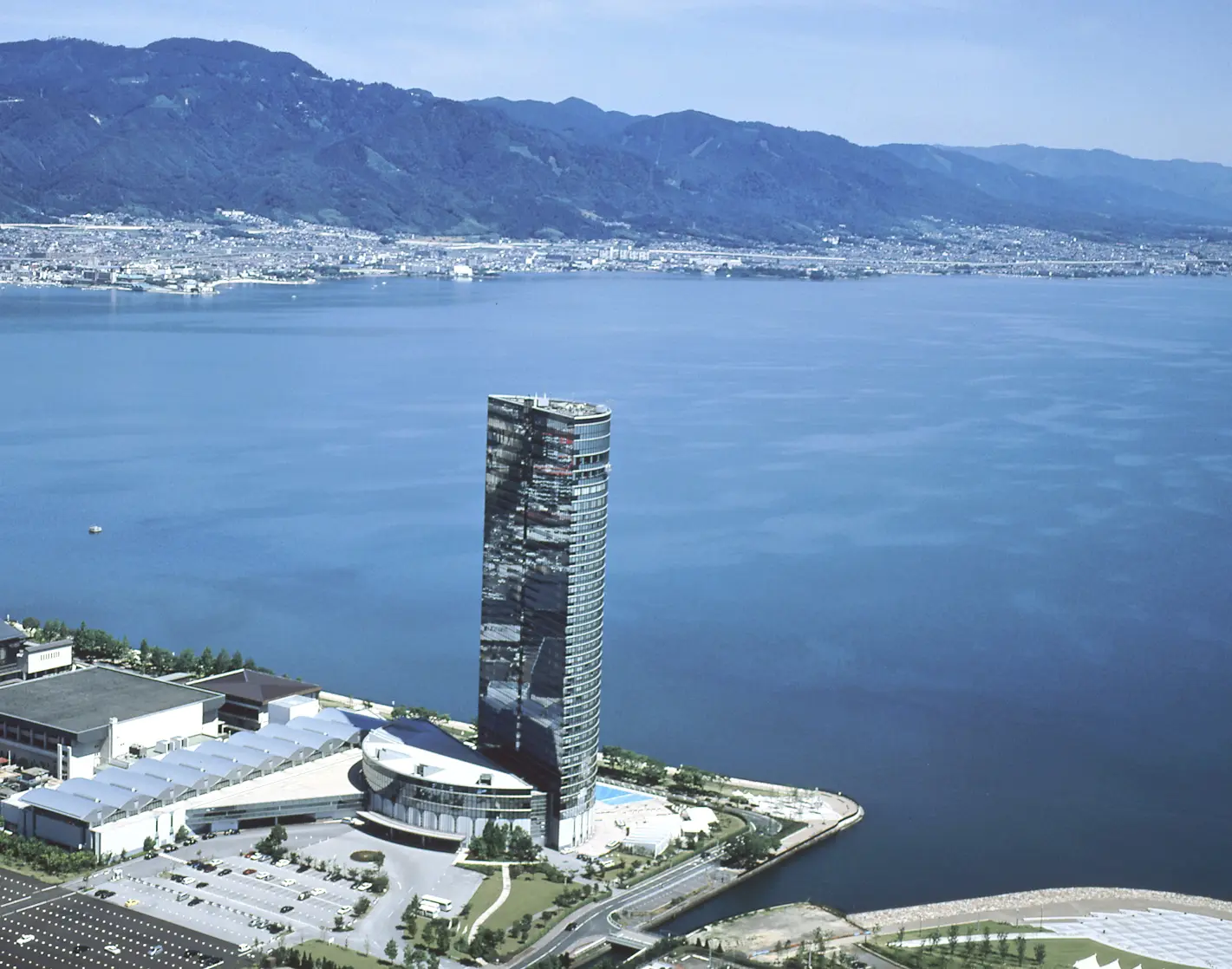
A 38-story high-rise hotel designed by architect Kenzo Tange.
It also features one of Japan’s largest convention halls and is used for a wide range of purposes, including events, exhibitions, and international conferences.
Guest rooms are spread across three floors—the EIZAN Floor, Sky Floor, and Lake Floor—and from any room, you can relax while taking in views of Lake Biwa and mountain ranges such as Mt. Hira.
Reviews of Enryaku-ji Temple on Mount Hiei, Head Temple of the Tendai Sect
4.03
Some reviews are AI-translated.
-
The autumn scenery here is so pleasant. Being up in the mountains really makes you feel far away from the everyday world.
-
From Mt. Hiei, you can see Lake Biwa to the east and Kyoto to the west. The entire mountain is covered with temples, all collectively known as Enryakuji.
-
If you buy the Keihan Railway discount ticket for Mt. Hiei, you can save a lot. You’ll need to transfer to several different types of transportation along the way, so be sure to check the schedules.
FAQ about Enryaku-ji Temple on Mount Hiei
Q
Where is Enryaku-ji Temple on Mount Hiei located?
A
It encompasses the entire Mount Hiei area at an elevation of 848 m as the temple grounds, spanning Kyoto City, Kyoto Prefecture, and Otsu City, Shiga Prefecture.
Q
How much time do I need to visit Enryaku-ji Temple on Mount Hiei?
A
If you’re sightseeing in the Todo, Saito, and Yokawa areas, you’ll need 3–4 hours with a car, or 4–6 hours without a car. If you’re visiting only the Todo area, where Konpon Chudo and Daiko-do are located, you’ll need 1–2 hours.
Q
Why was Enryaku-ji Temple on Mount Hiei burned down?
A
Enryaku-ji sheltered opposing forces that betrayed Oda Nobunaga. Nobunaga notified Enryaku-ji to join his side and drive out those opposing forces, but since Enryaku-ji did not respond at all, it was attacked and burned down.
Q
When is the best time to see fall foliage on Mount Hiei?
A
Typically, the best time is from late October to mid-November.
Q
When is the best time to see cherry blossoms on Mount Hiei?
A
A
Summary
Enryaku-ji Temple on Mount Hiei combines 1,200 years of history with beautiful natural scenery.
From top highlights to the history and three-area layout you should know to fully enjoy your visit—plus nearby sightseeing spots—we’ve covered everything you need to explore Enryaku-ji to the fullest.
If it’s your first time visiting Enryaku-ji Temple on Mount Hiei, we hope you’ll use this article as a guide while you explore.