
![[Imperial Palace Travel Guide] A Complete Overview, from Basic Information to Highlights and General Tour Info](https://static.gltjp.com/glt/data/article/22000/21015/20250430_090027_362656f2_w1920.webp)
[Imperial Palace Travel Guide] A Complete Overview, from Basic Information to Highlights and General Tour Info
Located in the heart of Tokyo, the Imperial Palace stands on the former site of Edo Castle. It is a truly unique sightseeing spot in Japan, where you can experience more than 400 years of history, tradition, and imperial culture up close.
Many historic buildings and beautiful seasonal gardens still remain, and this solemn setting is filled with a wide range of attractions.
This article introduces the appeal of the Imperial Palace, focusing on its overview and highlights.
We have also gathered the key information you need to make the most of your visit, even if you do not know much about the Imperial Palace, so be sure to read to the end.
What Is the Imperial Palace Like?
Located in central Chiyoda City, Tokyo, the Imperial Palace is the residence of the Emperor, the symbol of Japan, as well as members of the Imperial Family.
During the Edo period (1603–1868), it was the castle of the successive Tokugawa shoguns and was once called Edo Castle.
In the Meiji period (1868–1912), it was developed as the palace of Emperor Meiji, and after several name changes, it came to be called the Imperial Palace in 1948, a name it still bears today.
Its total area is an enormous Approx. 2.3 million square meters, covering 12% of Chiyoda City, and the vast grounds are divided into several sections.
Broadly speaking, there are four areas: the non-public Fukiage Omiya Palace and Palace Area, where entry is prohibited, and the publicly open Imperial Palace East Gardens and Kokyo Gaien National Garden.
The area is filled with rich seasonal nature and historic buildings, making it a wonderful place to enjoy both history and nature at once.
It feels like an oasis in the middle of the city, where you can stroll around the outer perimeter of the Imperial Palace and take in the beautiful scenery.

Areas Open to the Public
Here are two areas of the Imperial Palace that you can enter without a reservation.
Both are representative spots where you can fully experience the charm of the Imperial Palace, with plenty to see.
In addition to walking and visiting historic sites, the rich natural surroundings make these recommended sightseeing spots especially relaxing.
Each area is quite large, so be sure to allow plenty of time and enjoy them at a leisurely pace.
Imperial Palace East Gardens
Open to the public since 1968, the Imperial Palace East Gardens are lush gardens developed from parts of the former Edo Castle's Honmaru, Ninomaru, and Sannomaru areas.
There are three gates that retain traces of the Edo period, Otemon Gate, Hirakawamon Gate, and Kitahanebashimon Gate, and historic remains are scattered across the vast 210,000-square-meter grounds.
There are many impressive spots that still convey the scale of the former castle, including the Tenshudai, where you can overlook the entire area, the Fujimi-yagura Watchtower, which was used in place of the castle keep, and the Edo Castle Honmaru Ruins, where you can sense the immense size of the castle.
At the strolling-style Ninomaru Garden, restored based on a garden drawing from the time of the ninth shogun, Tokugawa Ieshige, you can fully appreciate the beauty of a Japanese garden.
There are many more highlights, such as the Hyakunin-bansho Guardhouse, where you can imagine the lives of samurai, so it is well worth a visit.
- Admission
- Free
- Entrance Gates
- Otemon Gate, Hirakawamon Gate, Kitahanebashimon Gate
- Access
- Approx. 5 minutes on foot from Exit C13a of Otemachi Station on the Tokyo Metro lines
- Hours
-
[March 1–April 14] 9:00 am - 5:00 pm
[April 15–August 31] 9:00 am - 6:00 pm
[September 1–September 30] 9:00 am - 5:00 pm
[October 1–October 31] 9:00 am - 4:30 pm
[November 1–February 28] 9:00 am - 4:00 pm
*Last admission at 30 minutes before closing in all periods - Closed on
-
, Monday and Friday
, December 28 - January 3
, when events are held or when there are unavoidable reasons
*Open on national holidays except the Emperor's Birthday. If Monday is a national holiday, closed on Tuesday. - Notes
-
, Entry procedures are required at each gate (receive an entry card and return it when leaving)
, Bag inspections are conducted upon entry (please avoid bringing large bags or dangerous items)
, Drinking alcohol and smoking are prohibited
, Comfortable walking shoes and clothing are recommended

Kokyo Gaien National Garden
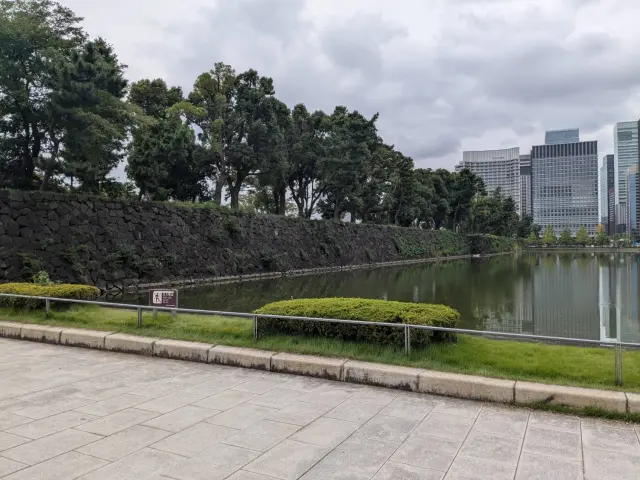
Kokyo Gaien National Garden is a national park made up of 12 moats, including Sakurada Moat and Hibiya Moat.
However, there are no playground facilities, so it feels more like a place to relax or stroll than a typical park.
It was once the site of the mansions of daimyo who served in the shogunate government, and the area was called Nishinomaru-shita.
It was opened to the public in 1949 and has since been loved as an oasis in central Tokyo.
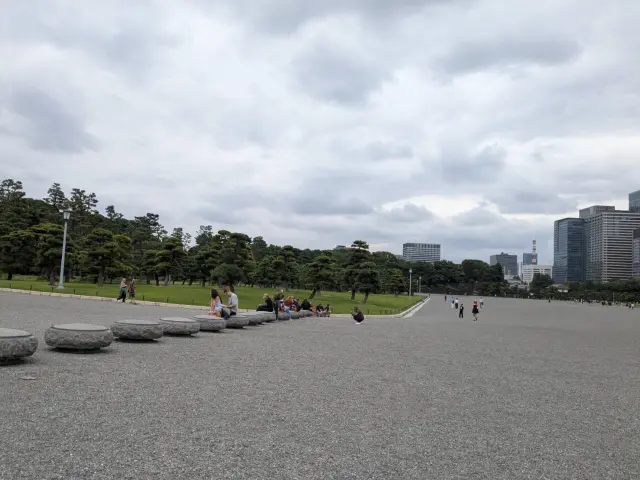
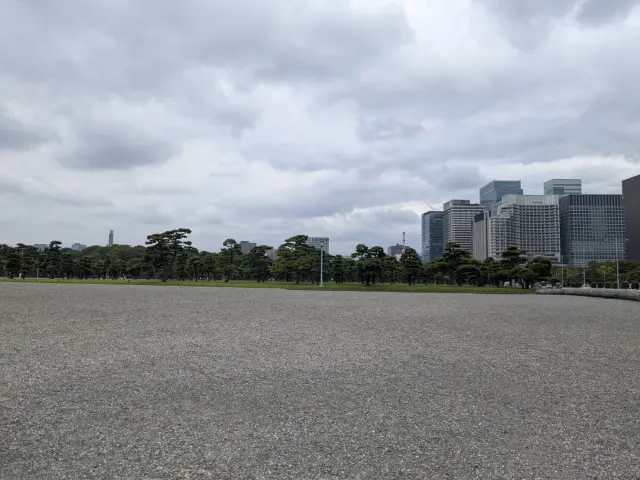
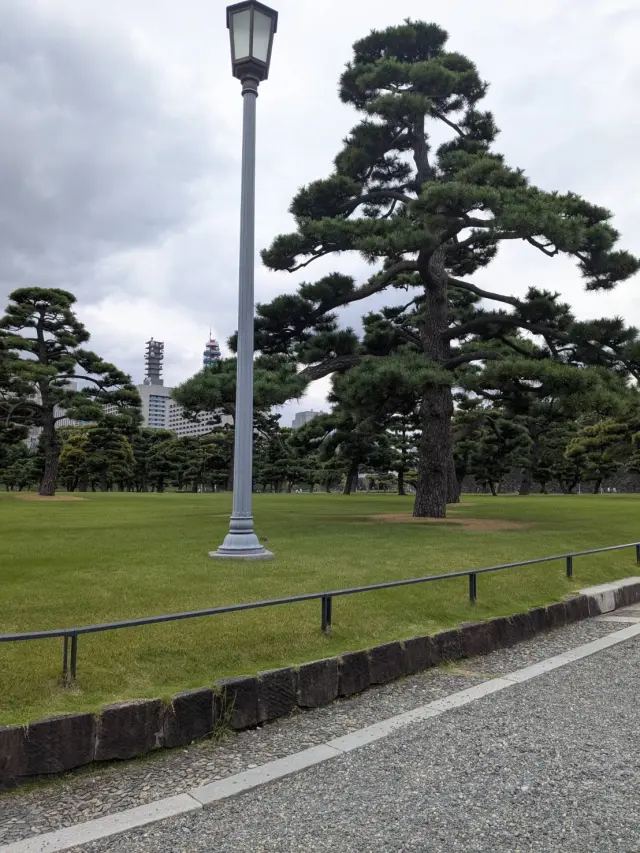
In particular, the central Kokyomae Plaza features lush lawns and Approx. 2,000 Japanese black pine trees, creating one of the most iconic views of Kokyo Gaien National Garden.
With many structures designated as Important Cultural Properties of Japan, this green space surrounding the Imperial Palace offers a rich blend of nature and history.
There is also plenty to see, including bronze statues of military commanders and artistic fountains, making it a great place to enjoy historic landmarks while feeling the changing seasons.
- Admission
- Free
- Access
-
, Approx. 2 minutes on foot from Exits 2 and 6 of Nijubashimae Station on the Tokyo Metro Chiyoda Line
, Approx. 2 minutes on foot from Exits B6 and B2 of Hibiya Station on the Toei Mita Line - Hours
- Open at all times *Except when used for state events and other occasions
- Closed on
- Open daily *Except when used for state events and other occasions
- Notes
-
, Drinking alcohol and smoking are prohibited
, Picking plants and catching birds or animals are prohibited
, Please watch out for pedestrians when running

Access to the Imperial Palace
As mentioned above, the Imperial Palace grounds are very large, and there are several different entrances and gates.
The nearest station and route vary depending on which part of the Imperial Palace you are visiting, so please keep that in mind when planning your trip.
Here, we have summarized in the table below how to get to Kikyo-mon Gate, the meeting point for the Imperial Palace General Tour, starting from Tokyo Station.
Travel time is not very different whether you go by train or on foot, and the route offers beautiful skyscrapers and scenery along the way, so walking while enjoying the cityscape is recommended.
Access by Train
- Route
-
1. From Tokyo Metro Tokyo Station, take the Tokyo Metro Marunouchi Line bound for Ikebukuro and get off at Otemachi Station
2. From Otemachi Station, take the Tokyo Metro Chiyoda Line bound for Yoyogi-Uehara and get off at Nijubashimae Station
3. From Nijubashimae Station (Exit 6), walk Approx. 10 minutes to arrive - Travel Time
- Approx. 25 minutes
Access on Foot
- Route
-
1. Exit through the Marunouchi Central Exit ticket gate of JR Tokyo Station
2. Walk straight through Marunouchi Station Plaza in front of you (Shin-Marunouchi Building on your right, Marunouchi Building on your left)
3. After crossing the plaza, cross the Wadakura-mon Intersection and continue straight along Gyoko-dori Avenue
4. Continue with Wadakura Fountain Park on your right and pass near Exit D2 of Otemachi Subway Station
5. Cross the last traffic light and continue to the end of the road to reach Kikyo-mon Gate
*You can also access Kokyo Gaien National Garden by the same route (it is along the way) - Travel Time
- Approx. 15 minutes
What Is the Best Season to Visit the Imperial Palace?
If you are visiting the Imperial Palace, spring or fall is the best season.
In spring, the area around the Imperial Palace, known for its cherry blossoms, is colored pink in full bloom and filled with many visitors.
The cherry tree-lined paths at Chidorigafuchi and Kokyo Gaien National Garden are especially stunning, offering beautiful scenery that is both relaxing and highly photogenic.
In fall, ginkgo and maple trees reach their best season, and the gardens and surrounding trees are dyed in vivid colors.
At Wadakura Fountain Park and the tree-lined paths of Kokyo Gaien National Garden in particular, the harmony between historic architecture and nature stands out even more.
The area has a calm atmosphere that hardly feels like central Tokyo, and a walk in the cool weather feels especially memorable.


5 Must-See Highlights of the Imperial Palace
Here are five highlights of the Imperial Palace that you should not miss.
Each is an attractive place that still conveys Japanese history, culture, and architectural techniques today.
They each have a distinctive atmosphere and offer experiences you cannot find elsewhere.
Some are also popular photo spots, so be sure to plan a route that includes these places when visiting the Imperial Palace.
1. Seimon-tetsubashi Bridge (Nijubashi Bridge)
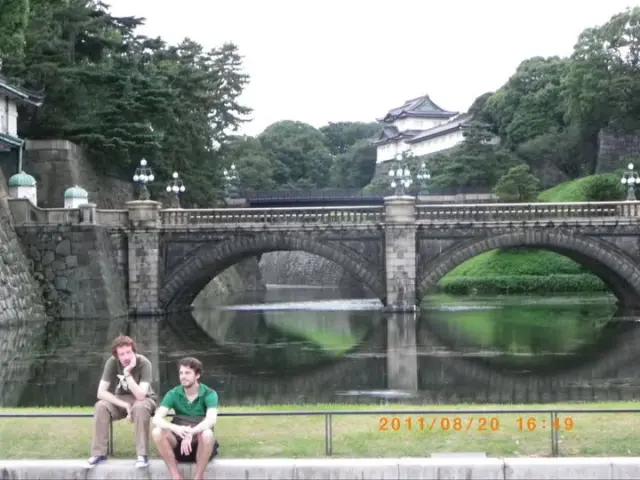
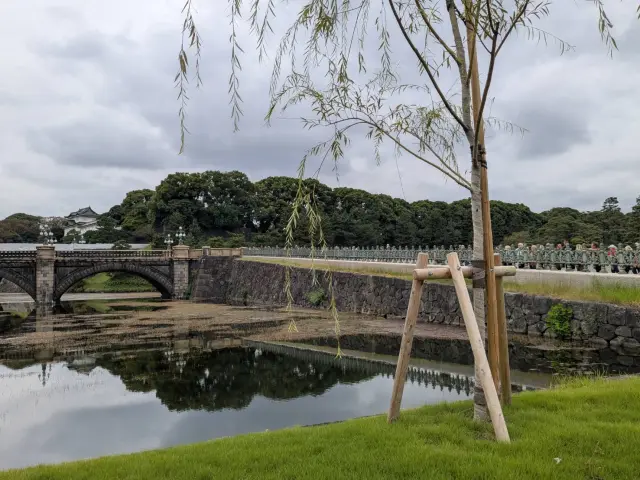
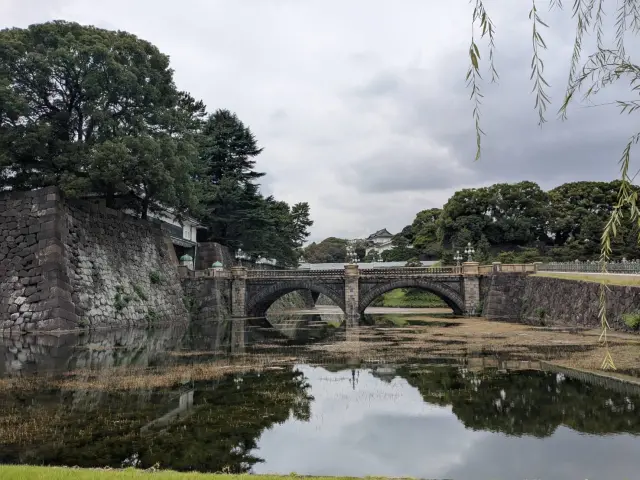
Seimon-tetsubashi Bridge, commonly known as Nijubashi Bridge, is an arched iron bridge in front of the Imperial Palace Main Gate.
There are actually two bridges in front of the Main Gate: the one farther from the plaza is called Seimon-tetsubashi Bridge, while the one closer is called Seimon-ishibashi Bridge.
Its name comes from the Edo-period wooden bridge once built there, in which bridges were layered over logs, making it appear to have a double structure.
It became an iron bridge in 1888 and was repaired in 1964, resulting in its present appearance.
It is not normally open to the public, though you can cross it on the Imperial Palace General Tour, but it can be viewed from the plaza in front of the Main Gate, where you can take in the dignified atmosphere so characteristic of the Imperial Palace.
Its magical atmosphere at dusk is also one of its charms, not just its daytime appearance.
The harmony of the neatly arranged stone walls and the greenery in the background is also beautiful, making it a popular photography spot.

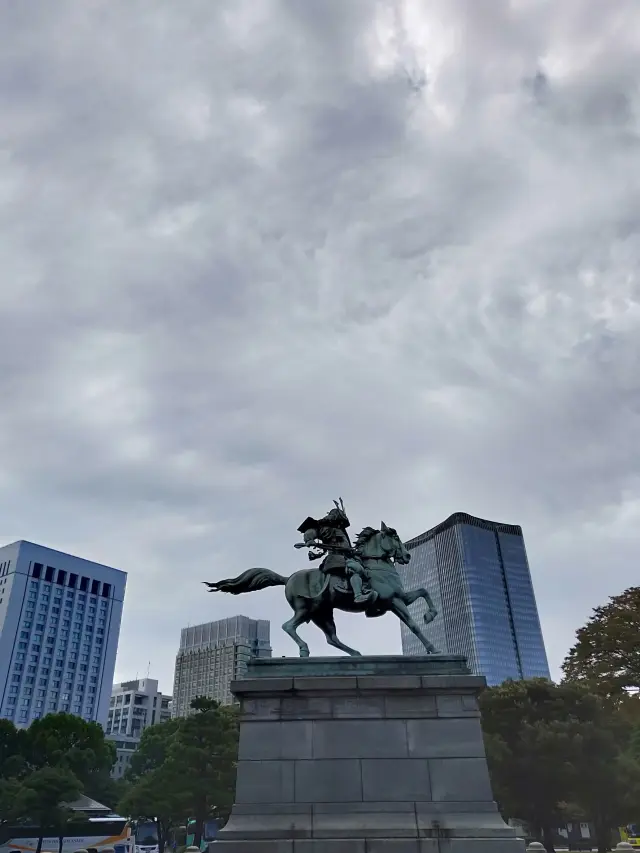
2. Statue of Kusunoki Masashige
Kusunoki Masashige was a military commander active from the late Kamakura period (1185–1333) to the early Nanboku-cho period (1337–1392).
He is known for his loyalty to Emperor Go-Daigo and especially for his contribution to the overthrow of the Kamakura shogunate.
Because of his loyalty and bravery, he came to be called Dai-Nanko in the Meiji period, and the Approx. 8-meter-tall Statue of Kusunoki Masashige was erected in Kokyo Gaien National Garden.
Depicted wearing a helmet and armor while mounted on a warhorse, the statue symbolizes the strength and nobility of heading into battle and reflects the virtues of Japanese bushido.

3. Sakurada-mon Gate (Outer Sakurada-mon Gate)
Sakurada-mon Gate, also called Outer Sakurada-mon Gate, is a remaining structure of Edo Castle and an Important Cultural Property of Japan, and it is the largest castle gate still standing on the former Edo Castle site.
It was built during the Kanei era of the Edo period (1624–1645), and the present gate is said to follow the design used when it was rebuilt in 1663.
The contrast between its massive stone walls and white plaster storehouse walls is beautiful, and its imposing design conveys the authority of the samurai government.
It has a double-gate structure consisting of a Korai-mon Gate and a Watari-yagura-mon Gate for greater defense, and the view of Tokyo from the midpoint is also recommended.
It is also famous as the site of the Sakurada Gate Incident, where the daimyo Ii Naosuke was assassinated during the Edo period.

4. Wadakura Fountain Park
This park centered around fountains was created in 1961 to commemorate the marriage of the then Emperor.
It features artistic fountains and a waterfall measuring 5.5 meters high and 30 meters wide, and is used by many people as an oasis in the city. At night, the fountains are illuminated, creating a beautiful and romantic scene.
The free rest area is an open glass-walled facility where you can enjoy views of the fountains and greenery.

5. Kikyo-mon Gate (Inner Sakurada-mon Gate)
Kikyo-mon Gate is one of the remains of Edo Castle located at the northwestern edge of the Imperial Palace, in the area of Kokyomae Plaza.
Its official name is Inner Sakurada-mon Gate, but it is said to have come to be called Kikyo-mon Gate after tiles and decorations bearing the bellflower crest once found nearby.
The white-walled turret reflected in the Hamaguri Moat, the black tiled roof, and the solid stone walls combine to create an exterior that is both beautiful and imposing, with an air of prestige.
It is notable not only for conveying the architectural techniques and aesthetics of the Edo period, but also because it was once the gate used by daimyo when entering the castle.
Today, it serves as the meeting place for the Imperial Palace General Tour and as the gateway through which many visitors enter the inner grounds of the Imperial Palace.

Imperial Palace General Tour: Visit Areas Normally Closed to the Public
The Imperial Palace General Tour is a free guided tour by the Imperial Household Agency that lets visitors see parts of the Imperial Palace grounds.
The tour route is Approx. 2.2 km and offers a rare chance to visit places normally closed to the public, including the Imperial Palace Main Gate, the Kyuden Totei Plaza, and Fushimi-yagura Watchtower.
With views of the palace buildings beyond Nijubashi Bridge and the stately presence of historic architecture, the program is packed with highlights.
This cultural experience is popular not only with Japanese visitors but also with international travelers, so be sure to join if it fits your schedule.
Route of the Imperial Palace General Tour
Kikyo-mon Gate (entry) - Sumeikan Rest House - below Fujimi-yagura Watchtower - in front of the Imperial Household Agency Building - Kyuden Totei Plaza - Seimon-tetsubashi Bridge (cross and then turn back) - Kyuden Totei Plaza - Yamashita-dori Street - in front of the Imperial Household Agency Building - Kikyo-mon Gate (exit)
*You cannot turn back once the tour has started.
Overview of the Imperial Palace General Tour
- Meeting Place
- In front of Kikyo-mon Gate
- Schedule
-
[Morning session] around 10:00 am–11:15 am
[Afternoon session] 1:30 pm–2:45 pm
*Reception opens 30 minutes before each session - Capacity
- Advance application: 200 people per session / Same-day reception: 300 people per session
- Closed on
-
, Sunday, Monday, and national holidays (excluding Saturdays)
, afternoons from July 1 to September 30
, December 28 to January 4
, when events are held or when there are unavoidable reasons - How to Join
-
[Advance application]
Complete the procedure on the official website up to 4 days before your desired date and go to same-day reception on the day. Alternatively, complete the procedure by phone or at the counter up to 7 days before your desired date and go to same-day reception on the day
[Same day]
Receive a numbered ticket distributed in front of Kikyo-mon Gate from 1 hour before the tour (first come, first served), then complete same-day reception - Notes
-
, Identification is required (passport, driver's license, etc.)
, Bag inspections are conducted (please avoid bringing large bags or leave them in lockers)
, You cannot turn back midway and must follow staff instructions
, Take precautions against the heat and stay hydrated
, Comfortable walking shoes and clothing are recommended
, Visitors under 18 must be accompanied by an adult
The Imperial Household Agency Audio Guide App for a Deeper Imperial Palace Experience
The Imperial Household Agency Audio Guide App is an official app provided for visitors to places such as the Imperial Palace General Tour, the Imperial Palace East Gardens, and the Kyoto Imperial Palace.
It supports six languages: Japanese, English, Chinese, Korean, French, and Spanish.
It explains the overview and highlights of each facility through audio, photos, diagrams, and text.
It can be used on smartphones and tablets and downloaded for free from the App Store or Google Play.
Using GPS functionality, it provides location-based spot information and audio guidance, allowing you to enjoy the Imperial Palace more deeply.
It does not collect users' personal information, so your privacy is well protected.
Use it to better understand the history and culture while enjoying your visit to the Imperial Palace.

3 Rest Areas at the Imperial Palace to Stop By When You Need a Break
There are several rest areas around the Imperial Palace, and here are three recommended spots.
If you get tired from walking or visiting historic sites, be sure to stop by one of them.
In addition to offering a place to rest, each one has its own highlights, which makes them even more enjoyable.
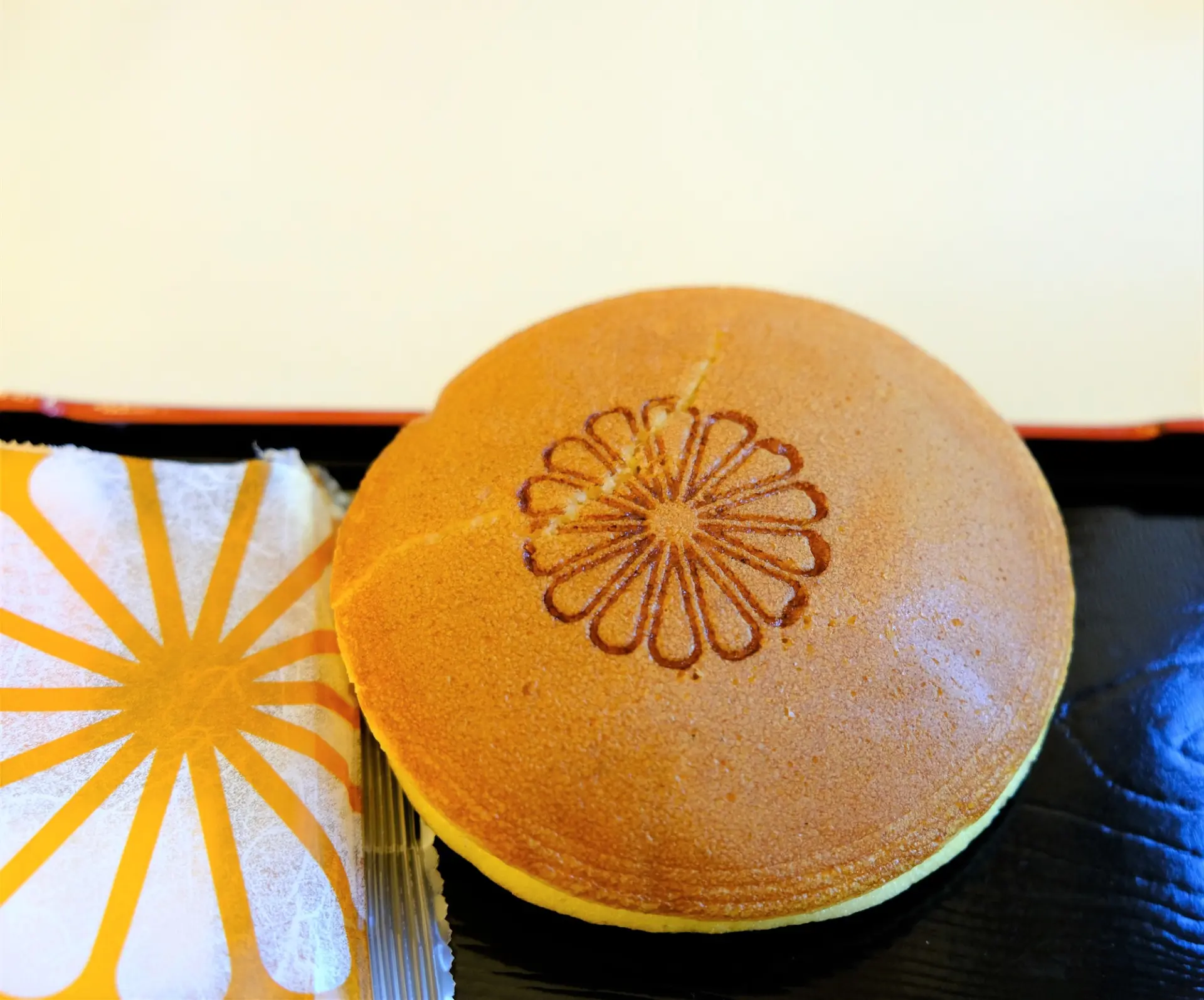
1. Nanko Rest House
Nanko Rest House is a rest facility located in an area surrounded by Japanese black pine trees in Kokyo Gaien National Garden.
It opened in 1967 for Imperial Palace visitors and park users, and the current building dates from a 2002 renovation.
The spacious interior with Approx. 300 seats features decorations such as banners with Edo-style patterns, creating an overall calm atmosphere with a modern Japanese feel.
With barrier-free access, wheelchair rentals, and writing boards for communication, it is designed so that everyone can use it comfortably.
The restaurant serves Ichiju-Sansai Gozen meals based on the theme of traditional Japanese cuisine (reservation required), as well as light meals and various drinks, making it a good lunch stop too.
There is also an attached shop offering items closely connected to the Imperial Palace, where you can buy souvenirs.
2. Kitanomaru Rest Area (Kitanomaru Rest House)
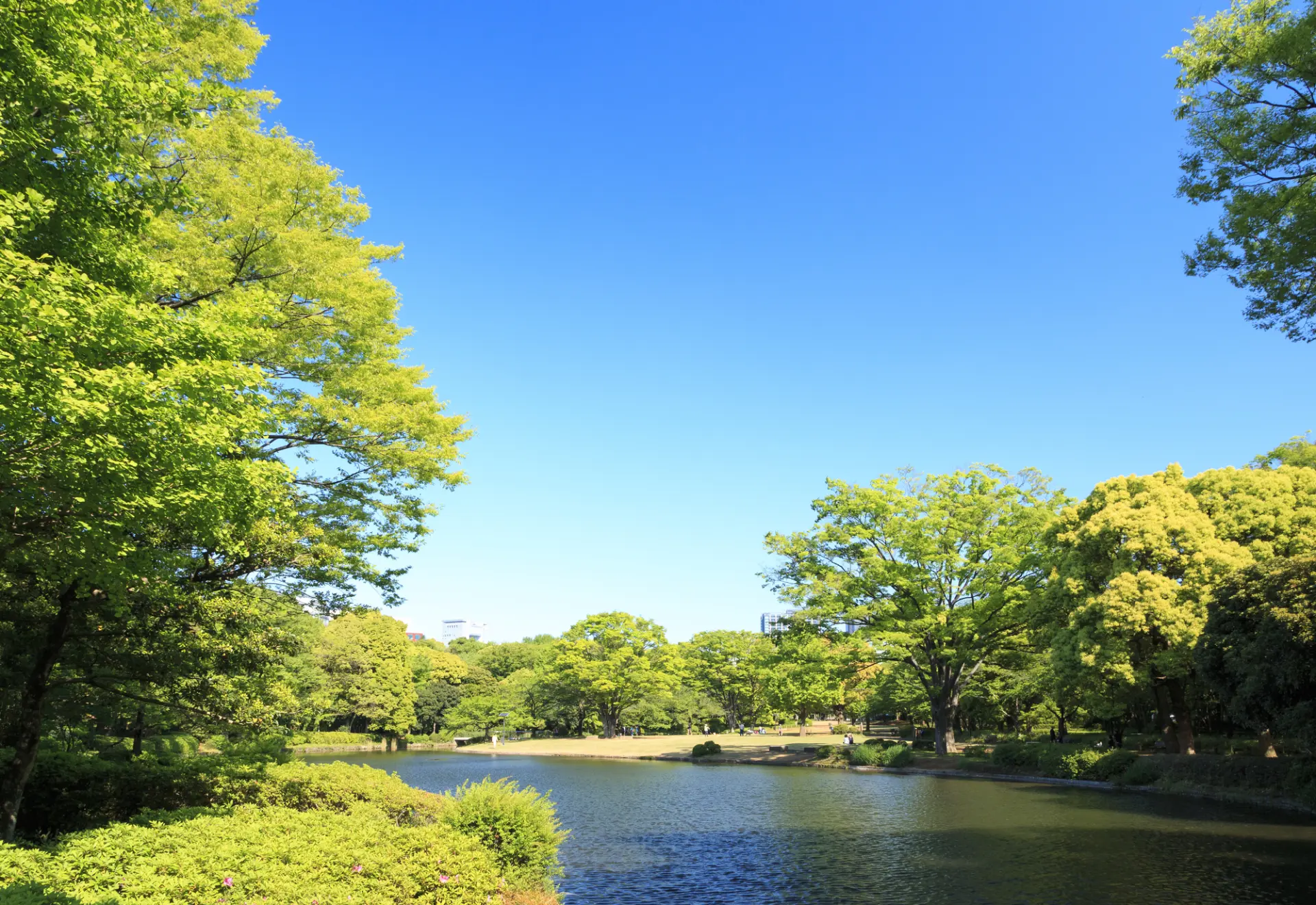
Kitanomaru Rest Area (Kitanomaru Rest House) is a rest facility in Kitanomaru Park, which is loved as a forest park.
It mainly serves as a relaxing place for people visiting Kokyo Gaien National Garden, and its white and green design creates a gentle atmosphere.
In addition to 84 indoor seats, there are also 24 terrace seats, making it comfortable even in sunny seasons or when visiting with pets.
The attached café, CAFÉ33, is another highlight.
Its menu includes house-made sandwiches and pizza made actively with local ingredients, as well as original non-alcoholic beer, making it a refreshing place to relax in nature.
3. Wadakura Free Rest Area
Wadakura Free Rest Area is a rest facility located on the east side of Wadakura Fountain Park in Kokyo Gaien National Garden, and it reopened after renovation in 2015.
The interior features a soothing wood-based design, and from the fully glass-walled room you can enjoy views of the fountains and flowing water features.
At the back, there are exhibits related to the Imperial Family and Kokyo Gaien National Garden, as well as archive panels showing the overall park map and highlight spots, where you can gather a variety of information.
There are also many visitors relaxing on the open terrace seats while enjoying the greenery of the trees, the sound of water, and the pleasant breeze.
You may bring in your own food and drinks, excluding alcohol, so it is also an ideal place to spend a relaxing break during your walk.

Popular Imperial Palace Running: No Traffic Lights and Approx. 5 km per Loop, Great for Beginners
Running counterclockwise around the Approx. 5 km outer perimeter of the Imperial Palace is called Imperial Palace Running, or Kokyo Run for short.
Because there are no traffic lights and the overall elevation difference is only Approx. 30 meters, it is easy even for beginners to run. The course starting at Sakurada-mon Gate is especially popular.
Streetlights keep the route well lit even at night, so people working in nearby offices enjoy running there in the early morning before work or at night after work.
There are also many facilities around the Imperial Palace equipped with lockers and showers, making it easy even for tourists to enjoy Kokyo Run.
The area tends to get crowded on weekends and holidays, so visiting in the morning, ideally early in the morning, is recommended.
Imperial Palace Running Etiquette
- Always run counterclockwise.
- Pedestrians have priority on the sidewalk, so always be mindful of and considerate toward them.
- If it is your first time running here or you are not familiar with the course, staying to the left is safer.
- When passing other runners, do so on the right and follow proper running etiquette.
- Be sure to take your trash home with you.

3 Nearby Sightseeing Spots Around the Imperial Palace to Add to Your Itinerary
Here are three recommended sightseeing spots around the Imperial Palace where you can experience Japanese culture and history.
Two of them are within walking distance of Tokyo Station on various lines, making them easy to access, so visiting them together with the Imperial Palace should make your day even more fulfilling.
The other is a little farther away, taking Approx. 25 minutes from the Imperial Palace by foot and train, so decide based on your interests and travel plans.
1. Mitsubishi Ichigokan Museum
This museum stands in a highly convenient location, just a 5-minute walk from Tokyo Station.
Its striking red-brick building is a reconstruction of the Mitsubishi Ichigokan, originally built in 1894 and designed by the British architect Josiah Conder, who also worked on the Ueno Museum and Rokumeikan.
The museum collection focuses mainly on Western art from the late 19th century, including works by Henri de Toulouse-Lautrec, Odilon Redon, and Félix Vallotton.

2. Tokyo Station Marunouchi Building
Construction on Tokyo Station, the gateway to Japan, began in March 1908 and the station opened in December 1914.
The first and second floors of its two north and south domes, each over 30 meters high, were redesigned to suit modern functions while retaining the stately feel of the restored areas.
The third and fourth floors and the ceilings were restored to their original appearance. Fine details such as sculptures of eight zodiac signs and eagle reliefs are also not to be missed.


3. Hibiya Park
Opened in 1903, this is Japan's oldest Western-style park. Its spacious 16-hectare grounds are filled with trees, lawns, and colorful flowers, and it is loved as a place of relaxation in the middle of the business district.
The biggest symbol of Hibiya Park is the Large Fountain, where you can enjoy 24 different scenes in a 28-minute cycle from 8:00 am to 9:00 pm.


3 Popular Restaurants Near the Imperial Palace
From here, we introduce popular restaurants that are perfect for lunch or dinner before or after visiting the Imperial Palace.
Each has a different location and cuisine style, so you should be able to choose one based on the occasion, your budget, and your preferences.
Use this guide as a reference and be sure to stop by any restaurant that catches your interest.
1. The Peninsula Boutique & Cafe
The Peninsula Tokyo is a five-star hotel located in Marunouchi, one of Tokyo's premier office districts.
On its basement level is The Peninsula Boutique & Cafe, which offers a wide range of products including homemade cakes and pastries, original teas, and gift items.
Its signature mango pudding is especially popular for the perfect balance between the tartness of mango and the rich coconut sauce.

2. Hibiya Matsumotoro Grill & Garden Terrace
This long-established Western-style restaurant opened in 1903 at the same time as Hibiya Park, Japan's first Western-style park.
It is a prestigious and distinguished restaurant loved by many notable figures, including literary giants such as Natsume Soseki and leading people from many fields. Although it suffered two fires, it was rebuilt and continues to preserve its history to this day.
Its signature menu item is the Haikara Beef Curry, said to have remained almost unchanged since the restaurant first opened.

3. Tokyo Kaikan Ginza Sky Lounge
Located right in front of Yurakucho Station, this is a historic French restaurant in Ginza. The floor is circular, with every seat arranged along the windows, allowing you to enjoy views of Marunouchi, Ginza, and the Tokyo Station area through the large panoramic windows.
In addition to authentic French cuisine from Tokyo Kaikan, which has a history of over 100 years, it also offers Japanese-style Western dishes long loved in Japan, making it a popular choice.

3 Recommended Places to Stay Near the Imperial Palace
Close to the Imperial Palace, the area around Tokyo Station is home to luxury hotels that offer a refined stay.
The hotels introduced below quietly welcome guests with sophisticated spaces steeped in history and attentive hospitality.
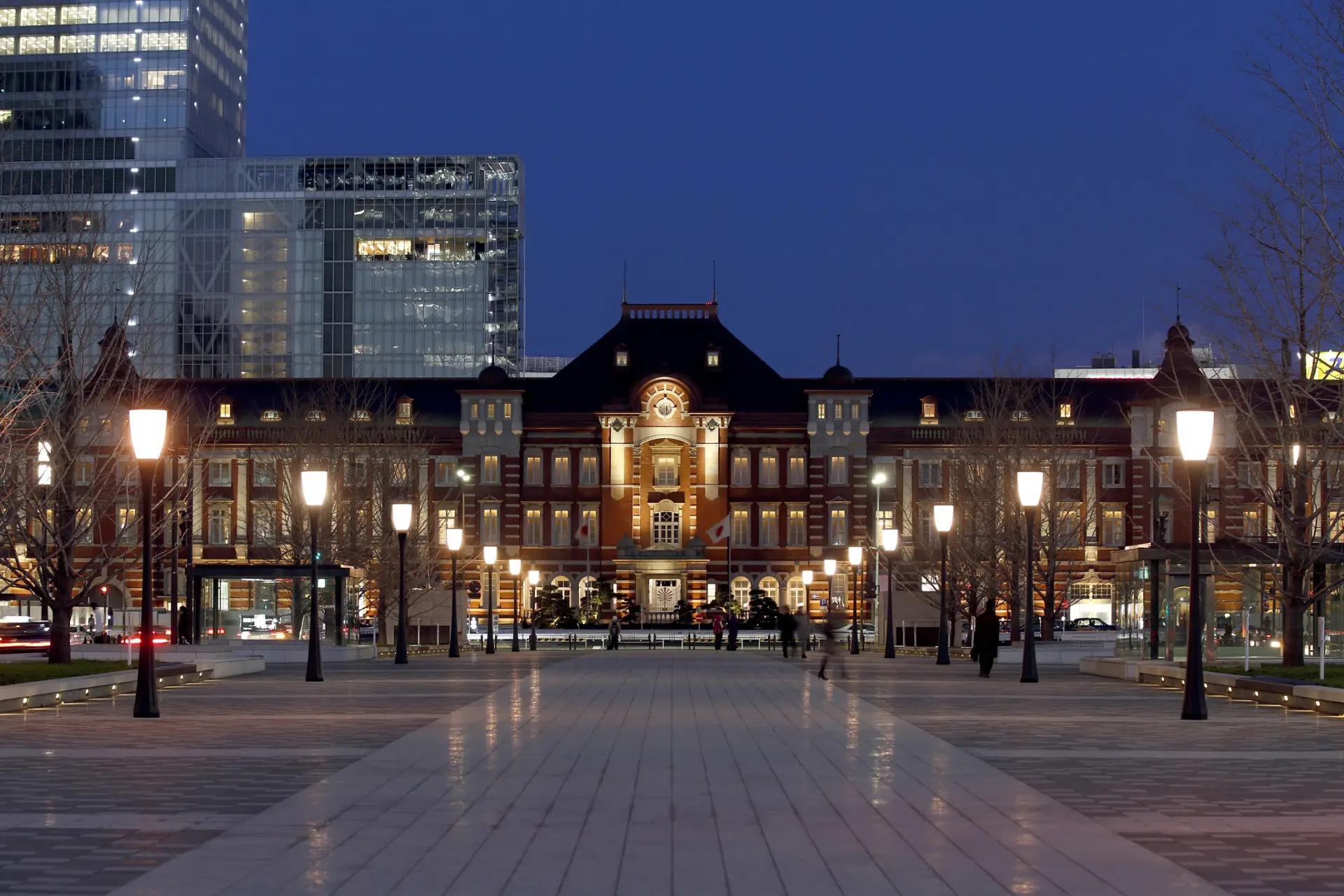
1. Tokyo Station Hotel
Tokyo Station Hotel is located inside the Tokyo Station Marunouchi Building and boasts more than 100 years of history, having opened in 1915.
It opened one year after Tokyo Station began operation in 1914, and has shared its history with the station ever since.
Its classical and luxurious interior is simply stunning. Not only the guest rooms but also the corridors, lobby, and lounge let you enjoy a calm and sophisticated atmosphere throughout.
2. Palace Hotel Tokyo
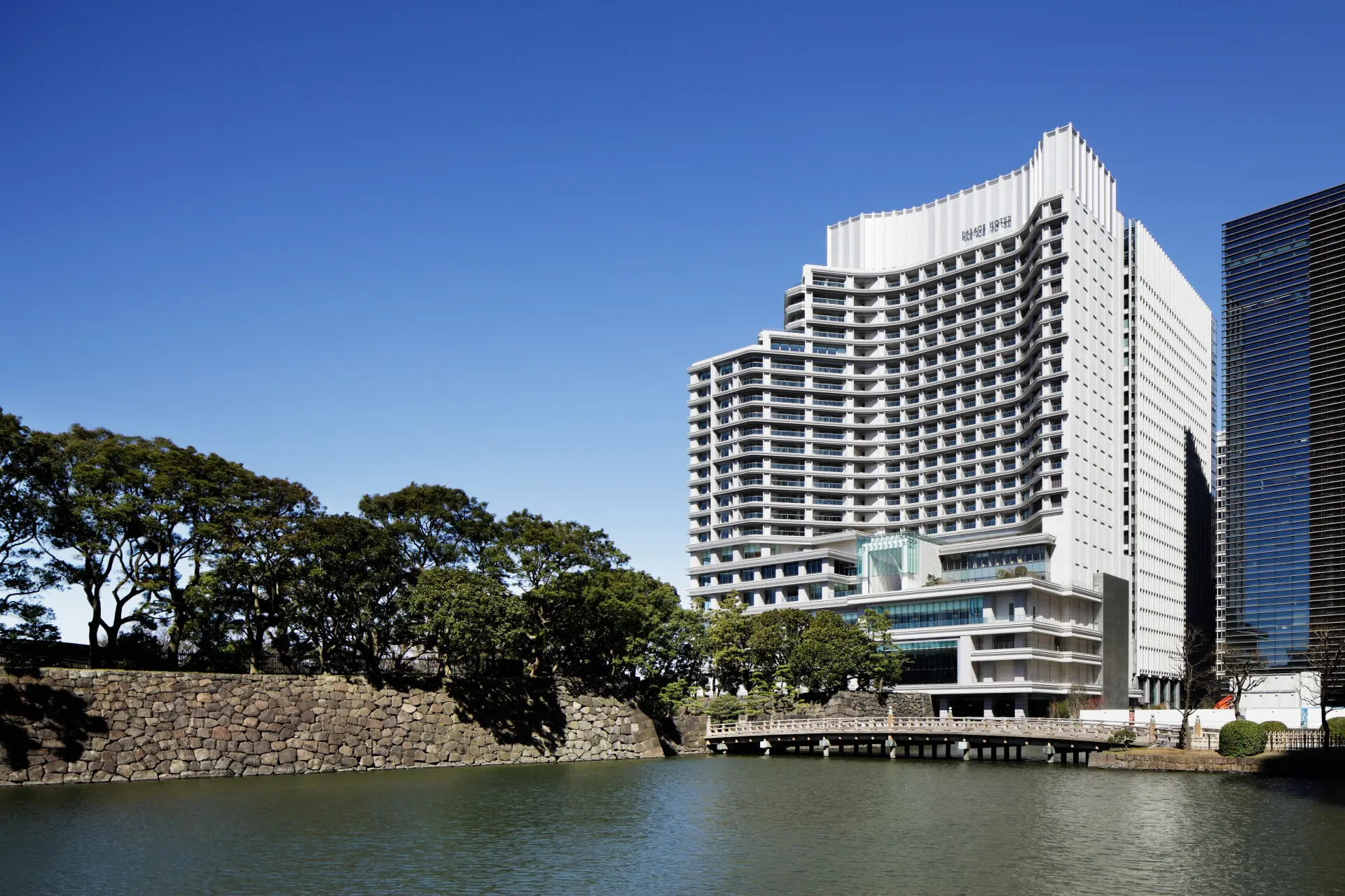
This luxury hotel is located at the distinctive Tokyo address of Marunouchi 1-1-1.
With direct access to the underground passageway of Otemachi Station and within walking distance of Tokyo Station, it offers excellent access for both business and sightseeing.
Its luxurious location overlooking the greenery of Kokyo Gaien National Garden and the palace moats is also part of its appeal.
In addition to Evian Spa Tokyo, the only place in Japan where you can experience the spa of Evian Resort, beloved by European celebrities, the hotel also features a fitness room and indoor pool, making relaxation during your stay especially fulfilling.
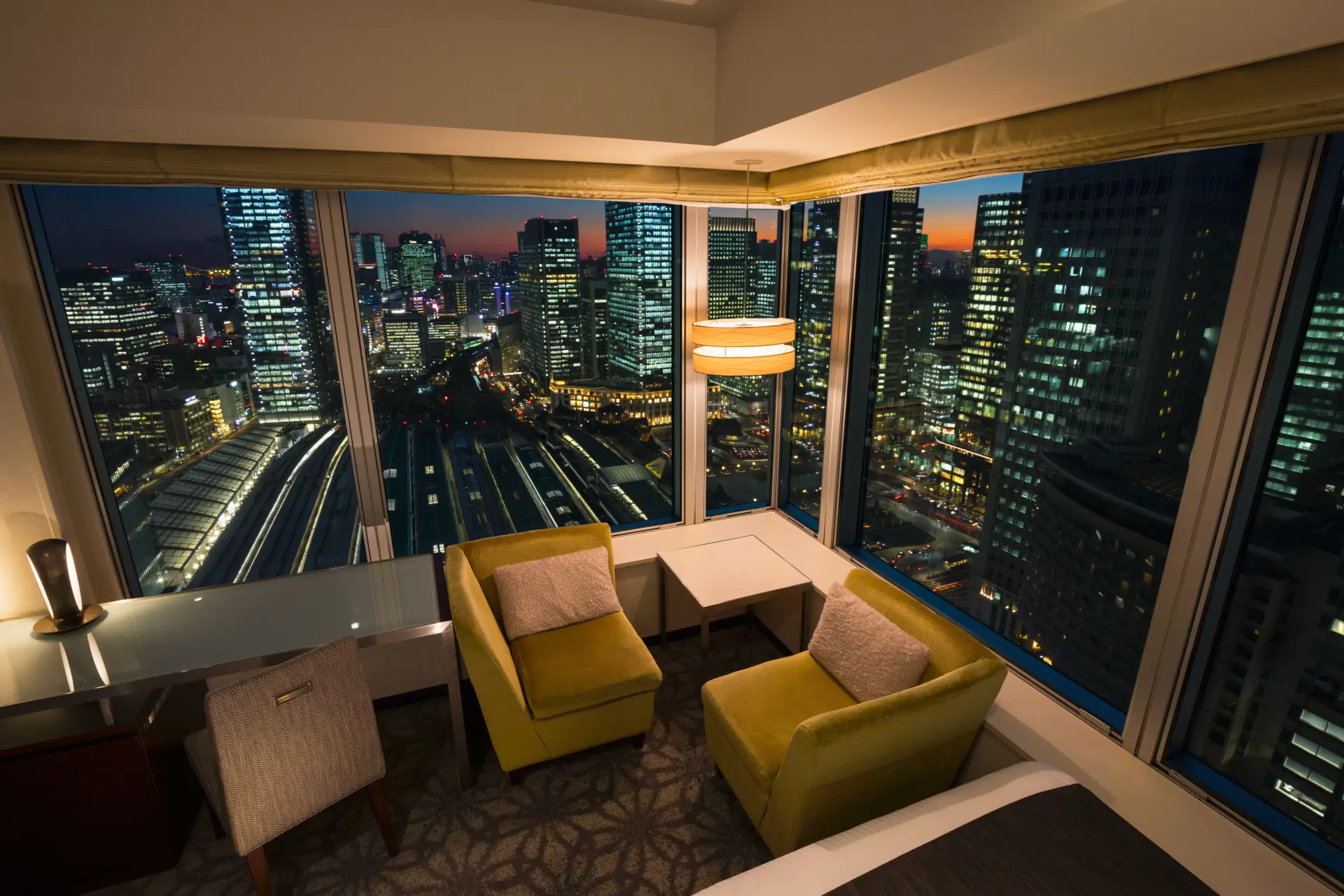
3. Hotel Metropolitan Marunouchi
Directly connected to the Nihombashi Exit of JR Tokyo Station and accessible straight to the hotel front desk by a dedicated elevator, this highly convenient hotel is ideal as a sightseeing base.
It occupies the 27th to 34th floors of the 35-story skyscraper Sapia Tower, and the views are excellent as well.
From stylish and compact single rooms to elegant 55-square-meter corner suites, a wide variety of guest rooms are available to suit different group sizes and travel purposes.
Among them, the guest rooms called UTSUROI, renovated in April 2024, are especially appealing for their soft, warm colors based on traditional Japanese shades.
Reviews
Some reviews are AI-translated.
-
The moat surrounds the Imperial Palace, with neatly trimmed pine trees and greenery along its banks. The scenery is simple yet very peaceful. Interestingly, once you leave this green space, you're surrounded by the high-rises of central Tokyo, creating a striking contrast between the bustling city and the tranquility of the Imperial Palace. Some areas of the Imperial Palace aren't always open to visitors, and entry is limited to designated times and subject to certain rules, so it's best to check the opening information before coming.
-
-
Kokyo Gaien National Garden is a rare large green space in central Tokyo. Its expansive lawns, neatly arranged pine trees, and views of the moat complement one another, creating an especially relaxing atmosphere. While strolling through the grounds, you can admire the famous Nijubashi Bridge and experience the dignified yet peaceful atmosphere surrounding the Imperial Palace.
-
-
The whole place is super quiet, like an oasis in the city. Walking in and seeing those stone walls and the moat is really impressive!
-


FAQ about the Imperial Palace
Q
Do I need a reservation for the Imperial Palace tour?
No reservation is required and the tour is free of charge (numbered tickets are distributed 1 hour before the start), but advance application is recommended because capacity is limited. *Identification such as a passport is required for the tour
Q
Are there any areas of the Imperial Palace that I can visit without a reservation?
You can visit the Imperial Palace East Gardens and Kokyo Gaien National Garden without a reservation, but please note that the former is generally closed on Mondays and Fridays.
Summary
The Imperial Palace is a rare sightseeing spot where you can enjoy Japanese history, culture, and nature all at once while gaining a deeper understanding of them.
It is easy to access from many areas and is basically free, which also makes it easy to visit casually.
Use the highlights introduced in this article as a guide, and be sure to take your time exploring.
For more help with your Tokyo trip, check out this article as well, which clearly summarizes must-visit sightseeing spots, carefully selected shopping spots, recommended places to stay, and more.